
Published on May 20, 2025 by

One idea could be a voice-over explainer video, where a robotic or real voice can be used with infographics or animations without showing any face.
Another option is creating an animated product tutorial, where AI narrates the steps and no human element is necessary.
Brands can showcase customer testimonials with text while an AI voice reads them out aplenty.
You can also utilize an AI-generated avatar in brand storytelling, where the avatar can act as the central character for the video.
Besides, AI-generated drawings can also be used for whiteboard animations with an AI voice-over.
Lastly, how-to videos using AI that provide step-by-step guidelines to your customers could be a handy tool.
In addition to the key areas of AI usage for brands outlined, you’re going to find a wealth of essential insights in the sections that follow.
We’ll be discussing the role of AI in better understanding customer behaviours and how this knowledge can fuel effective engagement strategies.
There will be discussions on how AI could potentially revolutionise branding principles and introduce new methods of reaching out to your audience.
The beauty of the upcoming content lies in its ability to present complex AI principles in an easily digestible format that can be beneficial for all.
Please continue reading to discover more about these exciting developments.
The era of technology has brought about a plethora of innovative solutions in various areas, one of them being AI-generated voice-overs for product introductions.
For businesses that are looking to create compelling and engaging content about their products without showing their faces, this could be a game-changing innovation.
AI-generated voice-overs involve using artificial inteligence to generate voice-based audio which can be used in product videos, introductions and demos.

This technology has a number of advantages, including the fact that it eliminates the need for professional voice actors which can be costly and hard to find.
Moreover, it provides consistency of voice and tone in all product videos without having to worry about the fluctuating quality of different voice actors.
Here are a few steps to creating impeccable AI-generated voice overs:
This technology also allows for personalization in terms of accent, language and tonality, allowing brands to align the voice-over with their brand persona and target audience.
Furthermore, AI-generated voice-overs also provide flexibility, as changes and updates can be made with ease, thereby saving time.
A good example would be, if a product undergoes changes after the video is made, with AI-generated voice-overs, the script can just be updated in the system and a new voice-over is instantly available for use.
Importantly, these voice-overs can be created in-house without requiring any external professional help.
Not only does this cut down on costs, it also enables a faster production process as the team can adjust and fine-tune the voice-over as required, without having to go back and forth with a voice actor.
Pro Tip: AI-generated voice-overs offer a cost-effective, customizable, and flexible solution for businesses looking to create engaging product introduction videos without the need for professional voice actors.
While AI-generated voice-overs may not completely replace traditional voice actors, they offer some compelling benefits to brands looking to produce product introduction videos without showing their face.
With the continuous advancements in AI technology, we can expect its use in voice-overs to only become more sophisticated and engaging, providing an effective solution for businesses to create compelling product videos.
In this digital age, the application of Artificial Intelligence (AI) in personalized marketing is an asset that can give businesses an edge over their competitors.
AI-based marketing technology provides businesses with enhanced capabilities to produce personalized content and advertisements that cater to an individual customer’s preferences and behaviors.
At its core, the goal of marketing is to connect with your audience in the right place, at the right time, and AI significantly streamlines this process.
For those seeking to introduce AI into their marketing strategy, a wealth of platforms and tools are available.
They range from algorithms that decide the best time to send emails to a specific customer, to advanced predictive analytics that determines the buyer’s journeys.
Implementing AI into a marketing strategy calls for an understanding of the customer’s journey, and of how AI tools can enhance this process.
Before we delve into specific components, it is crucial to acknowledge the broad categories of AI tools that can aid in personalized marketing.
These include Natural Language Processing (NLP), Machine Learning (ML), Predictive Analytics, and deep learning.
Each of these categories boasts tools designed to automate and optimize different aspects of personalized marketing.
Now, let’s further explore how these tools can enhance your personalized marketing strategy.
Here are some ways AI can assist in these said components:
These AI resources, whether used individually or in conjunction, profoundly enhance a marketer’s ability to deliver personalized customer experiences on a large scale.
However, embarking on the AI journey demands more than merely acquiring and deploying AI tools.
Pro Tip: Implement AI tools, such as Natural Language Processing, Machine Learning, Predictive Analytics, and Deep Learning in your marketing strategy to deliver highly customized customer experiences and gain a competitive edge.
It requires a deep understanding of business needs, a culture open to transformation, a robust data strategy, and a focus on ethical considerations.
By deliberately integrating AI into your marketing strategy, you are investing in the future of your business, driving customer engagement, and fostering a sustainable competitive advantage in an ever-evolving digital landscape.
The integration of Artificial Intelligence (AI) into business operations is fundamentally altering the way organizations function.
AI is becoming increasingly prevalent, driving changes in productivity, efficiency, and decision-making processes.
Many businesses are now relying on AI to accomplish tasks previously executed by human employees, thereby accelerating operational processes exponentially.

This behind-the-scenes transformation is making businesses more efficient and effective at what they do.
The use of AI tools to automate business operations not only decreases the risk of human error, but also makes it possible for businesses to operate round the clock.
In an era where time is a valuable commodity, the ability of AI to significantly reduce time-consuming processes cannot be overstated.
But what are these AI tools and how exactly do they transform business operations behind the scenes?
Presented here is a list of how AI contributes to the transformation of business operations:
AI-powered Process Automation is a game changer for businesses.
Beyond automating repetitive tasks, AI tools can intelligently learn from old data, make decisions and perform tasks as per the learning, and continually improve from every interaction.
Through Data Analysis, AI helps businesses sift through volumes of data, converting raw data into meaningful insights.
This allows businesses to leverage their data to better understand their customers, analyze market trends, and make informed strategic decisions.
AI in Customer Service is helping businesses provide their customers with efficient, personalized service around the clock.
And finally, AI in improving workforce Productivity cannot be overstated.
By automating routine tasks, AI frees up time for the human workforce to focus on complex tasks, creative thinking, and strategic planning.
As a result, businesses operate more proficiently and profitably, illustrating the profound impact AI has behind the scenes.
Many companies today are taking advantage of AI chatbots to not only market their products but also provide a top-notch customer service experience.
Implementing AI chatbots in customer service operations can save brands a significant amount of time and resources.
AI chatbots are programmed to interact and assist the customer as a human agent would, yet with increased accuracy and faster response times.

They are especially optimal for handling routine customer inquiries, freeing up human agents to handle more complex issues.
This ultimately results in a higher degree of customer satisfaction.
Moreover, AI chatbots can be customized to the brand’s specifications to speak as the brand’s voice, drastically aiding in brand consistency and voice.
Some key benefits of using AI chatbots in customer service include:
If done correctly, an AI chatbot can significantly improve a company’s customer service strategy, providing a tangible competitive advantage.
However, it is important to note that the success of AI chatbots highly depends on the level of sophistication of the AI program itself.
Brands must invest time in fine-tuning their AI algorithms to ensure their chatbots can understand and respond to a wide range of customer inquiries appropriately.
While this may require a significant investment initially, the long-term benefits of improved customer satisfaction and increased efficiency are likely to outweigh these costs.
With the rise of digital marketing and online communication, leveraging the power of AI chatbots in customer service is more than just a trend, it’s a must for brands wishing to stay competitive in today’s market.
It’s important to remember, excellent customer service is the backbone of any successful business, and AI chatbots can help ensure that your brand delivers just that.
As we dive deeper into the subject of AI and its role in shaping brand strategies, one cannot overlook predictive data analysis.
This innovation is spearheading brands’ strategic decisions, making it a hot topic in today’s technology-driven business landscape.
With predictive data analysis, brands are harnessing the power of AI to predict future trends and make data-driven decisions.
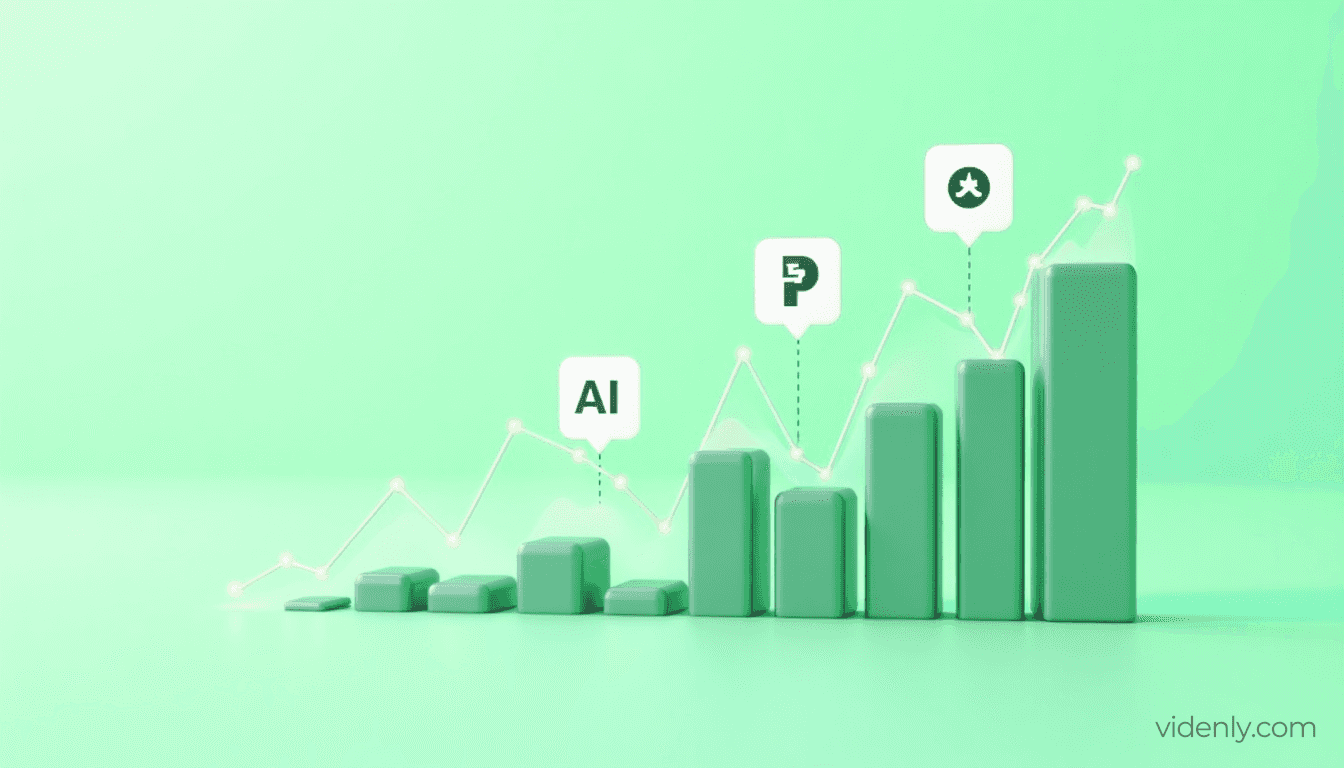
It facilitates anticipation of customer behavior and demand, thereby allowing companies to offer precisely what their customers need.
But how exactly does AI aid in predictive data analysis? Let’s get into the details.
Every point of interaction with customers leaves a data footprint ripe for analysis.
These interactions can include social media activity, purchase history, or even browsing habits.
AI algorithms, equipped with machine learning, learn from these patterns and contribute to forming a comprehensive image of the future trends.
This brings us to the core ways in which AI facilitates predictive data analysis for brands:
It’s not just about gathering data or drawing insights – the real value lies in predicting trends and future customer behavior.
Sifting through massive amounts of data might seem daunting, but with AI, brands can uncover meaningful patterns that provide valuable insights.
By implementing predictive data analysis, brands can adapt their strategies proactively and drive their decision-making process more effectively.
Indeed, predictive data analysis through AI is a tool businesses cannot afford to ignore, given its capacity to create a competitive advantage.
Important: With predictive data analysis, brands are leveraging the power of AI to anticipate customer behavior, predict future trends, and make data-driven decisions, thereby gaining a competitive advantage in the market.
As more brands leverage AI-driven predictive analytics, it won’t be an exaggeration to say that it’s redefining the business landscape.
At the end of the day, it allows brands to stay ahead in the market, meet customer expectations proactively, and drive sales while improving their bottom line.
In our increasingly digital world, eCommerce has transformed the way we shop. As we journey through this progression, the role and impact of AI automation in eCommerce has become undeniable.
The retail landscape, online especially, has become hypercompetitive. In this environment where customer service and swift operations are paramount, AI automation has emerged as a game-changing solution.
AI automation helps online businesses to streamline their operations, making them more efficient and cost-effective.
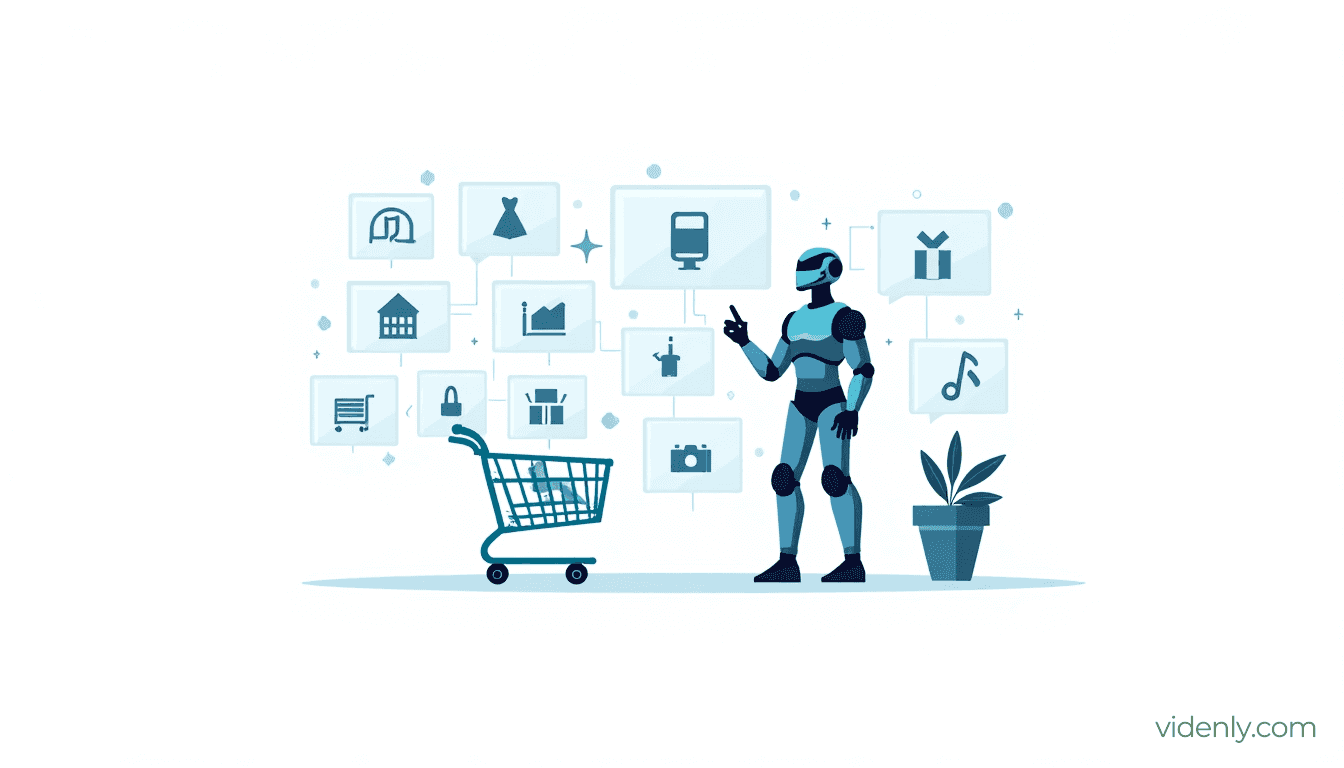
One primary area where AI automation has a significant impact is inventory management. It eliminates human error, predicts future sales trends, and ensures there are no stock-outs or overstock situations.
It also plays a crucial role in enhancing customer service. AI chatbots can interact with customers 24/7, resolve their queries, and provide instant assistance, enhancing the customer shopping experience significantly.
Let’s consider the various ways AI automation plays a pivotal role in eCommerce:
AI automation is not just a technological advancement; it’s a business necessity in today’s eCommerce landscape.
Customers expect seamless and quick service, and AI helps eCommerce businesses meet these customer expectations.
The retailers who have embraced AI automation have seen a tangible impact on their bottom line, improving revenue and maximizing their ROI.
Moreover, AI automation frees up employees’ time that can be utilized for more strategic business tasks, thereby optimizing workforce efficiency.
AI can even reduce cart abandonment rates by using retargeting strategies, sending personalized emails, or showing discounted offers to the customers who have left items in their cart without purchasing.
Moreover, AI-powered predictive analytics can help forecast future trends and allow businesses to be proactive rather than reactive.
Pro Tip: Implement AI automation in your eCommerce operations as quickly as possible to enhance customer service, optimize inventory management, and improve overall efficiency, which will in turn boost your revenue and maximize ROI.
The potential applications of AI automation in eCommerce are numerous and its benefits, abundant.
As the technology continues to grow and evolve, so will its applications and capabilities within the realm of eCommerce.
Thus, the question isn’t whether eCommerce businesses should invest in AI automation, but rather, how quickly they can implement it to stay ahead.
Artificial Intelligence (AI), a technological breakthrough, has dramatically transformed various sectors, including content creation.
AI-assisted content creation is quickly becoming a game-changer for brands, who are capitalizing on its benefits to generate creative, relevant, and engaging content without showing their faces.
The process begins with an AI-powered content creation tool, such as Article Forge, WordAI, or Jasper, among others. These intelligent tools are capable of creating high-quality, unique content by themselves, with minimal human intervention.
These AI platforms are powered by advanced natural language processing algorithms and thousands of datasets, enabling them to understand, analyze, and replicate human-like writing patterns.
As a brand, you don’t want to miss out on riding this tech wave.

Impressively, AI content creation tools can handle various types of content, ranging from articles and blog posts to social media updates and product descriptions.
The AI’s flexibility and versatility make it an invaluable asset in a digital marketer’s toolkit.
Before we delve into the specifics, let’s briefly outline the general steps involved in AI-assisted content creation:
Now let’s explore each step in detail.
Creating a brief sets the foundation for your content. It informs the AI what to write and how to deliver it. Without a clear, detailed brief, even the most sophisticated AI tools would struggle to generate valuable, eye-catching content.
Once you have your brief ready, feed it into your chosen AI content creation tool.
Depending on the complexity of your content and the specifics of the AI tool, this stage could take anything from minutes to a few hours.
It’s crucial to communicate your instructions clearly during this stage as it would guide the AI’s content creation process.
Next, the AI tool springs into action, processing your information and creating your content.
Remember that the sophistication of the AI tool significantly affects the quality of the output.
Hence, investing in a top-tier AI tool can make all the difference.
The content generated by AI is typically impressive about mimicking human writing.
However, like any automated system, it isn’t perfect and maybe require formatting and proofreading, especially in its early stages.
Make sure to review what the AI tool produced, correct grammatical errors, and structure the content to make it easy for the reader to digest.
Important: AI-assisted content creation is quickly becoming a game-changer for brands, offering a streamlined and personalised process to generate creative, engaging, and relevant content with minimal human intervention.
After revisions and editing, a final review is necessary to ensure the content aligns with the brand’s guidelines and objectives. Post this. Your AI-generated content is ready to be published!
The power of AI in content creation lies in its ability to streamline the process, personalize the content to each audience segment, and ensure consistency throughout.
Using AI tools can enhance your brand’s online presence, making it easier for potential customers to relate to your content in a more personal way, even without seeing faces behind the scenes.
Embracing AI-generated voice-overs during product introductions can give your brand a distinctive edge, making it attractive to your target audience.
Incorporating AI into your personalised marketing strategy will not only make your campaigns more efficient but will also enable your brand to provide unique experiences for each customer.
AI quietly revolutionizing behind-the-scenes business operations provides us a fascinating insight, demonstrating how this new technology can streamline processes and boost productivity significantly.
AI chatbots are undeniably revolutionizing customer service, providing quick, efficient, and round-the-clock customer support that enhances customer satisfaction and loyalty.
The power of AI in predictive data analysis is impressive; it assists brands in making informed decisions that greatly drive business growth and profitability.
AI automation has become an indispensable tool in the eCommerce realm, enhancing efficiency, accuracy and productivity, besides giving brands a competitive advantage.
And finally, AI-assisted content creation not only makes the process faster and easier but also ensures your content is tailored and engaging, essentially benefiting your overall brand image.
Trust AI; it’s changing the game for brands globally.
Create stunning AI-generated videos that captivate your audience and elevate your brand.