
Published on February 20, 2026 by

User-generated content (UGC) advertising campaigns can significantly enhance brand engagement and authenticity.
To achieve success, it is crucial to encourage genuine participation from your audience, fostering a sense of community around your brand.
Incentivizing contributions,whether through contests, giveaways, or recognition,can amplify user involvement and excitement.
Furthermore, leveraging data analytics will enable brands to identify the most effective content and platforms for their target audience.
Maintaining a consistent and clear brand message while showcasing diverse user perspectives ensures relatability and relevance.
Finally, it’s essential to actively curate and showcase high-quality UGC to build trust and inspire further participation in your campaigns.
While the essential elements of successful UGC advertising campaigns provide a strong foundation, there are additional factors that can further enhance your strategy.
For instance, exploring various ways to measure the success of your campaigns can offer insights into areas that need improvement or adjustment.
In addition, understanding the role of incentives for user participation can lead to a more vibrant and engaging community around your brand.
As we move forward, these topics will be elaborated upon to give you a more comprehensive understanding of UGC advertising.
Establishing clear campaign goals is the foundational step in creating a successful UGC (User Generated Content) advertising campaign.
Without well-defined goals, a campaign can lack direction and purpose, ultimately leading to disengagement among participants.
These goals should articulate the desired outcomes of the campaign, guiding every decision throughout the process.
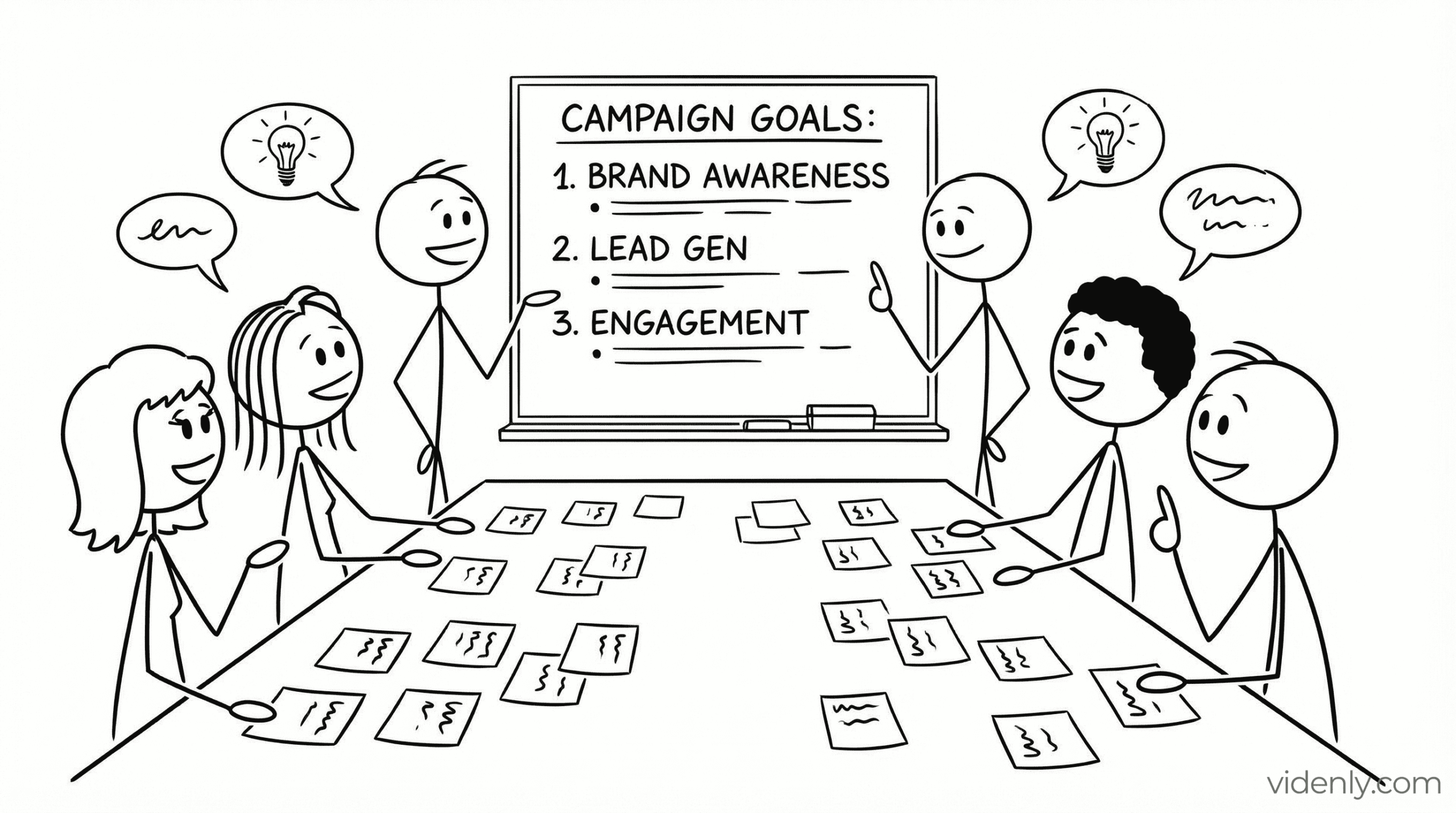
Effective goals are SMART: they should be Specific, Measurable, Achievable, Relevant, and Time-bound.
For instance, a goal can specify the target number of user submissions, focusing on achieving at least 500 unique posts by the campaign’s end.
This provides a concrete target, making it easier to gauge success or adjust strategies as needed.
Additionally, clear goals help to align the marketing team, ensuring everyone understands the objectives and their role in achieving them.
Another significant aspect of setting campaign goals is identifying the target audience, which can shape the content strategy.
Understanding whom you are engaging with can inform not only the types of contributions encouraged but also how to communicate effectively with this audience.
Moreover, campaign objectives should also reflect the overall brand vision, connecting with the company’s long-term strategies and values.
When teams establish clear goals, they can also create a more focused and cohesive messaging strategy, which is essential for resonating with the audience.
To illustrate the variety of goals campaigns can include, consider the following list:
These goals can serve as the roadmap for your campaign, helping to streamline efforts and improve outcomes.
As the campaign progresses, it’s crucial to continually refer back to these goals, assessing whether they remain relevant and achievable.
In some cases, the initial goals may need to be adjusted based on user engagement, market dynamics, or resource availability.
This adaptability can greatly enhance the effectiveness of the campaign while still retaining a focus on the core objectives.
At the end of the day, clearly defined goals set the stage for strategic planning, allowing for both creativity and structure within UGC campaigns.
Within the scope of user-generated content (UGC) advertising campaigns, one of the most important elements to consider is the production of engaging and authentic content.
Creating UGC that resonates with the audience requires a deep understanding of what appeals to them, which often means diving beyond simple marketing jargon and embracing genuine storytelling.
The best UGC reflects the true experiences of users, providing a relatable context that fosters a sense of trust and connection.

To achieve this, brands should encourage users to share their own narratives, as this allows for a more personal and impactful interaction with their products or services.
Moreover, incorporating themes and topics that resonate directly with the target audience can greatly enhance engagement; this approach helps in building a community around shared values and experiences.
One effective strategy is to pose open-ended questions or challenges that invite users to express their thoughts, thereby sparking creativity and a desire to participate.
When individuals share their content, they are engaging in a form of self-expression, which is inherently more compelling than traditional advertisements, as people often seek to connect with others through their shared interests.
Furthermore, authenticity is crucial; users can easily detect when a campaign is insincere, making it essential for brands to uphold genuine interactions and to avoid overly polished or staged content.
In addition, utilizing real customer stories can have a profound effect on other potential customers, as they see real-life applications and results of products in action.
This approach not only enhances relatability but also validates the brand’s offerings through the voices of satisfied customers.
To further enrich the content, brands can collaborate with their users to co-create marketing materials that embody both the company’s objectives and the audience’s experiences, thereby ensuring that the content feels authentic.
Moreover, visuals play a significant role in user engagement, as eye-catching images or videos can quickly capture attention and convey messages more effectively than text alone.
Encouraging users to share high-quality photos and videos can result in an organic marketing funnel filled with eye-catching content that informs and motivates others.
It’s also important to recognize that engagement does not solely depend on the content itself but also on the platforms used for sharing; certain mediums lend themselves better to different types of storytelling.
At the end of the day, leveraging platforms that are popular among the target demographics can significantly increase the reach and impact of the UGC, leading to deeper connections and broader engagement.
In the end, a focus on crafting engaging and authentic content not only enriches a brand’s marketing strategy but also enhances the community’s involvement, creating a cycle of trust and loyalty between the brand and its audience.
Through this approach, brands can not only elevate their marketing endeavors but also cultivate an environment where users feel appreciated, authentically heard, and motivated to contribute.
Community involvement is a fundamental aspect of successful User-Generated Content (UGC) advertising campaigns.
When a brand fosters a sense of belonging, it becomes easier for individuals to engage with the content and share their own experiences.
Active participation not only heightens the emotional connection but also encourages users to become advocates for the brand.

To achieve strong community involvement, the brand must first establish channels of communication where users feel comfortable expressing their thoughts and ideas.
This can include various platforms such as social media, forums, and community websites specifically designed for user interaction.
Brands should encourage users to share their stories, photos, and videos that relate to the brand or its products, making each user feel valued and recognized.
As participation increases, brands can create a feedback loop where users see their contributions being utilized and celebrated.
This inclusion can be reinforced by highlighting outstanding contributions on official brand channels, thereby showing appreciation for user input.
Moreover, a successful UGC campaign relies heavily on the ability of the brand to nurture relationships within its community.
This is typically achieved by regularly engaging with users through comments, shares, and likes, thus creating an atmosphere of active participation.
Furthermore, community involvement can be boosted through the use of contests or initiatives that invite users to showcase their talent while interacting with the brand.
Here are some effective strategies that can help foster strong community involvement:
By implementing these strategies, brands not only capture the attention of their audience but also actively cultivate a sense of ownership among users.
This sense of ownership encourages loyalty, as users feel a deeper connection to a brand that values their input and experiences.
Additionally, brands can tap into user-generated ideas to further innovate their offerings, reflecting the desires and preferences of their audience.
In a world where consumers often seek authenticity, brands that invite community involvement stand out by creating a more rounded and relatable identity.
Pro Tip: Foster community involvement by establishing open channels for communication, encouraging storytelling, and celebrating user contributions to create a sense of belonging and ownership among your audience.
In the end, engagement is more than just interaction; it is about fostering a community where users collaborate and contribute actively, enriching the overall user experience.
As engagement continues to grow, brands must remain vigilant in monitoring community dynamics to adjust their strategies accordingly.
In any successful user-generated content (UGC) advertising campaign, consistency in brand messaging plays a pivotal role in establishing trust and recognition among the target audience.
When a brand maintains a cohesive voice, tone, and style, it effectively communicates its core values and mission, making it easier for users to connect with the brand on a deeper level.
Consistent messaging across various platforms not only enhances brand identity but also ensures that the audience receives a unified experience, regardless of where they encounter the content.

Using the same visual elements, such as logos, color schemes, and fonts, alongside consistent language helps to create a strong brand presence that is easily identifiable.
This recognition fosters a sense of familiarity and loyalty among consumers, as they come to associate specific attributes and values with the brand.
Furthermore, when brands share user-generated content, it is crucial that these contributions align with the established messaging framework to avoid confusion and ensure that the audience’s perception remains intact.
For instance, if a brand is positioned as sustainable and eco-friendly, all UGC should reflect those core values to maintain integrity and authenticity in communication.
A discrepancy between user-generated content and the brand’s messaging can lead to mixed messages, which may undermine the audience’s trust and dilute the effectiveness of the campaign.
Moreover, engaging with the audience while solidifying the brand’s core message encourages authenticity, as users feel more inclined to participate and share their experiences when they see their values reflected.
It is essential to create a guideline for contributors that outlines the desired tone and messaging to help steer user-generated content in a direction that supports brand objectives.
This guideline should be flexible enough to allow for creativity but structured enough to ensure that the messaging remains on-brand and coherent throughout the campaign.
The incorporation of storytelling elements can also enhance brand messaging by providing context and relatability, making it easier for users to engage with and resonate with the narrative.
Brands that actively participate in the conversation and showcase meaningful connections with their audience tend to see improved engagement levels and a stronger sense of community among users.
Additionally, utilizing a consistent brand messaging approach lays the groundwork for measurable outcomes, particularly in evaluating user sentiment and engagement metrics during the campaign.
At the end of the day, when audience members identify with a brand’s message, they are more likely to contribute their own content, which allows for an ever-expanding network of authentic engagement that benefits everyone involved.
By ensuring that all aspects of content,both user-generated and official communications,align with the brand’s established messaging, companies can effectively harness the power of collaborative storytelling and leverage it to build an enduring relationship with their audience.
Choosing the right distribution channels is crucial for the success of any user-generated content (UGC) advertising campaign.
The channels chosen must closely align with the target audience’s preferences and habits, ensuring that the content reaches the right individuals at the right time.
Many brands make the mistake of using a one-size-fits-all approach, but a more tailored strategy is essential for impactful engagement.
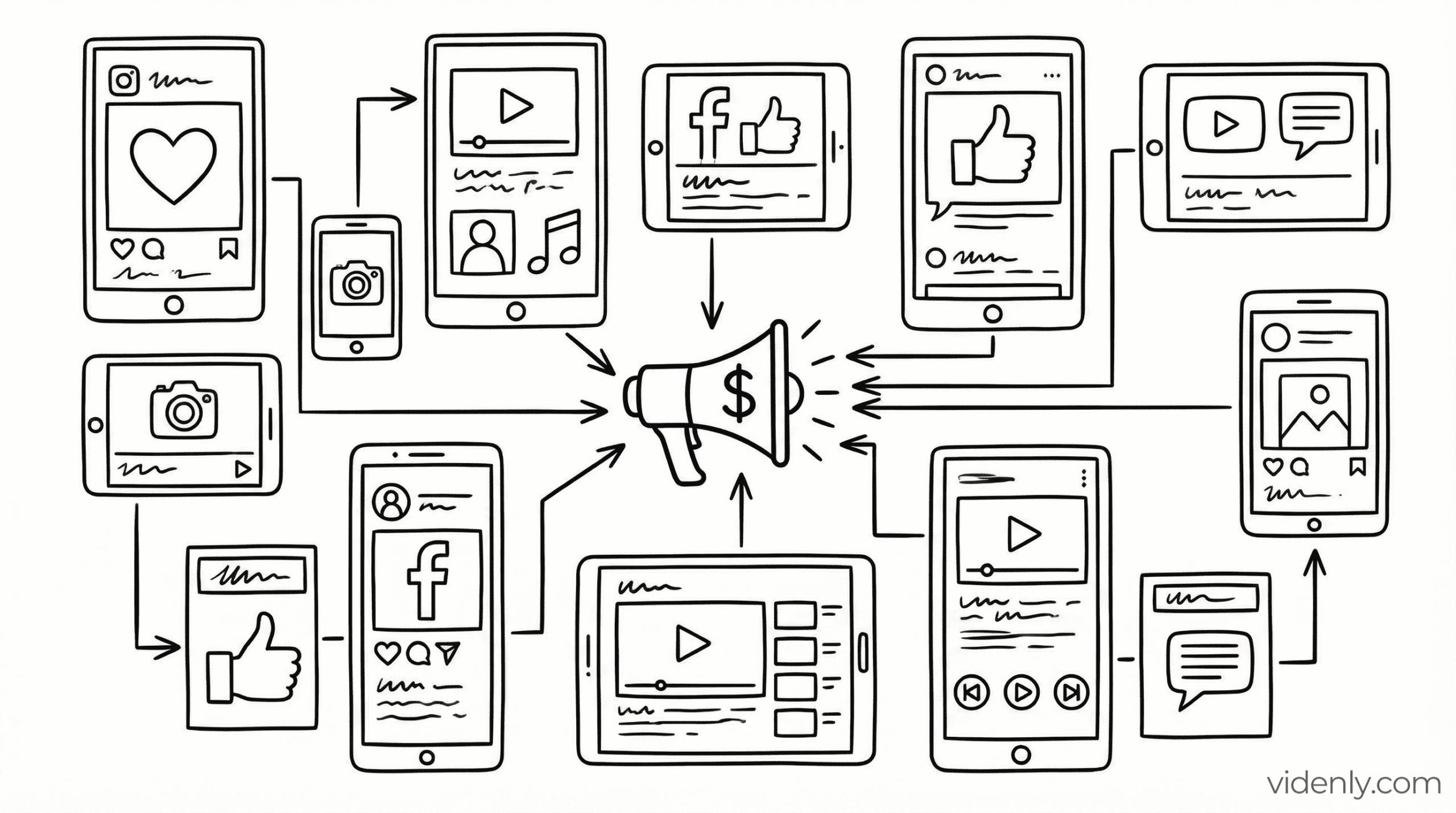
To effectively distribute UGC, brands should first identify where their audience is most active, which can sometimes be a complicated endeavor.
Engaging with users on social media platforms like Facebook, Instagram, TikTok, and Twitter can effectively broaden the reach of UGC campaigns.
Additionally, leveraging online communities such as forums or niche groups dedicated to specific interests can help brands connect with highly engaged audiences.
For instance, the Social Media presence must be strategically curated, focusing especially on platforms where the audience spends a significant amount of their time.
This engagement will not only showcase the brand’s personality through authentic content but also promote organic sharing among followers.
Furthermore, featuring UGC on the brand website can enhance the overall customer experience by including real stories and endorsements that resonate with potential buyers.
This not only builds trust but also encourages visitors to see themselves as part of a larger community.
Another effective method is to utilize email marketing as a distribution channel, where users can receive tailored content featuring UGC directly in their inboxes.
This kind of direct engagement can stimulate interest and encourage social sharing among recipients’ networks.
Collaboration with influencers is another powerful avenue, as these individuals already have established trust and credibility with their followers.
By partnering with suitable influencers, brands can effortlessly amplify the reach of their UGC campaigns and create a shared sense of excitement and participation.
At the end of the day, understanding the unique aspects of each channel allows brands to maximize their engagement,for example, content tailored for Instagram may differ significantly from what is effective on professional platforms like LinkedIn.
Important: Choosing the right distribution channels is crucial for the success of any UGC advertising campaign, as they must closely align with your target audience’s preferences and habits to ensure effective engagement.
It’s also essential to consider the format of the content when selecting distribution channels, as different platforms may favor various types of media.
As a result, UGC campaigns can see enhanced performances when they take into account these diverse formats, ensuring that they fit the aesthetic and functional needs of each platform decided upon.
Incentives play a crucial role in motivating users to engage with user-generated content (UGC) advertising campaigns, as they provide tangible rewards for participation.
When brands offer attractive incentives, they can significantly increase the likelihood that users will create and share content that aligns with the company’s goals and values.
This can include a variety of rewards, such as monetary compensation, discounts, or exclusive access to products or services.

Monetary incentives appeal to a wide range of participants, as they can provide immediate gratification and recognition for the effort put into content creation.
Moreover, offering discounts on products can encourage repeat business while allowing users to feel a sense of accomplishment and appreciation for their contributions.
Exclusive access to events, products, or features can create a sense of belonging among participants, making them feel valued and special within the brand community.
In addition to tangible rewards, recognition is a powerful motivation that brands can leverage to encourage content creation.
Highlighting user-generated content across social media platforms or featuring it on the company’s website can enhance the visibility and credibility of the contributor.
Such recognition not only boosts the participant’s confidence but can also encourage others to submit their own content for a chance at similar acknowledgment.
Furthermore, implementing a gamification aspect, such as leaderboards or point systems, can add an element of fun and competition that drives participation.
By creating a competitive environment where users can track their progress and achievements, brands can maintain user engagement over time.
Quality of content often improves when participants seek to earn more points or climb higher on the leaderboard, as they strive to create content of superior quality.
Another way to encourage participation is to leverage partnerships with influencers or notable figures within a community to amplify the incentives offered.
When consumers see a trusted figure endorsing participation in a UGC campaign, they are more likely to feel motivated to join in on the fun.
Incentives can also be tailored based on specific target groups, ensuring that the rewards resonate deeply with the audience’s interests and values.
Adjusting incentives to match what your specific audience values can lead not only to more participation but also to the creation of high-quality content that genuinely represents your brand.
Pro Tip: To maximize user engagement in UGC campaigns, tailor your incentives to align with your target audience’s interests, offering clear rewards and recognition to motivate participation.
Moreover, it is essential for brands to communicate clearly the incentives available and to set well-defined criteria for participation.
When potential contributors understand exactly what is at stake and what they must do, they are likely to feel more empowered to engage and create.
In any successful user-generated content (UGC) advertising campaign, effective moderation and curation play a critical role in ensuring the quality and relevance of the content being shared.
Moderation refers to the process of filtering and monitoring the content submitted by users, while curation involves selecting, organizing, and highlighting the most impactful pieces of content.
Both of these processes are essential for maintaining a positive brand image and fostering a community where users feel valued and respected.

Without proper moderation, UGC campaigns can quickly become chaotic, with low-quality, irrelevant, or inappropriate submissions overshadowing the authentic contributions of enthusiastic users.
The key to effective moderation is establishing clear guidelines and rules that outline the types of content that are acceptable within the campaign.
These guidelines should be communicated transparently to all participants, helping to set expectations and minimize confusion.
In addition to setting guidelines, brands should also invest in a dedicated moderation team or utilize technology that can assist in scanning submissions for compliance with the established standards.
This approach not only facilitates prompt responses to any issues but also underscores the brand’s commitment to maintaining a safe and welcoming environment.
Curation, on the other hand, involves the active selection of user-generated content that aligns with the campaign’s goals and resonates with the target audience.
A well-curated selection showcases the best contributions from users, ultimately enhancing the overall presentation of the campaign while also encouraging further participation.
To effectively curate content, brands should consider the following factors:
These factors not only contribute to a more cohesive and engaging campaign but also demonstrate respect for the talents and efforts of the contributors.
Effective moderation and curation also involve recognizing and celebrating the contributions of users, which can foster a sense of community and encourage ongoing engagement.
By highlighting the best user-generated content and attributing it correctly, brands can build a stronger connection with their audience.
Additionally, implementing feedback loops where users can learn about the success of their contributions can act as a powerful motivator to continue participating.
In the end, moderation and curation must be approached with a careful balance between oversight and empowerment, where brands create spaces that allow creativity to flourish without compromising on standards.
With the right strategy in place, effective moderation and curation can transform a user-generated content campaign from ordinary to extraordinary, enhancing the overall impact and success of the advertising initiative.
One of the critical aspects of any successful UGC advertising campaign is the ability to conduct a measurable results analysis.
This analysis allows marketers to determine how well their campaign is performing against the previously set goals and objectives.
To begin, it’s essential to identify the key performance indicators, or KPIs, that will serve as the benchmark for success.

Common KPIs for UGC campaigns include engagement rates, conversion rates, and brand sentiment, all of which offer insight into the campaign’s effectiveness.
For instance, a high engagement rate can indicate that the content resonates well with the audience and fosters a sense of community involvement.
Conversely, low engagement levels might suggest that the content is not relatable or appealing, prompting the need for a strategic re-evaluation.
Additionally, analyzing conversion rates is crucial as it reveals how many individuals took the desired action, be it making a purchase, signing up, or participating in the campaign.
Tracking these rates over time can provide invaluable information regarding the effectiveness of various strategies employed throughout the campaign.
Another critical element of analysis involves monitoring brand sentiment, as it reflects how consumers perceive the brand during the campaign.
This sentiment can be gauged through social listening tools that analyze how users engage with user-generated content across various platforms.
Understanding the emotional connection customers have with the brand can facilitate better content strategy decisions in the future.
Moreover, it is important to segment your audience when conducting measurable results analysis, as different demographic groups might respond differently to UGC.
By analyzing engagement and conversion rates across these segments, marketers can pinpoint which audiences are most likely to engage and tailor future campaigns accordingly.
Additionally, channel performance can provide insights into which platforms drive the best results, helping marketers allocate resources more effectively.
Important: Conducting a measurable results analysis is essential for understanding campaign performance against set goals, utilizing key performance indicators such as engagement rates and conversion rates to gauge effectiveness.
In the digital marketing landscape, data-driven decision-making is a game changer, allowing brands to pivot their strategies based on real-time metrics.
As a result, the continuous cycle of measurement, analysis, and adjustment can lead to long-term success and sustainability in user-generated content campaigns.
Success in UGC advertising campaigns hinges on well-defined goals that guide every aspect of the initiative.
Creating engaging and authentic content is crucial, as it resonates more deeply with the audience and encourages active participation.
Strong community involvement fosters trust and loyalty, transforming customers into passionate advocates for your brand.
Consistency in brand messaging reinforces identity and strengthens recognition across all platforms, making your campaign more memorable.
Choosing the right distribution channels ensures that your content reaches the intended audience effectively and efficiently.
Offering incentives for participation not only boosts engagement but also shows appreciation for your audience’s contributions.
Effective moderation and curating of user-generated content maintain quality and align with your brand’s values, enhancing overall credibility.
Finally, analyzing measurable results allows you to refine your strategies and better understand what resonates with your audience, paving the way for future successes.
Create stunning AI-generated videos that captivate your audience and elevate your brand.