
Published on June 2, 2026 by

Within the scope of faceless YouTube content creation, leveraging the right tools is crucial for efficiency and quality.
Video editing software, such as Adobe Premiere Pro or Final Cut Pro, enables seamless editing and enhances the overall production value.
Additionally, platforms like Canva or Adobe Spark provide excellent graphic design capabilities for creating engaging thumbnails and channel art.
To optimize audio quality, investing in a reliable microphone and audio editing tools like Audacity is essential.
Moreover, using a project management tool such as Trello or Asana can significantly streamline your workflow by keeping tasks organized and on schedule.
Finally, analytics tools like TubeBuddy or VidIQ are invaluable for tracking performance and gaining insights into audience preferences.
While the key takeaways highlight essential tools for enhancing your faceless YouTube workflow, there is much more to explore beyond just these foundational elements.
By continuing through the article, you will discover additional strategies and techniques that can further streamline your content creation process.
I will also discuss how to effectively promote your videos, manage your channel’s growth, and analyze performance metrics to ensure your success.
These insights are crucial for anyone looking to build a strong presence on YouTube, especially when operating without a personal on-screen identity.
Video editing software is an essential component for anyone looking to create high-quality content, especially for faceless YouTube channels.
Within the scope of video production, a robust editing tool can significantly enhance the final output, making it more appealing to the audience.
Faceless YouTube creators rely heavily on visuals, sound, and structure to keep their viewers engaged, which is why the choice of editing software is important.
Today, numerous video editing options exist, each offering unique features and capabilities tailored to different levels of expertise.
For beginners, user-friendly interfaces with basic editing functionalities are crucial, while experienced editors may seek more advanced options with extensive features.
Some of the most sought-after features in video editing software include multi-track editing, customizable transitions, and a wide array of video filters.
When choosing the right video editing software, consider factors such as user interface, performance, integration capabilities, and the specific needs of your projects.
To make the selection process easier, it can be helpful to consider a few key aspects before diving into software options:
The sheer volume of video editing applications available can sometimes be overwhelming, but each serves a distinctive purpose which can cater to various editing styles.
For instance, while some beginners might find tools like simple drag-and-drop editors sufficient, others may desire features like color grading and advanced motion graphics.
Moreover, professional-grade software often includes capabilities such as 4K video editing, which is increasingly becoming a standard in video content creation.
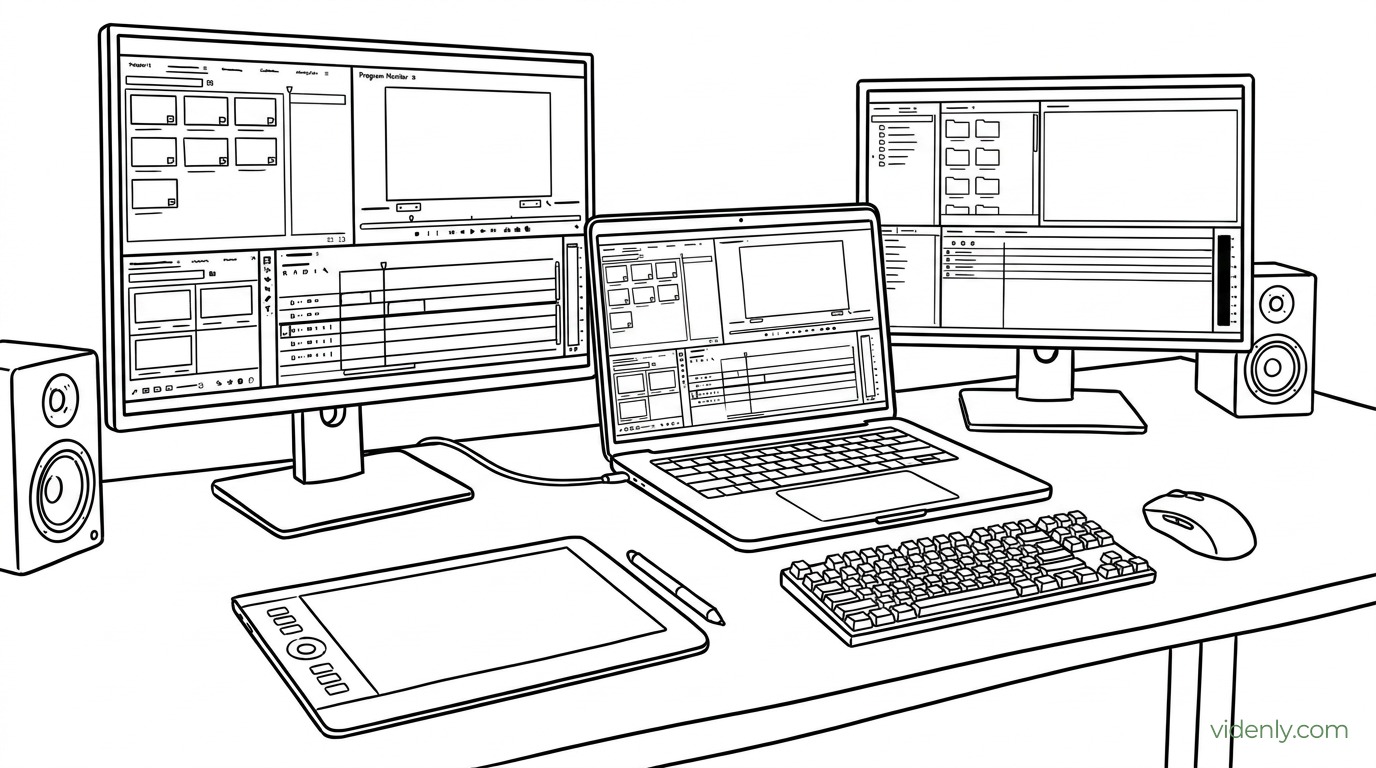
In the end, the choice of video editing software can define your workflow, affecting how swiftly and efficiently you can produce your content.
Incorporating tools that align with your specific needs will enhance your ability to tell your story without having to settle for generic templates.
For those interested in automation, platforms like Videnly stand out by providing features such as AI avatars and text-to-speech, which can further streamline the video production process.
This ability to automate certain aspects of editing can be particularly valuable for creators working on faceless content, where visual and auditory elements are critical for engagement.
As you navigate the landscape of video editing tools, assessing your workflow requirements, budget constraints, and desired production quality can position you for success in your YouTube journey.
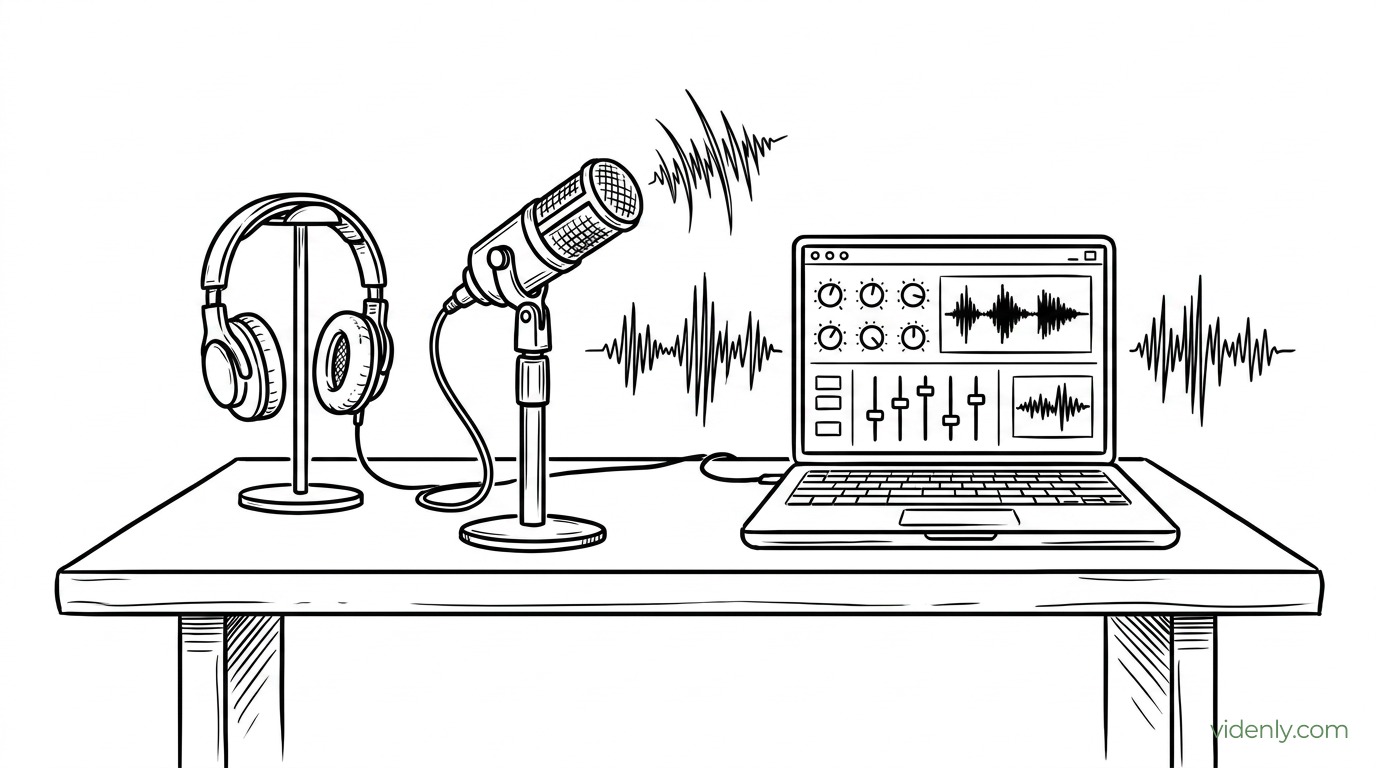
In the context of video production for platforms like YouTube, audio quality often stands as a pivotal element in crafting engaging content.
While visual elements can captivate an audience, it is the audio experience that frequently determines a viewer’s satisfaction and engagement.
As such, investing time and resources into audio enhancement tools can significantly elevate the overall quality of your faceless videos.
Through the use of advanced audio tools, creators can manipulate sound to create a professional-grade experience even without appearing on camera.
One of the primary functions of audio enhancement tools is the ability to remove unwanted background noise, which can often detract from the clarity of spoken content.
By employing noise reduction features, users can isolate dialogue tracks, ensuring that the main audio remains crisp and clear, free from distracting sounds.
Moreover, utilizing tools to enhance voice quality can make a significant impact, allowing for adjustments in pitch, tone, and resonance that contribute to a more pleasant listening experience.
For instance, adding subtle equalization can help emphasize the frequencies that make voices sound richer and more engaging, thereby maintaining viewer interest.
Another valuable aspect of these tools involves the application of dynamic compression, which balances the volume of audio tracks, ensuring that quieter sounds are audible while keeping louder phases at a manageable level.
This technique minimizes abrupt volume changes, providing a smooth listening experience that does not force viewers to adjust their volume constantly.
Additionally, implementing reverb effects judiciously can add a sense of depth and space to recordings, creating an immersive sound environment that enriches the overall presentation.
Using these features can be particularly beneficial for narrative-focused content, where a dramatic audio landscape complements storytelling and keeps the audience enthralled.
Furthermore, users should also consider incorporating audio mixing tools, which allow for the layering of various sound effects and background music, adding additional dimensions to the audio landscape.
This layering can help create a more engaging atmosphere, especially for faceless videos where visuals are minimal and sound plays a pivotal role in conveying ideas.
Beyond audio quality improvements, these tools often provide preset options, allowing creators to apply professional sound configurations with just a few clicks, thus saving valuable time.
At the end of the day, the combination of these diverse functionalities enables creators to forge a distinct audio identity that resonates with their audience, enhancing viewer retention and satisfaction.
Accessing high-quality sound libraries allows for the incorporation of thematic music, which can evoke emotions and enhance storytelling, further captivating the viewers’ attention.
Pro Tip: Investing time and resources into audio enhancement tools can significantly elevate the overall quality of your faceless videos, ensuring that the audio experience determines viewer satisfaction and engagement.
Creating appealing thumbnails is essential for increasing viewer engagement on your videos, especially when your content is faceless.
Thumbnails act as the first visual impression for viewers, and their design can significantly impact click-through rates.
Utilizing high-quality thumbnail creation software can help you craft eye-catching visuals that reflect your video’s content effectively.
When selecting software, it is essential to consider features like templates, image editing tools, and customization options.
Some programs offer pre-designed templates that can expedite the design process, allowing creators to focus more on content production.
These templates often adhere to YouTube’s recommended dimensions, ensuring that your thumbnails display correctly across all devices.
A good thumbnail creation tool will typically include a range of fonts and color schemes that can help enhance your branding.
Furthermore, incorporating your unique style or theme into your thumbnails can help in establishing a recognizable identity among your viewers.
Organizing your design elements effectively is important; you can follow a few guidelines to create compelling thumbnails, including the following:
Continuously analyzing your thumbnail’s performance can assist you in refining future designs based on viewer engagement.
A valuable feature of many thumbnail creation programs is the ability to create variants of a thumbnail before deciding on the final version.
This iterative process can lead to significant improvements in the overall quality of your visuals and enhance their effectiveness.
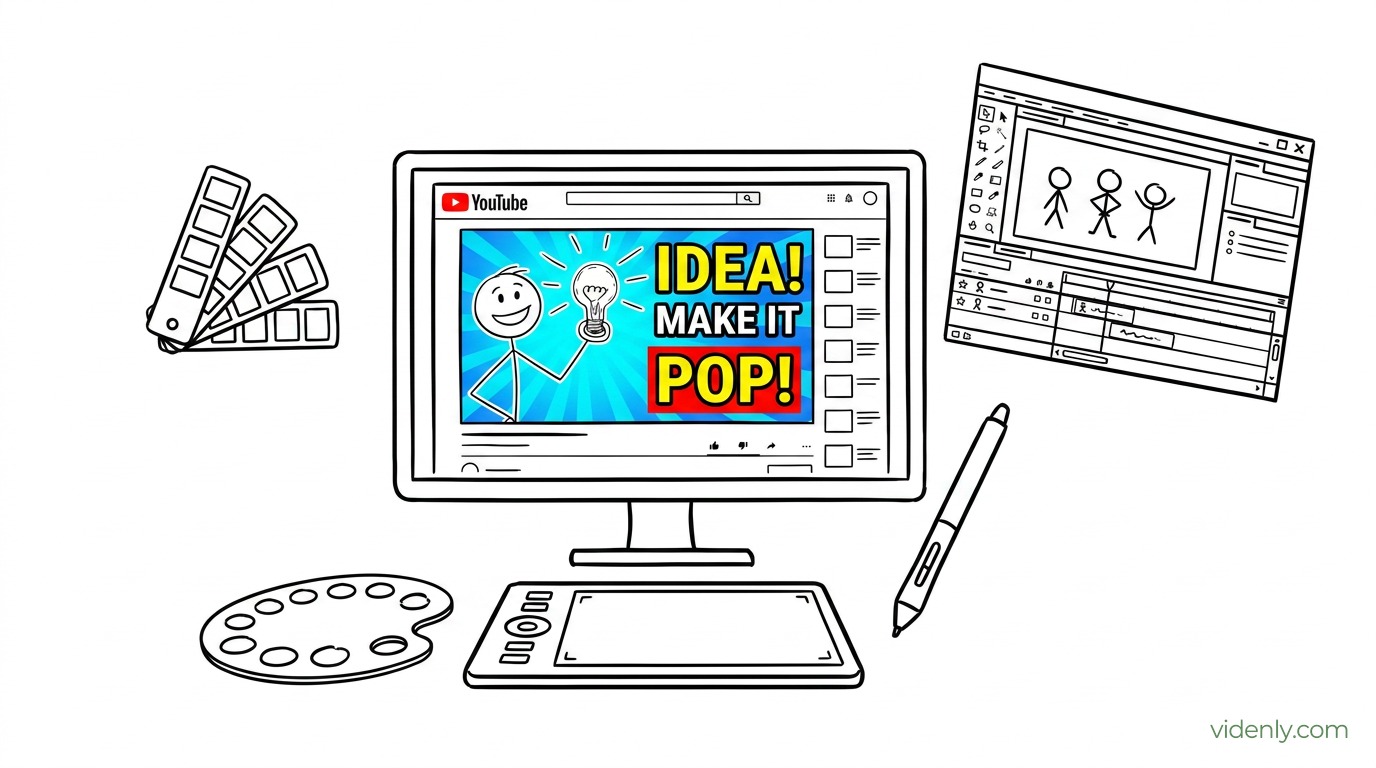
Incorporating feedback from friends or fellow creators on your thumbnail designs can also provide new insights and ideas.
Pro Tip: Creating appealing thumbnails is essential for increasing viewer engagement on your videos, as their design can significantly impact click-through rates.
In the end, spending time on producing effective thumbnails is an investment towards building a successful channel and attracting a broader audience.
Using thumbnail creation software with robust capabilities can elevate your content and help convey your message powerfully and attractively.
Effective content creation for faceless YouTube channels hinges significantly on the quality of your script and the planning that precedes the actual video production.
Having a well-structured script can dictate the flow of your video and ensure that you deliver your message clearly and effectively.
Scriptwriting tools serve not only to create dialogues but also to organize ideas and format them in a manner that’s easily understandable when read aloud.
Many creators underestimate the importance of a good script, but it serves as the backbone of any successful video production process.
By crafting your script meticulously, you can enhance the visual storytelling of your video, allowing the audience to remain engaged throughout.
Planning tools help map out how each segment of the video will unfold, ensuring that transitions between points are smooth and logical.
These tools often come with features that allow you to rearrange sections of your script intuitively, which is particularly useful during the editing phase.
Incorporating visual cues into your script can help you remember the <b:key elements that need to be visually represented in your video, even if it doesn’t feature your face.
Additionally, effective scriptwriting tools provide collaborative functionalities, allowing teams to work together seamlessly and offer feedback in real-time.
Scripts are especially crucial for faceless channels because they must maintain continuity and deliver information concisely without relying on the personal charisma of a host.
Furthermore, using templates can expedite the process of script creation, as many software options offer pre-designed structures tailored for specific types of content.
By utilizing a scriptwriting tool that supports timed synchronization, you can align your script with visuals more effectively, enhancing both the audio and visual experience for your audience.
In essence, detailed planning and scripting ensure that each video element serves a purpose, whether it’s to inform, entertain, or persuade.
Thus, spending considerable time on script development pays off in the form of higher viewer retention and interaction rates.
When it comes down to it, a well-crafted script eliminated the need for excessive editing later, allowing for a more streamlined workflow overall.
At the end of the day, integrating robust scriptwriting and planning tools in your video creation arsenal can elevate the quality of your content to new heights.

In the context of video production, particularly for faceless YouTube channels, having access to high-quality stock footage and music sources is incredibly essential.
These resources can significantly enhance the visual appeal and overall quality of your videos, providing a professional touch that captivates your audience.
When considering stock footage, it’s important to choose clips that align with the theme and message of your content.
Your audience should feel like they are seeing visuals that speak directly to the narrative you are presenting, rather than unrelated imagery that may confuse them.
Additionally, the choice of music in your video can dramatically influence the emotional tone and engagement level.
The right background track can set the mood, evoke feelings, and keep viewers more engaged throughout the video.
When selecting your resources, there are several key factors to keep in mind that will guide your decision-making process.
Stock footage platforms often provide a diverse library, allowing creators to access a wide range of clips across various categories.
These libraries might include everything from urban scenes to nature shots, ensuring that you can find content that perfectly matches your video’s theme.
Likewise, many music libraries offer different genres, enabling you to choose tracks that can add layers of emotion and personality to your work.
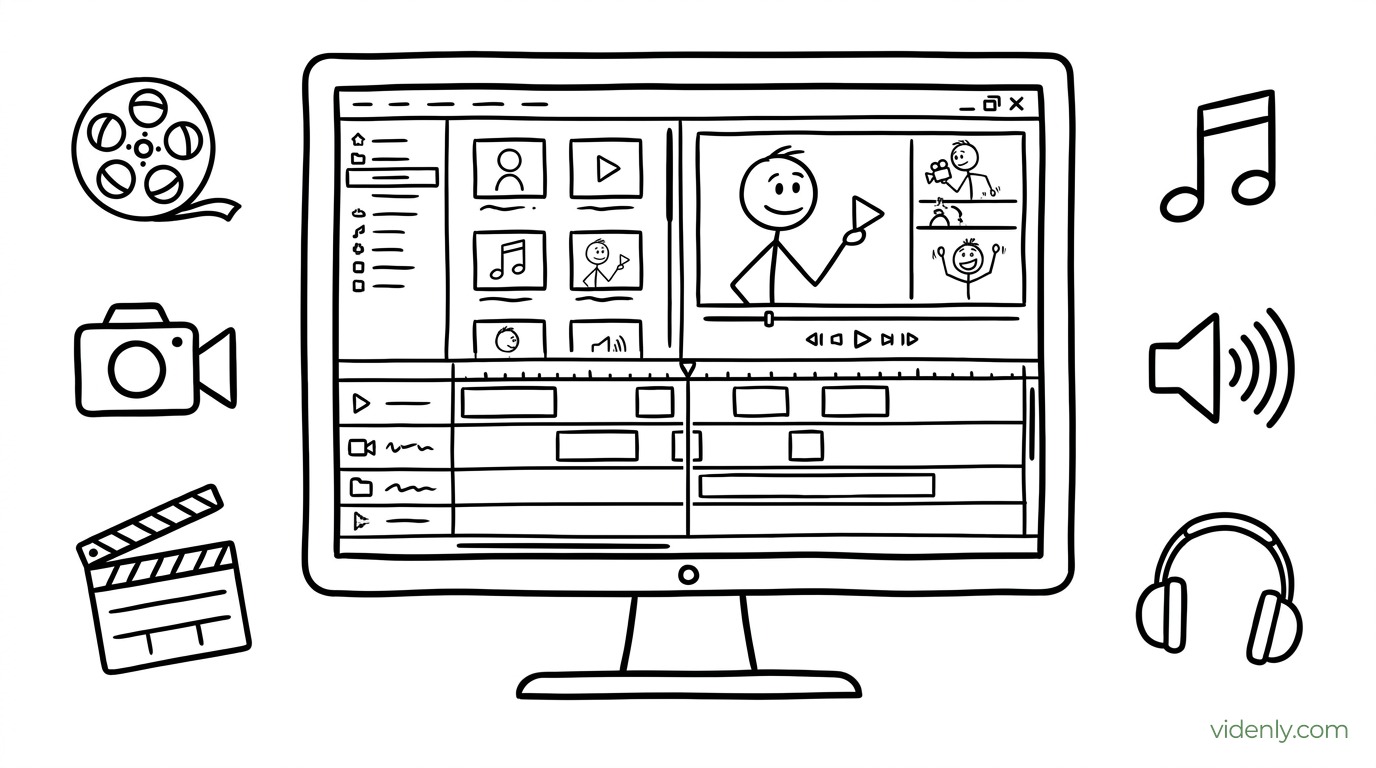
For instance, selecting upbeat music for tutorial videos can enhance excitement, while softer tracks might be more suitable for reflective or motivational content.
Furthermore, it’s essential to understand the concept of sound design; integrating sound effects alongside your music can create an immersive viewer experience.
Incorporating subtle sounds, like background chatter or environmental noises, can significantly enhance the reality of the footage displayed.
At the end of the day, leveraging high-quality stock footage and engaging music can transform your faceless YouTube videos from basic to brilliant.
By paying attention to these aspects, you are not only investing in your content but also in the viewer’s experience and engagement with your channel.
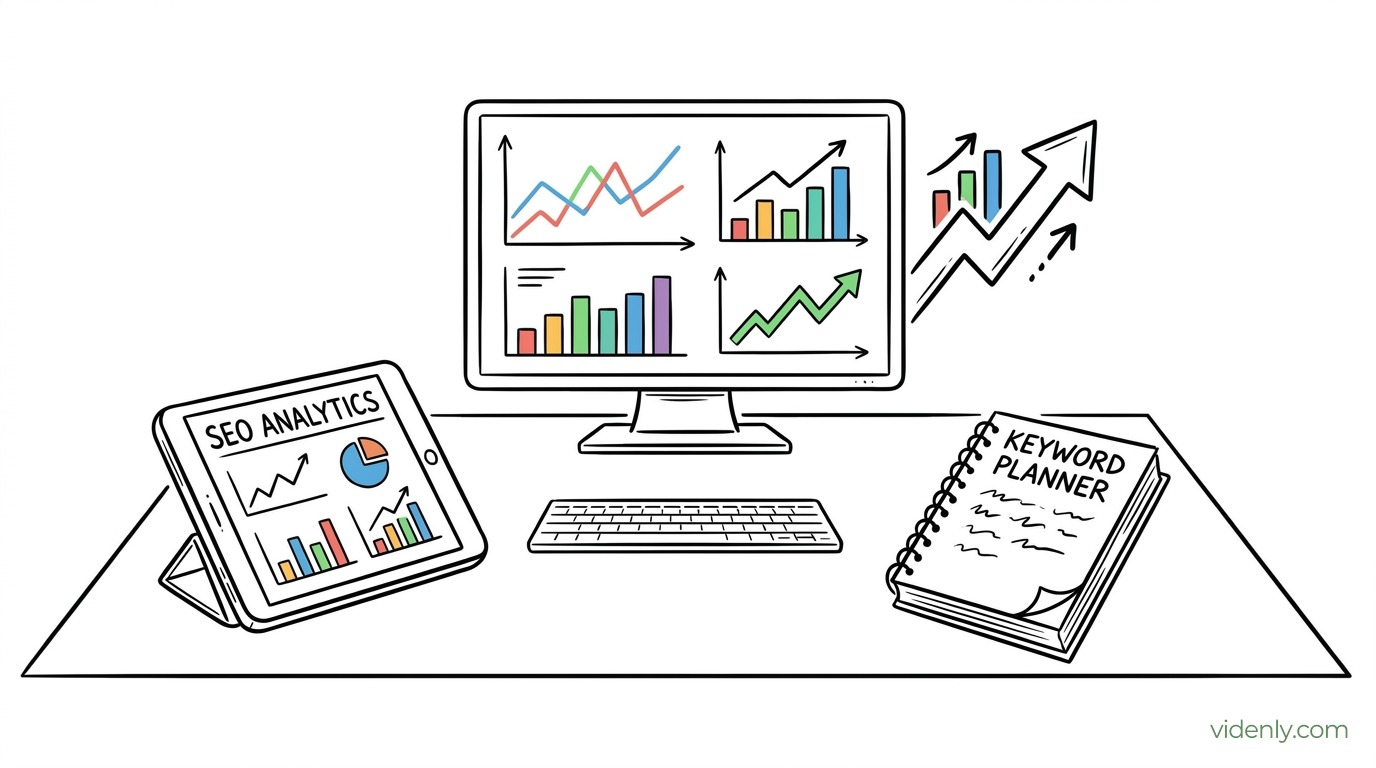
Utilizing analytics and SEO tools is essential for any content creator who wishes to gain insights into their audience and improve their video reach.
Understanding viewer engagement metrics is crucial, as it enables creators to tailor their video content more effectively to meet the interests of their audience.
Analytics tools can provide detailed insights into viewer demographics, including age, gender, and location, which can significantly influence future content strategies.
It’s important to analyze the average watch time of videos, as this metric can help you understand which segments are most engaging and which may need improvement.
Traffic sources are another important component to examine, revealing how viewers are discovering your videos, whether through search, external websites, or social media platforms.
SEO tools are particularly useful when it comes to optimizing video titles, descriptions, and tags to ensure they rank well in search results.
By conducting keyword research, you can identify the most relevant keywords in your niche, helping you craft titles and descriptions that attract search traffic.
Utilizing these keywords strategically can boost the chances of your videos appearing in recommended sections, ultimately increasing your potential viewer base.
Keeping track of how your videos perform over time through analytics can aid in understanding trends and determining what content resonates most with your audience.
Another key aspect of analytics is monitoring audience retention graphs, which can highlight the specific points in your videos where viewers drop off.
This information is invaluable, as it allows you to make adjustments to keep your audience engaged for longer periods during future productions.
With a combination of feedback from analytics and the insights gained through SEO tools, content creators can continuously refine their approach, enhancing video performance.
Furthermore, staying updated with changing algorithms is necessary, as adjustments to these systems can greatly influence the visibility of your content.
Analyzing competition through these tools can also provide insights into what successful creators are doing, allowing for adaptation of best practices that align with your unique style.
At the end of the day, a well-crafted strategy combining analytics and SEO practices provides a solid foundation for growing and sustaining a successful digital presence.
By dedicating time to not only create quality content but also analyze and optimize based on these insights, you pave the way for long-term growth and improved viewer engagement.
Pro Tip: Utilizing analytics and SEO tools is essential for content creators to gain insights into their audience, improve video reach, and tailor content effectively.
When it comes to streamlining the workflow of your faceless YouTube channel, utilizing a robust Content Management Platform is crucial.
These platforms offer a centralized hub for all your content, making it easier to organize, schedule, and analyze your videos.
Moreover, having everything in one place allows for enhanced collaboration if you’re working with a team, which can lead to a more effective output.
If you consistently produce video content, managing that content can become overwhelming without the right tools.
Effective content management platforms often include features such as drafting and version control, allowing you to keep track of changes over time.
This is especially important for maintaining consistency and quality in your videos.
In addition, these platforms typically provide scheduling tools that enable you to plan your releases strategically, maximizing viewer engagement.
For those who focus on analytics, many content management platforms can directly integrate with various analytics tools, providing you with insights into your channel’s performance.
With integrated analytics, you can measure audience retention, view counts, and engagement metrics, helping you refine your video content over time.
To illustrate the various functionalities, below are some key features to look for in a content management platform:
The use of a content management platform can also affect your decision-making process when it comes to content creation.
By having access to analytics right at your fingertips, you can quickly adapt your strategy to focus on what resonates with your audience.
Overall, using a specific platform tailored for content management can significantly reduce the administrative load, allowing you to focus more on the creative aspects of your videos.
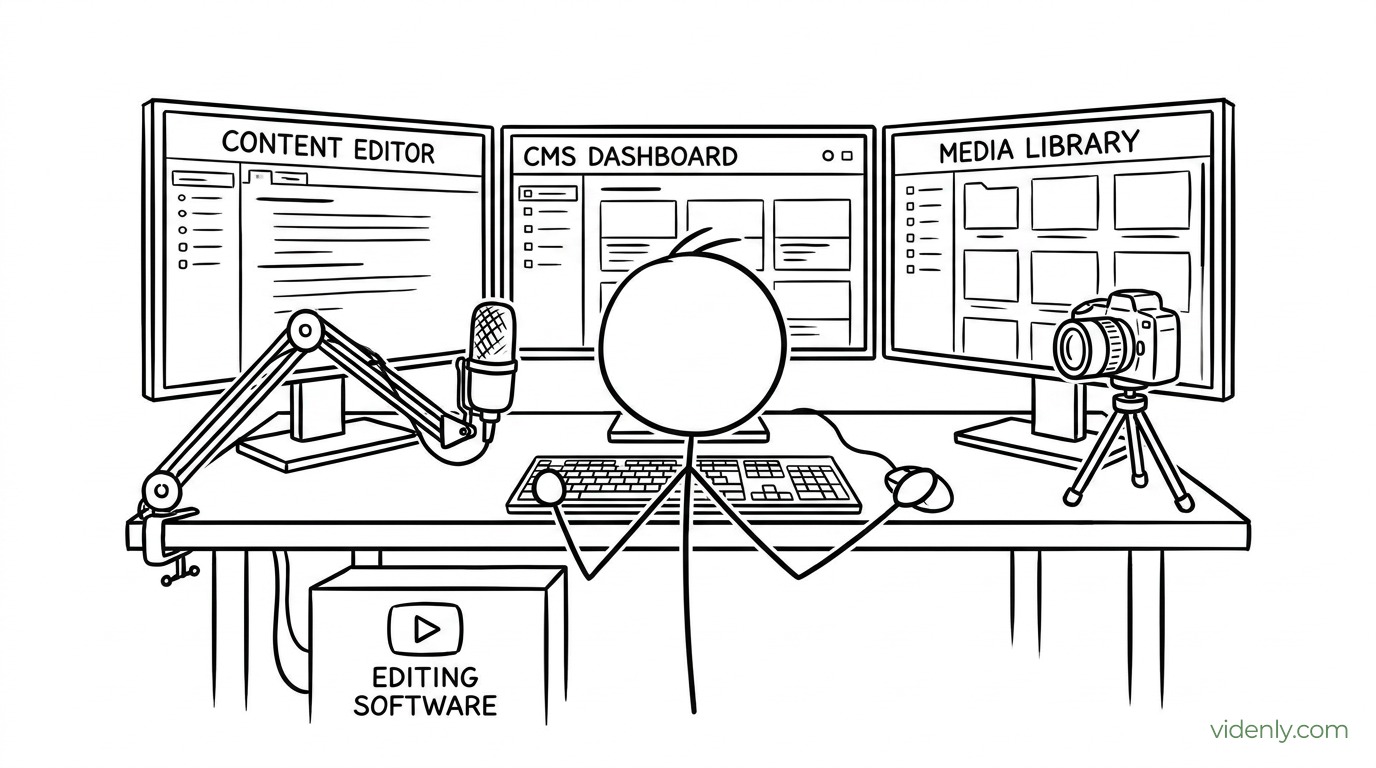
Additionally, these platforms often offer customization options, enabling you to adjust the interface and functionality to better suit your workflow.
This flexibility can help you optimize your content creation process and make repeat tasks less cumbersome.
As you grow your channel, a dedicated content management strategy through these platforms can lead to more organized and professional output, which is key for viewer retention.
Thus, the role of a content management platform transcends mere organization; it becomes an essential part of your accelerated workflow.
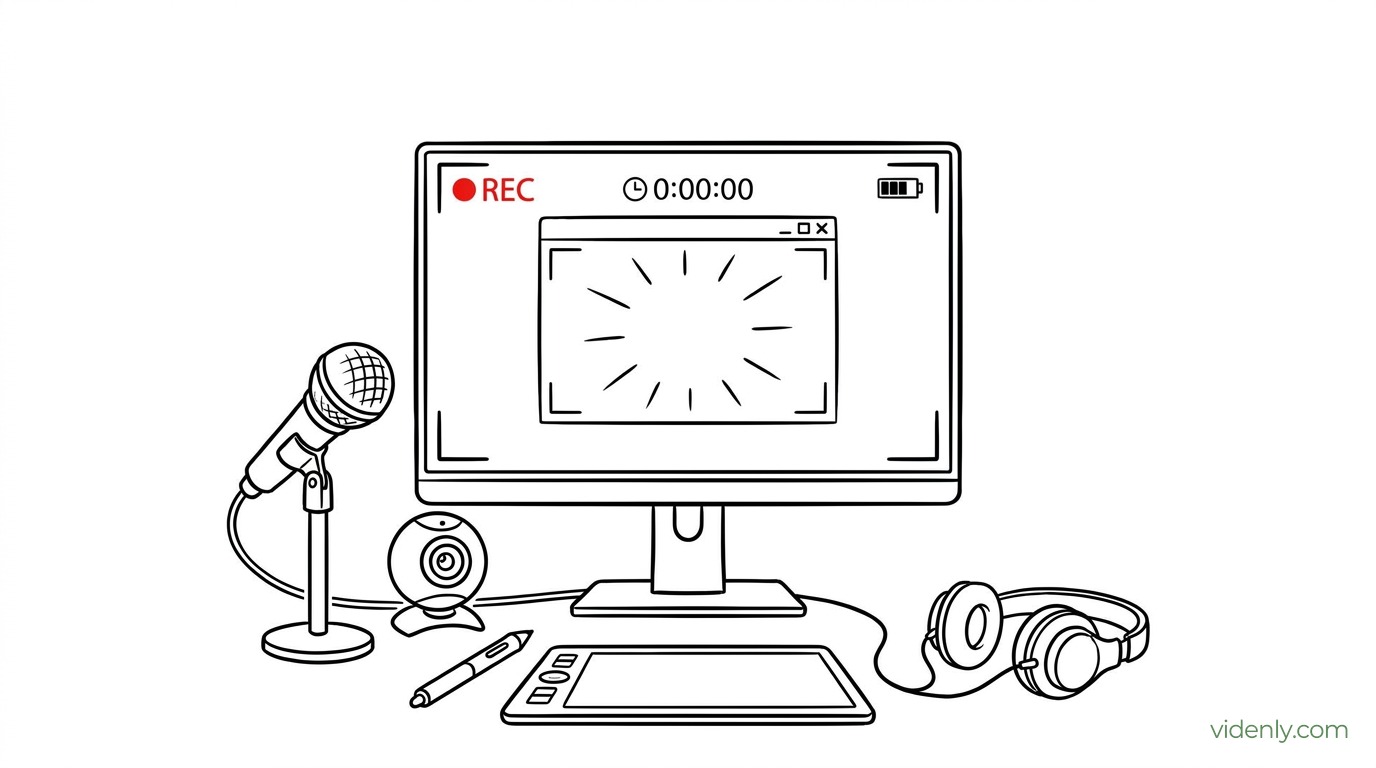
Screen recording applications serve as an essential tool for content creators, especially for those producing faceless YouTube videos, where visuals must be effectively captured and presented.
These applications enable users to document their screens in real-time, allowing for the creation of tutorials, gameplay videos, and various instructional content.
It is crucial to select a screen recording application that offers high-definition quality to ensure that every detail is crisp and clear during playback, ultimately enhancing viewer engagement.
One key aspect to consider is the application’s user interface; a straightforward and intuitive design enables seamless navigation and minimizes distractions during the recording process.
Another essential feature is the ability to customize recording settings, such as adjusting resolution, frame rates, and audio sources, which can significantly influence the overall quality of the final product.
Many screen recording tools also provide options for annotating recordings in real time, allowing creators to emphasize critical points or highlight features on the screen, which is particularly beneficial for tutorial content.
Incorporating audio capture capabilities is equally important, as many recordings require narration or background music to enhance the viewer’s understanding and engagement with the content.
The ability to record specific areas of the screen, such as selected windows or full displays, adds versatility, enabling creators to focus solely on the relevant elements necessary for their audience.
Additionally, advanced features such as multi-track editing can allow for layering of different audio and video sources, giving creators more flexibility in their storytelling approach.
Screen recording applications often come equipped with options for direct sharing, allowing creators to upload videos immediately to platforms like YouTube or social media, thus streamlining the workflow.
The use of keyboard shortcuts can also enhance efficiency, allowing users to start, stop, or pause recordings without needing to navigate away from their primary tasks.
For many creators, the option to include a webcam overlay proves invaluable, as it allows for personal engagement even in faceless videos by adding a layer of connection without dominating the screen space.
Furthermore, subscription plans or one-time purchase options may vary, providing choices that can meet both budgetary constraints and individual needs, making these applications accessible to a wider range of users.
Some tools even include advanced video editing features, allowing creators to trim, merge, or edit their recordings directly within the recording software, which saves additional time during the editing process.
At the end of the day, selecting the right screen recording application can significantly enhance your content creation workflow; it ensures that your videos are not only visually appealing but also effectively convey your intended message.
When it comes to optimizing your faceless YouTube workflow, having the right tools at your disposal can make all the difference.
Video editing software helps polish your content, ensuring it captures viewers’ attention effectively.
Audio enhancement tools elevate your sound quality, making each video more enjoyable to watch.
Creating eye-catching thumbnails is essential for your videos to stand out, which is where thumbnail creation software shines.
Solid scriptwriting and planning tools keep your content organized and engaging from the start.
Access to stock footage and music sources adds a professional touch without breaking the bank.
Understanding analytics and utilizing SEO tools enhance your visibility and help grow your audience organically.
Content management platforms streamline your workflow and keep your projects on track.
Finally, screen recording applications provide a way to showcase tutorials or presentations seamlessly.
By incorporating these essential tools into your workflow, you can take your faceless YouTube channel to new heights.
Create stunning AI-generated videos that captivate your audience and elevate your brand.