
Published on June 9, 2026 by
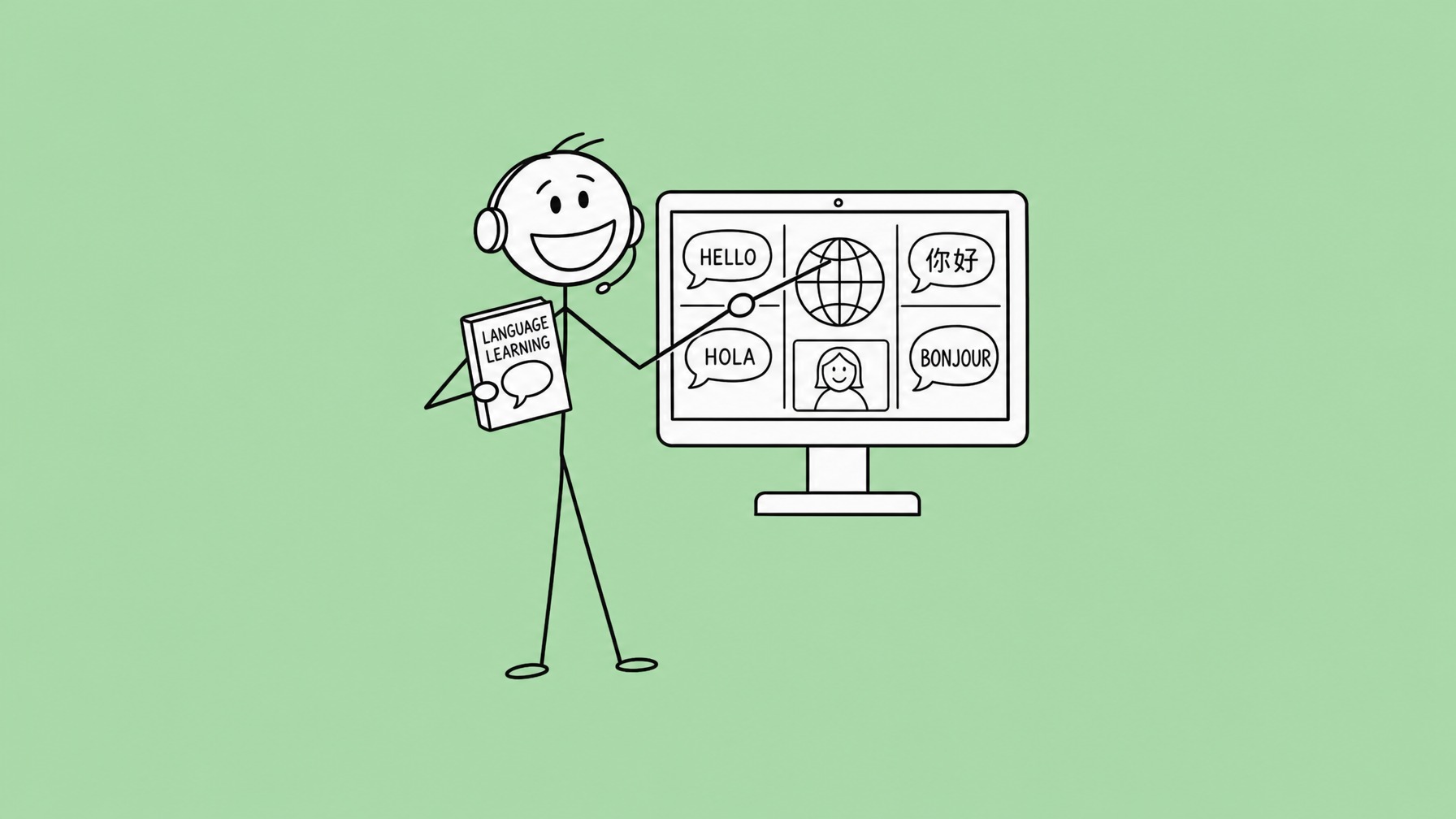
AI avatars can enhance language learning in global classrooms by providing immersive and interactive environments for students.
These avatars can simulate real-life conversations, allowing learners to practice speaking and listening skills in a controlled setting.
Additionally, AI avatars can be programmed to adapt to various proficiency levels, ensuring personalized learning experiences for each student.
By offering instant feedback on pronunciation and grammar, these avatars help reinforce learning and build confidence among language learners.
Furthermore, AI avatars can facilitate peer interaction across diverse cultural backgrounds, fostering a sense of global community.
In the end, the integration of AI avatars in language education can make learning more engaging and effective.
The role of AI avatars in language learning extends beyond just interactive practice and instant feedback, touching on various crucial aspects of education in a global context.
In the following sections, I will address how these avatars can enhance collaboration among students of different cultures and backgrounds, thereby enriching the learning experience.
Moreover, I will explore the impact of AI avatars on educators’ roles and methodologies, highlighting how technology is reshaping traditional teaching practices.
Finally, there will be a discussion on the ethical considerations and potential challenges that may arise with the integration of AI technology in language education.
Learning a language often requires immersion in the culture and daily interactions where that language is spoken. With the advent of AI avatars, this immersion can now occur in a virtual environment, making language practice engaging and effective.
Imagine sitting in a classroom where the teacher is a lifelike avatar that responds to your questions just as a human would. This technology transforms the classroom into a dynamic space filled with opportunities to practice speaking and listening in real-time.
AI avatars can simulate a variety of scenarios that reflect real-life situations, such as ordering food in a restaurant or navigating a bustling market. This aspect of role-playing creates a pressure-free environment where learners can practice without the fear of judgment, allowing for better retention and application of their new language.
When we think about language learning, the role of conversation cannot be overstated. Conversations are like bridges that connect learners to new cultures, idioms, and nuances of language they are essential for fluency.
Most traditional language classrooms often lack the interactive elements that real conversations provide. AI avatars fill this gap by enabling learners to engage in dialogues that adapt to their proficiency level.
As learners speak with their AI avatars, they benefit from immediate feedback on pronunciation, grammar, and vocabulary. This instant correction is invaluable, making the learning experience feel much more like a natural conversation.
Furthermore, AI avatars possess a remarkable ability to maintain conversations that are both engaging and relevant. They can pick up on context and change topics seamlessly, mimicking the unpredictability of human interactions.
To illustrate how this immersive experience works, here are some key aspects that enhance language learning through AI avatars:
Imagine stepping into a café where your AI avatar helps you practice ordering coffee in Spanish.
This type of immersive practice helps learners not only grasp the language but also experience the cultural nuances that come with it.
As interactive as video games, AI avatars can create safe spaces where learners feel comfortable taking risks with their new language skills.
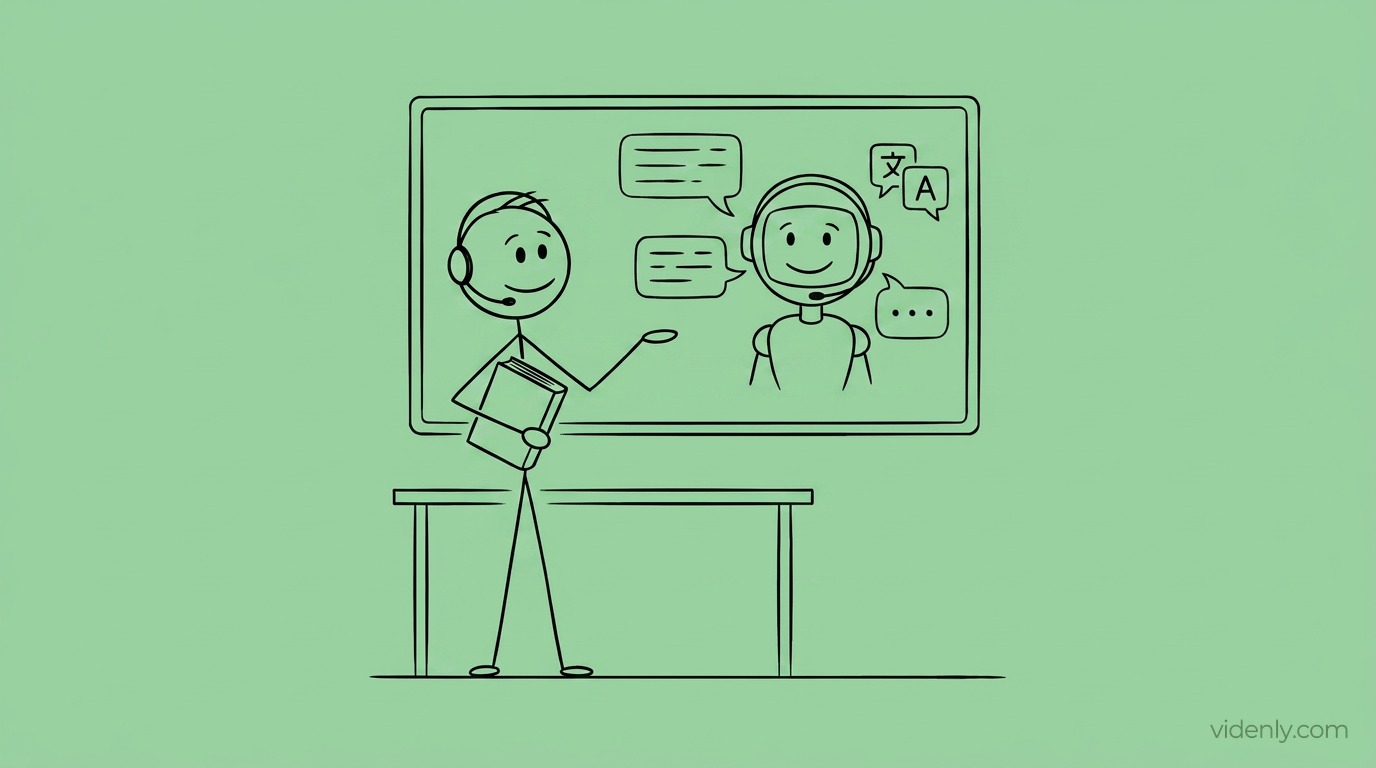
This laughter, confusion, and occasional triumph during practice are what make language learning enjoyable and memorable.
Additionally, the pandemic has pushed many educators to seek alternatives to traditional classrooms, making virtual learning more acceptable and widespread.
AI avatars become particularly useful in this new educational landscape, bridging gaps created by distance and providing consistent practice opportunities.
One of the remarkable features of AI avatars is their ability to replicate native accents and dialects.
Hearing and mimicking different accents is essential for learners who want to sound natural when speaking.
This is akin to learning how to dance without a good partner to lead you, it’s easy to miss the rhythm.
AI avatars become that reliable partner, guiding learners through the intricate steps of pronunciation and diction.
While some may argue that human interaction is irreplaceable, AI avatars still pave the way for unparalleled practice opportunities.
They embody the spirit of immersion by offering countless interactions that progressively challenge learners, thereby enhancing their skills.
Whenever I observe learners practicing with AI avatars, I notice their growing confidence and willingness to engage.
This practice fosters a love for the language that could otherwise be stifled in more traditional settings.
The blend of artificial intelligence with language learning creates a unique kind of companionship.
It feels as if the avatars have become almost like personal coaches, cheering the learners on as they navigate through the complexities of a new language.
As we look forward, the potential for AI avatars in education is vast.
The immersive language practice they offer represents a profound step forward in how we teach and learn languages in global classrooms.
The beauty of language learning is that it is never one-size-fits-all. Each student has their own rhythm, strengths, and areas where they need improvement, much like a musician who plays a piece with their unique style.
In the classroom, this presents a challenge, especially in a global setting where students come from diverse linguistic backgrounds. I would say that AI avatars offer a remarkable opportunity to tailor lessons that cater specifically to each learner’s needs.
Imagine a virtual teacher that not only understands the complexities of language acquisition but also adapts its teaching style to match the student’s proficiency. With personalized feedback and adjustable lesson plans, these avatars can guide students through intricate grammatical rules and pronunciation intricacies.
One of the most exciting aspects of AI avatars is their ability to create dynamic interactions. For instance, if a student struggles with verb conjugation, the avatar can provide specialized exercises that focus solely on that area while offering different contexts and examples to enhance understanding.
Furthermore, the adaptability does not just end with linguistic challenges. As students’ interests vary, the avatars can integrate cultural context into their lessons, linking language skills with information about local customs, traditions, and idioms that are often overlooked in traditional learning materials.
Another critical feature is that AI avatars can help overcome language anxiety. Many students feel intimidated when practicing speaking skills in front of classmates. By interacting with a friendly, non-judgmental avatar, students can practice speaking and listening in a comfortable environment until they build confidence.
This personalized approach does not solely rely on spontaneous dialogue either. The avatars can simulate real-life scenarios, allowing students to engage in conversations that are likely to occur in everyday situations. This could be anything from ordering food at a restaurant to making small talk at a social event.
With the assessment tools embedded in these avatars, teachers are provided with detailed insights on each student’s progress. This ability to track growth and identify areas needing attention enables educators to fine-tune their approaches and provide additional resources or focus sessions.
The data gleaned from these interactions transforms a regular classroom into a hub of targeted learning. Utilizing metrics such as response times, vocabulary usage, and conversational fluency benchmarks generates a comprehensive picture of each student’s language journey.
Moreover, a student’s learning environment can be further enhanced through customized content that resonates with their personal experiences and interests. By accessing materials on topics a student is passionate about, learning becomes engaging and relevant, turning dull vocabulary drills into vibrant discussions about the student’s favorite hobbies.
AI avatars elevate the concept of self-paced learning. Rather than sticking to a rigid schedule, students can engage with the material as they see fit, revisiting lessons that challenge them or speeding through concepts they have mastered. This autonomy can lead to increased motivation and a deeper connection with the language.
In classes filled with diverse talents and backgrounds, AI avatars serve as equalizers. They provide each student with the same level of attention and resources, ensuring no one is left behind. I find this aspect particularly empowering, as it allows each learner to shine in their own way.
Picture the classroom as a garden, where every student represents a different flower, requiring unique nurturing to bloom. An AI avatar acts as a gardener, adjusting the sunlight and water for each plant, providing the right balance of challenges and support.
In global classrooms, where students may access the language from various starting points, the avatar can offer insights that are culturally specific, enhancing relatability and understanding. This contextualized learning means that students not only learn a language but also gain valuable insight into the cultures that speak it.
Furthermore, the engagement feature of AI avatars enables interactive exercises that feel more like a conversation rather than a mechanical repetition of phrases. By leveraging technology, lessons become lively dialogues that invite students to express their thoughts freely.
At the end of the day, a classroom enriched by AI avatars can nurture more than just linguistic skills. It cultivates confidence, curiosity, and cultural awareness, equipping students with tools that will serve them well beyond the classroom walls.
This customized approach to language learning has the potential to redefine traditional education. I would venture to say that it can create an environment where every student feels valued, understood, and thoroughly engaged in the learning process.
Pro Tip: Utilize AI avatars in your language classroom to provide personalized and adaptive learning experiences that cater to each student’s unique rhythm, strengths, and interests.
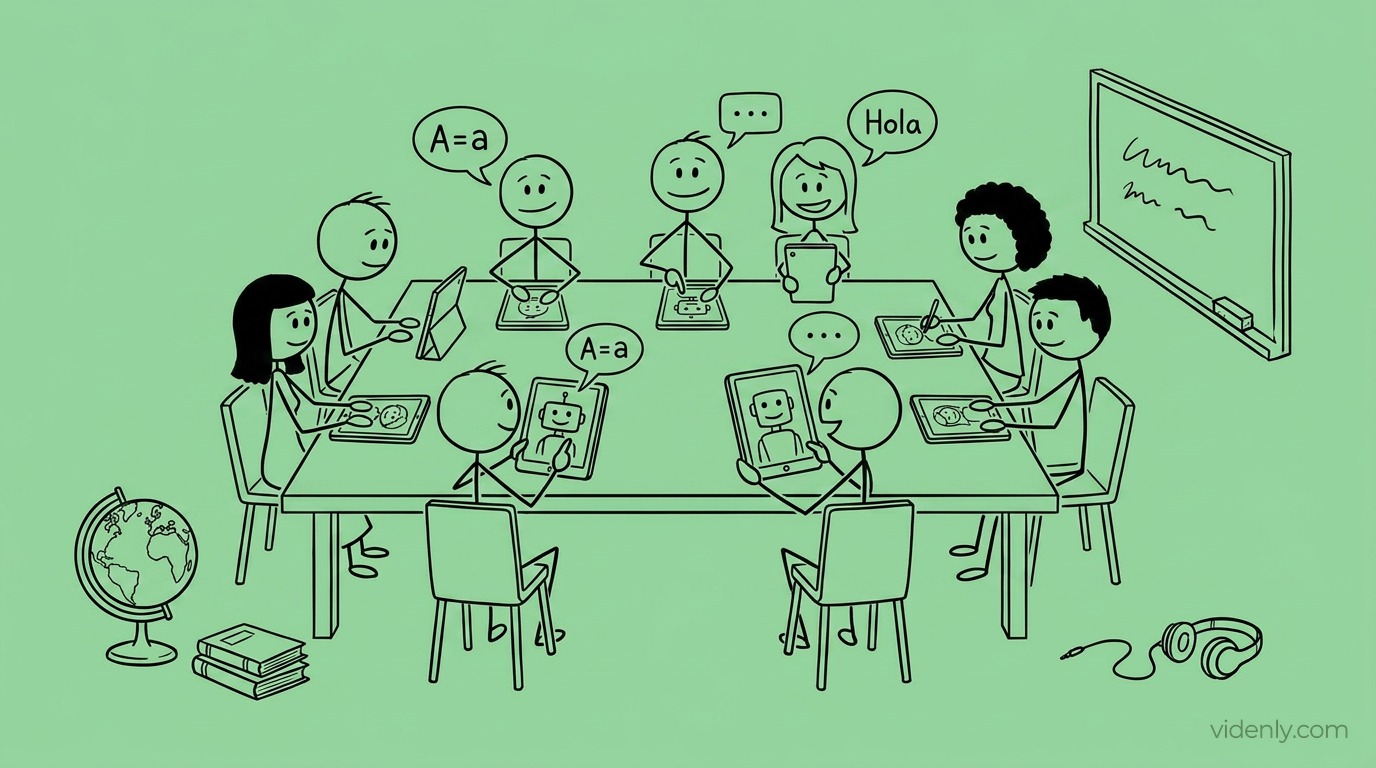
Language learners often struggle with one fundamental aspect: pronunciation. It can feel like navigating a dense forest, where every unfamiliar sound is a thick branch blocking the way.
The introduction of AI avatars into global classrooms has fundamentally changed how we approach this challenge. These avatars, equipped with state-of-the-art technology, can provide immediate feedback that is both precise and personalized.
The magic of AI avatars lies in their ability to recognize and analyze speech patterns with incredible accuracy. They listen as students attempt to pronounce difficult words and can instantly identify areas for improvement.
This instant feedback resembles having a patient coach available at all times, offering guidance tailored specifically to each learner’s needs. It removes the hesitation often felt by students when practicing in front of peers or teachers.
Moreover, these avatars can simulate various accents and dialects, allowing students to adjust their pronunciation according to their learning goals or the context in which they wish to communicate. For instance, if a student aims to improve their American English, the avatar can model authentic speech patterns, which aids in developing a more native-like fluency.
When feedback is provided, it’s essential for it to be constructive and supportive. Rather than simply pointing out errors, AI avatars can offer suggestions and alternative pronunciations, ensuring that each interaction is enriching.
This approach is critical, as many language learners experience feelings of anxiety related to their pronunciation abilities. By providing a friendly, non-judgmental environment, these avatars can boost learners’ confidence, making practice feel less daunting and more enjoyable.
In a classroom setting, receiving feedback through AI avatars can happen in various engaging ways. Here are some methods that can enhance the learning experience:
Incorporating these feedback mechanisms helps maintain learner engagement while simultaneously working toward mastering challenging sounds and rhythms of a new language.
It’s about creating an environment where students feel empowered to experiment and make mistakes.
Another fascinating aspect of AI avatars in improving pronunciation is their ability to personalize learning experiences based on individual progress.
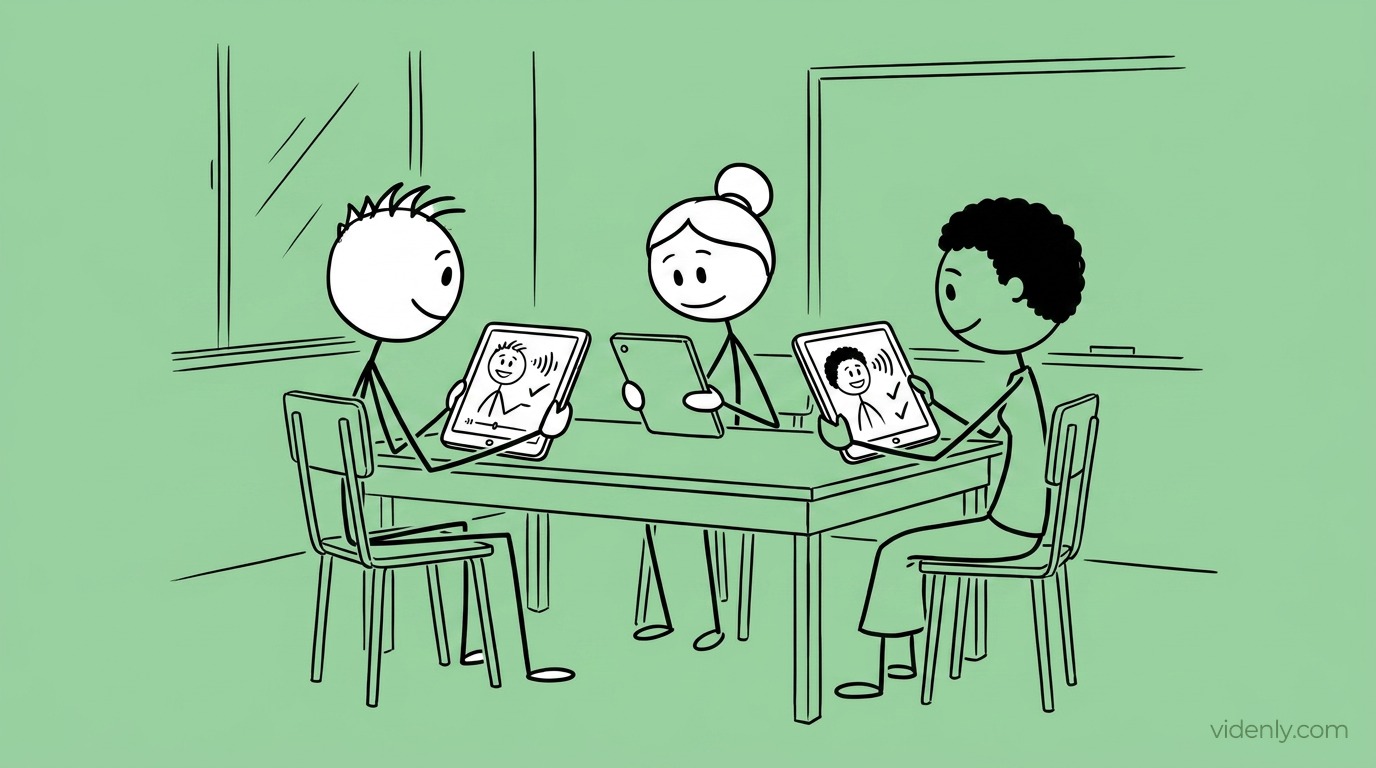
They can assess a learner’s unique challenges and adjust feedback accordingly, crafting tailored exercises that directly address weaknesses.
A good example would be, if a student struggles with certain vowel sounds, the avatar can provide targeted practice with these specific sounds in minimal pairs, facilitating focused attention on trouble areas.
This approach is akin to honing a skill in sports; targeted practice leads to noticeable improvement.
Furthermore, because AI technology can analyze shifts in speech over time, it is possible to establish learning patterns that inform future lessons.
This way, learners can gain insights not only into their current pronunciation pitfalls but also into their overall language development.
Moreover, integrating avatars into feedback mechanisms facilitates greater interaction among students in a global classroom.
These avatars can serve as a common point of reference, encouraging students from diverse backgrounds to engage in peer-to-peer practice.
For instance, learners might collaborate in pairs or small groups to practice pronunciation with their avatars, providing each other support and shared feedback.
By breaking down cultural barriers, AI avatars encourage a sense of community while supporting critical language learning goals.
To sum up, AI avatars serve as powerful allies, providing real-time feedback and personalized support for language learners.
They contribute to a supportive learning atmosphere where students can refine their pronunciation confidently and effectively.
In the end, these tools not only boost pronunciation skills but also enhance the overall learning experience.
As technology continues to advance, one can only imagine the added capabilities these avatars will possess in shaping the future of language learning.
I would say that one of the most exciting aspects of using AI avatars in language learning is their ability to promote interaction among students from various backgrounds. The classroom truly transforms into a vibrant meeting place where learners can connect and exchange ideas in ways that might not be possible through traditional methods.
AI avatars serve as a bridge for those who might feel intimidated or hesitant to speak in front of their peers. Just like a friendly mediator, they foster an environment of openness, where students are encouraged to share their thoughts and practice their language skills without the fear of making mistakes.
Consider the potential impact when an AI avatar mimics different accents and dialects. Students can engage with these virtual companions, effectively practicing their listening and speaking skills in a more relatable and less pressured setting.
The technology behind these avatars is designed to create realistic scenarios that reflect language use in everyday situations. By engaging in dialogues with avatars, learners immerse themselves in dynamic exchanges that replicate real-life conversations.
Moreover, the adaptability of AI avatars ensures that interaction caters to varying language proficiency levels. Whether a student is just starting out or is more advanced, the avatar can tailor conversations, providing just the right amount of challenge to promote effective learning.
Imagine a classroom filled with students originating from different countries, cultures, and languages. An AI avatar can facilitate conversations between these learners, acting as the common thread that weaves their diverse backgrounds into cooperative learning experiences.
Through engaging activities such as role-playing or group discussions, AI avatars guide students in exploring language nuances. In these settings, students can work together to overcome challenges, encouraging teamwork and collaboration as they learn and practice together.
Furthermore, the ability to customize AI avatars adds another layer of personalization that can significantly boost motivation. When learners can see an avatar that looks like them or embodies characteristics they relate to, it creates a deeper connection and encourages them to participate actively.
Interaction becomes more meaningful when students feel like they belong. AI avatars can inspire camaraderie among learners who might otherwise struggle to engage with one another due to language barriers or cultural differences.
In a world where cultural exchanges are critical in developing a diverse society, teaching language through AI avatars introduces personal experiences and global perspectives. By integrating elements of culture within the learning process, students can discuss real-world issues, broadening their horizons while practicing their language skills.
The incorporation of AI avatars also helps learners develop empathy and understanding for different cultural contexts. This form of interaction not only enriches their language abilities but also helps students understand and appreciate the rich tapestries of the languages they are learning.
Everyone has a unique voice and story to share, and utilizing AI avatars enables each learner to express themselves freely. The atmosphere becomes thick with shared experiences, making it easier for learners to engage not just linguistically but also personally.
Furthermore, these avatars can adapt to various scenarios, making conversations versatile and dynamic. It is fascinating to witness how students toggle between roles, switching accents and adapting their language style on the fly, thereby practicing adaptability and becoming fluent communicators.
AI avatars can learn from interactions too, refining their responses to better suit learners’ needs. Such dynamic learning models ensure that interactions remain fresh and relevant, cultivating a richer educational environment.
Through gamified challenges and competitive activities, learners will find more reasons to interact. AI avatars can set challenges that encourage not only friendly competition but also cooperation, creating an engaging atmosphere where language skills flourish.
At the end of the day, the role of AI avatars transcends basic language instruction; they create an ecosystem of peer-driven learning. Encouraging learners to participate, interact, and connect, these avatars dismantle barriers, making the classroom an inviting space for growth.
The technology behind these avatars can facilitate interactions that resonate beyond the linguistic level. It sparks genuine curiosity and encourages students to explore languages in ways that feel exciting and relevant.
When students communicate freely and enthusiastically, they enhance their learning experience. This dynamic interaction transforms the classroom into a living entity, where the language takes on a pulse, beating in rhythm with each conversation.
In the end, AI avatars effectively act as catalysts for creating a community of learners. Engaged students are more likely to develop a love for languages and an appreciation for the diversity that each learner brings to the learning journey.
Important: AI avatars create an ecosystem of peer-driven learning by encouraging interaction among diverse students, dismantling barriers, and transforming the classroom into an inviting space for growth.
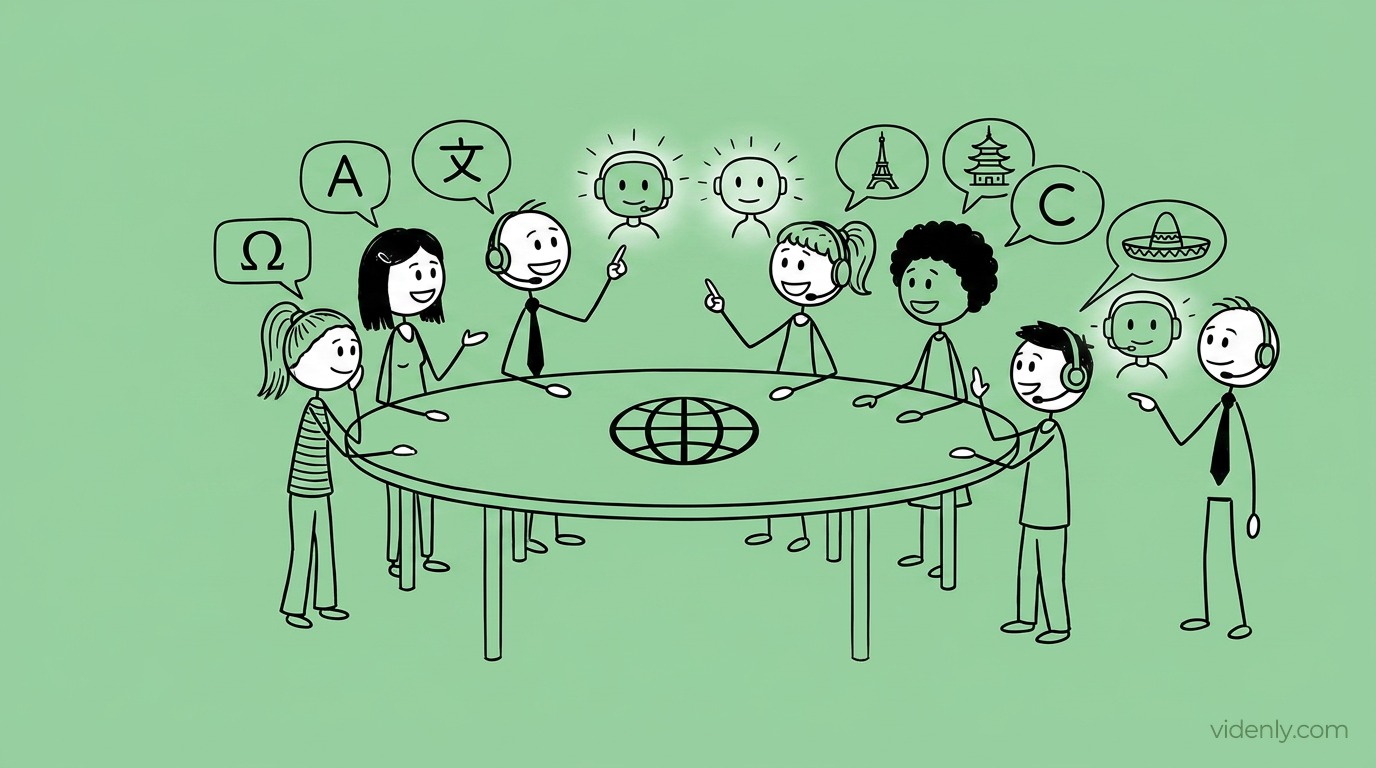
As language learners engage with AI avatars, they often encounter supportive environments that foster growth and confidence. These avatars deliver real-time feedback, enabling learners to communicate freely without the fear of making mistakes.
When students practice speaking or writing in a new language, they might feel a wave of anxiety wash over them. AI avatars respond immediately, addressing errors and providing constructive criticism, which serves to ease performance pressure.
Imagine being in a situation where your mistakes are met with encouragement rather than judgment. This supportive atmosphere can significantly impact a learner’s willingness to explore their language skills further.
One of the remarkable aspects of language learning with AI avatars is how they are programmed to be non-judgmental. Instead of being flustered by pronunciation errors or grammatical mistakes, these avatars reassure learners, making it less daunting to express themselves.
Moreover, access to an AI avatar allows learners to practice their language skills at any time, which can boost confidence. They can refine their skills during late-night study sessions or early morning practice without the constraints of traditional classroom schedules.
Real-time responses from AI avatars not only help in correcting mistakes but also offer the chance to experiment with language. Learners can play with different expressions or dialects, a bit like trying on new outfits to see which one fits best.
Within this interactive framework, learners frequently discover their strengths and weaknesses. Here are some key benefits AI avatars provide that can help build confidence:
Furthermore, the technology behind AI avatars leverages natural language processing to understand nuances in conversation.
This technological foundation allows them to persistently adapt to a learner’s pace, ensuring that individuals are not left behind as they progress.
From personal experience, I would say that seeing your language mistakes acknowledged promptly can feel less intimidating than waiting for traditional feedback.
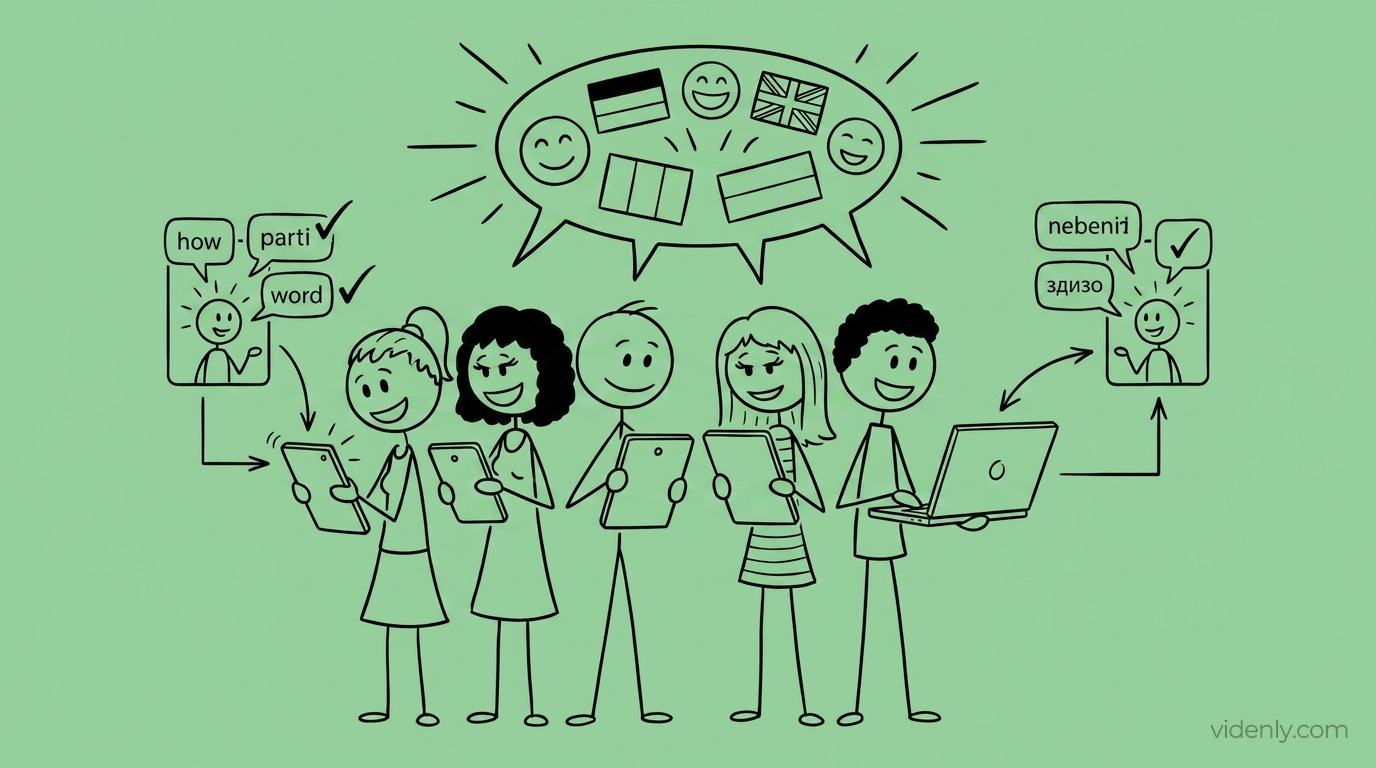
This immediacy translates to feeling empowered, as learners can dive right into practice without the delays typical in face-to-face sessions.
With AI avatars, students experience a unique blend of language practice and reassurance, helping them tackle their fears head-on.
The repeated exposure to real-time responses facilitates growth each interaction serves as a stepping stone toward greater proficiency.
I mean, consider how every small success can bubble up into broader achievements.
As a learner masters specific phrases or improves pronunciation, those moments of triumph add layers to their confidence.
Additionally, AI avatars often integrate gamified elements into language learning, making the entire process feel less like a chore.
When learners advance through levels or receive rewards for achievements, they’re more likely to associate positive feelings with their studies.
At the end of the day, the integration of real-time responses in language learning fulfills a important need in today’s classrooms.
These avatars turn language practice into a dynamic experience, giving learners the confidence to embrace their linguistic journey.
Supporting not only the factual side of learning, AI avatars nurture the emotional aspects, reinforcing each learner’s capacity and potential.
When learners interact comfortably and confidently in their target languages, they step closer to experiencing genuine communication in the real world.
Creating a vibrant global community in learning goes beyond traditional classroom boundaries. It embodies the concept of breaking down barriers, enabling students from diverse backgrounds to connect and collaborate like never before.
In our modern world, we are witnessing the emergence of AI avatars that are revolutionizing how students interact. If we envision these avatars as guides on a journey through language, they become essential companions, making the learning process much more engaging.
Imagine the classroom as a melting pot of cultures, where students from various nations gather to learn a new language together. The AI avatars serve as facilitators in this communal space, ensuring that every voice is heard and valued.
When students engage with AI avatars, they experience cultural exchange firsthand. Through avatars designed to reflect their unique backgrounds and personalities, learners can engage in role-play scenarios, enriching their understanding of each other’s customs and traditions.
Moreover, these avatars can act as mediators, assisting in communication among students who may not speak the same native language. In this way, they are akin to a bridge connecting distant shores, making it easier for everyone to participate in the learning journey.
Furthermore, the presence of AI avatars often creates a more inclusive environment for learners. These avatars can facilitate discussions and group activities, encouraging participation from hesitant students who might otherwise feel intimidated to speak up.
In an increasingly interconnected world, nurturing a sense of belonging is important. Wouldn’t it be wonderful to see students form relationships based on their shared learning experiences, transcending the limitations of geography and culture?
AI avatars assist in enhancing language skills, but they also foster friendships that last beyond the classroom. These interactions contribute to a network of support that empowers students to continue learning from each other outside of formal settings.
Furthermore, cultivating empathy is crucial in language learning. When students engage with avatars that mimic real-life situations, they acquire not only language proficiency but also a deeper understanding of the nuances of human interaction.
It’s like observing a dance where each participant learns from each other’s movements. Through the dynamic interactions with their AI counterparts, students learn how to express themselves more clearly and feel more comfortable navigating the complexities of their new language.
Additionally, AI avatars can simulate real-life conversations, allowing learners to practice their skills in a safe and adaptive environment. This practice is particularly beneficial for those who may struggle with confidence when conversing with native speakers.
As students collaborate with their avatars, they develop useful strategies for engaging effectively in discussions. The feedback provided by AI can help them refine their speech and writing skills, paving the way for successful communication in any language.
It’s essential to acknowledge that collaboration extends beyond skill improvement. These avatars can introduce students to global events and topics, fostering awareness and interest in various cultures.
Students might find themselves discussing current issues, sharing local stories, and understanding global concerns through their interactions with their AI avatars. This engagement cultivates an appreciation for diversity and helps students see the world from different perspectives.
Moreover, with the capabilities of AI constantly advancing, these avatars evolve to meet the specific linguistic needs of the learners. This continuous adaptation allows for personalized learning experiences that deepen connections among classmates from diverse backgrounds.
In this sense, I would assert that AI avatars play a significant role in establishing a nurturing community that values each learner’s journey. By utilizing technology, students can foster a sense of belonging that transcends physical distance.
In the end, the fusion of technology and human connection created by AI avatars revolutionizes the traditional understanding of a classroom. It provides an inviting and interactive platform where students can embrace their differences, learn collaboratively, and grow united in their pursuit of language mastery.
Pro Tip: Incorporate AI avatars into your language learning strategy to enhance not only linguistic skills but also cross-cultural understanding and collaboration among diverse learners.
Create stunning AI-generated videos that captivate your audience and elevate your brand.