
Published on June 1, 2026 by

AI avatars can foster empathy in online communities by providing users with a more relatable and human-like interaction experience.
Through advanced emotional recognition and response capabilities, these avatars can simulate empathy by understanding users’ feelings and responding appropriately.
This technology can help bridge the gap between anonymous online engagements, promoting a more personalized and compassionate dialogue among community members.
Furthermore, AI avatars can serve as mediators in conflicts, offering neutral and empathetic responses that help to defuse tensions.
By creating environments where users feel heard and understood, AI avatars can significantly enhance user satisfaction and engagement.
At the end of the day, this fosters a supportive online culture that encourages meaningful connections and collaboration.
There is more to explore regarding the role of AI avatars in online communities and their impact on fostering empathy.
In the following sections, I will discuss how these avatars can enhance communication skills and address challenges related to emotional expression in digital environments.
Additionally, I will cover the technology behind AI avatars and how it continues to evolve, influencing user interactions and community dynamics.
These insights will provide a deeper understanding of how AI avatars can transform our online experiences.
In today’s digital landscape, the presence of AI avatars has become increasingly important in cultivating a sense of empathy within online communities. These virtual representations serve as a bridge, connecting individuals in ways that words alone often cannot.
As technology advances, our ability to interact and relate to one another through digital platforms is ever-evolving, leading to novel experiences that can enhance emotional connections. It’s fascinating to think about how these avatars can evoke responses and feelings, turning the often impersonal online world into a more inviting space.
AI avatars have made significant headway by providing individuals with a tool for self-expression. Imagine a young person stepping into an online forum, using an avatar that looks like them or embodies their interests, and feeling an immediate sense of belonging.
Moreover, these avatars can help people communicate in a more expressive manner, overcoming the limitations of traditional text-based interactions. When individuals use an AI avatar that mirrors their emotions or experiences, it creates a more relatable context for discussions.
This list highlights just a few ways AI avatars contribute to building empathy in digital environments.
Each aspect enables users to foster closer connections, softening barriers that often make real interactions challenging.
When a conversation occurs through an avatar, it can resemble a dance where emotions intertwine, leading to greater understanding.

Observing how one’s avatar reacts can lead to increased self-awareness and encourage empathy towards others by recognizing shared feelings.
In addition, AI avatars can help illustrate complex emotions in a more digestible way.
Often, words are insufficient to convey the depth of our feelings, particularly in difficult discussions surrounding mental health or personal struggles.
Through the lens of an avatar, these discussions can become more engaging and less intimidating, allowing users to express themselves without fear of judgment.
This can be particularly impactful for individuals who may feel isolated or misunderstood in their everyday lives.
Facilitating dialogue through AI avatars creates safe spaces for vulnerable conversations.
If users can connect with digital representations that resonate with them, it can empower them to share their stories more openly.
As these conversations unfold, community members may find themselves more inclined to respond with compassion and understanding, fostering a more empathetic atmosphere overall.
Each shared experience helps to weave a tighter tapestry of community understanding.
Moreover, platforms like Videnly leverage AI avatars to enhance connections among users by adding another layer to video content creation.
By transforming personal stories into visual experiences, users can share their narratives in ways that resonate deeply with others.
When avatars are used in storytelling, it creates an avenue where viewers can relate to the emotions conveyed.
Seeing a virtual character express sorrow, joy, or excitement can elicit a more profound emotional response than merely reading words on a screen.
Consequently, platforms that utilize these engaging elements can create spaces that prioritize emotional connectivity.
Engaging with avatars during content generation enables collaborative empathy, connecting creators, and audiences in meaningful ways.
The potential of AI avatars to evoke empathy transcends traditional digital communication, providing opportunities for personal growth and understanding.
At the end of the day, as users embrace these avatars within various online communities, they can transform interactions into opportunities for deeper connections.
For many, engaging with AI avatars equates to sharing a piece of their own humanity, regardless of whether they are representing themselves or creating an entirely new character.
This serves as a refreshing reminder that even in a digital world, the heart’s depth still finds ways to shine through, helping us feel less alone.
Allowing people to connect through avatars serves as a reflection of our inherent need to relate to others, fostering bonds that might otherwise remain dormant.
The digital realm acts as a living tapestry, with each avatar contributing to a vibrant mosaic of shared experiences.
Pro Tip: AI avatars play a vital role in shaping the dynamics of empathy in online communities, as their unique ability to bridge the emotional gap between individuals creates a pathway for more meaningful relationships.
In sum, AI avatars undoubtedly play a important role in shaping the dynamics of empathy in online communities.
Their unique ability to bridge the emotional gap between individuals creates a pathway for more meaningful relationships.
When we talk about AI avatars and their role in online communities, we delve into how they can identify emotional states in users. This capability to recognize emotions is not merely about analyzing text; it encompasses understanding facial expressions, voice tones, and even physiological signals.
Imagine a virtual space where an AI avatar observes users’ interactions. Thanks to sophisticated algorithms, these avatars can detect subtle emotional cues, allowing them to respond with empathy and emotional intelligence rather than just scripted reactions.
In this digital age, emotional recognition technology is key to fostering genuine connections online. AI systems analyze patterns to discern whether a user is happy, sad, frustrated, or excited.
For instance, if someone in a community expresses distress or sadness through their responses, an AI avatar can tailor its reaction accordingly, offering words of comfort or encouragement. This level of nuanced understanding allows for a more personalized interaction, akin to having a conversation with a friend who knows you well.
To illustrate, think of a time when you felt heard and understood during a conversation. Such moments bring to mind the importance of empathy in communication, and AI avatars can mimic this human-like response quite effectively.
The mechanics of emotional response work through multiple layers, combining natural language processing with emotional analysis. By processing the context and emotional tone of communications, AI can craft responses that resonate with the user’s feelings.
A significant part of this interaction involves sentiment analysis, which decodes sentiments expressed through text. By understanding these sentiments, AI avatars can engage users in a manner that feels deeply personal.
Moreover, avatars equipped with emotional recognition systems can display their own emotional responses too. In doing so, they create a two-way empathetic dialogue that mirrors authentic human interactions, making users feel valued.
For instance, when users express excitement about a project, the AI avatar can mirror that enthusiasm. Responses filled with excitement, illustrated through bright animations or engaging dialogues, can uplift the user’s experience.
This kind of engagement creates a virtual environment that feels alive, rather than a mere collection of texts. By conveying emotional warmth, the avatars become not just tools but companions on users’ journeys.
The role of empathy in communication cannot be overstated, as it plays a pivotal role in building connections. AI avatars, through their training, learn to grasp the importance of timing and context when responding to emotional expressions.
Just as a skilled communicator understands when to listen and when to speak, AI avatars learn to balance feedback and support. They can gauge when users need encouragement or when they might simply require someone to listen.
This ability to adapt in real-time ensures that users feel a sense of belonging. By consistently aligning their responses with the emotional climate of conversations, avatars nurture a supportive atmosphere that lifts the community as a whole.
Despite these incredible advancements, one might often wonder how effective this technology really is. In a perfect world, the emotional responses of an AI would perfectly match those of an empathetic human being, but nuances do exist that will take time to master fully.
Nevertheless, the progress made in emotionally aware AI continues to pave the way for more meaningful interactions. As developers refine these systems, the potential for avatars to enhance emotional support and understanding in online settings remains promising.
At the end of the day, the mechanics of emotional recognition empower AI avatars to enhance how we connect in digital spaces. Beyond just visualizations, they embody a crucial element of human interaction: empathy.

In the vast landscape of online communities, anonymity often acts like a double-edged sword. While it allows individuals to express themselves freely without fear of judgment, this same barrier can create impersonal dynamics that may stifle real emotional connections.
When we engage in online interactions, we sometimes forget that there are real people behind the screen. Anonymity can lead to a sense of detachment, making it easy to forget that the person on the other side of the conversation has feelings and experiences similar to our own.
In this regard, AI avatars can play a transformative role in fostering empathy. By representing users in a more personalized manner, these avatars provide a visual bridge that connects anonymity with human representation.
Rather than relying solely on usernames or profile pictures, AI avatars adapt to convey emotions through their facial expressions and gestures, much like an actor bringing a character to life. This capability cultivates a stronger emotional bond, enriching interactions and encouraging open dialogue.
The emotional intelligence of AI avatars enhances user experiences because they can adapt and respond to real-time emotions. When someone expresses frustration or joy, an avatar’s ability to mirror those feelings helps create a reciprocal exchange that deepens understanding and connection.
To help illustrate how AI avatars can bridge anonymity, consider the following key aspects:
The visual authenticity provided by AI avatars turns abstract interactions into something more tangible and relatable.
When someone sees an avatar that reflects genuine emotions, it often encourages them to pause and consider how their responses may affect others.
Just as a lost sailor finds his way by the light of a lighthouse, a clear and expressive avatar helps guide users through the murky waters of digital conversations.
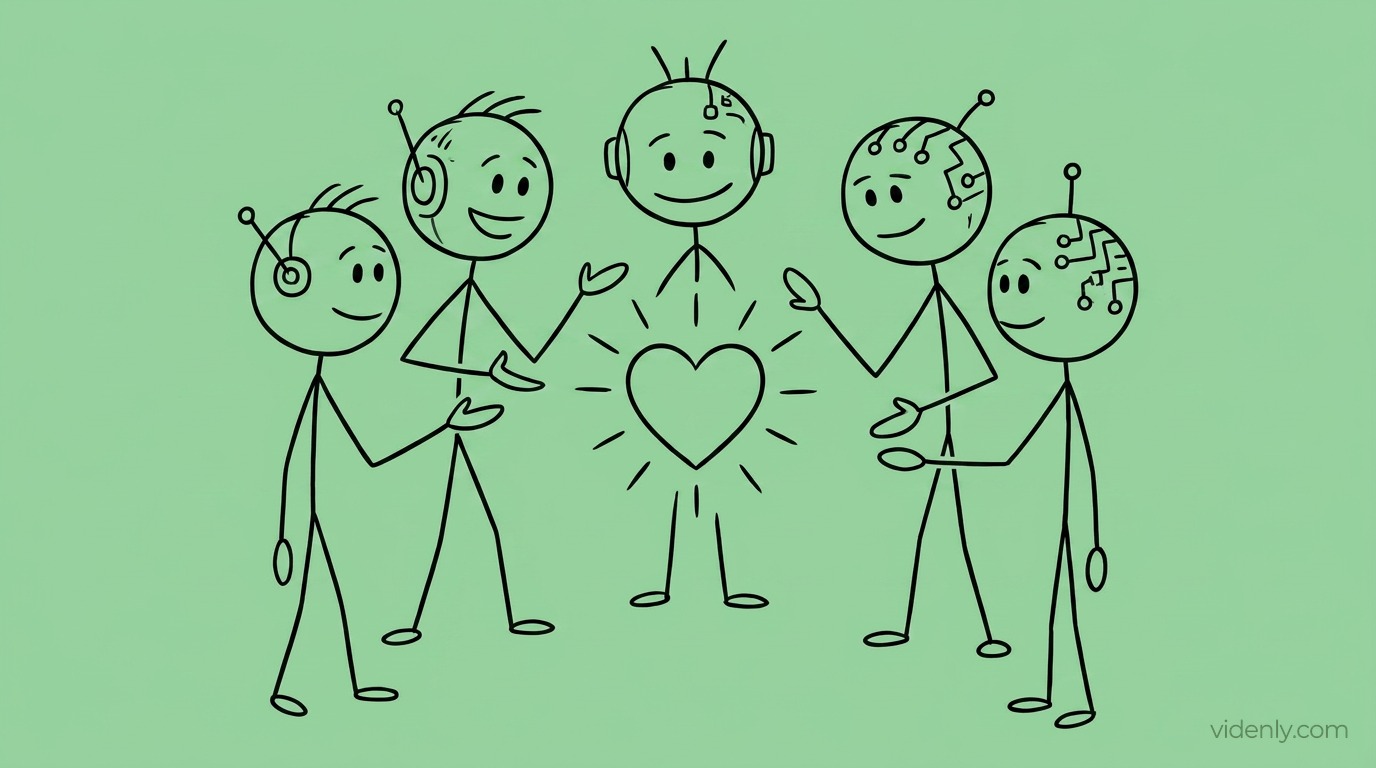
This personalization allows for more relaxed exchanges, where users can feel less intimidated and more willing to share their thoughts.
However, challenges remain in fully integrating AI avatars into online communities.
Users must be educated on how to engage effectively, as some might still fall back into the habit of treating others as mere usernames devoid of humanity.
To fully leverage the potential of AI avatars, community guidelines may need re-evaluation.
Shouldn’t communities foster habits of respect and kindness, ensuring that avatars serve as reminders of our shared humanity?
This initiates a culture where people engage mindfully and with empathy, keeping in mind that behind every avatar lies a person with feelings, thoughts, and dreams.
At the end of the day, such changes can help transform any online community into a space where genuine human interactions thrive.
In the end, while tech may shape the way we communicate, it’s essential to remember the human elements at its core.
Empathy is the thread that binds us together, helping us navigate through anonymity and toward deeper understanding and connection.
Online communities, with their mix of diverse backgrounds and opinions, often encounter conflicts that can escalate quickly. In this chaotic environment, AI avatars can serve almost like a calming presence, helping to mediate and diffuse tension.
Imagine a scenario where two users have a heated argument over a controversial topic. An AI avatar could step in, equipped with algorithms designed to analyze the conversation and identify moments of miscommunication, guiding the users toward better understanding.
Sometimes, it feels like a wave of negativity overwhelms an online chat. In these cases, an AI can act as a neutral third party, encouraging users to express their feelings without losing sight of mutual respect.
This approach takes on a more systematic form. The AI avatar can present each user’s perspective in simpler terms, allowing them to see the value in each other’s arguments. By articulating thoughts constructively, it helps in creating a bridge between conflicting opinions.
Once the AI facilitates this initial exchange, it can suggest possible compromises or solutions. Often, when emotions run high, mutual concessions can be overlooked; an avatar can help both sides find common ground without escalating conflicts further.
It’s not just about solving a single conflict but also about building a culture of communication and understanding within the community. The presence of an AI avatar can remind users that their feelings are valid while steering them towards empathy.
Additionally, an AI can track the emotional tone of conversations, prompting interventions when discussions start to spiral out of control. By monitoring interactions, AI avatars can recognize patterns of escalation and, like a lifeguard scanning the water for signs of trouble, step in before things get too intense.
Imagine the way mediators work in face-to-face environments. They carefully listen and help clarify misunderstandings; in a similar vein, AI avatars can operate as digital ears, promoting a culture where listening becomes paramount. This can shift the dynamics, encouraging users to listen more than they speak.
Through effective mediation, AI avatars also support users in navigating through their feelings of frustration or anger. The avatars can employ techniques such as reframing negative statements into more constructive dialogues, promoting a more respectful atmosphere within the group.
One fascinating part about this mediation is how it influences the community’s overall health. Once a pattern of conflict resolution is established, users may feel more supported, knowing that there’s a system in place to handle disputes. This can create a sense of security, inviting more open and honest communication.
Furthermore, as users start to see the benefits of mediation through AI avatars, they may begin to adopt similar practices in their personal interactions. The idea is that once empathy is modeled and encouraged, it filters down into everyday conversations among users.
Interestingly, the avatars can also absorb and learn from the conflicts they mediate. They can gather insights on what interventions worked and which did not, allowing for constant improvement in their techniques over time. This continual learning process helps fine-tune their communication strategies, making them even more effective as mediators.
In many ways, AI avatars can transform how we handle online disputes, facilitating a paradigm shift from reactive responses to proactive empathy. They serve as tools to enhance our natural ability to empathize, offering insights that can prevent conflict or resolve it productively.
The real magic happens when users begin to perceive these avatars not just as pieces of technology but as allies in the quest for understanding. Their ability to mediate disputes fosters a deeper sense of connection among community members, resulting in a richer social fabric for everyone.
In the end, the role of AI avatars in mediating conflicts is about much more than just resolving disagreements. It is the promise of opening pathways to meaningful relationships within digital spaces, where empathy does not merely exist but flourishes and transforms communities for the better.
Pro Tip: AI avatars facilitate a paradigm shift from reactive responses to proactive empathy in online communities, fostering deeper connections and meaningful relationships among users.
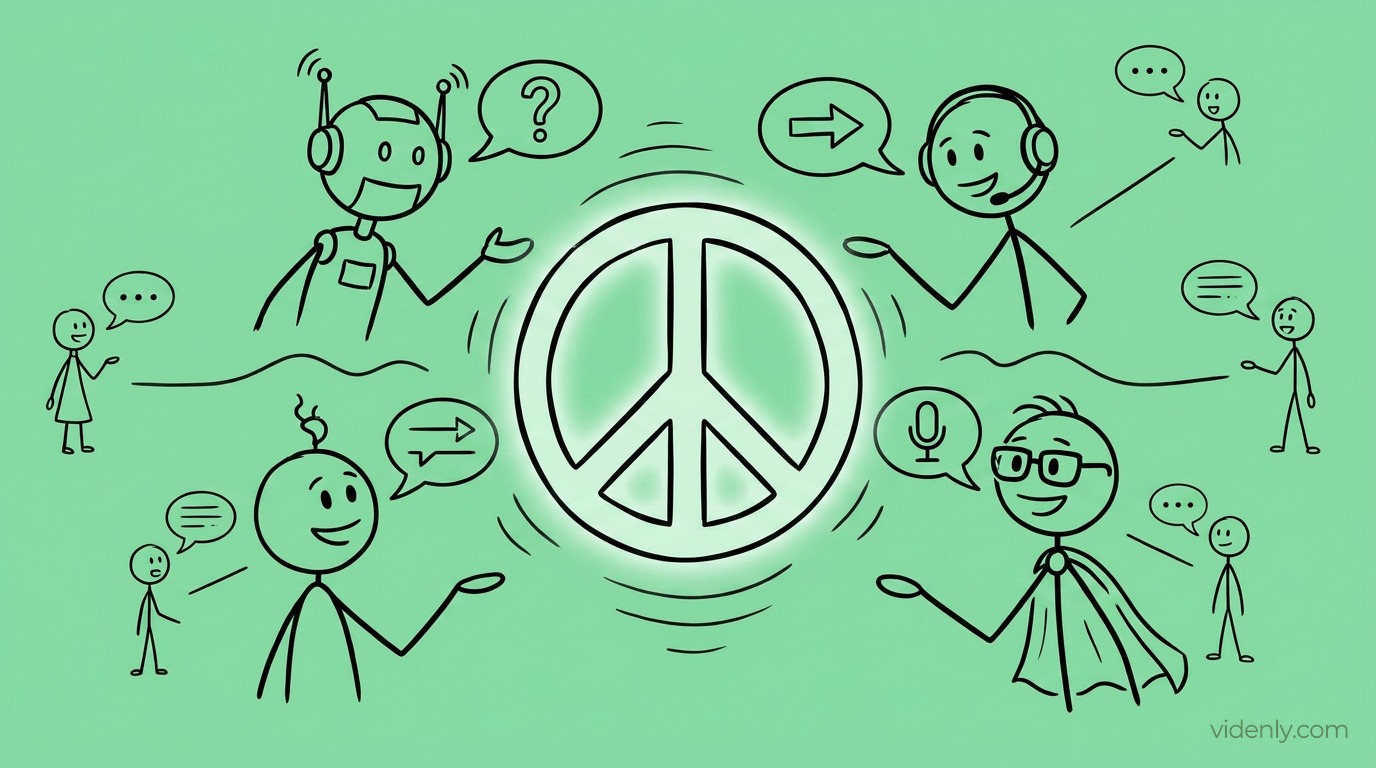
AI avatars are rapidly transforming the way we interact online, offering a new layer of depth to digital communication. There’s something inherently engaging about a personalized experience that feels tailored specifically for you, isn’t there?
When we think about online communities, the essence of connection often gets lost in the pixels and screens that separate us. Yet, AI avatars can create a bridge, allowing individuals to express themselves in ways that resonate on a deeper emotional level.
The ability to customize an avatar can significantly enhance a user’s sense of identity and belonging. This personal touch can make all the difference in promoting a feeling of empathy and understanding among community members.
Imagine logging into a platform where your avatar not only looks like you but also expresses your mood through facial expressions and gestures. This kind of digital representation opens up avenues for authentic interactions that often feel absent in standard text-based communication.
One of the remarkable aspects of AI avatars is their ability to adapt to individual preferences through learning algorithms. These intelligent systems can analyze user behavior and engagement trends, allowing avatars to present personalized content and responses that align with users’ emotional states and needs.
In this context, let’s consider a few ways AI avatars can enhance engagement through personalized experiences:
This kind of engagement is almost like a social dance, where the movements of each partner depend on the rhythm set by the other.
In virtual spaces, something as simple as a smile or a frown from an avatar can communicate appreciation or concern, strengthening emotional ties.
Empathy in communication often flourishes through shared experiences, and AI avatars facilitate this by allowing users to express their feelings and reactions instantly.
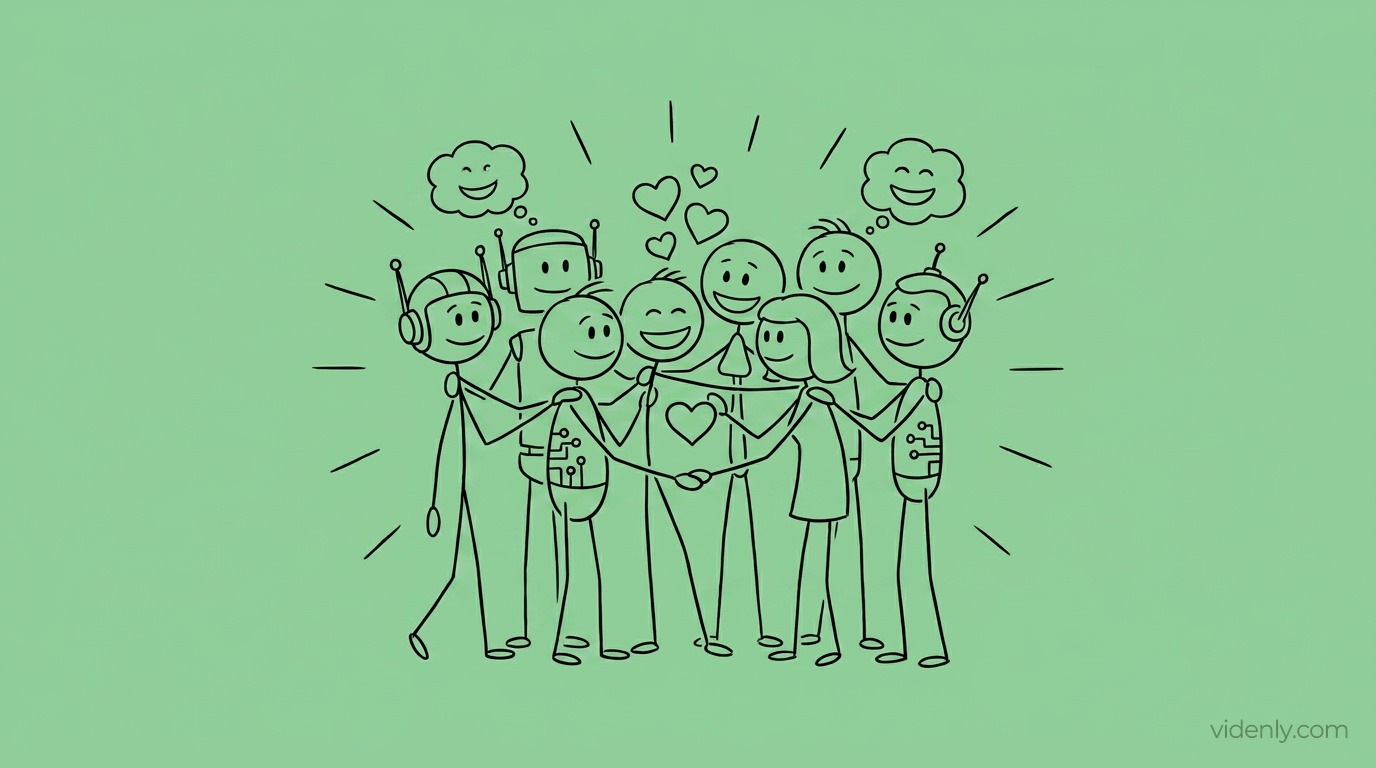
When avatars engage with people’s emotions, it creates a more inviting atmosphere that encourages openness.
Furthermore, as you navigate through digital discussions, having an avatar that reflects who you genuinely are can prompt you to engage more freely.
This personal investment is important, as it often leads to thoughtful interactions, fostering a sense of community where everyone feels valued.
In a way, personalized avatars are like wearing your favorite outfit or carrying a cherished memento that represents your style or interests.
They remind us of our unique identities, and this recognition can draw people closer together, as they seek to connect with others who resonate with similar values and experiences.
Moreover, the flexibility of AI avatars allows individuals to experiment with their identities in a safe online environment.
Users can step out of their comfort zones, try different identities, and explore various aspects of themselves, leading to richer interactions.
As communities grow, the potential for empathetic exchanges also expands exponentially.
Such expansion creates a vibrant tapestry of diverse personalities that can share their stories, creating deep connections that also highlight our common humanity.
Pro Tip: AI avatars are becoming powerful catalysts in online spaces by enhancing engagement and empathy, allowing users to connect more profoundly and reinforcing our fundamental need for understanding and connection.
At the end of the day, AI avatars are not just tools for representation but are becoming powerful catalysts that enhance our engagement and empathy in online spaces.
By bridging the gap between the digital and emotional realms, they empower individuals to connect more profoundly while reinforcing the idea that we are, at our core, social beings who thrive on understanding and connection.
Online communities often serve as a lifeline for people seeking connection and support. With the rise of AI avatars, these communities have the unique opportunity to foster a deeper sense of empathy among their members.
One of the most striking benefits of AI avatars is their ability to express emotions in a relatable manner. Imagine a virtual space where members can communicate their feelings through animated avatars that mimic facial expressions and gestures.
This kind of interaction can open doors to more authentic conversations. When people see a digital representation of someone feeling happy or sad, it encourages them to engage more genuinely.
Additionally, AI avatars have the power to reflect social cues that we often take for granted in face-to-face interactions. For instance, an AI might nod or maintain eye contact during a conversation, which can help others feel more valued and understood.
A strong sense of community stems from shared experiences, and AI avatars can help facilitate this. They can be programmed to understand context, allowing them to respond in meaningful ways that resonate with users’ emotions and provide comfort during difficult times.
This can transform an online interaction from a simple exchange of words into a more supportive dialogue. By modeling empathy through realistic responses, AI avatars can encourage community members to reflect that emotional awareness in their own interactions.
Furthermore, AI avatars can serve as a bridge to those who might otherwise feel hesitant to participate. For individuals who experience social anxiety, communicating through a digital figure can provide a safer environment to express themselves.
In this way, the avatars can create an inclusive atmosphere where everyone feels they belong. When members see that they can interact without fear of judgment, they may be more willing to share their thoughts and feelings.
Moreover, the use of AI avatars can help mitigate misunderstandings that often stem from text-based communication. The subtleties of tone and body language can be lost in written words, leading to misinterpretations.
By utilizing avatars that convey the right emotions, members can avoid potential conflicts and develop a supportive network where everyone feels safe. The ability to convey empathy through visual means enhances understanding and minimizes the likelihood of hurt feelings.
Being part of a supportive online community built around empathy can feel like finding a home away from home. The knowledge that there are others who understand your struggles can be incredibly uplifting, and AI can facilitate that sense of connection.
Creating spaces where empathy thrives encourages the sharing of personal stories and encourages others to seek help when needed. Members may feel more comfortable discussing their challenges and obstacles, knowing that their avatars can help convey their emotions effectively.
Another important aspect of building a supportive community lies in the feedback systems that can be enhanced by AI technologies. Avatars can lead discussions, ask questions, and provide non-judgmental feedback on various topics, from mental health to personal development.
Imagine an avatar that reminds you of a carefree friend, gently helping steer discussions toward uplifting themes. This kind of positive facilitation can uplift the mood of entire communities, transforming interactions into powerhouses of support and understanding.
AI avatars can also offer diverse perspectives by representing different backgrounds, experiences, and emotions. By including a variety of avatars in discussions, communities can encourage members to consider viewpoints that differ from their own.
This cultivates a culture of empathy and respect, where everyone feels their voice matters. A rich tapestry of experiences strengthens community bonds and fosters deeper understanding and compassion.
When members see their own experiences reflected in the avatars around them, it forms a connection that is both enriching and encouraging. Nothing quite matches the feeling of being understood, validated, and supported by those who have walked similar paths.
Additionally, AI avatars can introduce activities and strategies that spark conversation and promote engagement, such as icebreakers or shared interest groups. This not only helps individuals feel more connected but also serves to strengthen the community overall.
When people gather around common interests facilitated by responsive AI, it fosters a family-like environment where everyone contributes to the collective growth of knowledge and emotional support. Engaging in shared activities reinforces social ties and creates lasting memories.
In a world where loneliness is increasingly prevalent, supportive online communities enhanced by AI avatars offer solace and connection. They make participation feel less daunting and more inclusive, transforming the digital landscape into something truly heartwarming.
Each interaction in these AI-driven environments can help shape and build lasting bonds, much like the way roots intertwine to form a strong tree. Together, members can cultivate an atmosphere where empathy flourishes and everyone helps uplift one another.
Pro Tip: Utilize AI avatars in online communities to enhance empathy and foster authentic conversations by visually expressing emotions and social cues, creating a more supportive environment for all members.
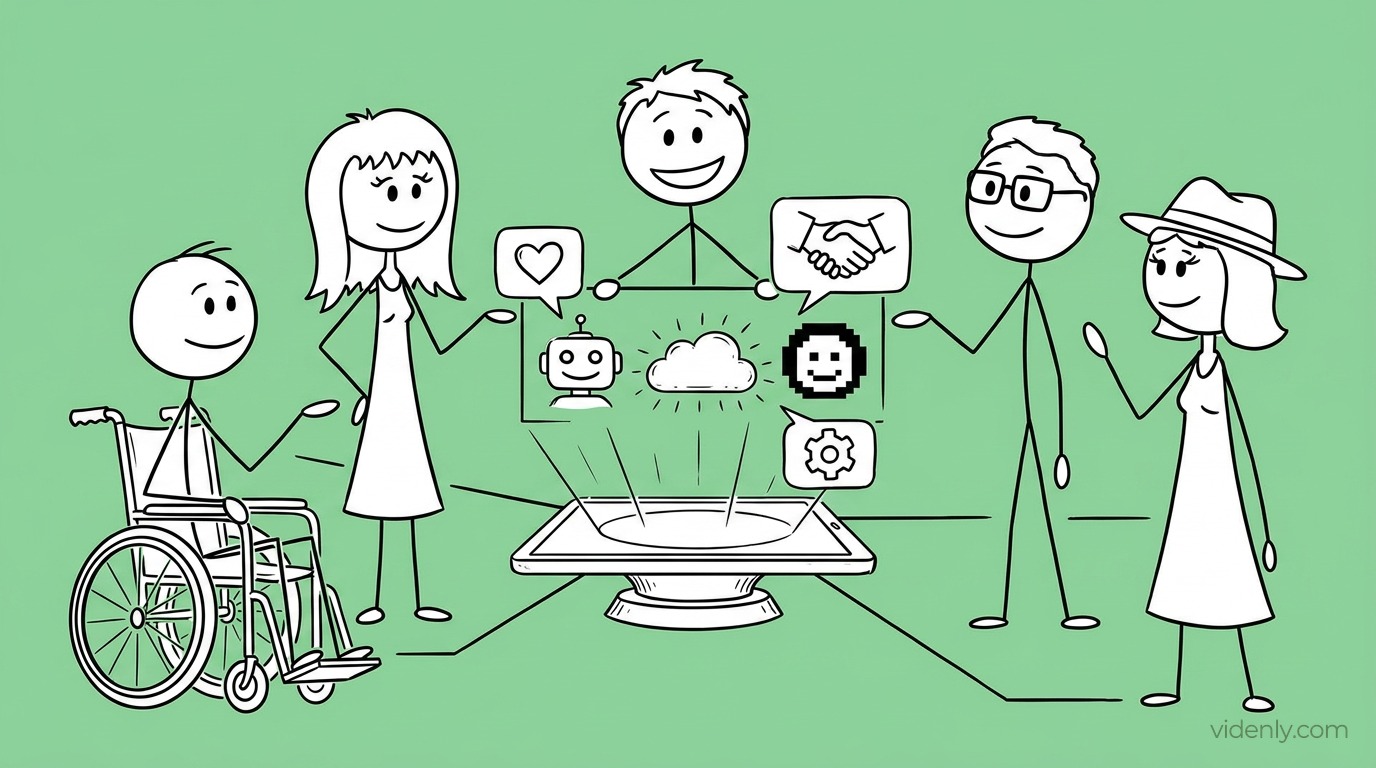
AI avatars have emerged as powerful tools in fostering empathy within online communities.
Their ability to recognize and respond to emotional cues allows for deeper connections between users.
By bridging the anonymity often found in online interactions, AI avatars help to humanize digital conversations.
They act as mediators in online conflicts, promoting understanding and resolution among diverse perspectives.
With personalized experiences, AI avatars can engage users in meaningful ways, enhancing their sense of belonging.
In the end, by building supportive online communities, these avatars pave the way for more empathetic interactions in our increasingly digital world.
Create stunning AI-generated videos that captivate your audience and elevate your brand.