
Published on June 17, 2026 by
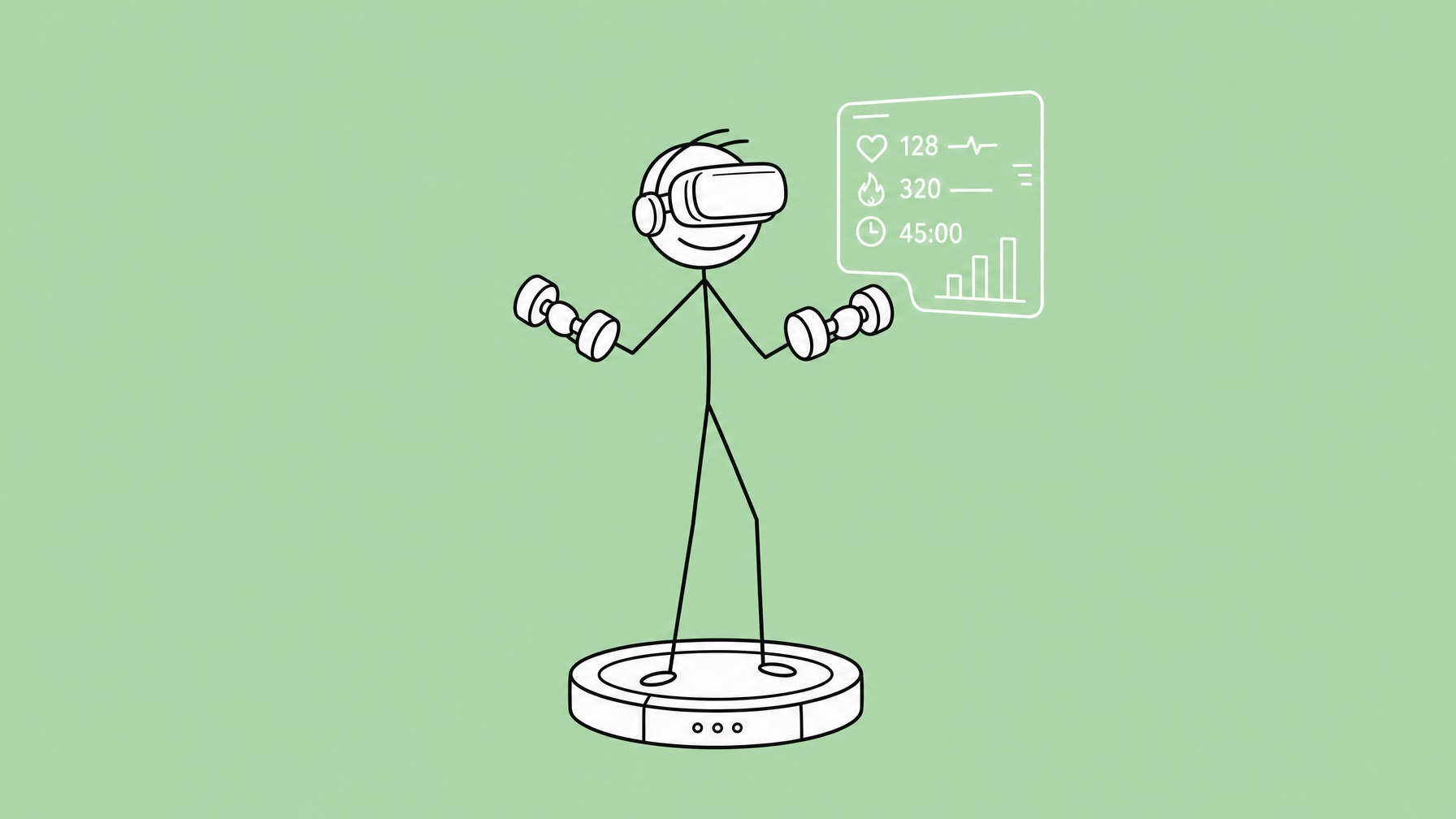
AI avatars can revolutionize personal fitness coaching by offering personalized workout plans tailored to individual needs and goals.
These digital trainers can analyze user data, including fitness levels, preferences, and progress, to adapt routines in real time.
Furthermore, AI avatars provide a 24/7 coaching resource, allowing users to engage in fitness activities whenever it suits them without the limitations of traditional coaching hours.
By incorporating advanced algorithms, these avatars can also enhance motivation through customized encouragement and feedback, fostering a more engaging user experience.
Moreover, the integration of virtual reality technology can create immersive training sessions, making fitness more enjoyable and accessible.
In summary, AI avatars hold the potential to make personal fitness coaching more effective, accessible, and engaging for a broader audience.
While the key takeaways highlight the potential of AI avatars in personal fitness coaching, there are additional important aspects to consider that further illuminate this topic.
For instance, the integration of AI technology in fitness can also bring about significant changes in workout customization and tracking, which can improve user experience dramatically.
Moreover, the ethical implications of data privacy and user consent with AI usage in fitness coaching are critical areas that warrant attention and discussion.
In the following sections, I will explore these related topics in depth, shedding light on how they intersect with the rise of AI avatars in the fitness industry.
As technology evolves, we find ourselves in an increasingly digital world, where AI avatars emerge as effective tools in personal fitness coaching. These intelligent virtual assistants can revolutionize the way individuals approach their health and wellness journeys, guiding and supporting them in ways traditional methods often cannot.
The most compelling aspect of AI avatars is their ability to provide personalized experiences that cater to an individual’s unique needs and goals. By analyzing data from fitness trackers and user interactions, these avatars can tailor recommendations for workouts, nutrition, and recovery.
Having an AI avatar as a coach can be akin to having a personal trainer who is available at any time and place. They can monitor your progress in real time, adjusting your regimen as needed to ensure that you stay on track with your personal goals.
Many people struggle to maintain motivation, especially when embarking on a fitness journey that stretches over months or even years. Here is where the constant encouragement and support from AI avatars can play an essential role in keeping individuals engaged and accountable for their fitness commitments.
One might say that AI avatars serve as a bridge between you and your desired fitness results, making the journey feel less daunting. Imagine an avatar reminding you to stay hydrated or cheering you on as you complete that last set of push-ups.
AI avatars not only offer motivation but also provide essential feedback based on your performance. This immediate analysis can highlight areas for improvement and help overcome plateaus that often lead to frustration and stagnation.
Another obvious benefit of AI avatars is their accessibility and affordability. Many people may hesitate to work with personal trainers due to the financial investment required, but AI avatars can deliver quality coaching at a fraction of the cost, which opens up opportunities for more individuals.
Furthermore, AI avatars also transcend geographical boundaries, making expert fitness coaching available to anyone with an internet connection. Whether you live in a small town or a bustling city, the ability to connect with your personal coach remains consistent.
Let’s explore some key advantages that highlight the impact of AI avatars on personal fitness coaching:
In addition to the points mentioned, it’s also worth noting that AI avatars can cater to diverse fitness levels and backgrounds.
Whether you are starting your journey or looking to up your game, the adaptability of these digital coaches is nothing short of remarkable.
Moreover, because they can analyze vast amounts of fitness data, AI avatars are positioned to provide insights about trends and habits that might not be evident to the user.
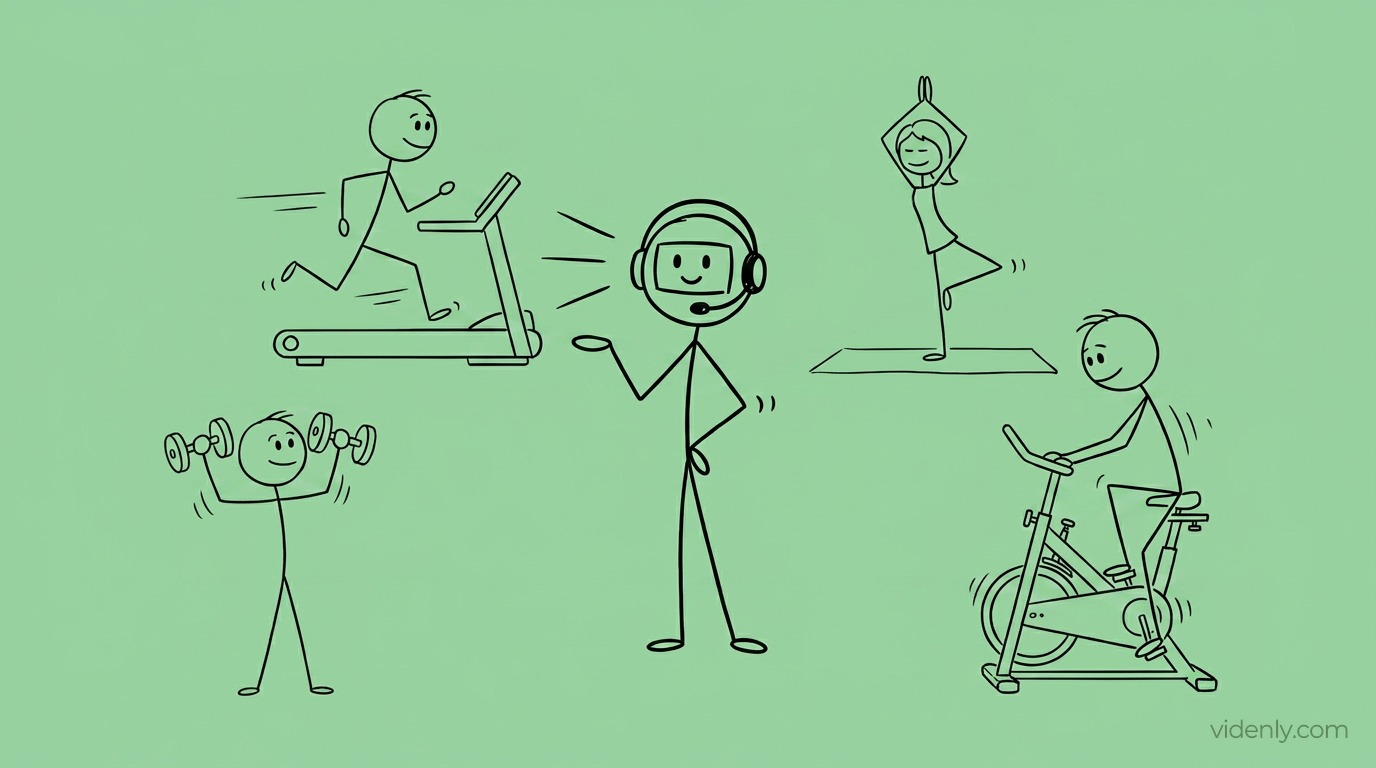
This knowledge creates a partnership that can lead to significant improvements in technique and overall results.
It’s fascinating to think about how far we’ve come in fitness coaching, moving from traditional methods to these advanced digital solutions.
In a world where time and convenience play crucial roles, AI avatars are shining examples of how technology can transform the landscape of personal fitness, making it not just more efficient, but also more enjoyable.
The future of fitness coaching appears bright with AI avatars leading the charge, making both professional guidance and tailored fitness plans available to anyone, regardless of their starting point.
Combining technology with motivation and support from digital coaches can empower individuals to achieve their fitness aspirations in ways we are just beginning to imagine.
The landscape of personal fitness coaching is undergoing a dramatic transformation, especially with the advent of AI avatars that utilize extensive data analysis. These digital companions not only represent individuals but also possess the ability to track real-time data, adapting to the user’s fitness journey in ways that were previously unimaginable.
Imagine a virtual coach that mirrors your movements, senses your efforts, and fine-tunes your routine on the spot. With the power of artificial intelligence and cutting-edge technology, these avatars create a unique, personalized experience that evolves alongside the user.
Real-time data analysis forms the backbone of this technology, enabling avatars to gather information from various sources such as wearable devices. Think of wearable devices as important extensions of the body, constantly monitoring heart rate, calories burned, and even posture during workouts.
This constant flow of information allows avatars to assess performance like a skilled observer in the gym, providing insights that human coaches may miss. They can instantly recognize when a user is struggling with form or experiencing fatigue, and then offer tailored adjustments to ensure safety and effectiveness.
Such adaptations occur almost instantaneously, like a dancer adjusting their moves to the tempo of a song. Real-time feedback becomes crucial, as it helps individuals learn and grow without the delays that come with traditional coaching.
A significant advantage of this ongoing analysis is its ability to personalize fitness plans based on individual progress. Each workout is no longer a one-size-fits-all regimen, but rather a bespoke program meticulously crafted to meet changing needs and goals.
For instance, if an avatar detects that a user is becoming fatigued faster than before, it can proactively decrease the intensity of the workout or suggest restorative exercises. This level of attention mirrors a personal trainers’ instincts and responsiveness, but with enhanced precision that is only possible through comprehensive data analysis.
This adaptability can be especially important for individuals who are just starting their fitness journey. They often feel lost or overwhelmed by the complexity of different exercise routines and health tips. Having an AI avatar that personalizes guidance based on real-time feedback can ease that anxiety and help build confidence.
Moreover, the engaging nature of avatars and their use of gamification and motivation techniques can inspire users to stay committed to their fitness goals. They can offer reminders, celebrate milestones, and even simulate friendly competition to keep users engaged.
One fantastic feature about these AI-powered avatars is their ability to learn over time, honing their understanding of a user’s habits and preferences. It’s like having a friend who knows not just what you like to do but also understands how to motivate you when you hit a rough patch.
As the avatars accumulate data, they can also anticipate future needs and challenges. For instance, if a user tends to struggle with motivation during winter months or around the holidays, an avatar might adjust its messaging or suggest indoor activities that align with those times.
The beauty of this system is that it does not rely solely on surface-level analysis; it dives deep into the emotional and psychological aspects of fitness. Understanding that motivation can fluctuate significantly based on various external factors transforms the coaching approach into a highly empathetic one.
This shift leads to a more supportive environment, where users feel acknowledged and empowered by their virtual coach. Instead of simply pushing through workouts, individuals can experience a deeper understanding of their own bodies and what drives them.
Additionally, this real-time data analysis can build a network of support among users, allowing for community interaction and encouragement rather than isolation. Imagine sharing your progress with others through the platform, creating a sense of camaraderie that enhances motivation and accountability.
Furthermore, the access to such technology democratizes personal fitness coaching, making it available to anyone with a smartphone or wearable device. This vast reach opens doors for people who might not otherwise have access to professional trainers.
Just as a sculptor carefully chips away at the stone to reveal a masterpiece, real-time data analysis allows avatars to shape fitness journeys by identifying strengths and areas for growth. It transforms fitness from a mere routine into an engaging and tailored experience, ensuring that every workout counts.
As we look toward the future, the role of AI avatars in personal fitness coaching is destined to expand and become even more intricate and nuanced. With each advancement in technology, they will harness more data, foster deeper connections with users, and offer increasingly sophisticated personalization that resonates on a personal level.
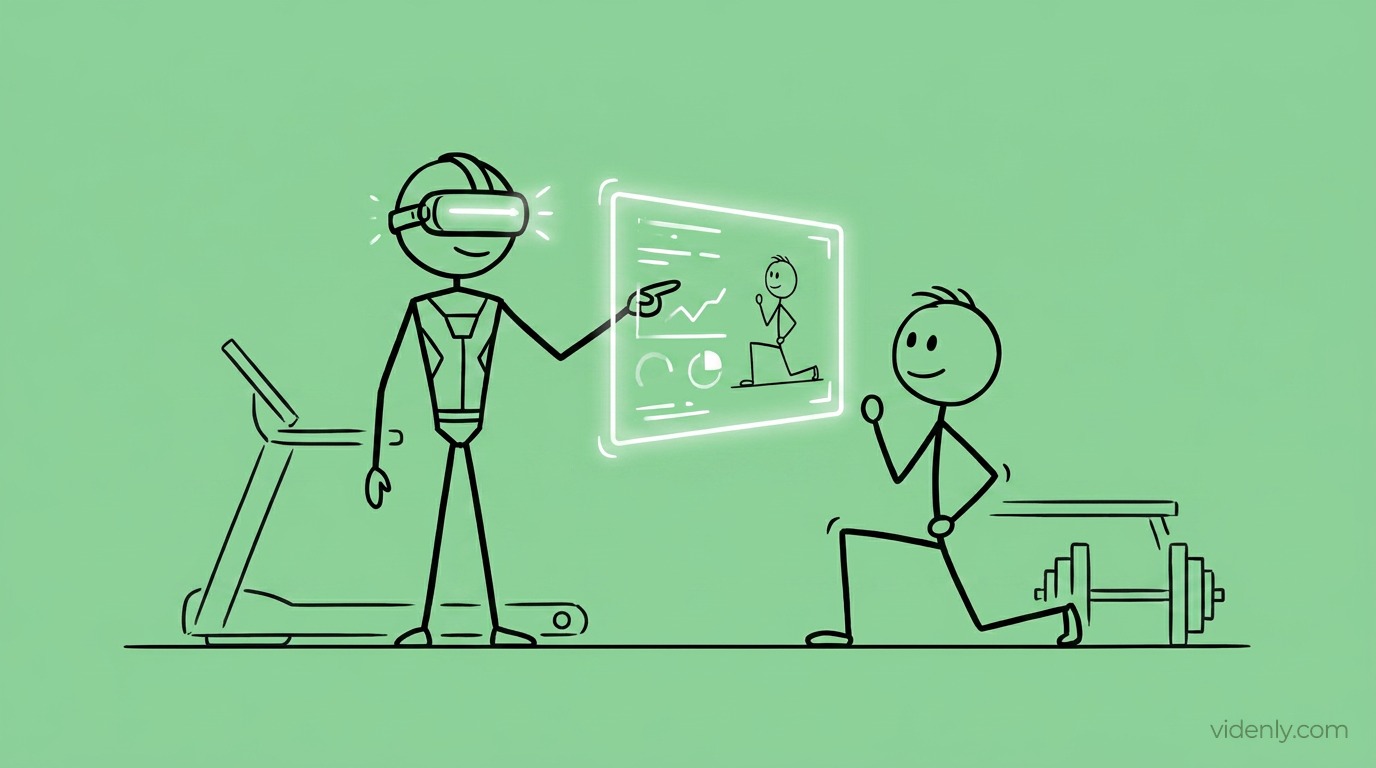
Imagine waking up at 3 AM and feeling energized, ready to tackle a workout. With AI avatars, that dream isn’t far from reality; you can have virtual coaching available to you at any time of the day or night.
The world of personal fitness is evolving rapidly, pushing conventional boundaries and embracing technology. The static idea of scheduling gym sessions is becoming a relic of the past, as people increasingly seek convenience and flexibility in their fitness routines.
AI avatars give individuals the ability to access coaching whenever they need it, breaking free from traditional schedules. This round-the-clock availability mimics the personalization we crave in fitness without the constraints of time.
Not only is this beneficial for early birds and night owls, but it also caters to those with hectic lifestyles. Imagine being able to squeeze in a workout during your lunch break or while your children nap, which can lead to daily fitness habits that fit seamlessly into your life.
The convenience of having a virtual coach means you can receive real-time feedback and encouragement whenever motivation levels drop. Ideally, this immediate access helps build better habits and provides supportive reinforcement that promotes consistency.
Utilizing AI avatars for fitness coaching can lead to enhanced accountability. By establishing a routine that aligns with your individual schedule, you become less prone to skipping workouts, which fosters a sense of commitment to your personal goals.
To further illustrate the benefits, consider the various ways an AI avatar can support your fitness journey:
Here, we glimpse the multifaceted support that an AI avatar provides, transforming the traditional coaching dynamic.
It empowers users with accessible information and guidance, ultimately leading to a more engaged fitness experience.
As technology becomes further integrated into our lives, the importance of having constant access to coaching becomes more important.
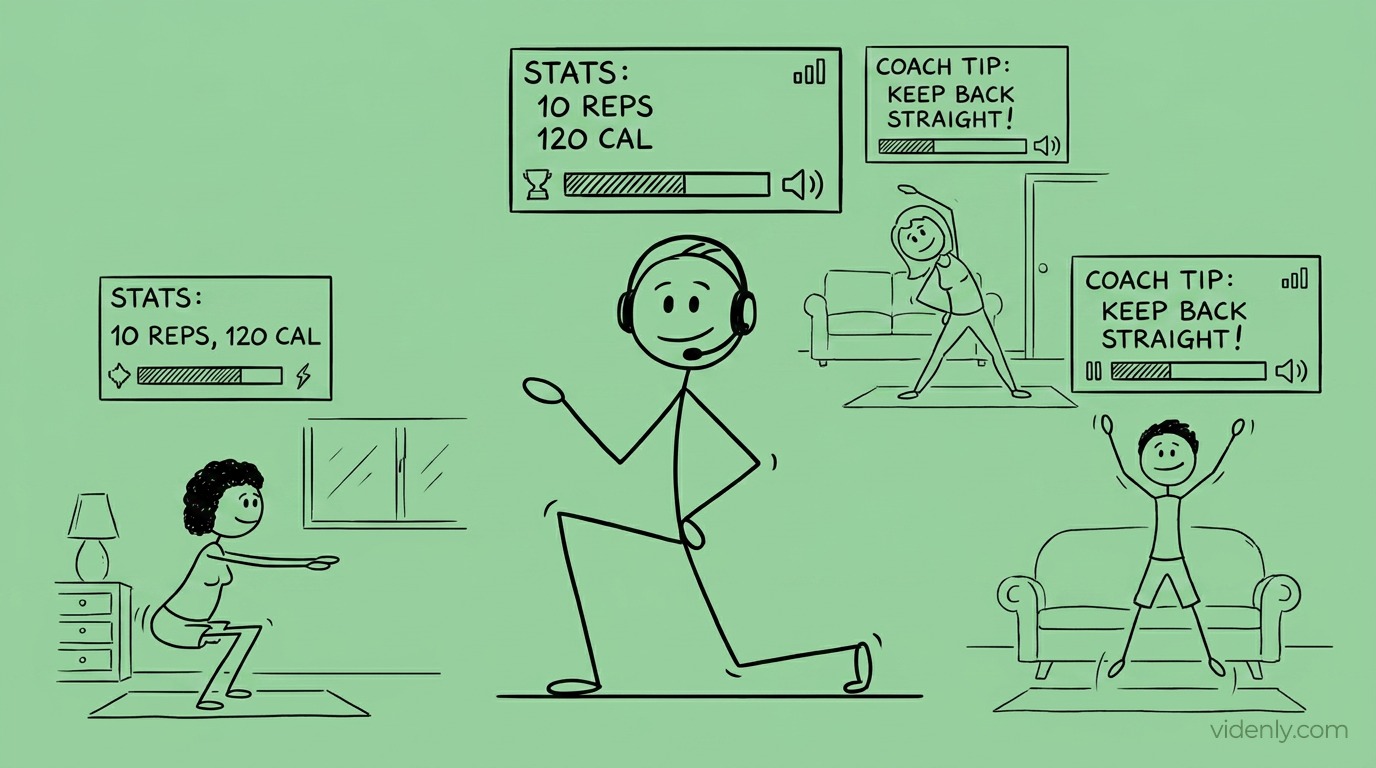
The journey of fitness doesn’t always follow a straight path, and having AI avatars on standby ensures you stay on track.
The experience of being coached by an AI avatar is much like having a personalized guide in a vast and often convoluted wilderness of fitness choices.
It navigates you through challenges and uncertainties while offering insights tailored to your unique needs.
Staying committed to personal fitness is often a struggle; life can be unpredictable, and you may battle with barriers that throw you off course.
But with an AI avatar at your disposal, taking those steps becomes increasingly achievable.
Furthermore, those who may feel intimidated by traditional gym environments often find solace in the privacy of working out with an AI coach.
This sense of security can allow users to embrace fitness without the fear of judgment.
Pro Tip: Leverage the convenience of AI avatars for 24/7 virtual coaching to seamlessly integrate fitness into your schedule, ensuring consistent engagement and accountability.
At the end of the day, the landscape of personal fitness has changed, paving the way for more engaging and interactive experiences.
With the power of AI, it all comes down to the individualized approach that caters to the unique rhythms of our lives.
When we talk about personal fitness coaching, it’s hard to overlook the importance of motivation and how it shapes the overall journey. Imagine having a virtual companion cheering you on, encouraging you to push through those last few reps as if they were standing right beside you in the gym.
AI avatars have this unique ability to make workouts feel less like a chore and more like an engaging experience. With their personalized feedback and interactive capabilities, these avatars bring a fresh layer of encouragement to workouts that traditional methods often lack.
The allure of an AI avatar lies in its ability to create a bond with users, fostering an environment where individuals feel supported and accountable. The simple fact that someone or rather, something is invested in your progress can significantly drive your motivation to stick to a fitness routine.
Utilizing sophisticated algorithms, these avatars can assess your performance and adapt their encouragement based on your emotional responses. A good example would be, if they notice a user lagging or feeling frustrated, they can change their tone or offer insights that resonate more with your feelings at that moment, providing a tailored response that traditional coaching simply cannot achieve.
Being able to interact in real-time gives a sense of community that many may not associate with AI. It’s almost like having a personal coach available 24/7, ready to respond to your needs, which provides a reassurance that many individuals crave when facing challenging workouts.
A stunning aspect of AI avatars is their adaptability to different users’ preferences, effectively ensuring that the motivation remains high. For instance, if a user enjoys competitive elements, the avatar can introduce challenges that inspire friendly rivalry, whether against yourself or others in a fitness community.
We all know how sometimes, just getting into a workout is half the battle, right? Through game-like features or dynamic goal-setting, these avatars help create a sense of urgency and excitement that can nudge users to take that first step.
In the same way that a friend might push you to join a running group, these avatars use psychology to ignite that personal drive. They can seamlessly blend encouragement with insightful analytics, allowing users to visualize their progress in a way that makes them proud and motivated to keep going.
Moreover, AI avatars can use past workout data to predict future performance trends, which makes the coaching experience feel almost predictive and incredibly tailored. Users can feel empowered as they see how past achievements translate into future successes, enhancing their commitment to their fitness journey.
This ongoing level of engagement turns workouts into a journey that users look forward to rather than dread. Just like a favorite song can turn a tedious drive into a fun road trip, an engaging AI avatar can transform a workout into an enjoyable part of your day.
Customization options allow users to select the avatar that resonates with them, whether that’s a friendly coach, a stern motivator, or even a virtual version of their favorite athlete. This element of personalization can make each interaction feel unique and tailored, enhancing the user’s connection to their fitness journey.
There’s also something to be said for the element of gamification within these platforms. Many AI avatars incorporate game-like structures, like rewards systems and achievement badges, encouraging users to push the envelope and strive for more, much like kids playing a video game for higher scores.
This gamified nature provides more than just a sense of accomplishment; it introduces layers of fun and excitement that often spill over into other areas of life. As users celebrate small victories and enjoy the process, they become more committed to their fitness goals, ultimately making the effort feel less like work.
Through regular interaction with their avatars, users can also experience a sense of belonging. This sense of community can mitigate feelings of isolation that sometimes accompany personal fitness journeys, thereby strengthening the resolve to stick with their fitness plans.
When it comes down to it, the ability of AI avatars to keep users engaged and motivated is a testament to how technology can enhance personal growth. Embracing a virtual coach generally can shift the dynamics of fitness from solitary struggles to collaborative triumphs, where every journey becomes part of a larger narrative of personal achievement.
As AI continues to evolve, we can anticipate even more interactive features that will deepen engagement. Imagine avatars that can remember your preferences and track your emotional responses, adjusting motivational strategies accordingly to maintain that crucial connection that keeps you going.
The evolving nature of AI in fitness suggests an exciting frontier for both motivation and engagement. Alongside traditional coaching methods, these AI avatars may increasingly pave the way for a holistic approach to personal fitness that empowers individuals to thrive in their fitness journeys.

Imagine stepping into a virtual fitness world where the boundaries of reality blur, and your workout becomes a thrilling adventure. This is no longer just a dream; it’s the era of immersive training powered by advanced technologies.
With the rise of virtual reality, personal fitness coaching is transforming as never before. The traditional gym setting often feels monotonous and uninspiring, but VR brings the excitement that gets people moving.
When you don a VR headset, you enter a space where your surroundings are replaceable, allowing you to experience various environments without ever leaving your home. Whether you’re cycling through the Swiss Alps or performing yoga on a sunlit beach, the level of engagement is taken to a whole new height.
Being surrounded by stunning scenery while working out not only enhances motivation but also allows individuals to escape their routine. The experience feels immersive, much like being inside a video game, where each session becomes a unique quest for personal achievement.
As a user, you would find yourself engrossed in the activity, forgetting the mundane nature of traditional exercises. VR fitness platforms often include features such as competitive challenges, which add an element of fun and adventure, tapping into our innate desire for achievement.
Think about it each workout could feel like traversing an exotic landscape, engaging both your mind and body. This dual involvement brings forth a new energetic dimension; it’s like a personal trainer is right there with you, pushing you to your limits.
Moreover, VR technology offers tailored experiences to suit different fitness levels and personal goals. Most platforms even come equipped with progress tracking and analysis tools, enabling users to pinpoint strengths and weaknesses.
Here’s a quick peek at some key features of immersive training with virtual reality:
This list isn’t exhaustive but gives a glimpse into how VR is revolutionizing fitness coaching.
It certainly empowers users to develop a deeper connection with their workouts.
The future appears incredibly bright when considering AI avatars combined with VR technology.
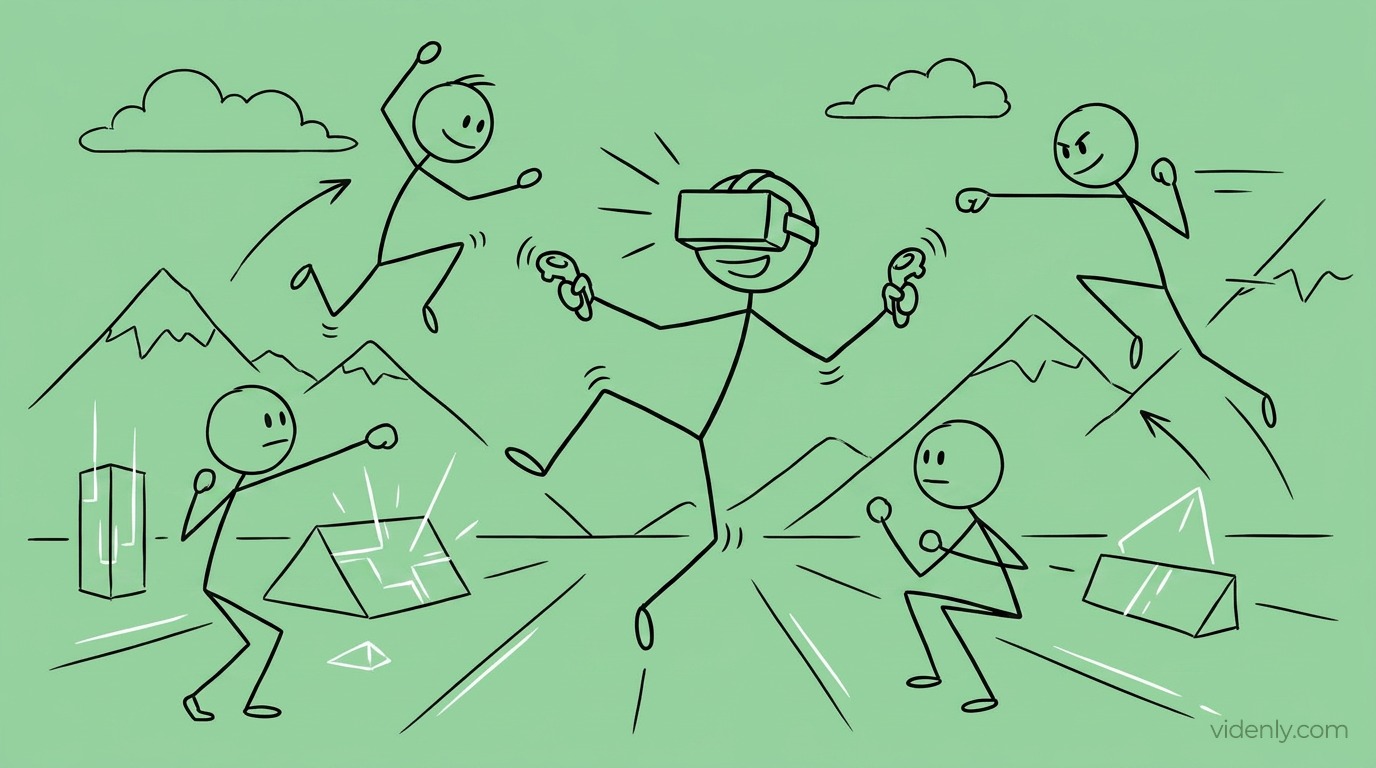
These avatars can function as agile personal trainers, delivering personalized coaching and adjusting workouts in real-time.
They observe your form, monitor your progress, and even maintain that much-needed motivational dialogue.
It’s much like having a friend cheering you on or a coach who knows just the right buttons to push.
As if that weren’t enough, virtual reality can transport users into thrilling competitions and events, simulating high-stakes scenarios that can boost performance.
Imagine participating in a high-energy boxing match against a virtual opponent or challenging your friend to a race through distant cities.
This high level of interactivity can be incredibly satisfying, providing immediate gratification and fulfillment.
In turn, this enhances the overall fitness journey, making it less of a chore and more of an enjoyable pursuit.
Inescapably, as technology continues to evolve, workouts will be increasingly gamified, creating layers of engagement that appeal to wider audiences.
With immersive training, the typical notion of fitness is being redefined; it’s becoming a celebration of movement and well-being.
The implications for fitness coaching are profound when we consider the accessibility of VR technology.
More people can now access quality training without the need for expensive gym memberships or personal trainers.
The lively environments formed by VR allow individuals to exercise comfortably at home or in inviting outdoor scenes, all while remaining focused and active.
In this way, it encourages not just fitness but also mental well-being, as it allows for varied, engaging movements as one interacts with the virtual world.
Imagine the impact on someone who traditionally avoids fitness due to intimidation or lack of interest in standard workouts.
Virtual reality opens doors for these individuals, presenting exercise in a fun and compelling manner.
Important: Immersive training with virtual reality is revolutionizing personal fitness coaching by creating engaging and customizable environments that enhance motivation and make workouts feel like exciting adventures instead of mundane routines.
As we venture into this new frontier, it’s essential to remember that while technology continues to advance, the essence of personal coaching remains the same; it’s about supporting and guiding someone through their unique journey.
At the end of the day, immersive training with virtual reality invites everyone to dive in and explore the limitless possibilities of fitness.
The emergence of AI avatars in the realm of personal fitness coaching does not come without its set of challenges and limitations. While these virtual trainers can display an impressive depth of knowledge, they often lack the necessary emotional intelligence that is integral to personal training.
Fitness is not just about following a routine; it involves understanding one’s feelings and motivations. Sometimes, clients need a coach who can perceive their emotional states and react accordingly, something AI struggles to achieve.
Another hurdle is the individualization of training programs. Each person’s needs, capabilities, and fitness levels vary greatly, meaning a one-size-fits-all approach can often lead to frustration or injury.
Even with advanced algorithms, AI can struggle to create truly personalized plans without extensive input from the user. This means that instead of empowering individuals, AI may unintentionally create a sense of reliance on vague recommendations.
Moreover, the lack of a physical presence in AI coaching poses challenges as well. The nuanced elements of body posture and movement are often best observed in real-time, where a human coach can provide immediate feedback.
AI avatars lack the subtlety needed to correct form or prevent injuries as effectively as a person can, which could hinder clients from reaching their fitness goals safely. The absence of human observation in workouts can lead to improper techniques becoming habitual.
When clients struggle with motivation, the human element becomes ever more critical. There’s something inherently uplifting about a coach cheering you on, which AI simply cannot replicate.
Moreover, communication and interaction often vary significantly across individuals. Human coaches can adjust their communication style based on verbal and non-verbal cues they receive from their clients, allowing for a much richer and responsive interaction.
In addition to interpersonal dynamics, the technology behind AI avatars can also face significant barriers. The accuracy of biometric data is crucial for creating effective coaching plans, and if there’s any error, it can lead to misguided training recommendations.
Furthermore, many AI programs might lack access to real-time health metrics, which can severely limit their effectiveness. A coach utilizing wearable technology can adapt training intensity based on immediate feedback, something AI avatars currently struggle to accomplish.
There’s also the risk of data privacy and security concerns when using AI coaching systems. Users often share personal information, including health data, and any breach or mishandling of that data can lead to significant issues.
Public skepticism around AI systems needs addressing, too. Many individuals still harbor doubt about whether AI can truly help them achieve their fitness goals, preferring the tangible, personal connection offered by human trainers.
Perhaps one of the most pressing challenges is the matter of accountability. A human coach often provides a sense of responsibility, encouraging clients to stick to their routines.
In contrast, an AI avatar might not present the same urgency or obligation that a live coach offers, leading clients to treat their workouts more casually. This lack of motivation can significantly hinder progress, especially for individuals needing external encouragement.
Additionally, while some AI systems can simulate conversation, they sometimes struggle with delivering genuine encouragement. These interactions may feel decidedly mechanical and ultimately less inspiring than human coaching interactions.
There’s also the challenge of ensuring that AI avatars stay updated with the latest fitness trends and scientific advancements. The fitness industry evolves rapidly, and outdated programs may lead trainers astray, offering advice that does not reflect current knowledge.
The sheer variety of exercise types, dietary needs, and lifestyle factors poses a significant hurdle. Creating a comprehensive, adaptable system that remains relevant as new research emerges is no small feat.
At the end of the day, all these factors highlight an important aspect of AI coaching: while the technology can provide valuable support, it is not a complete substitute for human interaction. There is an undeniable value in having a coach who can understand the nuances of human behavior and emotion.
In a world that often emphasizes tech solutions, there’s a reminder that the essence of personal training lies in connections, empathy, and real-time feedback. It’s like attempting to water a garden solely through an algorithm; without human touch, the growth may never reach its full potential.
Being aware of these challenges is essential as we embrace the integration of AI into personal fitness coaching. A balanced approach that combines the strengths of AI with the irreplaceable human element could be the key to unlocking its full potential in the fitness space.
Pro Tip: Ensure that your fitness coaching approach integrates both AI technology and the essential human element to effectively address individual emotional and motivational needs.

AI avatars are revolutionizing the fitness landscape by offering personalized coaching experiences that adapt to individual user needs.
With the power of real-time data analysis, these avatars can provide tailored workouts that evolve based on performance and health metrics.
The convenience of 24/7 access to virtual coaching means that users can fit workouts into their schedules, breaking down barriers to regular exercise.
Additionally, the enhanced motivation and engagement from interactive avatars help keep users committed and excited about their fitness journeys.
Immersive training experiences powered by virtual reality offer a unique way to engage with exercise, transforming traditional workouts into dynamic, enjoyable sessions.
However, it’s essential to acknowledge the challenges and limitations that AI coaching faces, as technology cannot entirely replace the human touch in fitness training.
As we look to the future, combining AI advancements with human expertise could lead to even more effective and supportive fitness coaching solutions.
Create stunning AI-generated videos that captivate your audience and elevate your brand.