
Published on April 20, 2026 by

User-generated content (UGC) ads provide brands with a unique opportunity to showcase authentic customer experiences.
By leveraging real testimonials, brands can highlight the genuine impact of their products on consumers’ lives.
This approach enhances trust among potential customers, as they tend to value relatable stories over traditional advertising.
UGC ads also encourage community engagement, as customers feel empowered to share their narratives and interact with the brand.
Moreover, featuring UGC in marketing campaigns can create a stronger emotional connection with the audience, leading to increased brand loyalty.
At the end of the day, brands that effectively utilize UGC can foster a sense of authenticity and transparency that resonates with modern consumers.
There is more to understand about effective strategies for integrating UGC in marketing efforts, as well as the potential benefits that come from leveraging genuine customer experiences.
In the following sections, I will explore in greater detail how brands can successfully curate UGC that resonates with their target audiences while maintaining alignment with their core values.
Additionally, I will discuss various methods for measuring the success of UGC campaigns, which can help refine marketing strategies for even greater impact.
Lastly, I aim to highlight case studies from brands that have used UGC effectively, illustrating best practices and innovative approaches that others may learn from.
When we talk about User-Generated Content, or UGC, we’re referring to various forms of content created and shared by consumers. This can include anything from social media posts and reviews to videos and images shared across different online platforms.
In essence, UGC is a digital expression of a customer’s interaction with a brand, often reflecting their genuine feelings and experiences. It’s like holding up a mirror that reflects the voice and opinions of actual users, which adds a layer of authenticity that typical marketing efforts often lack.
One of the most powerful things about UGC is its ability to depict real people telling real stories. Unlike polished advertisements created by brands, UGC carries an organic feel, which resonates with potential customers on a deeper level.
Think about it when someone sees a beautifully crafted commercial, there’s often skepticism. However, when they stumble upon a friend’s candid video or a heartfelt review, it’s like receiving a personal recommendation, which feels far more sincere.
To further understand UGC, let’s look at its various forms. Users create and share content through different mediums, resulting in a vibrant tapestry reflecting diverse experiences with a brand. Here are some key types of UGC:
This variety shows just how versatile UGC can be.
Each type reveals unique insights and draws in audiences in different ways, culminating in a rich library of feedback that brands can tap into.
Moreover, UGC is not only effective in terms of content creation, but it also fosters a sense of community among consumers.

When people share their stories, they’re not just promoting a product; they’re cultivating a space for genuine conversations and connections.
This content often feels like an invitation to join in the conversation and engage with others who share similar experiences or challenges.
For brands, this provides a golden opportunity to connect and build loyalty by turning customers into active participants in the narrative.
As such, UGC becomes a powerful storytelling tool that goes beyond mere marketing.
It represents the heart and soul of brand loyalty and customer engagement.
Importantly, utilizing UGC allows brands to operate as storytellers, showcasing customer success stories that highlight how products or services impact lives.
Rather than delivering a message from a corporate viewpoint, they can share authentic customer experiences that speak volumes.
For instance, a brand could showcase a video created by a satisfied customer who explains how a particular product solved a problem in their life.
These types of stories deeply resonate with audiences and can lead potential customers to relate to the experiences shared.
The magic of UGC lies in its potential to serve as social proof.
When prospective customers witness real people celebrating or endorsing a brand, it affirms the brand’s value in a way that traditional marketing methods often cannot replicate.
With platforms like Videnly, creators can seamlessly transform authentic UGC into compelling videos, harnessing AI technology to amplify those genuine customer stories creatively.
This capability enables brands to produce content that resonates and engages, creating a rich tapestry of shared experiences that can drive marketing efforts.
At the end of the day, User-Generated Content acts as a catalyst for change in the marketing landscape, shifting the focus from brands broadcasting their messages to customers sharing their experiences.
By prioritizing the voices of real customers in storytelling, brands can build deeper connections and trust with their audiences.
Pro Tip: User-Generated Content (UGC) serves as a powerful storytelling tool that enables brands to showcase authentic customer experiences, fostering deeper connections and trust with audiences.
As I reflect on the impact of UGC, it’s like breathing life into a brand’s narrative.
In a world where consumers seek authenticity and connection, UGC becomes the bridge that leads to understanding and loyalty.
In today’s fast-paced market, brands are continually searching for ways to create effective connections with their audiences. One of the most impactful strategies emerging in recent years revolves around User-Generated Content, or UGC, which allows companies to harness the power of their own customers’ stories.
UGC ads manage to build an authentic and relatable narrative, as they feature real customers sharing their genuine experiences. This shift towards originality can lead to greater consumer trust, which is a commodity as valuable as gold in the marketing world.
Another extraordinary advantage of UGC ads is their undeniable ability to spark engagement levels. When people see familiar faces and relatable experiences, they are far more likely to react, share, or comment, creating a lively dialogue around the brand.
Engagement tells you that your audience is interested, which then translates into brand loyalty. The more customers interact with your content, the more attached to your brand they become, which can lead to long-lasting relationships.
It’s interesting to think about how UGC can also humanize a brand. When potential customers see real people advocating for a product, it softens the corporate image, turning it from a cold entity into something that feels warm and inviting.
Moreover, UGC ads can significantly reduce marketing costs. By utilizing content created by your customers, brands can save on both production and distribution expenses, allowing those funds to be reallocated to other areas of growth.
While professional and polished advertisements have their place, nothing beats the raw authenticity of user-generated content. This kind of genuine presentation often captures emotions that can resonate more deeply than any scripted commercial.
It’s remarkable how UGC can act like a magnifying glass, bringing into focus the passion and enthusiasm customers have for a brand. This visible excitement can influence others who are on the fence about making a purchase, showcasing the brand in a more appealing light.
Another important aspect of UGC that adds value is the diversity of perspectives it presents. Different people interpret experiences differently, providing potential customers with a well-rounded view of how a product fits into various lifestyles.
This rich variety creates a vibrant tapestry of stories, each contributing to a more complete picture of what a brand stands for. The inclusion of diverse voices undoubtedly makes your brand seem more relatable and accessible.
Moreover, UGC has the potential to generate a sense of community among your audience. When customers share their own stories, it fosters feelings of belonging and connection, transforming casual buyers into passionate advocates for your brand.
In this way, brands can create a shared experience that goes beyond making a sale. This community aspect can be incredibly powerful, as it builds loyalty and encourages users to keep engaging with the content.
Furthermore, brands that successfully implement UGC ads often find that they can enhance their social media presence. These ads not only increase interactions but also encourage followers to tag friends and share their experiences, leading to a ripple effect that expands your reach.
When content is shared among friends and family, it enhances credibility, as people tend to trust peer recommendations over curated advertisements. This sharing behavior can transform a single piece of content into a viral sensation.
UGC ads can also play a important role in bridging the gap between online and offline experiences. When brands feature user content in stores, it can elevate the customer experience, making each touchpoint feel more interconnected.
In a world where customers crave customization and personal connections, UGC ads provide an avenue for brands to celebrate individual stories. Each testimonial becomes a powerful narrative, inviting new customers to step into the experiences of others.
Furthermore, utilizing UGC allows brands to quickly adapt and evolve in a changing marketplace. As customers generate content, brands can understand emerging trends and preferences directly from the voices of their audience, which is incredibly valuable.
It’s evident that using UGC ads can pave the way for a brand to evolve rapidly. Being open to the feedback and experiences of customers makes brands more agile and responsive in a dynamic market.
In the end, UGC ads become a dynamic method for brands to showcase authenticity, build trust, and create emotional connections with their audience. These ads are like a window into the customer’s world, illuminating what truly matters to them and fostering deeper relationships.

User-Generated Content, commonly known as UGC, has become a crucial aspect of modern marketing strategies. This content not only reflects the authentic experiences of customers but also shapes the brand narratives in powerful ways.
One prevalent form of UGC is customer reviews, which serve as a straightforward yet effective way to share experiences. They provide potential buyers with insights into product satisfaction and quality, acting as testimonials straight from the users themselves.
Another significant type is social media posts, where customers share their experiences with products and services. These posts often include personal stories, images, and videos, giving brands a glimpse into the real-world applications of their offerings.
Influencer collaborations can also be seen as a sophisticated layer of UGC. While these influencers may get compensated for their promotions, their authenticity resonates with audiences who view them as peers rather than marketers.
One fascinating aspect of UGC is the creative content that customers generate, such as fan art or creative videos. This type of content often requires a degree of emotional investment, making it a more profound expression of brand loyalty.
Crowdsourced photos and videos, which are widely used in advertising campaigns, showcase how products are used in everyday life. By utilizing this type of content, brands can cultivate a sense of community and belonging among consumers.
When it comes to UGC, contests and challenges hold a special place. Encouraging customers to participate in campaigns can lead to an explosion of creativity, where brands see a wealth of original content. Brands often incentivize this participation through prizes or recognition, generating enthusiasm and interaction.
This blend of content serves as a canvas painted by the customers’ true feelings towards a brand, making it an invaluable resource.
Each piece of content contributes to a collective story that amplifies trust and authenticity.
Along with that, the rise of the micro-moments on social media creates opportunities for quick snapshots of customer interactions.

These moments may seem fleeting, yet they build a rich tapestry of brand engagement.
When it comes down to it, each form of UGC channels the voice of the customer, making them feel heard and valued.
In this way, it transforms the typical brand narrative into a more democratic and relatable conversation.
The authenticity inherent in UGC truly helps create a sense of connection between brands and customers.
With each shared experience, there’s potential for brands to foster trust and long-term loyalty.
As brands embrace these types of content, they also open the door to innovative marketing strategies.
In the end, the effective use of UGC can create lasting impacts that elevate both brand awareness and customer satisfaction.
With user-generated content gaining such incredible traction, choosing the right pieces for your campaigns can feel overwhelming. Each brand has its own unique voice and audience, which means what resonates deeply with one group might fall flat with another.
When looking at the vast array of UGC available, brands should start by identifying content that aligns closely with their values and mission. This step ensures that you’re not just pulling random pieces of content, but rather, you’re looking for authenticity that reflects your brand’s ethos.
As you sift through potential UGC, think about how these stories can connect emotionally with your audience. Does the content evoke feelings, stir memories, or paint a picture that will resonate on a deeper level?
Another approach is to analyze what your target audience tends to share and engage with the most. I want you to remember, your consumers are the heart of your campaign, and their interests will steer you in the right direction.
Dive into your social channels or website comments to find genuine recommendations or experiences voiced by actual customers. These real-life stories often hold greater weight and authenticity than carefully curated marketing materials.
It’s quite common for brands to overlook content that appears less polished, thinking it doesn’t meet the standards of their usual advertisements. Yet, sometimes, the beauty lies in the raw, unedited nature of user-generated content, which can provide a unique charm that resonates more authentically with viewers.
Consider the various formats UGC can take, such as videos, photos, or written testimonials. Each of these formats offers a different way to tell a story, and expanding your creative vision will help you select which type fits best with the message you want to convey.
For instance, a heartfelt video can showcase a customer’s genuine reaction to your product, capturing emotion in a way that static images never could. This type of visual storytelling often taps into deeper connections, making viewers feel like they are part of a community.
Leveraging UGC means also seeking out pieces that showcase diversity and inclusivity, allowing all voices to be heard. When you select content that reflects various demographics and experiences, it sends a powerful message that your brand values every customer.
In today’s digital landscape, an aesthetic that feels polished and perfect can come across as disingenuous if it doesn’t genuinely represent your customers. This is why it’s essential to ensure that selected content feels relatable and real, as this will better resonate with potential buyers.
Observing trends within user-generated content can also provide insight into what stories resonate at any given time. Whether there’s a surge in customers celebrating a specific aspect of your product or a common frustration being addressed, those trends can help tailor your selections to reflect your audience’s current mindset.
Also, consider how the context of your campaigns can interplay with the UGC you pick. Are your ads focused on a specific season, celebration, or event? The right content can embody the spirit of that moment, making it feel more timely and relevant.
Engaging with your community in conversations can unlock stories that aren’t just good for marketing but truly important for brand loyalty. When customers see their experiences validated and shared, it creates a sense of inclusion that’ll keep them coming back.
A very effective strategy is to create a dedicated hashtag where customers can share their experiences or stories. Not only does this encourage engagement, but it also cultivates a community feeling, allowing brands to discover authentic content directly from their audience’s contributions.
Moreover, it’s a wise idea to maintain an open mind about content that may not fit neatly within your brand’s existing narrative. Sometimes, the most unexpected stories create the strongest impact, revealing the multifaceted experience of using your product.
Each story shared is a part of the bigger picture that helps construct the narrative of your brand. The right selection of UGC can weave a story that goes beyond just featuring a product; it can communicate a shared journey, uniting other customers around a common experience.
At the end of the day, by focusing on meaningful content that reflects genuine experiences, brands can enhance their campaigns and foster trust with their audience. The stories told through UGC have the power to not only captivate but also inspire a community that’s eager to connect and share.

In the evolving landscape of marketing, user-generated content (UGC) is increasingly gaining prominence as a tool that brands can use to forge genuine connections with their audience. Crafting a thoughtful UGC submission strategy can truly transform how customers view and engage with your brand.
To begin with, it’s important to define clear guidelines for submissions to ensure that the content aligns with your brand’s values and voice. A well-crafted guideline not only helps in maintaining consistency but also empowers customers to unleash their creativity.
Part of this involves determining what type of content you want to see in your submissions, as these elements will direct the creative process. For instance, will your brand thrive on visual content, savory stories, or short videos that capture the essence of your products?
Next, think about how you’ll encourage your audience to share their experiences with your products. It’s akin to planting a seed; the right nurturing can lead to vibrant growth. Consider offering incentives that inspire users to submit their stories, such as giveaways, discounts, or the chance to be featured on your brand’s platform.
When it comes to the submission process, make it as smooth as possible. Clumsy or complicated pathways can deter potential submissions instead of drawing in enthusiastic fans willing to share. A streamlined process reflects an understanding of customer experience and respects their time.
It’s also crucial to create a central hub where customers can easily find information about submitting content and see examples of past UGC. This hub can be a dedicated section on your website or a specific social media campaign where stories are highlighted and celebrated.
Alongside this, employing specific hashtags is essential. Hashtags can act like breadcrumbs leading back to your brand. They allow users to connect and engage with a community of fellow enthusiasts, creating a shared experience around your products.
Here are some key components to consider while developing your strategy:
Additionally, engaging with your customers once their UGC is submitted is equally crucial.
Make it a point to acknowledge and thank them for their contributions, as gratitude cultivates a sense of belonging among users.
This interaction turns passive customers into involved members of a community that values their input.

While focusing on the technicalities of submissions, don’t neglect the emotional connection that UGC fosters.
It truly serves as a window into how your brand resonates with consumers.
When a customer shares their experience, they’re placing a piece of their life into your brand narrative, and that is profound.
Monitoring and adjusting your UGC strategy will also play a significant role in its success.
The preferences and behaviors of your audience are constantly shifting, so keeping a pulse on these changes allows you to stay relevant.
Conducting periodic reviews and gathering feedback from participants can provide insights that guide the future of your UGC campaigns.
Above all, the aesthetic and ethical presentation of user-generated content must adhere to your brand’s standards.
When showcasing UGC, it’s essential to respect the original creator’s intent and context, maintaining the integrity of their work.
Recognizing their contributions not only enriches your content but also strengthens the trust between the brand and its customers.
Pro Tip: A well-crafted user-generated content submission strategy that defines clear guidelines, specifies desired content types, utilizes incentives, ensures a user-friendly submission process, creates a dedicated hub for showcasing contributions, and incorporates community-based hashtags is essential for fostering engagement and building genuine connections with your audience.
Nurturing a robust UGC submission strategy is less like a fleeting trend and more akin to cultivating a garden that flourishes with care and community support.
Each story shared is a blossoming flower, contributing to a bigger tapestry that reflects the essence of your brand and the genuine experiences of your customers.
In today’s digital landscape, showcasing user-generated content (UGC) across various platforms is becoming increasingly important for brands. This strategy not only promotes authentic customer stories but also helps to build genuine connections with audiences, as real experiences resonate more profoundly than carefully curated brand imagery.
Brands can take advantage of multiple platforms such as social media, websites, and email newsletters, creating a cohesive narrative that flows seamlessly. For instance, a brand might highlight a customer’s authentic experience in an Instagram story, then direct followers to a detailed blog post for more in-depth storytelling.
Let’s consider the impact of social media platforms, where content can spread like wildfire, reaching potential customers far and wide. By sharing UGC on platforms like Instagram, Facebook, and Twitter, brands can turn the spotlight on their customers, showcasing their unique experiences in a relatable way.
When it comes to Instagram, for example, brands can utilize features such as highlights and reels to feature customer stories prominently. Transforming snippets of real customer experiences into engaging visual narratives often leads to higher engagement rates due to their intrinsic authenticity.
Utilizing hashtags associated with community building can further expand the reach of the user-generated content. When customers see their contributions shared and celebrated by a brand, they feel more connected, leading to a sense of loyalty and ownership over the brand’s narrative.
On the other hand, websites are a powerful medium to showcase UGC in a more permanent way. Creating a dedicated section on the homepage for customer stories or testimonials can invite visitors to explore the brand from an authentic angle, thriving on real-life experiences and fostering trust.
Consider the idea of a digital storytelling canvas where brands paint with the colors of their customer experiences. Providing a space for UGC will not only serve as a valuable resource but also cultivate a sense of community among customers who share similar values and passions.
Email newsletters remain a strong medium for direct engagement, and brands can cleverly incorporate UGC into their communication strategies. By highlighting a customer’s story or experience in an email, brands can personalize their messaging, making recipients feel included in the brand’s journey.
It is essential to remember that choosing the right time and place to showcase UGC can amplify its impact immensely. Timing can make all the difference, like catching the perfect light in a photograph, and it’s important to align these stories with relevant marketing campaigns or product launches.
Implementing a consistent visual style and messaging tone helps create a unified brand image across platforms. Adopting a recognizable aesthetic can ensure that even the user-generated content stands out as part of the brand, enhancing overall recognition.
Brands may also consider collaborating with influencers or brand advocates to further extend the reach of UGC. When influential figures share authentic customer stories, it can create a snowball effect, leading to enhanced visibility and engagement.
Moreover, engaging with customers who share their experiences is a important part of this process. Responding to testimonials or comments can create a dialogue, reinforcing the brand’s commitment to its community and showcasing an image of approachability.
The passion of customers might spark conversations around a product or service, generating organic discussions that can be beneficial in the long run. Such dialogues often lead to valuable insights about customer preferences and experiences, providing brands with a better understanding of their target audience.
While vibrant storytelling through UGC is critical, brands must always credit and acknowledge those contributions. Recognizing the original creators of the content not only cultivates trust but also encourages more customers to share their stories, fostering a cycle of engagement.
Keep in mind that UGC can serve as a rich source of inspiration for further content creation. Stories shared by customers can inspire blog posts, how-to videos, or even new campaign ideas, helping brands stay relevant and in tune with their audience’s wants and needs.
Through the lens of collaboration, brands can harness the power of their communities to tell authentic stories that resonate with prospective customers. The essence of UGC lies in fostering genuine connections, where customers become storytellers and brands act as platforms for their narratives.
In the end, showcasing UGC across multiple platforms invites customers into a deeper conversation around the brand, enhancing the relationship beyond mere transactional exchanges. This approach not only amplifies customer voices but also enriches the brand’s narrative in a meaningful and impactful way.

Understanding how to measure the impact of UGC ads is essential for brands aiming to connect with their audience on a deeper level. When engaging with user-generated content, the metrics you choose can significantly influence your perception of success.
To start, it’s important to track engagement metrics, as these often provide the first glimpse into how audiences are reacting to your UGC ads. Metrics such as likes, shares, comments, and overall reach can reveal the level of interest and connection users feel towards the authentic stories being shared.
As you dive deeper, conversion metrics become paramount. These include purchases made directly after viewing the UGC ad and can be measured using tools such as tracking pixels or unique promo codes, helping you paint a clearer picture of the return on investment.
One might say that measuring UGC ad effectiveness is a bit like evaluating a well-crafted dish at a restaurant. The flavors, presentations, and ingredients all contribute to the overall dining experience, just like various metrics contribute to understanding UGC performance.
In addition to engagement and conversion rates, consider the brand sentiment analysis as another avenue for measurement. Sentiment analysis can gauge how viewers feel about your brand after interacting with the UGC, allowing you to assess positive, negative, or neutral reactions.
Additionally, leveraging social listening tools can provide insights into conversations around your brand, especially as they relate to your UGC ads. By monitoring social media platforms and online spaces, you can gain a comprehensive view of customer opinions and emerging trends.
To further organize your thoughts on measuring impact, consider the following key metrics:
Measuring these metrics creates a multifaceted view of how well your UGC content resonates with your audience.
Each metric plays a important role in painting a comprehensive picture of your overall campaign performance.
Furthermore, attaching qualitative insights to your quantitative data can enrich your understanding.

This could involve going beyond numbers and looking at customer feedback or conducting surveys to gather direct responses about how consumers perceive and feel about UGC ads.
In the end, leveraging a mixed-methods approach that combines both quantitative and qualitative analyses enhances your understanding of UGC impact.
Doing so can inform future campaigns to amplify brand stories that truly connect and engage customers.
In the end, continuous experimentation will help you uncover what types of UGC ads resonate best with your audience.
As different strategies play out in real-time, brands should be ready to adapt and refine their approaches based on these valuable insights.
It’s crucial to remember that the effectiveness of UGC ads is not solely reflected in short-term sales.
Instead, the narrative built through authentic customer stories can foster long-lasting relationships with consumers, leading to brand loyalty and repeat business.
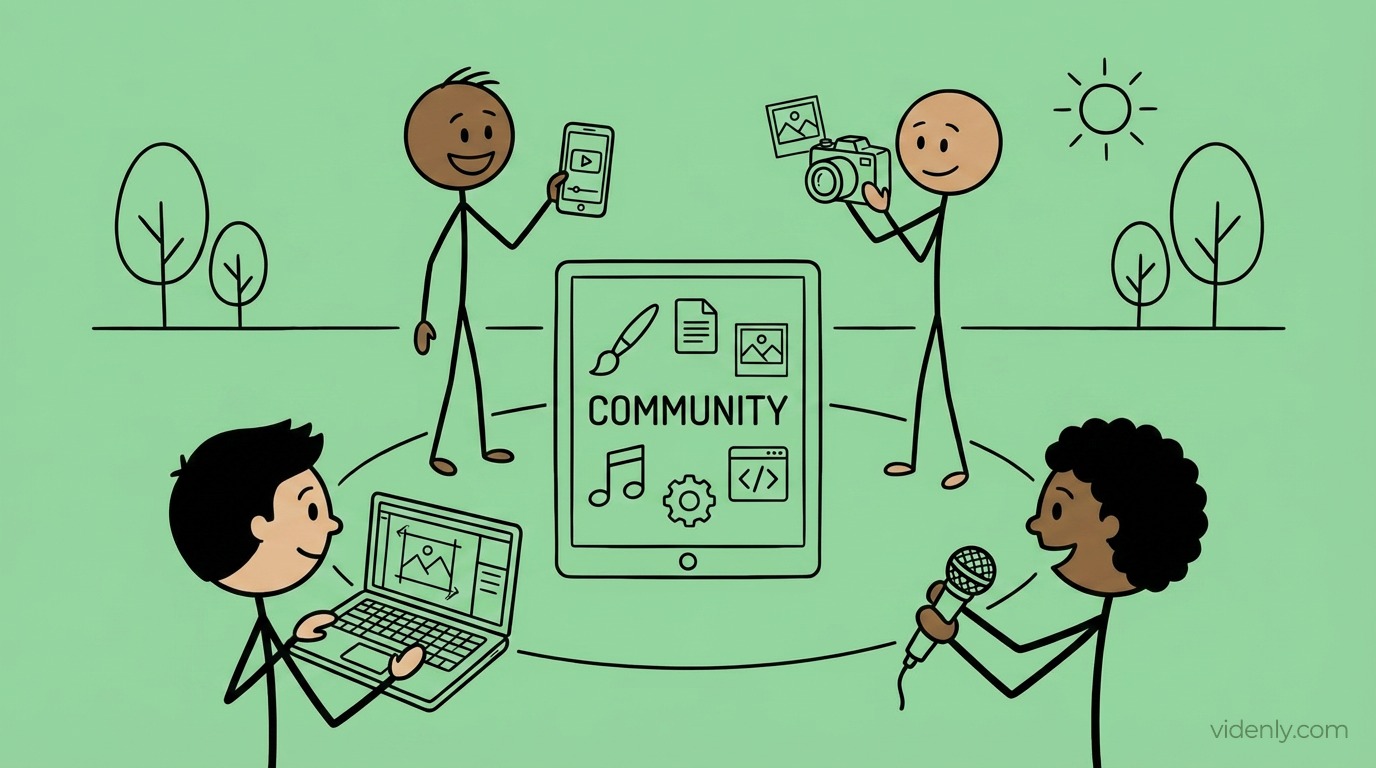
Creating a vibrant community around User Generated Content (UGC) is much like cultivating a garden where every plant thrives together. Each piece of content shared by customers serves not just as a standalone piece but as a thread weaving a larger story that can connect countless individuals.
At its core, a community is fueled by shared experiences and common values. When brands encourage customers to share their personal stories and experiences, they tap into a wellspring of enthusiasm that can resonate across others who have similar interests.
By fostering this kind of environment, brands can create a sense of belonging among their customers. This sense of unity can elevate the brand from being just a company onto a platform where individuals feel they are part of something much larger.
A strong community is driven by engagement, which is where UGC truly shines. Imagine customers participating in challenges, sharing photos, and posting reviews each of these engagements contributes to a dynamic narrative that enriches the brand’s story.
Encouraging customers to share authentic content can create a ripple effect, where one individual’s post inspires others to contribute. This engagement takes on a life of its own, forming a tapestry of voices and perspectives that showcase just how diverse and varied the customer base really is.
A great way to stimulate this interaction is by hosting an annual event or a challenge where customers can compete or collaborate in creative ways. Think of it like a community festival where everyone can gather, connect, and celebrate their shared passion for the brand.
Brands can fuel the community further by spotlighting customer stories on their social media platforms. Sharing these stories not only recognizes individual contributions but also showcases the brand’s dedication to their customers’ unique journeys.
Have you ever noticed how powerful storytelling can be? When customers see their narratives being celebrated by a brand, it can elevate their connection to the brand and encourage others to share their experiences as well.
Interactive elements such as polls, Q&A sessions, or even live streams can cultivate a deeper relationship with the audience. This type of engagement helps humanize the brand and solidifies the community, allowing customers to feel more connected not just to the brand itself but also to one another.
Moreover, offering incentives such as giveaways or discounts for UGC submissions can motivate customers to participate more actively. When they see the potential for a reward, they are more likely to share content that not only highlights their interaction with the brand but also contributes to the community’s narrative.
Creating a space where customers can interact also allows brands to receive invaluable feedback. As customers share their experiences and ideas, brands have the opportunity to listen closely and adapt their offerings, thereby strengthening their commitment to customer satisfaction.
This leads to a more responsive brand, aligning products or services with the evolving needs of their community. It’s akin to tuning a musical instrument; continuous adjustments ensure that the harmony between the brand and its customers remains strong and resonant.
Online forums, Facebook groups, or even dedicated sections of the company’s website can serve as hotbeds for discussion and creativity. This builds a rich repository of UGC that reflects authentic customer experiences, opinions, and creativity.
However, it’s essential for brands to ensure these forums remain open and inclusive. A welcoming tone encourages all customers, regardless of their experience level, to contribute without fear of judgment, creating a diverse landscape of perspectives and stories.
Supporting user-generated content is a continual process, and it’s important for brands to remain actively involved. Regularly participating in conversations and showcasing appreciation for contributions can go a long way in demonstrating a brand’s loyalty to its community.
In the end, brands can think of their community as a living, breathing entity. By nurturing this vibrant ecosystem through UGC, they create a shared identity that can lead to passionate advocates who proudly celebrate the brand with every interaction.
In doing so, customers aren’t just consumers anymore; they become ambassadors, sharing their stories and experiences with friends and family, spreading the brand’s message further than any advertisement ever could. This strong community foundation built on UGC transforms transactions into meaningful relationships that can persist and thrive over time.
The beauty of a well-nurtured community is that it can yield benefits for both customers and the brand itself. Not only do customers feel valued and connected, but brands also get to enjoy a depth of understanding that can inform their future strategies and enrich their overall content narrative.
Create stunning AI-generated videos that captivate your audience and elevate your brand.