
Published on April 7, 2026 by
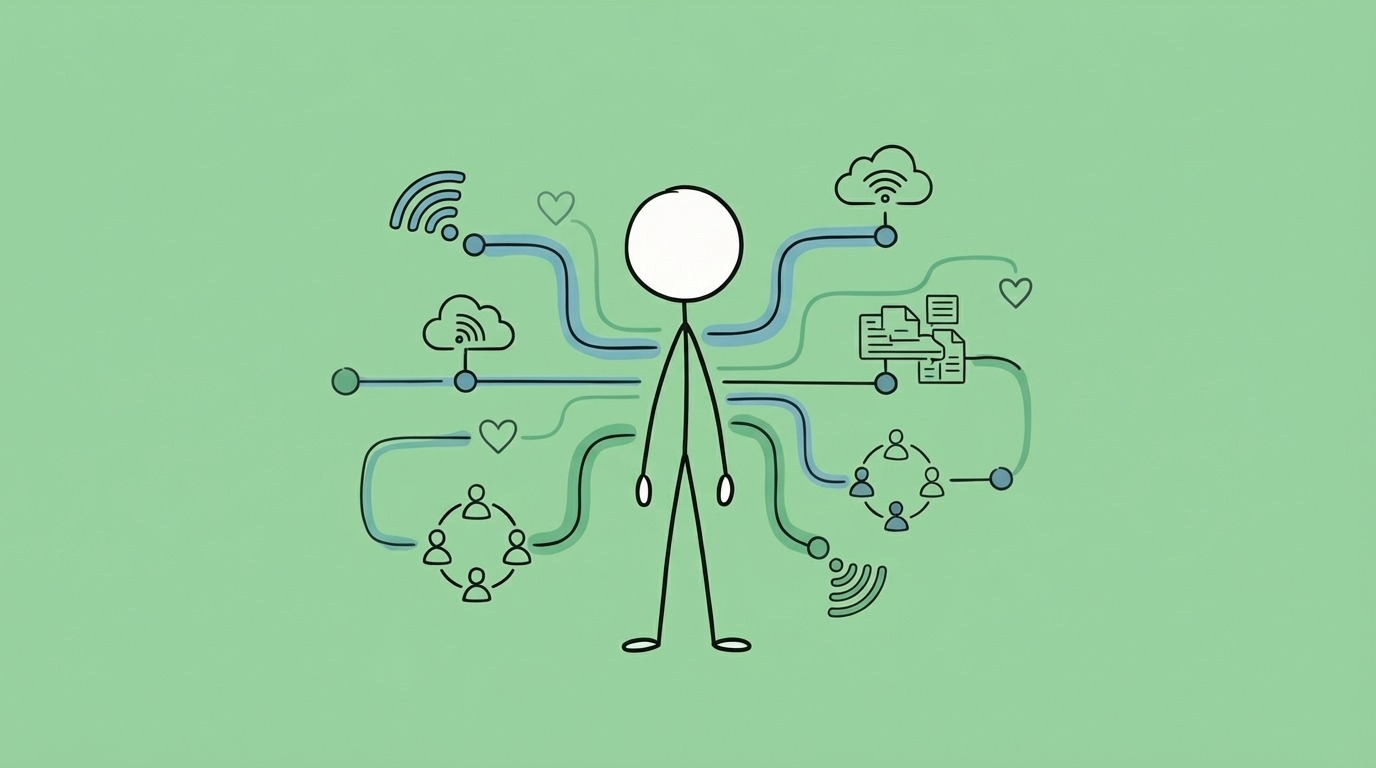
Faceless AI videos can effectively disseminate mental health information while maintaining user privacy and anonymity.
They can serve as accessible educational tools that normalize discussions about mental health challenges.
By utilizing AI-generated content, these videos can reach diverse audiences on various platforms without the stigma associated with traditional face-to-face engagements.
Engaging visuals combined with empathetic narratives can help promote understanding and acceptance of mental health issues.
Additionally, faceless videos can encourage individuals to share their experiences, fostering a sense of community and support.
In the end, integrating AI technology into mental health awareness campaigns can reduce barriers and improve outreach efforts.
There is much more to explore about how faceless AI videos contribute to mental health awareness beyond the key points outlined.
In the following sections, I will discuss the various technologies that facilitate the creation of these videos and how they can be tailored for specific audiences.
Additionally, I will highlight some successful case studies that demonstrate the effectiveness of these initiatives in promoting mental health support.
By examining these aspects, clearer insights into the potential impact of AI-generated content on society’s understanding of mental health will emerge.
Artificial Intelligence is shaping many aspects of our lives, and its impact on mental health is both profound and transformative. By leveraging technology in innovative ways, AI opens doors to a more accessible and supportive mental health landscape.
AI can help to create personalized content that speaks directly to the struggles of many individuals fighting mental health issues. The technology’s ability to analyze data allows it to tailor resources and interventions, ensuring that people receive the most relevant support.
Consider how many people feel isolated or misunderstood with their mental health challenges. AI has the potential to bridge that gap, creating connections through virtual environments that feel safe and welcoming to users.
Think about the power of anonymity in a world where stigma often silences voices. Faceless AI videos offer an opportunity for individuals to share their stories or access information without the fear of being judged, cultivating a sense of belonging.
When it comes to mental health, understanding trends and patterns is crucial. AI tools can analyze the emotional landscape through social media and survey data, spotlighting emerging issues and trends that impact mental health.
Moreover, AI can streamline the process of connecting individuals to appropriate mental health resources. By assessing users’ needs, it can provide the right contacts, from support groups to therapists, making the journey to wellness less overwhelming.
One exciting possibility is the ability to create interactive content that educates viewers. By using faceless video formats, creators can discuss sensitive topics while preserving anonymity, fostering open communication around issues like anxiety, depression, and more.
There are several key ways in which AI profoundly impacts mental health:
AI can be likened to a roadmap, guiding individuals on their mental health journeys.
By leveraging technology, we can provide tools that empower people to navigate their challenges with more confidence and clarity.
As we explore the role of AI in mental health, it’s particularly important to acknowledge its potential in reducing barriers to therapy access.

Many individuals, especially those from marginalized communities, face obstacles that AI solutions can help alleviate.
In creating a more nuanced understanding of various demographics’ mental health needs, AI can play a major role.
This understanding equips mental health advocates with the information required to craft targeted initiatives tailored to those who need support the most.
AI’s capabilities to analyze sentiments and emotions expressed in communication platforms also showcase its versatility.
These analyses can highlight when individuals may be struggling, facilitating timely interventions to guide them toward help.
Additionally, AI can enhance the productivity of mental health professionals by providing them with insights tailored to their clients.
This could enrich therapy sessions, as providers make use of data-driven strategies in their approaches.
In the end, the integration of AI in mental health is not merely about adopting a new technology.
It involves reshaping how we understand, address, and support mental health initiatives in more compassionate and engaging ways.
The landscape of mental health continues to evolve, and it’s crucial that we harness new tools effectively.
The combination of technology and empathy can create a supportive ecosystem that uplifts individuals while reducing stigma.
Pro Tip: Utilizing faceless AI videos can significantly enhance mental health awareness efforts by providing a safe and anonymous platform for individuals to engage with sensitive topics without fear of judgment.
In doing so, we embark on a journey toward a future where mental health conversations are normalized and individuals feel empowered to seek help.
As we continue to explore the landscape of AI’s role in mental health awareness, we recognize how far we’ve come and the potential that lies ahead.
Anonymity in video content fosters a unique atmosphere where the focus shifts from the creator to the message itself. This can encourage viewers to engage more openly with the subject matter, particularly when discussing sensitive topics like mental health.
People often feel a significant weight lifted off their shoulders when they remain unidentified and faceless. It gives them the freedom to express their emotions and experiences without the fear of judgment that often accompanies personal narratives.
In a world where social media profiles define us, hiding behind a screen can feel liberating. Faceless videos allow individuals to explore and share deep, personal stories without the constraints of societal expectations or peer pressure.
Moreover, the use of anonymity can significantly reduce stigma associated with mental health issues. When people perceive videos as faceless, they may feel more comfortable discussing their own struggles and seeking help, knowing they are not alone in their experiences.
Creating anonymous videos allows the messaging to resonate on a deeper level. Viewers may find it easier to relate to the content because it often feels less curated and more genuine, like a conversation with a friend rather than a lecture.
This sense of closeness can be incredibly powerful, particularly when addressing topics like anxiety, depression, or other mental health challenges. In many ways, the anonymity acts as a warm blanket, wrapping viewers in support and understanding as they navigate their feelings.
Faceless video formats often invite a kind of introspection that isn’t always possible in more traditional face-to-camera setups. This allows individuals to reflect on their own experiences without feeling like they are in a spotlight.
The anxiety of being directly seen can inhibit open discussion, and anonymity shifts the focus, allowing for discussions that delve deeper into mental health without distraction. Viewers can draw parallels between their lives and the experiences depicted, which can promote healing and validation.
Furthermore, the creative flexibility that anonymity provides can lead to innovative approaches to storytelling. Creators can use avatars, animation, or other artistic means to express complex emotions, making mental health conversations more accessible and engaging.
By blending creativity with anonymity, video creators can craft compelling narratives that go beyond mere facts or statistics. Instead, they invite viewers into a world where empathy and understanding take precedence, ultimately enriching the dialogue surrounding mental health.
Another intriguing aspect of anonymity is how it can allow individuals to share raw and unfiltered content. Stories that may feel too painful or personal in a face-to-face setting can be relayed through a faceless video, where vulnerability feels safer and more manageable.
This can create a kind of freedom not only for the creator but also for the viewer, who may feel empowered to share their stories as well. It is as if the facelessness serves as an invisible shield, buffering against potential backlash or negative remarks.
Moreover, faceless videos establish a community of shared experience, where participants feel they can rally around a common cause. It fosters an environment where empathy thrives and individuals can bond over their struggles, ultimately leading to a sense of belonging.
When people see that they are not alone in their hardships, it can ignite hope and offer comfort during incredibly difficult times. The underlying message becomes more important than the identity of the person delivering it.
In many ways, faceless videos act as a catalyst for conversation, prompting discussions that might not happen otherwise. The anonymity fosters a safe space where viewers can explore their emotions and seek advice or solidarity without the fear of repercussions.
There’s something uniquely healing about sharing experiences with one another, even if those shared moments occur behind a veil of anonymity. It creates a community where ideas can flourish and support can be freely exchanged.
In the end, anonymity allows both creators and viewers to focus less on appearance and more on authentic connections. In this shifting landscape of mental health discussions, faceless videos have a remarkable potential to promote awareness and understanding in a way that resonates deeply with audiences.
By prioritizing the message over the messenger, these videos create opportunities for vulnerable conversations to flourish. This can bring forth necessary discussions that challenge misconceptions and encourage prioritization of mental well-being.
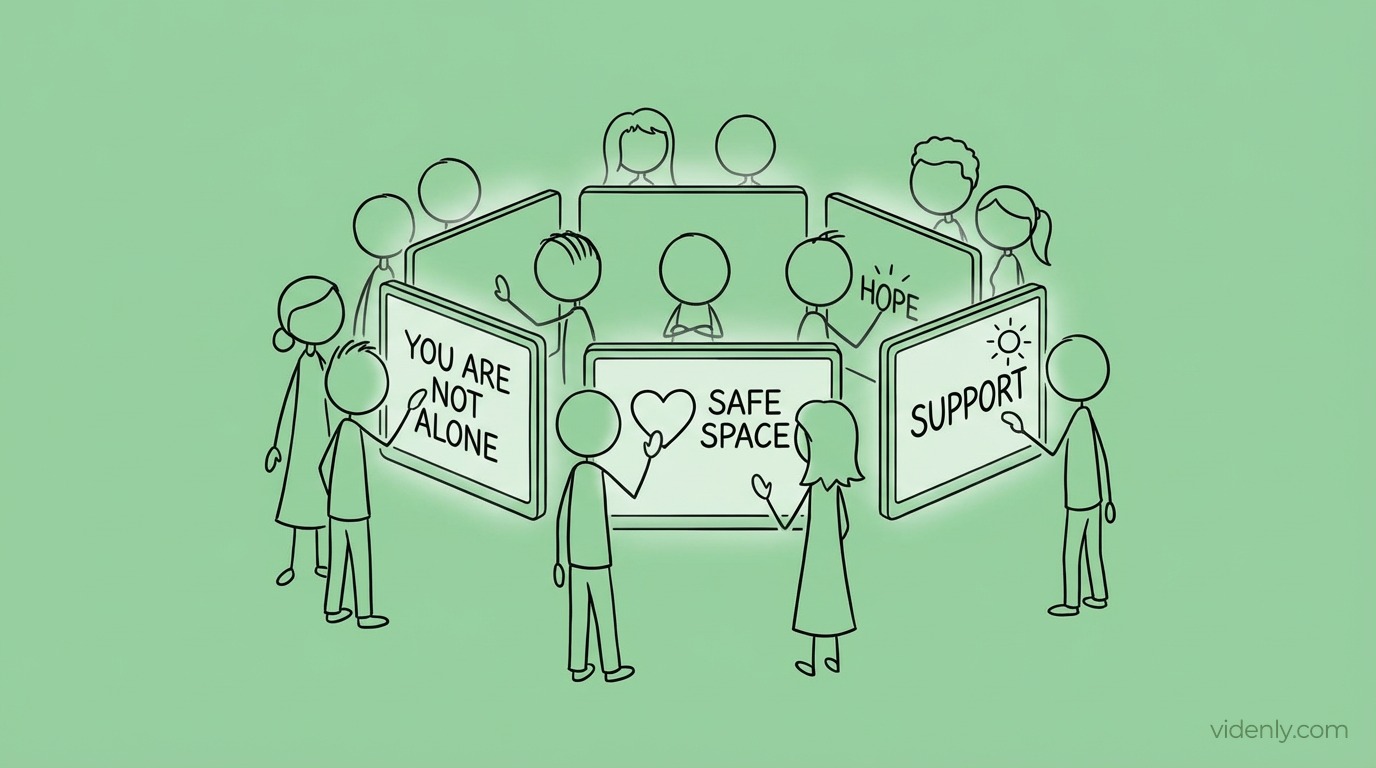
Reaching diverse audiences effectively requires a tailored approach that deeply understands varied experiences and perspectives. Mental health awareness touches many lives, yet not everyone feels comfortable engaging with traditional formats, especially in environments where stigma still exists.
Faceless AI videos can serve as a bridge, connecting with individuals who might feel more at ease with anonymous storytelling. This anonymous style can create a cozy, inviting atmosphere in which viewers feel they can truly relate to the shared experiences.
When thinking about how to engage an audience, we can explore several key factors that make faceless AI videos an effective medium for communication. These factors include how they appeal to different age groups, communicate complex topics simply, and utilize compelling visuals to attract viewers.
By leveraging both visual cues and engaging narratives, faceless AI videos effectively capture attention.
They allow for impactful storytelling without the face-to-face pressure that can often accompany mental health discussions.
One might imagine that conversations about mental health are like walking through a thick forest, navigating around hidden roots and shadows.

Faceless videos help clear some of that brush, making it easier for viewers to find their way through these somewhat overwhelming conversations.
Another significant aspect is how these videos can utilize up-to-date information while resonating with personal anecdotes.
By blending factual content with relatable stories, the videos become powerful tools that seize and hold the audience’s attention.
Creativity plays a big role in attracting and maintaining viewers, particularly when addressing such delicate subjects.
A good example would be, using animations or artistic representations can convey emotions that simple spoken words may not express fully.
Platforms like Videnly enable the creation of such engaging content by providing AI avatars and text-to-speech capabilities, making it easier to produce these videos quickly and efficiently.
The visual flair combined with relatable narratives can strike a chord with people who may otherwise shy away from traditional formats.
As we consider the power of emotion in storytelling, it’s easy to see how a well-executed faceless video can create a sense of connection and empathy.
Individuals watching these videos might find that, while they are physically alone, their feelings are universal and shared by many.
In the end, it’s not merely about creating distance from person-to-person conversations; it’s about fostering a safe space for discussion.
When viewers can see themselves reflected in the stories told through AI-generated faceless videos, it opens doors to further engagement with mental health topics.
Another approach to consider is the frequency and timeliness of content delivery.
Regularly updating video content can keep the discussion active and build a loyal following.
By dynamically responding to trends within the mental health community, these videos can remain pertinent and impactful.
Furthermore, collaboration with mental health professionals can add to the depth of content produced.
Such partnerships ensure that the information shared through these videos is accurate and reflective of current research and best practices.
As various communities move toward embracing mental health awareness, faceless AI videos can illuminate the path, guiding people through the often treacherous terrain.
They create opportunities for dialogue where there might have been silence before.
Important: Faceless AI videos can serve as a bridge for mental health awareness by providing anonymous storytelling that allows viewers to relate to shared experiences without the pressure of face-to-face interaction.
As we deepen our understanding of mental health awareness initiatives, these innovative video formats hold the potential to transform our approach to sharing knowledge.
When done right, faceless AI videos can contribute profoundly, sparking conversations that may lead to healing and understanding across diverse audiences everywhere.
Talking about mental health can feel like navigating a minefield; it’s a terrain filled with stigma, misunderstanding, and sometimes outright fear. However, faceless AI videos present a unique way to change this narrative and promote normalization in a way that feels safe for everyone.
Many people find it easier to connect with anonymity in conversations about mental health, especially when they feel vulnerable or isolated. Faceless AI videos allow viewers to engage with content without the pressure of revealing their identities or sharing personal stories.
The power of these videos lies in their ability to present real stories with empathy and understanding. By showcasing journeys of recovery or struggles with mental health challenges, these videos foster a sense of commonality that resonates with viewers seeking solace in shared experiences.
By utilizing a combination of storytelling and engaging visuals, faceless AI videos create a platform that encourages open dialogue. This approach not only informs but gently nudges viewers towards recognizing their own mental health experiences as valid and essential discussions.
Imagine turning on your screen and being greeted by a calm voice narrating personal experiences that mirror your thoughts. This form of connection serves as a reminder that mental health struggles are not isolated incidents, but rather challenges faced by millions of individuals worldwide.
Through animation, illustrations, or curated imagery, faceless AI videos can present complex issues such as anxiety and depression in a digestible format. These visuals can simplify topics that otherwise seem overwhelming, making it easier for people to understand and accept their feelings.
In an age where social media often highlights the best moments, it’s refreshing to see a platform that embraces authenticity. Users often appreciate the anonymity offered by faceless AI videos, allowing them to absorb information without judgment or the pressure of contributing their own experiences.
Furthermore, the algorithms behind these videos can target specific groups who may benefit from messages about mental health. This targeted approach ensures that those who are struggling are more likely to access resources that speak directly to their situations, ultimately promoting greater awareness.
Moreover, in a world saturated with content that often feels impersonal, these videos serve as an invitation to embrace vulnerability. When individuals see relatable content that strips away the polished façade of social media, they may feel encouraged to acknowledge their feelings.
Consider how important it is for someone to hear a narrative that acknowledges the messiness of mental health. Faceless AI videos can bring forth raw, honest discussions that highlight both the struggles and successes of mental health journeys, reinforcing the idea that it’s okay to not be okay.
In addition, these videos can demystify professional help by presenting realistic scenarios of therapy and counseling. When viewers witness relatable characters navigating their mental health journeys, they begin to understand that seeking help is a normal step and not a sign of weakness.
Moreover, faceless AI videos can be particularly effective in addressing the stigma associated with specific mental health conditions. By presenting information in an unbiased, factual manner, these videos encourage greater empathy and understanding, rather than the fear that often accompanies ignorance.
One important aspect of normalization is the language used when discussing mental health. These videos often employ language that is accessible and free of clinical jargon, making the subject approachable to all, regardless of their background in mental health education.
As viewers watch these faceless videos, they may find themselves nodding along in agreement. The familiar experiences depicted can unlock feelings of understanding and belonging that are crucial for anyone grappling with their mental health.
Another valuable feature of faceless AI videos is their potential for education. They can effectively convey coping strategies, mindfulness exercises, and self-help tips that empower viewers. By integrating these tools into captivating narratives, the information becomes not only useful but also memorable.
Through consistent engagement with this content, society can gradually shift perceptions about mental health. This soft yet steady approach can dismantle societal stigma piece by piece, paving the way for more open conversations.
At the end of the day, the goal of faceless AI videos is to create an atmosphere where mental health becomes a common topic of discussion. As awareness rises through engaging and relatable content, the hope is that barriers will continue to fall, and more people will feel comfortable sharing their experiences.
The normalization of mental health conversations also invites advocacy for better resources and support systems. As viewers resonate with personal stories through these videos, they may be inspired to take action in their communities to ensure that mental health support becomes accessible to everyone.
In the grand tapestry of life, mutual understanding is the thread that holds us together. I would say that by promoting normalization through faceless AI videos, we are not only fostering conversations but also weaving a stronger, more empathetic community around mental health awareness.
Pro Tip: Utilize faceless AI videos to facilitate anonymous discussions about mental health, allowing individuals to engage with relatable experiences while reducing stigma and fostering a sense of community.

The challenge of crafting empathetic and engaging content for mental health awareness is a journey wrapped in creativity and authenticity. It requires an understanding of the complexities inherent in human emotions, something that faceless AI videos can uniquely address.
Through visuals and audio cues, these videos can evoke feelings of connection and empathy, even in the absence of a human face. This approach allows audiences to focus on messages rather than the messenger, creating space for reflection on the content itself.
Imagine a world where stories about mental health unfold like whispered secrets, each viewpoint shimmering in the light of understanding. Faceless AI videos have the ability to present these narratives with sincerity, leaving room for viewers to resonate with the experiences shared.
By utilizing visuals that align with emotional undertones, creators can effectively invoke feelings of longing, hope, or reassurance. Powerful imagery, paired with soft music or spoken words, can touch hearts and foster a sense of community where loneliness once prevailed.
When it comes down to it, the goal is to bridge the gaps between diverse experiences and create a shared understanding of mental health struggles. In this way, storytelling becomes a important tool in promoting empathy and compassion.
To achieve impactful storytelling, consider employing specific strategies that focus on the audience’s emotional engagement. Below are some effective techniques to enhance the emotional appeal of content:
As these elements combine, the resultant content becomes not just informative but also transformative for the audience.
It’s almost as if the videos act like mirrors, reflecting the complexities of emotions back to viewers, prompting them to explore their own feelings.
While the absence of faces in these AI-generated videos may seem like a loss, it invites viewers to engage without the biases that come with appearance.
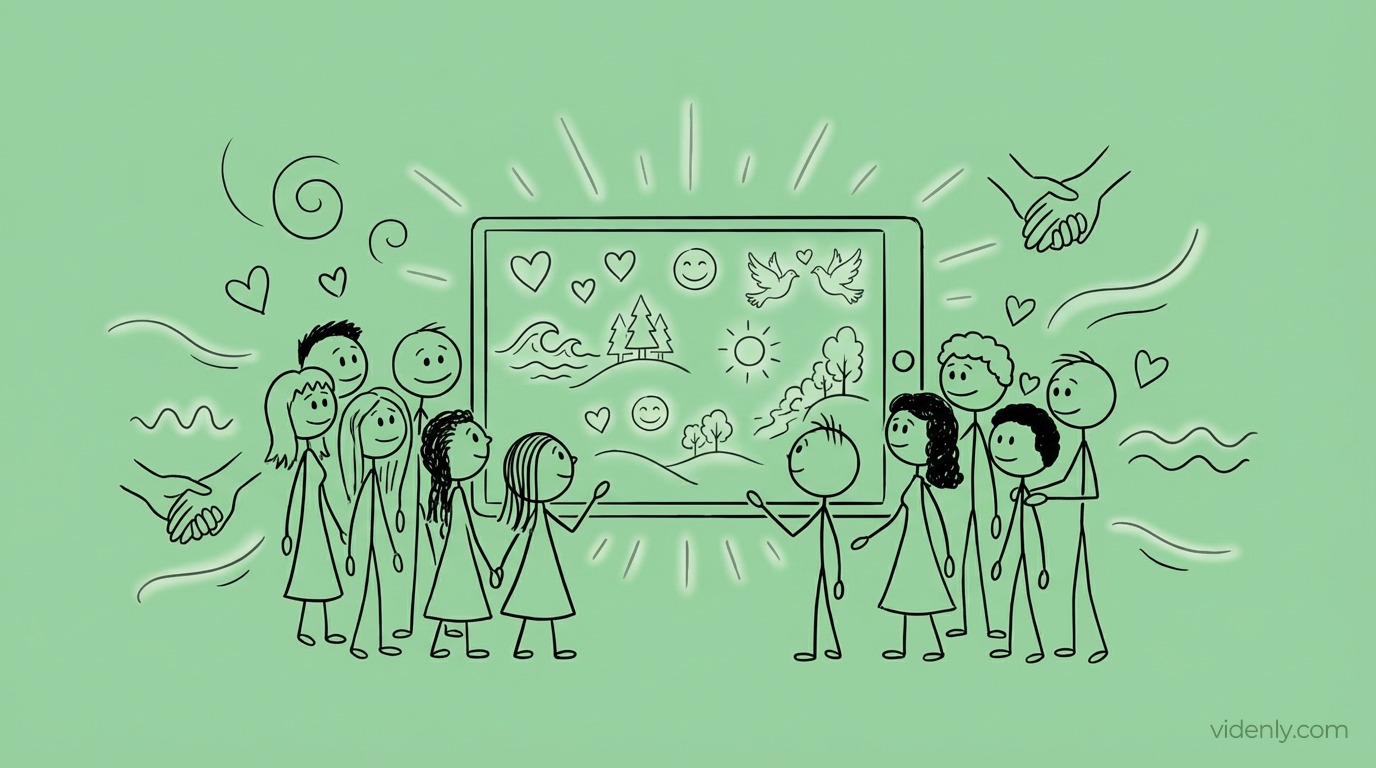
This intentional design fosters a level playing field, ensuring that the content speaks directly to the heart instead.
Identifying the audience’s needs also plays a pivotal role in creating this kind of meaningful content.
When targeting different demographics, understanding their specific challenges allows for a tailored approach that meets audiences where they are.
At the end of the day, creating content that resonates deeply requires a commitment to understanding rather than just presenting.
By seeking feedback and focusing on the audience’s experiences, creators can refine their efforts to be more inclusive and empathetic.
Lastly, collaboration with mental health professionals ensures that the content promotes accurate information while being sensitive to the feelings of those struggling.
It adds a layer of credibility that reassures viewers of the narratives being shared.
In today’s digital age, the power of community support can be magnified through the sharing of faceless AI videos focused on mental health. One of the most profound aspects of sharing such content is that it allows individuals to engage with complex topics in a more approachable way.
People often feel isolated when dealing with mental health issues, and faceless AI videos can act as a bridge, connecting those struggling with others who understand. By sharing these videos, individuals can foster an environment of empathy and connection, letting others know they are not alone in their journey.
When someone shares a faceless AI video that resonates with them, it can spark a conversation about feelings that may otherwise remain buried. Videos that discuss mental health can normalize these discussions, making it easier for people to open up about their own experiences and struggles.
Consider how a simple video can serve as an icebreaker. It creates a space where individuals might feel more comfortable discussing their mental health or seeking support, even when they might otherwise hesitate to do so.
Many people simply don’t know how to start conversations around mental health; sharing a video can be a gentle push. Think about how it feels to share something that resonates deeply with you: it’s like extending a hand, signaling to others that you care and that these conversations matter.
In a sense, sharing these videos can be like lighting a candle in the dark. Each time a person shares a video, it illuminates the path for someone else who might be navigating their own darkness.
Another benefit of sharing faceless AI videos is the ability to amplify important messages without the barriers that often come with personal disclosure. Viewers aren’t just passive recipients; they become active participants in the conversations surrounding mental health awareness.
This can empower individuals to take part in larger discussions, reducing stigma and promoting understanding. The power of vulnerability lies within these shared stories, and it fosters an atmosphere where others feel encouraged to share their own narratives.
Moreover, sharing faceless videos allows communities to unite around a common purpose. Collective sharing can create a ripple effect that reaches far beyond the initial audience and promotes deeper understanding of mental health issues.
As a result, these shared videos can attract diverse groups of individuals seeking support or awareness. I have seen how online communities rally around such content, creating a resource-rich environment where people freely exchange experiences, advice, and emotional support.
In an era when social media often showcases only the highlights of life, faceless AI videos can provide a refreshing honesty. They reflect genuine struggles and triumphs, encouraging viewers to confront their realities and seek help.
Many people are searching for genuine connection in a world often filled with superficial interactions. When faceless videos go viral, they can foster a sense of belonging; it’s like finding kindred spirits in a vast crowd, which can be incredibly comforting.
Another layer of community support arises when viewers begin to feel a commitment towards a shared understanding. Sharing videos is often the first step in building a collective movement dedicated to enhancing mental health awareness in society.
By offering resources and insights that are accessible to everyone, faceless AI videos can shift narratives around mental health. This shift can inspire discussions that help dismantle harmful myths and stereotypes prevalent in society.
These shared videos serve as powerful reminders that mental health impacts everyone, regardless of background. When people see others discussing their struggles through these videos, it can catalyze a wave of authenticity among their peers.
Additionally, community support through sharing invites participation from all corners of society, making the conversations around mental health more inclusive. The more diverse voices we hear, the richer our understanding of mental health becomes.
At the end of the day, the impact of sharing faceless AI videos extends far beyond increasing awareness. They create an active dialogue that can transform countless lives and challenge the stigma surrounding mental health.
As more individuals share their stories through videos, the hope lies in establishing a community that not only supports but also empowers each other to seek help as needed. Building this type of supportive environment can encourage more significant strides in mental health advocacy and understanding.
Through sharing, each person can contribute to a living library of experiences, promoting resilience and hope. After all, everyone deserves to feel supported, understood, and connected, and faceless AI videos can play an essential role in fostering these connections.
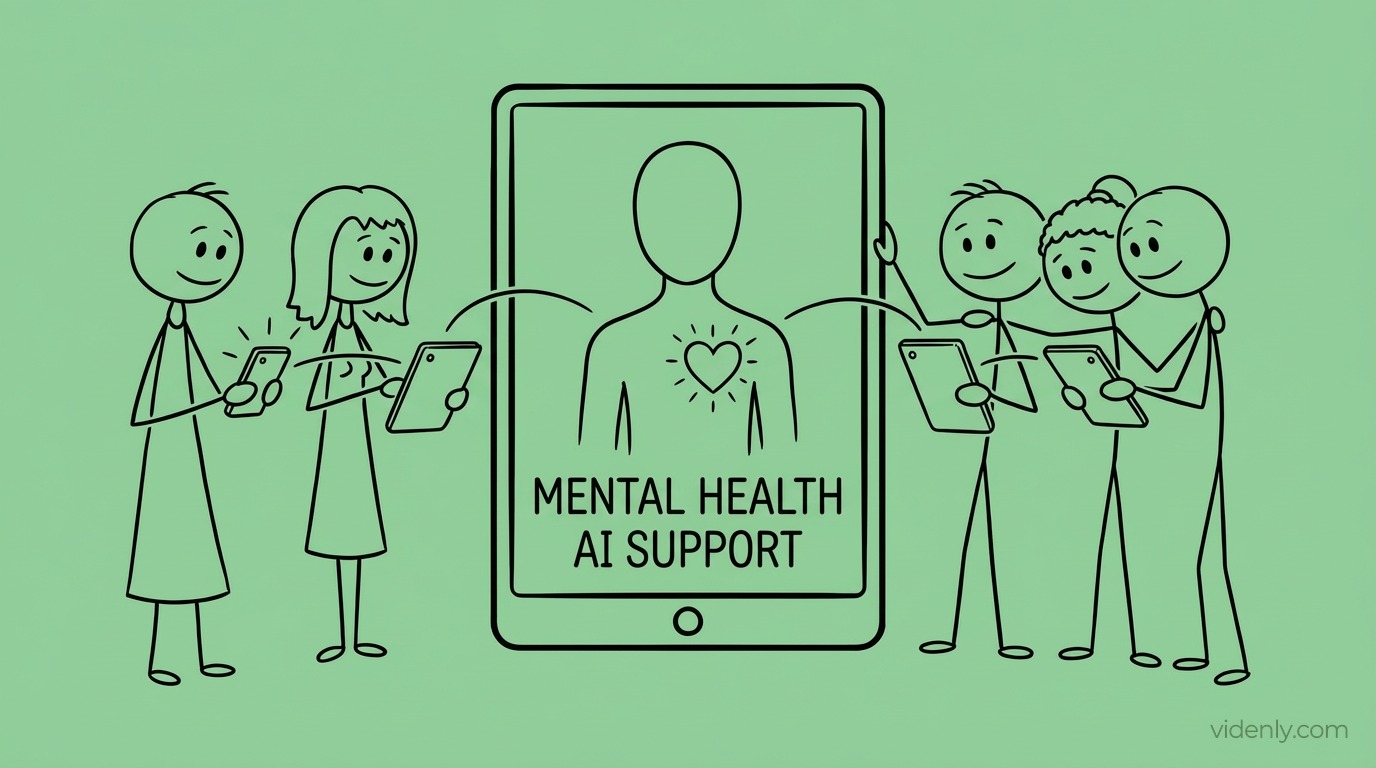
When we think about mental health, often what comes to mind are the challenges and struggles faced by individuals, but rarely do we consider the barriers created by societal stigma. Faceless AI videos offer a unique way to address these issues by presenting narratives that can engage audiences on a profound level without the fear of personal identification.
The anonymity of faceless narratives allows for an open conversation around mental health, which is often clouded by judgment and misunderstanding. By removing the human face, these videos can encourage viewers to focus on the message rather than the individual, creating a space where vulnerability is welcomed.
Imagine a world where the stories of those struggling with mental health are shared without a visible identity. This notion has the potential to liberate many from the fear of being labeled, opening the door to honest discussions.
People experiencing mental health challenges often feel isolated or judged when sharing their stories. Faceless AI videos can serve as a bridge, helping viewers connect with shared experiences rather than focusing on personal identity.
By approaching mental health from a faceless perspective, it’s easier to identify common threads in human experience. The focus shifts from the individual to the broader narrative, allowing audiences to empathize and reflect without the weight of personal bias.
Another significant aspect of faceless videos is their potential to create a sense of community and belonging. These narratives can help viewers feel understood, even if they are alone in their experiences.
At the end of the day, this kind of representation can chip away at the harmful stereotypes associated with mental health. When we view mental health narratives devoid of personal identifiers, we allow the messages themselves to shine through, emphasizing shared experiences over unique struggles.
Consider the following points about how faceless narratives can reduce stigma:
For many, the fear of sharing their struggles is compounded by the fear of being misunderstood or judged.
Faceless AI content makes it possible to speak on behalf of a collective rather than an individual, thus normalizing the conversations around mental health.
Each viewing can feel like a ripple effect in a still pond, creating waves of awareness that spread far and wide.

In connecting individuals through shared narratives, these videos diminish the sensation of isolation often felt by those suffering.
Moreover, faceless narratives provide a powerful tool for education, breaking down barriers of ignorance that can lead to stigma.
They offer audiences a chance to learn about mental health in a safe space, enabling them to understand various perspectives without feeling attacked or pressured.
Through thoughtful storytelling, AI-generated videos can reshape perceptions of mental health, replacing fear with empathy.
Each time a story is shared, the viewer connects to something much larger than themselves.
By giving voice to those who may otherwise remain silent, faceless AI videos create a platform where everyone feels they have a place.
They remind us that mental health issues do not discriminate, impacting individuals from all walks of life.
At the end of the day, the power of faceless narratives lies in their ability to evoke emotion without the influence of a personal identity.
This separation can make all the difference in how people perceive mental health challenges.
Important: Faceless AI videos provide a powerful tool for reducing mental health stigma by promoting anonymity, which encourages open conversations, fosters a sense of safety, and allows for a greater understanding of shared experiences without the influence of personal identity.
There’s a sense of unity in shared struggles, and faceless videos can highlight that universal connection we all have as human beings.
In a world where personal identities can overpower a narrative, it’s refreshing to see stories that resonate on a collective level, inviting conversation where there was once silence.
In recent years, the integration of technology into various fields has transformed how we communicate, and mental health awareness is no exception. I would say that with faceless AI videos, organizations can create content that resonates deeply with their audience while promoting important discussions surrounding mental health.
Imagine a world where empathy and understanding flow through screens without the burden of physical presence. As we navigate through complex emotions, these videos can speak to individuals in a way that feels both personal and inclusive, breaking down the barriers that often prevent people from seeking help.
With the rise of social media, reach and accessibility have become essential elements of effective outreach. Through creative and engaging faceless AI videos, organizations can convey important messages that capture attention and encourage viewers to engage with mental health topics.
These videos can be designed to tell stories that resonate with people’s experiences. By utilizing animations, sound effects, and captivating narratives, they can convey emotions that are difficult to express verbally, allowing individuals to connect deeply with the content presented.
It’s fascinating how visual storytelling can evoke feelings that might otherwise be left unheard. A simple animation can convey the struggles of anxiety or depression, opening up dialogues that might take longer to ignite in face-to-face discussions.
Furthermore, the non-judgmental nature of faceless videos can create a safe space for viewers. By removing the pressure of a visible presenter, these videos allow individuals to focus on the message itself rather than on who is delivering it, facilitating a more organic absorption of the content.
This anonymity also acts like a shield, enabling those who might feel vulnerable to engage more openly with the themes discussed in the videos. The subtle acknoledgment of common dilemmas can pave the way for conversations that otherwise might have remained in the shadows.
In a world increasingly defined by its digital footprint, creating content that drives engagement has never been more critical. Faceless AI videos can utilize eye-catching visuals tailored to specific audiences, ensuring that the messages resonate with varying demographics.
Targeting specific groups, whether it’s teenagers, parents, or elderly populations, can be effectively achieved through tailored animations that reflect their experiences. Each audience deserves to see their struggles mirrored in content that touches on experiences relevant to them.
When you think about it, every animation shared holds the potential to reach thousands, if not millions, of individuals who may be in need of support. Utilizing innovative technology not only ensures a widespread reach but taps into platforms where many young people spend a significant amount of their time.
These platforms act as a modern town square where individuals gather to discuss important issues, and the role of engaging video content is paramount in ensuring that mental health stays in the spotlight. By leveraging technology and creativity, organizations can create meaningful engagement that drives awareness and encourages audiences to take action.
Moreover, innovation in tools like AI provides unprecedented opportunities for personalization. Videos can be adapted with algorithms that analyze viewers’ preferences and behaviors, presenting them with tailored content that speaks directly to their needs and experiences.
Imagine if a viewer receives a video that perfectly aligns with their interests or struggles. This kind of targeted approach can deepen the impact, making each viewing experience feel purposeful and unique.
The potential for interactive elements can further enhance engagement. By infusing AI with interactive features such as quizzes or feedback options, organizations can encourage viewers to reflect on the content actively and even share their experiences, creating a richer dialogue on mental health.
There is also a sense of community that can emerge from shared experiences. Faceless AI videos not only send messages but can foster a culture of openness and support, where viewers feel they are part of a broader conversation surrounding mental health.
In this sense, faceless AI videos serve as a virtual comfort blanket, offering solace to those grappling with their own mental health challenges. As technology evolves, these outreach methods can adapt, ensuring that support remains relevant and accessible to all.
At the end of the day, embracing innovative technology fosters a dynamic approach to outreach in mental health advocacy. Faceless AI videos can effectively bridge gaps, encourage empathy, and drive meaningful conversations among diverse audiences.
Pro Tip: Utilize faceless AI videos to enhance engagement and convey important mental health messages, as they create a safe, non-judgmental space that encourages openness and connection among diverse audiences.
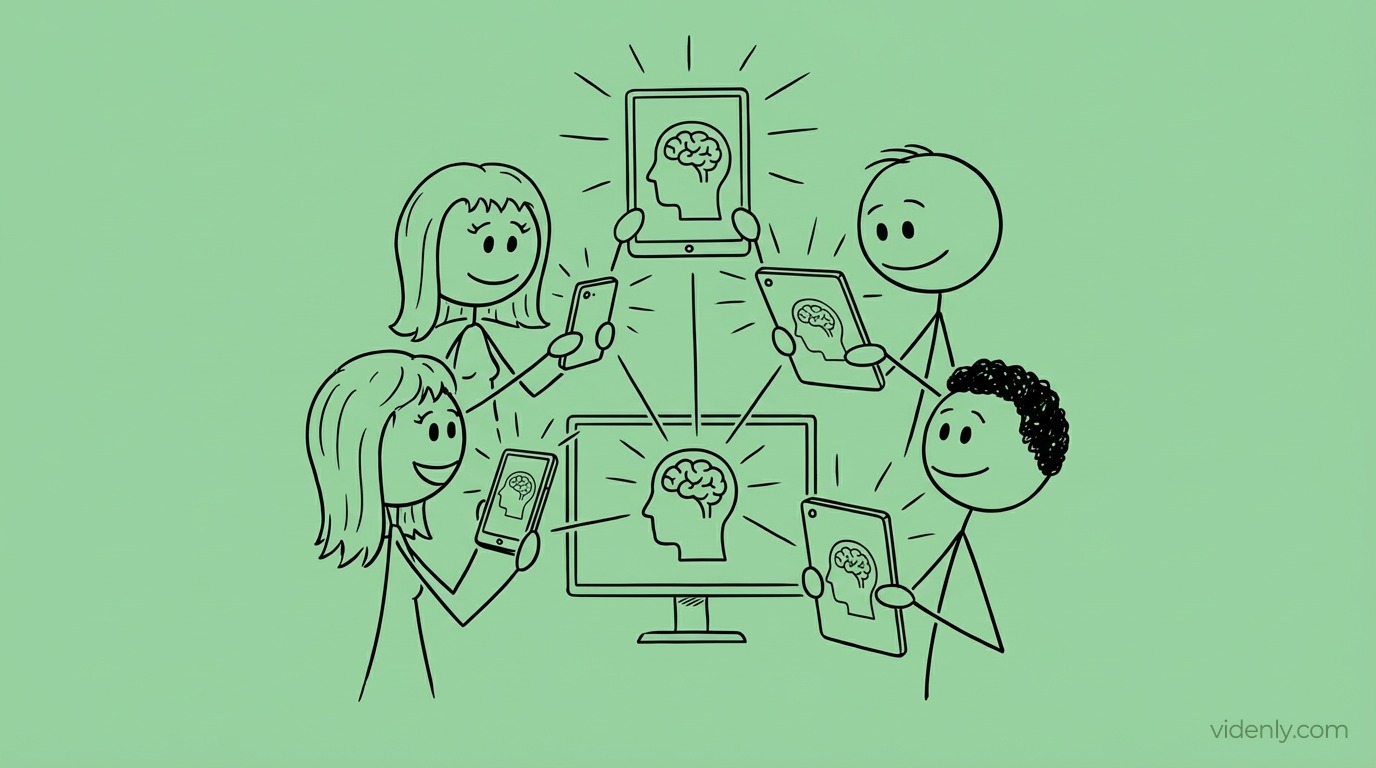
The integration of AI-driven faceless videos in mental health awareness initiatives represents a game-changing opportunity to reach those who may otherwise feel isolated.
By prioritizing anonymity, these videos create a safe space for viewers to engage without fear of judgment, encouraging more honest conversations about mental health.
Moreover, the ability to connect with diverse audiences ensures that individuals from various backgrounds can see themselves reflected in the content, fostering inclusivity.
The normalization of mental health discussions, paired with empathetic storytelling, can effectively break down barriers and build a more supportive community.
Faceless narratives reduce stigma and allow people to share their experiences without the constraints of identity, making it easier for others to relate and find comfort in shared struggles.
As innovative technology continues to pave the way for creative outreach, the potential for AI videos to change the landscape of mental health awareness is both exciting and necessary.
At the end of the day, these strategies not only enhance visibility for mental health issues but also promote a culture of understanding and support, encouraging individuals to seek help and share their journeys.
Create stunning AI-generated videos that captivate your audience and elevate your brand.