
Published on April 29, 2026 by

Faceless AI videos introduce a novel approach to storytelling by utilizing artificial intelligence to generate visual narratives without the need for human presence.
This technology allows creators to produce engaging content rapidly, enabling a more efficient production process that can adapt quickly to audience preferences.
By eliminating the need for on-screen talent, these videos can significantly reduce costs while maintaining high-quality visuals and sound.
Moreover, AI-powered storytelling can enhance personalization by analyzing viewer data to tailor narratives in real-time.
This ability to customize content not only improves viewer engagement but also broadens accessibility, allowing stories to be shared across various platforms and demographics.
At the end of the day, faceless AI videos represent a transformative shift in traditional storytelling methods, merging technology with creativity to redefine how stories are told and experienced.
There is more to this topic than what has been summarized, as various elements of technology and creativity intertwine to shape the future of storytelling.
In the following sections, I will examine how AI can enhance collaboration among content creators, foster innovation in scriptwriting, and redefine audience engagement strategies.
Additionally, I will discuss the potential ethical implications and challenges that come with these technological advancements, offering a balanced perspective on their impact.
By exploring these related aspects, a fuller picture of how faceless AI videos are transforming storytelling will emerge.
The concept of faceless AI videos has rapidly emerged as a unique phenomenon that captivates audiences around the globe. Over the past few years, we’ve witnessed how this trend has evolved, offering new avenues for expression and communication.
Every day, countless creators are stepping into the realm of faceless video content, driven largely by the appeal of anonymity and creative freedom. This shift is not merely a passing fad; it’s reshaping how stories are told and shared in the digital age.
The term “faceless” refers to videos that utilize AI-generated avatars, animations, or other digital methods that do not showcase a physical human presence. In this way, creators can concentrate on the message rather than their own appearance or personality.
With technology advancing at lightning speed, we now have tools that can craft engaging narratives solely through visuals and sound. This empowers storytellers to focus on delivering compelling content that resonates deeply with audiences while minimizing personal exposure.
What makes these faceless creations particularly fascinating is how they break down traditional barriers. For instance, individuals who may have previously hesitated to share their voices or ideas now have an opportunity to express themselves through the medium of AI videos.
Here are some aspects that contribute to the rise of faceless AI videos:
As these creations gain traction, it’s essential to recognize the profound impact they have on storytelling methods.
In many ways, faceless AI videos can be seen as a digital canvas where imagination runs wild, unrestricted by the constraints of physical presence.
This engagement is not only about the viewer enjoying the content; it becomes a partnership.

Audiences begin to immerse themselves in a world where imagination fills in the gaps left by the absence of a visible storyteller.
While reading a heartfelt story or watching an insightful explainer video, viewers might feel the connection they crave, reminding us of when a book transports us into its pages.
In contrast to everything happening behind the scenes, the emotional impact of the message delivered takes center stage.
It’s a dynamic shift that puts content in focus rather than the creator, fundamentally changing who gets to tell stories.
With no distractions or preconceived notions based on appearance, stories can land more genuinely and powerfully.
The rise of faceless AI videos is also an extension of the digital culture of authenticity, where individuals yearn for raw and unfiltered content.
In this sense, faceless videos strip away the glamour and showcase storytelling at its core, emphasizing that the quality of the narrative matters more than who delivers it.
Moreover, the rapid growth of platforms supporting these videos fosters a vibrant community of creators.
It’s as if a garden of creativity has begun to bloom, where diverse voices find sanctuary in the faceless realm, nurturing new ideas that thrive in fresh formats.
As the line between technology and creative expression continues to blur, we find ourselves in exciting territory.
Faceless videos are paving the way for daring innovators who can now explore uncharted paths and unfold tales that challenge our imaginations.
Dare I say that the next chapter of storytelling is not confined to the visible realm?
Instead, it’s an exhilarating journey into a world where text and graphics dance together to create magic, leading us to novel ways of thinking and connecting.
Pro Tip: Embrace the creative freedom of faceless AI videos to focus on delivering powerful narratives without distractions related to personal appearance.
With all these factors in play, the question remains: how could this transformation further influence the shape of stories yet to come?
The possibilities are limitless, and the horizon shines bright as the narrative landscape evolves with each advancement in this intriguing technology.
Creating narratives is a fundamental part of human communication, and now AI is stepping in to redefine how stories are told in this modern age. With the ability to analyze large datasets, AI can understand themes, tones, and even styles that resonate with audiences.
Imagine a storyteller who knows a huge library of stories, their plots, and characters, and can pick and choose the best parts that fit a specific audience. That is exactly what AI does, utilizing algorithms that can break down these elements to construct new narratives based on patterns found in successful storytelling.
In the world of storytelling, emotions play a important role, driving audience engagement. AI can scan through countless stories and identify which emotional triggers correspond with particular themes, thereby generating narratives that connect with people on a deeper level.
It’s fascinating to see how AI can mimic human thought processes, identifying nuances in different genres and styles. By doing this, AI can help create personalized stories that cater to diverse audience preferences, making each narrative unique.
Through natural language processing, AI doesn’t just generate text; it understands context, sarcasm, and cultural references. This understanding allows AI to produce stories that are not only coherent but also relatable for specific target demographics.
Consider the difference between a generic story and one tailored to a particular audience. A personal touch can make all the difference, and AI excels in merging data analytics with creative writing to enhance storytelling depth and authenticity.
This technology can even help with the pacing and structure of the narrative. By analyzing successful plots and structure, AI can suggest different ways to build tension or present conflict in a story, ensuring that it maintains the audience’s interest.
When we look at video content, particularly faceless AI videos, the way narratives are structured becomes even more crucial. These videos rely heavily on visual cues and narratives that hook audiences immediately, and AI can optimize this process effectively.
For instance, platforms like Videnly capitalize on these advancements by automating video creation processes while ensuring that the narrative still flows smoothly. With features like AI avatars and text-to-speech, the stories come alive without the need for a traditional speaker, allowing the audience to focus entirely on the content.
Moreover, the use of video elements such as effects and transitions can enhance storytelling. AI can intelligently select visual elements that complement the narrative, ensuring a seamless interaction between what is being told and how it’s being shown.
Incorporating AI into storytelling doesn’t eliminate the human element; rather, it augments it. There’s a certain beauty in watching a computer understand human storytelling techniques and then weaving them into engaging narratives, much like an orchestra where every instrument plays its part in harmony.
AI also leverages feedback mechanisms, continuously learning from how audiences respond to different narratives. As a result, the stories that are produced become increasingly refined and engaging over time, moving away from less successful elements and honing in on what resonates.
The versatility inherent in AI storytelling means we can explore narratives in a format that would have previously seemed impossible. Whether it’s adapting classic tales to contemporary themes or generating completely new storylines, the potential for creativity is boundless.
Another interesting aspect is the fusion of various storytelling techniques. AI can blend genres, embrace multiple viewpoints, and play with narrative styles in ways that might have been challenging for a single human storyteller to achieve. The outcome can lead to a richer, more layered tale that captivates audiences.
Moreover, when focusing on specific content types like Reddit stories or user-generated content, AI can analyze trending topics and create relevant narratives in real time. This ability makes the storytelling process dynamic, ensuring that what is being told is always timely and aligned with audience interests.
The importance of generated narratives can’t be understated, especially in the age of viral content where engagement is key. AI-produced stories can hit the right notes quickly, harnessing the momentum of trending themes to capture attention.
In essence, artificial intelligence is transforming storytelling from a purely human endeavor into a symbiotic process where both AI and humans can create compelling narratives. As we continue to explore and innovate within this space, storytelling’s evolution promises to be both exciting and transformative.
Important: AI’s ability to analyze large datasets enables it to identify emotional triggers and theme resonances, allowing for the creation of personalized narratives that deeply connect with diverse audiences.

When we delve into the realm of video production, one significant aspect that comes to mind is the cost efficiency of using faceless AI technology. Traditionally, producing a video can be an expensive endeavor, involving numerous resources and expertise that can quickly inflate the budget.
What if I told you that AI can streamline this process beautifully? By automating various stages of video creation, it reduces the time and resources needed, which is a huge win for creators.
One of the most compelling benefits of using AI in video production lies in its ability to eliminate the need for large crews. Instead of hiring a team of professionals including directors, camera operators, and lighting technicians, AI can handle these tasks with minimal input from humans.
This not only saves on labor costs but also trims expenses related to equipment, location fees, and other overheads that can burden a video project. Since the AI can generate visuals and narrate stories without requiring human talent to physically perform, it allows creators to reallocate their budgets to other critical areas.
Imagine being able to produce a polished video that effectively communicates your message without the hefty price tag typically associated with traditional methods. In essence, the use of faceless AI serves as a metaphorical magic wand, producing professional results from the comfort of one’s own home.
A significant advantage of AI is its scalability. Unlike traditional video production that often operates within fixed budgets and timelines, AI allows projects to expand and adapt according to the creator’s needs.
There are key factors that outline how this cost efficiency comes about:
Furthermore, the introduction of AI doesn’t just affect monetary costs; it also reduces time, which is invaluable in today’s fast-paced world.
The quicker you can produce and distribute your video content, the more opportunities you have to engage viewers before trends change.
Though the traditional methods of storytelling certainly have their charm, they often come with a hefty price tag.

However, by embracing AI-driven approaches, creators can navigate the landscape of modern media while keeping a firm grip on their budgets.
It’s fascinating to think about how faceless AI can reshape our understanding of value in video production.
While the essence of storytelling remains the same, the way we tell these stories using technology is evolving.
Investing in faceless AI tools allows for more creative freedom within budget constraints.
This newfound flexibility can spark innovative ideas that were previously shelved due to financial limitations.
When it comes down to it, the cost savings associated with faceless AI in video production presents an incredible opportunity for creators to focus on great storytelling without being shackled by excessive costs.
Changing paradigms can yield profound results, illustrating how the marriage of technology and creativity can unlock new possibilities.
In the end, embracing these innovations can lead to a more diverse array of voices, stories, and styles in the video landscape.
With AI as a partner in the journey of storytelling, budgets no longer need to be the gatekeeper of creativity.
Over time, the shift from traditional production methods to AI-enhanced processes could redefine narratives and diversify content creation.
By removing critical barriers, AI can democratize storytelling, allowing more individuals the chance to share their unique perspectives.
This increasing accessibility means that fresh ideas and unique viewpoints could flourish in a space once confined to those with ample resources.
The only limit will become the imagination, opening avenues that had previously seemed out of reach.
In discussing cost efficiency, it’s clear that faceless AI not only cuts expenses but also redefines how we think about storytelling.
This transformative power enables creators to forge ahead with their visions more than ever before.
Pro Tip: Leverage faceless AI technology in video production to significantly reduce labor costs and streamline the creation process, allowing for more creative freedom within budget constraints.
With time, I can only imagine how this technology will continue to advance.
It holds the potential to create a future where storytelling transcends the traditional boundaries of cost and capability.
Imagine walking into a room where every corner reflects your tastes and preferences; this is what personalization through AI offers in the realm of storytelling. This technology is, in many ways, the artist behind a tailored narrative canvas, painting stories that resonate deeply with individual viewers.
The evolution of storytelling has always been tied to the audience’s experience. With faceless AI videos, creators can now weave unique narratives that speak to an individual’s life experiences, preferences, and emotions.
Utilizing sophisticated algorithms, AI can analyze viewers’ engagement patterns to curate content that is most likely to captivate them. This layer of intelligence transforms traditional storytelling, making it feel less like a monologue and more like a personal dialogue between storyteller and audience.
For instance, AI can track the genres or themes that a viewer interacts with the most. This data is then used to create customized content that feels relevant and aligned with the viewer’s interests, almost like a friend who knows exactly what movie to suggest.
As stories unfold based on viewer preferences, the opportunity for deeper emotional connections increases significantly. Unlike traditional narratives that present one-size-fits-all experiences, AI-driven personalization allows each person to experience a unique version of the same story.
On platforms where several narratives compete for attention, this personalized approach captures interest in ways that generic stories simply cannot. People are more inclined to engage with tales that feel particularly meaningful to them, and AI makes that possible.
In this context, personalization can serve as a bridge that leads individuals into the heart of the story. When viewers feel that the content speaks directly to their experiences, they willingly invest their time and emotions into the narrative.
Moreover, AI can even adapt the story in real-time based on ongoing interactions. If a viewer seems more engaged during action scenes rather than dialogue, the AI can adjust the narrative pace accordingly, enhancing the immersive experience.
Think of AI-driven storytelling as a dance, where the storyteller is attuned to the rhythm of the audience’s reactions. In such a dynamic exchange, the audience’s preferences guide the narrative, making storytelling an evolving and enriching interaction.
Personalization through AI also opens doors for niche storytelling, allowing creators to focus on specific interests or underrepresented themes. With this approach, even the most obscure interests can find their stories, catering to diverse audiences who might otherwise be overlooked.
This customization offers a treasure trove of possibilities for marketers as well. Brands can develop video content that not only showcases their products but does so in a narrative that aligns with the values and interests of their target consumers. Through relatable storytelling, they build a relationship that feels personal and inviting.
Furthermore, as AI continues to improve, its ability to understand emotional cues becomes sharper. For instance, it may pick up on subtle changes in viewer responses to tailor the emotional arcs of the stories further, crafting endings that resonate more profoundly.
As AI technology advances, the traditional barriers between creators and audience seem increasingly blurred. The rich interplay of data and sentiment allows for stories that not only entertain but also reflect shared human experiences.
At the end of the day, personalized stories can foster a sense of community among viewers. When individuals realize that they share similar narratives, it creates bonds, initiating conversations and connections beyond the screen.
In many ways, this personalization mirrors our interactions in the real world, where we seek stories that relate closely to our personal journeys. When storytelling is enriched by AI, it has the unique ability to mirror our reality, allowing us to see reflections of ourselves within every frame.
While technology plays a pivotal role in enhancing personalization, it is important to consider the emotional and ethical implications of these advancements. Striking a balance between engaging storytelling and respecting individual boundaries fosters an environment where personalized storytelling thrives.
Through engaging AI narratives, there lies a profound opportunity for creators to not only entertain but also inspire audiences on a deeply personal level. This transformative approach invites viewers into a narrative landscape where every story feels uniquely theirs, connecting us all through shared experiences and emotions.
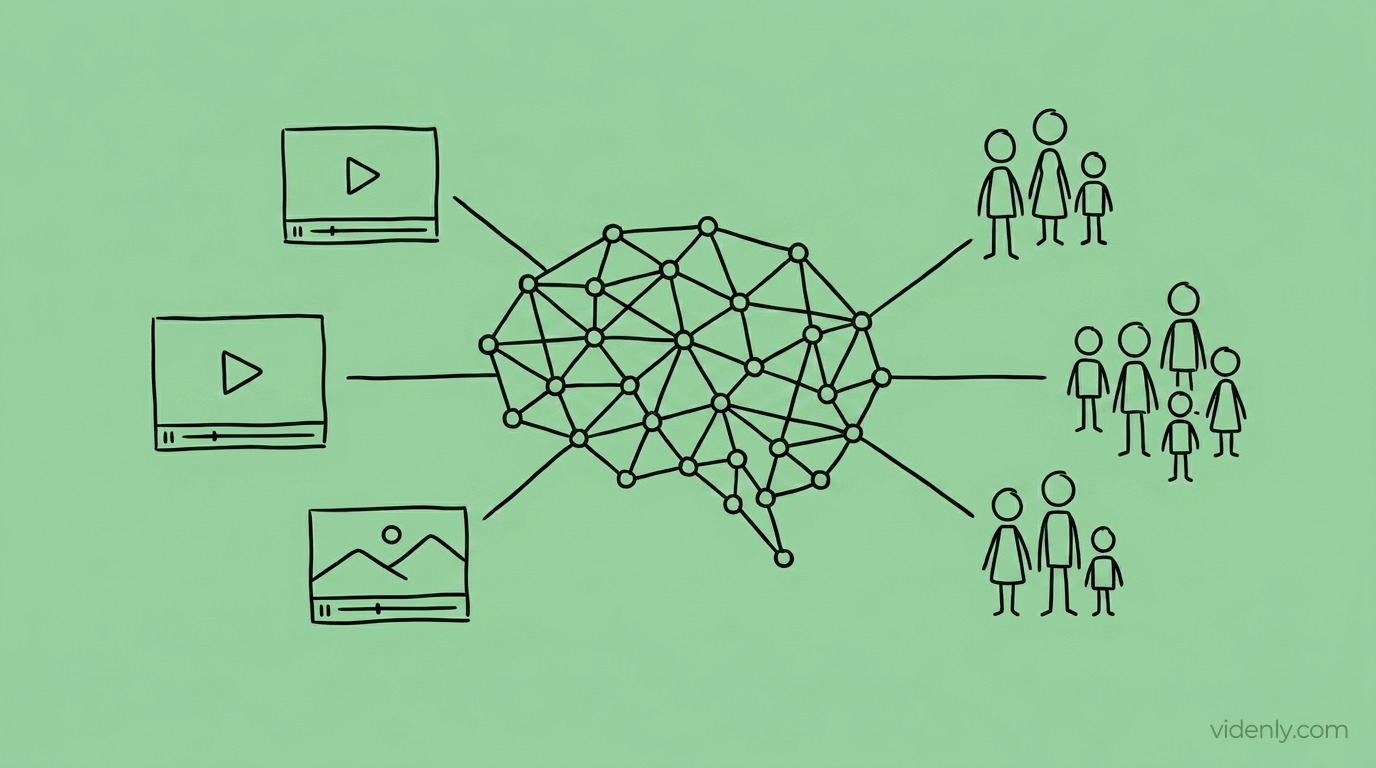
In today’s world, stories have the remarkable ability to inspire, educate, and connect people across different cultures and backgrounds. It’s incredible to think how faceless AI videos can shift the dynamics of storytelling, particularly in terms of accessibility.
There was a time when the art of storytelling was confined to the skilled hands of authors, poets, or filmmakers, but that has changed dramatically. Now, with the capabilities of AI, stories can reach a wider audience than ever, breaking down barriers that previously existed.
The magnitude of accessibility offered by faceless AI videos is nothing short of astounding. These tools allow diverse voices and narratives to emerge, showcasing talent that might otherwise remain hidden.
This transformation happens because faceless AI videos can adapt to various formats, including visual styles and languages. A story that was once limited to a particular demographic can now be tailored to encompass various cultures and languages, inviting all to engage.
Imagine how exciting it is for someone in a remote area to access rich cultural stories from around the globe. The opportunity to connect with narratives that resonate on an emotional level creates a bridge of understanding.
Moreover, the rise of these AI-generated content creators has made storytelling more inclusive for people with disabilities. With options like closed captioning and audio descriptions, everyone can share in the joy of storytelling.
Notably, there are several ways faceless AI videos enhance accessibility:
The ease of which stories can be created and disseminated through AI is also a game-changer.
Ordinary individuals can become storytellers, regardless of their prior skills or resources.
By tapping into AI tools, anyone can share their personal journey, thoughts, or experiences without the need for expensive equipment or extensive training.

This democratization of storytelling opens the door for a myriad of voices that contribute to the richness of our collective human experience.
Furthermore, the potential to create multimedia stories that engage all senses is fascinating.
When a story can intertwine visuals, sounds, and even interactive elements, it becomes more than a narrative; it becomes an experience.
The shift towards faceless AI videos is akin to giving everyone a seat at the table of storytelling.
It’s like when a river branches out into smaller streams, nourishing every corner of the landscape instead of just one patch of land.
In this way, storytelling evolves into an ever-expanding tapestry, woven from the unique threads of countless individuals.
Everyone has the potential to contribute their stories, their culture, and their wisdom, enriching the lives of those who engage with them.
This new landscape creates an environment where stories are not just told but are lived and breathed, resonating on deeper levels amongst diverse audiences.
It’s exciting to think about the possibilities that lie ahead for storytelling as we continue to explore the capabilities of technology.
Important: The rise of faceless AI videos significantly enhances storytelling accessibility by enabling diverse voices to emerge, adapting narratives to various formats and languages, and removing barriers for individuals with disabilities.
At the end of the day, through the lens of faceless AI videos, we not only experience a change in how stories are told, but we also experience an expansion of who gets to tell them.
As we embrace these innovations, the tapestry of stories available to us grows thicker and more vibrant, reflecting the full spectrum of human experience.
The world of storytelling is constantly evolving, and with the advent of faceless AI videos, a new dynamic emerges. These video formats can entice viewers by blending technology and narrative in intriguing ways.
One key strategy to maintain viewer interest is personalized content. Artificial intelligence can analyze viewer preferences and behaviors, tailoring videos to resonate with individual viewers, almost like a favorite book that changes scenes based on the reader’s mood.
Incorporating dynamic storytelling techniques is another powerful approach. For instance, through AI, users can experience personalized journeys where decisions influence outcomes, creating a unique plot experience that resonates with each viewer.
Using visual storytelling elements effectively can enhance engagement significantly. Crafting compelling visuals and animations can capture attention, often conveying emotions and ideas more quickly than words alone can achieve.
Moreover, pacing plays an essential role in keeping audiences glued to the screen. Changes in tempo give viewers a break at just the right moments, preventing fatigue while fostering a sense of anticipation. Balancing upbeat scenes with slower, more contemplative ones captivates the audience’s attention and reinforces story depth.
Integrating sound design also enhances the immersive experience. Background scores and sound effects can evoke emotions and set the atmosphere. Think of a thrilling chase scene; the right beats can escalate the excitement, placing the viewer right in the middle of the action.
The consistency of branding in storytelling can significantly impact viewer retention. By maintaining a unique style and voice throughout the videos, creators can establish a recognizable identity, akin to how a favorite author’s signature style sticks in your mind.
Using interactive elements can enhance viewer engagement. By inviting the audience to make choices or participate in the storyline, these videos become more compelling, transforming passive viewers into active participants.
Moreover, employing a strong narrative arc serves as the backbone of effective storytelling. By presenting a clear beginning, middle, and end, AI videos can guide viewers through a journey that is coherent and thought-provoking.
Incorporating user-generated content opens up avenues for richer interaction. When audiences share their experiences or stories, it creates a sense of community, reinforcing connections and driving viewer loyalty. This involvement fosters a feeling of belonging and investment in the content being delivered.
Another effective tool is the use of recaps and cliffhangers. By wrapping up episodes with engaging summaries and engaging cliffhangers, creators can leave audiences eager for the next installment. It’s that same thrill you feel at the end of a captivating chapter in a novel.
As mobile consumption increases, creating short-form content tailored to fit the fast-paced lifestyles of viewers is crucial. Quick, bite-sized videos that convey a clear message quickly can attract audiences who are often reluctant to commit time to longer formats.
The timing of releases can also be strategic in keeping viewers coming back for more. Scheduling content drops when audiences are more likely to engage, like late evenings and weekends, can prove advantageous in maximizing viewership.
To further draw in a wider audience, leveraging social media platforms for promotions can be effective. Engaging snippets or teasers can create buzz and anticipation, making audiences curious enough to seek the full content.
Another useful approach is to make use of analytics. This will allow creators to understand viewer behaviors better, tailoring future content even more acutely to resonate with their audience. Like adjusting the sails based on the wind direction, understanding these metrics allows for more precise targeting.
A little thought can also go a long way; employing storytelling hooks at the start of videos can reel viewers in from the beginning. By presenting an intriguing premise or question, audiences find themselves compelled to continue watching in search of answers.
Lastly, maintaining a dialogue with viewers fosters loyalty and community. Encouraging feedback and responding to comments creates an atmosphere of engagement that can draw viewers back time and time again, reminding them that their voices matter in the storytelling process.

In today’s fast-paced world, capturing an audience’s attention often feels like trying to catch lightning in a bottle. Faceless AI videos provide a unique opportunity to truly understand and respond to the diverse preferences of viewers, shaping content that resonates on multiple levels.
Every audience is different, and their expectations regarding storytelling keep evolving. Digital platforms have made it easy for creators to gather data about viewer behaviors and preferences, which can significantly enhance the storytelling experience.
For instance, consider a scenario where a video creator taps into analytics to determine which topics resonate most with viewers. By analyzing the types of content that garner the most engagement, they can pivot their storytelling strategies to meet those specific interests more effectively.
It can sometimes feel like a dance, with each move reflecting the audience’s feedback and reactions. Incorporating faceless AI videos into this dance allows for quick adjustments, ensuring that the narrative remains relevant and captivating.
Faceless AI technology offers the power to tailor the pace, tone, and style of video content based on local cultural cues or current trends. A good example would be, producing content that aligns with seasonal events or trending themes enriches the viewer’s experience and fosters a deeper connection to the story being told.
When we think about adapting content, there are a few key strategies to consider that could serve different audience segments well. These strategies help deepen the connection and engagement:
The insights gained from these strategies create the canvas for a more immersive storytelling experience.
Each approach not only enhances engagement but also encourages repeat viewership, as audiences appreciate being heard and understood.
Moreover, the anonymity offered by faceless AI videos can help reduce barriers for viewers who might feel hesitant to engage with more traditional formats.

By removing the presenter from the equation, the focus shifts entirely to the story, allowing audiences to immerse themselves without preconceived notions.
This aspect can make storytelling more inclusive, as it fosters a sense of belonging.
When viewers find content that feels tailored to their tastes, they are more likely to share it and recommend it, enhancing its reach organically.
In essence, the fusion of technology and storytelling creates a fertile ground for creativity.
Just as a skilled gardener nurtures each plant in their care, understanding audience preferences requires attention to detail and an openness to experimentation.
By leveraging data-driven insights, storytellers can craft narratives that not only captivate but also reflect the diverse voices of their audience.
This evolution in storytelling is not just beneficial but essential in today’s digital landscape.
At the end of the day, adapting content to audience preferences ensures that stories remain relevant and engaging.
With the right tools and mindset, storytellers can create a powerful bond with their audience, transforming passive viewers into active participants in the narrative journey.
The landscape of storytelling is in the midst of a remarkable transformation, largely driven by advancements in faceless AI technologies. One cannot help but marvel at how these tools are redefining our understanding of story creation and delivery, ushering in an era filled with endless possibilities, much like a painter standing before a blank canvas, ready to unleash their imagination.
As these technologies continue to evolve, we will likely witness a significant shift towards personalization in storytelling. Imagine immersing yourself in a tale that adjusts its plot and characters based on your preferences and emotional state, making each experience uniquely yours.
Another significant trend will be the integration of interactivity into narratives powered by AI. Rather than merely observing a story unfold, audiences will increasingly become active participants, shaping outcomes and influencing characters, engaging with narratives in ways traditionally reserved for video games.
Consider how faceless AI can facilitate the creation of immersive virtual worlds where users can explore narratives organically. This can evoke feelings akin to stepping into a living book, where the text doesn’t just speak it breathes and reacts.
Additionally, we can expect AI to play a pivotal role in the collaboration between human creators and automated systems. This hybrid approach might enable storytellers to push boundaries further than ever before, blending human creativity with the analytical strength of algorithms, resulting in rich narratives full of complexity.
Moreover, the collective intelligence of AI could enable the analysis of vast amounts of narrative data. Writers could tap into audience preferences and trends, crafting stories that resonate deeply with their target demographics by dissecting pieces of data like skilled archaeologists unearthing truths through layers of history.
Ethical considerations will also come to the forefront as AI storytelling evolves. The balance between creativity and compliance, as well as the question of originality, will ignite discussions within the creative community and beyond.
Just imagine the ethical dilemmas that could arise when AI assumes the role of author. Who owns a story created by an algorithm? This query may challenge our beliefs about authorship and creativity, making us reconsider the core essence of storytelling itself.
Furthermore, as AI-generated content becomes more prevalent, the potential for misinformation or biased narratives also grows. Writers and developers will need to ensure that these stories reflect diverse perspectives, rather than simply reinforcing existing stereotypes or viewpoints.
Another exciting trend is the development of AI tools that can replicate famous storytelling styles. With such capabilities, aspiring creators could learn from the likes of Shakespeare or Hemingway and craft their narratives while preserving the unique touches that defined those literary giants.
Such innovations will likely lead to discussions around the value of traditional storytelling methods versus AI-generated narratives. The age-old debate of whether the human touch adds a layer of depth that AI cannot achieve will persist as more stories emerge from the electronic ether.
Interestingly, as AI storytelling grows in sophistication, it might not replace human storytellers. Instead, it could serve as a new collaborator, helping creators refine their voices while also providing tools for inspiration when creativity seems scarce.
Opting for a collaborative approach, we might find ourselves in a symbiotic relationship with technology that fuels our creativity rather than stifling it. This partnership could be the spark that leads to the next great literary revolution, one fueled by a fusion of algorithms and human ingenuity.
Moreover, as we ponder the future of storytelling, the globalization of narratives thanks to AI could also reshape cultural exchange. Through AI-driven translation and localization, stories from various cultures can travel across borders and resonate with audiences who previously could not access them due to language barriers.
As this cultural tapestry thickens, the ability to share diverse stories will deepen interpersonal connections. At the end of the day, if stories can promote understanding across different cultures, we might witness a growing appreciation for the richness of human experience.
The timeline for these developments is exciting as we watch storytelling evolve in real-time. While this journey may be unpredictable, the integration of AI suggests a bright future where storytelling thrives, adapts, and expands like a river cutting through the landscape, carving new channels and uncovering hidden truths along the way.
Pro Tip: Embrace the collaborative potential of AI in storytelling to enhance your creative process and produce narratives that resonate deeply with diverse audiences.
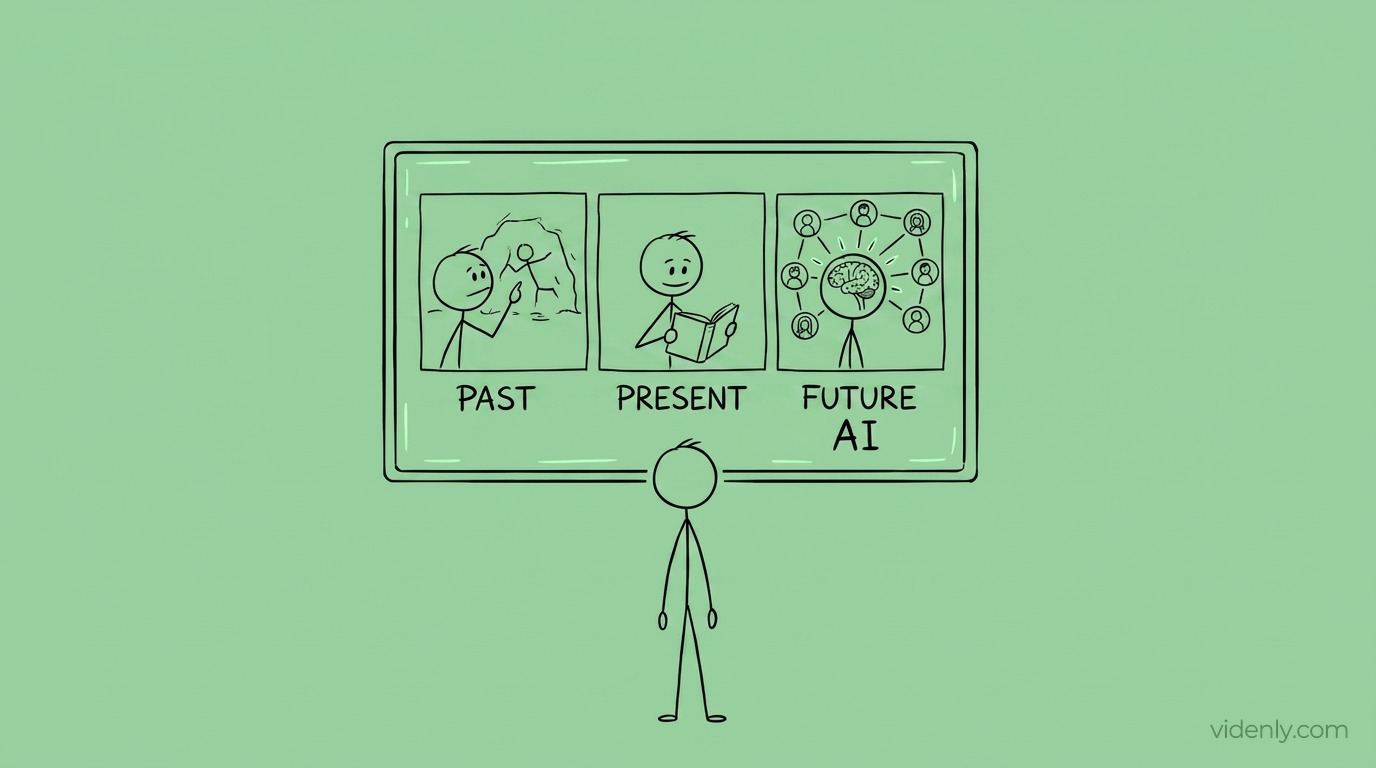
The emergence of faceless AI videos marks a transformative shift in the storytelling landscape.
By harnessing AI’s ability to craft compelling narratives, creators can produce captivating content with remarkable efficiency.
This newfound cost-effectiveness allows more storytellers, including smaller creators, to join the video production space.
Moreover, AI enables a level of personalization that resonates deeply with viewers, tailoring stories to fit their unique interests and preferences.
The accessibility of these narratives is broadened, reaching diverse audiences who might otherwise be excluded from traditional storytelling mediums.
To keep viewers engaged, innovative strategies are being employed to retain attention in an ever-competitive digital world.
As audience preferences continually evolve, content adaptation will become increasingly crucial for creators looking to maintain relevance.
Looking ahead, the future of AI-driven storytelling holds exciting possibilities that could redefine how we experience and share stories.
Create stunning AI-generated videos that captivate your audience and elevate your brand.