
Published on February 24, 2026 by
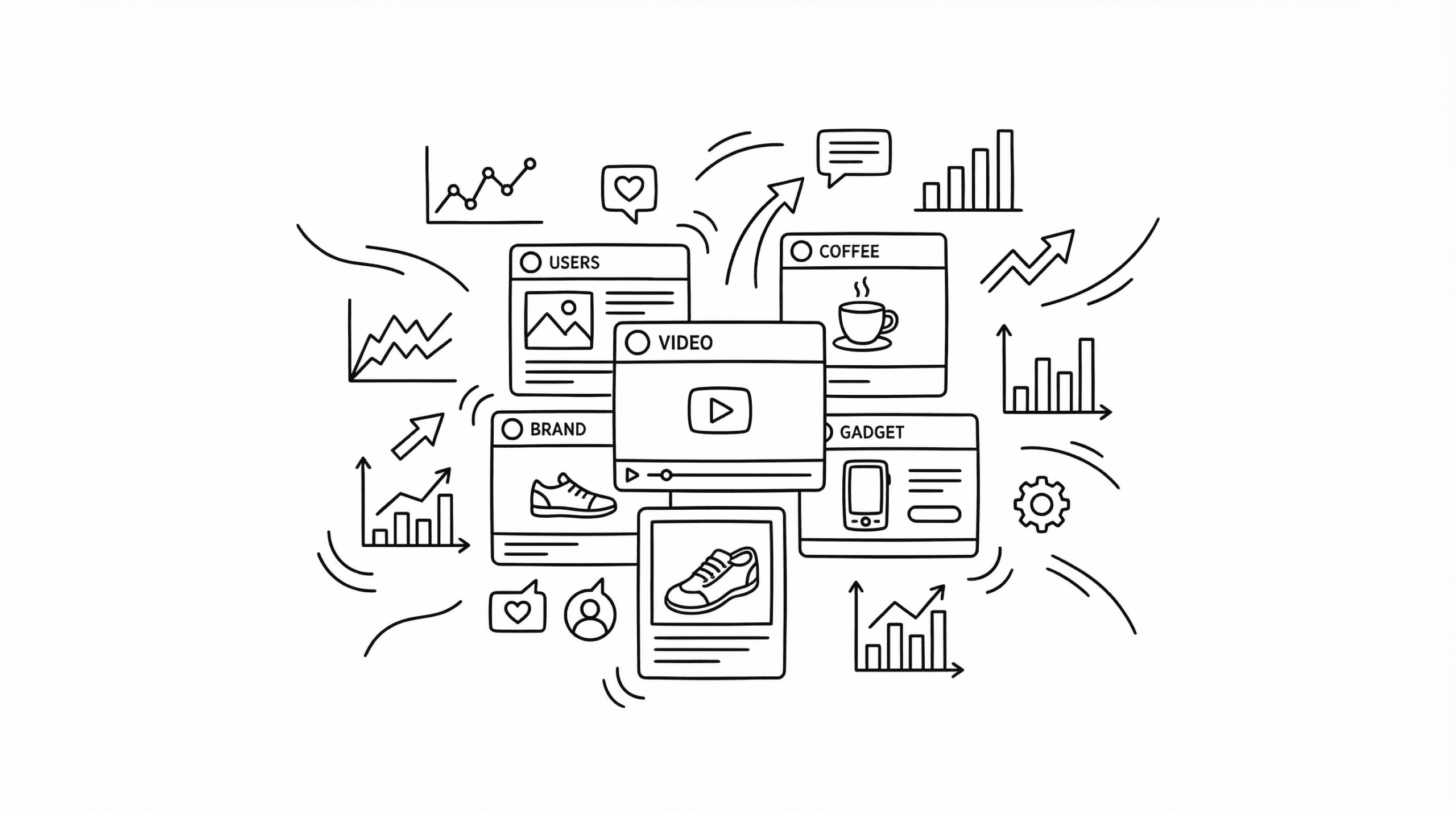
Personalization in User-Generated Content (UGC) ads can significantly boost audience engagement and conversion rates.
By tailoring content to reflect the interests and preferences of specific demographics, brands can create a deeper emotional connection with potential customers.
Personalized UGC also encourages authenticity, as consumers are more likely to trust and relate to the experiences shared by their peers.
Furthermore, leveraging data analytics allows marketers to optimize content, ensuring it resonates with the target audience effectively.
As a result, personalized UGC ads are not only more appealing but can also enhance brand loyalty and customer retention.
In a competitive market, utilizing personalization in UGC can distinguish a brand from its competitors and drive measurable business outcomes.
There are additional layers to the discussion surrounding personalization in UGC ads that warrant further exploration.
Topics such as the role of user demographics and behavioral patterns can significantly influence how personalization is applied in advertising strategies.
Moreover, examining case studies of brands that have successfully implemented these techniques reveals valuable insights into best practices and potential pitfalls.
As we continue, I will highlight practical approaches and tools that can help enhance the effectiveness of UGC campaigns through personalization.
When discussing personalization in User-Generated Content (UGC) ads, it’s essential to understand that this approach tailors content to fit individual preferences and characteristics.
The goal is to create a unique experience for each viewer, enhancing their connection to the brand.
In this digital landscape, we often encounter content that feels generic and impersonal.
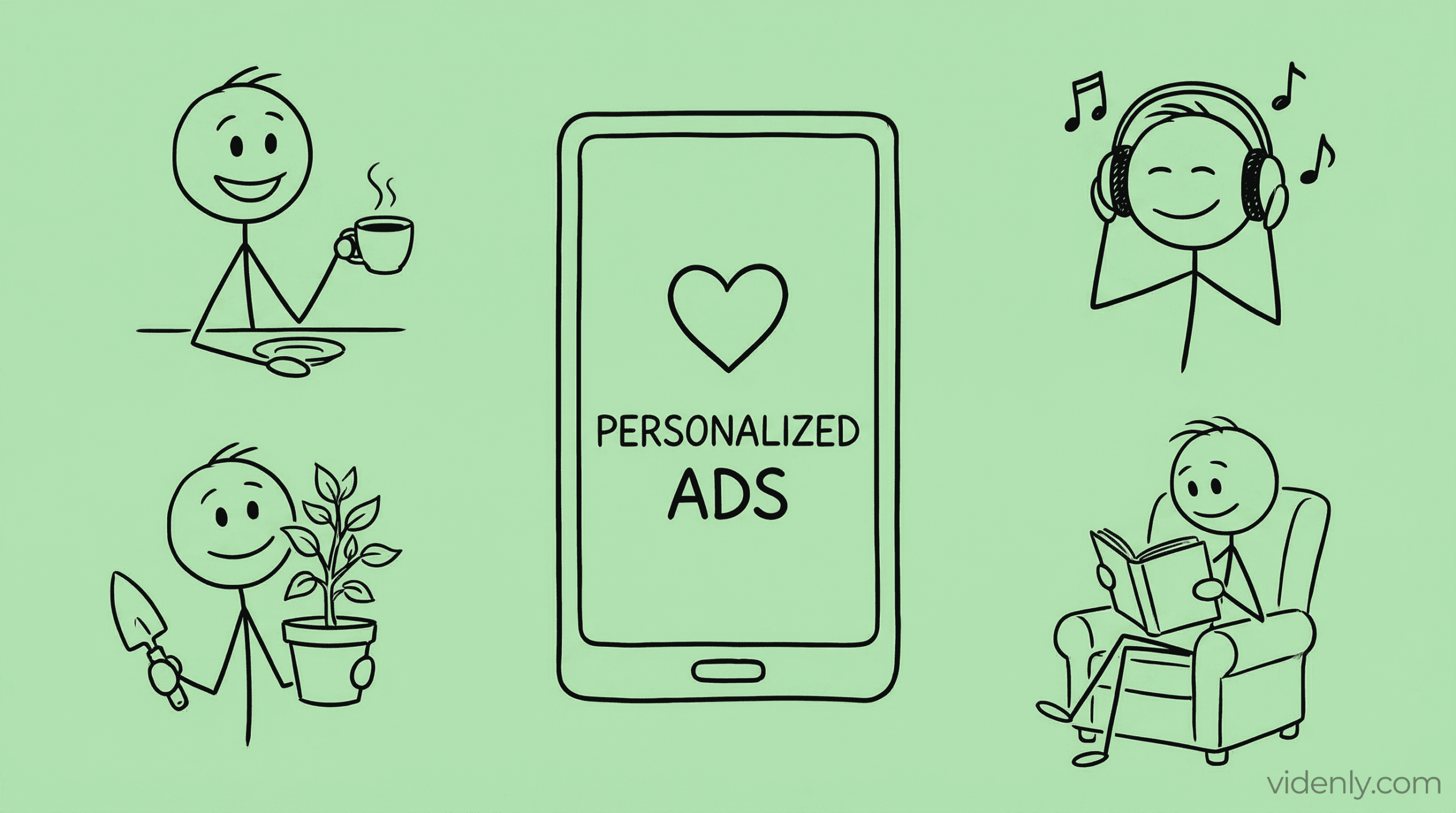
Personalization, however, takes a different path, actively engaging users by resonating with their own experiences and interests.
I would say that personalization in UGC ads transforms a standard marketing message into something much more relatable.
This transformation can lead to stronger emotional responses, often resulting in higher conversion rates and increased brand loyalty.
At its core, personalization involves analyzing data,understanding consumers through their previous interactions, preferences, and behaviors.
This data-driven approach allows marketers to predict what content people are likely to engage with and enjoy.
It’s fascinating how modern technology helps in this process.
With the right tools, brands can sift through mountains of data, identifying patterns and trends that guide their advertising tactics.
A key aspect of effective personalization is the type of content utilized in UGC ads.
It isn’t simply about showing off products; rather, it’s about sharing genuine stories from real consumers.
This genuine touch makes audiences feel heard and valued.
Elements such as user reviews, testimonials, and authentic videos from customers can constitute a rich tapestry of personalized content.
These components often include individuals’ own stories, showcasing how a product or service significantly impacted their lives.
To offer more clarity, here are some core elements that enhance personalization in UGC ads:
When each of these elements is thoughtfully integrated, UGC ads can become incredibly effective.
It’s like stitching together a quilt; each patch represents the unique story of a user, ultimately creating a beautiful representation of community and shared experiences.
I mean, just think about it,when brands utilize user testimonials that reflect a diverse set of experiences, they’re essentially opening the doors to new relationships.
Consumers feel like they’ve stepped into a circle where their voices matter and their experiences are validated.
Moreover, brands fostering personalization can benefit from improved brand perception.
People are likely to associate personalized content with a brand that truly cares about its customers, further solidifying a sense of community around that brand.
To further enhance the emotional connection, using storytelling techniques in UGC ads can also play a important role.
It’s not just about showing a product; it’s about illustrating a journey, a moment of transformation from a customer’s perspective.
For instance, consider a consumer who shares a video about their weight loss journey using a particular fitness product.
By showing their challenges and victories, they invite others into their personal story, thereby fostering a sense of achievement that resonates deeply.
In essence, personalization in UGC ads goes beyond simply modifying content to suit viewers.
It establishes a bridge between the brand and its audience, where shared experiences and values come into play.
This practice ultimately cultivates trust, which is a precious commodity in today’s market.
When users feel connected to a brand, they’re more likely to engage, purchase, and advocate for that brand amidst their personal networks.
Personalized UGC ads also pave the way for higher engagement rates.
Users are more likely to interact with content that feels relevant and reflective of their lived experiences, leading to increased sharing and organic reach.
Therefore, the allure of personalized UGC advertising lies in its ability to unify brand messages with real customer experiences.
When brands embrace this model, they open themselves to a wealth of opportunities for connection, community, and sustained growth.
When we think about personalization in the context of user-generated content (UGC) advertisements, it’s fascinating to see how tailored messages resonate better with audiences.
Each consumer comes with unique tastes, preferences, and feelings, creating a complex tapestry of needs that brands can address.
Consider the last time you saw an ad that felt like it was meant just for you; perhaps it was a product that you had recently searched for online or something that effortlessly aligned with your interests.

That feeling of connection can ignite a spark of engagement, pulling viewers into a more interactive experience with the brand.
Personalization allows brands to move beyond the generic or one-size-fits-all approach to communication.
It enables them to speak directly to the heart of their audience, demonstrating an understanding of their behaviors and preferences.
This tailored approach not only makes the advertisement more appealing but also fosters a sense of trust between the audience and the brand.
When individuals see content that is relevant, they are naturally inclined to engage; they feel valued and recognized.
Imagine entering a coffee shop and the barista greets you by name and remembers your usual order.
This small gesture creates an immediate connection, one that translates effectively into the digital realm when consumers interact with personalized content.
Moreover, personalization can significantly improve the effectiveness of user-generated content ads through the use of data.
Brands can leverage user preferences gleaned from past interactions, tailoring ads that not only capture attention but also encourage action.
For instance, a clothing company could analyze data from previous purchases and browsing behavior to present ads featuring styles that a particular consumer is more likely to buy.
This use of data creates a richer customer experience, as users are presented with options that genuinely resonate with their fashion sense.
Another crucial element of personalization lies in the emotional connection it fosters.
When an advertisement reflects the target audience’s ideals or experiences, it evokes feelings of relatability and authenticity.
Such emotional resonance leads to deeper engagement, prompting viewers to interact more with the ad and share it within their circles.
For instance, a mother may come across a heartwarming video of other mothers sharing their experiences with a specific baby product.
By showcasing real-life stories, the ad becomes more than just a promotional tool; it transforms into a conversation starter and a source of comfort.
Moreover, personalized content often encourages community building among users.
When individuals feel that their unique experiences are acknowledged, they are likely to share their stories in corresponding forums or social media platforms, leading to a vibrant exchange of ideas around the brand.
This organic engagement can be incredibly powerful.
Have you ever noticed how your friends often share ads or posts that reflect their interests or personal stories?
This sharing of content creates a ripple effect, where the initial engagement expands into a broader community dialogue, further amplifying brand awareness.
In today’s competitive digital landscape, personalization can also significantly influence consumer actions.
The more a brand tailors its messaging, the more likely it is to catch the eye of potential buyers, prompting them to explore products they may have never considered before.
Moreover, the immediacy of personalized ads helps deliver the right message at the right time.
Being able to reach users at pivotal moments, such as before an important purchase or during a special occasion, can boost engagement dramatically.
Additionally, this timing creates opportunities for brands to learn and adapt.
When an ad resonates well with a particular audience segment, insights from that interaction can inform future marketing strategies, enhancing overall effectiveness.
Each piece of feedback becomes a valuable resource for refinement.
Furthermore, consumer feedback through likes, shares, and comments on personalized user-generated content directly contributes to understanding audience preferences.
These actions serve as indicators of what works and what doesn’t, paving the way for brands to optimize their content continuously.
In essence, personalized UGC ads tap into the unique fabric of individual consumer experiences, fostering engagement through relevant and relatable storytelling.
By connecting with audiences on a personal level, brands can nurture loyalty and create lasting relationships.
At the end of the day, personalizing user-generated content advertisements moves the connection from transactional to relational, transforming engagements into deeper commitments.
This shift only enhances the effectiveness of advertising strategies, creating a more immersive experience that is both memorable and impactful.
In today’s world, where the digital landscape is saturated with marketing messages, consumers have become incredibly savvy.
They can often distinguish between a corporate message and a genuine one, making authenticity an essential component for user-generated content, or UGC.
When brands leverage UGC, they are effectively tapping into the voices of real users who have shared their experiences.

This connection feels more relatable than polished advertisements because it reflects genuine opinions and emotions.
Imagine having a friend recommend a product based on their own experiences,that’s the kind of influence UGC creates.
When users see others like themselves enjoying a product, it can often sway their opinions and decisions.
Authenticity is especially crucial as it fosters trust between brands and consumers.
This trust can lead to deeper emotional connections, resulting in increased brand loyalty and, ultimately, higher conversion rates.
With user-generated content, the audience quickly recognizes the sincerity behind the testimonials and reviews.
This is because UGC is often created in real circumstances, showcasing products in real life rather than staged settings.
One of the highlights of embracing UGC is its organic nature.
Unlike traditional marketing, which can feel scripted or insincere, UGC showcases the authentic voice of the consumer, which resonates on a personal level.
Additionally, I would say that the stories told through UGC often align with the values that consumers seek.
People want to relate to brands that speak to their own beliefs, making authenticity in UGC a crucial factor separating a good campaign from a great one.
Here are a few reasons why authenticity is important in UGC:
These reasons illustrate how UGC becomes a powerful tool when authenticity is at the forefront.
Without this sincerity, the message may get lost in translation, failing to resonate with potential customers.
I mean, we all crave real connections, right?
In a society increasingly driven by social media and digital interactions, spotting a genuine connection feels like a breath of fresh air.
When consumers perceive brands as authentic, they are more likely to share their content as well.
This chain reaction amplifies the brand message while simultaneously boosting brand visibility.
Moreover, content that feels authentic tends to generate more word-of-mouth recommendations.
Friends and family often trust each other’s opinions over slick advertisements, leading to a multiplier effect in brand promotion.
For a brand, being relatable and genuine while using UGC can be a game-changer.
Instead of just the brand image, it allows consumers to envision themselves in the narrative.
It is essential for brands to realize that UGC can serve as an extension of their values rather than just marketing collateral.
With authentic contributions from real users, the brand transforms from a faceless entity into a community-focused organization.
Additionally, an authentic approach will encourage more users to participate in UGC campaigns.
When individuals feel that they can genuinely share their experiences without filters, the resulting content is often more powerful.
As consumers increasingly seek out authenticity, brands must embrace this trend.
They can create platforms where users feel comfortable expressing their unfiltered opinions and experiences genuinely.
At the end of the day, when a brand embraces authenticity in UGC, it sets itself up for a more meaningful relationship with its audience.
These relationships often translate to sustainable engagement that benefits both the users and the brand.
Pro Tip: Authenticity is an essential component of user-generated content (UGC) as it fosters trust and emotional connections between brands and consumers, leading to increased loyalty and higher conversion rates.
In essence, authenticity in UGC serves as a bridge connecting the brand to its consumers.
This bridge, built on trust and genuine connections, leads to a more engaged, loyal, and enthusiastic customer base.
When diving into the world of personalization in user-generated content (UGC) ads, one can’t ignore the significant role that data analytics plays in shaping effective strategies.
By harnessing the power of data, marketers can better understand their audiences and create tailored experiences that resonate.
Data analytics essentially acts like a compass, guiding brands toward the preferences and behaviors of their target consumers.
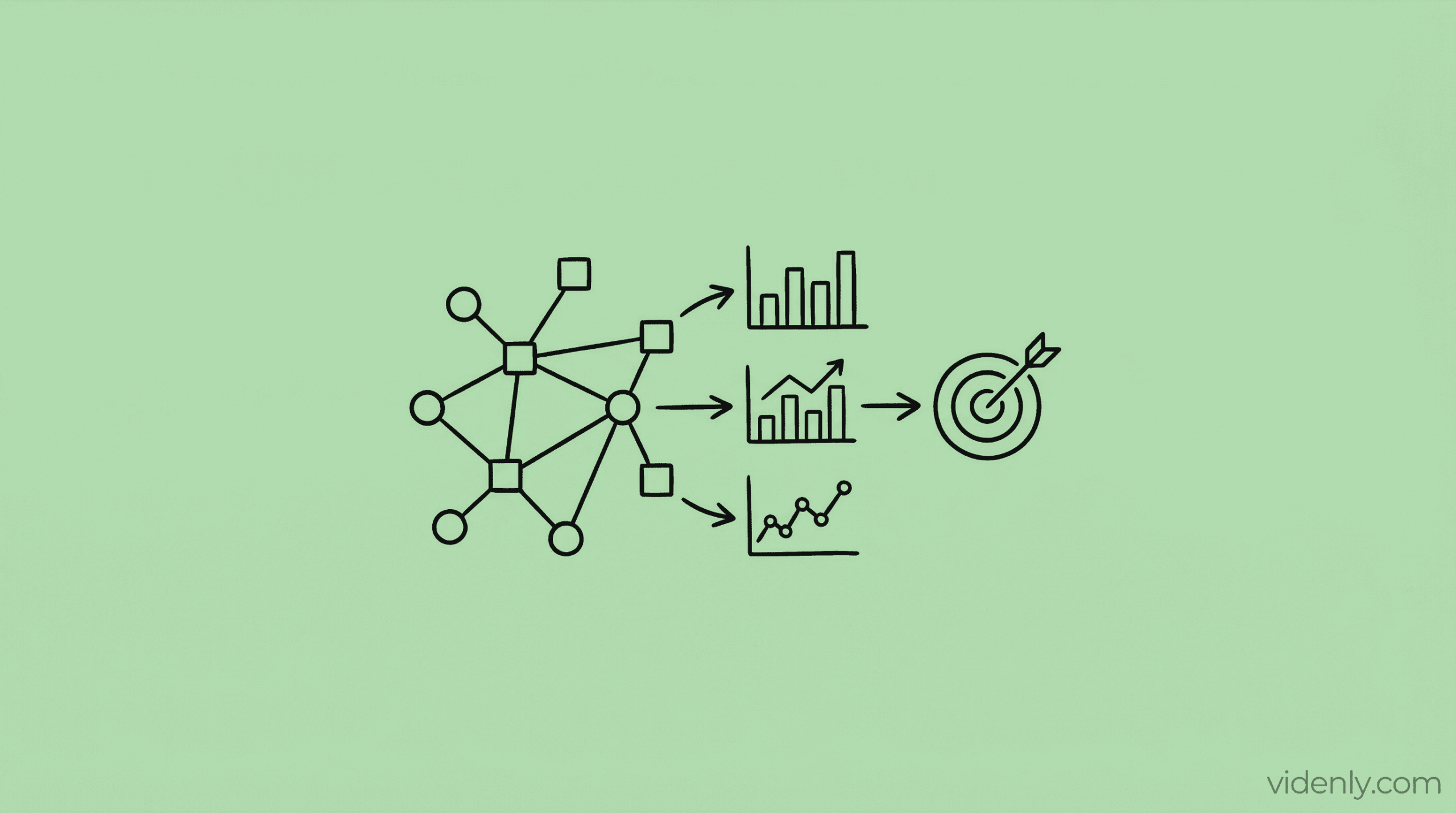
It offers insights based on actions, enabling businesses to uncover what truly attracts and engages their audience.
Every interaction, whether it’s a click on an ad or a comment on a post, generates valuable data.
This information can be analyzed to reveal trends and patterns that marketers might otherwise overlook.
For instance, data analytics can help identify which types of UGC are performing best in specific demographics.
By comparing user engagement rates, businesses can figure out whether video testimonials outshine written reviews among younger audiences.
Understanding these nuances enables brands to tailor their UGC ads in ways that seem almost intuitive to the audience.
After all, when consumers feel that a brand truly understands them, they’re more likely to engage.
Moreover, data analytics can provide insights into the timing and format of ads.
Recognizing when your audience is most active online allows marketers to broadcast their messages when engagement is at its peak.
In addition, analyzing past campaigns helps in refining messaging and choosing the most relevant user-generated content.
This continuous learning process ensures that the content shared is not just seen but also resonates deeply with the intended audience.
Consider the scenario where a brand’s analytics reveal that a specific UGC campaign experienced a sudden surge in engagement.
Perhaps a particular hashtag gained traction among influencers, which could signal the need to amp up that content further.
Moreover, the analytics provide an opportunity for brands to engage in what I would call a dynamic conversation with their audience.
By understanding feedback through comments or shares, brands can adjust their messaging in real-time to better align with consumer sentiment.
Different tools and platforms help dissect vast amounts of data, providing brands with actionable insights.
As trends evolve rapidly in the digital landscape, being responsive rather than reactive becomes crucial.
Data visualization techniques can also play a important role in making complex information accessible and understandable.
With clear visual representations of data, stakeholders can easily grasp important decisions without getting lost in statistics.
Furthermore, through segmentation, data analytics allows for the personalization of ads to such a degree that different audience segments may see entirely different content.
This level of customization ensures that users feel as though the content was crafted just for them.
A good example would be, if data analytics indicates that a certain age group is more interested in eco-friendly products, a brand can elevate UGC that showcases sustainability efforts.
This not only increases engagement but fosters a genuine connection.
Also noteworthy is the predictive aspect of data analytics.
With the help of advanced algorithms, brands can anticipate future behavior based on past consumer actions, providing a proactive approach to UGC marketing.
By foreseeing trends before they fully develop, brands can tailor their strategies effectively and remain ahead of the competition.
Implementing these insights into UGC advertising is a game-changer.
In the end, when data analytics is embedded within the creative aspect of UGC ads, it transforms the ads from mere promotional content into personalized experiences.
Such experiences not only capture attention but also foster loyalty among consumers, as they see their own preferences reflected in the brand’s messaging.
Pro Tip: Data analytics enables marketers to personalize user-generated content ads by providing insights into audience preferences, behaviors, and engagement patterns, allowing for tailored messaging that resonates deeply with consumers.
In this sense, data isn’t just numbers on a screen; it’s a treasure trove of information that can be unlocked to cater to real human desires and needs.
It bridges the gap between brand and consumer, making every interaction feel meaningful and intentional.
When a brand embarks on the journey of tailoring content, it’s like crafting a unique recipe where every ingredient must blend perfectly.
Customization, particularly in the realm of User Generated Content (UGC), requires a nuanced approach that transforms generic advertising into meaningful engagements for audiences.
The first step in effective tailoring is truly understanding your target audience.

This isn’t merely knowing their demographics, like age or gender; it also involves getting deeper into their preferences, aspirations, and pain points.
Using data analytics can illuminate the preferences of your audience, revealing what captures their attention and why they engage with certain content.
This analysis allows brands to tap into the cultural and emotional touchpoints that resonate with consumers, almost like a conductor leading an orchestra.
Once a brand has gathered data, the next move is to engage with the community.
A great way to begin this is to invite users to share their stories and experiences around a brand’s product or service.
The voices of real people can breathe life into bland advertising and create an authentic connection.
This community engagement can be quite powerful.
Thought-provoking questions can spark dialogue and encourage more users to participate, thereby enriching the content pool available for the brand.
At this stage, determining the types of content formats desired is essential.
Here are some popular formats you can consider for effective content tailoring:
Creating personalized content is about making consumers feel special and seen.
When a user sees content that reflects their style and preferences, it fosters a sense of belonging.
One aspect that often gets overlooked is the visual consistency across different platforms.
Maintaining a cohesive look helps reinforce brand identity.
Having recognition helps in establishing trust, and makes users feel more comfortable when engaging with the content.
This can also relate to the use of language and tone.
Keeping a conversational, relatable tone while still reflecting the brand’s identity will draw audiences in.
The key here is authenticity and relatability; users are quick to identify when brands are merely trying to sell something versus when they’re trying to connect.
It’s also important to involve user interactions as they provide a wonderful opportunity for brands to learn.
By monitoring which posts gain the most engagement, brands can refine their strategies and adjust content to better suit what resonates with their consumers.
Incorporating UGC shows that a brand values its consumers’ input.
It equips brands with fresh perspectives, enabling them to evolve and stay relevant.
UGC should not come off as forced; it should flow naturally in a way that feels encouraging rather than contrived.
The brand’s approach towards showcasing content should emphasize celebration of user contributions.
It’s not merely about featuring a user’s post but surrounding it with additional context that amplifies the experience.
This could be through spotlighting a user’s journey over time or displaying a variety of UGC that highlights diverse experiences.
To elevate personalization further, tools for automation can play a significant role.
By leveraging technology, brands can create tailored experiences even at scale, making each interaction meaningful without overwhelming teams with manual tasks.
Through consistent engagement and analysis, brands can develop a rhythm similar to an artist mastering their craft.
Every piece of content created should contribute to an ever-evolving masterpiece that represents not just a brand but a community united through shared experiences.
Pro Tip: To effectively tailor content, deeply understand your target audience’s preferences and pain points through data analysis, as this will guide you in creating meaningful and engaging experiences.
The ultimate objective is to foster a culture where users don’t just see themselves as customers but as part of a wider brand family.
Given this includes recognizing their contributions, appreciating their stories, and reflecting these within the content being showcased, it becomes a vibrant tapestry woven from diverse threads.
When diving into the world of User Generated Content, or UGC, I often find myself reflecting on the brands that have truly harnessed this powerful tool to connect with their audience.
Successful UGC campaigns do more than just showcase products; they tell stories that resonate with viewers on a personal level, transforming casual consumers into loyal advocates.
One of the finest examples of UGC success can be seen through Coca-Cola’s “Share a Coke” campaign, which encouraged consumers to find bottles with their names or the names of their friends.

This initiative went viral not just because of the product itself, but due to the emotional connections people built as they shared photos of personalized bottles on social media.
The campaign didn’t just stop at the product; it created a whole movement where people began sharing their experiences and stories, which spread like wildfire.
I would say that the magic really lay in how consumers felt personally involved in the campaign, making it more than just a marketing ploy.
Similarly, Airbnb has effectively utilized UGC by encouraging their users to share personal stories and photos from their stays.
The #AirbnbExperience initiative humanized their brand, showcasing real travelers experiencing authentic adventures around the globe instead of staged, promotional imagery.
This approach not only attracted potential customers but also built community among existing users.
The impact of relatable content from real people helped foster a sense of trust, something that traditional advertising often struggles to establish.
Consider the GoPro brand, which revolves around its cameras used for capturing adventure.
Their strategy heavily relies on user-generated content that features thrilling moments experienced by their customers, cultivating an exhilarating brand image that promotes adventure and exploration.
By sharing videos shot by users, like cliff diving in stunning locales or mountain biking through breathtaking trails, GoPro motivates others to imagine themselves engaging in those very activities.
This compelling visual storytelling creates an environment where potential customers are excited to participate and share their own experiences.
Another notable example comes from Starbucks, which has effectively tapped into UGC via its social media platforms by inviting customers to share their unique coffee experiences.
The #RedCupContest has become a seasonal phenomenon, where they encourage fans to post pictures of their specially designed Red Cups.
This campaign generates a sense of community, especially during the festive season, since it invites creativity and fun.
The images flood social media with warmth and joy, perfectly aligning with the festive spirit that many look forward to every year.
Meanwhile, Nike launched the “#BetterForIt” campaign, urging women to share their workout journeys through videos and posts.
By using a relatable and aspirational tone, Nike resonated with a wide audience, creating a sense of belonging among people who previously may have felt disconnected from fitness goals.
Seeing fellow women overcoming challenges and celebrating their achievements became more motivating than any polished advertisement could ever achieve.
It’s this shared sense of struggle and triumph that really captures the essence of what makes UGC so effective.
To further exemplify successful UGC, we cannot overlook the ASOS “ASOS Insiders” initiative.
Through influencers and regular users alike, the brand features real people styling their products in everyday situations, cultivating a level of authenticity that polished images often lack.
The result is a vibrant tapestry of fashion stories told by the people who truly wear the pieces, inviting potential customers to visualize themselves in those styles.
I can definitely say that this approach not only broadens ASOS’s reach but also feels more genuine and relatable for the average shopper.
Another compelling narrative comes from Doritos, who cleverly tapped into UGC through their “Doritos Crash the Super Bowl” contest.
Fans submitted their creative ads, and the winning entry would air during the Super Bowl, encouraging wild creativity among participants as they showcased their love for the product.
Not only did this campaign generate buzz, but it also made fans feel genuinely invested in the brand, reinforcing loyalty and engagement.
Besides the thrill of competition, the way Doritos invited their audience into the creative process transformed their marketing strategy into an interactive celebration.
Additionally, the skincare brand Nivea initiated a campaign that encouraged users to share their experiences with Nivea products using real-life stories.
This authentic approach helped connect with the audience by addressing personal skincare journeys, ultimately creating organic conversations around their products.
Brands leveraging UGC like Nivea manage to craft powerful narratives that people relate to, making the advertisements feel genuine and trustworthy.
There’s something incredibly powerful in sharing real-life experiences, as it lends a level of credibility that polished ads often struggle to achieve.
Important: Successful UGC campaigns do more than just showcase products; they tell stories that resonate with viewers on a personal level, transforming casual consumers into loyal advocates.
In essence, these examples highlight just how impactful user-generated content can be when brands effectively invite their consumers into the fold.
The magic of UGC lies not just in the content itself, but in how it fosters connections between the product and the people who use it.
When we talk about personalization in the context of advertising, it goes beyond simply addressing someone by their name in an email.
In essence, it creates a bridge between the consumer’s expectations and the brand’s offerings, aligning them in a way that feels tailored and relevant.
As customers begin to experience more personalized interactions, they develop a deeper connection with a brand.

This connection often transforms into trust, laying the foundation for long-term loyalty.
Have you ever felt a sense of loyalty toward a brand that seems to “get you” on a personal level?
That feeling is a powerful driver of brand loyalty, as it fosters a sense of being understood and valued.
Personalization helps brands create a unique narrative that resonates with consumers.
It can transform a mundane transaction into a memorable experience, ultimately enriching the customer’s journey.
Brands that leverage user-generated content (UGC) in personalized ways send a clear message: they care about what their customers think and feel.
This attention to customer voice elevates the overall relationship and inspires customers to share their positive experiences.
Interestingly enough, personalized approaches can lead to a kind of brand advocacy.
Customers become not just buyers, but enthusiastic champions of a brand, sharing their experiences and recommendations with others.
Research suggests that personalization can lead to significantly increased spending from loyal customers.
In fact, developed trust can bring about increased frequency in purchases, as loyal customers are more likely to buy from brands that resonate with them on a personal level.
There are several key aspects of how personalization fuels brand loyalty, which include:
This deep-rooted engagement is like watching a plant grow; it starts from a seed of identity and nurtures over time into a strong, flourishing entity.
Just like any relationship, without attention and care, it can wither.
The beauty of personalized experiences lies in their potential to surprise and delight customers.
Imagine receiving a tailored recommendation based on your previous purchases or preferences; it feels rewarding and satisfying.
Furthermore, brands that consistently maintain a personalized approach often stand out in a crowded marketplace.
Consumers tend to remember these brands, establishing a lasting impression that translates into repeat business.
At the end of the day, brand loyalty is not merely about satisfying customers in the moment but creating long-lasting connections that continue to evolve.
Through effective personalization, brands can weave their customers into their stories, making them feel like an integral part of the brand’s identity.
When brands utilize personalization, they are not just selling products; they are cultivating communities.
These actions build a thriving ecosystem where both the brand and its customers can flourish together.
When diving deep into the world of User-Generated Content (UGC) ads, understanding metrics is crucial.
These metrics represent the heartbeat of any marketing campaign and help marketers gauge the real impact of their efforts.
One of the most important metrics is engagement rate, which measures how users interact with your UGC ads.
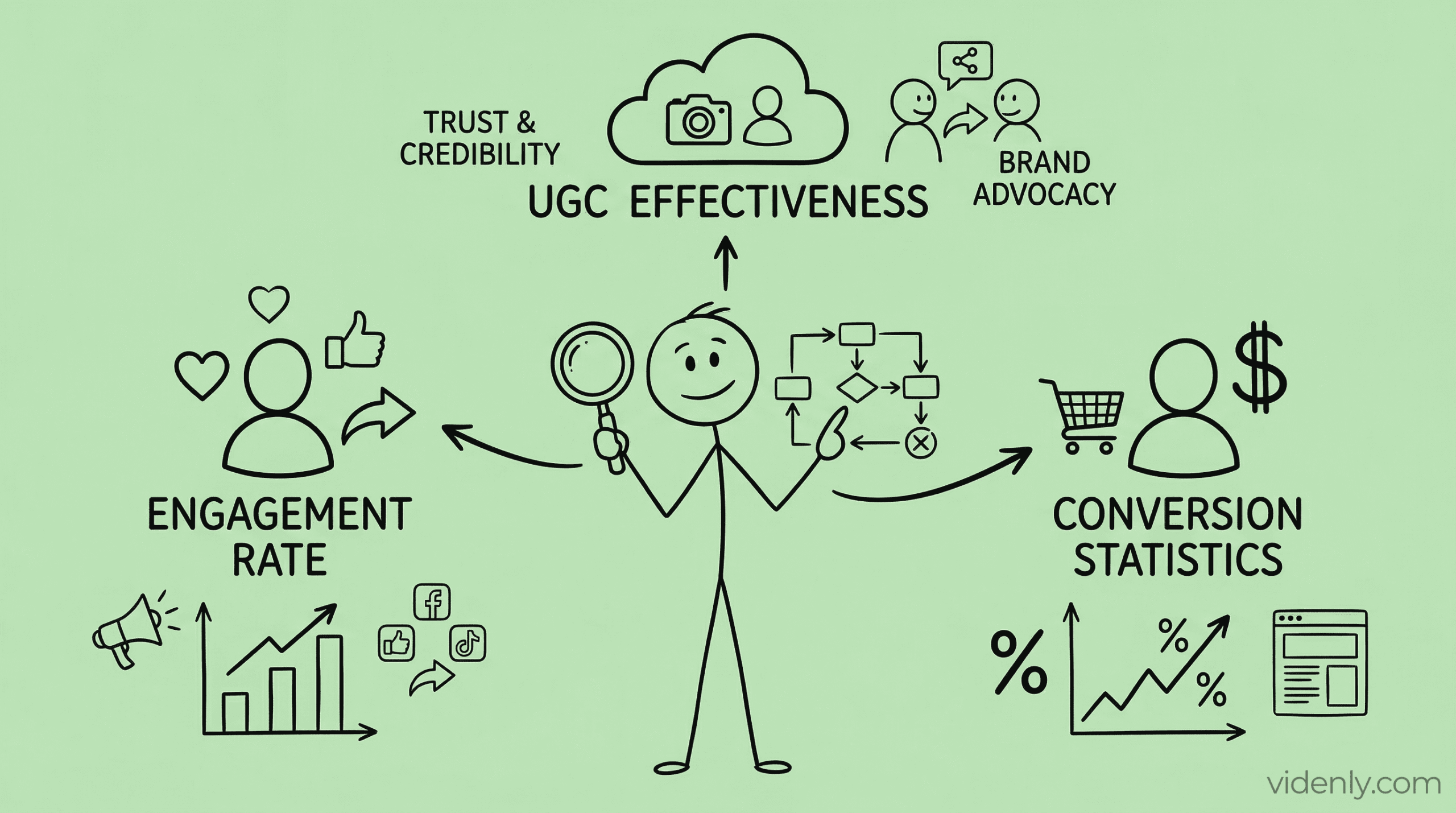
High engagement means people are not just watching, but they are also liking, sharing, and commenting.
The click-through rate (CTR) is another important indicator of effectiveness.
A strong CTR shows that your audience finds the content enticing enough to want to learn more.
Conversion rate takes things a step further.
It tells you how many viewers of your ad actually took the desired action, such as making a purchase or signing up for a newsletter.
While some may overlook it, brand sentiment plays an essential role in assessing UGC impact.
This metric gauges how users feel about your brand after viewing UGC ads, often influenced by the tone and authenticity of the content.
To illustrate, let’s consider how social shares can indicate the effectiveness of UGC ads.
The more your content gets shared, the more it resonates with viewers, amplifying your reach organically.
Viewer retention is often a revealing metric, especially for video content.
If viewers stick around until the end, it suggests that your content is captivating and holds their interest.
Measuring impressions can also provide insights into how many people saw your UGC ad.
This number gives context to the engagement and click-through rates by showing your content’s overall visibility.
An interesting point is that user-generated content can lead to a higher return on investment (ROI) compared to traditional ads.
UGC often feels more authentic, resulting in a stronger connection with the audience.
In terms of data analytics, tools like Google Analytics can provide a wealth of information on how UGC ads are performing.
Through this, marketers can track behaviors and correlations, enhancing future campaigns.
Social listening tools can also play an essential role in capturing customer feedback and reactions to UGC.
These insights help brands to pivot their strategies based on real-time audience responses and sentiment.
Another key metric is return on ad spend (ROAS), which measures revenue generated for every dollar spent on advertising.
UGC often delivers a higher ROAS, further solidifying its value in marketing strategies.
When measuring brand awareness, surveys can come into play, seeking direct feedback on brand recognition before and after exposure to UGC advertisements.
This gives clear evidence of the effectiveness of a UGC campaign.
It’s notable how demographic metrics, such as age and location of viewers, help tailor future UGC ads.
By understanding who engages the most, brands can fine-tune their content to better resonate with specific audiences.
Those who leverage influencer collaborations should also look at metrics like follower growth.
This can indicate how effectively UGC involving influencers is expanding your audience base.
Utilizing A/B testing can provide insights into which variations of UGC ads fare better.
Testing different visuals or calls to action allows marketers to optimize future efforts based on data-driven insights.
Interestingly, the quality of user interactions matters just as much as the quantity.
Metrics like quality of comments can reveal how deeply engaged the audience is with your UGC content.
Those who track time spent on page or video can challenge their assumptions about content effectiveness.
Keeping an eye on how long viewers stay engaged can lead to better content creation strategies.
In environments bustling with information and visual noise, understanding these metrics is like having a compass.
It helps marketers steer their campaigns toward more personalized and effective outcomes.
A good example would be, platforms such as Videnly facilitate the creation of engaging UGC ads, allowing brands to easily generate captivating videos that capture audience attention.
The power of automation and AI enhances the systematic tracking of these crucial metrics.
Important: Understanding key metrics such as engagement rate, click-through rate, conversion rate, and brand sentiment is essential for effectively measuring the impact of User-Generated Content (UGC) ads.
In the end, leveraging these metrics effectively enables marketers to create fine-tuned strategies that drive results.
It is this iterative approach to understanding performance that leads to long-term success in digital advertising.
When thinking about how to begin personalizing user-generated content (UGC) ads, I would say it often starts with understanding your audience deeply.
Getting to know their preferences, interests, and behaviors can lay the groundwork for an effective marketing strategy.
Imagine your audience as a vibrant tapestry, with each thread representing different aspects of their personality and needs.
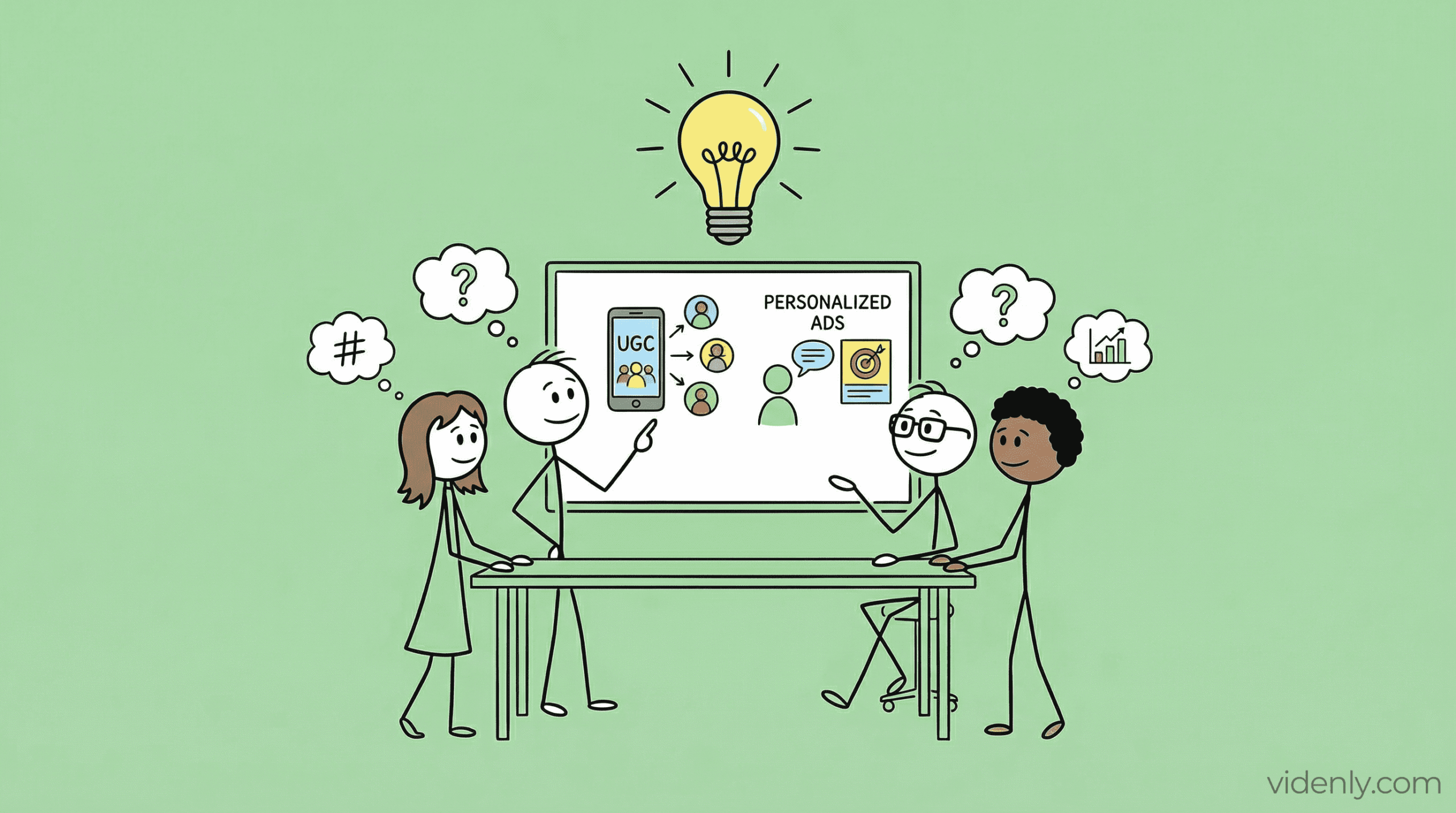
The better you understand these intricate patterns, the more tailored your UGC ads can become.
To start this personalization process, conducting thorough audience research is absolutely critical.
Various tools can help you gather insights on what resonates with your target demographic, such as surveys, social media analytics, and even email feedback.
Once you have this data, segmenting your audience into distinct groups based on shared characteristics or behaviors can further enhance your efforts.
It’s akin to preparing a customized dish for each guest at a dinner party instead of serving a one-size-fits-all meal.
From there, you can tailor your UGC ads specifically for those different segments.
For instance, a campaign aimed at younger audiences may utilize trendy graphics and lively music, while an ad aimed at older consumers might focus on comfort and elegance.
After you identify your audience segments, consider installing tools that allow for dynamic content customization.
This technology can change the visuals, messages, or even the calls to action in real time based on viewer profiles.
I find that one of the most effective methods for personalizing UGC ads lies in crafting relatable narratives.
When potential customers see real stories from fellow consumers, it humanizes the brand and makes it more inviting.
Here are several approaches to consider when creating those personalized narratives:
Having your audience see themselves within your ads often sparks greater emotional connections.
This emotional engagement, in turn, leads to a deeper loyalty toward the brand.
Another key factor is the use of targeted advertising through platforms that allow for granular targeting options.
Using social media or search engines to promote UGC based on specific demographics can ensure your ads reach the right eyeballs at the right time.
Moreover, tracking performance metrics after launching these personalized campaigns will inform you about what’s working and what isn’t.
This iterative process is important; you must stay flexible, adapting as necessary for continuous improvement.
As your campaigns evolve, engaging with your audience through social media channels can further enrich your personalization efforts.
Responding to comments, sharing user posts, and asking for content submissions cultivates a community feel and fosters brand loyalty.
It’s also worth mentioning that understanding the current trends in content consumption can guide your personalization strategy.
A good example would be, video content is becoming increasingly popular, especially among younger audiences, so that may be where your focus and resources should go.
Deciding on the right platform for showcasing your UGC ads is equally crucial.
Depending on your audience demographics, certain platforms may yield better engagement rates than others.
Pro Tip: Conduct thorough audience research to understand their preferences and segment them into distinct groups, allowing you to craft tailored user-generated content ads that resonate more effectively.
In the end, the foundation of personalizing UGC ads truly lies in making genuine connections.
By emphasizing transparency and authenticity, your brand can stand out amidst the noise of competitors.
Create stunning AI-generated videos that captivate your audience and elevate your brand.