
Published on May 19, 2026 by

User-generated content (UGC) ads leverage authentic consumer experiences to build trust with potential buyers.
By showcasing real testimonials, reviews, and user interactions, these ads enhance credibility and foster a connection between the brand and its audience.
This social proof encourages prospective customers to perceive the product as reliable, thus increasing their likelihood of making a purchase.
Furthermore, UGC ads can engage viewers by presenting relatable scenarios that resonate with their own experiences or aspirations.
As customers observe their peers enjoying a product, they are more inclined to envision themselves doing the same, reinforcing the belief in the product’s value.
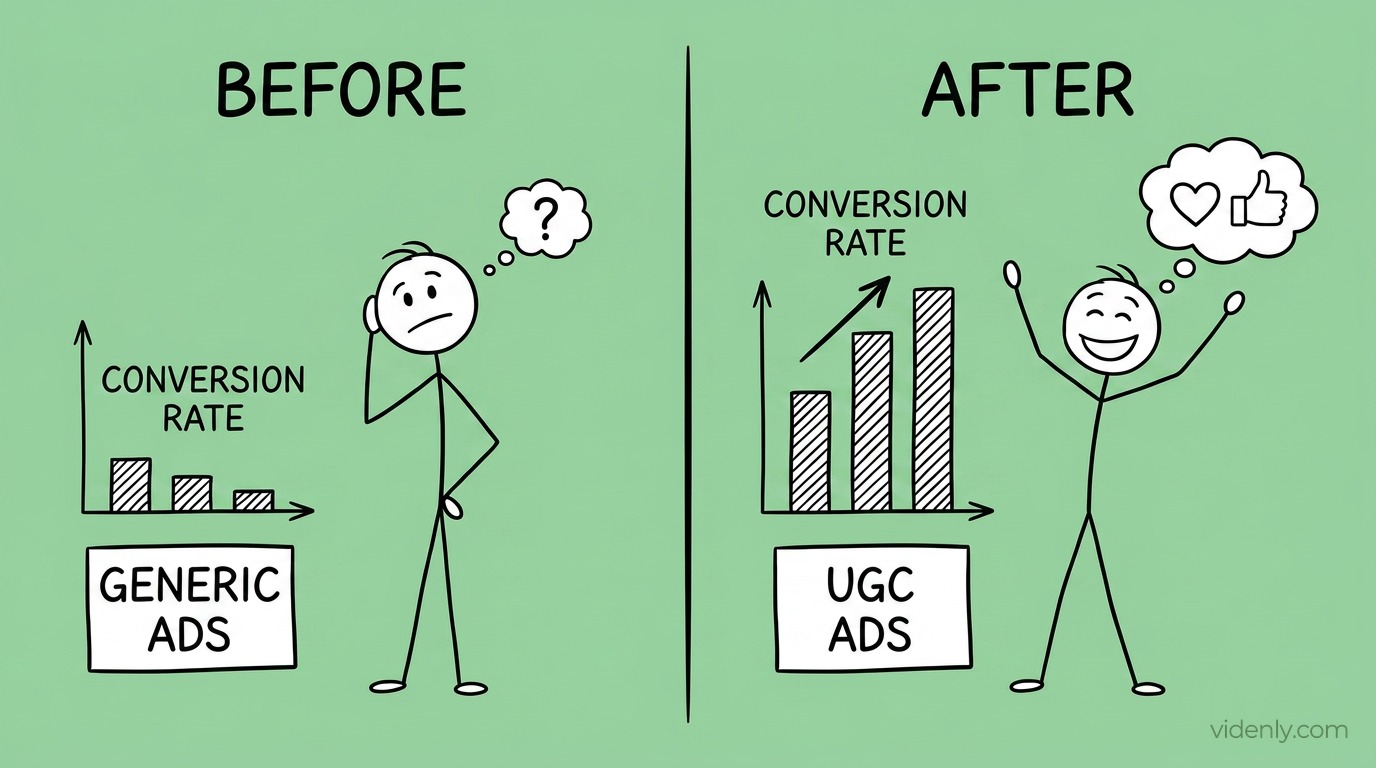
Incorporating UGC into ad campaigns effectively transforms passive viewers into active customers, resulting in higher conversion rates.
As we explore this topic further, you will discover additional insights into the mechanics of how UGC ads function in driving engagement.
There are also critical strategies to enhance the effectiveness of these ads that go beyond just user content.
Additionally, we will examine case studies that illustrate successful UGC campaigns and their tangible impacts on businesses, offering practical examples that can be valuable for anyone looking to leverage this approach.
Overall, the forthcoming sections will provide a comprehensive understanding of the role UGC ads play in marketing and how to effectively harness their power.
User-generated content ads, often referred to simply as UGC ads, spark a unique connection between brands and consumers. These ads showcase authentic content created by customers who share their experiences, thereby creating a powerful marketing tool that resonates deeply with potential buyers.
One of the key attributes of UGC ads is their genuineness. Unlike traditional advertisements that can sometimes feel staged or overly polished, UGC ads feature real customers and their unfiltered, honest experiences.
When we think about how trust can sway consumer behavior, it becomes clear that seeing someone who has genuinely enjoyed a product or service makes a significant impact. This visibility creates a form of social proof, akin to watching a friend recommend a favorite restaurant.
To understand UGC ads better, let’s dive into a few elements that make them effective:
When consumers see UGC in action, the familiar faces, and stories are often more relatable than carefully crafted marketing material.
This familiarity not only piques interest but also builds an important rapport that creates a safer decision-making environment for potential buyers.
Social media has made it easier than ever for satisfied customers to share their thoughts and experiences.
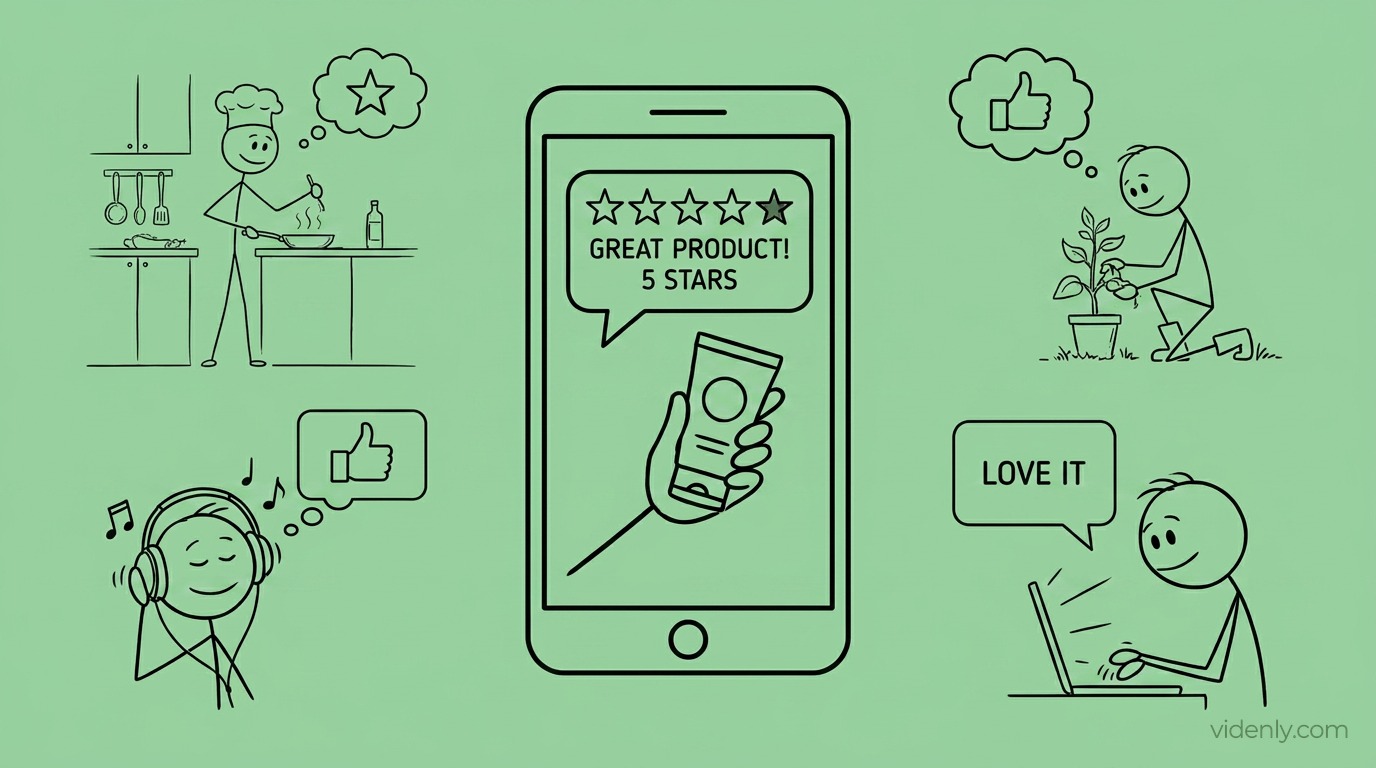
For brands, this is akin to discovering a treasure trove of marketing material, filled with genuine testimonials ready to be transformed into compelling UGC ads.
Typically, UGC ads can take various forms, including reviews, testimonials, social media posts, or even videos.
Each form serves a purpose, painting a complete, vibrant picture of consumer satisfaction that draws in prospective buyers.
One of the fascinating aspects of UGC is how it often humanizes a brand, bringing out its personality through the voice of its customers.
This personal touch can turn a faceless corporation into a friendly neighbor who understands individual needs and styles.
Consider, for example, a clothing brand that utilizes content from real customers showcasing how they style their outfits.
Such ads don’t just sell clothes; they tell stories and provide inspiration, motivating other potential buyers to imagine how the products fit into their lives.
The power of these stories amplifies a brand’s reach, enabling it to extend beyond its direct audience.
It fosters a collective narrative where individuals contribute to the brand’s image while actively participating in the promotional process.
Moreover, UGC ads act as a catalyst for discussions among consumers.
When people share their genuine experiences, they often spark conversations with friends or followers, thus expanding the reach of the content far beyond the initial audience.
Another critical advantage of UGC ads is how they can effectively reduce marketing costs while increasing the chances of conversion.
By tapping into the creativity of users and channeling that energy into ads, brands can save time and resources that would otherwise be spent developing traditional advertising materials.
As customers engage with UGC ads, they often develop a sense of loyalty and connection to the brand.
This loyalty can stem from their own participation, where they feel valued and recognized as part of a larger community of brand enthusiasts.
In many ways, UGC acts like a bridge, linking brands directly to their consumers.
It fosters a sense of belonging, encouraging potential customers to perceive the brand not merely as a product provider but as a companion in their life journey.
These ad formats are not only relevant to marketing efforts but also evolve with trends and cultural shifts.
As new social media platforms emerge, UGC ads can adapt, ensuring brands stay in sync with their audience’s desires and preferences.
Lastly, implementing UGC ads requires a careful curation process, ensuring that the stories shared align with the brand’s identity and values.
The curation process allows for a brand to not only gain insight into how it’s viewed but also harness that information to strengthen its message.
Thus, in the dynamic landscape of social media marketing, UGC ads serve as an invaluable asset.
They embody the spirit of community, authenticity, and connection that modern consumers seek in their interactions with brands.
When we talk about social proof, we are essentially referring to the idea that people will mimic the actions of others in an attempt to reflect correct behavior in a given situation. Simply put, when potential consumers see others engaging positively with a product, whether it’s through comments, video reviews, or posts, they’re more likely to trust and choose that product for themselves.
Consider the last time you were drawn to a new restaurant. Perhaps it was the number of positive reviews online or how crowded the place appeared that night. This instinctive response illustrates how social proof works in real life, influencing decisions based on what others deem worthy.
When it comes to advertising, social proof can take on many forms. From relatable customer testimonials to energetic unboxings on social media, the voice of the crowd often weighs heavily in the consumer’s decision-making process.
In a world overwhelmed with choices, social proof acts as a guiding star. It offers clarity by helping potential buyers cut through the noise and zero in on products that have the approval of their peers.
But what does it mean for brands seeking to establish trust? Simply put, utilizing social proof in advertising has become essential for fostering an authentic connection with the audience. By showing real people using and enjoying their products, brands can enhance their credibility significantly.
Imagine scrolling through your feed and stumbling across a video of someone genuinely thrilled with their new purchase. This kind of genuine content can have an enormous impact, as it creates not just interest but a sense of belonging. When people see their peers enjoying something, it speaks volumes.
Social proof often serves as a powerful motivator, acting similarly to how a warm invitation makes you want to join a gathering. The psychological tendency to conform means that humans naturally seek approval from their social circles and often base their choices on what others approve of.
Interestingly, research indicates that this phenomenon is not merely anecdotal. Studies show that products featured in user-generated content can experience a significant boost in sales and conversion rates. Essentially, when brands capitalize on the positive experiences of their customers, they tap into a rich vein of community-driven enthusiasm.
Brands using user-generated content (UGC) as a part of their advertising strategy can effectively leverage social proof. UGC allows consumers to become part of the conversation, providing their own input and experiences while simultaneously boosting the brand’s credibility.
For instance, Videnly presents itself as a platform where creators can generate AI videos that showcase real user interactions. This feature not only helps in creating engaging faceless content but also promotes this social proof element – as viewers witness others enjoying the product, their interest often piques.
The idea of seeing real, relatable individuals connect with a product enhances marketing messages. Such authentic interactions often speak louder than smooth advertisements, creating genuine engagement and interest.
More than just glancing at an advertisement, consumers today look for reassurance from their communities. They seek validation, wanting to know that others have trod a similar path before venturing into a new purchase.
Using social proof can also play a role in easing buyer anxiety, especially in situations where the cost is high or the choice is complex. By presenting evidence of satisfied customers, brands can help consumers feel more secure in their decision-making process.
Furthermore, positive reviews and testimonials act as modern-day word-of-mouth, a phenomenon that remains an essential part of how brands build consumer loyalty. In ages past, one would consult friends and family for recommendations, while now, people turn to online platforms to gauge a product’s worth.
Brands that successfully integrate social proof into their advertising strategies often enjoy the rewards of heightened consumer engagement and loyalty. When potential buyers feel as though they’re part of a larger community that values a product or service, their commitment grows stronger.
At the end of the day, in the digital age, the importance of social proof can hardly be overstated. It not only facilitates the purchasing process for consumers but also fosters a deep sense of community around a brand.
It’s almost like building a bridge between the brand and its customers, one that is not only sturdy yet flexible enough to adapt to the ever-changing landscape of consumer preferences. As social proof continues to shape the world of advertising, brands who embrace this will likely find themselves at the forefront of their industries, enjoying increased visibility and trust from their audience.
Reflecting on the evolving nature of how we consume media and make purchasing decisions makes it clear why social proof is more relevant than ever. As our digital connections deepen and expand, leveraging the positive impacts of social proof creates a path rich with potential for brands ready to engage their audiences authentically.
In the grand narrative of consumer behavior, social proof shines as a beacon guiding users toward their best choices. It is this trust, often formed through shared experiences, that brands need to harness in their advertising efforts.

When venturing into the realm of User Generated Content (UGC), it’s important to acknowledge the various types that can significantly impact conversion rates. The way customers interact with a brand, especially through content they create, can serve as powerful social proof.
One of the most vibrant forms of UGC comes in the shape of customer reviews. These reviews serve as beacons of reliability, where potential customers can find insights directly from the experiences of others.
Given that many people seek validation before making a purchase, it seems natural that they would turn to reviews for reassurance. The authenticity found in customer testimonials can alleviate potential buyer hesitation and foster a deeper trust in the brand.
Another compelling type of UGC is the visual content crafted by users, especially images and videos showcasing products. When individuals post real-life usage of a product, it acts like a window, offering a glimpse into a shared experience that written text simply cannot convey.
The emotional connection generated through visuals can resonate with potential customers, drawing them closer towards a purchase. It’s almost like being part of a community, a feeling that ignites the desire to belong.
Live video content also holds a significant place within the UGC ecosystem, where users broadcast their product experiences in real-time. This immediacy not only confirms authenticity but allows viewers to witness the product in action, stirring curiosity and interest.
Adding variety, I would say another impactful type of UGC includes Instagram Stories and Reels. These short, engaging snippets pull viewers in with their creativity, and they can also act as updates on your products in a fun, dynamic way.
Alongside this, let’s not overlook the power of blogs and articles written by enthusiastic customers. Thoughtful long-form content can dive deeper into product benefits or specific use cases that resonate with potential customers.
I find it fascinating that as consumers, we often value well-researched insights, as they can address our concerns while lending credibility to the brand’s messaging. When potential customers come across a blog post filled with personal anecdotes about challenges and benefits, they might feel more informed and secure in their purchasing decision.
As UGC continues to evolve, brands can harness several forms to maximize their potential. Here are some notable examples of UGC types that can bolster conversion rates:
The engagement induced by social media posts created by users can indeed spark potential buyers’ interest in a way they hadn’t anticipated.
User stories on platforms such as Facebook or Twitter extend far beyond simple endorsements as they create a dialogue around the product.
Moreover, user testimonials can wield immense power when presented in a compelling format, such as a video montage.

These speak volumes, embodying the authenticity that today’s consumers crave in a saturated market.
It’s essential to consider how UGC can humanize a brand, allowing it to connect organically with its audience.
When consumers feel as though they are engaging with real people rather than faceless corporations, they are more likely to trust and ultimately support the brand.
Even considering the impact of influencers within UGC, it’s hard not to see their role as bridging the gap between brands and consumers.
They often cultivate a genuine recommendation that carries weight, amplifying the brand’s visibility and increasing feelings of trust among potential customers.
Time and time again, I have noticed that blending UGC with paid advertisements creates a unique synergy.
It doesn’t just showcase a product; it tells a story, inviting potential buyers to step into a narrative that resonates with their aspirations.
At the end of the day, every piece of content produced by users serves as a digital thumbprint, showcasing their individual experiences with a brand.
This diverse collection of voices and visuals beautifully amplifies the message that the product can solve a problem or enhance their lives.
When it comes to digital marketing, harnessing the power of User Generated Content (UGC) stands out as a compelling strategy to bolster conversion rates while cultivating an authentic connection with the target audience. When brands opt to feature real customer feedback and experiences, they cultivate a sense of community that resonates deeply with potential buyers.
To create a successful UGC campaign, brands must first identify their audience and understand what type of content resonates with them. It’s crucial to tap into the voices of actual users who can share their genuine experiences and opinions about the product, creating a natural sense of relatability that professional marketing often struggles to achieve.
Asking your customers to share their stories not only empowers them but also provides the brand with a treasure trove of authentic narratives. Building on this idea, consider encouraging customers to submit photos or videos showcasing how they use the product in their everyday lives, thus fostering a more organic engagement.
Utilizing social media platforms as a stage for these UGC campaigns is a brilliant strategy, as these platforms are essentially the free advertising spaces teeming with potential customers. Engaging with your audience through Instagram stories, TikTok challenges, or Facebook posts can create a vibrant hub for content that individuals love to share.
Another key element lies in incentivizing participation through contests or giveaways, which not only encourages content creation but also boosts user interaction. Imagine enticing a customer with the chance to win a prize simply for posting a photo with your product; this not only elevates brand awareness but also fosters a community spirit among participants.
One of the most effective methods of curating UGC is by establishing a branded hashtag that potential customers can use when posting their content. This simple yet powerful tactic allows a brand to easily track, compile, and showcase user content, turning individual posts into a collective narrative around the brand.
However, it’s essential to remember the importance of authenticity in UGC campaigns. When brands attempt to manipulate the narrative or showcase only the “perfect” user experiences, they risk alienating their audience and appearing disingenuous. Consumers today have a keen sense of discernment; they crave real stories from real users that reflect the genuine highs and lows of a product journey.
To inspire creativity and encourage participation, consider framing your UGC campaign around a relatable theme or challenge. For instance, you could ask users to share their stories related to a specific issue your product solves, drawing them into a conversation that resonates with their personal experiences.
In addition to gathering UGC, brands must also exhibit the content in meaningful ways across their own marketing channels. Whether featured on websites, social media, or email marketing, showcasing UGC prominently creates a narrative that potential buyers can relate to, further enhancing their confidence in the purchasing decision.
Moreover, integrating UGC into paid advertising strategies amplifies its effectiveness. There’s a unique authenticity that shines through when real-life customers endorse a product through their content, making it a compelling choice for brands looking to enhance their reach while maintaining a relatable brand image.
Additionally, it’s prudent to engage directly with customers who share their stories. A simple like, comment, or share from the brand on a user’s post not only strengthens the relationship but also encourages others to participate, envisioning themselves as part of an inclusive and supportive community.
Tracking the success of UGC campaigns requires careful attention to analytics and feedback. By measuring engagement metrics, such as likes, shares, and comments, brands can glean insights into what type of content resonates with their audience and refine their strategies accordingly.
Furthermore, don’t overlook the power of collaboration with influencers or micro-influencers, who can effectively increase the visibility of your UGC campaign. Their endorsement not only lends credibility but can also attract a wider audience who values their opinion on your product or service.
When launching a UGC campaign, incorporating a timeline can help maintain momentum. Establishing clear milestones and deadlines encourages participants to engage actively, avoiding a scenario where the campaign dwindles into obscurity due to a lack of direction and urgency.
In the end, building effective UGC campaign strategies means reimagining how the audience interacts with the brand, not simply as consumers but as integral players in the story. Every piece of content shared becomes a thread woven into the larger fabric of the brand’s identity, creating a community that consumers want to be part of, much like being invited into a home where genuine conversations and connections take place.
Consider the long-term potential of cultivating this type of community; it can outweigh any short-term gains and establish your brand as a household name in the hearts and minds of customers. The inherent power of UGC lies not only in its authenticity but also in the robust relationships formed between the brand and its customers, fostering loyalty that transcends standard marketing efforts.
Pro Tip: Engage with your audience through user-generated content by incentivizing participation with contests and showcasing authentic stories that resonate with potential buyers.

Harnessing the power of customer testimonials and reviews can significantly enhance the effectiveness of UGC ads. These authentic expressions from real users can create a profound emotional connection, establishing a sense of trust that is often hard to achieve through traditional advertising methods.
When customers share their stories and experiences, it feels like they are letting others in on a special secret. This kind of genuine endorsement resonates more deeply than a corporate advertisement, as it reflects real-life satisfaction and can sway potential buyers.
Consider a customer who raves about how a particular product changed their routine for the better. Their testimonial can act like a lighthouse, guiding hesitant consumers through the fog of doubt toward a more informed purchasing decision.
Moreover, showcasing testimonials in UGC ads can take on various creative forms, from powerful video testimonials to simple quote graphics. Each format serves a different purpose, yet they all share the fundamental goal of building credibility.
When you display these honest opinions, you’re not just offering a product; you’re also providing prospective customers with social proof. I would say that, as individuals, we all seek validation from others regarding our choices, whether big or small.
In fact, there are several strategies for effectively utilizing testimonials in your UGC ads. Here are a few noteworthy options to consider:
With these strategies, your UGC ads can emerge as relatable stories rather than mere sales pitches.
I mean, who wouldn’t feel inclined to trust a product that their peers wholeheartedly endorse?
Collecting and displaying reviews can ignite a powerful ripple effect within your audience.
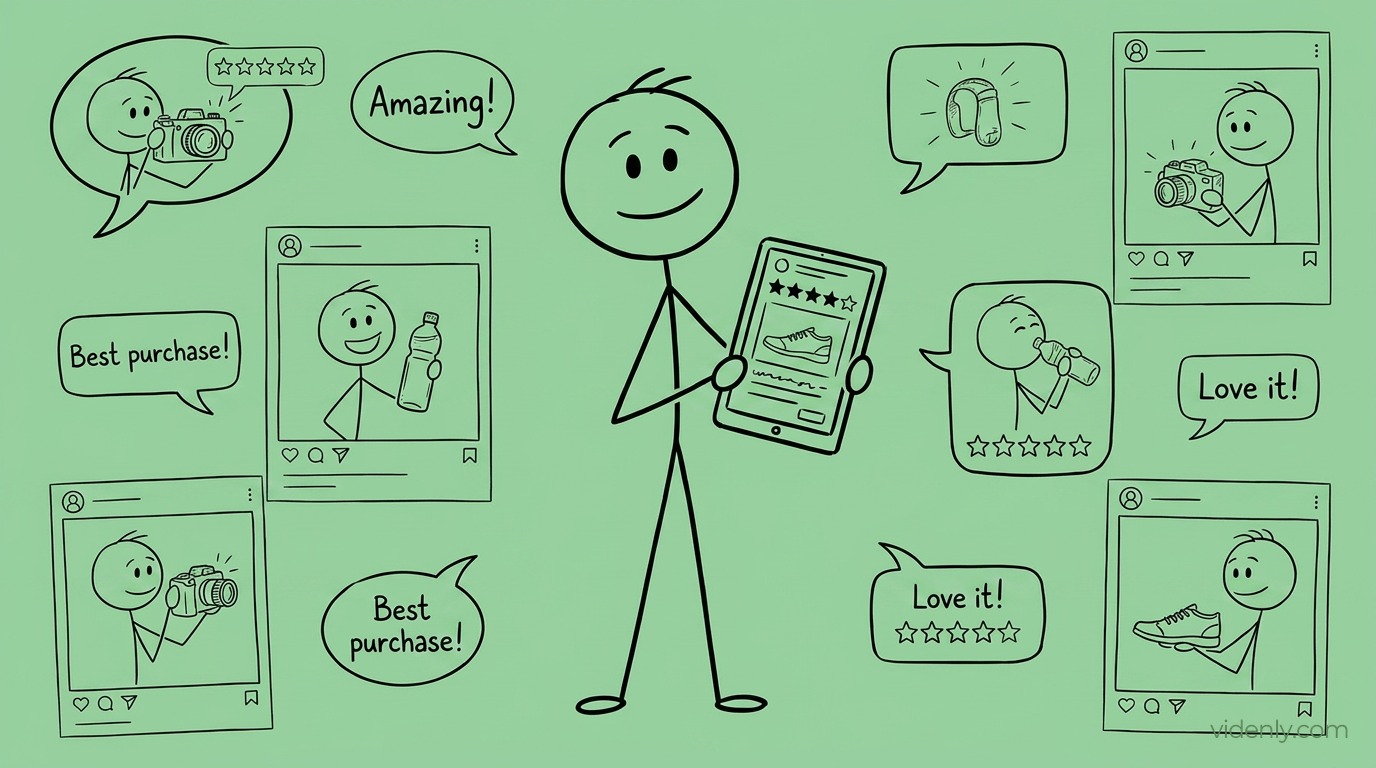
When one person feels inspired by the success shared by another, they are more likely to envision their own success with your product.
It’s almost like watching a well-coordinated dance performance.
Each testimonial plays its part in creating a captivating experience that urges the audience to join in and take action.
Additionally, the authenticity of these testimonials often lies in their imperfections.
A review that highlights a slight issue followed by how swiftly it was resolved can be even more compelling; it paints a picture of reliability and demonstrates commitment to customer satisfaction.
Moreover, encouraging customers to leave reviews should be a fundamental part of your marketing strategy.
Engaging with customers to share their experiences can not only generate a wealth of content for UGC ads but also foster long-lasting relationships.
Though many brands may rely solely on positive feedback, embracing a mix of both positive and constructive reviews can enhance credibility.
Including genuine, less-than-perfect experiences can make your brand seem more relatable and trustworthy.
As potential customers browse through UGC ads that feature these testimonials, they often find themselves picturing their own journey.
I believe that this visualization cements a powerful connection between the consumer’s needs and the services or products offered.
In this landscape of infinite choices, capturing the attention of potential customers becomes paramount.
Leveraging customer testimonials is not just a way to inform; it’s about engaging and inspiring them to take that final step and convert.
By highlighting genuine user experiences and narrating their transformations, brands can tap into an emotional well, which ultimately drives conversion rates higher.
Authenticity, coupled with effective storytelling, can make the difference in how customers perceive and interact with your brand.
As UGC ads continue to evolve, the storytelling nature of customer testimonials will remain a powerful tool.
In the end, their ability to foster trust and motivate consumers cannot be understated, and every business should consider this when crafting their marketing strategies.
If there’s one thing that connects consumers today, it’s the power of authentic engagement. As we navigate through a sea of digital content, user-generated content (UGC) emerges as a beacon, compelling brands to look inward and truly listen to their audiences.
When thinking about user participation, the focal point is understanding what genuinely inspires them. Sharing personal stories, real-life experiences, and the emotional journey that accompanies a product can transform a simple advertisement into a vibrant community conversation.
For brands, embracing this notion means creating an inviting space where customers feel valued and understood. Encouraging them to share their experiences allows the brand to not only gather valuable insights but also to foster a loyal community of advocates.
One effective way to spark this engagement is through social media challenges or campaigns that invite users to showcase their creativity. By allowing users to participate actively in the brand’s narrative, companies can cultivate a genuine sense of ownership and connection.
For instance, using a catchy hashtag can unite various posts under one umbrella. This approach not only amplifies visibility but also strengthens the community, as users see their contributions celebrated and highlighted.
Additionally, offering incentives or recognition for user contributions can be a powerful motivator. Think of it as a win-win: customers get their moment in the limelight, while brands gain invaluable content that resonates with potential buyers.
Another idea would be to collaborate directly with your customers, perhaps by featuring their testimonials in your ads. When consumers see real people just like themselves having genuine experiences with a product, it fosters a natural sense of trust, making them more likely to engage further.
User engagement doesn’t happen in a vacuum; it requires consistent interaction from the brand itself. By responding to comments, displaying appreciation for user contributions, and maintaining an open line for feedback, brands can create a thriving ecosystem where participation feels both natural and rewarding.
An aspect often overlooked is the importance of establishing clear guidelines for user submissions. Providing users with simple, straightforward instructions equips them to create and share content that fits your brand’s vision while allowing for personal flair. Just as an artist needs a canvas, users need a framework to express themselves effectively.
Moreover, hosting contests or giveaways can amplify user participation remarkably. When users have a chance to win something of value, such as exclusive products or services, it ignites a spark of motivation, encouraging greater participation than usual.
Beyond incentives, it’s critical to foster a sense of community, akin to a digital campfire where stories are shared and valued. Creating dedicated online spaces for users to connect with the brand as well as with each other can cultivate friendships and foster a sense of belonging.
As users begin to share their own insights, they often start drawing in their circle of friends and followers. The circle of participation naturally expands as the brand’s reach grows exponentially through user advocacy. Each shared story builds upon the last, creating a tapestry of experiences that reflects the product’s authenticity.
At the end of the day, embracing diversity in user-generated content can also be a powerful tool. Highlighting various voices different demographics, backgrounds, and experiences ensures that the content resonates with a broader audience. This inclusive approach not only enriches the brand’s image but allows a multitude of users to see themselves reflected in the brand’s identity.
In some cases, organizing virtual events or live Q&A sessions where users can share their stories directly can build stronger engagement. These events create an interactive platform where users can connect on a personal level with the brand, while sharing their insights and experiences in real-time.
Furthermore, analyzing the data generated from user participation can provide actionable insights for brands. By identifying the themes and sentiments associated with user content, brands can refine their marketing strategies to better meet the needs and desires of their audience.
While brands may often feel like they’re steering the ship, allowing users to take part in the journey changes the dynamic significantly. Users who feel they have a voice and their contributions recognized are more likely to become loyal customers who champion the brand fervently.
UGC ads can serve as a bridge between brands and consumers by placing the power of storytelling in the hands of the users themselves. It’s about creating an environment of mutual respect and dialogue, where participation feels authentic and rewarding.
By prioritizing user participation, brands set the stage for a collaborative relationship that not only boosts conversion rates but also builds long-term loyalty. In this world of digital marketing, fostering genuine connections with users is paramount for brands looking to thrive.
Important: By prioritizing user participation, brands set the stage for a collaborative relationship that not only boosts conversion rates but also builds long-term loyalty.

When diving into the world of User Generated Content (UGC) advertisements, it’s essential to understand how they impact conversion rates effectively. Measuring the effectiveness of these ads involves more than just tracking clicks or impressions; it’s really about uncovering the story behind the numbers.
Analytics play a crucial role in this process. I would say, the right metrics can illuminate the path toward understanding how UGC influences potential customers along their buying journey.
Start by looking at engagement metrics, which include likes, shares, and comments. These elements can provide insights into how well your UGC resonates with your audience.
Deep engagement often signifies that a brand’s message, as reflected in UGC, is striking a chord. One could think of it as a musical note; the more harmony you create with your audience, the richer the melody of your marketing becomes.
Next, consider measuring the conversion rate itself. This is a direct indicator and tells you what percentage of viewers are making purchases after seeing your ads featuring user-generated content.
To get a comprehensive view of how UGC ads contribute to these conversions, employ tracking tools that can illustrate customer journeys. Understanding how many viewers clicked through to your site versus how many completed transactions will tell you a lot about your UGC’s effectiveness.
Another essential factor is attribution models, which help to decide whether a sale or conversion was influenced by your UGC ads. Utilizing models such as first-click, last-click, or linear attribution can provide different insights into user behavior.
Here are some specific ways to measure the impact of UGC ads:
Collectively, these metrics provide an extensive view of performance.
It’s important to pay attention to changes and adapt your strategies accordingly.
Furthermore, you might want to track lifetime customer value (LCV) when users interact with UGC.
This measure can indicate long-term engagement and the worth of each customer influenced by your ads.
Combining analytics from your UGC ads with traditional marketing data can even offer further insights.
This blend can showcase whether UGC-driven consumers have different buying patterns compared to traditional audience segments.
I mean, knowing that a piece of user-generated content can create a trust bridge between a brand and its audience is profound.
It means that by fostering connections, brands aren’t just seen as entities selling products but as community allies.
We should also not overlook sentiment analysis as a powerful tool.
When analyzing responses to UGC, understanding emotions attached can help brands tailor future campaigns around what truly resonates with their audience.
Moreover, setting up a feedback loop is crucial.
Utilizing surveys or follow-up emails can allow you to break down how a UGC ad directly impacted the consumer’s thoughts and purchasing behavior.
In the end, measuring the impact of UGC ads is like piecing together a puzzle from various sources of data.
The clearer the picture you assemble, the better equipped you become to create future campaigns.
Pro Tip: To effectively measure the impact of UGC ads, focus on a combination of engagement metrics, conversion rates, and customer feedback to gain comprehensive insights into user behavior.
Investing time into understanding these metrics will pay off.
The insights gained can steer your strategies in a direction that cultivates stronger, trustworthy connections with your audience, driving them from mere browsers to enthusiastic buyers.
Many brands have successfully turned to User Generated Content, or UGC, to drive their conversion rates through the roof. By showcasing real people using their products, these companies naturally tap into the deep reservoir of social proof.
One standout example comes from Glossier, the beauty brand that has turned customer feedback into a form of marketing magic. Their unique approach involves integrating customer reviews and authentic imagery on their social media platforms and website, which humanizes their products.
Glossier encourages customers to share their experiences using their products through social media campaigns and dedicated hashtags. This strategy not only builds a sense of community but also crafts an engaging face-around their brand that appeals directly to potential buyers.
Take, for instance, the case of Airbnb, which effectively harnessed UGC through their “Live There” campaign. By featuring travelers’ genuine photos and stories, they allowed potential customers to visualize not only a stay but a complete experience.
When you browse through their platform, you can almost feel the connection reflected in each guest’s shared moment. That level of authenticity undoubtedly resonates more than any polished promotional video ever could.
In another compelling example, Coca-Cola kicked off the “Share a Coke” campaign that invited customers to find their names on bottles. The result was a surge of shared photos on social media that breathed life into their product and made it profoundly personal.
Coca-Cola’s success lay in its ability to leverage UGC by turning an ordinary product into something that sparked conversation and connection among friends and family. Customers felt compelled to share their unique experiences, leading to a wave of engagement that was both organic and effective.
Even small businesses have jumped on this trend and reaped considerable benefits. A good example would be, Man Crates, a company specializing in gifts for men, successfully encouraged customers to post unboxing videos showcasing their products.
The aspect of surprise and delight in these videos resonates strongly, as each unboxing reveals genuine excitement and joy from the recipient. This connection naturally encourages others to consider gifting these unique crates, increasing conversion rates.
Now, look at how fashion brands have utilized UGC in their marketing strategies. For instance, ASOS launched a campaign designed to showcase real customers wearing their latest styles.
This approach not only significantly increased engagement on social media but also generated an enormous amount of authentic content that reflected real-world trends. When potential customers see relatable individuals styled in the same clothes they’re considering, it creates a unique sense of trust.
In sectors like fitness and wellness, brands such as Gymshark have harnessed the power of UGC by actively encouraging its community to share their fitness journeys. This creates a fantastic platform where customers motivate each other, showcasing Gymshark apparel while doing so.
Each transformation story shared by users essentially acts as a beacon, drawing others to the belief that they can achieve similar results. That personal touch comes off significantly more genuine than typical advertising, which creates stronger bonds between the brand and its audience.
Even the hospitality industry is not immune to the positive impacts of UGC. Marriott Hotels turned to its well-traveled guests, prompting them to share what they loved about their experiences through social media.
The result was a treasure trove of rich content that greatly enhanced Marriott’s image as a trusted hospitality provider. Rather than traditional marketing fluff, guests shared their firsthand stories, contributing to an honest narrative that other potential travelers could relate to.
Such examples underscore a important point for brands about the value inherent in UGC. The trust generated through authentic testimonials can lead to significant boosts in sales and customer loyalty.
Companies like Petco have also embraced UGC, putting the spotlight on adorable customer pets enjoying their products. This emotionally engaging strategy resonates deeply with pet owners, inviting them to connect and share their love and experiences.
The visual evidence of happy pets serves as powerful proof of the brand’s value, encouraging pet owners to consider making purchases that contribute to that joy. This dynamic creates a community where customers feel valued and visibly engaged.
In the end, the takeaways from these case studies illuminate a universal truth: in today’s marketing landscape, authenticity and transparency resonate deeply with consumers. By leveraging UGC, brands reinforce the bond of trust and community.
Thus, through the lens of success stories, it’s clear that the integration of User Generated Content can lead to enhanced conversion rates, driven by the magnetic pull of social proof.

User-generated content ads are a powerful tool in modern marketing, leveraging the authentic voices of customers to create trust and credibility in brand messaging.
By using social proof, brands can effectively engage their audience, influencing purchasing decisions through relatable and genuine content.
Different types of UGC, from reviews to social media posts, can greatly enhance conversions when strategically utilized.
Establishing a clear UGC campaign strategy is crucial; it should align with brand values and target audience preferences for the best results.
Incorporating customer testimonials and reviews not only showcases satisfied users but also reinforces the quality and reliability of your products or services.
Encouraging user participation invites customers to share their experiences, fostering a community around your brand that can lead to increased loyalty and engagement.
Monitoring the impact of UGC ads is essential to understand their effectiveness, allowing brands to tweak strategies for optimal performance.
With real-world case studies illustrating the success of UGC, it’s clear that brands embracing this approach can make significant strides in their conversion rates.
Create stunning AI-generated videos that captivate your audience and elevate your brand.