
Published on April 26, 2026 by

User-generated content (UGC) ads create an authentic representation of your brand, showcasing real customers engaging with your products or services.
This genuine portrayal fosters trust, as potential customers are more likely to relate to the experiences shared by their peers rather than polished marketing messages.
By leveraging UGC, brands can encourage community participation, inviting their audience to contribute their insights and personal stories.
Such interactions not only enhance brand loyalty but also cultivate a sense of belonging among customers.
Moreover, UGC ads can significantly increase engagement rates, as users feel motivated to support and share authentic experiences.
At the end of the day, this form of advertising not only enhances the brand’s image but also builds long-term relationships with the audience.
There is much more to explore regarding the impact of UGC ads on audience engagement and brand loyalty.
In the following sections, I’ll discuss the various strategies brands can implement to effectively harness user-generated content.
Additionally, we will look at case studies that demonstrate how successful companies have utilized UGC to enhance their marketing efforts and connect with their audience on a deeper level.
User-generated content advertising, often abbreviated as UGC advertising, represents a remarkable shift in how brands communicate with their audiences. It involves leveraging content created by actual users, such as customers or fans, to promote products or services.
This form of advertising creates a sense of authenticity by showcasing real experiences. Rather than relying solely on polished promotional material, brands incorporate the genuine voices of their audience into their marketing strategies.
Imagine scrolling through social media and encountering a post from someone just like you, sharing their experience with a product. It resonates more deeply than a traditional ad because it feels more relatable and trustworthy.
The trust factor in UGC advertising is one of its most compelling features. According to several studies, consumers are significantly more likely to trust content created by their peers over direct advertising from brands.
In essence, UGC acts as a bridge between the brand and its community. It transforms customers into advocates, allowing them to express their loyalty and gratitude in a way that feels organic and impactful.
When brands incorporate user-generated content, they tap into a wellspring of creative potential. This strategy not only enhances engagement but also helps in building a vibrant community around the brand.
There are several key aspects that define user-generated content advertising:
Each of these elements contributes to a strategy that feels more engaged and less transactional.
Brands can connect with consumers in meaningful ways and drive the conversation around their products.
One might wonder how UGC advertising comes to life in practice.

It often emerges from social media campaigns that invite customers to share their experiences with specific hashtags.
Brands can then showcase this content on their own channels, creating a cycle of sharing and engagement.
This integration of real-life experiences into brand narratives is like weaving a tapestry; each thread adds depth and color.
Moreover, incorporating user-generated content enables brands to build a library of diverse stories.
This library becomes a resource for future marketing efforts, highlighting different demographics and use cases.
Furthermore, leveraging UGC through email marketing or advertisements can enhance connection.
Seeing familiar faces and experiences can prompt new customers to relate to others who have taken that step before.
Additionally, when brands recognize and reward their customers for creating content, it enhances loyalty.
Consumers appreciate when their contributions are valued, creating a reciprocal relationship between the brand and its community.
With platforms like Instagram and TikTok evolving, the way brands source and display user-generated content becomes more dynamic.
These platforms provide endless opportunities for creativity and authenticity to shine.
In many ways, the rise of UGC advertising marks a fundamental change in marketing dynamics.
Rather than a one-way communication channel, brands now participate in two-way conversations, making consumers feel heard and valued.
As part of a broader content strategy, UGC advertising not only boosts engagement but can also improve brand loyalty over time.
When brands consistently feature user-created content, they signal to their audience that they are part of a community.
This continuous engagement through UGC effectively transforms consumers into collaborators.
They feel empowered to share their stories, thus amplifying the brand’s message without the need for heavy-handed marketing tactics.
In the end, the success of user-generated content advertising lies in its ability to foster connections.
It grants consumers a voice and a platform, enhancing their relationship with brands in a way that previous marketing strategies couldn’t achieve.
User-generated content (UGC) ads have become instrumental in the landscape of modern marketing. Their ability to bridge the gap between brands and consumers is something I find fascinating.
For many brands, leveraging authentic content created by real users elevates their credibility. This organic representation helps in forging deeper connections rather than relying solely on polished advertisements.
When a customer shares their experience with a product, it feels like a friend recommending a good book. This trust element is significantly stronger than a typical marketing message.
I believe UGC ads can showcase the genuine emotions and experiences connected to a brand. They allow potential customers to visualize themselves using the product or service.
Moreover, these ads often spark relatability among audiences, making them feel included in a community rather than being sold to. A customer’s real-life experience can resonate with others who share similar interests or struggles.
Brands that use UGC can significantly enhance their social proof. The simple act of showcasing a satisfied customer can encourage others to make a purchase.
It creates a ripple effect, drawing in potential customers who might have felt uncertain without seeing real-life testimonials. This form of advertising acts less like a billboard and more like a conversation.
Taking it a step further, UGC ads usually tend to be cost-effective. I would say they allow brands to engage with consumers without the hefty price tag commonly associated with traditional advertising channels.
As creators share their unpolished content freely, brands can tap into rich resources without extensive production budgets. Imagine a small business harnessing the creativity of its customers for effective marketing.
Additionally, UGC can enrich a brand’s narrative. Personal stories behind user-created content often bring out the emotional aspects of a brand that resonate deeply with potential customers.
A good example would be, a heartwarming story about a product that brought joy during tough times naturally engages the audience’s emotions. This storytelling approach feels natural and personal, as if one is sharing a story over coffee with a long-time friend.
Another important benefit of UGC is its capacity to amplify engagement rates. Social media platforms favor content that generates discussion and interaction.
By incorporating UGC into their advertising strategy, brands often notice an increase in likes, shares, and comments. This not only boosts visibility but also encourages more users to see the brand as relevant.
Moreover, search engines favor authentic content. When brands utilize UGC, it often leads to better search engine rankings, helping them appear more frequently in relevant searches.
This can significantly bolster overall brand discoverability. When we consider the vast amount of content produced constantly, brands that embrace UGC will stand out.
Interestingly, UGC can also foster innovation within a brand. Brands often find inspiration from the content their customers generate.
By observing how consumers use products in their lives, companies can gain insight into new features or modifications. In the end, customers can become a brand’s best source of feedback.
Furthermore, UGC can transform a brand’s relationship with its audience significantly. When customers see that their opinions are valued and acknowledged by the brand, it deepens their connection.
This, in turn, fosters a sense of community among users who contribute their stories and experiences. They start to feel like a part of the brand itself.
Brands that embrace UGC are not impervious to challenges, however. Navigating the fine line between authentic representation and brand messaging can be tricky.
Yet, when executed thoughtfully, it can propel brands to new heights. Forging these genuine connections through UGC is like planting seeds in a garden, where authentic stories and experiences blossom into lasting relationships.
In a dynamic advertising landscape, I see UGC ads as a crucial piece of the puzzle. They empower brands to communicate in a way that feels both personal and genuine.
As brands continue to navigate this evolving environment, embracing UGC can serve as a compass. It points toward building trust and community, which will ultimately forge deeper connections with their audience.
The core lesson from UGC ads is that authenticity is not merely an option but a necessity in today’s marketing world. Relying on real experiences, rather than manufactured narratives, sets the foundation for strong brand loyalty.
Through UGC, brands are invited into their customers’ lives, which is where true connections are formed. As this trend continues to grow, I find it exciting to see how brands will adapt and thrive.

When you want to build trust with your audience, authenticity stands as a cornerstone. In the context of social media, users crave genuine interactions over polished marketing tactics that often feel distant and impersonal.
As people scroll through their feeds, they recognize the difference between staged and authentic content almost instantly. This recognition plays a significant role in who they choose to trust and engage with.
User-generated content (UGC) has a unique ability to resonate deeply because it showcases real experiences from real people. By highlighting organic stories and honest reviews, brands foster a sense of community that feels more relatable to potential customers.
You might wonder why authenticity matters in marketing strategies. In the end, authentic content generates trust, which encourages consumers to make informed decisions based on shared values and experiences.
In the crowded marketplace of ideas and products, authenticity can feel like a breath of fresh air; it cuts through the noise and captures attention. When audiences see relatable faces, hear genuine voices, and read real experiences, they often let down their defensive walls and start forming connections.
To effectively leverage UGC in a way that builds trust, brands can take several approaches to enhance authenticity.
Each of these practices allows for a more genuine connection.
They create an inviting atmosphere where consumers feel valued and understood.
Consider the idea of storytelling within UGC; the importance it holds is much like gathering around a fire to share tales.

When individuals share their unique narratives, they not only tell their stories but also create an emotional bond that stabilizes trust.
Moreover, people tend to trust recommendations from their peers far more than traditional advertisements.
This concept of social proof plays a crucial role in solidifying trust between brands and their audiences.
The fact that potential customers often rely on peer suggestions means brands can capitalize on UGC to provide tangible proof of their products’ effectiveness.
This trust built from shared experiences can lead to increased loyalty and, ultimately, higher conversion rates.
As brands continue to embrace UGC, they should also remain vigilant about the authenticity of the content they showcase.
It’s essential to represent your audience with precision and respect while ensuring that the voices of real customers shine through.
Furthermore, transparency in how UGC is sourced and displayed can remove any lingering doubts about authenticity.
When customers see that their contributions are valued and treated with care, their connection with the brand deepens.
This process is not simply a marketing strategy; it becomes a relationship built on trust.
As audiences start to perceive a brand as genuine, they often transform into devoted advocates, willingly sharing their experiences with others.
Establishing trust through authentic connections is about embracing vulnerability.
It involves recognizing that not every interaction will be perfect, but rather, the realness of these moments contributes significantly to a brand’s identity.
Consequently, the embrace of UGC encourages a collaborative environment where brands and their audiences can grow together.
It cultivates a sense of belonging, encouraging individuals to return not just for what they need, but for the community they find in that brand.
Pro Tip: Authenticity in marketing generates trust, encouraging consumers to make informed decisions based on shared values and experiences.
In the journey toward building trust, brands need to be mindful of every touchpoint.
They must remain committed to transparency, authenticity, and respect for user contributions to foster lasting relationships.
Building a strong community around your brand is not just about broadcasting messages; it’s about creating a two-way street. When brands genuinely engage their audience, they don’t just sell products; they invite individuals into a shared narrative.
By encouraging user-generated content, brands provide a welcoming platform for their audience to express their thoughts and experiences. This exchange can transform casual customers into loyal advocates who feel personally connected to the brand itself.
Imagine a vibrant marketplace, buzzing with energy, where every individual’s voice resonates. In such an environment, customers are not only consumers but also creators who share their passions and stories related to the brand.
Brands can facilitate this engagement by launching campaigns that invite users to share their experiences. Contests based on specific themes, like creativity or passion for the product, can inspire participants to contribute visual stories that often reflect their unique personalities.
When brands share these submissions, they are not just promoting products but also validating the voices of their customers. This kind of recognition can ignite a sense of belonging within the community, encouraging others to join in the conversation.
Engagement works best when it feels authentic and spontaneous, much like a fire that ignites when the right elements come together. User-generated content can serve as that spark, breathing life into brand communications and making them more relatable.
For instance, a popular clothing brand may ask customers to showcase their outfit styles through social media posts. By resharing these images, they celebrate individual creativity while also showcasing the versatility of their products.
This act not only promotes the brand’s aesthetic but also helps customers feel valued and recognized. In the end, it creates a visual tapestry of stories that reflects the diversity of their customer base.
Moreover, active participation often leads to deeper connections among community members. When users engage with one another’s content, they form relationships, creating a ripple effect that nurtures a supportive and inclusive atmosphere.
To enhance this sense of community, brands can utilize interactive features such as polls, challenges, and Q&A sessions. These elements can spark dialogue and encourage users to share their thoughts and experiences.
In addition, the incorporation of hashtags can unify these experiences under a singular banner, reinforcing the community aspect. By promoting a unique hashtag, brands can track participation while also encouraging users to explore each other’s content.
This collective footprint can foster a sense of pride and ownership within the community. Participants are more likely to engage if they see their content contributing to something larger, transforming feelings of individuality into a shared experience.
In any vibrant community, consistency plays a crucial role. Regularly interacting with user-generated content strengthens the connection, as it shows that the brand is genuinely interested in what its audience has to say.
Consider a strategy of highlighting a ‘Fan of the Month’ or hosting weekly shout-outs on social media platforms. This type of recognition encourages ongoing participation and shows that the brand values its contributors.
Additionally, offering incentives can further motivate community involvement, as they provide tangible rewards for active engagement. Whether it’s offering discounts, giveaways, or exclusive access, brands can encourage a thriving ecosystem where users are excited to participate.
When people feel that their contributions matter, it creates a snowball effect, where more individuals are drawn in by the enthusiasm of their peers. This environment can transform casual observers into passionate participants, eager to contribute their experiences.
Moreover, allowing users to provide feedback and share their suggestions can make them feel like valued stakeholders in the brand’s journey. Brands that listen actively set the stage for a deeper connection by demonstrating that they care about their audience’s perspectives.
Utilizing live events, such as webinars or community meetups, can also deepen these connections. These experiences give users the opportunity to engage in real-time discussions, allowing for richer exchanges that transcend the limits of social media.
During these interactions, brands can share behind-the-scenes looks at their operations or development processes, fostering transparency and trust. Creating this kind of openness serves to break down barriers, making the brand feel more relatable and human.
At the end of the day, when a brand successfully fosters community engagement, it cultivates a space where individuals can connect over shared values and experiences. This dynamic creates an environment that feels alive, vibrant, and welcoming for everyone involved.
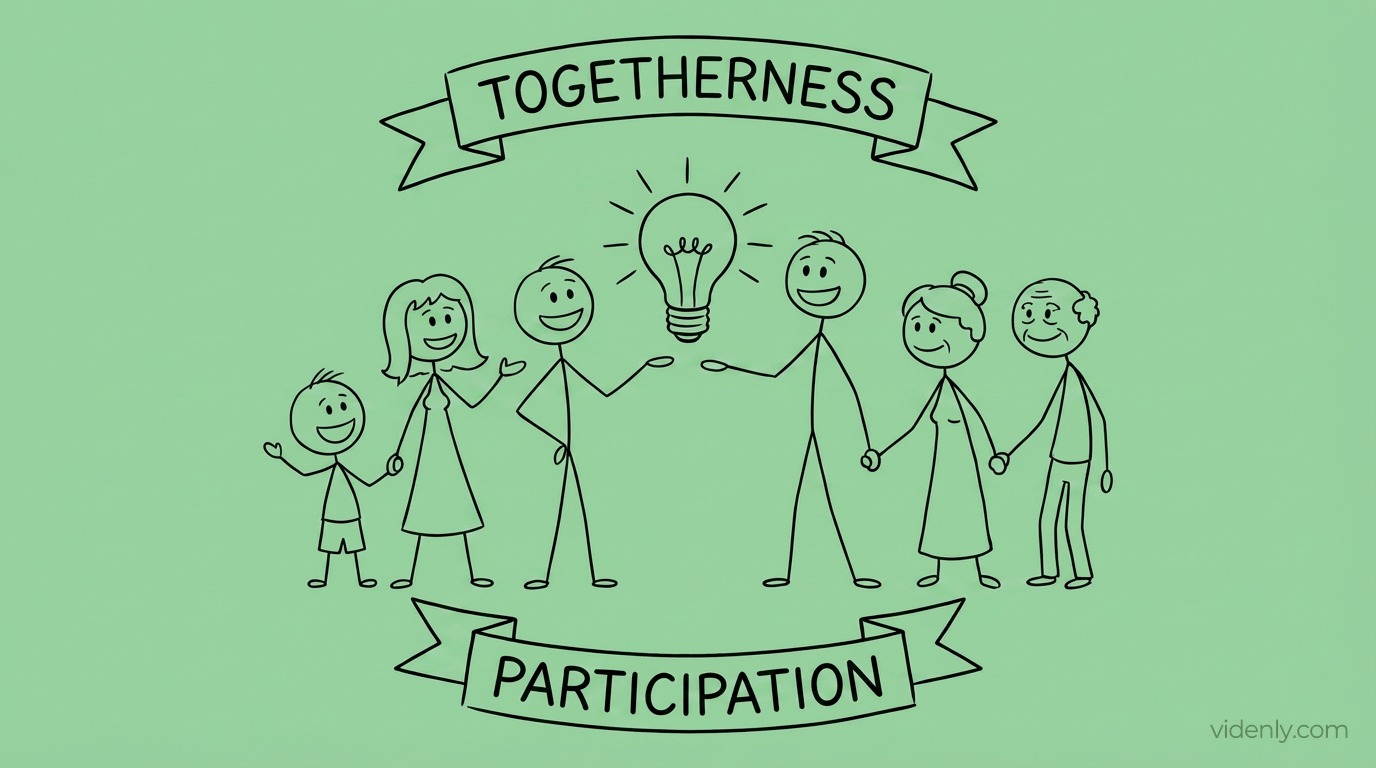
One of the most profound aspects of user-generated content (UGC) is its potential to foster a sense of belonging among audiences. When people see their own stories and experiences shared in an ad, they begin to feel they are part of something greater, creating connections that go beyond mere purchasing decisions.
Imagine walking into a room full of strangers and suddenly spotting a familiar face. That moment of recognition and relatedness is powerful, and UGC ads evoke similar feelings when audiences resonate with the content being showcased.
The authenticity of someone else’s experience transforms the interaction from a transactional one to a community-focused experience. In a world overflowing with polished marketing, the true beauty of UGC lies in its messy, relatable nature that invites others to connect on a human level.
This connection is reinforced when brands highlight their audience’s diverse backgrounds, cultures, and interests through UGC. By showcasing their customers’ voices, brands communicate that they value individuality while creating a collective identity that everyone can share in.
I would say incorporating user stories builds a bridge of trust that sometimes traditional advertising fails to establish. When customers see real people using a product or service, they can visualize themselves in the same scenario, effectively making the brand a part of their life narrative.
Moreover, UGC allows brands to illustrate the various ways in which their products can support different lifestyles. These relatable representations foster an environment where the audience feels empowered to share their own stories, reinforcing their ties to the community.
To further emphasize the role of belonging in UGC, let’s consider some factors that contribute to this sensation:
When a brand encourages its users to contribute to the conversation, it not only amplifies their reach but also nurtures a collective narrative.
This narrative invites all contributors to be part of the brand’s journey, reinforcing their connection to the brand and each other.
Furthermore, UGC creates spaces for storytelling that allows for connections to be drawn not just between the brand and its customers, but also among the customers themselves.
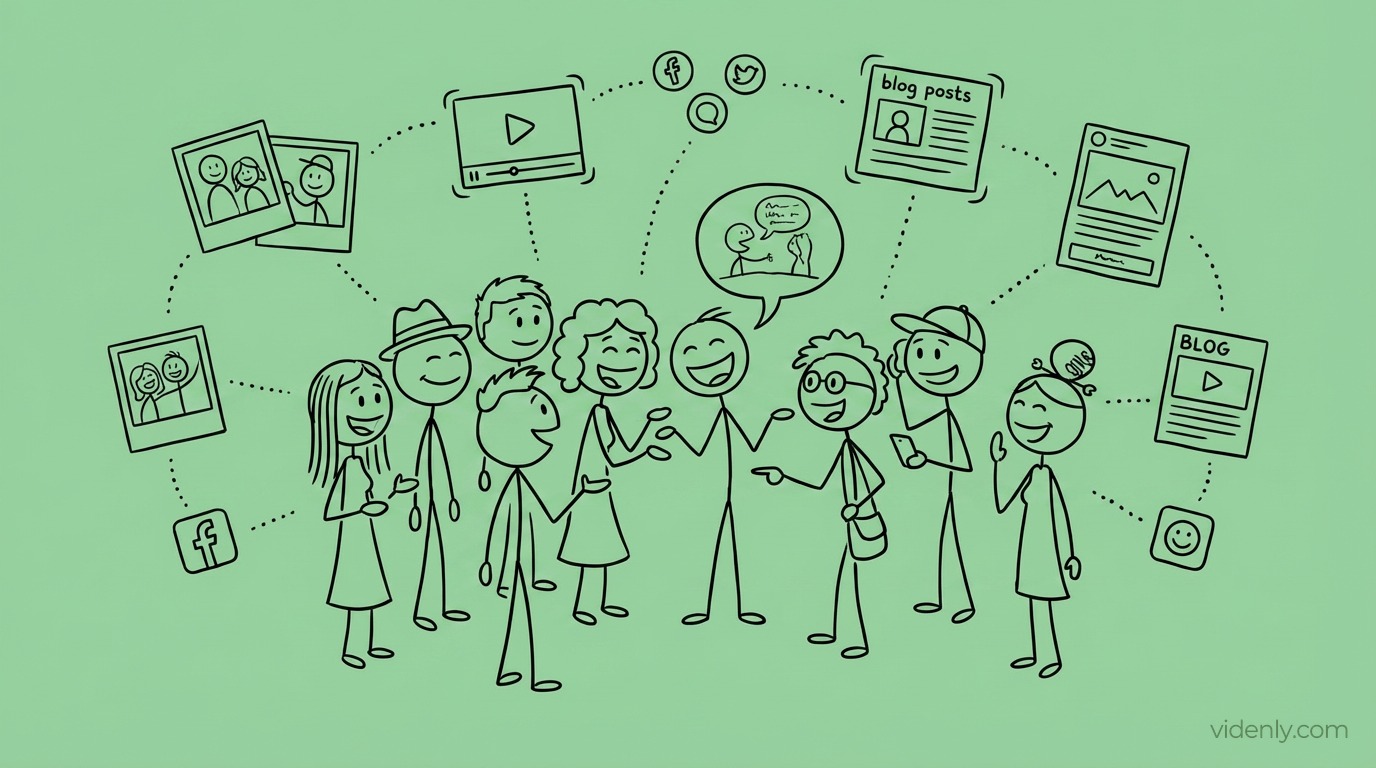
As more individual stories surface, they intertwine, forming a tapestry of shared experiences that is both intricate and beautiful.
I mean, it creates a community where participants feel seen and valued, which is increasingly important in today’s world.
In many ways, UGC ads act as a modern campfire, where stories can be exchanged and bonds can be formed.
In the end, this sense of belonging encourages loyalty not only to a brand but to a larger community.
When consumers feel that they belong, they will not only engage more deeply but also bring others into the fold, expanding the community even further.
This need for connection is hardwired into human beings, and UGC ads digitalize this experience beautifully.
By facilitating spaces for open dialogue and genuine connection, brands leverage UGC ads to not just promote products but to cultivate a thriving community.
When it comes down to it, creating a sense of belonging through UGC is about recognizing and celebrating the individual experiences of each audience member.
As users contribute their stories, they help shape the narrative, thereby enhancing the overall brand experience.
When brands start to consider the idea of User-Generated Content, they often think of it as just another trend, but the truth is much deeper. UGC creates a special kind of connection that draws audiences in, allowing them to engage in ways that traditional marketing often misses.
Imagine a crowded room where everyone is talking about their favorite products, sharing stories, and exchanging recommendations with genuine enthusiasm. This scenario mirrors the process of engaging with user-generated content, where real people express their genuine experiences and insights.
One of the most effective aspects of UGC is its ability to foster trust among potential customers. When people see content created by their peers, rather than polished advertisements, they are more likely to feel a sense of authenticity that resonates with them.
This sense of authenticity leads to a higher level of interest and interaction as audiences recognize themselves in the content. They might find themselves inspired by the stories shared by others and, in turn, feel compelled to share their own experiences, thus enhancing the brand’s community.
Utilizing UGC also allows brands to tap into the power of social proof. When potential customers see others enjoying a product, it creates a ripple effect, encouraging them to want to experience it for themselves. This, in turn, generates more organic conversations around the brand, leading to increased engagement.
Furthermore, engaging with UGC can significantly boost social media interactions. People love to share content that resonates with them, and when brands acknowledge and showcase contributions from their loyal customers, it makes the community feel valued.
For instance, a brand might hold a contest where customers submit their own photos using the product. These images and stories then become the centerpiece for future marketing campaigns, which sparks excitement and curiosity among other users.
The relationship between a brand and its audience starts to transform into a more interactive and dynamic exchange. Audiences begin to see themselves as part of a narrative, where their contributions matter and echo through social platforms.
What’s more, there’s an innate desire within people to be recognized and celebrated. Think of it this way, when someone reposts your story, it feels like being handed a trophy it validates your experience and enthusiasm for the product.
This kind of engagement leads to a cycle of content creation and sharing that keeps audiences actively involved. As consumers contribute more, they feel more connected and invested in the brand’s journey, encouraging ongoing discussions.
Additionally, by regularly featuring UGC, a brand can humanize its presence within the digital landscape. An influx of personal stories creates a relatable platform where people perceive the brand not as a faceless entity but as a community of real individuals.
Brands that are able to curate and share this kind of content also show that they are listening. The willingness to amplify the voices of everyday users signals to audiences that their opinions are valued, creating a stronger bond.
Moreover, as users witness their content being shared, it ignites a sense of pride, which can fuel a fire of loyalty towards the brand. This loyalty can lead to more extensive sharing of user-generated content, further enhancing engagement.
In essence, UGC acts as the lifeblood that sustains a vibrant online community. It turns passive viewers into active participants, creating a collaborative environment that fosters ongoing interaction.
In today’s digital age, brands are continually looking for ways to make authentic connections. By investing in UGC, they don’t just enhance engagement rates; they cultivate a culture of collaboration and community that resonates deeply.
The beauty of UGC lies in its versatility. Brands can utilize various formats images, videos, testimonials to tell stories that resonate. Each piece of content shared contributes to an evolving narrative that captures the essence of the brand.
Moreover, it speaks to a broader audience since people feel more inclined to engage with what resonates with them personally. Sharing their own stories in response or even commenting on others gives people a voice, enriching the overall conversation.
This strategic shift towards embracing UGC can lead to impressive engagement metrics over time. By continually interacting with and encouraging audience contributions, brands can transform one-time customers into lifelong advocates.
With each shared experience, the bond between the brand and its audience grows stronger. This relationship is not just beneficial for brands; it nurtures a sense of belonging for users, who become integral parts of the brand’s story.
Pro Tip: To effectively increase engagement rates, focus on leveraging user-generated content (UGC) as it fosters authenticity, trust, and community, encouraging customers to participate and share their experiences.

When thinking about how social proof influences consumer behavior, it’s hard not to notice its pervasive role in our everyday choices. Whether it’s a product recommendation from a friend or a viral sensation on social media, the value of social proof lies in its ability to create an immediate sense of trust and validation.
In marketing, social proof manifests in various forms, including user-generated content, reviews, endorsements, and even simple likes and shares. The more engaged a customer feels with a brand’s community, the higher the likelihood they will develop a genuine connection, making them more susceptible to purchasing decisions.
Consider the way people flock to a busy restaurant compared to an empty one. This phenomenon effectively illustrates the principle of social proof, where the sheer volume of customers passing through its doors signals quality and desirability to potential diners.
Today, brands leverage platforms like Instagram and TikTok to create authentic narratives around their products through user-generated content (UGC). Marketers harness the creativity of their audience, effectively turning customers into advocates who share their experiences, building both community and credibility.
Moreover, showcasing real people using a product or service serves to humanize the brand more than sleek advertising ever could. I would say that when potential customers witness peers engaging positively with a brand, it shifts their perception from viewing it as just another company to seeing it as part of a larger lifestyle.
Adding a touch of relatability, brands can harness this engagement effectively by communicating messages that resonate with their audience’s lifestyles and preferences. This process encourages deeper emotional connectivity and cultivates long-lasting customer loyalty.
As I reflect on the importance of genuine connections, I recognize the various ways brands can strategically implement social proof in their marketing strategies. Below are some impactful methods that brands use:
It’s like a ripple effect; when one person shares their positive experience, it inspires others to engage with the brand as well.
This network of shared experiences weaves a rich tapestry of trust and validation for new customers.
Real-life examples from brands that successfully utilize social proof are abundant in today’s marketing landscape.

When brands feature customer photos or videos in their advertisements, they mimic the experiences of their potential buyers, creating an intimate bond.
The psychological impact of seeing others enjoy a product can diminish feelings of doubt and hesitation.
I mean, we naturally seek reassurance in the choices we make, especially regarding spending our hard-earned money.
Notably, a brand’s online presence coupled with positive testimonials generates an upward spiral of customer engagement.
Engaged customers become not just consumers but also vocal advocates who share their stories in ways traditional ads never could.
Considering all of this, incorporating social proof in marketing strategies does not simply boost sales; it builds a community rooted in trust.
As companies strive to create genuine connections with their audience, the authentic voices of satisfied customers will resonate louder than any polished ad ever could.
To build lasting relationships with customers, brands must embrace the authenticity of User-Generated Content (UGC) as a core strategy. When consumers see real people using products, they connect on a deeper level, feeling that they are part of a community rather than just a number on a sales chart.
This connection can grow into something more significant, resembling the way friendships develop in everyday life. By allowing your audience to share their experiences through creative content, you invite them into a collaborative space where their voices matter, fostering a sense of belonging.
UGC acts as a powerful reminder that your brand is relatable. When people see others enjoying a product, it narrows the gap between the consumer and the brand, making it feel accessible and approachable.
In many ways, this reflects the idea of a supportive friendship where both parties benefit. Customers become ambassadors for the brand, sharing their genuine experiences, while the brand recognizes and amplifies their stories, creating a mutual appreciation.
Trust plays a significant role in these relationships. Research consistently shows that consumers are more inclined to trust recommendations made by other customers over traditional advertisements.
When a potential customer encounters UGC, it’s as if they are receiving a personal endorsement from a peer. This is incredibly impactful, as people are naturally drawn to authentic opinions rather than polished marketing messages that may feel overly commercial.
In this sense, UGC builds long-term loyalty by offering validation to new customers as they consider a purchase. Such validation often nurtures a sense of safety and reliability around your brand, making it easier for them to commit.
Imagine walking into a store, and instead of a salesperson pressuring you, you find yourself surrounded by fellow shoppers enthusiastically discussing their experiences. This scenario encapsulates how UGC creates a similar atmosphere, providing customers with a more comfortable environment to explore their options.
Moreover, engaging with customers’ content transforms them from passive observers into active participants in your brand story. When brands take the time to like, comment, or share their followers’ content, it demonstrates that they genuinely value their input.
This interaction signals that the brand is listening, and this continued dialogue fosters deeper relationships. Customers are likely to feel appreciated and seen when they realize their contributions matter, leading to an increased affinity toward the brand.
Encouraging customers to create content also sparks creativity within your audience. People often relish the opportunity to express themselves, and by providing a platform for that creativity, you empower your audience to share their unique perspectives about your products.
As they share their experiences, they may remember how special it felt to be featured by your brand. This simple act can have a tremendous ripple effect, with customers feeling more inclined to purchase from you again, ultimately transforming them into repeat buyers.
Additionally, cultivating these deeper emotional connections can lead to positive word-of-mouth marketing. As your customers feel good about their experiences, they are more inclined to share their stories with friends and family, perpetuating a cycle of organic growth for your brand.
Think of UGC like planting seeds in a garden. With the right nurturing, those seeds begin to sprout into beautiful flowers, each representing a satisfied customer sharing their joy with others, ultimately inviting even more people into the garden.
Furthermore, the long-term relationships fostered through UGC contribute to greater customer retention. When a brand successfully creates a community feel, it becomes harder for customers to move on to a competitor simply because they feel a sense of loyalty toward your brand and the community formed around it.
As these relationships grow, brands should not shy away from continuously engaging with their audience. Regular updates, collaboration opportunities, or even surprise giveaways can keep the momentum going, ensuring that customers feel connected long after their initial purchase.
At the end of the day, fostering long-term customer relationships through UGC is about more than just transactions; it’s about creating a vibrant community. Through the authenticity of shared experiences, brands can build a strong foundation of trust, loyalty, and customer advocacy that lasts for years.
By genuinely listening to customers and integrating their voices into your marketing strategy, you create an ecosystem where everyone feels valued. Such connections can lead to thriving customer relationships that enhance both customer satisfaction and brand identity.
In this way, UGC transcends mere advertising; it becomes a bridge that fortifies the connection between your brand and its customers, ensuring that everyone involved, customers included, moves forward together.

Create stunning AI-generated videos that captivate your audience and elevate your brand.