
Published on April 2, 2026 by
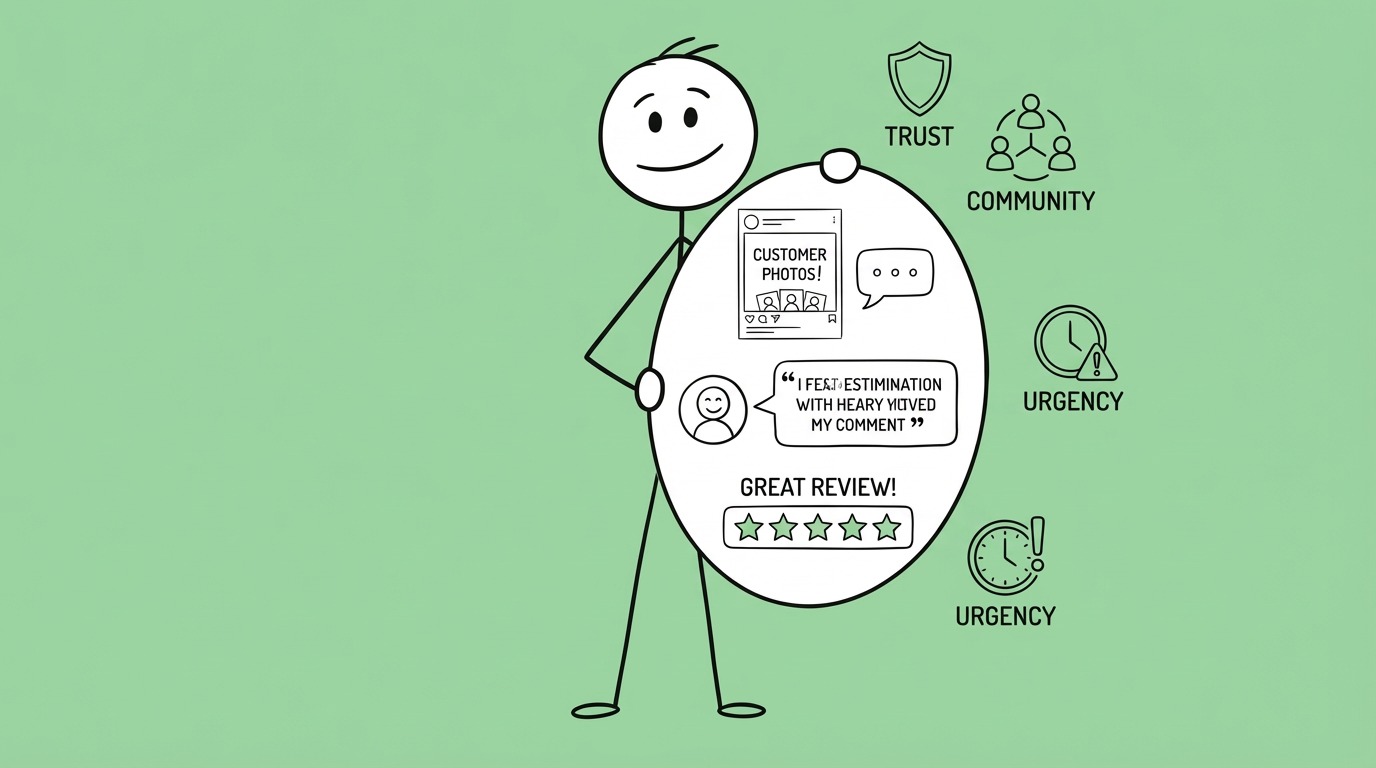
User-generated content (UGC) ads play a significant role in shaping consumer purchase decisions by leveraging authentic experiences from actual users.
This form of advertising enhances trust, as potential buyers often perceive UGC as more reliable than traditional marketing messages.
By showcasing real people using and enjoying a product, UGC ads create relatable narratives that resonate with target audiences.
Additionally, the engagement fostered by these ads encourages community interaction, further reinforcing brand loyalty.
Furthermore, UGC can drive urgency and prompt immediate action, as consumers are more likely to act on positive recommendations from their peers.
At the end of the day, the effectiveness of UGC ads lies in their ability to create a genuine connection between the brand and its customers, leading to higher conversion rates.
While the key takeaways highlight the essential benefits of user-generated content ads, there are additional layers to explore regarding their overall impact on marketing strategies and consumer behavior.
As we look closer, it’s important to examine how different types of UGC can cater to specific demographics and influence purchasing decisions in various sectors.
Moreover, understanding the metrics involved in measuring UGC success can provide insights into optimizing these campaigns for maximum effectiveness.
In the following sections, you will find a deeper analysis of these aspects, which will further illuminate why UGC is becoming a critical component in modern advertising.
User-Generated Content (UGC) ads represent a fascinating intersection between marketing and consumer behavior. They rely on content created by real users, which in many cases can feel much more authentic and relatable than traditional advertising methods.
When we talk about UGC ads, we’re referring to content that consumers have produced about a brand or product, which often includes reviews, testimonials, images, and videos. This kind of advertising invites potential customers into a shared experience, allowing them to see how others interact with the products or services.
These ads provide a level of transparency that conventional advertisements can sometimes lack. When consumers see real people using a product, it tends to create a more convincing narrative, instilling trust and reducing skepticism.
The emotional connection forged through UGC is one of its greatest strengths. Customers often feel like they are part of a community, united by their shared experiences with the brand and its offerings.
It’s almost as if UGC ads are the digital version of friendly neighborhood recommendations. The trust placed in a friend’s suggestion extends to user-generated content, making it a powerful tool for influencing purchase decisions.
To truly understand the impact of UGC ads in the marketplace, it might be useful to outline their key characteristics and benefits. Here are several important aspects to consider:
As you look more deeply into the landscape of UGC ads, you’ll notice that they serve not only to promote a product but also to build brand loyalty.
Users who engage with UGC are usually motivated by a sense of belonging and shared experience, which can enhance their emotional ties to the brand.
I would say the importance of UGC ads lies in their ability to shape consumer perceptions effectively.

When someone sees their peer using a product and expressing satisfaction, it translates into a powerful endorsement that resonates more than a standard advertisement could.
In addition, UGC ads often leverage the natural creativity and perspectives of the consumers themselves.
This uniqueness can create a vibrant tapestry of content that feels alive and engaging, encouraging others to contribute their own experiences.
What stands out about UGC is its adaptability across various platforms.
It can showcase a brand’s identity effectively through snippets of real-life experiences, appearing effortlessly in environments like social media feeds or e-commerce sites.
Moreover, UGC ads can generate a ripple effect, where one piece of content encourages another user to create their version.
This continuous cycle of content creation brings the community together and fosters an ever-expanding engagement that amplifies the brand’s message.
However, not all UGC is created equal.
The most compelling content usually stems from genuine experiences that resonate with others in a relatable way.
Consumers are constantly searching for content that reflects authentic feelings and opinions, steering clear from anything that seems manufactured or forced.
It is critical to understand that UGC ads offer a unique blend of marketing power.
They cultivate a space where consumers feel empowered to speak about their experiences, leading to richer connections and deeper brand loyalty.
When it comes down to it, UGC ads serve as an important vehicle for consumer expression and engagement.
They elevate a brand’s relationship with its audience, creating a bond that bolsters trust and influences purchasing behaviors.
Pro Tip: UGC ads serve as a powerful vehicle for consumer expression and engagement, elevating a brand’s relationship with its audience and creating a bond that bolsters trust and influences purchasing behaviors.
In the end, UGC ads transform the traditional marketing landscape by giving consumers a voice, showcasing their creativity, and allowing brands to tap into genuine sentiments.
This shift in focus makes all the difference when it comes to influencing consumer purchase decisions effectively.
In today’s fast-paced digital world, consumers often seek genuine experiences over polished advertising. Authenticity has become the cornerstone of establishing trust between brands and their audience.
When brands utilize user-generated content (UGC), they highlight real stories and experiences from actual customers. Instead of relying on overly produced commercials, companies are able to tap into the honesty and relatability that customers find appealing.
Imagine scrolling through a social media feed and coming across a friend’s post showcasing their recent purchase. It feels different, doesn’t it? You see their excitement, their candid thoughts, and suddenly, that product becomes more than an advertisement; it turns into a personal recommendation.
People are naturally drawn to experiences that feel familiar and genuine because these qualities resonate with their innate desire for connection. UGC transforms the narrative surrounding a product, allowing customers to feel that they are part of a larger community who share similar tastes and preferences.
Moreover, when a brand chooses to feature its customers’ content, it sends a clear message: those voices truly matter. This act of elevating customer stories fosters a sense of belonging and acknowledges that consumers are not merely buyers, but important contributors to a brand’s journey.
One might wonder how this authenticity impacts purchasing decisions. It turns out that seeing real people using a product creates a kind of social proof. When potential buyers observe others enjoying the same item, they are more likely to trust that product’s effectiveness.
A good example would be, consider a recent study that found that customer testimonials can significantly influence potential buyers. When consumers read about their peers having positive experiences, they start believing that they could have the same positive outcomes, which can lead to increased sales.
This influence is not just about the product itself, but how it makes people feel. Authentic UGC allows customers to envision their own experiences, making a powerful emotional connection that traditional ads often fail to achieve.
Sometimes, this connection is likened to a warm blanket on a cold day. It wraps consumers in familiarity and comfort, reassuring them that they are making the right choice. This emotional resonance elevates user-generated content beyond mere marketing, transforming it into a cultural dialogue.
However, it’s essential for brands to approach authenticity with sincerity and care. If UGC is manipulated or staged, it can backfire and erode trust rather than build it. The fine line between authenticity and inauthenticity must always be considered and respected.
For instance, a brand that posts heavily edited photos or solicits excessively polished reviews could unintentionally convey that they lack transparency. When customers feel misled, they can swiftly sever their ties with a brand, indicating the significant risk involved.
This is why brands that engage with their audience organically tend to shine. They interact with contributors openly, valuing every piece of feedback and every photo shared. Authenticity blossoms from these genuine interactions, and trust grows stronger through a shared sense of community and experience.
Moreover, companies can harness social media’s power to expand UGC further. By encouraging customers to share their experiences under specific hashtags or during promotions, brands can amplify authentic voices and create a dynamic conversation around their products. These engaged customers become de facto brand ambassadors, creating a ripple effect that extends far beyond one single campaign.
As consumer behavior continues to evolve, the demand for authenticity will only grow. Brands will need to adapt by integrating more real stories into their marketing strategies, ensuring that they remain relevant and relatable. The challenge will be balancing the professional and personal creating a brand image that is both polished and genuine.
In the end, the approach to building trust through authenticity requires ongoing reflection and adjustment. Brands must actively seek feedback and pay attention to what resonates most with their audience. By committing to honesty and transparency, companies can cultivate a loyal customer base who feels valued and understood, perhaps more crucial than any advertising campaign.
As the landscape of marketing evolves, the brands that prioritize authenticity and trust through user-generated content will likely find themselves leading the way. By valuing real voices, they create a genuine connection that enhances consumer loyalty and encourages long-term relationships with their audience.
Pro Tip: Authenticity has become the cornerstone of establishing trust between brands and their audience, as consumers increasingly seek genuine experiences over polished advertising.

When it comes to User Generated Content (UGC), the heart of the matter lies in weaving relatable narratives that resonate with the audience. Stories that reflect real experiences often strike a chord with consumers, leading them to feel a deeper connection to the brand or product.
Imagine a young mother, juggling the chaos of a busy morning while trying to prepare her kids for the day. As she captures her organic breakfast shake being made, she narrates how it not only saves her time but also energizes her for the day ahead, giving other parents a glimpse into the simplicity and effectiveness of the product she uses.
Creating such moments where consumers can see themselves in the content is what makes UGC impactful. It’s more than just a sales pitch; it’s about sharing authentic experiences that audiences can relate to.
A relatable narrative doesn’t need to be overly dramatic or flashy; sometimes, the most common experiences lead to the greatest bonding moments. For instance, incorporating familiar day-to-day activities into narratives can create a vivid tapestry of everyday life that many can appreciate.
The beauty of UGC lies in its genuineness; unlike traditional ads, the content feels more real and approachable. Viewers know that the content comes from ordinary people, allowing them to trust the message being conveyed.
Furthermore, effective narratives often employ emotional storytelling to capture attention. When a consumer sees someone emotionally narrating their experience with a product be it joy, relief, or surprise it’s like a light bulb turning on, helping them envision how the product could fit into their own lives.
Here are some core aspects that make narratives relatable:
At the end of the day, taking the time to understand your audience’s journey can lead to crafting narratives that are both powerful and impactful.
A successful story allows consumers to genuinely relate, almost as if they are revisiting their fondest memories or aspirations.

The narrative should feel like a conversation between friends, where the protagonist (the storyteller) shares genuine thoughts and experiences.
This approach transforms the interaction from a mere advertisement into an opportunity for shared understanding.
Additionally, integrating real experiences adds layers to the narrative, which enriches the connection to the audience.
Consumers drawn in by relatable stories are often more likely to share their own experiences, creating a cycle of engagement and organic promotion.
Consider the power of visual storytelling in UGC.
A carefully curated collection of moments can effectively showcase how a product enhances daily life, be it through a video montage or a series of images.
By allowing consumers to visualize their potential experiences, these stories become more than just a narrative; they evolve into a powerful motivator for purchase.
In a world quickly overwhelmed by a barrage of advertising, the impact of relatability in narratives cannot be overstated.
As a brand, tapping into the effectiveness of UGC through relatable narratives makes a significant difference in how consumers perceive the brand and their ultimate decision to engage.
By fostering a community that contributes to storytelling, brands not only enhance consumer loyalty but also emphasize the shared human experience.
When narratives are built around collective experiences, they hold the potential not just to attract attention but also to inspire action.
Pro Tip: Incorporate authentic and relatable experiences into your UGC narratives to foster trust and emotional connections with your audience, making your brand more approachable and engaging.
The path to creating effective UGC narratives often involves understanding the diverse perspectives within your consumer base.
Each individual has a story to tell, and when their experiences are authentically represented, you can cultivate a rich tapestry connecting the brand with its audience.
Many brands today realize the importance of community engagement in fostering customer loyalty, and the rise of user-generated content (UGC) ads plays a significant role in this. By tapping into authentic customer experiences, brands create connections that feel personal and relatable to potential buyers.
When consumers see real people using products they love, it builds an emotional bond that traditional advertising often overlooks. This powerful connection fosters a sense of belonging and loyalty, important for a brand trying to stand out in a crowded marketplace.
Building a community around a brand doesn’t happen overnight. It requires consistency in communication and a genuine understanding of customers’ needs and desires.
Think of UGC ads as the conversation starters at a gathering, inviting customers to share their thoughts and experiences. When brands encourage their customers to create content, it feels more like a friendly discussion than a one-sided monologue.
For instance, when a brand highlights customer reviews or testimonials in its advertising, it showcases real voices and real stories. This authenticity resonates deeply with viewers, compelling them to trust the brand more.
Moreover, creating campaigns that invite collaboration can turn customers into brand ambassadors. When individuals feel valued and involved in the brand’s narrative, they often develop a stronger allegiance to it.
Social media platforms serve as the perfect canvas for this kind of interaction. The joy of tagging a brand in a post or sharing a personal experience creates a sense of community among users.
When customers see their friends or favorite influencers giving honest opinions about a product through UGC, it can be the turning point for their purchasing decisions. These endorsements, stemming from genuine interactions, have a much higher impact than produced advertisements.
It’s fascinating how brands can routinely showcase UGC, whether through social media posts or official advertisements, creating a virtuous cycle of engagement. This cycle is as natural as a river flowing smoothly, where the contributions and reactions of community members reinforce and enrich the brand experience.
Brands can take things further by incentivizing contributors with contests or rewards for the best UGC. Offering recognition and prizes makes customers feel valued and encourages even more participation.
This kind of engagement helps a brand to cultivate a loyal community that thrives on shared experiences. In addition to creating community bonds, this also generates a wealth of content that brands can use to innovate their marketing strategies.
Moreover, it’s essential for brands to actively engage with the content created by their followers. When brands comment positively or share user-generated posts, it shows appreciation and acknowledgment of their customers.
Such interactions foster a reciprocal relationship, reinforcing the idea that consumers matter, which translates into increased loyalty. Customers want to feel that they are more than just a transaction, and this sense of connection builds trust over time.
In recent years, we’ve also seen brands use UGC in campaigns that highlight social causes or community initiatives. For instance, brands that create collaborative initiatives around important social issues can draw on their community’s input to elevate their message. Not only does this strategy create awareness, but it also cultivates a sense of pride among consumers involved.
These initiatives can unite customers under a shared purpose, allowing them to feel like part of something bigger. When customers engage in this way, they create a narrative that is rich and meaningful, thus naturally drawing in more consumers.
In the expansive world of advertising, loyal customers can become your most effective marketers. Their enthusiastic endorsements and personal stories can significantly amplify a brand’s reach and impact.
In the end, incorporating UGC into marketing strategies can lead to a richer, more immersive experience for consumers. When these genuine conversations take place, the resulting loyalty can translate into long-term brand advocates.
In the end, authenticity and trust are the cornerstones of community engagement and brand loyalty. Sharing genuine content crafted by customers provides insights into a brand’s impact on real lives, shaping the way new consumers perceive and interact with the brand.

When it comes to making a decision to purchase, the influence of peer recommendations can be incredibly powerful, instilling a sense of urgency that often nudges consumers towards a final choice. Sharing personal experiences, insights, and opinions significantly shapes how potential buyers perceive a product or service.
Imagine stepping into a bustling marketplace filled with various stalls and vendors. You hear other shoppers animatedly chatting about a fantastic deal at a specific booth, creating a ripple of excitement as they share their impressive finds.
This scenario illustrates how word-of-mouth can be infectious, leading to increased interest and spontaneous purchases. When individuals see their peers enthusiastically recommending a product, it brings about a natural curiosity and pressure to not miss out.
Peer recommendations often act as a form of social proof. This concept indicates that people tend to look at others’ behaviors as a guide for their own actions.
Social media platforms now serve as vast stages where these authentic experiences unfold. Users actively seek validations through reviews, likes, and comments, feeling more assured when they see others vouching for a product.
It’s fascinating to realize that peer recommendations can create an urgency that is palpable. Just like a sales countdown clock, the clock is ticking when people witness a friend rave about a must-have item, often spurring quicker decision-making.
In many instances, consumers feel an almost immediate need to act, worried that if they wait too long, they might miss the opportunity. This sense of urgency is not just an impulse; it sparks decisions that can sway purchasing behavior.
To illustrate how peer recommendations elevate urgency, consider the following aspects that play a critical role:
In this interconnected digital age, platforms such as Videnly provide creators with the tools necessary to showcase user-generated content effectively.
By facilitating the sharing of compelling video testimonials and stories, it enables authentic experiences to shine through while reinforcing perceived value.
Moreover, when consumers see videos of their peers genuinely expressing satisfaction, it amplifies the product’s credibility.

This gives potential buyers the impression that the product must be good if admired by someone they relate to.
There’s also a specific quality of urgency tied to scarcity, often highlighted through peer discussions.
A .limited availability of a product creates not just a desire but also fosters a perception of importance.
Moreover, when friends and influencers alike endorse a product, it sets off a chain reaction.
They may share how quickly the limited stock runs out or how others rave about the functionality, enhancing that sense of urgency even further.
When considering a purchase, many may feel more compelled when hearing about others’ positive experiences.
This human connection can serve as a beacon, guiding decisions amidst vast choices.
In essence, the stories shared by peers are like whispers carried on the wind.
They bring enthusiasm and energy, turning the act of purchasing into a collective event where everyone wants to be part of the excitement.
Thus, leveraging peer recommendations effectively can transform the way consumers approach buying decisions, creating a buzz that resonates with urgency.
It’s about fostering connections and nurturing relationships that empower consumers to feel confident, secure, and eager to take the next step in their purchasing journey.
When it comes to enhancing conversion rates, User-Generated Content, or UGC, plays a significant role. This method is more than just a trend; it’s a strategic way to engage with audiences effectively.
The influence of UGC lies in its authenticity. Consumers tend to trust their peers more than traditional advertisements, resulting in higher engagement and interest.
Think about it; when browsing online, how often do you stop to read reviews posted by real users? These reviews act like virtual conversations that provide insights into product quality and usability.
Incorporating UGC into marketing strategies can be likened to planting a tree and watching it grow. The more you nurture these connections, the more they mature into strong influences that can drive sales.
One effective way to utilize UGC is through social media platforms. Brands can create a community where consumers share their experiences, which, in turn, can inspire others to make a purchase.
Imagine scrolling through your feed and seeing a friend post about their positive experience with a particular product. It can trigger a moment of curiosity and perhaps even sway your decision to buy.
Moreover, genuine content, like customer photos and videos, can highlight the real-world benefits of a product. This direct connection is often more impactful than polished marketing materials.
When customers see their peers using a product and enjoying it genuinely, the barriers to purchase begin to fall. The transparency given by real-user experiences builds trust, which is essential for any consumer decision-making process.
Additionally, UGC can serve as a powerful tool for social proof. When potential buyers see numerous positive interactions around a brand, it creates an unspoken reassurance that they’re making the right decision.
It’s fascinating how a simple post can ignite a chain reaction of trust. UGC not only influences buying habits but also shapes overall brand perception significantly.
Incorporating UGC into advertising campaigns allows brands to show off their loyal customers, creating a sense of belonging. This feeling can be incredibly motivating for potential buyers who desire to be part of that community.
Consider a brand that features customer stories in their marketing. These heartfelt narratives can resonate with viewers, evoking emotions that drive them toward the checkout page.
Furthermore, brands can encourage UGC by running contests or campaigns that invite customers to share their experiences. By doing this, they not only gain valuable content but also deepen their relationship with consumers.
When subjected to emotions and shared experiences, people find it harder to resist a purchase. This connection can often lead to an increase in conversion rates, providing both parties mutual benefits.
In essence, UGC holds a mirror to consumer desires, allowing them to see reflections of their needs and aspirations. It’s this powerful resonance with potential buyers that can translate into significant sales increases.
Another unique aspect of UGC is its adaptability. It can take various forms, from images and testimonials to videos and reviews, reaching consumers across multiple touchpoints.
Consider how a compelling video testimonial can convey a whole experience in under two minutes. Such concise yet impactful content provides potential buyers with the information they need in an engaging manner.
Research indicates that customers are more likely to make purchases after seeing UGC. This growing trust in peer reviews emphasizes how essential they have become in the decision-making process.
At the end of the day, to maximize the influence of UGC, brands must be strategic about how they integrate this content into their marketing efforts. By genuinely showcasing customer experiences, they can create a storyline that captivates potential buyers.
Moreover, the speed at which UGC spreads through social networks can dramatically widen a brand’s reach. A single happy customer sharing their experience can open doors to new audiences.
In the end, the power of UGC lies in its ability to connect brands and consumers on a deeper level. This strong bond is often the fuel that ignites consumer interest, leading to higher conversion rates and lasting loyalty.
Important: User-Generated Content (UGC) significantly increases conversion rates by building trust through authentic consumer experiences that resonate with potential buyers.
Create stunning AI-generated videos that captivate your audience and elevate your brand.