
Published on May 29, 2026 by

User-generated content (UGC) ads are becoming a critical component in the evolution of influencer marketing strategies.
By leveraging authentic content created by consumers, brands can foster genuine connections with their target audiences.
This approach not only enhances credibility but also encourages engagement and drives conversion rates.
As consumers increasingly seek authenticity, UGC enables brands to portray a relatable and trustworthy image.
Additionally, incorporating UGC into influencer strategies can lead to cost-effective campaigns, as brands can share content that resonates without the need for extensive production budgets.
At the end of the day, the integration of UGC in influencer marketing will likely redefine brand-influencer relationships, prioritizing transparency and community-driven initiatives.
To understand the full impact of UGC ads on the future of influencer marketing, it is essential to explore several related topics that can deepen your insight into this evolving landscape.
These topics will cover the effectiveness of UGC in driving conversion rates, the roles of various platforms in facilitating UGC, and best practices for brands looking to integrate UGC into their marketing strategies.
In addition, examining case studies of successful UGC campaigns will highlight key takeaways that can inform your own marketing efforts.
By looking at these aspects closely, you can gain a comprehensive understanding of how UGC is shaping influencer marketing now and in the future.
The landscape of marketing is shifting remarkably, and at the center of this evolution is the rise of User-Generated Content, commonly known as UGC. It’s intriguing to see how consumers are evolving from passive recipients to active participants in promoting brands.
Today’s audiences have grown increasingly suspicious of traditional advertising. They seek authenticity and genuine engagement, which is where UGC comes into play, acting as a bridge that connects brands with their customers.
UGC represents the voices of real people, their experiences, and their honest opinions about products and services. When customers share their personal stories, they inadvertently become brand ambassadors, fostering trust among their peers and expanding the reach of marketing efforts.
There are various forms of UGC that can be found across different channels. For instance, we see enriching content emerging from social media platforms, reviews on e-commerce websites, and even blog posts where customers share their thoughts.
These examples illustrate how UGC channels the collective enthusiasm of both new and seasoned customers.
This sort of voluntary engagement can transform mundane interactions into powerful stories about brand loyalty.
As people rely more on their social circles for recommendations, brands can tap into this community aspect.

The silent synergy between consumer trust and UGC leads to an environment where brands can truly thrive through genuine connections.
I would argue that UGC is not merely beneficial for portraying authenticity, but it also cultivates a sense of ownership among consumers.
This ownership fosters a community feeling, where customers feel valued and integral to the overall branding narrative.
Just picture a bustling marketplace, where instead of sellers pushing their wares, customers actively share their experiences with potential buyers.
This organic interaction creates a vibrant ecosystem, where the voices of everyday consumers resonate louder than polished advertisements.
As companies embrace UGC, they gain insights into customer behavior and preferences unlike any traditional marketing methods.
They can identify trends and capitalize on this feedback, ensuring their offerings remain relevant and appreciated.
Simplistically, UGC brings marketing closer to consumers’ hearts.
It allows for creative, relatable, and sometimes humorous content that speaks to the audience on a personal level, bridging the gap between brands and their target markets.
Moreover, UGC not only enhances trust but also fosters a loyal community of advocates.
These advocates often go beyond merely liking a brand; they actively participate in its campaigns, ensuring a continuous flow of engagement and interest.
In my opinion, brands that neglect the power of UGC risk losing touch with their audience.
As trends continue to show, consumers increasingly favor brands that highlight their stories, experiences, and media contributions.
Pro Tip: Incorporate User-Generated Content into your marketing strategy to foster authenticity and trust, transforming your customers into engaged brand advocates.
Advertising ultimately needs to evolve with the times, and UGC represents a significant shift from one-way communication to a more interactive dialogue.
This shift allows brands to tap into the hearts of their consumers, turning them from mere customers into passionate participants.
Brands are increasingly turning towards User Generated Content (UGC) as a pivotal piece of their marketing strategies. This shift is not just a trend; it’s a profound transformation in how brands engage with consumers.
One of the most significant benefits of UGC is its ability to foster better authenticity within a brand’s image. When potential customers see real people using a product, it creates a sense of trust that traditional advertising often struggles to achieve.
This trust comes from the perception that UGC reflects genuine experiences, making it a powerful tool for brands to establish deeper connections with their audience. Authentic content resonates more strongly than curated promotional material, often making people believe in its validity.
Another advantage is the vast pool of creativity that UGC brings to the table. Customers, through various platforms, express their creativity in diverse ways, which can open the door to fresh and engaging campaign ideas that brands might not have considered.
Moreover, UGC is uniquely positioned to help brands tap into community engagement. By encouraging customers to share their experiences, brands can nurture a community of loyal enthusiasts who actively participate in creating content.
This sense of belonging leads to stronger customer relationships, and it cultivates brand loyalty over time. When consumers feel like they are part of a community, they are more likely to advocate for the brand, turning them into passionate promoters.
Beyond community building, UGC can serve as a significant source of cost-effective content for marketing teams. Instead of investing heavily in traditional ad creation, companies can leverage the content produced by their users, saving time and resources while still maintaining high engagement levels.
Another noteworthy benefit of UGC is its ability to enhance conversion rates. Studies have shown that users are more likely to make purchases after seeing authentic content that features a product in real-life situations, making it a compelling aspect of marketing strategies.
Looking into social media platforms, UGC also naturally encourages sharing. When users create and post about their experiences with a product, they often share it with their networks, which amplifies brand visibility organically.
Imagine your friend telling you about a product they love; you’re likely to take their word over an advertisement. That’s the power of UGC; it thrives on our natural tendency to trust peers compared to brands.
Additionally, UGC content can help brands cultivate a stronger brand personality. By highlighting and celebrating the creativity of customers, companies can showcase their values clearly and effectively, building an image that resonates with the audience.
This approach humanizes the brand and can lead to customers feeling more emotionally connected, which is essential in today’s market. When customers identify with a brand’s personality, they are more likely to consider it during their purchasing decisions.
Furthermore, incorporating UGC allows for diversification in marketing channels. Different types of content can be shared across various platforms, including blogs, social media, and websites, thereby broadening the reach and engagement of the brand.
Brands can tailor their UGC utilization to fit specific platforms, maximizing the potential impact of each post and expanding their audience. This tailored approach also means that the same piece of content can serve multiple purposes, enhancing its overall effectiveness.
UGC presents a unique way for brands to remain relevant in a rapidly changing digital landscape. As trends shift and evolve, being able to adapt using real customer feedback and content ensures that brands can keep up with the expectations of their target audiences.
In an era where consumers are bombarded with advertisements, UGC acts as a refreshing breeze, standing out amidst the noise. It allows brands to connect with consumers on a deeper level and engage them more meaningfully.
At the end of the day, the use of UGC can significantly impact how brands are perceived. Leveraging the creativity and authenticity of users can drive genuine advocacy and connection with the audience, ensuring a more robust and enduring brand presence.
Each UGC piece becomes a small fragment of the larger story the brand tells. And in favorably crafting that narrative, brands not only attract attention but also earn respect and loyalty from their community.
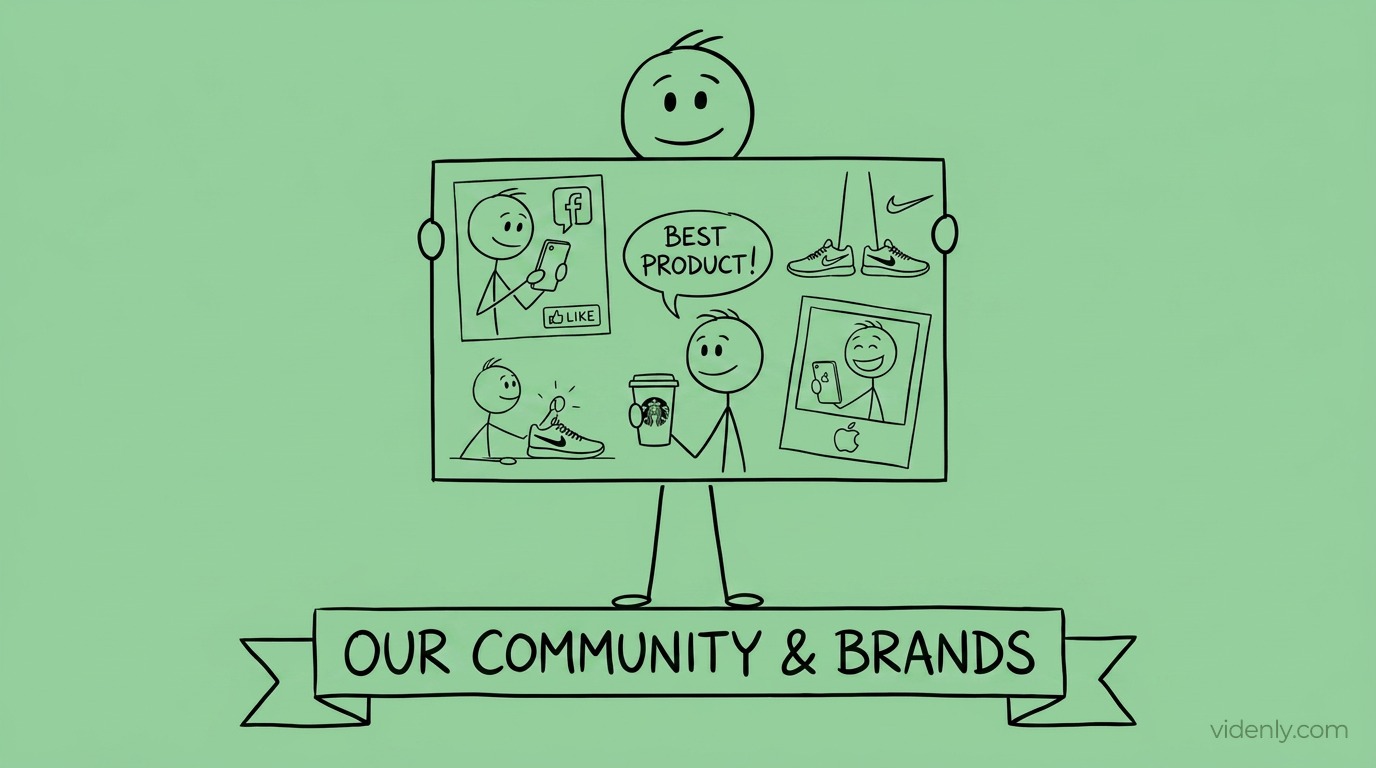
In the ever-evolving landscape of marketing, establishing authentic connections with audiences has become more crucial than ever. Today’s consumers crave genuine interactions, and they have a keen eye for authenticity.
A pivotal aspect of this authenticity is how well brands utilize User-Generated Content, or UGC. These user-generated materials can come in various forms, such as videos, testimonials, reviews, or social media posts.
Leveraging UGC allows brands to showcase real customers engaging with their products, which can foster a sense of trust. This trust is essential because people often turn to their peers for recommendations over traditional advertising.
Imagine a friend recommending a product because they had a great experience with it. That feeling of personal recommendation carries weight, far more than a flashy ad ever could.
UGC thrives on relatability, drawing in audiences through genuine experiences. People tend to trust real stories shared by ordinary users more than staged promotional videos.
When customers see themselves reflected in this content, it inspires a sense of community and belonging. Brands that effectively harness UGC can transform their marketing strategies into shared narratives.
To capitalize on UGC’s potential, brands might consider some key strategies:
Once brands start to shine a light on real-life experiences, they create a ripple effect.
This wave of shared experiences ultimately resonates more strongly with potential customers.
When they see a product used effectively by someone who mirrors their own lifestyle, it builds a unique rapport.

It’s as if the brand and the consumer forge a more intimate bond through this shared understanding.
Tools like Videnly can help in the creation of UGC ads that feel authentic while being effortlessly efficient.
They can automate video production, allowing brands to focus on the creative aspects while still getting high-quality content.
Furthermore, the power of storytelling cannot be understated in this context.
Narratives that revolve around user experiences can draw people in and lower the barriers of skepticism.
Consider how impactful it is when a brand shares a story about how a specific person overcame challenges using their product.
Such tailored narratives craft compelling emotional connections, reminding consumers that they are not merely targets of advertising.
This emotional aspect is the thread that ties customers to brands.
When consumers see a brand’s genuine commitment to satisfying real needs, they are more likely to reciprocate with their loyalty.
In every sector, brands should seek to break down the walls of traditional advertising.
Fostering meaningful two-way conversations is at the heart of creating lasting connections.
Social media acts as a bridge that enables brands to listen and respond to consumer feedback effectively.
This level of responsiveness can significantly enhance a brand’s image.
Moreover, encouraging satisfied customers to share their experiences can lead to a treasure trove of authentic content.
This not only diversifies marketing efforts but also invigorates them with fresh perspectives.
In this light, user-generated content serves as a catalyst for brand engagement.
When individuals see messages that mirror their passions and struggles, it is likely to amplify brand loyalty exponentially.
Using UGC in influencer marketing strategies is akin to planting seeds in fertile soil.
Nurtured with authenticity and genuine stories, these seeds grow into fruitful relationships that are beneficial for both consumers and brands alike.
Important: Establishing authentic connections with audiences through user-generated content fosters trust and loyalty, as consumers increasingly value genuine interactions over traditional advertising methods.
As the lines between brands and audiences continue to blur, relying on human stories allows brands to scale new heights of connection.
When done thoughtfully, the impact of UGC can be profound, leading to growth that is sustainable and deeply rooted in community trust.
As we navigate the ever-evolving world of influencer marketing, one undeniable trend has emerged: the impact of social proof. When audiences see people just like them using a product or service, they are far more likely to trust its value and consider making a purchase.
Think about it for a moment. User-generated content (UGC) acts like a beacon, shining a light on the trustworthiness of a brand through authentic experiences shared by real consumers. In today’s digital landscape, where advertisements are everywhere, the value of unfiltered, genuine testimonials cannot be overstated.
People naturally seek validation from their peers. When a potential customer sees their friends, families, or influencers they admire using a product, it triggers an innate tendency to trust those recommendations more than traditional advertising. This connection creates a sense of community around products, fostering deeper engagement.
Moreover, the emotional resonance of user-generated content is immense. A simple photo or a short video capturing an everyday experience with a brand tells a story that glossy ad campaigns often fail to communicate. It invites viewers to become a part of that narrative.
Recent studies suggest that UGC can increase consumer engagement by up to 79%. Imagine being able to amplify your marketing strategy by simply incorporating the voices of your existing customers. Rather than solely relying on carefully curated brand messages, why not let your audience speak directly to the potential buyer?
This involves not just utilizing user-generated content but also actively encouraging it. Brands can create campaigns that foster participation, urging customers to share their experiences. I remember reading about a fashion label that asked customers to post their favorite outfits on social media with a specific hashtag; this generated an impressive wave of genuine content.
Additionally, incentivizing UGC can lead to a win-win situation. When brands engage audiences through giveaways or contests for their submitted content, they create a fun platform for creativity while simultaneously enhancing their online presence. It’s almost like a virtual cycle, where increased engagement leads to more submissions, which then attracts even further engagement.
Furthermore, witnessing your fellow consumers enjoying a brand evokes a feeling of belonging. When individuals see others reveling in a product, they often feel a pull towards that same experience. It’s not just a product anymore; it’s a lifestyle, a community endorsement, and the very essence of authenticity.
Sometimes, it feels like the adage “seeing is believing” couldn’t be more true. When people experience situations similar to their own reflected in UGC, it catalyzes trust in the brand. It feels as though they’re being invited into a conversation rather than being targeted with an advertisement.
Importantly, UGC constructs a narrative driven by real experiences. Unlike traditional marketing, which may come across as too polished or controlled, UGC retains an organic quality that resonates with audiences. This type of content conveys a genuine understanding of the product’s applicability in everyday life.
With social media platforms flooded with a constant stream of content, gaining attention is crucial. User-generated content serves as a compelling mechanism to rise above the noise. By showcasing authentic experiences alongside conventional strategies, brands can create a multi-faceted marketing approach that is both engaging and persuasive.
However, brands must be mindful of maintaining an ethical balance when leveraging UGC. It is essential to seek proper permissions and give credit to content creators. This gesture not only builds goodwill but also encourages further participation from the audience. Acknowledging these creators transforms the relationship into a mutually beneficial partnership.
In addition to this, brands should consider the diversity of voices in UGC. Featuring a range of experiences can enrich the brand’s narrative and attract a wider audience. Bringing together different perspectives allows consumers to relate on multiple levels, creating larger community engagement. A varied representation within UGC can be as powerful as infusing a splash of color into an otherwise monochromatic canvas.
Thus, integrating user-generated content into marketing strategies isn’t simply an option; it has become a necessity in the current marketing ecosystem. By embracing social proof, brands can tap into a rich vein of authenticity and connection, ultimately boosting engagement and fostering lasting relationships with consumers.
Adopting this approach invites creativity and relatability into the marketing conversation. When brands amplify the authentic stories of their users, they not only showcase their products but also cultivate trust and build community. That’s the true power of social proof in the world of influencer marketing.
Pro Tip: Incorporate user-generated content into your marketing strategy to enhance authenticity and boost consumer engagement by showcasing real experiences that resonate with your audience.
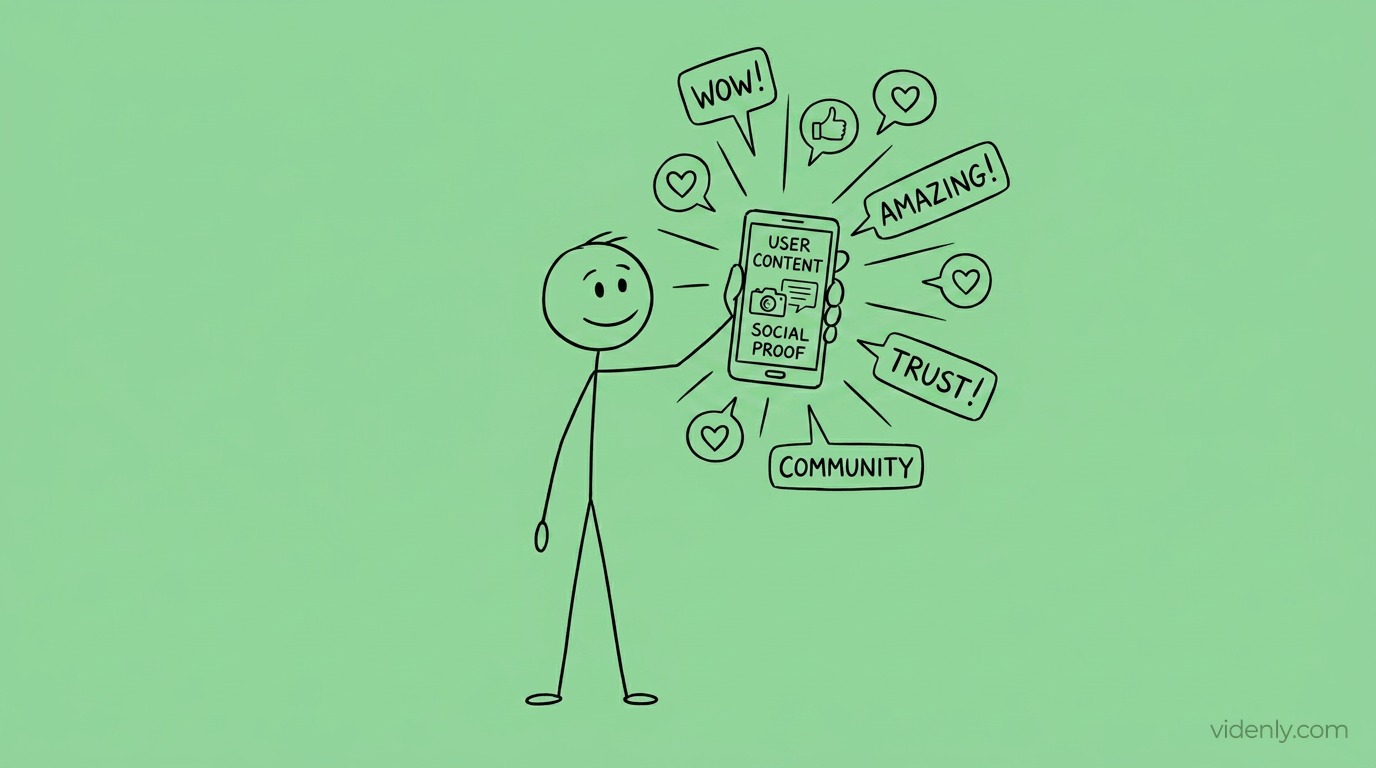
In the ever-evolving landscape of marketing, the integration of User-Generated Content has emerged as an astonishingly cost-effective strategy. Harnessing the creativity and authenticity of real consumers turns into a powerful tool, unlike traditional advertising methods.
When you think about it, UGC encapsulates genuine experiences and connections, often requiring much lower financial investment compared to hiring top-tier influencers. This makes UGC campaigns accessible to brands of all sizes, from startups to larger corporations, significantly reducing overhead costs.
The beauty of user-generated content lies in its organic nature; it resonates with audiences on a personal level, creating a level of trust that’s hard to achieve through curated professional content. I would say the peer-to-peer recommendation we see with UGC can pave the way for increased engagement and conversion rates for brands.
Companies can utilize content created by their customers, bypassing the often hefty fees associated with traditional advertising. Instead of spending vast sums to create polished ads, brands can tap into their community, showcasing real-life use of their products without breaking the bank.
As businesses reflect on their past marketing expenditures, the stark contrast becomes evident. Investing in UGC means reallocating funds towards something much more authentic rather than pouring money into polished, scripted commercials.
Moreover, when brands embrace UGC, they invariably foster a sense of community, turning customers into storytellers. Here are some of the notable advantages of incorporating UGC into a marketing strategy:
It’s fascinating to see how UGC can transform ordinary consumers into brand ambassadors, creating reverberations through social platforms.
Engagement thrives when customers feel a sense of ownership, and this ownership often results in shared love and passion for a brand.
Another aspect that cannot be overlooked is the flexibility of UGC campaigns.
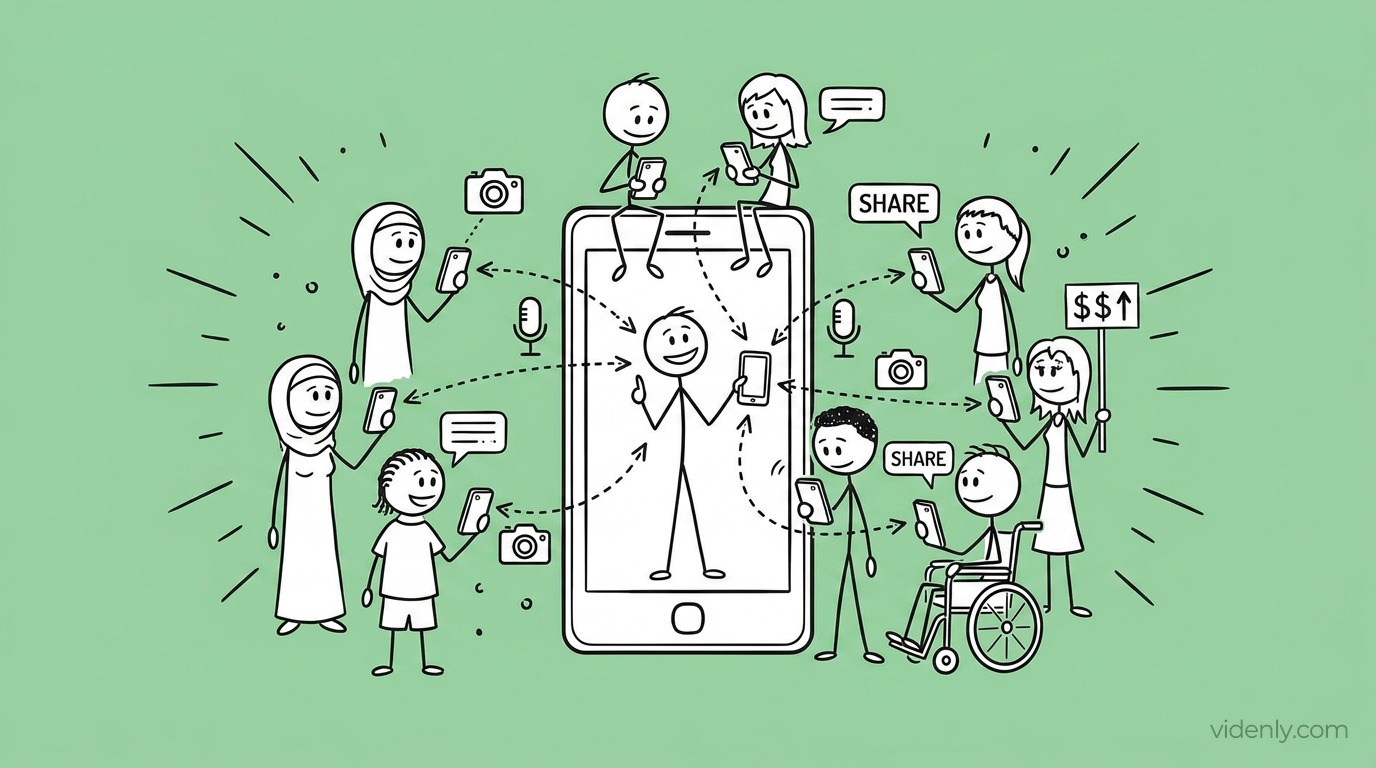
As trends and consumer behaviors shift, brands can rapidly pivot their strategies, embracing new user-generated content without the extensive revisions often required in traditional campaigns.
This adaptability is not just advantageous; it’s essential in a fast-paced digital world where attention spans are fleeting.
Being able to tap into the pulse of your market through UGC delivers timely and relevant content, often leading to a higher return on investment.
I mean, who wouldn’t want to draw from the rich tapestry of customer experiences for their campaigns?
Brands can craft narratives that echo the sentiments and stories of their most loyal consumers and, in doing so, create deeper connections that traditional marketing may struggle to replicate.
Additionally, UGC allows brands to save significantly on influencer collaborations.
Working with micro-influencers, who often charge lower fees, can yield substantial returns when leveraging user-generated content, thus broadening the brand reach without extensive financial burdens.
What’s even more remarkable is the ability to repurpose user-generated content across multiple channels.
Brands can curate this content, reusing it in advertisements, social media, and even email marketing, maximizing its potential while minimizing production efforts.
The tangible savings from UGC don’t just come from production costs; they extend into advertising expenditure through increased organic reach.
When user content becomes popular, it spreads like wildfire, allowing brands to reach wider audiences without extra ad spend.
Important: Integrating User-Generated Content (UGC) into your marketing strategy significantly reduces overhead costs while fostering authenticity, trust, and community engagement that traditional advertising methods struggle to achieve.
As brands look towards the future, the cost-effectiveness of UGC campaigns will undoubtedly play a crucial role.
Balancing budget constraints while maximizing authenticity exemplifies a paradigm shift that promises to further integrate UGC into mainstream marketing strategies.”
When we talk about the collaboration between User-Generated Content and influencer marketing strategies, we enter a space filled with incredible possibilities. This integration isn’t just a passing trend; it’s shaping a new narrative for businesses aiming to connect authentically with their audiences.
Imagine a large brand reaching out to influencers who encourage their followers to share their own experiences with the product. This creates a rich tapestry of content that not only showcases the product in various lights but also builds a community around shared experiences.
By blending UGC with influencer partnerships, brands can create a more authentic narrative. Influencers serve as trusted voices, but when they promote content created by real customers, it resonates more deeply with audiences.
Integrating influencer strategies with UGC allows brands to benefit from both influencer reach and the relatable voice of everyday users. The result is a powerful dynamic that fosters deeper connections between the audience and the brand.
In this context, influencers become curators of content, promoting not only their polished images but also real-life experiences of their followers. This approach offers potential customers a glimpse of how the product fits into actual lives rather than a staged or fabricated portrayal.
To effectively weave this strategy into a marketing plan, it’s essential to choose influencers who share your brand’s values. Collaborating with influencers whose audiences align with your target market ensures that the shared UGC feels natural and relevant, reinforcing the authenticity.
Another key consideration is to empower your audience to participate actively by sharing their stories. Inviting customers to post about their experiences not only enriches the brand story but also fosters a sense of belonging.
When users see their own content celebrated by influencers, it can create a sense of pride and investment. This emotional response plays a significant role in driving engagement and loyalty towards the brand.
Brands can kick off this integration by using campaigns that specifically encourage the creation and sharing of UGC. For instance, launching challenges or contests where followers post their content with branded hashtags can ramp up participation.
In this way, influencers can act as the bridge that connects customer experiences to the wider audience. Their role is to highlight the content generated by customers and share it, thus amplifying its reach.
Looking through this lens, content generated by users becomes part of the overall marketing conversation. This leads to richer social proof, making potential customers feel that they are part of something bigger, a community that stands behind the brand.
The visual storytelling of UGC, complemented by the influencers’ narratives, tells a much more compelling story. This is much like a quilt, where each patch adds its personal touch, yet they combine beautifully to form a cohesive blanket that comforts and attracts.
Furthermore, tracking the performance of UGC in influencer campaigns might unveil unique insights into consumer preferences. This helps brands refine their strategies by understanding which types of content resonate best with their audience.
Engaging with followers through comments and messages when UGC is shared also helps deepen the relationship. It shows your audience that their contributions and voices matter to the brand and to the influencer.
Another effective way to enhance integration is through the use of engaging formats such as stories, reels, or TikToks. These can highlight customer experiences in a dynamic and digestible manner, drawing in more viewers.
Instead of a one-off promotion, integrating UGC into influencer strategies should be viewed as an ongoing dialogue. This fosters a more sustained engagement rather than a temporary spike in interest.
At the end of the day, the collaborative effort between influencers and UGC cultivates a rich ecosystem where both parties thrive. Brands gain credibility, followers feel heard, and influencers establish themselves as relatable figures within the community.
The beauty of this integration lies in its fluidity and the natural synergy it creates. The key is to approach it with the mindset of collaboration rather than mere promotion.
Adopting clear guidelines for UGC can help maintain brand identity while allowing creative freedom to shine. It’s about setting the stage while allowing the audience to act out the performance, ensuring that they feel part of the story.
In the end, when UGC and influencer marketing strategies are integrated effectively, they can transform the landscape of brand storytelling. The authenticity of real experiences, mixed with influential voices, creates a compelling narrative that can elevate brand loyalty and drive engagement.

As we explore the evolving landscape of marketing, it’s clear that understanding consumer values has become indispensable. In the age of social media and constant connectivity, brands are increasingly tasked with not only selling products but also aligning themselves with the fundamental beliefs and values of their audience.
In this context, User Generated Content (UGC) ads have emerged as powerful tools to bridge the gap between brand messaging and consumer ideals. This approach highlights how brands can resonate with their consumers by showcasing authentic stories and shared experiences.
The power of UGC lies in its ability to reflect the real-life aspirations and struggles of consumers. By allowing customers to share their experiences with a product or service, brands create a sense of community, fostering trust and loyalty that is often journey-like rather than transactional.
In many ways, brands today serve as the mirrors reflecting consumer interests and desires. The more aligned a brand is with what consumers value, the stronger the connection it can establish with its audience.
As I think about the distinctiveness of UGC ads, I would say they allow consumers to voice their opinions, creating an atmosphere where genuine interactions thrive. These ads often bring out stories that the brand itself may not have considered, allowing for a deeper connection.
When we discuss consumer values, the conversation often touches on sustainability, social responsibility, and inclusivity.
Brands that can actively demonstrate their commitment to these values through UGC are often more appealing to conscious consumers looking for meaningful relationships with the brands they choose.
A good example would be, take brands that prioritize sustainability; they might encourage users to share how they incorporated eco-friendly products into their daily lives.

This not only boosts the brand’s image but also creates a spotlight on good practices and inspires others in the community to follow suit.
Moreover, consider how values of inclusivity drive marketing today.
Brands utilizing UGC can share diverse stories that reflect their consumer base, ensuring that a variety of voices are heard and represented in their campaigns.
This approach cultivates a broader sense of belonging for consumers.
In essence, as brands navigate this landscape, the authentic stories told through UGC ads become essential in shaping perceptions.
Each piece of content generated by users serves not only to promote a product but also to normalize and celebrate the various facets of consumer identity.
As brands listen to their customers and respond to their values, we see a shift in how marketing can be approached.
It becomes about engaging in meaningful conversations rather than merely pushing a product onto consumers.
In the end, the reflection of consumer values through branding is about connection.
UGC ads pave the way for brands to craft their narratives in a way that resonates, creating a partnership where brands and consumers grow together.
The landscape of User-Generated Content or UGC advertising is evolving remarkably, reflecting the changing dynamics of consumer engagement and marketing strategies. This shift indicates that brands are increasingly recognizing the power of authentic voices and stories shared by everyday consumers.
One of the most significant trends is the growing importance of authentic engagement. Consumers have become more discerning and are often overwhelmed by traditional advertising tactics. They are seeking genuine connections with brands, making UGC a important part of their purchasing journey. Brands are beginning to tap into this demand for authenticity, which leads to more relatable content that resonates deeply with potential customers.
The rise of interactive UGC content is another compelling trend that we must consider. Rather than simply displaying user-generated photos or testimonials, brands are increasingly encouraging consumers to participate in creating content through challenges and collaborative projects. This creates a sense of community and shared experience around the brand, which strengthens customer loyalty and brand identity.
Social media platforms will continue to refine their algorithms to favor content that sparks genuine interaction and engagement. Brands will need to adapt their strategies accordingly, focusing not only on the quantity of UGC but also on fostering qualitative interactions with their audiences. As user-generated content spreads like wildfire, understanding what drives engagement becomes imperative for all marketers.
The integration of augmented reality and UGC is poised to become a powerful trend in advertising. Imagine a scenario where consumers can use an app to visualize how a product would look in their own space, enhanced by UGC that showcases real experiences from other users. Such technology creates a bridge between the virtual and real worlds, providing impressive opportunities for brands to enhance the customer journey.
Video content is undeniably becoming the cornerstone of UGC strategies as it captures attention in ways static images simply cannot. The trend of platforms like TikTok pushes brands to consider creative short video clips generated by the community. These clips can convey messages with energy and immediacy, reminding us of how visual storytelling shapes perceptions quickly.
We are seeing brands increasingly leveraging micro-influencers as part of their UGC advertising strategies. Micro-influencers often have smaller, yet highly engaged audiences with authentic connections that larger influencers may struggle to maintain. Collaborating with these individuals allows brands to tap into more niche markets and create impactful campaigns that feel personal, making each consumer feel like they are part of something special.
The use of data-driven insights is set to become even more prominent in shaping UGC advertising strategies. By analyzing the performance of user-generated campaigns, brands can tailor their approaches to better meet consumer needs. Data will inform not only which types of content perform best but also the optimal channels and timings for posting, enhancing the overall effectiveness of these campaigns.
As technology continues to evolve, artificial intelligence may play a role in filtering and curating UGC to ensure that brands only showcase the most relevant and effective consumer content. This could revolutionize how brands interact with consumers, allowing for quicker adaptations to trends and preferences. The integration of AI in UGC strategies presents innovative approaches to engage audiences in real time.
Moreover, the growing importance of community building will shape UGC advertising in the near future. Brands are not just selling products; they are creating ecosystems where consumers interact and share experiences related to their products. This investment in community fosters a sense of belonging, which can lead to deeper emotional connections and enhanced brand loyalty.
At the end of the day, the future of UGC advertising holds vast potential for brands willing to innovate and embrace these trends. As consumers increasingly seek connections rooted in authenticity and story, brands must adapt and refine their marketing strategies to stay relevant. We are on the brink of an era where UGC will not just complement traditional advertising but may redefine it altogether.
Pro Tip: Focus on cultivating authentic engagement and community building in your UGC advertising strategies, as consumers increasingly seek genuine connections with brands.
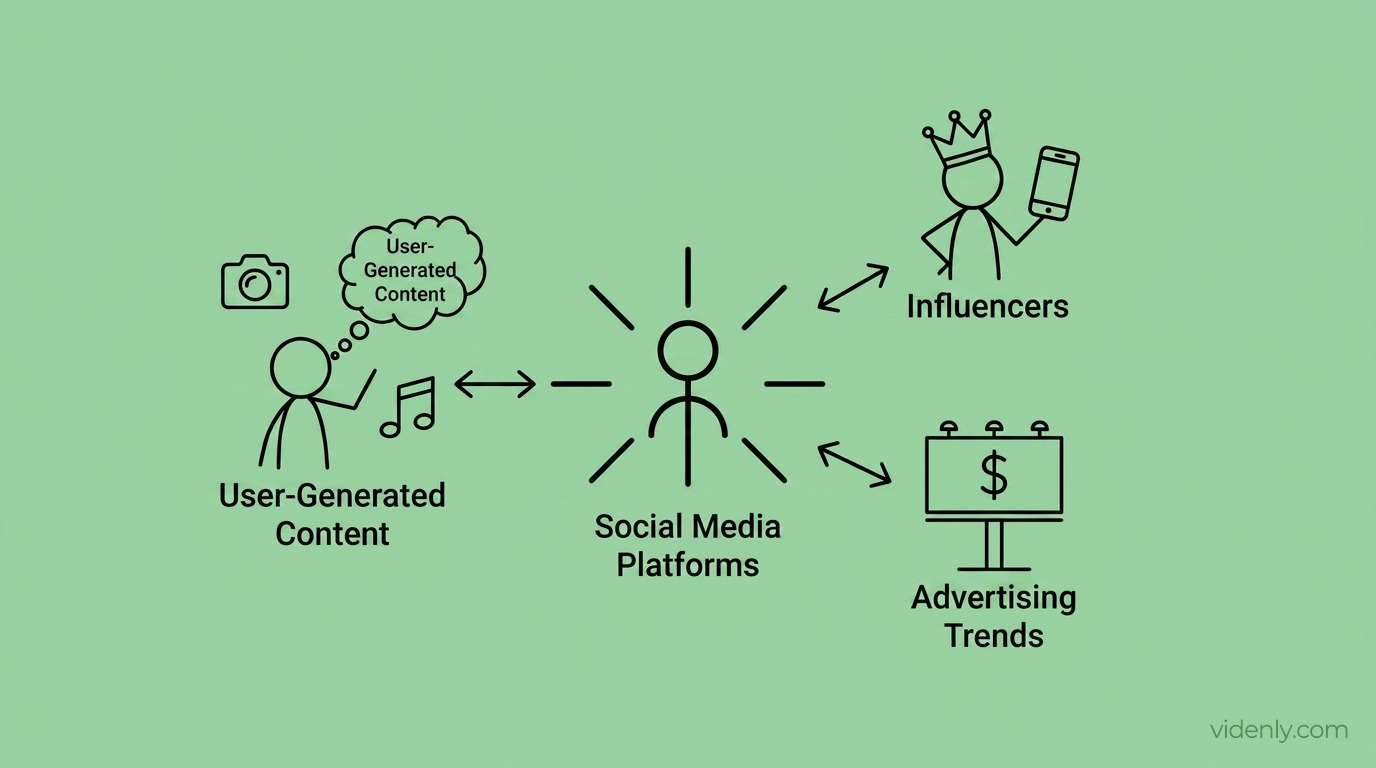
Create stunning AI-generated videos that captivate your audience and elevate your brand.