
Published on April 28, 2026 by
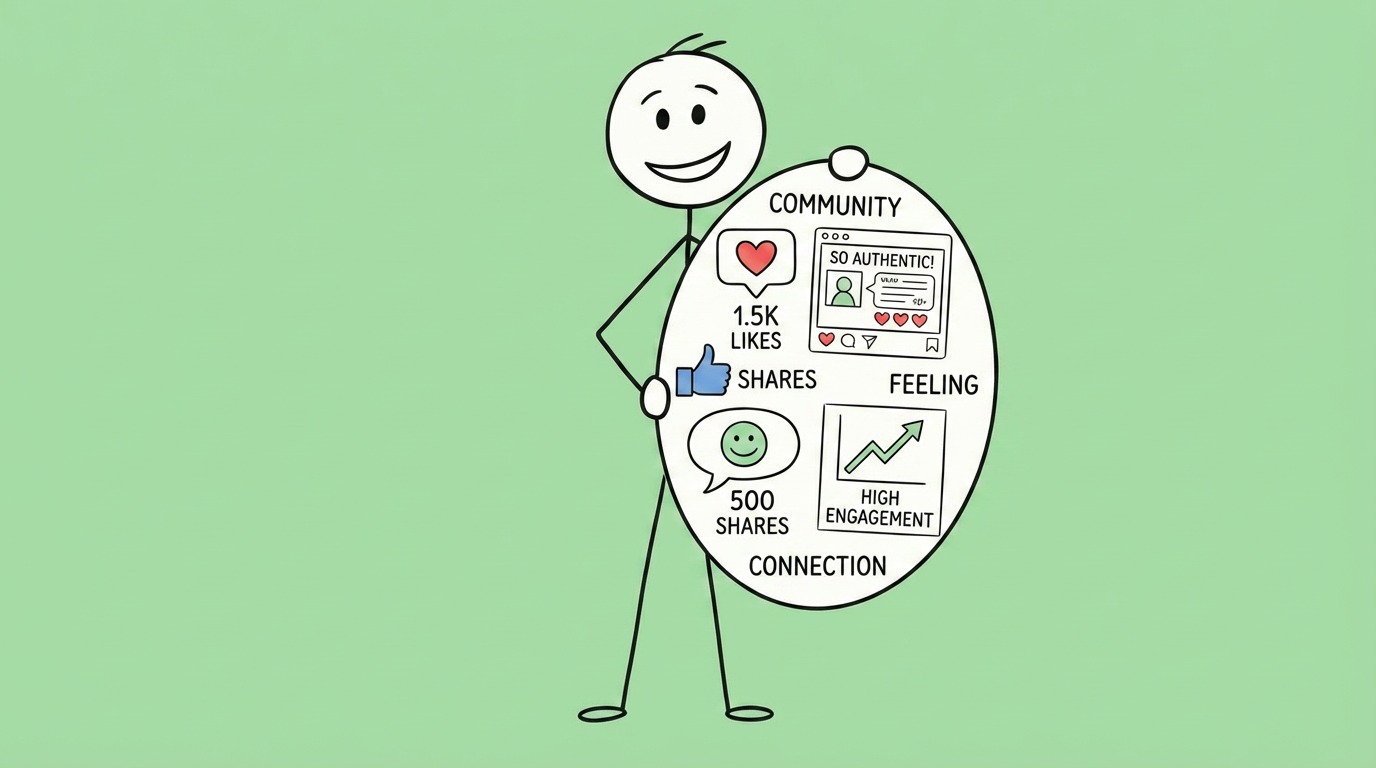
User-generated content (UGC) ads effectively tap into consumer emotions by leveraging authenticity and relatability.
When customers see real people using a product, it fosters a sense of trust and community that resonates on a personal level.
Additionally, UGC reflects genuine experiences and opinions, reinforcing emotional connections that branded content often lacks.
This type of content encourages consumers to engage by inviting them to share their own stories and experiences.
As a result, UGC ads build a cycle of positive reinforcement where emotions are shared across a broader audience, amplifying brand loyalty.
At the end of the day, by prioritizing consumer emotions, UGC ads drive higher engagement and long-lasting relationships with the target audience.
While the key takeaways highlight the importance of user-generated content in driving consumer engagement, there are additional layers to this topic that warrant discussion.
For instance, the role of social media platforms in amplifying user voices and creating viral content is crucial to understand.
In addition, exploring the types of emotional triggers that resonate most with consumers can provide valuable insights for marketers looking to craft more impactful campaigns.
By examining these aspects, a broader understanding of how UGC ads can effectively engage audiences will emerge.
In the modern marketplace, consumers crave genuine interactions over polished advertisements that feel distant and insincere. As people seek out brands that resonate with their personal values, the significance of authenticity in marketing becomes paramount.
User-generated content (UGC) allows brands to connect with consumers on an emotional level, creating relationships that feel more personal. This connection often leads to a sense of community, which I would say enhances loyalty and trust.
Consider the impact of sharing real experiences from real customers. These stories have been known to foster a bond that traditional marketing simply cannot achieve, as they resonate far beyond mere product features.
This is a space where honesty shines. When consumers see others using a product, their natural curiosity kicks in, prompting them to think about how it might fit into their lives.
Moreover, user-generated content humanizes brands; it’s akin to hearing a friend share their favorite moments rather than a scripted commercial that just pushes a sale. This organic representation speaks volumes as it reflects actual experiences and emotions.
Let’s break down what makes these authentic connections positively impactful:
As someone who has witnessed countless campaigns, I find it intriguing how UGC offers brands a chance to showcase their authentic essence.
This approach often results in a more significant impact because it feels like a conversation between peers rather than a monologue from a corporation.
The emotional power of these connections cannot be underestimated.
When customers share their experiences and feelings, they create a ripple effect, influencing others to engage with the brand in a more meaningful way.
These stories not only offer validation for those considering a purchase but also build an emotional narrative around the brand.
Furthermore, the sharing of personal experiences allows for conversations between consumers and brands.
When a customer posts about their satisfaction through reviews and photos, it encourages others to engage, leading to back-and-forth exchanges that enrich the brand narrative.
I would argue that UGC serves as the bridge between brands and their target audiences.
It embodies a democratic form of marketing where the voice of the consumer holds powerful sway, shaping their perceptions and purchasing decisions.
Despite the potential benefits, harnessing the power of UGC requires a considerable amount of effort and strategy.
Brands must actively encourage content creation while providing a platform for consumers to share their narratives, ensuring both parties feel valued.
As part of this journey, it’s crucial for brands to acknowledge and celebrate their consumers’ contributions.
Engagement isn’t just a one-way street; acknowledging mentions and highlighting shared content can enhance that authentic relationship.
The real beauty of these connections comes from their unexpected nature.
When users narrate their stories, emotions spill into the dialogue, making advertising less about the product and more about the human experience, which is where the true value lies.
At its core, authentic connections thrive on shared experiences and mutual respect.
Users not only become advocates for a brand but also co-create its story, enriching the brand’s identity while simultaneously validating their own experiences.
In the world of advertising, where consumers are often bombarded by polished marketing materials, trust is a precious commodity. Tapping into the power of User Generated Content (UGC) becomes an effective strategy, as it relies on real experiences shared by actual users.
When consumers see relatable stories, they are often more inclined to believe in the authenticity of a product or service. This organic form of advertisement creates a sense of community and belonging that traditional ads struggle to achieve.
Imagine scrolling through social media and coming across a video of someone just like you, excitedly unpacking a product they genuinely love. This connection fosters an emotional response that builds trust far more effectively than any celebrity endorsement ever could.
It’s a bit like hearing a friend enthusiastically recommend a favorite book; you just feel compelled to check it out. UGC ads offer that genuine, heartfelt recommendation that resonates on a personal level.
Furthermore, sharing personal stories through UGC creates a layer of credibility that brands can rarely replicate. When consumers witness real-life testimonials complete with imperfections and all it humanizes the brand and makes it approachable.
These authentic experiences can break down the walls of skepticism that many potential buyers harbor. By seeing peers utilizing and endorsing a product, individuals begin to see it as a legitimate choice rather than just another gimmicky item on the market.
Displaying UGC ads involving real customers not only works on an emotional level but also showcases a brand’s transparency. The unfiltered authenticity found in such content highlights genuine interactions, making it easier for viewers to relate to and trust the message being conveyed.
For instance, a heartfelt UGC video where a parent shares how a new tool has transformed their daily routine can strike a chord. Such emotional narratives go beyond compelling stories; they evoke empathy and support from the audience.
When a potential customer sees someone overcoming challenges or achieving their goals with a given product, that shared experience can motivate them to jump on board. It’s the very essence of storytelling, where every character’s journey shapes the emotions of the overall narrative.
This phenomenon is further amplified on platforms like Videnly, where creators can produce engaging UGC ads quickly and efficiently. By allowing for the representation of varied voices and experiences, these platforms help highlight genuine stories that resonate.
Visual storytelling becomes a powerful ally as well, underscoring the simple yet profound truths about everyday life. A UGC video showing a group of friends enjoying a new snack together creates an inviting atmosphere that draws in the viewer.
Moreover, the power of community cannot be overstated in the arena of UGC. As users share their personal stories about how they discovered a product or service, they contribute to a collective narrative that celebrates diverse experiences.
Imagine how different the perception of a brand could be when customers actively participate in its success story, showcasing their creativity and satisfaction. This shared ownership not only strengthens brand loyalty but also nurtures a unique bond between the audience and the brand.
Even the simplest posts can evoke significant emotions when they reflect everyday life. A UGC post featuring a candid moment a child laughing while using a toy can create genuine happiness, influencing others’ perceptions and nurturing a strong emotional link.
Furthermore, consumer-generated content often serves as a reflection of the audience itself. When viewers see someone they identify with be it based on lifestyle, interests, or demographics the emotional connection deepens further.
As a result, these videos make viewers feel like they are part of an exclusive club. This feeling of connection enhances the likelihood of engagement, encouraging others to join in on the conversation and share their experiences.
At the end of the day, the journey consumers take in their purchasing decisions is an emotional one. Advertisements that can genuinely encapsulate these emotions through real-life experiences have the potential to foster a profound sense of trust.
This kind of trust is indispensable in today’s market, where authenticity reigns supreme. UGC ads empower consumers to take center stage, allowing their voices and experiences to shine brightly, guiding others in their decision-making process.
Pro Tip: Trust is a precious commodity in advertising, making User Generated Content (UGC) an effective strategy as it relies on authentic experiences shared by real users, fostering emotional connections and credibility that traditional advertisements often fail to achieve.

There’s something profoundly powerful about stories that connect us, especially in a digital world where everything often feels disjointed and isolating. When brands use user-generated content to share stories, they not only inspire but also create a sense of belonging within their audience.
Imagine scrolling through your feed and encountering a heartfelt story shared by a fellow consumer. You see their journey and emotions captured in a genuine moment, and it makes you stop, reflect, and feel a part of their experience.
This shared narrative forms a bond, as people realize that they are not alone in their experiences. It’s like gathering around a campfire where stories are told, fostering a sense of community through shared memories.
User-generated content ads can serve as a spotlight on these personal stories, shining brightly enough for others to see themselves reflected in them. By showcasing authentic experiences, brands open the door for deeper connections with their audience.
A good story resonates because it taps into universal emotions. We may all have different backgrounds and lifestyles, but feelings of joy, struggle, and triumph are what unite us as humans.
Consider various aspects that make these stories impactful. When brands embrace these key elements, they enhance the overall resonance of their UGC ads:
When a brand features stories from different voices, they elevate the conversation.
It’s something special to witness individuals sharing their unique challenges and victories.
Additionally, UGC ads can foster a sense of community as they often encourage conversation among consumers.

As people engage with the content, they often leave comments, share experiences, or join discussions surrounding shared interests.
Consider a travel brand showcasing a customer’s breathtaking adventure, allowing viewers to vicariously experience the beauty through that traveler’s eyes.
The emotions conveyed not just the sights but the feelings of excitement and discovery spark conversations among others who have dreamt of similar journeys.
In building a community, it’s important to recognize the power of emotional storytelling.
These stories often linger in our minds, like seeds planted in fertile soil waiting to blossom.
Moreover, brands don’t just gain followers; they build loyal communities when they actively engage in discussions and acknowledge shared stories.
A simple response from a company can make a consumer feel valued, enhancing their connection to the brand.
Brands can also host campaigns that encourage consumers to share their stories related to a product.
This not only brings in diverse perspectives but also allows individuals to express themselves.
Think about how engaging a brand can be when they invite their audience to connect through shared experiences.
By celebrating these stories, brands not only showcase their products but also affirm their commitment to understanding their audience.
Through fostering empathy and understanding among various consumers, brands can create a tapestry of shared experiences that resonate deeply.
It’s as though each story adds a unique thread, weaving together a beautiful fabric that represents a community.
And let’s not forget that in this rich tapestry, every thread plays its part in creating a bigger picture that draws in more consumers.
In the end, these stories allow others to see how a product fits into their lives because it’s already working for someone else.
As brands lean into shared stories, they also set the stage for a culture of inclusivity and openness.
Engaging with these narratives can foster an environment where individuals feel safe to share their own stories.
Pro Tip: User-generated content allows brands to share authentic stories that foster community, build trust, and encourage meaningful engagement among their audience.
In the grand scheme of modern marketing, stories have the potential to be the heartbeat of a brand.
When each narrative resonates, another life is touched, and another connection is made, ultimately deepening the brand’s relationship with its community.
User testimonials possess an undeniable power to captivate consumers by sharing relatable experiences and emotions. When real people express their feelings about a product or service, it creates a connection that often feels more genuine than crafted marketing narratives.
These testimonials tap into the essence of shared human experiences, resonating with feelings of joy, relief, or even nostalgia. By showcasing the authentic voices of users, brands can strip away the polished veneer typical of corporate messaging, allowing consumers to see themselves within these stories.
Each testimonial serves as a beacon of trust amidst the sea of advertisements. When potential buyers read or view testimonials, they feel a sense of camaraderie, often believing that if others can benefit from a product, so can they.
Consider how emotional storytelling can inspire action in ways that mere facts cannot. A user might share how a product helped them overcome an obstacle, evoking a mix of empathy and motivation that merely advertising features cannot match.
Take, for example, the story of a mother finding respite during a chaotic day with the help of a particular product. Her heartfelt testimony about how a simple solution brought her peace not only illustrates the product’s utility but also speaks to the struggles many parents face daily.
This interplay of emotion and personal narrative creates a magnetic pull that draws in prospective customers. Rather than being met with rigid sales pitches, potential buyers encounter authentic interactions that foster a feelings of connection.
Utilizing emotional triggers makes the content remarkably engaging, forging pathways to deeper connections with the audience. People are naturally inclined to respond to stories that evoke their emotions, and these testimonials deliver just that in spades.
While the science behind persuasion lies in forming connections, the art of weaving testimonials into advertising hinges on the emotional resonance they bring. Each story we share carries the weight of individual experiences and, in turn, humanizes the brand behind it.
Furthermore, incorporating varied experiences enhances the diversity of perspective within testimonials. Whether it’s a student reveling in newfound confidence or a retiree enjoying hassle-free travel, these experiences showcase the broad reach of a product, emphasizing its versatility.
The ingredient of authenticity in user-generated content (UGC) cannot be overstated. When consumers perceive testimonials as sincere, they feel more comfortable engaging with the brand, often yielding higher rates of interaction and advocacy.
Think about it who do people trust more, a polished celebrity or an everyday user? This preference highlights the emotional pull of authenticity, which often resonates stronger than any scripted dialogue could.
User testimonials act as modern-day campfires, where stories are shared and connections are forged. In a digital landscape crowded with content, these personal testimonies illuminate the path, making brands feel more approachable and relatable.
Brands that leverage heartfelt testimonials can create a cultural impact, helping spark conversations that resonate beyond a single transaction. When consumers identify with the emotions conveyed in testimonials, they begin to weave their narratives into the fabric of the brand’s story.
Sparking emotional reactions can lead to relatability, which many brands strive to achieve. Just as a familiar song may bring back memories, well-crafted testimonials remind consumers of their own journeys and struggles.
This storytelling serves not only as a tool for engagement but also as a way to nurture community feelings among customers. When people are reminded of what motivates their purchases, they engage with brands on a more meaningful level, creating a cycle of loyalty.
Once a consumer taps into the emotions tied to their experiences with a product, their actions may be influenced in unpredictable yet substantial ways. Consumer behavior is often guided by an emotional compass, which user testimonials help to illuminate and explain.
In a world rife with distractions, it’s essential that brands understand how to effectively tap into emotions. Emotional testimonials can act as touchstones, guiding potential buyers toward their decisions, as they resonate with the underlying feelings presented.
A narrative steeped in emotion allows each person to feel as if they are part of a larger story. This connection can ignite a sense of belonging, reinforcing the emotional ties that today’s consumers wish to cultivate with the brands they choose.
Listening to the voices of others as they share their authentic experiences creates a composite of sentiment that makes every testimonial impactful. With each passing story, the brand’s identity becomes intertwined with the genuine emotions of its customers, forming a community of shared values and experiences.
At the end of the day, the emotional resonance of user testimonials serves as both a marketing strategy and a pathway to deeper engagement. As consumers navigate their choices, they carry these stories with them, allowing brands to play a pivotal role in their lives.
Pro Tip: Leverage the emotional authenticity of user testimonials to foster genuine connections with your audience, as these relatable stories resonate far more than traditional marketing messages.

When you think about effective advertising, the power of engaging content rings undeniable. It seems as though people naturally gravitate towards experiences that involve their active participation.
One way to foster this participation is through interactive content, which has become a cornerstone in the world of User-Generated Content (UGC) ads. This approach doesn’t merely deliver a message; instead, it creates an environment inviting consumers to immerse themselves fully.
Interactive content often allows individuals to explore emotions and reactions that resonate deeply with their personal experiences. Imagine a campaign that’s akin to a digital playground where feelings of joy, curiosity, and even nostalgia take center stage.
Among various formats used, polls, quizzes, and interactive videos have emerged as the stars of the show. These tools not just entertain but also invite the audience to contribute to the narrative, making them feel like active participants rather than passive observers.
By engaging users in a two-way interaction, brands can cultivate a sense of belonging and community. In the end, it transforms mere viewers into loyal fans eager to share their experiences and stories.
Consider the impact of a fun quiz related to a brand’s product. Not only does it offer users a moment of enjoyment, but it can also drive them to reflect on their own preferences and choices. This alignment creates an internal connection that often leads to deeper brand loyalty.
Now, let’s take a look at some exciting ways interactive content can inspire engagement:
Utilizing such approaches lays the groundwork for emotional engagement that transcends traditional marketing techniques.
Individuals feel valued when their thoughts and preferences are acknowledged and integrated into the brand narrative.
This emotional connection can be compared to a web – each interaction strengthens the threads that tie the consumer to the brand more intimately.
As users contribute their stories and feedback, their loyalty often grows in proportion to the value they feel they receive.
Furthermore, interactivity in advertising works like a magnet attracting individuals from diverse backgrounds, encouraging them to share their unique insights.
It’s remarkable to witness how brands can leverage these insights, allowing consumer voices to shape and influence future campaigns.
When brands invite the audience to co-create content, they foster a communal spirit that resonates with authenticity and realness.
This collaborative energy draws consumers deeper into the brand’s universe, making them feel as though they are an integral part of the brand’s journey.
This method can also boost trust levels, given that users often trust peer-generated content more than traditional advertisements.
As consumers view authentic stories from their peers, a sense of mutual respect and understanding develops, solidifying the emotional connection further.
Additionally, responsiveness to consumer-generated content allows brands to showcase their flexibility and willingness to adapt.
When a brand actively engages with its audience’s input, it instantly transforms a one-way conversation into a fulfilling dialogue that enhances mutual respect and appreciation.
Brands that embrace this trend strive to create an enriching experience that goes beyond just a purchase.
Instead of merely emphasizing transactional relationships, they cultivate profound emotional ties, planting the seeds for lasting customer loyalty.
Interactive content sits comfortably at the heart of this new approach, and brands that utilize it wisely will undoubtedly find greater engagement levels.
As consumers discover channels to express their individuality, the traditional boundaries of marketing begin to dissolve, replaced by collaborative efforts that yield rich rewards for all involved.
Diving into the realm of interactive content is like embarking on an exciting journey where both the brand and the customer walk hand in hand.
Each step taken together not only amplifies emotional connection but also creates a vibrant community dedicated to sharing stories, experiences, and, ultimately, a shared future.
When we think about User-Generated Content, we often envision a vibrant community filled with lively voices sharing their unique stories. It’s interesting to consider how brands can transform mere consumers into passionate participants, with the right approach to engagement.
Engagement begins with transparent communication that invites consumers to share their insights and creativity. Imagine a brand reaching out, expressing genuine interest in what their customers think and say.
Utilizing platforms that incorporate consumer feedback serves to amplify the voices within the community. It’s not uncommon to see users eager to contribute when they know their input can shape the brand’s offerings.
Simply put, creating opportunities for participation can be compared to planting seeds in a garden; with care and attention, these seeds bloom into a stunning display of diversity. Consumers often appreciate the chance to showcase their skills and share their experiences alongside their favorite brands.
One effective way to encourage participation is by organizing contests or challenges that resonate with the audience’s interests. These competitions stimulate creativity and give users a platform to express themselves authentically.
Encouraging users to showcase their creations not only fosters a sense of community but also strengthens their emotional connection to the brand. It’s wonderful how a simple hashtag can turn into a rallying call for individuals to join in.
An excellent example of this is when brands ask customers to share their personal stories featuring a product. This approach doesn’t just generate content; it also deepens relationships as consumers feel valued and proud to contribute.
Moreover, offering incentives can significantly boost participation rates. Whether it’s discounts, exclusive content, or features on the brand’s platform, these rewards can be the extra push that prompts customers to showcase their creativity.
The importance of fostering a welcoming environment cannot be overstated. When individuals feel appreciated and encouraged to share, they become more likely to engage in a dialogue with the brand.
Furthermore, the role of community managers becomes increasingly important in maintaining this environment. A skilled manager can guide discussions, respond to user inputs, and create a sense of belonging among participants.
By facilitating positive interactions, brands can continuously gather valuable feedback while amplifying user voices. This open dialogue can create bonds that not only support brand loyalty but also encourage ongoing contributions.
Brands can also highlight user submissions by featuring them on their websites or social media channels. This practice not only celebrates the individual contributions but also cultivates a sense of pride and ownership among the consumers, compelling others to participate.
The emotions tied to recognition are powerful motivators in participation rates. When someone sees their work shared publicly, it creates a ripple effect that inspires others to join in the creative process.
Furthermore, employing storytelling techniques to share user-generated content can enhance participation and strengthen connection. By transforming customer submissions into narratives that resonate with broader themes, brands invite others to contribute their own stories as well.
Establishing challenges or themed events around specific time frames can increase participation as well. For instance, seasonal campaigns can prompt users to experiment with themes that resonate during that period.
Think about how many people enjoy documenting their holidays or special events; brands can tap into that enthusiasm by providing a platform for sharing these experiences. It encourages customers to document their interaction with the brand creatively, breathing life into traditional static content.
This approach could also foster a sense of friendly competition, further motivating individuals to showcase their contributions. When consumers see others participating and enjoying the process, it plants the seed of inspiration for their own submissions.
At the end of the day, the goal is to create a thriving community where users feel empowered to share, interact, and contribute. When consumers see their peers engaging with a brand, it sets off a chain reaction encouraging even more participation.
Moreover, the concept of collaboration should be cherished within this community. Inviting consumers to co-create with the brand leads to innovative content and showcases the value of individual contributions.
The sheer excitement that comes from collaborative projects can generate extraordinary results, as individuals merge their visions with that of the brand. This synergy can lead to unique campaigns that truly reflect the essence of community engagement.
Maintaining this dynamic atmosphere requires ongoing effort and dedication from brands, but the rewards can be substantial. A strategic focus on encouraging user participation fosters not just content but a rich tapestry of shared experiences and stories.
In a world where consumers appreciate authenticity, inviting them to contribute can elevate a brand from being merely transactional to being part of the fabric of their daily lives. A culture of shared experiences ensures that consumer voices echo loudly, resonating beyond the realm of traditional advertising.
Social proof, often likened to the bandwagon effect, plays a pivotal role in shaping consumer behaviors and decisions. It taps into our inherent desire to connect with others and belong to a community, making it a powerful catalyst for building brand loyalty.
When consumers see others endorsing a product or service, they often feel a sense of trust and reliability surrounding that brand. This is because the validation from peers or fellow customers often outweighs traditional advertising messages.
Think about it: when you notice friends excitedly posting about their latest purchase or sharing their experiences on social media, you might feel an urge to check it out yourself. This phenomenon harnesses the incredible power of shared experiences, making a brand’s appeal more vivid and relatable.
Many consumers actively seek opinions and recommendations before making a decision. This highlights the fundamental shift in how consumers view marketing today, where they place greater value on genuine content created by other users.
User-generated content (UGC) in the form of reviews, photos, and videos allows brands to showcase real-life experiences. Here, the authenticity of these shared moments builds a bridge between potential customers and the brand.
Let’s explore some reasons why social proof holds such weight in driving brand loyalty:
When consumers share their thoughts and experiences about a brand, it adds layers to the overall perception of that brand.
In essence, consumers are not merely buying a product; they’re buying the story around it.
Visual representations of happy customers using a product carry immense weight.

This imagery serves as a reminder that if others love a product, they too might experience that same joy.
Engagement through UGC can be enhanced when brands actively encourage sharing.
Simple tactics like hashtags or tags can help create a thriving community where conversation flows easily, igniting excitement among followers.
Picture a vibrant marketplace bustling with potential purchases, enhanced by the sound of customer chatter.
That’s what a dynamic engagement community can look like for a brand, as it fosters genuine interactions and deepens connections.
Moreover, it’s essential for brands to recognize and celebrate their loyal customers.
By highlighting their stories or featuring them on official channels, brands validate their voices and experiences, making them feel appreciated.
Thus, fostering a sense of belonging through social proof translates directly into brand loyalty.
When customers see their experiences reflected back at them, they not only feel valued but also more inclined to stand by that brand.
The emotional connection formed through shared experiences is as strong as the ties of friendship.
This is important in creating a circle of brand advocates who will promote it out of genuine affection, not simply transaction-based incentives.
As brands sound off their values and missions, they can further connect with customers on a deeper, more emotional level.
This connection encourages customers to advocate for the brand and stay loyal through thick and thin.
Important: Leveraging social proof through user-generated content not only enhances the authenticity and relatability of your brand but also significantly drives consumer engagement and loyalty by fostering a sense of community and trust among potential customers.
In summary, leveraging social proof enables brands to craft a narrative filled with trust and community while simultaneously fostering loyalty.
Because consumers are inevitably drawn to what others love, incorporating social proof through UGC can make a remarkable impact in the vast landscape of market engagement.
The landscape of advertising has undergone a significant transformation over the past few years, driven by the rise of User-Generated Content or UGC. This change has drawn brands into a realm where emotional connections are paramount in fostering lasting relationships with their consumers.
Rather than simply broadcasting a polished image, brands are now placing a strong emphasis on authentic narratives that resonate deeply with their audience. UGC allows consumers to share their individual stories, thereby creating a sense of community and belonging.
When a consumer feels emotionally connected to a brand, they’re more likely to become loyal advocates. This loyalty is akin to how we cherish friendships; the more we invest in these connections, the more profound they become.
Brands can forge such connections by showing vulnerability through storytelling and shared experiences. Authenticity shines through personal narratives, which often reveal struggles, triumphs, or even mundane routines.
A good example would be, consider a customer who posts a video of their heartfelt experience with a product, detailing how it improved their daily life. This simple act transforms them from a passive consumer into a powerful storyteller, evoking emotions in others who relate to that experience.
Furthermore, when brands highlight real customers and their stories, it adds credibility to their messaging. This approach invites others to reflect on their own experiences, enabling a bond to flourish between the audience and the brand.
Emotionally resonant content can also motivate consumers to engage more with a brand. Feelings of joy, nostalgia, or even empathy trigger deeper responses, prompting viewers to not only like or share content but to create their own.
Such engagement creates an ongoing dialogue that is essential for building community. I would say it’s like planting a seed; with the right care and attention, it can grow into a strong, enduring relationship.
Moreover, UGC fosters a sense of ownership among consumers, as they see themselves as integral parts of a brand’s narrative. When shoppers witness their peers sharing genuine experiences, it encourages them to join in, contributing to a shared tapestry of brand stories.
By curating and showcasing these experiences, brands can continuously feed into the emotional landscape that consumers navigate. The power of genuine connection cannot be overstated, as it transforms fleeting interactions into cherished memories.
Cultivating emotional engagement through UGC is also a constant reminder of the human element in commerce. In a world dominated by technology, the personal touch that real stories bring can be incredibly grounding.
When brands successfully tap into the emotional aspects of consumer experiences, they elicit more than just a transaction. Instead, they ignite passion and enthusiasm that propels consumers to share their stories further.
This ripple effect is what gives UGC its potential to create lasting bonds with consumers. It’s powerful to think about how collective emotional engagement can influence brand perception.
As consumers become advocates, they spread messages that resonate on a personal level. This organic reach amplifies the brand’s voice, transforming its message into a chorus of shared endorsements.
At the end of the day, long-term relationships in business thrive on vulnerability and authenticity. UGC offers a platform where brands and consumers meet, forging deeper connections beyond the basic buy-and-sell exchange.
In this emotional landscape, consumers are not just numbers; they are individuals with unique stories. By valuing these stories, brands can cultivate loyalty that stands the test of time.
The emotional connections derived from UGC are similar to the bonds we form with friends. They grow organically, built on trust, shared experiences, and a genuine understanding of each other’s narratives.
By investing time in understanding consumer emotions, brands can create an inviting environment that encourages ongoing interaction. This commitment to emotional resonance ensures that the relationship evolves continuously, capturing the interest of new consumers along the way.
As a brand fosters this emotional landscape, the act of sharing becomes a celebration of community. This not only enriches the consumer’s experience but also solidifies the brand’s position in their lives.
In the end, what defines long-term relationships is the depth of connection achieved through emotional engagement. UGC serves as a powerful tool that invites both brands and consumers to embark on a shared journey, creating lasting impressions that are felt in the heart.

Create stunning AI-generated videos that captivate your audience and elevate your brand.