
Published on May 3, 2026 by

AI avatars enhance accessibility by providing diverse communication options that cater to various user needs.
They can be designed to support multiple languages, dialects, and communication styles, ensuring inclusivity for non-native speakers.
Additionally, avatars can be programmed with features like sign language and text-to-speech capabilities, aiding individuals with hearing or speech impairments.
Their customizable nature allows users to select visual or auditory preferences that resonate with their cultural backgrounds or personal identities.
Moreover, AI avatars can interact with users in real-time, offering immediate responses that can facilitate smoother engagement and interaction.
Overall, these technologies bridge gaps in communication and empower a broader spectrum of audiences to access information and services effectively.
There’s more to this discussion as we explore other related topics that enhance the role of AI avatars in promoting accessibility.
You will find insights on how these technologies can bridge communication gaps and foster inclusivity across various platforms.
Additionally, I will examine the impact AI avatars have on educational and professional settings, making environments more accommodating for everyone.
As we proceed, I will highlight real-world applications and potential challenges that come with integrating AI avatars for diverse needs.
When considering how to engage a diverse audience, we must recognize the importance of multilingual communication. In an increasingly interconnected world, being able to communicate effectively across languages has become essential for bridging cultural gaps and fostering inclusivity.
AI avatars play a crucial role in this context, enabling seamless interactions that accommodate different language speakers. The capacity to provide real-time translations, voice synthesis, and tailored dialogue ensures that everyone feels included and understood.
Imagine attending a global conference where speakers are presenting in various languages while a virtual avatar translates their words. This dramatically transforms the experience, allowing individuals from all backgrounds to connect with content that might otherwise be inaccessible.
As we explore the ways AI avatars enhance multilingual communication options, it’s valuable to consider some specific features. These include:
Each of these features showcases the ability of AI avatars to break down language barriers and create more engaging environments.
By offering users the chance to interact in their native tongue, these avatars not only enhance comprehension but also promote confidence and participation.
The blending of technology and communication exemplifies a new era of accessibility.

When AI avatars translate spoken words or written content into another language, they act as bridges connecting diverse audiences, providing much-needed context to enhance understanding.
Moreover, cultural nuances sometimes get lost in translation, but AI avatars are designed to learn and adapt over time.
With machine learning backing their development, these avatars analyze language patterns and social cues to better resonate with individual users.
Consider the implications of these features on education and training sectors.
Educational institutions can utilize AI avatars to adapt their materials for students from different linguistic backgrounds, ensuring every learner gets a fair shot at understanding the content.
In many ways, the presence of AI avatars in these settings can be likened to having a personal tutor who speaks your language fluently.
The constant availability of an avatar enables learners to engage in discussions without hesitation and promotes participation no matter their language proficiency.
Moreover, businesses can facilitate cross-cultural collaboration by employing multilingual avatars in meetings and workshops.
In this ever-globalizing economy, the ability to communicate across languages is not just beneficial; it is critical for success.
Beyond simple translation, AI avatars can embody cultural sensitivity, making them valuable allies in any multilingual environment.
The ability to convey not only words but also the spirit of those words ensures that interactions are meaningful and respectful.
As a result, companies and organizations can expand their reach, effectively promoting their products and services to a broader audience.
The way professional relationships evolve will be significantly impacted by this interactive and inclusive approach to communication.
Furthermore, it is important to recognize that accommodating multilingual communication through AI avatars goes beyond mere convenience.
It reflects a commitment to inclusivity and respect for the multifaceted identities of users from various linguistic backgrounds.
As we look to the future, it will be exciting to witness how technology continues to evolve.
Each advance in AI and language processing capabilities will undoubtedly enhance the way avatars operate, contributing to richer, more rewarding interactions.
Pro Tip: The ability of AI avatars to provide real-time translations, voice modulation, and visual cue integration is essential for breaking down language barriers and fostering inclusivity in diverse environments.
In the end, the potential of AI avatars in supporting multilingual communication options not only improves accessibility but also empowers diverse audiences to come together.
Every conversation bridging language divides contributes to a world where understanding and collaboration can thrive unhindered.
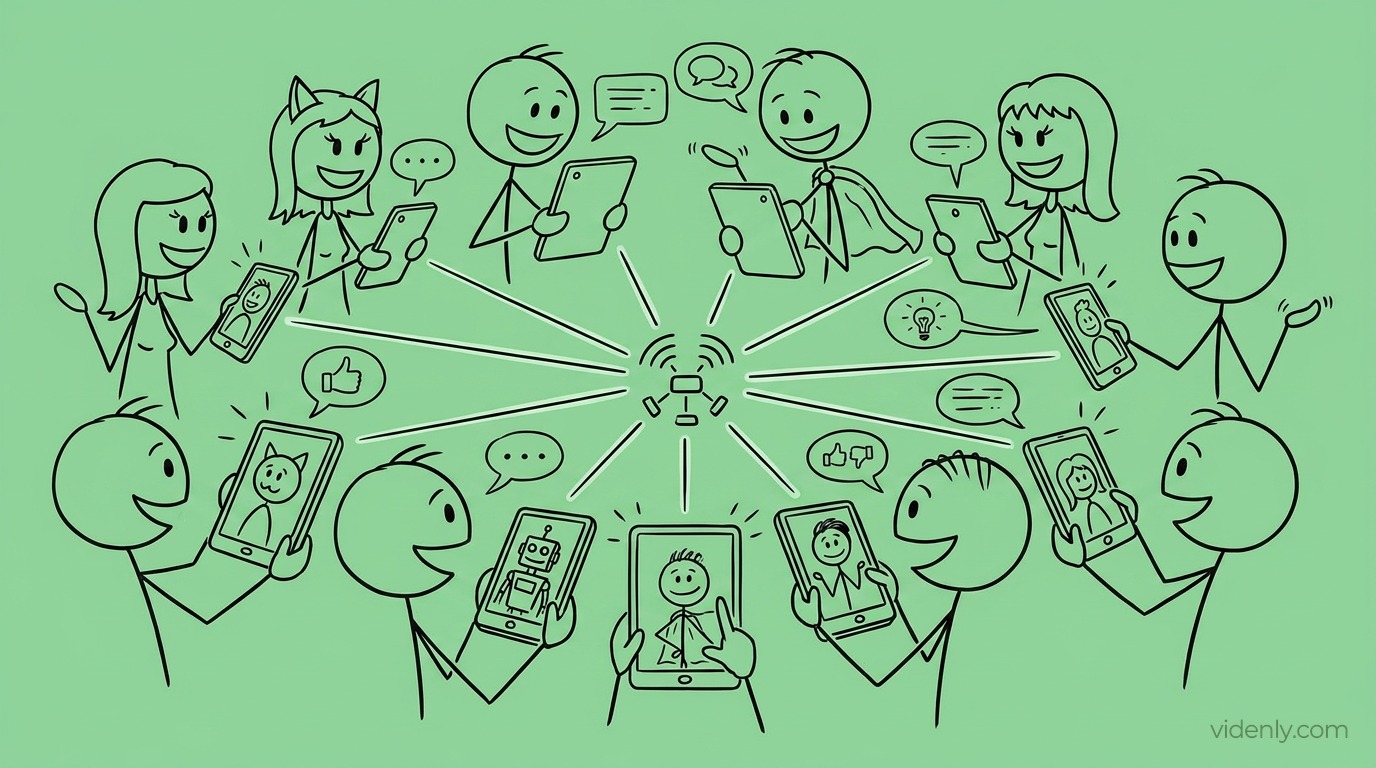
When I think about how AI avatars enhance engagement, I picture a lively conversation dance. It’s like seeing two people interact in a vibrant marketplace, where every response is immediate, and every expression adds that extra sparkle to communication.
Real-time interaction transforms the way audiences connect with content. Instant feedback from AI avatars enables conversations that feel personal and engaging, almost as if you’re speaking with a real person.
This immediacy makes users feel listened to and valued, enhancing their overall experience. When a user asks a question during an interactive session, the avatar’s prompt response creates a sense of involvement that static content simply cannot provide.
Imagine attending a virtual event where an avatar interacts directly and allows for direct conversation. Each response crafted by the AI can be customized and adapted based on user input, fostering a rich dialogue that keeps the audience engaged.
This technology allows for the interesting integration of diverse personalities tailored to different audience preferences. Such adaptability helps bridge gaps for individuals from various backgrounds, ensuring that everyone feels acknowledged and included.
A good example would be, in educational settings, a virtual avatar can help students from different cultural backgrounds feel more at ease. They might even mirror communication styles or cultural references familiar to specific audiences, which further enriches the connection.
Moreover, AI avatars can respond to users with various abilities, making platforms more accessible to individuals with disabilities. They can provide alternative methods of communication, whether through speech-to-text technology or sign language interpretation.
Furthermore, the ability to synthesize complex information in real-time is another significant advantage of AI avatars. They can break down intricate concepts into simpler explanations based on user comprehension, promoting a deeper understanding.
Another significant aspect is how avatars can maintain the flow of conversation, drawing on vast databases of contextual knowledge. This ability creates an experience that feels less robotic and more like a natural exchange of ideas.
Real-time interaction through AI avatars also holds the potential to generate an emotionally supportive environment for users. They can analyze responses beyond mere words, picking up on tone and emotional cues, thereby offering empathy and understanding that resonates with the audience.
This emotional intelligence contributes to the overall user experience, making it richer and more rewarding. Engaging with an avatar that seems to respond authentically generates trust and a sense of community, which is invaluable.
Breaking down geographical barriers is yet another benefit of real-time interaction with avatars. Users from different parts of the world can connect seamlessly, making global conversations possible without the constraints of distance.
Additionally, having a multi-lingual AI avatar can facilitate communication among diverse audiences. It allows users to interact comfortably in their preferred language, ensuring that language differences don’t hinder engagement and understanding.
Moreover, during live events or webinars, the inclusion of AI avatars can help moderate discussions, allowing users to stay focused on topics of interest. This moderation can direct attention and enhance engagement, leading to a more fruitful exchange of ideas.
In the end, AI avatars can create a dynamic that mimics organic interactions. They engage users just as a warm and approachable guide would in a beautifully curated gallery, patiently offering insights while inviting visitors to express their thoughts.
This dynamic engagement is crucial not only for entertainment but also for education and empowerment. By allowing users to actively participate in the learning process, AI avatars can spark curiosity and entertainment simultaneously.
As we move into a more digitally-oriented global landscape, enhancing accessibility becomes essential. Real-time interaction with AI avatars stands as a testament to how technology can support and uplift diverse audiences.
With this constant evolution in communication technology, we can anticipate even more refined and immersive interactions in the future. Each enhancement promises to blur the lines between the digital and physical worlds, where engagement feels as palpable as a handshake or shared smile.
Pro Tip: Real-time interaction with AI avatars enhances engagement by providing instant feedback and creating a sense of involvement that static content cannot deliver.
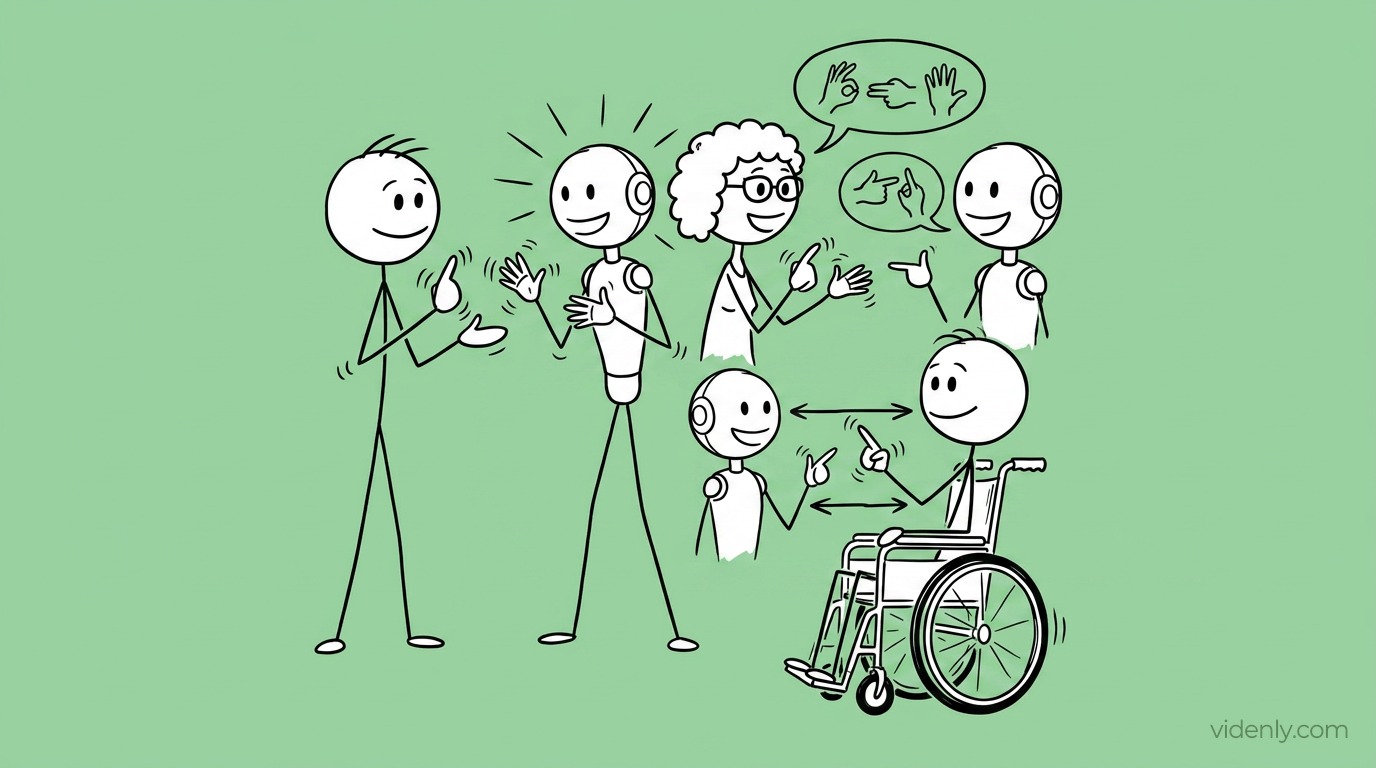
When we think about incorporating sign language features in AI avatars, it becomes evident how important this is for creating more accessible communication for Deaf and hard-of-hearing individuals. The ability to convey information effectively through sign language is like opening a window to understanding for millions of people who might otherwise feel excluded from the conversation.
Imagine a world where an AI avatar can communicate seamlessly using sign language, bridging the gap created by spoken language barriers. This idea transforms not just accessibility options, but also how information is shared across diverse audiences.
Sign language is a visual language that relies on more than just hand movements; it incorporates facial expressions and body language, which collectively enhance the message being conveyed. With AI avatars, we can create a more engaging and realistic experience, as they have the potential to mimic these complex elements, rendering a more authentic interaction.
Utilizing AI to incorporate sign language can be compared to painting a beautiful mural on the blank canvas that is digital communication. It adds depth, enhances clarity, and enriches the language, allowing users to experience content in a way that resonates with their unique perspectives.
To effectively integrate sign language into AI avatars, we must focus on several key aspects that contribute to successful implementation. These aspects include:
Each of these elements plays a crucial role in making the digital experience as immersive and informative as possible.
After all, we need to recognize that sign language is not merely a translation of spoken language; it has its own grammar, syntax, and cultural significance, which the AI avatars need to respect and accurately reflect.
Another important point is that incorporating these features can truly empower users.
Consider how significant it is for someone to access educational materials in a format they can understand without barriers.
This access goes beyond mere convenience; it’s about equality in the digital landscape.
Moreover, integrating sign language in AI avatars encourages a broader cultural shift towards inclusivity.
It reminds those who develop technology that the digital world should represent all voices, including those of the Deaf community, ensuring no one is left behind.
AI avatars capable of using sign language can also serve as powerful tools in education and workplace settings.
Imagine a student learning complex subjects with an avatar that makes the material accessible and engaging through sign language.
Conversely, employees in diverse workplaces can receive training and information via sign language, promoting better understanding and collaboration.
When employees feel included, their productivity and job satisfaction typically increase, creating a more vibrant workplace.
The potential for AI avatars to enhance accessibility through sign language may feel daunting, yet it also signifies a tremendous opportunity for growth and innovation.
We owe it to ourselves to aspire to this level of communication, bringing technology closer to human connection.
In many ways, our journey toward inclusivity in technology should be viewed as a collective one, where every step forward advances the possibility of a more connected society.
By prioritizing features that cater specifically to diverse audiences, we can ensure that everyone regardless of their communication preferences or abilities finds their voice in the digital realm.
The future of AI avatars is bright and promising, as more developers begin to recognize the importance of widespread accessibility.
The use of sign language features is one of many steps in creating a world where technology and communication go hand in hand, effectively reaching and educating everyone across varied learning and communication styles.
When we talk about customizable avatars, we are diving deep into a world where personal identity finds a vivid expression and true representation. These avatars are not just digital representations; they become the embodiment of who we are, showcasing our preferences, styles, and even our cultural backgrounds.
Through the lens of technology, AI avatars allow individuals to create representations that align closely with their own true selves. This holds special significance for those who may feel underrepresented in standard media, as it provides a canvas for self-expression that traditional formats often fail to deliver.
For many, the idea of using an avatar is like discovering a key that unlocks a door to their innermost selves. Imagine if you could craft an image that reflects not just your looks but your personality, quirks, and even sense of humor.
The beauty of customizability lies in its potential to break down barriers. Those from diverse backgrounds can choose attributes like skin tone, hairstyle, clothing, and even age to closely reflect their identities while interacting in digital spaces.
This aspect of representation is profoundly important; it means that individuals can feel seen and acknowledged within communities that often feel limited. Think about it: when you feel represented, you gain confidence, voice, and the freedom to express your true feelings.
In today’s world, where social media often dictates the narrative, customizable avatars become a powerful way to create a visual language that conveys identity. This approach opens up pathways for people who may have once hesitated to engage in certain platforms due to fear of misrepresentation.
The versatility of these avatars allows users to incorporate elements that resonate intimately with their identities. For instance, cultural attire can be chosen thoughtfully, showcasing heritage without compromising comfort or originality.
Simply put, these avatars serve as an extension of one’s personal brand. They embody the values and experiences of the user, providing an authentic energy that static images simply cannot capture.
Moreover, these avatars can also adapt to different contexts, reflecting the diverse facets of a person’s life. It’s like wearing different hats; one day you may want a professional look for a serious meeting, and the next, a playful style for a casual chat.
Engaging with the world through a customizable avatar is akin to stepping onto a stage where you can control how you are perceived. The audience only sees what you decide to show, allowing for a profound sense of agency and control.
For many, the design process itself is a therapeutic exercise, allowing users to reflect on aspects of themselves they might not normally express. This self-discovery becomes transformative, as people start to experiment with styles that truly resonate.
Consider how this customization leads to a stronger connection between the user and their virtual presence. It offers a unique form of empowerment, bridging the gap between how individuals see themselves and how they want the world to perceive them.
The journey of designing and customizing an avatar can be a valuable experience. It encourages users to explore traits they are proud of, sometimes even uncovering aspects of their identities they had previously overlooked.
In addition to fostering individuality, the use of AI avatars can also support communities in celebrating diversity. When avatars reflect a range of experiences and backgrounds, they collectively foster a community that values inclusivity and respect.
This is particularly powerful for marginalized communities who can finally see their experiences depicted in the digital realm authentically. By providing a platform for multifaceted identities, these avatars play a key role in shaping conversations around acceptance and understanding.
In virtual interactions, customizable avatars can serve as conversation starters, encouraging discussions around cultural appreciation instead of appropriation. When individuals take pride in their avatar’s distinctive features, it lays the groundwork for a deeper understanding of each other’s backgrounds.
This dynamic nature of avatar customization promotes ongoing dialogue and learning about cultural nuances. One avatar can represent a myriad of stories and experiences, creating a rich tapestry of narratives within a single community.
As has been noted, platforms that harness AI technology often enable this level of customization seamlessly. Videnly, for instance, provides options that empower creators to generate content while choosing avatars that reflect their unique experiences.
The ability to curate an avatar not only enriches individual interactions but it also enhances overall digital experiences. By allowing users to project an identity they have crafted themselves, platforms cater to the varied needs of their diverse audiences.
As we continue to navigate an increasingly digital world, embracing customizable avatars allows for the celebration of differences. This representation, in turn, reinforces the idea that every person has a place and a voice within the digital landscape.
Pro Tip: Customizable avatars not only serve as a powerful means of personal expression and identity representation but also foster inclusivity by allowing individuals from diverse backgrounds to authentically engage and be seen in digital spaces.
When discussing how AI avatars enhance accessibility, addressing hearing and speech impairments is crucial. Many people with these challenges face barriers that affect their ability to engage with various forms of media, especially in a world that increasingly relies on audio communication.
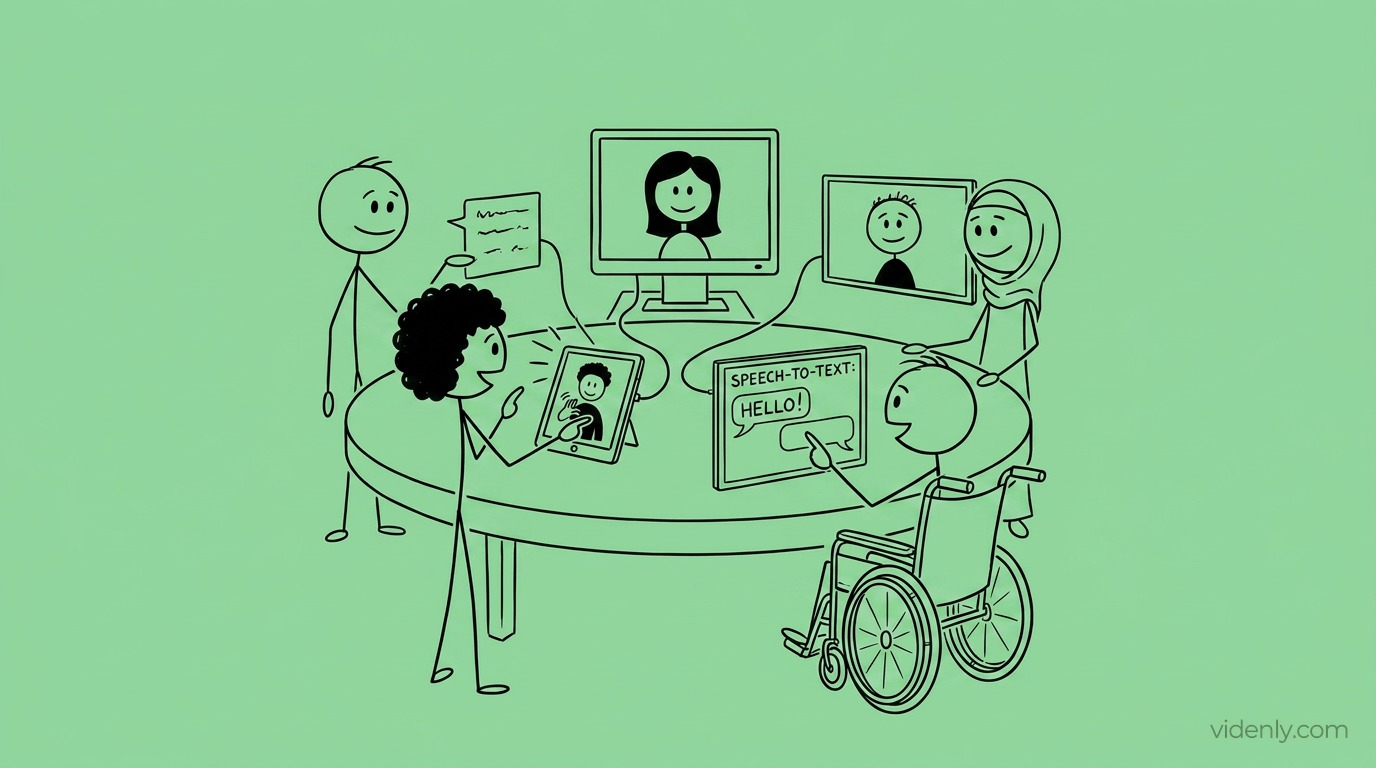
AI avatars are transforming how individuals with hearing impairments interact with content. They provide visual representations that can translate spoken words into onscreen text or even sign language, bridging that gap between auditory and visual learning.
This kind of innovation not only supports better understanding but also empowers users to connect more deeply with the material being presented. It’s somewhat like handing a key to someone who has been locked out, enabling them to join a conversation they couldn’t previously access.
For individuals with speech impairments, AI avatars can be incredibly beneficial as well. They can be programmed to produce clear, coherent speech from typed input, allowing users to communicate effectively without the frustration that often accompanies traditional speech methods.
This capability can help individuals express their thoughts and feelings in a world that sometimes overlooks their unique needs. It’s akin to providing a voice to the silent, allowing them to articulate their ideas and engage in discussions that were once out of reach.
As technology continues to advance, the integration of AI avatars into everyday communication tools can be a game changer. Features like speech recognition become more refined, allowing avatars to interpret and respond to users’ commands even if their speech is less than clear.
Let’s explore some specific ways in which AI avatars support users with hearing and speech impairments:
Each of these methods not only enhances communication but also fosters inclusion in spaces that often forget about the nuances of diverse needs.
The idea that one tool can provide such a variety of services is not just impressive; it’s revolutionary.
Moreover, imagine an educational setting where a teacher uses AI avatars to ensure every student understands the lesson being taught.
The avatars can dynamically adapt their signing style to match regional dialects or the unique preferences of individual students.
This capability creates a more personalized learning experience, which is essential for students who may otherwise struggle to grasp complex concepts.
Having an AI avatar in the classroom can disrupt conventional educational barriers and create an environment where everyone feels empowered to participate.
Not only does this type of technology facilitate communication, but it can also significantly reduce feelings of isolation for individuals with hearing or speech impairments.
The presence of an AI avatar can act as a bridge, connecting users to a broader network of support and friendship.
Speaking openly and having conversations within a supportive community becomes much more achievable.
This development can help demystify the communication experience for both individuals with speech challenges and their peers.
As these technologies become more prevalent, the potential for communication expands exponentially.
Chat applications, social media, and various digital platforms can incorporate AI avatars into their frameworks, allowing real-time responses that can adapt to the needs of users.
In these digital interactions, avatars can serve to educate others about hearing and speech impairments, promoting awareness and advocacy within various communities.
They become ambassadors in their own right, delivering messages of inclusion and understanding.
On a final note, the ongoing advancements in AI technology are making impressive strides toward enhancing accessibility.
As these tools become increasingly sophisticated, it’s essential to recognize how significant their impact can be on the everyday lives of individuals with hearing and speech impairments.
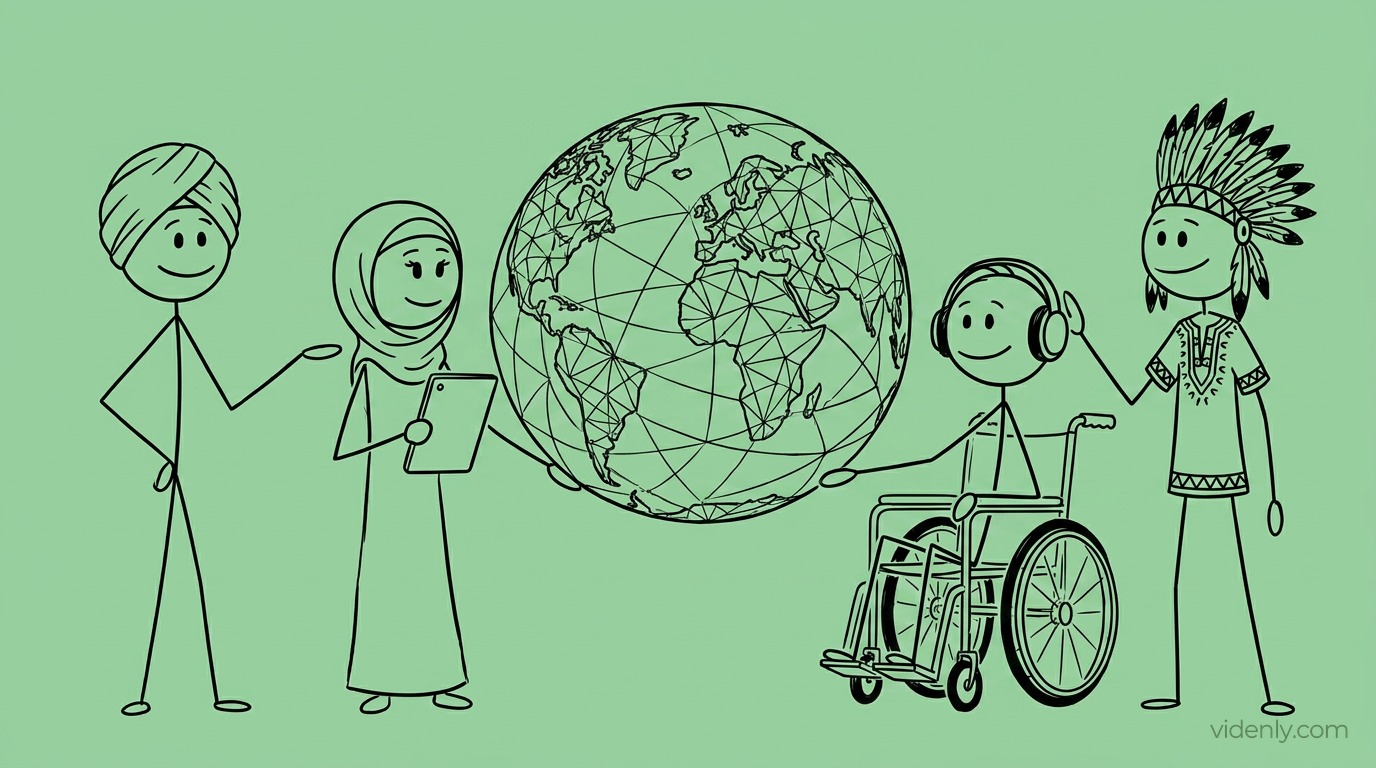
A digital landscape rich with cultural nuance opens the door for AI avatars to serve as powerful tools for enhancing communication among diverse communities. By creating representations that reflect worldwide cultural values, these avatars truly embody a spirit of inclusivity, acknowledging that everyone deserves to see themselves represented in the digital realm.
These avatars play a significant role in bridging gaps in cultural understanding, fostering connection among individuals from different backgrounds. For instance, incorporating local languages, traditions, and even mannerisms into avatar designs invites people to engage in conversations that might otherwise be hindered by cultural barriers.
It’s fascinating how an avatar can convey messages that resonate on a deeper, cultural level. I would say that when these avatars embody various cultural traits, they become not merely characters but also cultural ambassadors.
Consider a scenario where a user interacts with an AI avatar that reflects their own cultural identity. This interaction can validate their experiences and promote a sense of belonging, ultimately enhancing their engagement with the content presented.
Moreover, such avatars can address underrepresentation by showcasing cultures that traditionally remain in the background. By spotlighting these cultures in a vibrant, engaging manner, we help dismantle stereotypes and bring authentic cultural narratives to the forefront.
I mean, take a moment to think about how globalized communication often leans toward a singular narrative. This can lead to marginalization of voices from diverse backgrounds, making these avatars not just helpful tools but also important resources for empowerment.
We see that cultural storytelling is becoming a powerful medium for transmitting values and beliefs, and AI avatars are at the center. By channeling aspects of cultural storytelling through avatars, audiences can experience rich traditions and diverse narratives in a captivating way, similar to how a storyteller captivates their audience around a fire.
Additionally, the adaptability of AI technology ensures that these avatars can be fine-tuned to reflect contemporary social changes and evolving cultural dynamics. This means that they can stay relevant, representing an ongoing dialogue about identity and cultural heritage.
Furthermore, inclusivity is not solely about visual representation; it also encompasses the portrayal of various cultural perspectives. It’s crucial for these avatars to engage in conversations that reflect the realities of diverse groups, offering insights that might be otherwise overlooked.
The beauty of integrating AI avatars lies in their capacity to act as a canvas for cultural expression. Users from different walks of life can customize avatars to echo their unique stories, establishing a personal connection but also sharing their narrative within a broader community.
When the technological landscape feels like an endless expanse dominated by uniformity, AI avatars act like vibrant flowers breaking through the concrete. They bring color, diversity, and richness to the digital ecosystem, encouraging users to engage and share their distinct backgrounds.
As we navigate this digital evolution, it becomes increasingly essential that developers and creators embrace cultural diversity in their representation strategies. When done effectively, this approach not only promotes cultural literacy but also fosters empathy and curiosity among audiences.
In the end, the ability of AI avatars to adapt and represent myriad cultures effectively resonates with what it means to be interconnected in today’s global society. They champion diversity, allowing individuals to connect not just through technology but through shared cultural experiences, fostering a sense of unity amidst diversity.
A world where each individual can engage with technology that respects and uplifts their cultural identity is a world worth striving for. By championing inclusivity through AI avatars, we open the door to a richer dialogue and deeper understanding across cultural divides.

When we think about the role of AI avatars in enhancing accessibility, it is important to recognize how these digital counterparts can facilitate the flow of information for diverse audiences. Clearly, not everyone has the same ability to access information, and AI avatars serve as a bridge, connecting people from various backgrounds and experiences to the content they need.
For individuals with disabilities, traditional methods of accessing information can often present significant barriers. Imagine trying to navigate a website that is visually noisy or filled with complex language without the necessary assistance; this is where AI avatars step in.
AI avatars can provide information in multiple formats, which is especially beneficial for people who may struggle with reading or comprehension. Through text-to-speech technology, an AI avatar can verbally relay information, making it easier for those with visual impairments or cognitive differences to receive it.
Moreover, these avatars can adapt their communication style based on the audience’s needs, using simple language or even sign language where necessary. In essence, the AI avatar acts like a personal tutor, guiding users through information in a way that resonates with them.
One of the most profound impacts of AI avatars is their ability to convey complex information in a more engaging manner. This holds true for diverse learning preferences where a visual learner might benefit from seeing the avatar explain concepts using engaging visuals alongside verbal descriptions.
To illustrate the significant advantages AI avatars bring to accessibility, I find it helpful to list some key benefits:
Additionally, AI avatars have the potential to facilitate real-time translations for speakers of different languages.
This allows people from various linguistic backgrounds to engage with content that might otherwise remain inaccessible to them.
Furthermore, it’s essential to recognize that many older adults who might struggle with technology can also benefit from the intuitive interfaces that AI avatars offer.
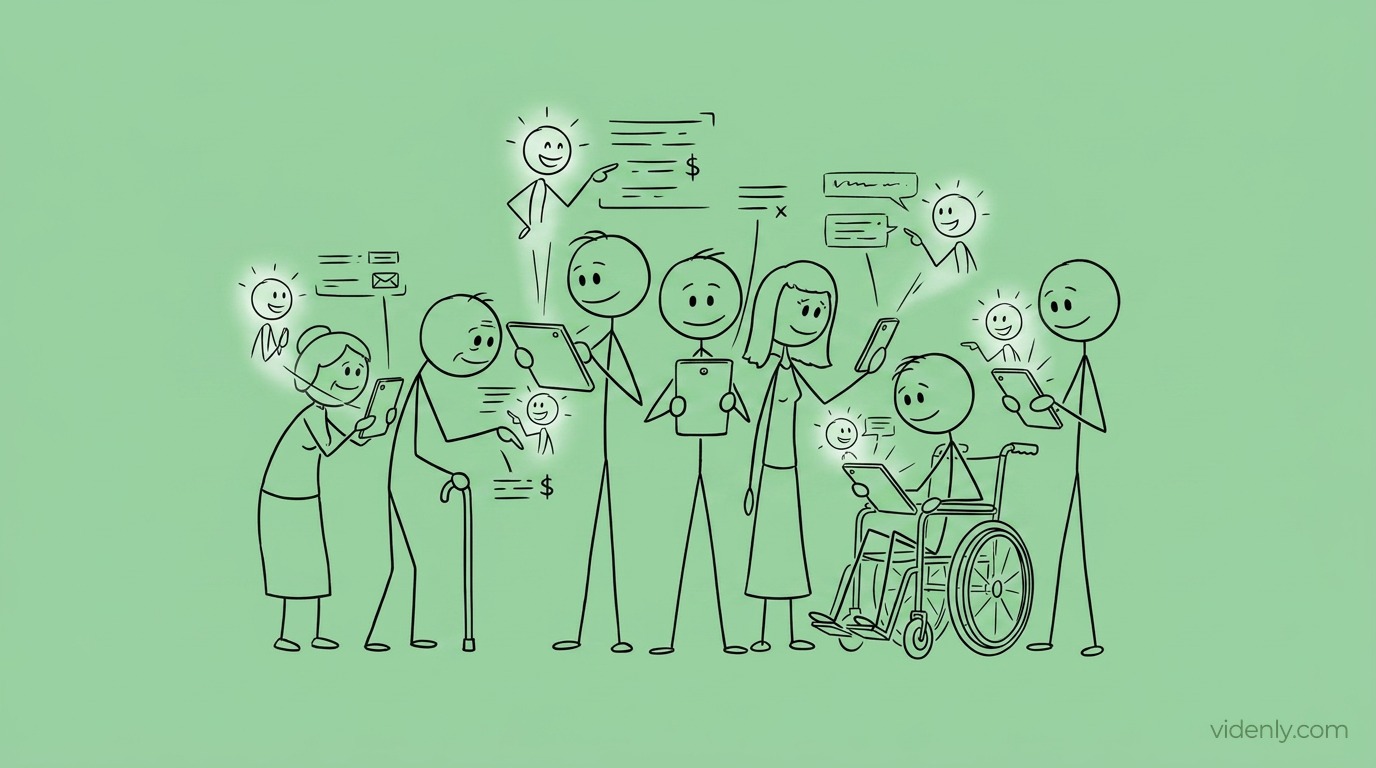
Through friendly interactions, AI avatars can empower individuals who may feel intimidated by technology, helping them to access valuable information at their own pace.
Picture a college student who has learning disabilities trying to engage with dense academic material without sufficient support.
An AI avatar could simplify complex jargon into more manageable language, ensuring that the student can absorb and understand the content rather than feeling overwhelmed.
The availability of such technology elevates the conversation around inclusivity, creating an environment where everyone has the chance to thrive.
Providing multi-faceted support, AI avatars remind us that accessibility should be a priority, not an afterthought.
By embodying inclusivity, AI avatars create spaces where barriers to information are diminished.
In a world where information is increasingly abundant, ensuring everyone can access and understand it is not just a nice idea but a necessity.
The vision of a more inclusive society can feel much like building a bridge over a vast chasm, making connections between those with varying abilities and backgrounds.
AI avatars represent a step towards achieving that vision by making the landscape of information more navigable for everyone.
At the end of the day, the improvements in information access brought by AI avatars signify a cultural shift towards ensuring that no one is left behind.
By embracing these digital embodiments of empathy, we can pave the way for a future where everyone can navigate information freely and confidently.
In an age where digital interactions shape our experiences, user comfort becomes paramount. AI avatars are transforming how audiences engage with content organically, encouraging individuals from various backgrounds to participate more freely.
I would say that one significant way these avatars enhance comfort is through their personalization capabilities. By allowing users to select avatars that reflect their identity, people tend to find the experience far more relatable and welcoming.
This customization can resonate deeply. Imagine being able to choose an avatar that mirrors your ethnicity, gender, or even personal style; it becomes a kind of virtual mirror reflecting your essence.
Such an experience often allows users who may have felt marginalized or excluded in traditional settings to see themselves in a new light. The presence of a familiar face, one that represents their identity, can bolster confidence and satisfaction in their online engagements.
Moreover, I find it fascinating how AI avatars can adapt their behavior based on user interactions. This ability to learn from conversations and adapt to user preferences can create a feeling of genuine connection.
For instance, if an avatar detects that a user enjoys humor, it can shift its tone to become more witty, thereby fostering a more engaging atmosphere. This interactive element can make discussions feel less mechanical and much more personal.
People often feel more at ease when they know that an avatar understands their unique communication style. This is where the magic of AI truly shines, as it is not merely responding but evolving alongside the user, which can be quite empowering.
Think about how profound it is to have a digital companion that knows your preferences like an old friend would. The AI responds to your sentiments, whether you’re feeling down or looking for motivation, and adapts in real-time.
In contexts where barriers may deter participation, such as online learning for individuals with disabilities, avatars also bridge gaps. By providing tailored interactions, they foster inclusive environments that recognize and accommodate diverse needs.
I mean, consider an individual who might struggle with verbal communication; an avatar that can translate thoughts into text offers a valuable means of participation. This functionality not only enhances user comfort but also expands the reach of information.
As part of a community, everyone benefits when people feel comfortable expressing themselves without the fear of misunderstanding. When inclusivity flows through these innovative channels, audiences can engage authentically.
Furthermore, the visual appeal of AI avatars plays a notable role in boosting comfort levels. People are naturally drawn to bright colors and relatable designs, which can create a warm atmosphere akin to enjoying a cozy coffee shop.
The aesthetics of an avatar can significantly influence how welcoming an environment feels. For instance, a friendly, well-designed avatar can make users feel at ease compared to a rigid or generic alternative.
When AI avatars embody traits that resonate positively with users, it enhances their overall experience. Users start to see these avatars not just as tools but as friendly guides who are there to support them.
In addition, having AI avatars facilitate conversations can make sharing ideas simpler and less intimidating. People might feel more at home discussing their thoughts when they know that a non-judgmental avatar is listening.
This can lead to increased user engagement and participation, as individuals become more willing to express their thoughts and feelings in a safe space. Picture a scenario where nobody feels the pressure of being judged; it creates a beautiful atmosphere of trust.
Furthermore, the ability of avatars to communicate in various languages can significantly broaden accessibility. For someone who may not be fluent in the primary language of an interaction, a multilingual avatar can offer comfort and understanding.
This kind of accessibility is crucial for creating an inclusive digital society. When audiences feel welcomed, regardless of their linguistic background, it ultimately paves the way for richer discussions.
In scenarios where traditional interfaces might seem overwhelming, avatars can break the mold. They allow users to explore their preferences without the anxiety that might accompany more conventional forms of interaction.
Through playful interactivity, these avatars invite engagement from a diverse range of users. They can act as conversation starters, fostering dialogues that may not have been initiated otherwise.
With advancements in technology, AI avatars are also becoming more intuitive over time. They learn not only from individual user preferences but also from broader trends within the community.
In this way, avatars evolve to meet the changing needs of diverse audiences. This kind of agility can significantly enhance the comfort level of users as they realize that their feedback is genuinely valued.
When it comes down to it, the presence of AI avatars can be likened to having a knowledgeable friend by your side in unfamiliar territory. They guide you with an understanding of where you’re coming from while paving the way for more meaningful exchanges.
It’s a blend of technology and empathy that truly sets the stage for a flourishing engagement. Each interaction can be tailored, seen with fresh eyes, delivering value beyond what was previously imaginable.
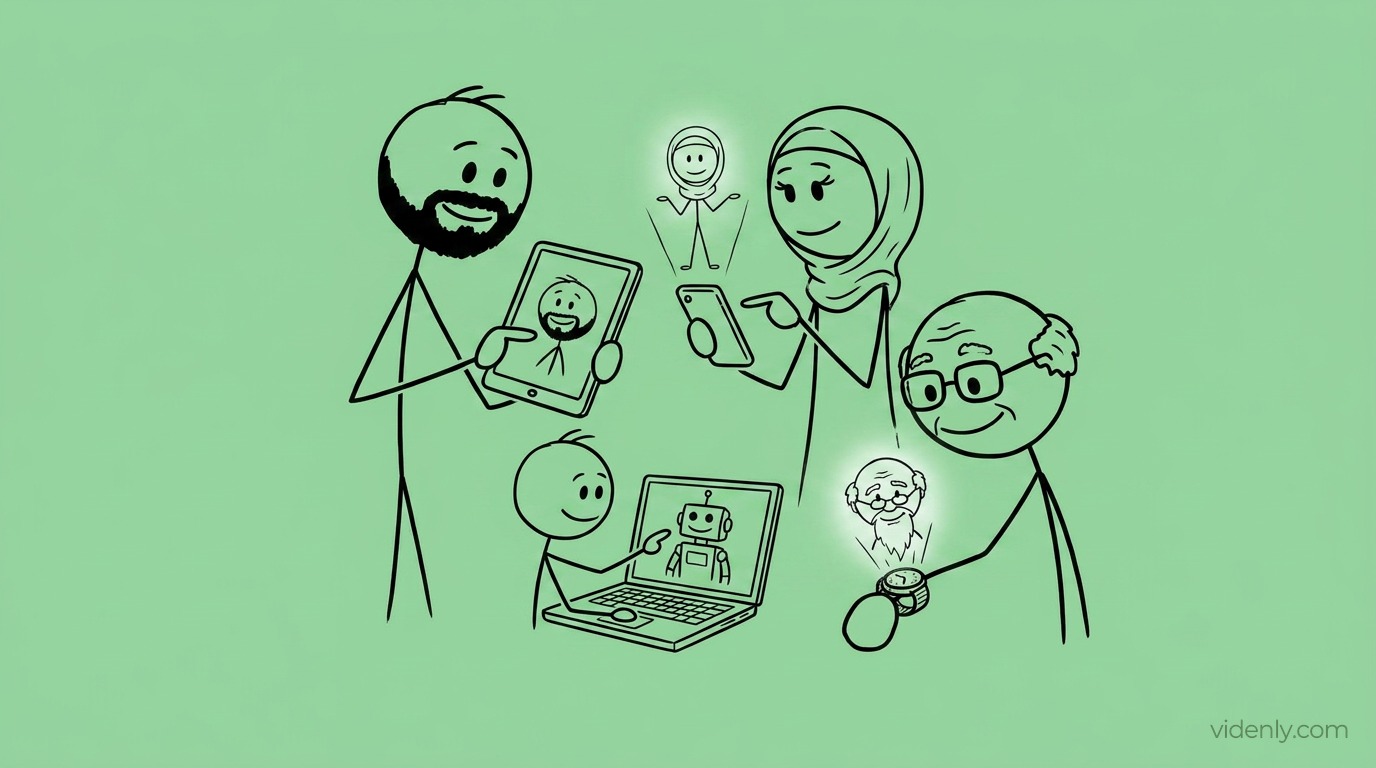
AI avatars play a pivotal role in enhancing accessibility for diverse audiences.
By supporting multilingual communication options, they ensure that language barriers are minimized.
Real-time interaction fosters deeper engagement, making conversations feel more natural.
Including sign language features expands accessibility for the deaf and hard-of-hearing community.
Customizable avatars empower individuals to express their unique identities with confidence.
Addressing hearing and speech impairments means more people can participate in conversations seamlessly.
By promoting inclusivity, AI avatars respect and celebrate a wide range of cultures.
In the end, these innovations improve information access for everyone, creating a more equitable digital space.
The pursuit of user comfort and preferences in avatar design ensures that technology works for all, not just a select few.
Create stunning AI-generated videos that captivate your audience and elevate your brand.