
Published on February 19, 2026 by

The future of faceless AI videos is being shaped by several key trends that are transforming content creation.
Advancements in natural language processing and machine learning are enabling AI systems to produce increasingly sophisticated scripts and narratives.
Moreover, the growing demand for personalized content is prompting creators to leverage AI to tailor videos to specific audience preferences and behaviors.
Increased accessibility to AI tools is allowing non-experts to create high-quality videos, thereby democratizing media production.
Additionally, the rise of virtual influencers and avatars is changing the landscape, allowing brands to engage audiences without the need for human presence.
Finally, privacy concerns are driving a push for ethical AI practices, prompting developers to incorporate transparency and accountability in their video generation processes.
These key takeaways highlight significant trends, but there is more to explore regarding the future of faceless AI videos.
In the following sections, I will discuss how these trends impact not only content creation but also viewer engagement and industry adaptability.
Additionally, I will cover the ethical considerations surrounding AI-generated content and its implications for authenticity in marketing.
You will find insights into how businesses can leverage these advancements to enhance their strategies and remain competitive.
The rise of artificial intelligence has had a profound impact on how we consume content, particularly in the realm of faceless AI videos.
One of the most significant trends is the enhanced personalization facilitated by advanced AI algorithms, capable of analyzing vast amounts of user data.
This powerful capability allows creators to tailor their content specifically to individual preferences, ensuring a unique experience for each viewer.
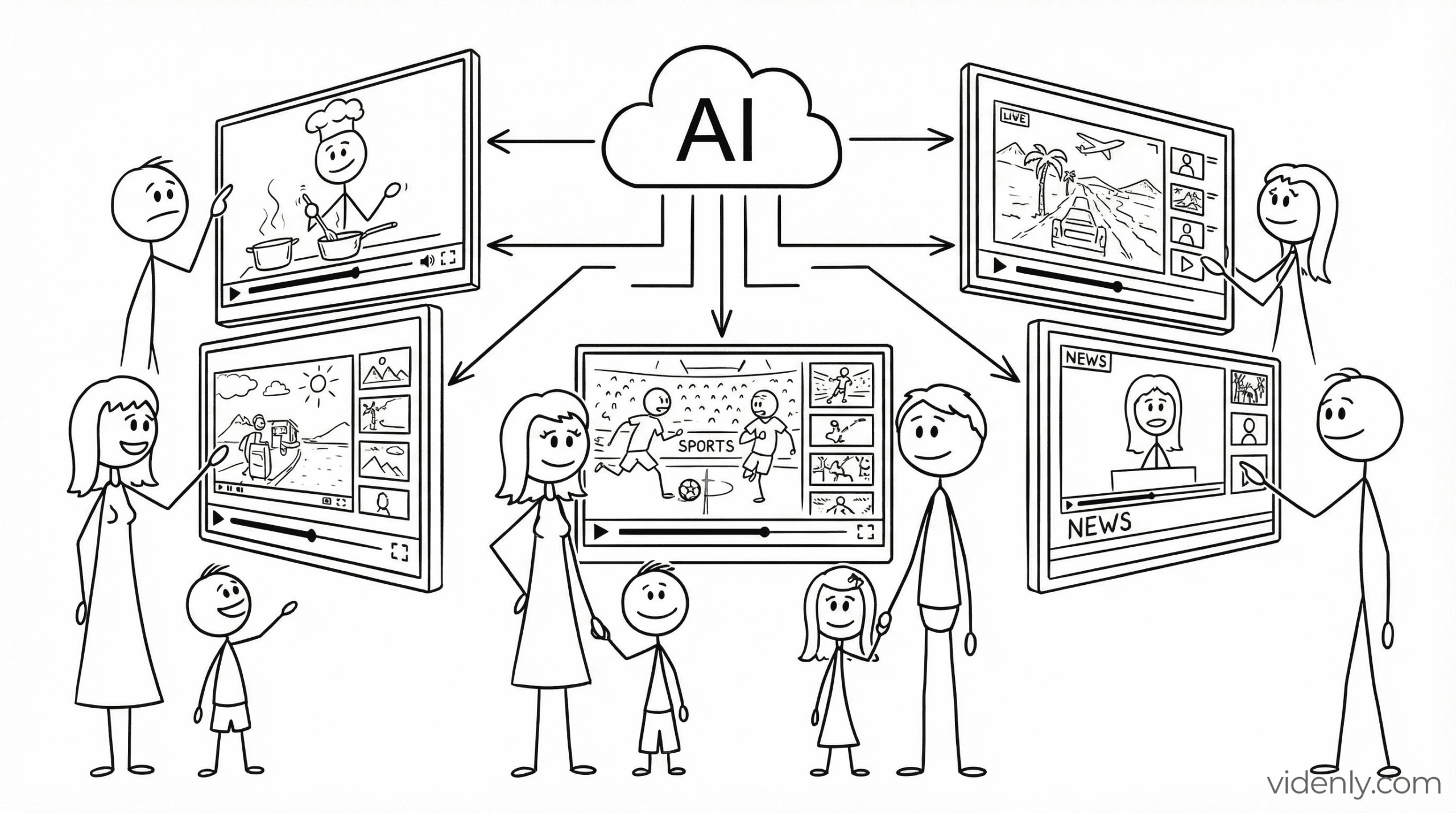
With algorithms that analyze viewing habits, such as watch time and engagement rates, content can be adjusted dynamically to cater to audience interests.
This results in a robust feedback loop where AI systems continuously improve the personalization process over time, adapting to shifts in viewer desires.
Furthermore, personalization transcends just content recommendations; it encompasses all aspects of video presentation, including visual styles and narrative tones.
To illustrate this transformation toward enhanced personalization, consider the following aspects:
These strategies exemplify how AI not only customizes video content but also enhances user engagement by making each viewing experience feel personal and relevant.
Additionally, the application of machine learning plays a critical role in refining these algorithms, allowing them to better predict and react to user preferences.
As AI systems gain access to more sophisticated datasets, they become adept at understanding nuanced patterns of viewer behavior, establishing an almost intuitive grasp of what resonates most with different demographics.
Moreover, the ability to analyze emotional reactions through facial recognition or sentiment analysis allows AI to create content that genuinely connects with viewers on a deeper level.
This capability leads to a significantly richer interaction with content, where viewers are no longer passive consumers but active participants in a tailor-made viewing experience.
In the end, the enhanced personalization through AI algorithms is reshaping the landscape of content creation and consumption, making it essential for creators to leverage these technologies effectively.
Pro Tip: Leverage advanced AI algorithms to analyze user data for creating personalized video content that adapts in real-time to enhance viewer engagement and loyalty.
The benefits of this trend are manifold, offering creators the tools needed to forge a stronger connection with their audience while simultaneously increasing retention rates and viewer loyalty.
As we advance in this era of AI-driven content, the potential for hyper-personalized video experiences becomes increasingly apparent, transforming how we engage with media.
The digital landscape is evolving rapidly, and with this evolution comes an increased demand for diverse content generation.
Consumers are constantly seeking fresh and engaging experiences that resonate with their interests and preferences.
As audiences expand across various demographics, including age, ethnicity, and culture, the necessity for varied content becomes increasingly apparent.
This demand drives content creators to focus on producing material tailored to a wider array of tastes and values.
To meet this rising expectation, many platforms are beginning to embrace more inclusive storytelling that reflects the multifaceted lives of their viewers.
With the integration of advanced technologies, particularly in the realm of AI, content generation is becoming more accessible and efficient.
Artificial intelligence can analyze vast amounts of data to distill insights into what types of content resonate most with different audiences.
This granular analysis allows creators to engage in personalized approaches, ensuring that the content produced is not only relevant but also culturally sensitive.
Furthermore, the rise of user-generated content platforms has empowered individuals to contribute their unique perspectives and voices to the media landscape.
As a result, brands are now able to source content from diverse creators, enriching their narratives and demonstrating a commitment to diversity.
The growing popularity of various social media channels, especially those that prioritize visual content, is also contributing to the appetite for variety.
Short-form videos and multimedia presentations are becoming the norm, forcing creators to adopt different styles, formats, and genres that cater to these trends.
This shift towards dynamic formats has prompted brands to diversify their content strategies, aiming to appeal to a broad range of consumer interests.
In a world increasingly driven by individuality, creators are tasked with crafting stories that resonate on both personal and universal levels.
Important: The growing demand for diverse content generation necessitates that creators produce material tailored to a wider array of tastes and values to resonate with expanding audiences across various demographics.
This task becomes easier with the help of AI, which can suggest optimal content strategies based on current trends, audience preferences, and engagement metrics.
Thus, adaptability and creativity are becoming essential skills for content creators who wish to thrive in this competitive environment.
The integration of advanced voice synthesis technology is revolutionizing the creation and consumption of faceless AI videos.
In recent years, this technology has made tremendous strides, allowing for more natural-sounding and engaging voices.
One of the most significant advancements has been the ability for these synthesized voices to express emotions and vary their tone, which was previously a challenge.
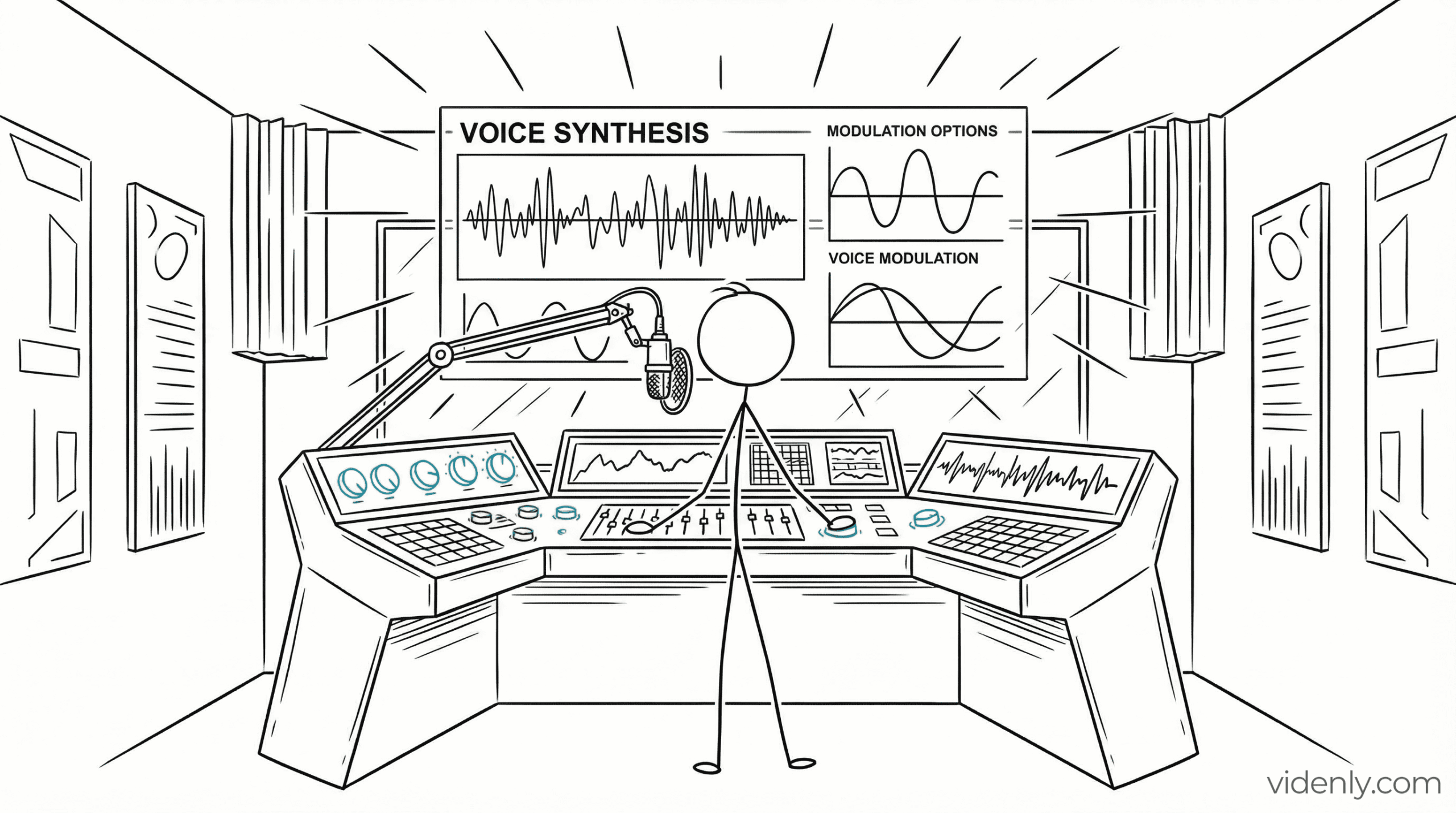
This shift enhances user engagement, providing a more immersive experience that can rival traditional video content featuring human narrators.
AI-generated voices can now be tailored to specific demographics, allowing creators to resonate with their target audiences in unique ways.
This personalization is essential as audiences begin to seek content that feels authentic and relatable.
This list reflects only a portion of the exciting advancements that voice synthesis technology brings to AI video production.
Moreover, businesses have begun to realize the economic efficiency of using synthesized voices over hiring voice actors.
This shift not only reduces production costs but also allows for faster turnaround times without compromising on quality.
As a result, content creators have the opportunity to produce more videos, reaching their audiences more frequently with timely and relevant content.
With platforms like Videnly, utilizing voice synthesis has become even more streamlined, making it accessible for creators of all levels.
These advancements mean that even those without extensive editing experience can create high-quality videos that engage and entertain.
Furthermore, as technology continues to advance, we can expect these voice synthesis systems to incorporate even more nuanced features, such as regional accents and dialects.
This would provide an even richer experience for viewers, allowing them to connect with content on a deeper level, creating a sense of familiarity.
As audiences evolve and their preferences shift, the demand for diverse and relatable voices will likely increase.
Thus, the integration of advanced voice synthesis technology is not just about improving sound quality; it plays a pivotal role in how content is received and engaged with by audiences in an increasingly digital world.
The explosion of short-form video content across various social media platforms has drastically transformed the way we consumption media today.
With the prevalence of platforms like TikTok, Instagram Reels, and YouTube Shorts, the demand for quick and engaging video snippets has skyrocketed.
This change is largely due to the shorter attention spans characteristic of modern audiences, which necessitates content that is concise yet captivating.
Users are now conditioned to expect videos that immediately capture their interest within the first few seconds, often driving creators to innovate and adapt swiftly.
The rapid consumption of bite-sized videos has paved the way for AI technologies that aid in the creation, editing, and distribution of such content.
Incorporating faceless AI videos serves as a profound solution; these videos can be produced quickly, allowing content creators to keep pace with the relentless cycle of social media trends.
Furthermore, algorithms of social media platforms favor short-form videos because they tend to drive higher engagement rates, leading to increased shares, likes, and comments.
This results in a ripple effect where more content creators are encouraged to participate in the short-form video trend, enhancing visibility for their channels.
Additionally, the blend of high-quality graphics paired with succinct storytelling offered by AI technologies significantly elevates the viewer experience.
The attention-grabbing visuals combined with catchy audio clips in these short videos entice audiences to become emotionally invested faster than traditional media formats.
Also, the rise of social commerce through platforms such as Instagram has shifted how brands engage with potential customers, integrating ads seamlessly into short-form videos.
This form of content allows for direct interactions, where viewers can shop items featured in videos without having to leave the app.
The relationship between short-form videos and influencer marketing has also evolved, with content creators utilizing their platforms to showcase products in a dynamic and exciting manner.
Consequently, brands are investing in collaborations with influencers who possess strong audiences, leveraging their creative prowess to create impactful faceless AI videos.
This shift towards short-form content also connects with the broader influence of mobile device usage, as people predominantly engage with social media through their smartphones.
The convenience and accessibility of mobile apps encourage spontaneous viewing habits, leading users to prefer quick, digestible videos over longer formats.
Pro Tip: To maximize engagement on social media, focus on creating concise and captivating short-form videos that resonate with users’ shorter attention spans, leveraging high-quality visuals and audio to quickly capture interest.
Moreover, trends indicate that users not only watch short-form videos but actively create and share their own, further fostering a culture of creativity and user participation.
Overall, the integration of short-form video content into the social media landscape has become an undeniable part of contemporary digital storytelling, shaping how messages are communicated and promoting inclusivity in media creation.
The emergence of virtual influencers has radically transformed the fabric of modern marketing strategies.
These digital personas are meticulously crafted using advanced algorithms and sophisticated software, allowing brands to create a tailor-made image that resonates with their target audience.
As brands seek to connect deeply with consumers, virtual influencers provide a unique and effective method of engagement through the digital landscape.
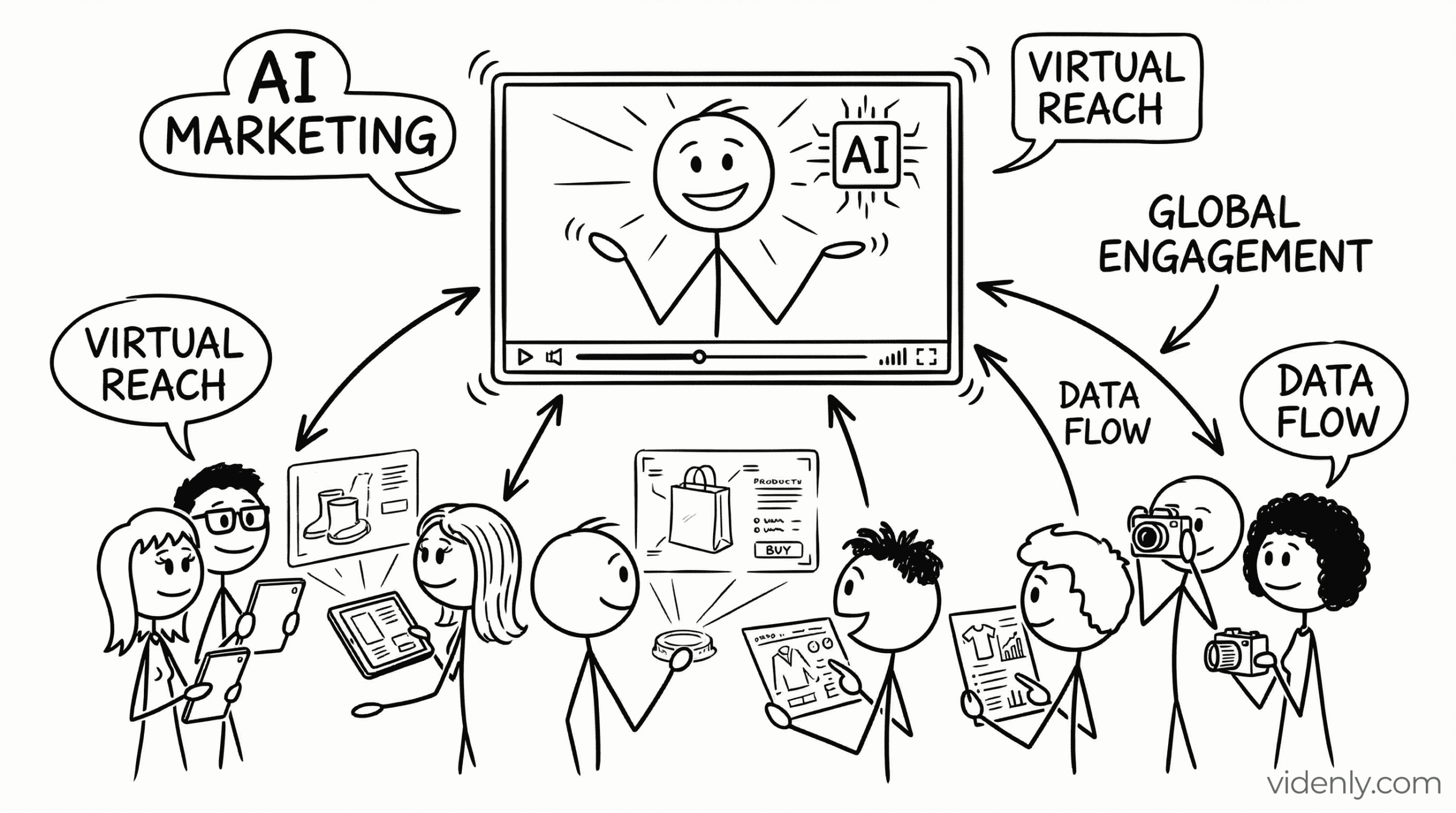
One significant advantage of utilizing virtual influencers is their ability to maintain a consistent brand message, which is paramount in today’s competitive market.
Unlike human influencers, who may have personal brands susceptible to controversy or deviation from brand values, virtual influencers are wholly owned and controlled by the brands themselves.
This control extends to their social behavior, appearance, and even their backstory, allowing companies to craft a narrative that can evolve with market trends.
The versatility of virtual influencers can be exemplified through various applications in marketing campaigns, which often include:
These elements emphasize the dynamic interaction and engagement that virtual influencers can facilitate.
Furthermore, the integration of artificial intelligence allows these influencers to adapt in real time based on audience responses and feedback.
This level of responsiveness contributes to crafting a more authentic and relevant marketing strategy that resonates with potential customers.
The strategic deployment of virtual influencers also leads to the potential for lower marketing costs in comparison to traditional marketing methods.
While the initial investment in creating a digital persona might seem daunting, the long-term benefits can significantly outweigh those costs given their pervasive appeal.
Moreover, virtual influencers are not bound by the physical limitations faced by human individuals, allowing for a level of creativity and innovation that can surprise consumers and create buzz.
They can exist in various digital environments, from social media platforms to video games, making them versatile tools for reaching diverse audiences.
As the landscape of digital marketing continues to evolve, it is becoming increasingly clear that virtual influencers are not just a passing trend but a critical component of comprehensive marketing strategies.
In the end, the ability to create a relatable and aspirational digital figure that embodies brand values while engaging audiences holds enormous potential for businesses dedicated to innovation.
Create stunning AI-generated videos that captivate your audience and elevate your brand.