
Published on May 30, 2025 by

When leveraging the power of artificial intelligence (AI) to enhance your video content, some common mistakes could impact the efficiency of your visual media.
For instance, neglecting to select the most appropriate avatar for your audience could disconnect the viewer’s experience significantly.
Also, pinning all tasks on AI, including emotional interactions that would be better carried out by human characters, is one mistake you’ll want to evade.
Meanwhile, disregarding the keeping up-to-date with the latest AI technologies and their improvements is another pitfall to avoid.
Misjudging the importance of choosing detailed, realistic avatars or underutilizing the AI’s ability to gather data are yet more considerations you must remember.
Finally, be aware that misappropriating in terms of user privacy with AI can lead to damaging results for the reputation of your brand.
While the essential tips provided can greatly improve your use of AI avatars in video content, the subject matter extends beyond these foundational points.
In the following sections, we will be discussing important components such as the technical intricacies involved in the creation of these avatars, and the importance of their user-friendliness for a seamless viewer experience.
In addition, we will also shed light on the legal aspects surrounding the use of AI avatars, a topic that is of increasing importance in our technologically advancing world.
Rest assured, the information that follows will provide a comprehensive understanding of how to effectively incorporate AI avatars into your video content, steering away from potential pitfalls while maximizing viewer engagement.
Each concept will be explained with clarity, ensuring that the discourse remains accessible regardless of your prior familiarity with the topic.
One of the most crucial aspects to consider while implementing an AI avatar in your video content is its alignment with your brand identity.

Ignoring this factor can lead to a disconnection between your audience and the message you aim to communicate.
An avatar that does not embody your brand’s ethos can create a disjointed experience that may confuse your viewers or fail to resonate with them.
Your AI avatar, irrespective of it being a virtual spokesperson or a fictional character, needs to reflect your brand’s identity.
The views expressed by the avatar, its appearance, and personality should be in harmony with your brand’s values, goals, and aesthetic.
As the use of AI avatars in video content increases, it has become increasingly important for brands to avoid mismatched avatar-brand alignment.
In order to help you maneuver through this, here are few points you should consider:
By following these points, you can ensure a fitting avatar-brand identity.
However, it’s worth noting that these parameters should not limit your creativity in avatar design but guide you in establishing a stronger brand connection.
Avoid falling into the trap of choosing an avatar solely for its looks or because it’s trendy.
I want you to remember, an avatar that doesn’t align well with your brand could do more harm than good.
A well-aligned avatar enhances your brand image, communicates with your audience effectively, and creates a memorable experience.
It’s about striking that perfect balance between creativity and branding, to make sure your avatar adds value to your video content.
In the end, it all comes down to creating a brand-avatar harmony that resonates with your viewers and amplifies your brand message.
It’s easy to fall into the trap of overlooking user input when designing an avatar for your video content. This often stems from a belief that the design team knows what’s best, but this can be a serious misstep.
Firstly, users will interact with the AI avatars; thus their opinions are incredibly important. Ignoring them could result in a disconnect between the avatar and the audience it is intended to engage with.
The audience’s preferences, expectations, and needs are crucial elements to consider when designing avatars.
Neglecting them can cause viewers to lose interest in the avatar or, in a worst-case scenario, be put off by it.

Bringing user input into the picture from the early stage of avatar design can save both time and resources.
It can guide designers and developers to customize the avatar in ways most beneficial for user engagement.
This brings us to some of the specific ways that user input can contribute to a more effective avatar design:
Despite the methods listed above, it is essential to maintain a delicate balance.
Giving users complete control over avatars’ design might rob the avatar of its originality and its alignment with the brand ideology.
Therefore, users’ input must be considered along with brand guidelines and products.
Sharing or collecting a user’s persona and journey is another excellent approach when designing avatars.
This would include the user’s goals, abilities, motivations, and their overall journey when interacting with the avatar.
The interactive nature of AI avatars presents unique opportunities for collecting user input.
For instance, speech-enabled AI avatars could ask users directly about their preferences, gather responses over time, and adjust to these preferences.
This not only includes user engagement but also increases the avatar’s adaptability over time.
In summary, user input can help create AI avatars that resonate more deeply with audiences and are more effective at achieving their purpose, whether that’s providing information, encouraging certain behaviors, or creating an enjoyable user experience.
It’s important to remember that considering user input is not merely about avoiding complaints or adverse reactions; it’s about harnessing that feedback to create more effective, appealing and tailored AI avatars for video content.
The next time you’re about to design an AI avatar, remember to incorporate user input from the beginning.
This is an aspect that should not be ignored, as relevant and relatable AI avatars can profoundly impact video content effectiveness and user connection.
The third pitfall many businesses fall into when introducing AI avatars in video content is selecting avatars that can be inappropriate or offensive.
This can occur when an avatar’s appearance, behavior or associations inadvertently disrespect or marginalize certain viewers.
Simply put, what may seem exciting or cool to one demographic, might be seen as disrespectful and offensive to another.
When the aim is to broaden your brand’s appeal and reach out to a diverse pool of potential customers, choosing an offensive avatar can have a counterproductive effect.
The brand image can suffer damage, and the company may lose a chunk of its audience all due to the unintended offense caused by the avatar.
Keep in mind, in several scenarios, the avatar functions as the face of your brand in digital spaces and can directly influence a potential consumer’s perception of your business.
To illustrate this point more vividly, let’s explore a few common examples of potentially offensive and inappropriate avatar choices:
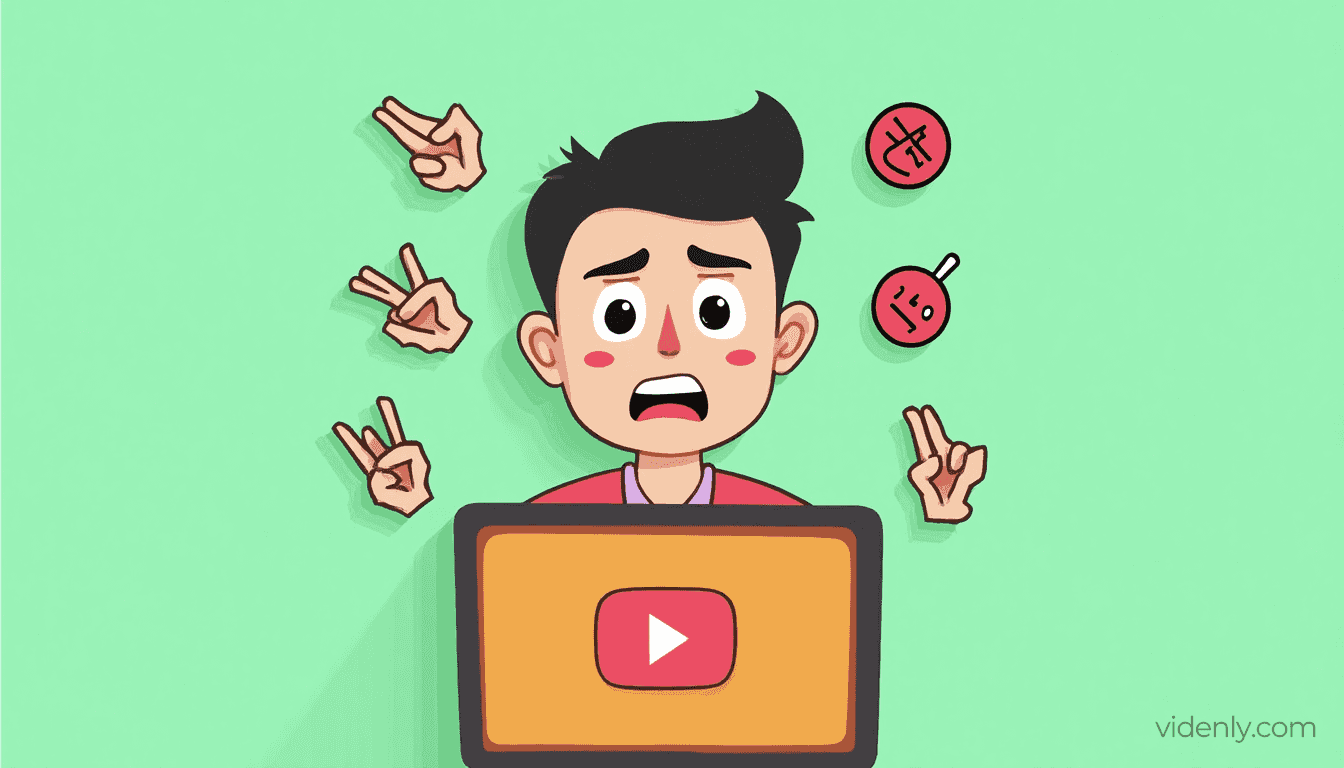
Simply put, any element of the avatar’s design that perpetuates harmful stereotypes, belittles certain groups or communities, or fails to show respect towards cultural diversity can lead to an avatar being labeled as offensive or inappropriate.
And inadvertently, this can have negative impacts on the brand and business too.
Let me tell you, how does one avoid this common mistake? The answer lies in undertaking a holistic, thoughtful, and informed approach to avatar design.
This could involve consulting with a diverse group of individuals or seeking professional advice from experts in cross-cultural communication.
The objective must always be the creation of an avatar that is universally acceptable and does not infringe on cultural, social, and individual sensitivities.
Also, always remember to factor in the principle of inclusiveness when designing avatars.
The aim is to appeal to as broad an audience as possible without causing offense or discomfort.
This means the avatar must not only be engaging and visually pleasing but also culturally sensitive and respectful.
Pro Tip: Choosing an inappropriate or offensive avatar for your brand’s AI can not only harm your company’s reputation, but also reduce its audience due to the unintended offence caused by the avatar.
Brands must be mindful of the power and influence of the avatars they bring to life. With the right avatar, brands can establish a robust, likeable virtual representation of themselves.
Conversely, an offensive or inappropriate avatar can tarnish the brand’s reputation, offend potential customers and damage the brand-customer relationship.
As such, while incorporating AI avatars into video content, the importance of choices made in avatar design cannot be overstated.
Creating a culturally sensitive and broadly appealing avatar isn’t just about avoiding mistakes it’s also about positioning your brand as thoughtful, respectful, and attuned to its audience’s sensibilities.
More than anything, the avatar should extend the brand’s message in the most positive, inclusive, and appealing way possible.
Communicating effectively involves more than just the words used; it’s also about how those words are delivered, and this extends to using AI avatars in video content.
The problem with many AI avatars is their limited emotional range.
An AI avatar may be delivering the perfect message, but if it lacks the emotional intelligence to convey feelings authentically, it can come across as robotic and disengaged.
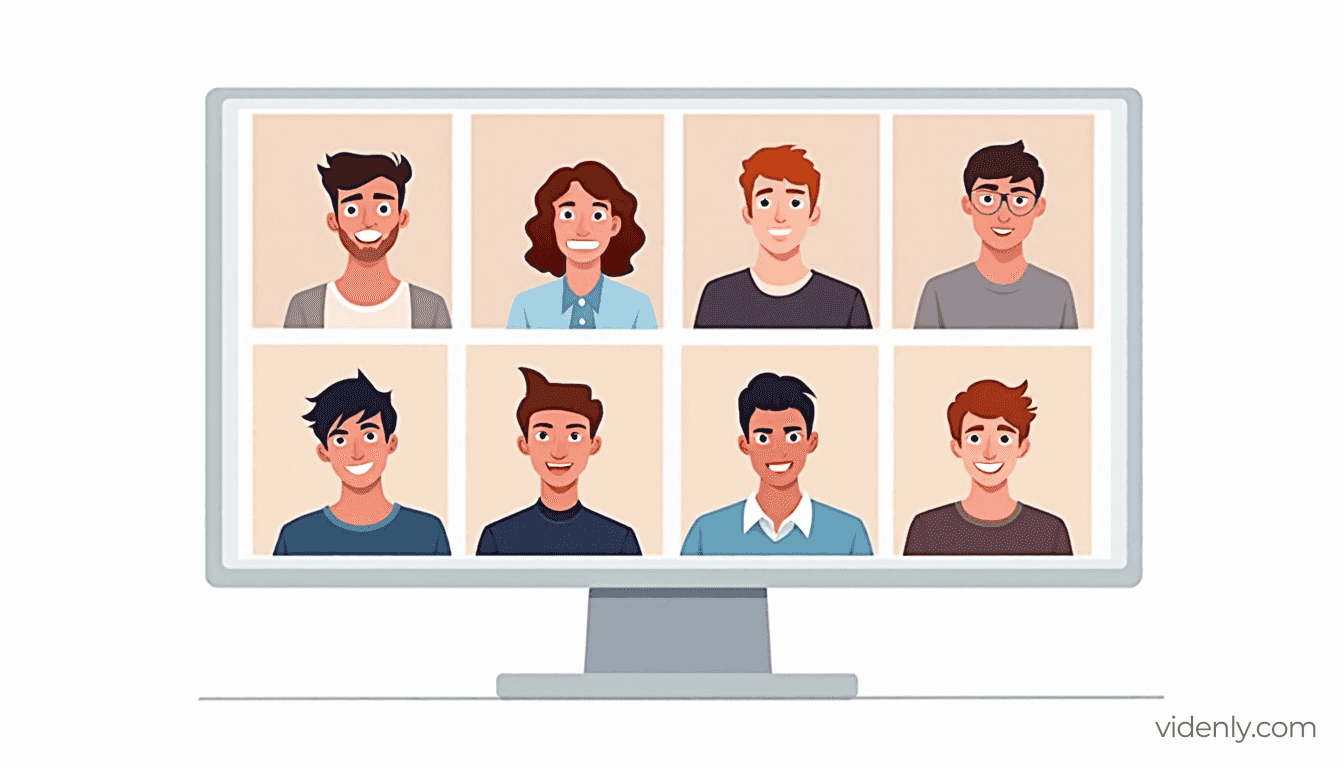
This is a significant problem, especially in today’s digital age where engagement and human connection are crucial.
Therefore, AI avatar creators must avoid this common mistake and aim to give their avatars a wide emotional spectrum, making them more relatable and intriguing.
Nevertheless, the question is: How can we overcome this challenge?
There are several strategies to consider.
Let’s highlight some of these strategies, which can be useful in making your AI avatar more engaging and emotionally versatile.
By incorporating these strategies, creators can significantly increase the emotional range of their AI avatars.
Doing this makes your AI avatar more genuine and empathetic, thereby boosting audience engagement levels.
Moreover, it’s pertinent to mention that using avatars with a limited emotional range can have detrimental effects on your video content.
It might make your videos seem impersonal, robotic, or even monotonous.
At the end of the day, viewers seek engaging and emotionally intelligent content, and limited emotional range in your AI avatar can detract from delivering that experience.
Therefore, avoid this mistake altogether, and be focused on creating AI avatars that can authentically express a wide range of emotions.
Try not just for the basic ones such as happiness or sadness but also for more complex ones like sarcasm or surprise as these can significantly enhance the relatability of your avatar.
Don’t forget, the more successfully an AI avatar can simulate human expression, the more captivating and engaging your content becomes.
In the ever-forward march of technology, it’s easy to get swept away by the appeal of bells and whistles, but it’s crucial to remember that simplicity can sometimes be more effective.
Over-complicating an avatar’s design can lead to confusion or overwhelming information for your viewers.
An overly complicated AI avatar can go from being a tool to engage an audience to a distracting element that takes focus away from the core content.
Excessiveness in design and action can have the opposite of the intended effect, causing audiences to disengage where they should be most engaged.
When incorporating AI avatars in video content, it’s important to be mindful of the balance between complexity and simplicity.
A confusing avatar might lead to frustration, turning viewers away rather than drawing them in.
There is a fine balance between creating an avatar that is interesting and engaging without becoming overwhelming.
It’s definitely a challenging task, but deploying an overly complex avatar can lead to a disconnect with the audience. The aim should always be to foster content interaction rather than disrupt it.
It’s crucial to present pertinent information and elements and exclude any superfluous aspects that don’t aid in the avatar enhancing user engagement.
Let’s consider some potential pitfalls of over-complicating a virtual avatar’s design, and how you might avoid them:
I want you to remember, your avatar is supposed to be a tool to aid content absorption, not a stumbling block in the path of user comprehension.
The design and action of an AI avatar should be intuitive to your audience, seamlessly blending into the essentially human aspects of interaction and understanding.
An efficient way to avoid over-complicating your avatar is to keep the user experience at the forefront of your design process. It isn’t about how many exciting features can be added it’s all about maintaining simplicity and ease of comprehension for the viewers.
Being conscious of the potential for over-complication from an early stage in avatar development can contribute to a better end product.
The key is not to get lost in showcasing technological advancement at the expense of user-friendly design.
By being keenly aware of the risk of over-complication, you will avoid common pitfalls that can hamper the likeability of your AI avatar, providing a more engaging, seamless interaction for your viewers instead, thereby bolstering the efficacy of your content something surely every content creator strives for.
The topic of updating AI avatars over time can be overlooked, but it carries immense significance.
Static and unchanging AI avatars become stagnant and can be less engaging to users, potentially diminishing the overall effectiveness of video content.
The notion of ‘Update’ doesn’t merely apply to the aesthetic aspect of avatars but extends to their behavioral dynamics as well.

Updating avatars over time maintains engagement and offers a refreshing experience to users.
The impressive part about avatars is their ability to adapt and evolve over time.
Here are some reasons why it’s important to update your avatars:
Moreover, the nature of the update should depend on the nature of the avatar itself and the context in which it is used.
For instance, an avatar used in video content for a tech-savvy audience might require frequent modifications to match the pace of tech advancements, while an avatar used in content aimed at a more traditional audience might need fewer and slower-paced updates.
The key is to strike a balance between preserving a consistent identity for the avatar, and ensuring it stays fresh, relevant, and engaging.
This is a bit of an art form, requiring a deep understanding of both your audience and the specific applications of your avatar.
It’s important to remember that just as humans evolve over time, a well-designed avatar should also have the ability to evolve and grow while maintaining its core identity.
Remember that not updating avatars could result in a gap between the brand’s vision and the avatar’s presentation.
It’s crucial to keep the avatar’s design, behavior, and context up-to-date with current trends and standards to maintain audience engagement and satisfaction.
Careful planning and timely updates can ensure that avatars remain effective and engaging tools in video content.
This constant evolution can help foster a deeper connection between the avatar and the viewer, leading to a more successful interaction and more effective communication.
In the end, the benefits of regularly updating and refreshing avatars significantly outweigh the risks associated with leaving them unattended.
There are a number of intricacies when it comes to AI avatars in marketing and content generation, one of which is the assumption that all viewers will readily accept them.
While AI avatars provide a unique and entertaining way to interact with content, it’s important to remember that not everyone shares the same enthusiasm for them.
There are those with legitimate concerns about privacy, data usage, and the depersonalization of interaction in an increasingly digital world.

Others may simply prefer human interaction, associating a human touch with better service, empathy, and understanding.
It’s important to avoid making the mistake of viewing AI avatars as a one-size-fits-all solution for your audience. You must consider the needs and preferences of diverse user groups.
The following are some strategies that can be used when integrating AI avatars into your content:
By integrating these considerations into your use of AI avatars, you increase the likelihood that more of your audience will accept and engage positively with them.
Furthermore, it’s crucial to note that the use of AI avatars is a relatively new trend in interactive content.
Thus, it’s essential to stay updated with the latest avatar technologies and trends to prove beneficial to your viewers.
Familiarizing yourself with new avatar engagement strategies can also help enhance the user experience, especially as AI technology continues to evolve.
Lastly, taking into consideration that the viewpoint of your users towards AI avatars may change over time is important.
Thus, it’s crucial to remain sensitive to changing attitudes and to adapt your use of AI avatars as necessary.
In the end, valuing your audience’s preferences about the use of AI technology in your digital strategies is an absolute must.
Given the significant impact an avatar can have on your brand’s engagement, don’t neglect the alignment between the two it’s a matter of brand integrity.
Neglecting user input can result in an avatar that doesn’t resonate with your audience. Always keep them in mind during the design process.
Prudent avatar selection is critical; the wrong choice could offend your audience and backfire disastrously.
An avatar with a limited emotional range can miss out on authentically connecting with your audience, so don’t restrain your avatar’s emotions too much.
While detailed avatars can be impressive, they can also be confusing or intimidating. Aim for simplicity and clarity in both design and actions.
Even digital helpers need a refresh every now and then. Regular avatar updates help keep your content fresh and your audience engaged.
Finally, don’t assume everyone will embrace AI avatars with open arms. Some extra education and explanation might be needed to get everyone on board with the tech.
Create stunning AI-generated videos that captivate your audience and elevate your brand.