
Published on May 8, 2026 by

User-generated content (UGC) ads have become essential for engaging mobile viewers effectively.
To optimize these ads, first ensure that the visuals are clear and appealing, as mobile screens require high-quality images and concise messaging.
Secondly, leverage short, engaging videos that capture attention quickly, given the limited viewing time on mobile devices.
Additionally, utilize social proof by showcasing authentic reviews or testimonials to build credibility and trust with potential customers.
Moreover, employ call-to-action buttons that are prominently placed and easy to click, facilitating immediate user interaction.
Finally, continually analyze performance metrics to refine strategies and ensure that the content resonates well with your target audience.
While the key takeaways provide a solid overview of optimizing UGC ads for mobile viewers, there is still much more to explore on this topic.
In the upcoming sections, I will address additional strategies such as how to effectively leverage social media platforms for UGC and the importance of audience targeting in ad campaigns.
Moreover, I will examine current trends in mobile advertising that can enhance engagement and improve overall ad performance.
These insights will offer a more comprehensive understanding of how to maximize the impact of UGC ads in a mobile-focused landscape.
In today’s digital landscape, the evolution of mobile devices has fundamentally changed how content is consumed, particularly in terms of video.
One of the most significant shifts has been the dominant rise of vertical video formats, which cater to the natural orientation of smartphones.
As users increasingly hold their phones vertically when consuming content, it becomes imperative for marketers to adapt their video strategy accordingly.
Research indicates that vertical videos are not just a trend but a important component in capturing and maintaining viewer attention on mobile devices.
When utilizing vertical video formats, creators should consider how to effectively convey their message within the confined space of a vertically oriented screen.
This entails focusing on visuals and text that can be easily viewed without having to rotate the device, which can disrupt the viewing experience.
A key advantage of vertical videos is that they allow for more immersive experiences, as they occupy a larger portion of the viewer’s field of vision compared to traditional horizontal videos.
Furthermore, vertical videos are often designed for quick consumption, which aligns perfectly with the fast-paced habits of mobile viewers who prefer to scroll through content rapidly.
To effectively incorporate vertical video formats into your marketing strategy, consider including the following elements:
Incorporating these elements not only polishes your video content but also fosters a deeper connection with your audience, as they feel more included in the narrative.
Moreover, with the growing popularity of platforms that prioritize vertical video, like TikTok and Instagram Stories, it is evident that this format is here to stay.
This has increased opportunities for brands to engage audiences by creating organic, relatable content that feels authentic and relatable.

When designing vertical videos, it should also be noted that the aspect ratio typically used is 9:16, which is optimized for mobile viewing.
Such a format not only enhances user experience but also increases the likelihood of content being shared among peers, thereby widening the reach of the brand’s message.
At the end of the day, adopting vertical video formats is about respecting the viewing habits of your audience and enhancing their experience while also meeting the demands of a rapidly changing digital landscape.
By focusing on crafting tailored, engaging videos for mobile users, brands can drive engagement, foster connections, and create lasting impressions.
As you explore vertical video formats, don’t overlook the importance of continuous analytics, which can provide insights into viewer behavior and preferences.
Through meticulous adjustment of strategies based on feedback and data, marketers can refine their content for maximum impact and efficacy.
In summary, embracing vertical video formats in your content strategy is no longer simply an option; it’s a necessity for brands aiming to thrive in today’s mobile-first world.
In today’s fast-paced digital environment, capturing a viewer’s attention quickly has become critical.
With the average attention span dwindling to just a few seconds, it’s important to create content that is not only concise but also compelling.
Users who scroll through their social media feeds are bombarded with information, so ensuring that your content stands out is essential for effective communication.
One effective strategy is to prioritize short clips that deliver the message efficiently, ideally lasting between 15 to 30 seconds for video content.
By creating shorter videos, brands can quickly engage their target audience without overwhelming them with unnecessary information.
Additionally, these short formats encourage viewers to watch the entire video, leading to higher completion rates and increased chances of conversion.
It’s crucial to start strong, with an eye-catching hook that grabs attention within the first few seconds.
Using compelling visuals, vibrant colors, and intriguing questions can effectively capture interest immediately, allowing audiences to connect with the message right from the beginning.
Moreover, incorporating storytelling techniques is an effective way to keep content engaging, even within a brief runtime.
Telling a relatable story or presenting a dilemma that resonates with viewers can maintain interest while ensuring that every second of the video contributes to the narrative.
Engaging content often features authentic voices and real experiences, which can further resonate with the audience and promote relatability.
By incorporating user-generated content (UGC), brands can leverage the natural authenticity that comes from real users, making videos more relatable and appealing.
Additionally, concise yet impactful messaging should be delivered clear takeaways will reinforce the brand’s message and facilitate retention.
Utilizing bullet points or key phrases within the video can help break down complex information, making it easier for viewers to digest and remember essential points.
Adding captions to short videos is also important, as many viewers watch videos without sound on their mobile devices.
Well-placed, easy-to-read captions not only enhance accessibility but also ensure that audiences grasp the main idea even without audio.
To sustain engagement throughout, consider pacing; quick transitions can help retain interest, making the viewing experience dynamic and lively.
While editing, aim for a balance between speed and clarity; too fast might confuse viewers, while too slow could lead to disengagement.
At the end of the day, effective video content is measured not just by view counts but by the ability to resonate and engage.

When dealing with the ever-evolving landscape of mobile technology, ensuring fast load times for your User-Generated Content (UGC) ads is absolutely critical.
A mobile user’s attention span is notably brief, making load times a decisive factor in whether a user engages with your content or scrolls past it in irritation.
Numerous studies have shown that even a one-second delay in loading time can result in significant decreases in user engagement and retention rates.
To maximize the effectiveness of your UGC ads, it is essential to minimize these load times and enhance the overall user experience.
First and foremost, it is paramount to optimize video file sizes without compromising on quality.
This can be achieved through various techniques, such as compressing videos to reduce their size effectively while maintaining an acceptable level of clarity.
Next, utilizing the right format for your videos can also play a substantial role in reducing load times.
The most compatible formats for mobile video include MP4 and WEBM, which offer a good balance between quality and compression.
Equally significant is reducing the number of elements on a page, as too many components can considerably slow down loading speeds.
By streamlining your UGC ads to include only crucial visuals and elements, you can see a notable improvement in load times.
Moreover, robust mobile websites should be designed with mobile-first principles that prioritize performance and efficiency right from the outset.

Enabling browser caching can also provide a significant advantage, as this allows returning users to load your ads without having to fetch all the data anew each time they visit.
In the end, staying informed about the latest cloud solutions and advancements in mobile optimization can empower you to make informed decisions regarding your UGC strategies.
In the end, keeping your content dynamically scalable and lightweight will ultimately foster a more engaging mobile experience for your audience.
Harnessing these strategies promotes faster load times and ensures your ads are immediately accessible, thereby reducing the risk of losing potential interactions.
One of the most critical elements of any effective User-Generated Content (UGC) advertisement is the presence of a clear call-to-action (CTA).
Without a well-defined CTA, audiences can easily become confused or disinterested, leading them to disengage from the content entirely.
Incorporating strong CTAs not only helps direct mobile viewers to take specific actions, but also enhances the overall effectiveness of the advertisement.
When creating CTAs, it is essential to use concise and compelling language to motivate the viewer’s response.
Using action-oriented words such as “buy now,” “sign up,” or “learn more” creates a sense of urgency that encourages immediate engagement.
Additionally, integrating persuasive language that speaks to the benefits of taking action can significantly boost conversion rates.
For instance, instead of simply stating “download the app,” using a phrase like “unlock exclusive features by downloading the app today” is far more effective.
It not only informs the viewer about what to do, but also highlights the valuable reward they receive for their action.
Furthermore, positioning CTAs strategically within the video content is important, especially for mobile viewers.
Since mobile screens are much smaller, ensuring that calls-to-action are noticeable and easy to interact with can improve user experience significantly.
For instance, placing a CTA at the beginning of the video ensures it captures immediate attention, while also repeating it towards the end reinforces the message.
Visual elements play a significant role in emphasizing CTAs, too; utilizing contrasting colors and bold fonts makes them stand out from the rest of the content.
To enhance clarity, consider utilizing icons or buttons that are easily recognizable, which can act as visual cues for the audience to follow.
Another effective tactic is to test various CTAs to determine which resonate best with the target audience.
A/B testing where two variations of an ad are compared to see which performs better can provide invaluable insights regarding the most effective wording and placement.
Additionally, tracking metrics such as click-through rates and engagement levels can illuminate how well specific CTAs are performing.
In the end, ensuring that the CTAs align with the overall message of the UGC ad is crucial, as disjointed content can lead to viewer frustration and brand skepticism.

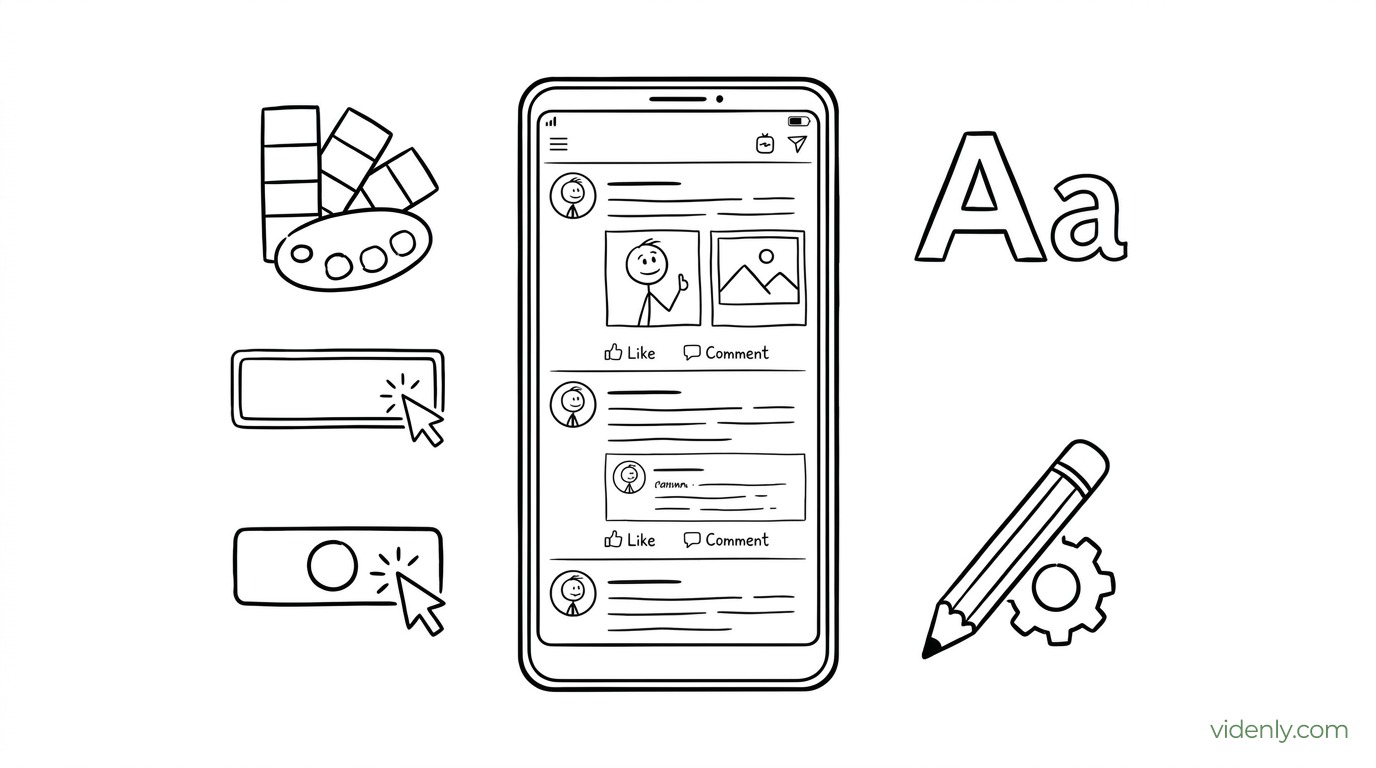
User-friendly design elements play a crucial role in the effectiveness of UGC ads, particularly when targeting mobile viewers who are frequently on the go and often distracted.
First and foremost, it is essential to prioritize simplicity in design, as a cluttered interface can overwhelm viewers and detract from the core message of the ad.
When designing for mobile, utilizing clear and legible fonts is important; the text must be easy to read, even on smaller screens, requiring careful selection of font size and style.
Additionally, employing contrasting colors helps to distinguish text from background elements, ensuring that the information is highly visible and grabs the viewer’s attention immediately.
Furthermore, it’s important to consider the layout of mobile ads, which should be structured in a way that guides the viewer’s eyes naturally through the content without causing confusion.
Integrating large, clickable buttons enhances the overall user experience, making it easier for mobile users to interact and engage with the advertisement.
One effective strategy for achieving clarity in your design is to utilize visual hierarchy, which involves organizing elements on-screen by their importance, allowing viewers to process information with ease.
Below are several crucial design elements that can significantly improve the user-friendliness of UGC ads:
Incorporating these elements creates a visually pleasing ad that users can easily navigate and interact with, ultimately enhancing their experience.
Moreover, incorporating interactive elements, such as polls or brief quizzes, can significantly boost user engagement, making the ad experience more dynamic and memorable.
Ensuring that all visual content is optimized for mobile devices is equally necessary, as this will facilitate a smoother viewing experience, eliminating frustrations caused by slow-loading images or videos.
It’s also wise to implement accessibility features, such as alternative text for images and color combinations that cater to those with visual impairments, ensuring your content is inclusive for all users.
Finally, embracing user feedback on your design can lead to ongoing improvements, allowing you to refine your approach based on actual viewing habits and preferences.
Optimizing user-generated content ads for mobile viewers is essential in today’s fast-paced digital landscape.
By leveraging vertical video formats, brands can better capture attention where users are already scrolling.
Keeping content short and engaging ensures that viewers stay hooked from start to finish.
Quick load times on mobile devices enhance user experience and reduce frustration, leading to better engagement rates.
Incorporating clear call-to-actions gives your audience direction and encourages them to take the desired next steps.
Finally, utilizing user-friendly design elements creates a seamless viewing experience and fosters brand loyalty.
Implementing these strategies will help brands maximize the impact of their UGC ads and connect more effectively with their audience.
Create stunning AI-generated videos that captivate your audience and elevate your brand.