
Published on February 22, 2026 by

User-generated content (UGC) has become an essential element in enhancing email marketing strategies.
Incorporating UGC ads can increase engagement by showcasing authentic customer experiences.
To effectively integrate UGC, start by curating high-quality content from your audience that aligns with your brand’s message.
Include these visuals and testimonials in your emails to foster a sense of community and trust.
Additionally, utilizing social proof in your messaging can significantly boost conversion rates.
In the end, blending UGC with your email marketing not only adds value but also encourages customer loyalty.
There is more to explore on this subject, as integrating user-generated content into email marketing involves several additional strategies that can enhance your overall approach.
Next, I will discuss the importance of segmentation and personalization in your campaigns, which can significantly increase responsiveness and engagement rates.
Additionally, you will find insights on how to effectively measure the return on investment (ROI) of your UGC ads, helping you make informed decisions moving forward.
I will also cover best practices for maintaining legal compliance when using customer-generated content, ensuring that your marketing efforts are ethical and respectful.
To effectively harness the power of user-generated content, also known as UGC, it is crucial to curate high-quality submissions that resonate with your brand’s message and values.
When customers share their experiences with your products, they often create authentic, relatable narratives that enhance the perception of your brand.
The first step in this process is to actively monitor platforms where your customers engage with your brand, including social media channels, brand-specific hashtags, and review sites.
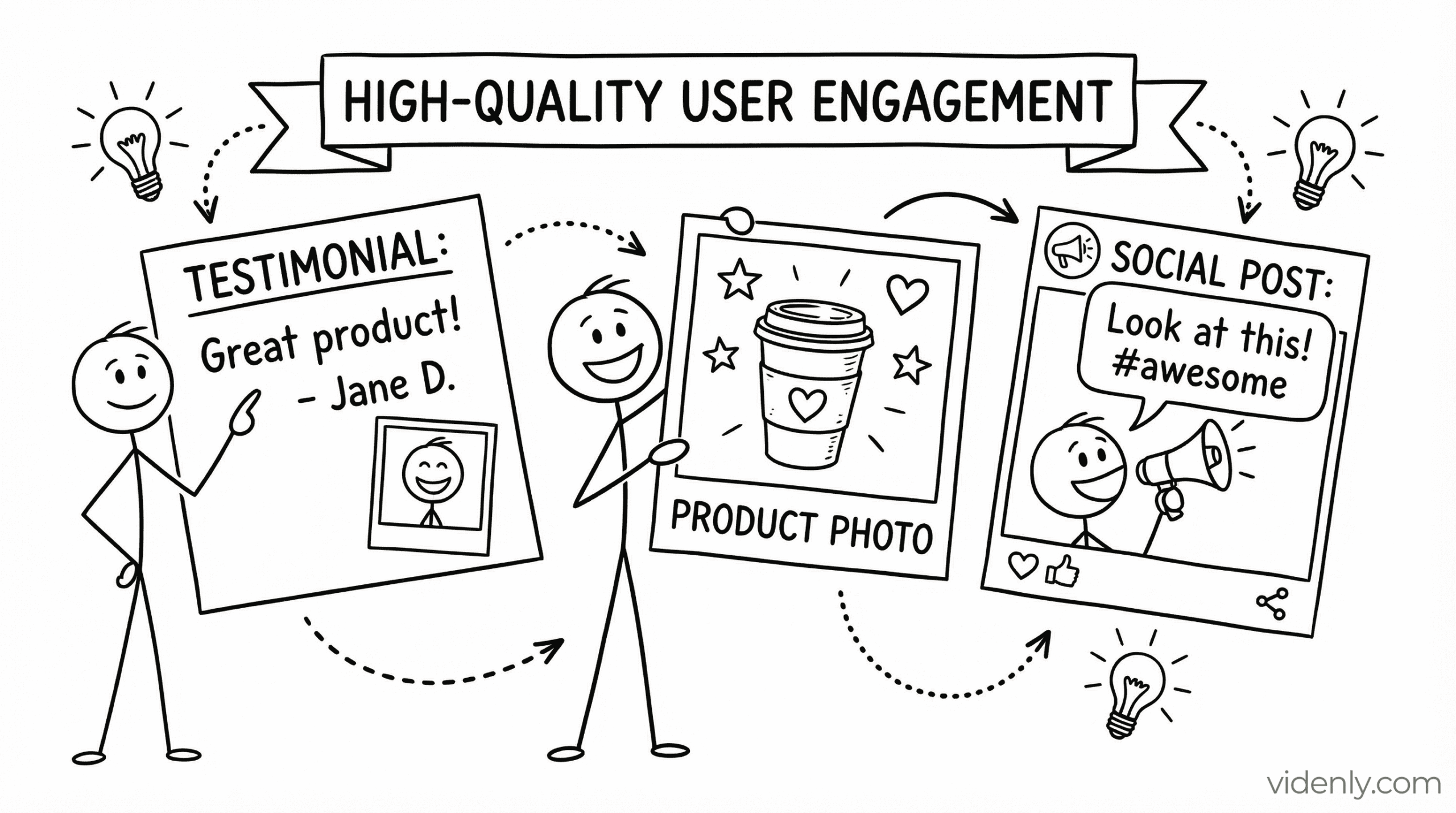
By regularly checking these platforms, you can identify the most impactful content that showcases your products in use, allowing you to build a strong collection of UGC that reflects your brand’s identity.
Moreover, it’s essential to establish clear guidelines for the type of content you wish to feature, as this helps filter out submissions that do not align with your brand’s aesthetics or messaging.
When collecting UGC, consider focusing on content that displays high-quality images or videos, as these formats tend to attract more attention and engagement from potential customers.
It’s also valuable to pay attention to the context of the content being submitted, such as the emotions it conveys or the storytelling elements present.
Some effective ways to encourage high-quality UGC include offering incentives, such as discounts, for customers who create and share content featuring your products.
In this regard, it might be useful to collect feedback from customers, as their opinions can shed light on what types of content resonate most with them.
Additionally, consider sharing examples of high-quality submissions from other customers to inspire new submissions.
As you collect this valuable content, always remember to seek permission from the creators before featuring their work, as this demonstrates respect for their creativity and fosters a positive relationship.
When curating UGC, it can be beneficial to categorize submissions into themes or collections based on product types, styles, or particular campaigns, making it easier to utilize them across various marketing efforts.
A cohesive collection not only enhances your brand’s storytelling but also provides opportunities to demonstrate the versatility of your products.
Additionally, once you establish a library of high-quality UGC, analyzing what types of content perform best can aid in guiding your future campaigns.
In the end, high-quality user-generated content can transform the way customers perceive your brand, making it essential for driving engagement and building long-term loyalty.
In today’s marketing landscape, the importance of user-generated content (UGC) cannot be overstated, particularly when it is showcased through captivating visual formats.
Visual content tends to engage audiences far more effectively than text alone, which is why utilizing UGC in these formats can elevate your email marketing strategy significantly.
Implementing UGC in the form of images or videos creates a sense of authenticity and relatability for potential customers, making them feel more connected to your brand.
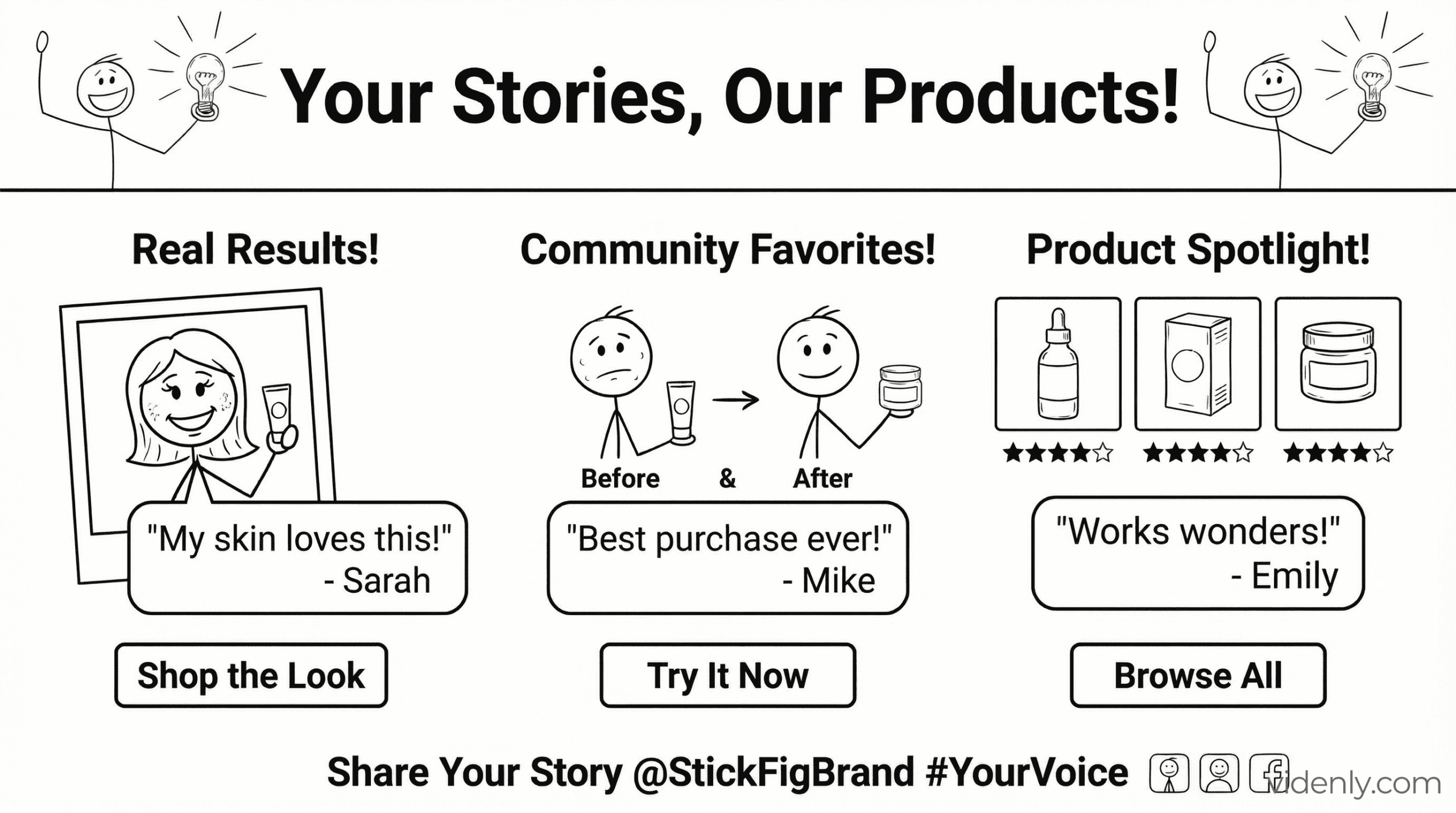
For instance, featuring customer photos can provide a real-life context to your products, allowing other customers to visualize themselves benefiting from the purchase.
Moreover, sharing videos of customers using your products adds another layer of engagement, helping to illustrate the practicality or enjoyment your product brings.
Consider using a consistent design aesthetic that aligns with your brand identity when showcasing UGC, ensuring that visuals fit seamlessly with your overall email layout.
The inclusion of graphic elements such as borders or overlay text can enhance the visual appeal of UGC while simultaneously promoting branding.
When you highlight UGC, make sure to include customer stories or captions that enhance the narrative behind the visuals, transforming a simple image into a compelling story.
You can encourage deeper audience engagement by creating slideshow formats for UGC within your emails, allowing multiple images or videos to be showcased in a cohesive manner.
This format not only keeps the content interesting but also provides a dynamic way to share multiple testimonials without overwhelming the reader.
Always remember that the quality of the visuals you select is of the utmost importance; poorly taken photographs or low-resolution videos can detract from the appeal of your brand.
It’s also beneficial to highlight interactions, such as likes, comments, or shares, that show how the UGC resonates with others in your community or market.
Incorporating elements such as user names or social media tags next to their UGC can further personalize the experience for customers, making them feel like part of an exclusive group.
Pro Tip: Incorporate high-quality user-generated content in visually engaging formats like images and videos to enhance authenticity, relatability, and audience connection in your email marketing.
Using high-quality and vibrant UGC can lead to increased click-through rates in your emails, as recipients find the content more relatable and engaging.
Lastly, test and analyze the impact of your UGC visuals; different formats may yield various results in terms of audience engagement, helping you refine your approach over time.
In today’s digital landscape, customer testimonials have emerged as a crucial element for building trust with potential buyers.
When incorporating testimonials into your email marketing strategy, it’s essential to present genuine experiences that resonate with your audience.
Authenticity matters significantly to consumers, as they seek validation from others who have already engaged with your product or service.
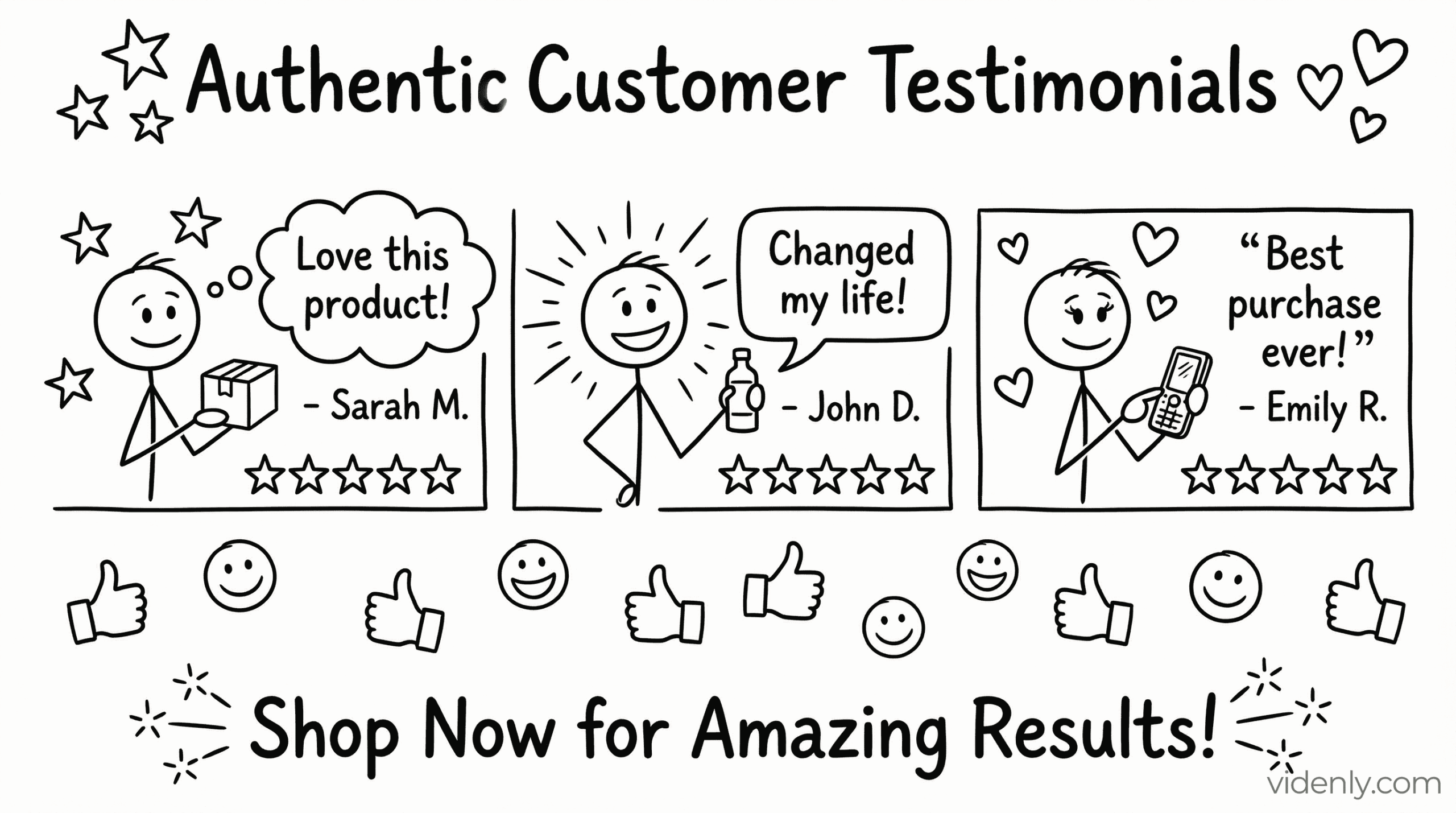
Using customer testimonials not only adds legitimacy to your brand but also fosters a sense of community among consumers.
When potential customers see positive experiences shared by past buyers, they are more likely to feel reassured about their purchasing decisions.
To maximize the impact of testimonials, consider gathering feedback from various customer demographics; this helps create a more inclusive narrative around your products.
When it comes to crafting these testimonials, aim to illustrate diverse uses of your product, showcasing real-life applications that potential customers can relate to.
Incorporating these testimonials into emails can effectively position your product as a valuable solution for others facing similar needs.
To enhance the visual appeal of your emails, pair your testimonials with compelling imagery or customer photos to capture attention within the cluttered inbox.
Visually appealing content combined with authentic voices can significantly enhance your email campaigns and encourage higher engagement rates.
Moreover, leveraging testimonials from well-known personalities or industry experts associated with your brand can further lend credibility to your messaging.
As you develop your emails, it is advisable to highlight specific points gleaned from customer testimonials, as this can help underscore the benefits of your offerings.
For enhanced effectiveness, consider organizing the key aspects of testimonials into a clear and engaging format that makes it easy for readers to digest the information.
Here are some essential points to remember when using testimonials in your email marketing:
When strategically positioned within your emails, customer testimonials can create a compelling narrative that drives engagement and encourages clicks.
In the end, these testimonials not only build trust but also foster long-term relationships between your brand and your customers.
At the end of the day, tapping into the power of authentic voices through testimonials can significantly elevate the effectiveness of your email marketing strategy.
One highly effective strategy for fostering user-generated content (UGC) is to organize engaging contests that incentivize customers to submit their own content.
By creating excitement around a specific theme or product, brands can generate an incredible amount of high-quality UGC while simultaneously strengthening their community.
Contests not only grab the attention of your audience but also motivate them to engage with your brand on a deeper level, leading to increased loyalty.

The structure of the contest is important; you should aim to have clear, appealing rules that encourage creativity and participation from all members of your customer base.
For instance, consider a photo contest where customers showcase how they use your products in their daily lives, as this not only generates content but also shows off the practical benefits of your offerings.
It is also effective to create a unique hashtag for the contest, which allows participants to easily share their entries on social media, increasing visibility and engagement.
Furthermore, to attract more participants, enticing prizes, such as gift cards or exclusive access to upcoming products, can be offered, making customers feel more Marketing the contest through your email newsletters ensures that the information reaches your loyal customers, thereby fostering a sense of community and shared purpose. You can also leverage social media platforms, using visually appealing graphics and videos that highlight both the contest theme and beautiful examples of past UGC. Once the contest concludes, showcase the top entries in your marketing materials, amplifying the voices of your customers and creating a sense of recognition for their contributions. This approach not only demonstrates to participants that their opinions and creativity matter but also provides social proof for potential customers who interact with your brand. Additionally, keep the conversation going even after the contest by engaging with participants, sharing their content, and thanking them for their involvement, which helps to nurture ongoing relationships. By making contests a regular part of your marketing efforts, you can create an ongoing buzz around your brand, driving continual engagement and strengthening brand loyalty among your customer base. In the end, when successfully executed, UGC contests can not only enhance your email marketing strategies but can also foster a thriving community of enthusiastic brand advocates. Important: Organizing engaging contests that incentivize customers to submit their own content is a highly effective strategy for fostering user-generated content (UGC) and strengthening community engagement.
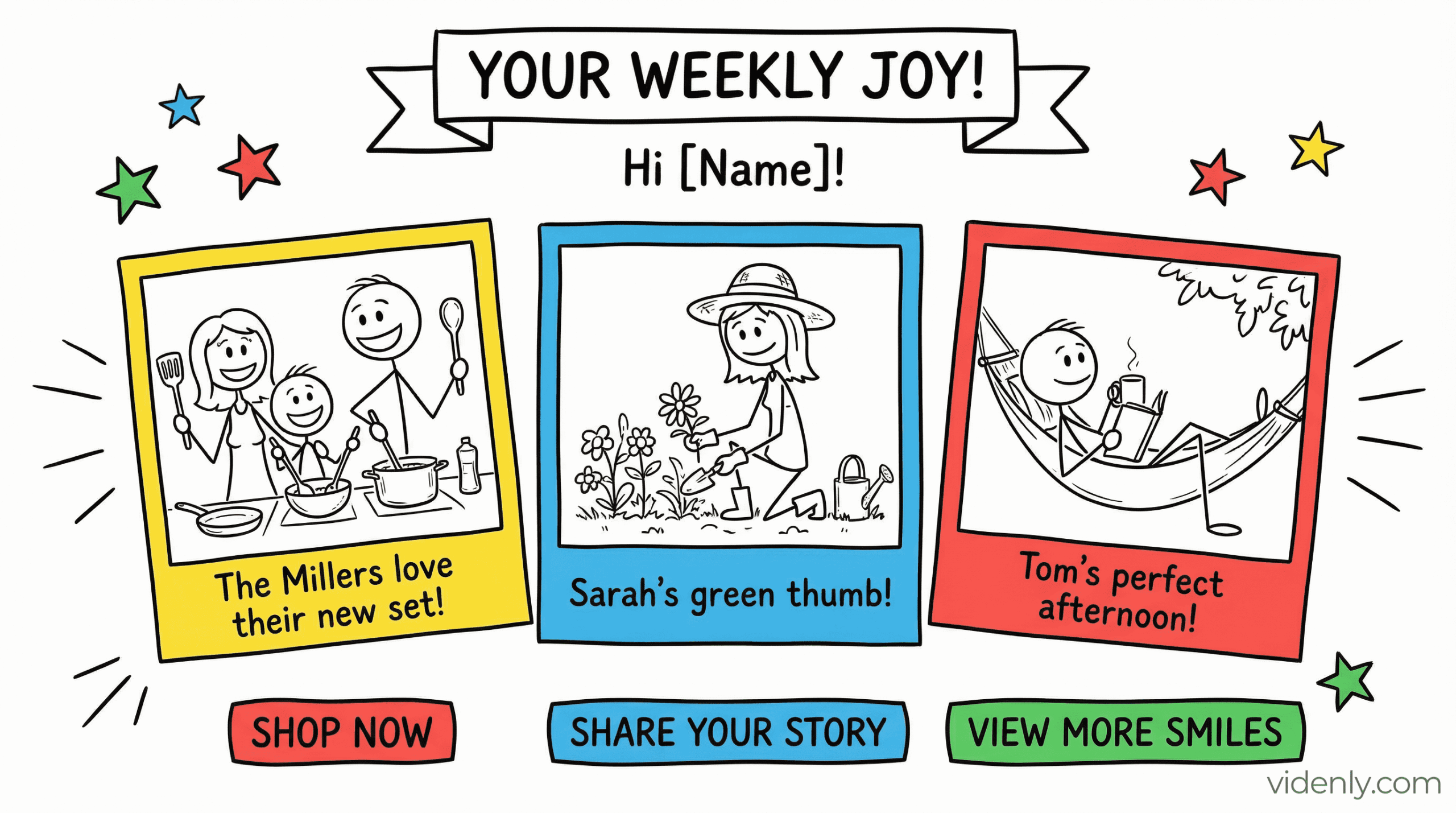
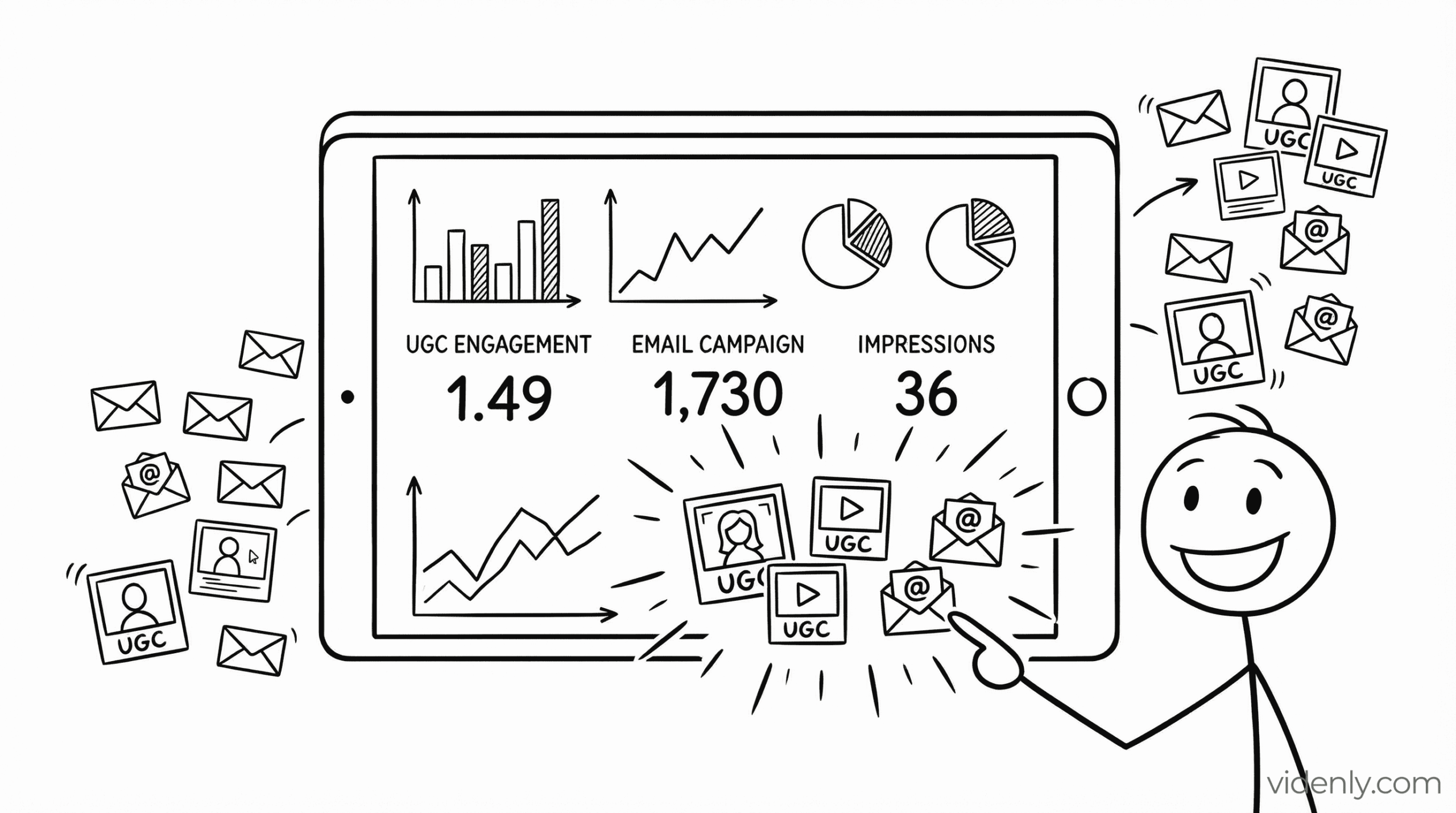
Through this practice, you can achieve a dual benefit: generating rich content for your marketing while also nurturing a loyal customer base that feels valued and connected to your brand on a personal level. Engaging customers in contests transforms the customer experience from merely transactional to a collaborative, enjoyable journey, where every individual feels empowered to contribute and be recognized for their creativity. One of the most powerful ways to integrate User-Generated Content (UGC) into your marketing strategy is by highlighting it directly on product pages. This approach not only enhances the visual appeal of your product listings but also fosters a sense of community and trust among potential buyers. When customers see real-life images and experiences shared by other users, it adds an authentic layer that traditional marketing often lacks. Displaying UGC on product pages allows prospective buyers to envision themselves using the product, which significantly influences their purchasing decisions. Moreover, featuring this content can improve engagement rates, as customers are more likely to interact with visuals that include real individuals rather than just polished promotional images. To effectively showcase UGC on your product pages, consider implementing the following strategies: Each of these strategies can help create a more immersive shopping experience that resonates with potential buyers. Additionally, it is essential to ensure that the UGC aligns seamlessly with your brand’s aesthetic and messaging so it not only looks appealing but also feels cohesive. For instance, when selecting images to showcase, consider the overall color scheme and tone of your website. Inconsistent visuals can detract from the professional image you wish to portray. Another compelling reason to highlight UGC is the social proof it provides, which can be a crucial factor in a customer’s decision-making process. In today’s highly connected world, shoppers often seek validation from others before making purchases. Seeing peers enjoying a product can serve as a powerful endorsement. Furthermore, it brings a personal touch to the product pages, as each piece of UGC tells a story about the customer’s life and their experience with the product. Remember to foster an ongoing dialogue with your community, as active engagement can encourage even more customers to share their content. Encouraging customers to tag your brand on social media and use a specific hashtag can be a great way to streamline the collection of UGC from across platforms. This not only makes it easier for you to find user content to showcase but also broadens the community feeling, as people can feel part of something bigger when their content is featured. In the end, by highlighting UGC directly on your product pages, you can leverage the power of authentic customer experiences to significantly enhance your overall conversion rates. In the context of email marketing, personalization has emerged as a crucial element that significantly enhances customer engagement. Utilizing customer photos in your email campaigns not only adds a unique touch but also fosters a deeper connection with your audience. When potential customers see real people using your products, it creates a sense of trust and authenticity that generic promotional images simply cannot match. Additionally, showcasing customer photos in your emails can highlight the diverse ways in which your products can be utilized, making them more relatable to various segments of your audience. Incorporating UGC (User-Generated Content) such as customer photos can help to convey the lifestyle or values associated with your brand, thereby influencing purchasing decisions. A good example would be, if your brand sells fitness apparel, featuring images of real customers exercising in your clothing can inspire potential buyers to envision themselves achieving similar fitness goals. Moreover, personalized emails that include customer photos can significantly increase open rates and click-through rates, providing measurable benefits to your marketing efforts. To effectively implement this strategy, consider conducting campaigns where you actively encourage customers to share their photos while using your products. Incentivizing submissions with rewards or recognition not only increases the volume of content but also enriches your email marketing with genuine, user-driven visuals. Furthermore, you might want to segment your email lists based on customer preferences and behaviors to tailor the visuals appropriately for each group. Such a strategy ensures that the images selected genuinely resonate with each audience segment, making the emails even more impactful. In the actual email design, it is important to create an appealing layout that showcases the customer photos prominently, perhaps through eye-catching galleries or dedicated sections. By doing so, you boost the visual appeal of your emails, drawing the recipient’s attention to the testimonials conveyed through these images. Additionally, always remember to give credits to the customers whose photos are being used; this not only builds a sense of community but also encourages others to submit their images. Lastly, keep in mind that while user-generated content can humanize your brand, it is equally important to curate the photos you choose carefully to maintain a high standard of quality and relevance. To ensure the success of your UGC campaigns, it is essential to track the performance of user-generated content in your marketing initiatives. Measuring the effectiveness of UGC allows brands to gather valuable insights regarding customer engagement, conversion rates, and overall campaign performance. Implementing tracking mechanisms will help you to understand how customers interact with your UGC and how that interaction contributes to your marketing goals. One critical aspect of tracking UGC performance is to set specific objectives and key performance indicators (KPIs) before launching your campaign. Simplifying the process of goal setting will ensure that you have a clear roadmap for measuring success and evaluating the impact of UGC. You can track various metrics related to UGC, such as engagement rates, click-through rates (CTR), and conversion rates. By focusing on these critical metrics, marketers can determine the effectiveness of their UGC campaigns and make informed adjustments to improve outcomes. It’s also beneficial to use data analytics tools that provide real-time insights into how users are responding to UGC. Tools like Google Analytics, for example, help to track the source of traffic driven by UGC and analyze customer behavior on your website or landing pages. Using these analytics tools, you can identify which UGC pieces are most engaging and which channels are most effective for promoting them. This data-driven approach enables marketers to revise their strategies continually and optimize campaigns for better performance moving forward. Moreover, when companies share UGC, they may want to track the content’s effectiveness in driving traffic to their website or social media platforms. This includes monitoring the overall increase in followers or subscribers attributed to UGC campaigns. Pro Tip: To maximize the effectiveness of your UGC campaigns, set specific objectives and KPIs beforehand to create a clear framework for measuring success.
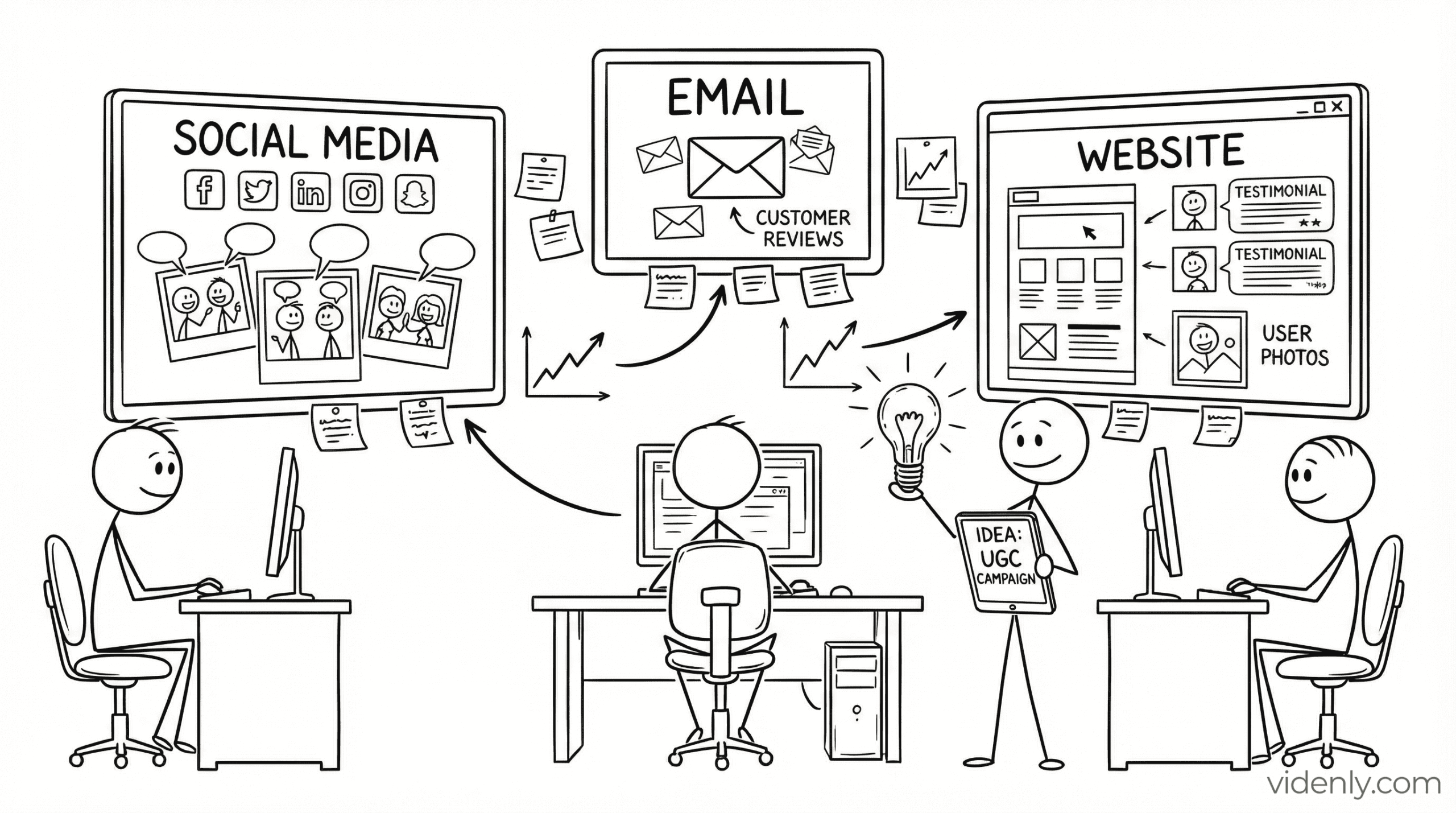
Furthermore, after collecting enough UGC performance data, it is important to share these findings across teams to foster a collaborative environment. Sharing insights about what works and what doesn’t will empower marketing teams to create more effective UGC campaigns in the future. Effectively utilizing user-generated content (UGC) across various marketing channels can significantly enhance your brand presence. By showcasing real customers using your products, you create an environment of trust and authenticity that most consumers crave in their purchasing decisions. When UGC is integrated into your email marketing strategy, it can increase engagement rates, as emails featuring real user experiences tend to resonate more with recipients. Consequently, sharing UGC across platforms, such as social media, websites, and even traditional marketing channels, amplifies your reach and reinforces your brand’s credibility. For instance, utilizing platforms like Instagram and Facebook to repost customer photos not only showcases your products but also builds a sense of community around your brand. Consider integrating UGC within your email newsletters , featuring customer testimonials, photos, or videos can provide social proof and validate your brand’s value. Moreover, sharing UGC on product pages can enhance the shopper’s experience, leading them to feel more connected with the item and more likely to make a purchase. By highlighting real stories and experiences shared by your customers, you make your marketing efforts more relatable and engaging to potential buyers. Additionally, when you regularly share UGC across different channels, you keep your content fresh and dynamic, which is essential for maintaining consumer interest. Cross-promoting UGC not only connects your various marketing efforts but also showcases the versatility of your products across different user experiences. Furthermore, leveraging diverse formats,whether a video compilation of customers using your product or an illustrated collage of photos,adds layers to your marketing narrative. In essence, distributing UGC widely allows for a more cohesive brand message, ultimately driving customer loyalty and engagement. It’s important to create a systematic approach for collecting and curating UGC so that you can share it across platforms seamlessly. Curating quality UGC not only reflects positively on your brand but also encourages more users to share their content, knowing it has an opportunity to gain visibility. Lastly, make sure to give proper credit to the original creators when you share their content, as this fosters goodwill and encourages ongoing participation from your customer base.
5. Highlight UGC on product pages
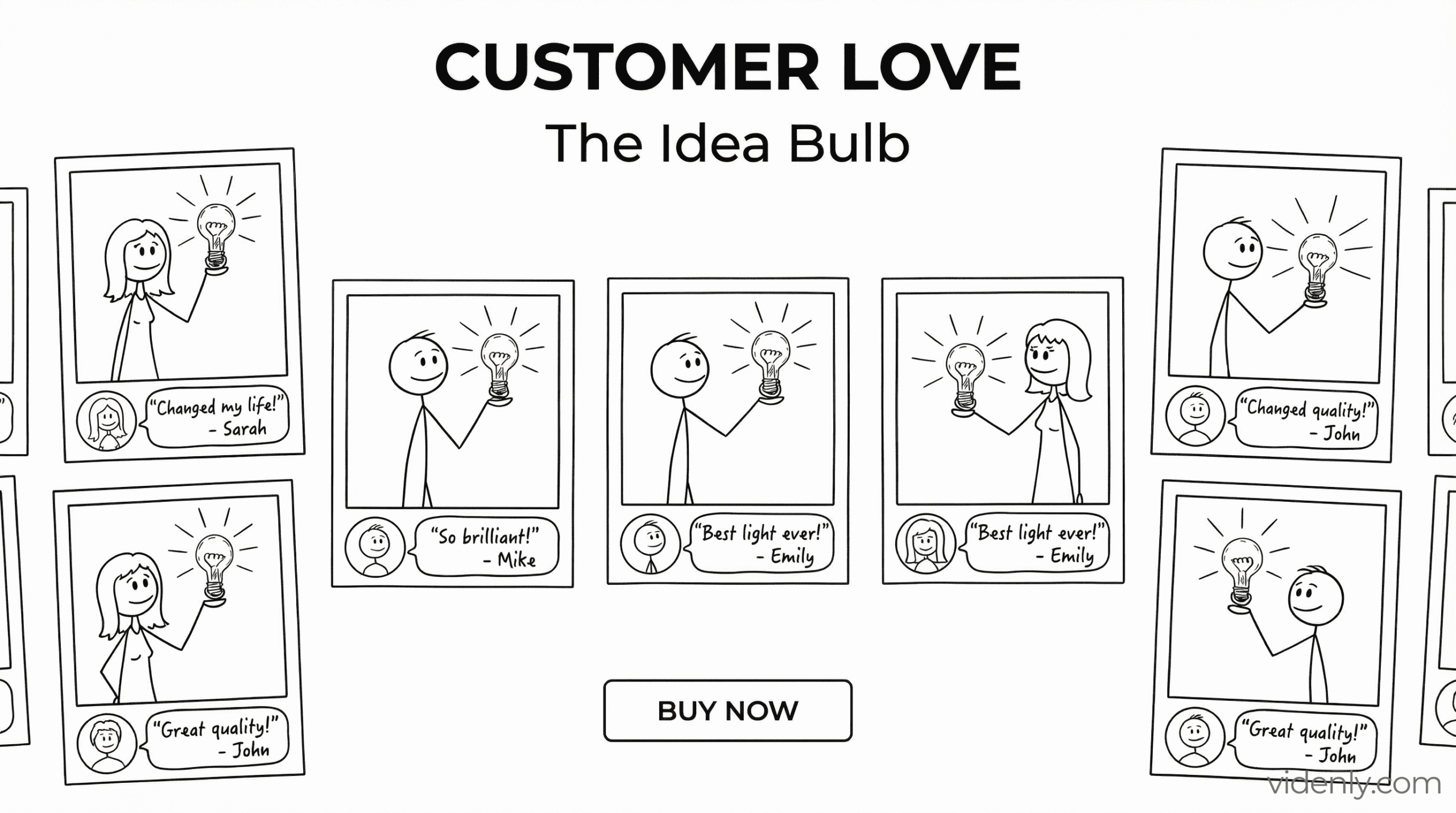
6. Personalize emails using customer photos
7. Track UGC performance in campaigns
8. Share UGC across all marketing channels
Create stunning AI-generated videos that captivate your audience and elevate your brand.