
Published on June 4, 2026 by

AI avatars can significantly enhance storytelling in digital content by providing a personalized experience for users.
By utilizing advanced algorithms, these avatars can adjust their storytelling style based on the audience’s preferences, making the content more engaging.
Furthermore, AI avatars can facilitate interactive narratives that allow users to shape the direction of the story, thereby increasing user investment.
The ability to integrate emotional recognition enables avatars to convey appropriate emotions, enriching the narrative experience for the audience.
Additionally, AI avatars can operate across various platforms, ensuring consistency in storytelling regardless of where the content is consumed.
In the end, these technological advancements not only make stories more immersive but also broaden the scope and reach of digital content.
There is much more to explore regarding how AI avatars can reshape storytelling in the digital landscape.
In the upcoming sections, I will address additional key aspects, such as the impact of AI on audience engagement and the ethical considerations that come with this technology.
Moreover, the integration of AI avatars into different formats, such as podcasts and gaming, will also be discussed, highlighting the diverse applications within various storytelling mediums.
Understanding these elements will provide a broader perspective on the transformative potential of AI avatars in enhancing digital content.
In contemporary storytelling, immersive character development represents a crucial element that cultivates both deep emotional connections and lasting engagement with the audience.
With the emergence of AI avatars, creators now possess the ability to develop multi-dimensional characters that resonate profoundly with viewers, enhancing their overall storytelling experience.
AI technology enables writers to craft characters that not only appear realistic but also exhibit a wide range of emotions, motivations, and backstories.
This advanced character creation process allows for an exploration of human complexities that traditional storytelling methods sometimes struggle to achieve.
One notable advantage of AI in character development is the capability for these avatars to adapt and evolve based on audience interactions and feedback.
Such adaptability creates a unique narrative dynamic, where characters can change appropriately as the audience’s interests and emotional responses evolve over time.
Moreover, AI avatars can offer a variety of personality traits and visual attributes that allow creators to construct a diverse cast of characters tailored to their narrative themes.
The richness of these characters can significantly enhance the storytelling experience by providing audiences with a more nuanced perspective on relatable human experiences.
This list serves to illuminate some of the key aspects that characterize how these avatars can elevate the storytelling of characters.
In addition to fostering development, the integration of AI technology enhances emotional storytelling by allowing characters to respond based on nuanced audience feedback.
Through this feedback, AI avatars can refine their interactions, ensuring that character decisions resonate more profoundly with viewers.
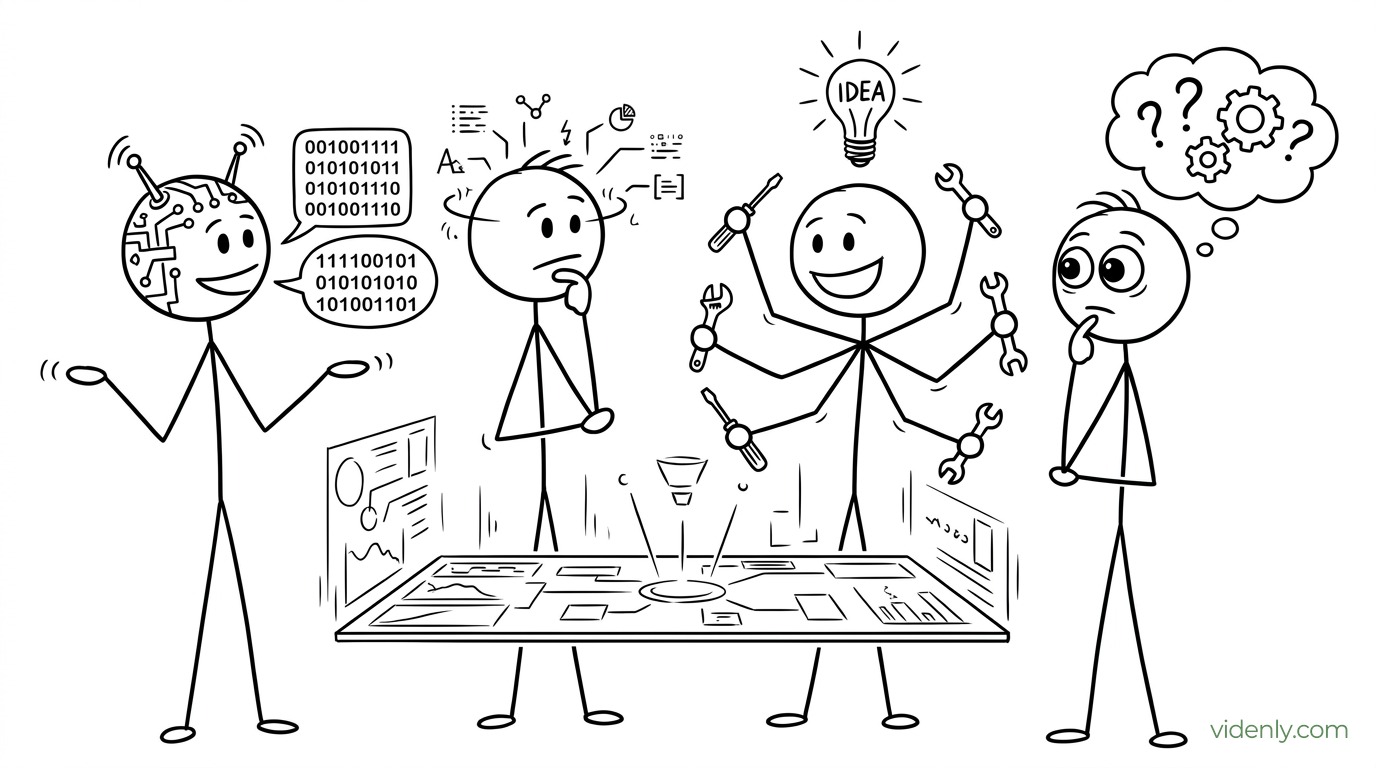
The blend of storytelling and valuable data analytics can thus guide writers in creating arcs that genuinely reflect the audience’s interests and emotional needs.
Furthermore, AI-powered avatars can seamlessly merge various storytelling mediums, engaging audiences across multiple platforms such as video games, VR experiences, and animated films.
This interconnectedness fosters an environment where characters can be fully realized, taking on different forms and dimensions, all while maintaining coherent character arcs.
In the end, AI avatars provide storytellers with an unprecedented tool to develop engaging characters that elevate narratives beyond the written page.
The evolution of storytelling in the digital age has necessitated the introduction of interactive narrative experiences, which allow audiences to engage with the story on a deeper level.
Through the use of AI avatars, creators can craft dynamically adaptive narratives that respond to user choices, preferences, and even emotional reactions.
This adaptability fosters a sense of ownership and agency among the audience, as they can influence the direction of the story based on their decisions.
One of the key features of these interactive experiences is the integration of real-time feedback systems that track audience interactions and adjust the narrative accordingly.
This can involve altering plotlines, characters’ responses, or even the story’s tone, leading to an engaging and personalized narrative journey.
For instance, a user might choose to help a character in distress, prompting the AI to create alternative scenarios based on that decision, resulting in a unique storyline.
Furthermore, the use of AI avatars allows for a visual representation of characters that can evolve alongside the narrative, reflecting both physical and emotional changes.
These avatars serve as a bridge between the audience and the content, making characters more relatable as they respond to user interactions in a believable manner.
Additionally, gamification elements can be introduced into these narratives, where users earn rewards or unlock new chapters based on their choices.
This kind of incentive can significantly increase user engagement, as audiences become more invested in the outcomes of their choices.
Moreover, the implementation of branching storylines enhances replayability, inviting users to return to the content to explore different paths.
Each interaction can lead to distinctly different experiences, which not only boosts user retention but also fosters richer storytelling.
AI avatars further enrich these narratives by providing contextualized dialogue that can adapt to previous interactions, creating a more immersive and coherent experience.
This allows users to build a relationship with the characters, as their dialogues become increasingly personalized based on past decisions.
Furthermore, the ability of AI to analyze data on user behavior can lead to tailored narrative arcs that resonate more profoundly with individual audiences.
These tailored experiences can enhance emotional connections, as stories that reflect personal interests or values are more likely to leave a lasting impact.
At the end of the day, the rise of interactive narrative experiences powered by AI avatars illustrates the potential of technology to transform traditional storytelling into a multi-faceted dialogue between creators and audiences.
Pro Tip: Incorporate real-time feedback systems in your interactive narratives to enhance user engagement and create personalized experiences that adapt to audience choices and emotional responses.
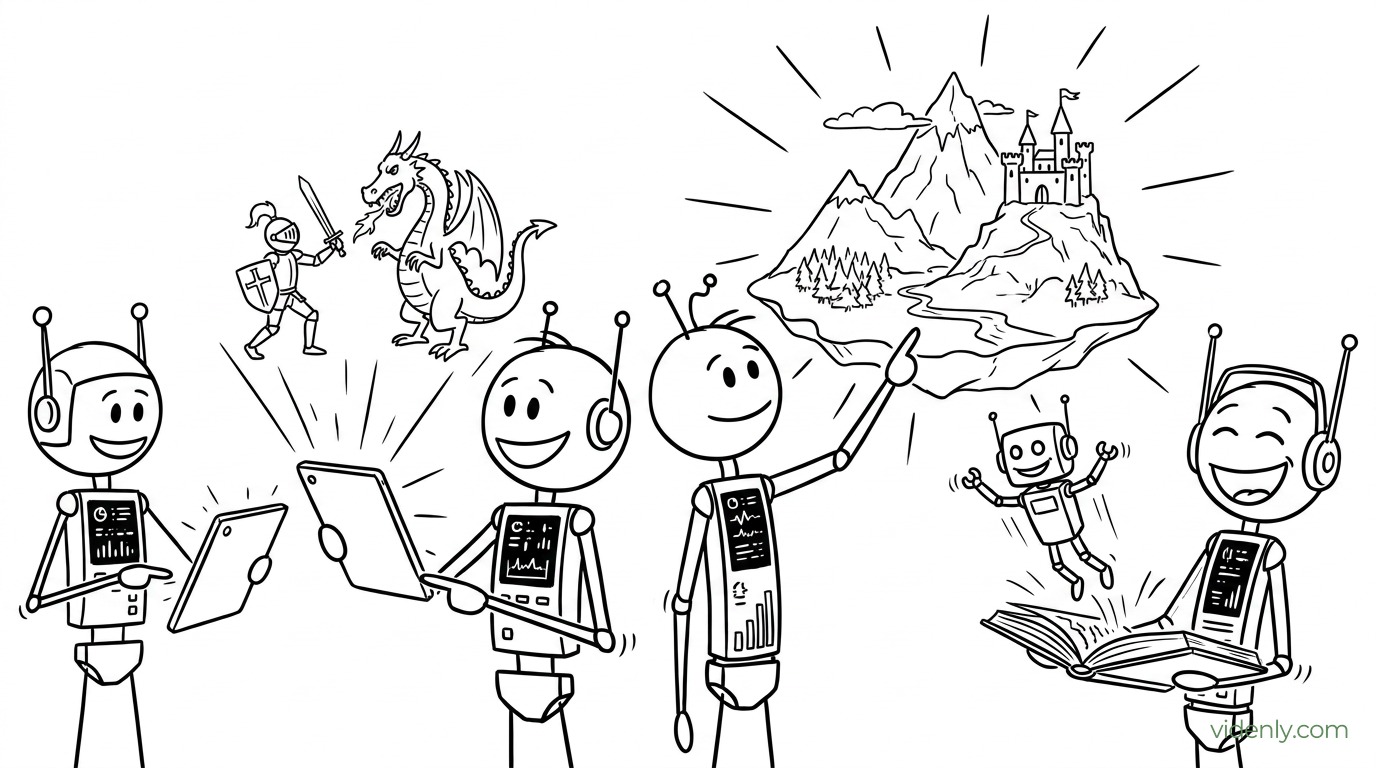
Personalized content creation has become a revolutionary aspect of digital storytelling, allowing creators to tailor narratives to individual preferences and experiences.
In today’s diverse digital landscape, audiences crave experiences that resonate with their personal interests and life circumstances.
Artificial intelligence (AI) avatars play a crucial role in facilitating this level of personalization, transforming how we approach storytelling.
These avatars can collect and analyze user data, ensuring that the content served aligns with their unique preferences and emotional states.
For instance, an AI avatar can modify a storyline to reflect a user’s favorite genres, enhancing their engagement and overall experience.
This flexibility in generating content allows writers and creators to focus less on generic storylines and more on custom-tailored narratives.
Furthermore, the use of AI avatars enables the implementation of dynamic elements within stories, allowing users to make choices that affect outcomes in real-time.
As users navigate through a story, their decisions can lead to different paths, enhancing the feeling of agency and immersion.
By offering a multitude of narrative branches influenced by user interactions, creators can engage audiences on a deeper level, resulting in a more fulfilling experience.
Here are some specific ways AI avatars contribute to personalized content creation:
Implementing these features through AI avatars not only enhances storytelling but also fosters a community of active participants rather than mere passive consumers.
When users feel a sense of ownership over their experiences, they are more likely to share their stories and engage with others, promoting a collaborative culture.
Moreover, AI avatars can follow users across various content formats, ensuring a cohesive story experience, whether they’re interacting through video, games, or interactive text. This omnipresence allows creators to maintain consistent character development and thematic elements, resulting in a unified narrative experience.

Important: Personalized content creation revolutionizes digital storytelling by leveraging AI avatars to tailor narratives based on individual preferences and experiences, transforming audience engagement through adaptive narratives and real-time decision-making.
The result is not merely enhanced storytelling; it’s a transformative approach to how stories are told, consumed, and ultimately personalized.
In essence, AI avatars elevate storytelling into an interactive realm where every user’s journey is uniquely their own, making the process of story creation not just about sharing tales but about building deeply engaging worlds where they can truly belong.
Real-time audience engagement is a powerful aspect of storytelling that continues to evolve in the digital landscape, particularly when incorporating AI avatars.
AI avatars enable creators to interact with their audience in dynamic and meaningful ways that were previously unimaginable.
This interactive approach not only improves the viewer’s connection to the narrative but also allows for a more immersive experience by fostering a sense of direct participation.
For instance, during live-streamed events or interactive video sessions, AI avatars can serve as hosts that respond to questions posed by the audience.
This immediate feedback loop not only cultivates a sense of community but also encourages viewers to invest their attention and emotions into the ongoing story.
Moreover, personalizing interactions through AI avatars can help tailor the storytelling experience to match the preferences and interests of specific audience segments.
By utilizing real-time data, these avatars can adapt their dialogue and actions based on the mood and reactions of the audience, significantly enhancing interest and engagement.
This adaptability allows the narrative to evolve naturally alongside audience input, creating a uniquely interactive environment.
Research has shown that audiences are more likely to remain engaged when they feel their opinions and feedback influence the story being presented.
With AI avatars, creators can also use features like live polls and surveys to gauge audience sentiment during key moments of the narrative.
Such interactive elements not only facilitate audience participation but also help the storytellers make real-time adjustments to pacing and plot direction.
By integrating these interactions into the narrative framework, AI avatars are paving the way for a new era of storytelling that prioritizes engagement over passive consumption.
Additionally, real-time engagement fosters a more profound emotional connection between the audience and the characters portrayed by these AI avatars.
As viewers interact with characters who display genuine reactions and adapt to their feedback, they often exhibit increased empathy and investment in the storyline.
This enhanced emotional engagement can lead to a deeper understanding of the themes and messages conveyed through the narrative.
Furthermore, AI-driven avatars can analyze audience engagement patterns to provide creators with invaluable insights regarding what aspects of the story resonate most with the audience.
This data not only aids in refining ongoing projects but also empowers storytellers to design future narratives with heightened relevance in mind.
As a result, the use of AI avatars for real-time audience engagement serves as a catalyst for innovation within storytelling, allowing for experiences that are as participatory as they are entertaining and enriching.
Pro Tip: Utilize AI avatars in your storytelling to foster real-time audience engagement, allowing for personalized interactions that adapt based on viewer feedback and preferences.
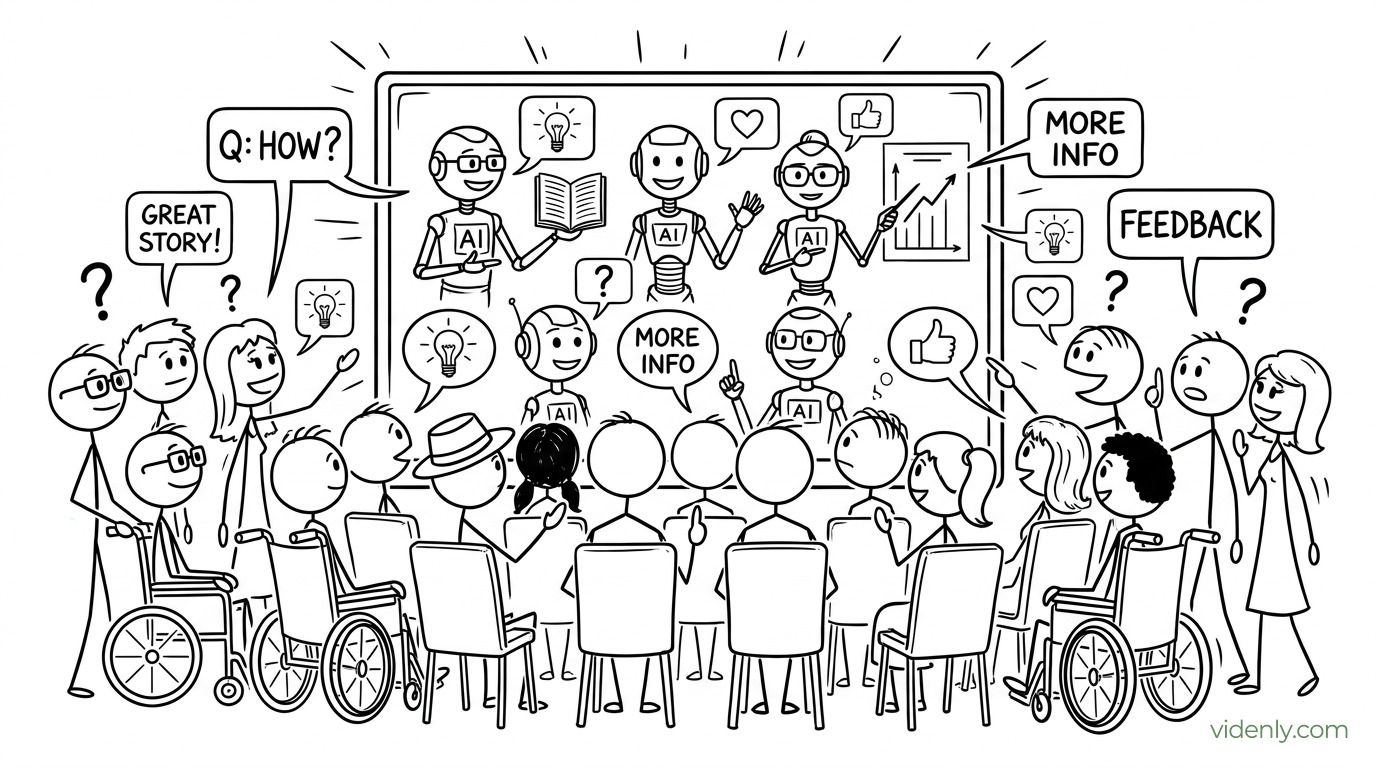
Visual storytelling is a powerful tool in digital content that allows creators to convey messages and emotions through imagery, design, and other visual elements.
When it comes to enhancing storytelling, AI avatars play a crucial role by providing a visually appealing and interactive medium that draws the audience into the narrative.
The integration of AI avatars not only adds an aesthetic charm but also serves practical purposes in visual content creation.
One significant advantage of using AI avatars is their ability to create a uniform style that can be tailored to fit diverse storytelling needs, which is essential for maintaining consistency.
This list illustrates some of the ways AI avatars contribute to visual storytelling enhancement, highlighting their versatility and adaptability.
Furthermore, the use of AI avatars allows creators to focus on the essence of their narrative without the burden of complex animation or extensive graphical designs.
For instance, utilizing platforms like Videnly, creators can effectively automate the generation of videos that incorporate AI avatars seamlessly, thus optimizing their production time.

This means that creators can concentrate on crafting compelling narratives and allowing the AI tools to handle technical nuances.
Moreover, the flexibility offered by AI avatars allows creators to switch styles depending on the narrative context, thus appealing to a wider audience.
They can represent various cultures and emotions through visual traits, making stories more inclusive and reflective of global diversity.
This aspect of customization is important because it enhances the relatability of a story, fostering a deeper emotional connection between the narrative and its audience.
Additionally, integrating AI avatars into visual storytelling can significantly improve production quality by ensuring that the visuals align closely with the story’s tone and message.
By utilizing advanced features such as text-to-speech technologies and automated video effects, creators can enhance the realism of AI avatars, making them more lifelike and engaging in their storytelling roles.
As a result, not only does the viewer enjoy a visually appealing narrative, but they also experience a highly interactive storyline that adapitates to their preferences.
At the end of the day, AI avatars can revolutionize the way stories are told by providing a sophisticated blend of visual aesthetics and interactive elements, capturing the audience’s imagination like never before.
This potential for enhancing visual storytelling is critical in an era where digital content is abundant, and attention spans are fleeting.
Thus, by thoughtfully integrating AI avatars into digital narratives, creators have the unique opportunity to captivate their audience while delivering more engaging and memorable experiences.
Important: The integration of AI avatars into visual storytelling significantly enhances production quality and audience engagement by providing a versatile, interactive medium that can adapt to diverse narrative contexts and improve relatability.
In this rapidly evolving digital landscape, the top-tier content has clearly started taking advantage of these advancements, showcasing the profound impact that well-crafted visuals can have on storytelling.
As we move forward, it will certainly be fascinating to observe how digital creators continue to harness the power of technology, particularly through AI avatars to truly elevate the art of storytelling.
AI avatars are transforming the storytelling landscape by immersing audiences in rich, interactive character development.
These digital companions create engaging narrative experiences that adapt to users’ choices, making each story unique.
With personalized content creation, AI avatars can tailor narratives to individual preferences, enhancing emotional connections.
Real-time audience engagement ensures that viewers remain captivated, allowing for dynamic interactions that elevate the overall experience.
Finally, the enhancement of visual storytelling through AI avatars adds a captivating layer of artistry that draws audiences deeper into their favorite tales.
Embracing these innovations can significantly enrich the way stories are told, offering limitless possibilities for creators and consumers alike.
Create stunning AI-generated videos that captivate your audience and elevate your brand.