
Published on May 27, 2026 by
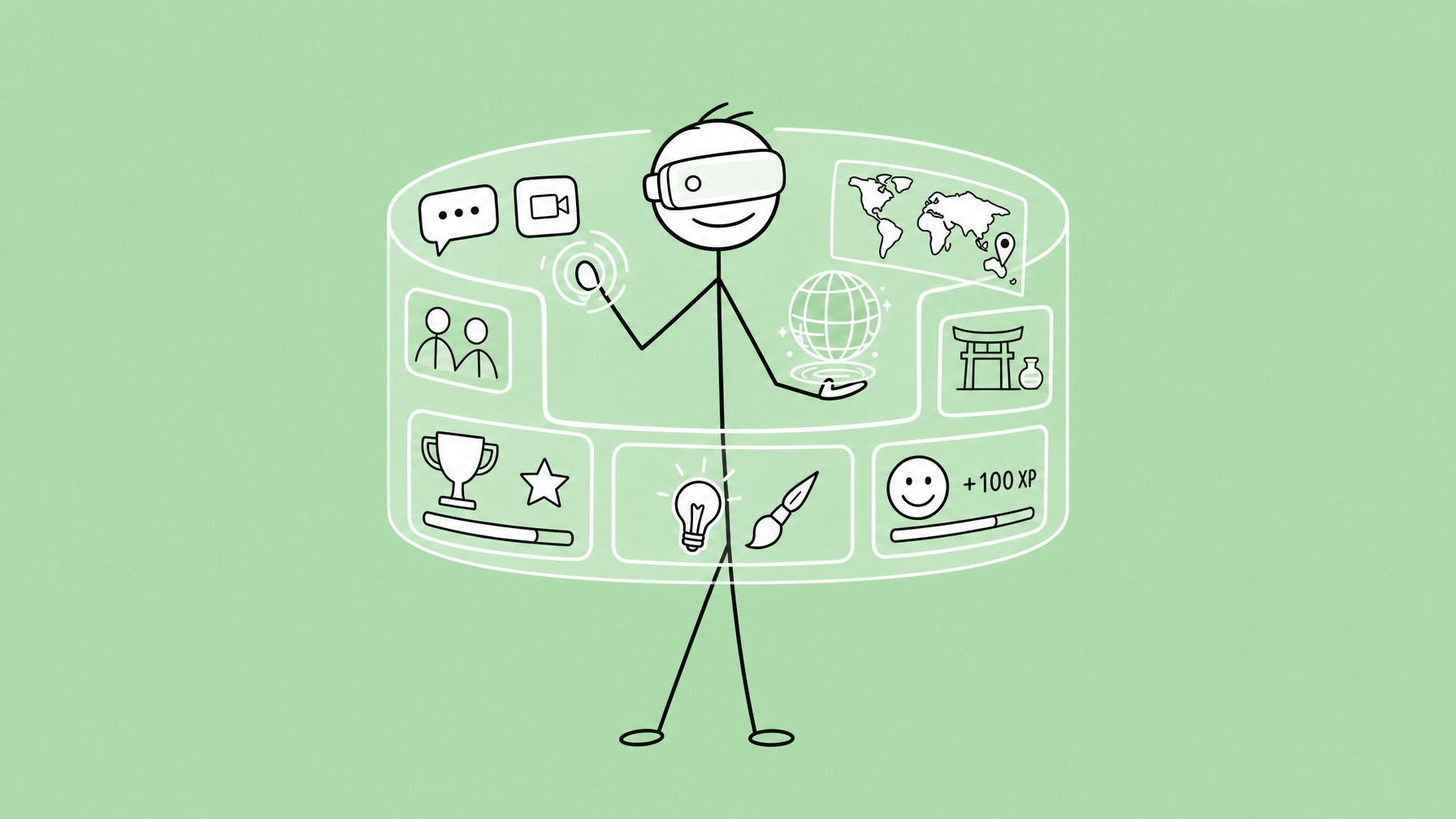
AI avatars can significantly enhance remote team collaboration by providing personalized virtual representatives that reflect team members’ identities.
These avatars can facilitate real-time communication, enhancing interaction quality during video calls and meetings.
Furthermore, they can assist in bridging language barriers by incorporating real-time translation features, making international collaboration smoother.
AI avatars can also help capture and analyze team dynamics, providing insights into communication patterns and areas for improvement.
Additionally, they offer a consistent presence, allowing for a more engaged and cohesive team environment despite geographical distances.
As organizations continue to adapt to remote work, the integration of AI avatars may become a critical factor in achieving productive and effective teamwork.
There is much more to explore regarding the impact of AI avatars on remote team collaboration.
In the following sections, I will discuss additional benefits such as improved engagement strategies and how these avatars can help bridge communication gaps.
Moreover, I will cover the role of AI avatars in fostering innovation and creativity in team environments, as well as their potential to boost overall productivity.
These topics highlight the broader implications of integrating AI avatars into workflows, showcasing their significance in shaping the future of remote collaboration.
When it comes to remote team collaboration, the importance of visual communication cannot be overstated.
With the advent of AI avatars, teams can expect a significant transformation in how they convey information visually.
Traditionally, visual communication relied on static images and basic slides, often failing to engage team members fully.
However, AI avatars introduce a new dimension that can make communication more dynamic and engaging.
These avatars can be customized to embody not only the image of the team members but also their emotions and expressions, bringing a more personal touch to digital interactions.
With the ability to mimic human gestures and facial expressions, AI avatars can effectively communicate enthusiasm or concern in a way that traditional text or video calls often lack.
This technological evolution allows teams to convey complex ideas more clearly and effectively, enhancing understanding across diverse groups.
A good example would be, during brainstorming sessions, the use of AI avatars can facilitate a clearer expression of individual thoughts and concepts.
When team members can see their avatars react to ideas in real-time, it encourages a more collaborative atmosphere and stimulates creativity.
Furthermore, the animation capabilities of AI avatars can help illustrate complex processes or data visualizations in a more digestible manner.
They can utilize movement to highlight key points, guiding viewers’ attention through the various elements of a presentation.
This type of engagement can significantly decrease the likelihood of miscommunication and foster a more harmonious team dynamic.
There are several specific ways in which AI avatars enhance visual communication:
Utilizing AI avatars for visual communication also streamlines the workflow, as teams can save time on generating traditional visual content.
With avatars ready for interaction and presentation at any moment, preparation becomes quicker and less daunting.
Moreover, the integration of AI technology allows for the seamless incorporation of visual elements such as graphics and animations, eliminating the need for separate software for editing presentations.
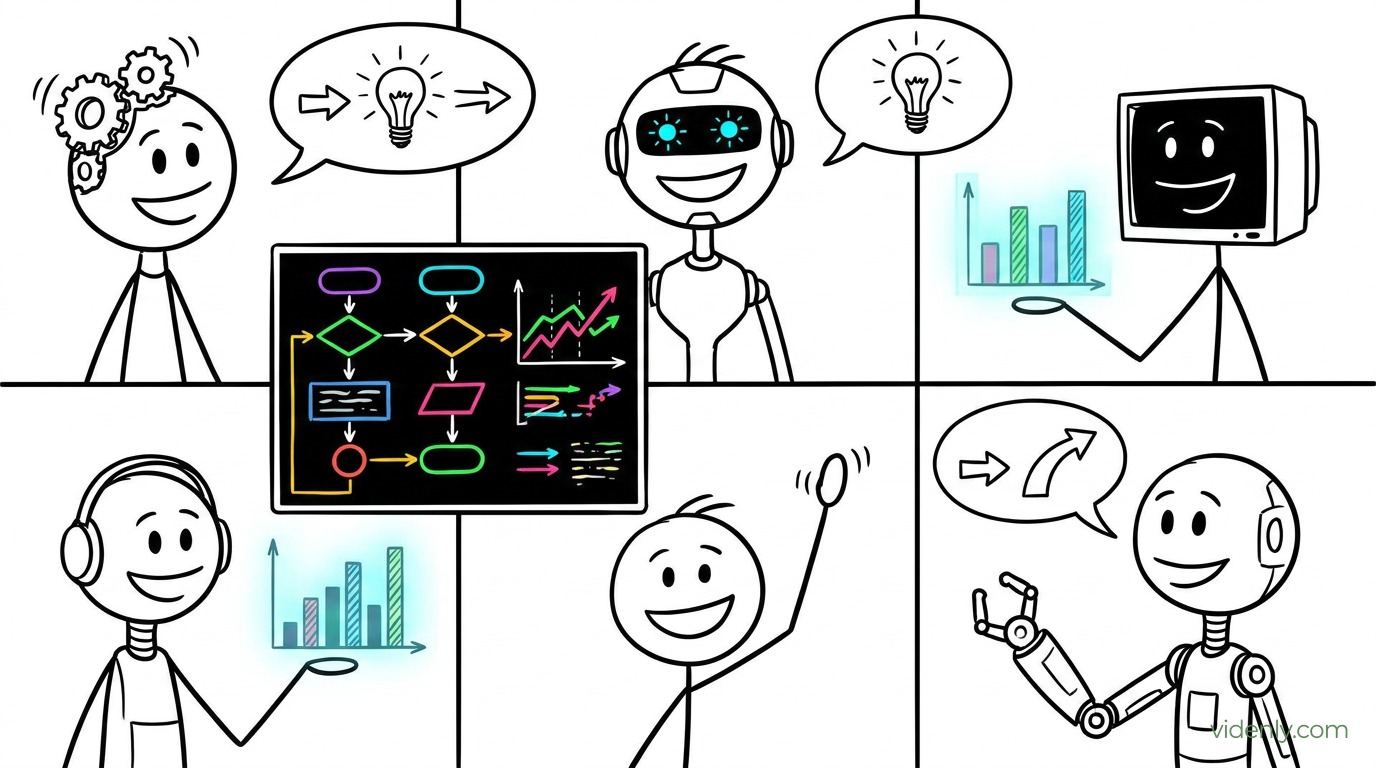
This innovation leads to a more efficient communication process, freeing team members to focus on the substance of their discussions rather than getting caught up in the logistics of presentation tools.
Considering the potential of AI avatars to enhance visual communication, it is essential that teams adopt and adapt to this technology to stay competitive in today’s digital workspace.
Pro Tip: Utilizing AI avatars for visual communication not only enhances engagement and clarity in remote interactions but also streamlines the workflow, allowing teams to focus more on substantive discussions rather than logistical presentation challenges.
As remote work becomes more prevalent, the need for tools that foster engagement and clarity in communication will only continue to grow.
At the end of the day, leveraging AI avatars not only enriches visual communication but also enhances overall collaboration, making it a game-changer for remote teams.
In today’s fast-paced work environment, real-time collaboration tools have emerged as an essential component for successful remote teamwork.
These tools allow team members to connect, share, and interact in ways that simulate an in-person experience, thereby enhancing productivity.
The advancement of technology has led to the development of various collaboration applications that facilitate seamless communication among remote teams.
Real-time collaboration tools enable users to share documents, images, and other critical files instantaneously, which is crucial for keeping everyone on the same page.
With features like live editing, team members can work on the same document simultaneously, drastically reducing the time spent on revisions and feedback.
This synchronized approach fosters a higher level of engagement, with team members providing input in the moment rather than waiting for asynchronous responses.
Moreover, the integration of AI avatars into these collaboration tools can enhance the interaction by adding a layer of personalization.
These avatars can mimic human expressions and gestures, making virtual communication feel more authentic and relatable.
When team members utilize AI avatars, it creates an atmosphere of inclusivity that can help bridge cultural differences and eliminate communication barriers.
Additionally, involving AI avatars can cater to various learning styles and preferences, allowing team members to engage in the manner that suits them best.
This adaptability is particularly important in diverse teams where members may have different comfort levels with technology.
Furthermore, real-time collaboration tools incorporate various multimedia elements, including video conferencing features.
These capabilities enable teams to engage in face-to-face discussions, which are often more effective than written communication when conveying nuanced ideas.
Teams can leverage these video features to host brainstorming sessions, making it easier for all members to contribute their thoughts and perspectives.
Utilizing tools that support screen sharing can enhance understanding, as team members can visualize complex concepts in real-time alongside their collaborators.
At the end of the day, the combination of AI avatars and effective collaboration tools creates a more dynamic work environment that nurtures creativity and innovation.
Aside from enhancing communication, these tools also streamline project management by allowing teams to assign tasks, set deadlines, and monitor progress in real-time.
By having an overview of ongoing projects, team members can adjust their workloads and priorities proactively, reducing last-minute stress and ensuring timely delivery.
As we all know, when it comes down to it, the ability to collaborate in real-time with the aid of AI avatars not only bolsters teamwork but also contributes significantly to achieving shared objectives effectively.
Pro Tip: Real-time collaboration tools are essential for successful remote teamwork, as they facilitate seamless communication, enhance productivity, and foster a dynamic work environment by allowing team members to connect and interact in ways that simulate in-person experiences.
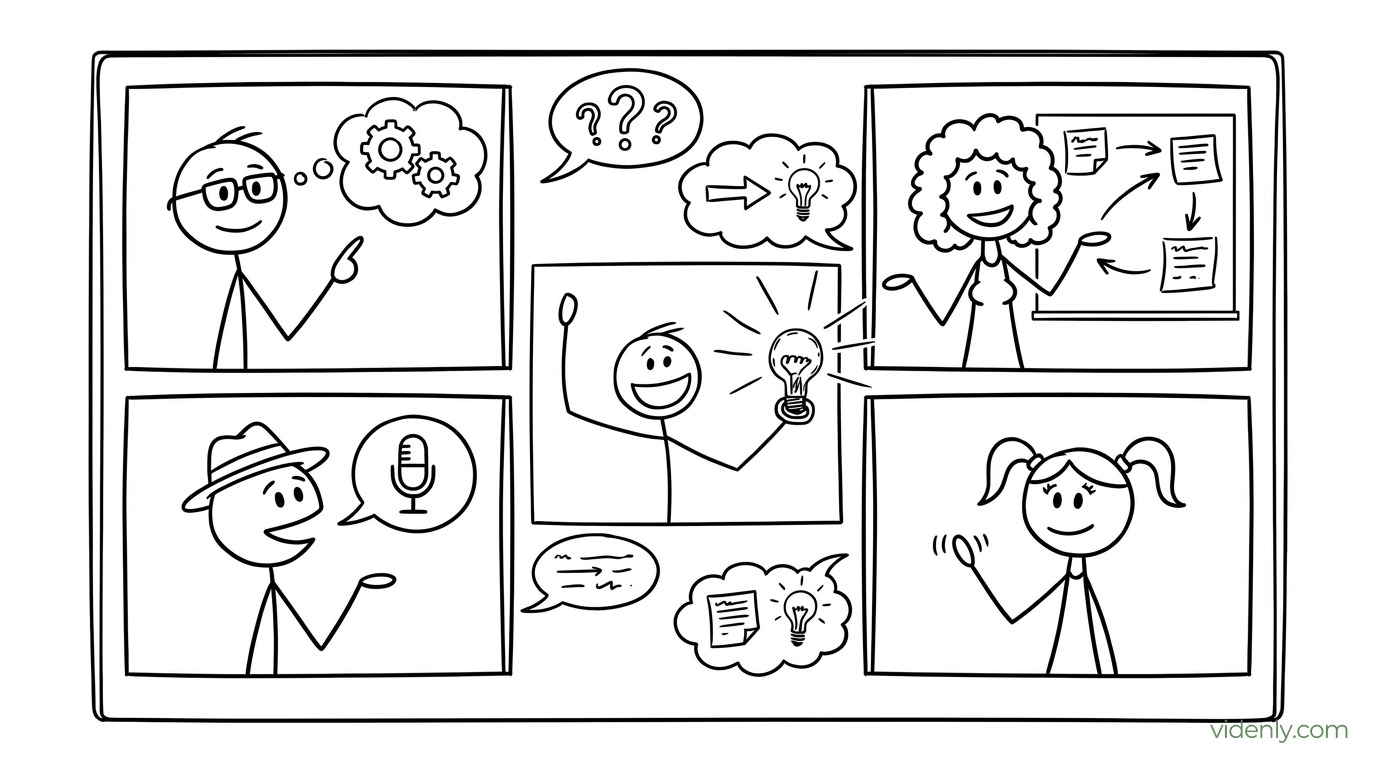
In the context of remote work, personalized interactions are essential in creating a cohesive team dynamic.
AI avatars foster meaningful connections among team members by representing individuals in a digital space that feels more authentic.
When individuals can relate to each other’s personalized avatars, it enhances empathy and understanding across distances.
This representation goes beyond just appearance; it can reflect cultural backgrounds, interest levels, and character traits.
The use of AI avatars can also facilitate effective communication where tone and body language play crucial roles in understanding.
These avatars provide a richer context for discussions, making it easier for team members to grasp nuances that would otherwise be lost in text-based exchanges.
Moreover, AI avatars can adapt their appearances and behaviors based on the context of the meeting and the personalities present, which allows for a more tailored interaction experience.
For instance, in brainstorming sessions, avatars may adopt more vibrant expressions and gestures to stimulate creativity and engagement among team members.
To fully explore how AI avatars enhance personalized interactions, consider the following aspects:
The diversity of features that AI avatars offer ensures that every team member feels seen and heard, which significantly contributes to morale.
Beyond just emotional connection, personalized interactions using AI avatars create opportunities for team members to collaborate creatively.
When avatars align with individual personalities, they encourage team members to express themselves freely without the constraints often present in a traditional remote working environment.
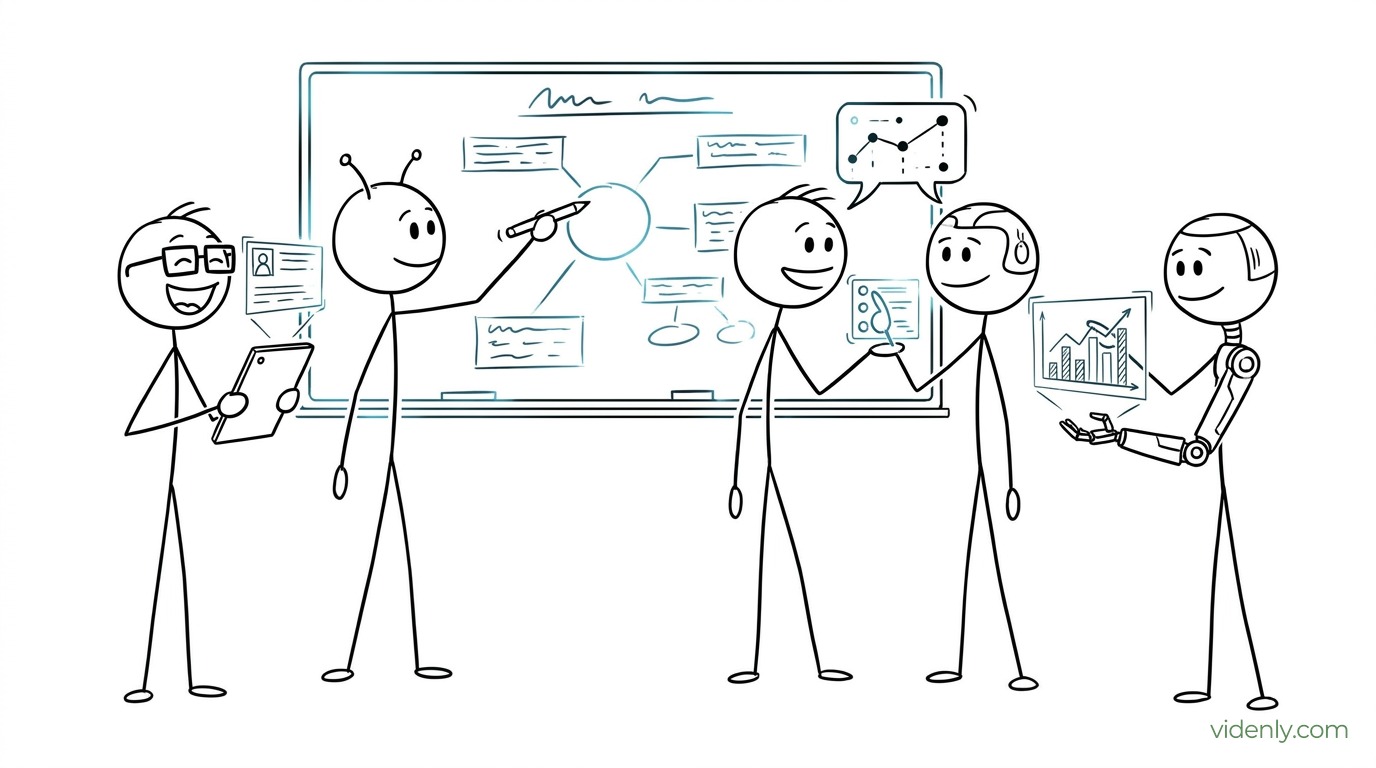
This not only enhances creativity but also promotes engagement, as team members can participate more actively in discussions and projects.
Furthermore, personalized avatars can serve as conversation starters, opening avenues for casual interaction that are important for fostering relationships.
In casual settings, avatars can reflect shared interests or hobbies, making it easier for colleagues to connect on a personal level.
At the end of the day, the thoughtful implementation of AI avatars in remote collaboration could profoundly transform how teams interact, leading to stronger relationships and collaborative efforts.
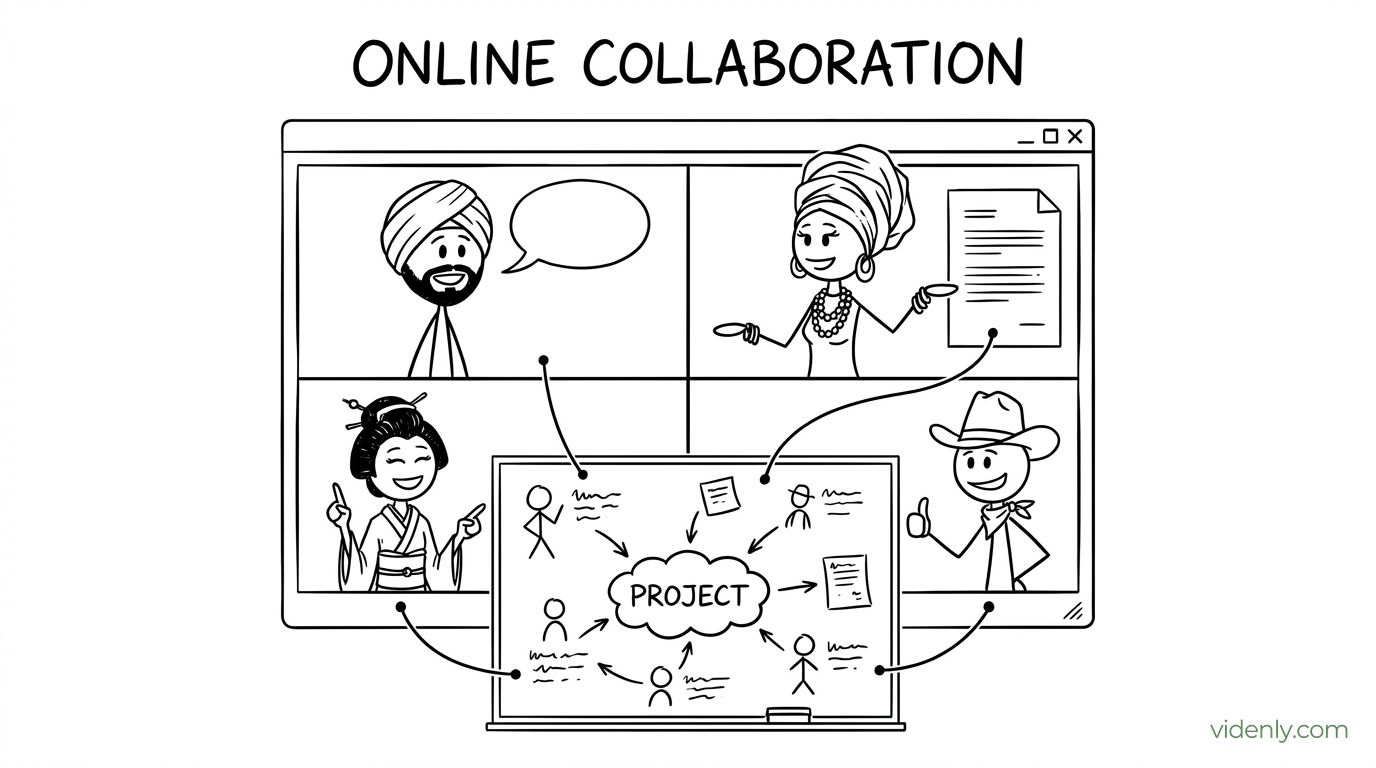
Cultural diversity within teams is increasingly acknowledged as a key driver of innovation and creativity in modern workplaces.
As organizations expand globally, the need for effective communication across various cultural backgrounds has become paramount.
AI avatars can play a significant role in addressing cultural nuances by offering visual representation that resonates with different cultural identities.
This means that team members can select and customize their avatars to represent their cultural heritage, which fosters a sense of belonging.
When employees feel that their identity is recognized, it enhances their engagement and motivates them to contribute more to the team’s success.
Moreover, these avatars can incorporate cultural elements such as traditional attire, hairstyles, and colors that reflect the wearer’s background.
This kind of personalization helps to bridge the gap between virtual interactions and real-world cultures, allowing for more authentic exchanges.
A diversified avatar system can enable teams to celebrate different festivals, holidays, and customs through virtual gatherings or themed meetings.
By doing so, it nurtures a climate of inclusivity that is essential for global collaboration.
Additionally, AI avatars can aid in the education of team members about cultural practices and interpersonal communication styles.
This education is crucial in minimizing misunderstandings that often arise from cultural differences, thereby building trust and rapport within the team.
These avatars can also facilitate language learning, allowing employees to better understand and appreciate each other’s linguistic nuances.
For instance, an AI avatar might provide real-time translations during meetings, ensuring that language barriers do not hinder effective communication.
Another significant aspect of cultural representation through AI avatars is the potential to challenge stereotypes and biases that may exist within teams.
By promoting diverse avatars, teams can actively work against preconceived notions, leading to a more equitable workplace.
In the end, the incorporation of culturally representative avatars may catalyze a shift in how team members perceive their colleagues.
When team members can visually connect with different cultures, it builds a stronger foundation for collaboration and shared objectives, essential for any successful project.
This enhanced cultural representation may also improve overall team dynamics, creating a more harmonious and productive work environment.
In the long run, embracing cultural diversity through AI avatars will not merely enhance team collaboration but will also position organizations as trailblazers of inclusivity in a rapidly changing global market.
In the ever-evolving landscape of remote work, effective training and onboarding practices are essential for organizational success, especially when utilizing AI avatars.
AI avatars can transform the traditional training methods by providing a more engaging and interactive experience for new employees.
By simulating real-world scenarios, these avatars enhance the retention of critical information, making it easier for recruits to understand their roles and responsibilities.
The incorporation of AI avatars creates a dynamic learning environment, as they can adapt to varied learning styles and paces, accommodating diverse needs among new hires.
For instance, visual learners can benefit from avatars that illustrate concepts with accompanying graphics, while auditory learners can engage through narrations delivered by these virtual personas.
This flexibility in training approaches not only aids in knowledge retention but also fosters a sense of belonging and inclusion in the team.
To further enhance the onboarding process, here are some of the key advantages offered by AI avatars:
The implementation of these AI avatars in the training framework is not just about technology; it’s about creating a supportive ecosystem that encourages ongoing development.
Furthermore, AI avatars can introduce gamification elements into training sessions, where employees earn points or rewards for completing modules, thus promoting a fun and competitive atmosphere.
This gamified approach not only makes the learning process more enjoyable but may also help motivate employees to take charge of their learning experience.
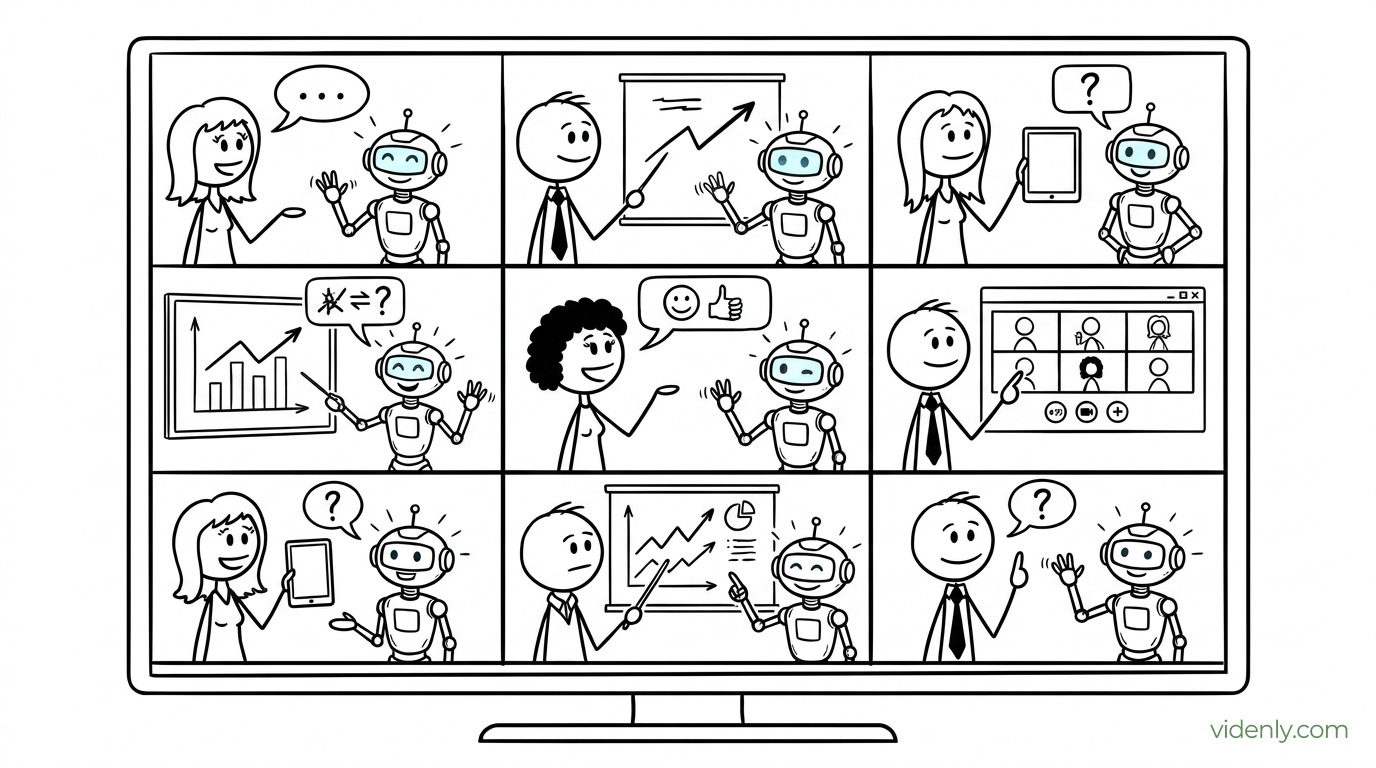
In addition, the ability of AI avatars to conduct training in a safe, risk-free environment allows employees to make mistakes without the fear of negative consequences, thereby fostering creativity and innovation.
Moreover, continuous tracking of individual performance by AI systems during training can help managers identify talent and potential leadership qualities within the workforce.
Such insights can assist in positioning employees for roles that align with their strengths, ultimately benefiting the organization as a whole.
Pro Tip: Utilize AI avatars in your training and onboarding processes to create interactive simulations that cater to diverse learning styles and foster employee engagement.
Lastly, as employees complete their training modules successfully with the help of AI avatars, they tend to feel more accomplished and engaged, thus enhancing overall job satisfaction.
These advancements in training and onboarding, powered by AI avatars, represent a forward-thinking approach toward employee integration into an organization.
In the ever-evolving landscape of remote work, monitoring the health and well-being of team members has become increasingly critical.
The implementation of AI avatars in virtual collaboration tools opens up new avenues for fostering a supportive environment.
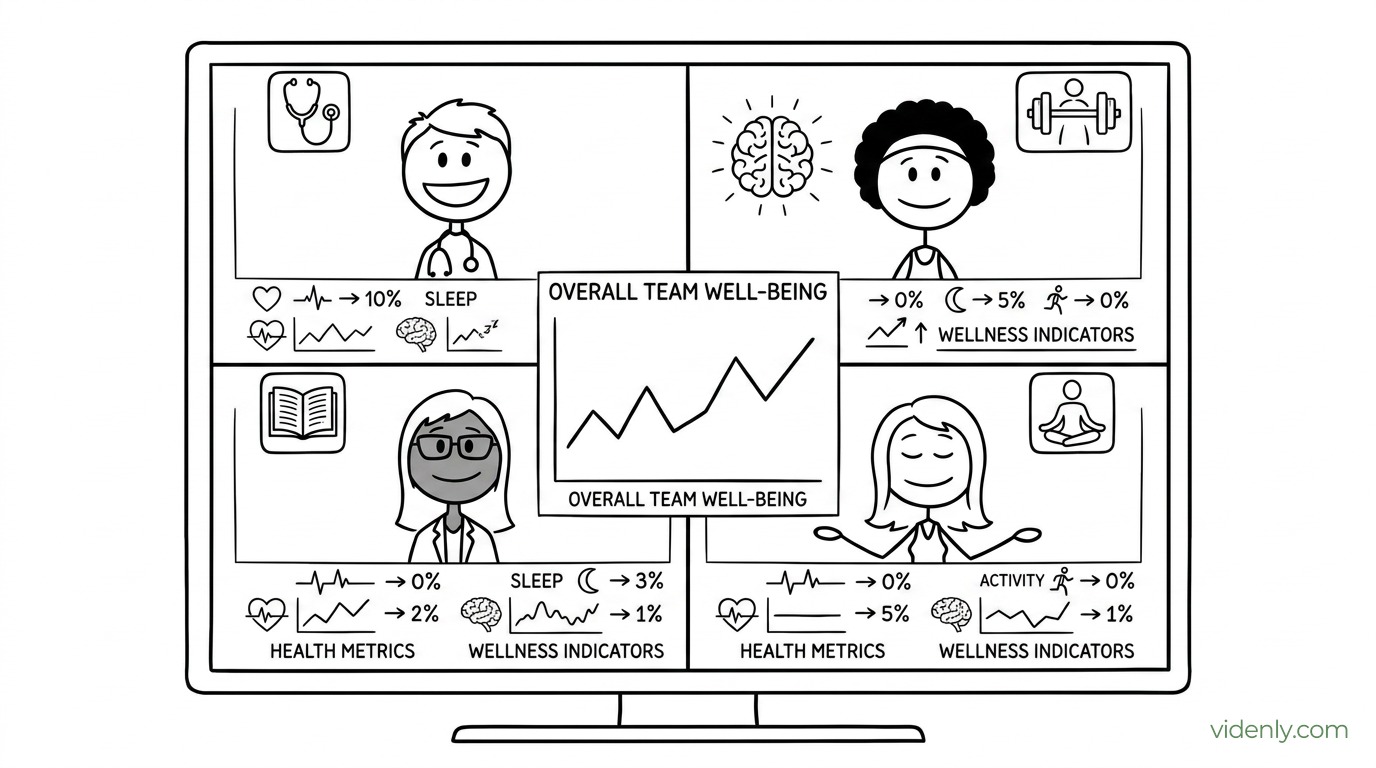
One significant aspect of this endeavor involves the ability of these avatars to track emotional and mental health indicators through interactive engagement.
By analyzing verbal and non-verbal cues during team interactions, AI avatars can gauge levels of stress and satisfaction among team members effectively.
This kind of monitoring allows organizations to identify potential issues before they escalate, thereby ensuring a more productive work environment.
In addition to real-time analytics, these AI avatars can facilitate regular check-ins, helping teams to communicate about their mental health and general well-being.
Such proactive measures can significantly enhance the overall team dynamics, as employees feel their well-being is prioritized.
Moreover, AI avatars can be programmed to suggest wellness activities based on individual preferences and needs, leveraging data to provide tailored recommendations.
Examples of suggested activities might include mindfulness exercises, virtual physical activities, or even social breaks designed to foster team bonding.
By creating an atmosphere of care and support, companies can cultivate a stronger sense of community within remote teams.
Another crucial element in health and well-being monitoring is the integration of biometric feedback systems that can synchronize with AI avatars.
Through the use of wearables, teams can monitor important signs such as heart rate variability, which can provide insights into an employee’s stress levels and overall health.
This information can guide interventions and discussions, promoting a culture where mental health is openly recognized and addressed.
Furthermore, the continuous data stream provided by AI avatars can help management understand trends over time, leading to enhancements in workplace policies.
By analyzing data patterns, leaders can determine whether certain initiatives are positively impacting employee satisfaction and well-being.
This data-driven approach not only enhances the effectiveness of health and well-being interventions but also creates a more engaged workforce.
At the end of the day, the intersection of technology and well-being in a remote work setting reinforces the idea that employee health is an integral part of organizational success.
As companies continue to prioritize health and well-being initiatives through innovative solutions like AI avatars, the potential for enhanced team performance will undoubtedly rise.
The incorporation of gamification into team activities fundamentally transforms the way remote teams engage with work.
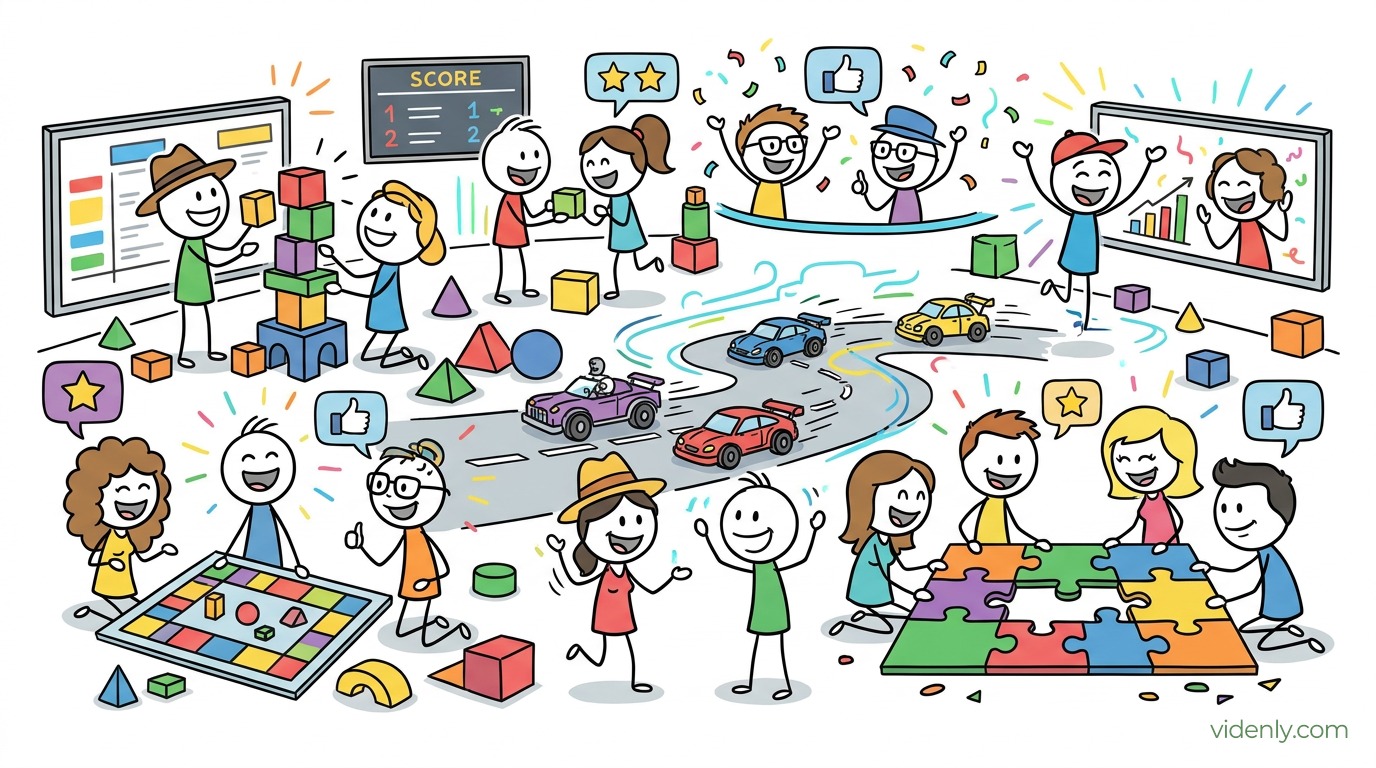
By integrating elements of game design into mundane tasks, organizations can foster a more dynamic and enjoyable work environment.
This approach not only enhances motivation among team members but also drives higher levels of participation and collaboration.
Gamification leverages the natural human inclination towards competition, achievement, and reward, which aligns perfectly with achieving team goals.
One of the most compelling aspects of gamification is how it can promote a sense of community among remote workers who often feel isolated.
Through structured challenges, point systems, and leaderboards, team members can recognize each other’s contributions and celebrate their collective accomplishments.
To further illustrate the potential benefits, here are some key factors regarding the implementation of gamification in remote teams:
Each of these factors significantly impacts team dynamics, pushing the overall performance of remote teams to higher levels.
Additionally, visual elements such as progress bars, badges, and rewards can create a more vibrant and stimulating atmosphere.
This visual representation of achievements serves not only as a motivator but also as a constant reminder of the objectives that teams are striving to meet.
Moreover, the ease of integrating gamification tools into existing platforms ensures that remote teams can adopt these systems seamlessly.
As remote work continues to rise, implementing gamified systems is increasingly becoming crucial to maintaining high performance.
By rewarding accomplishments with tangible incentives, teams can create a fun yet challenging environment that benefits everyone involved.
The potential for creativity within gamification allows teams to design custom challenges that align closely with their goals.
Such tailored gamification experiences can lead to a stronger commitment to team objectives and enhance individual accountability.
In the dynamic landscape of remote work, project management has become a critical component for teams striving to achieve their goals efficiently.
Implementing AI avatars within project management frameworks can greatly enhance the way tasks are assigned and tracked across various teams.
By utilizing intelligent avatars, teams can experience a level of automation that simplifies the assignment of responsibilities, ensuring that no task goes overlooked.
These avatars can facilitate real-time updates, enabling members to access the latest information on project progress, deadlines, and changes in responsibilities without additional overhead.
Furthermore, with AI technology, project timelines can become more accurate as avatars leverage data to predict potential delays and alert team members ahead of time.
This predictive capability helps in proactive communication, allowing teams to devise contingency plans before issues arise, which is essential for maintaining momentum in remote collaboration.
In addition to task tracking, AI avatars assist in resource allocation, making it easier for teams to monitor workloads and redistribute tasks when necessary.
For instance, if an individual is overwhelmed with assignments, an AI avatar can reassign less critical tasks to another teammate, ensuring that the overall productivity of the group remains high.
Moreover, the integration of AI avatars in project management systems enhances transparency among team members, allowing everyone to understand who is responsible for what at any point in time.
This level of visibility leads to more accountability, as team members can track the progress of their contributions and provide input more effectively during project discussions.
Through the use of AI-driven analytics, avatars can generate insightful reports and visualizations that showcase not just the current project status, but also highlight patterns in team performance over time.
This enables leaders to make informed decisions regarding adjustments in workflow strategies, ensuring that the team continuously evolves and improves its methods of working together remotely.
Another beneficial aspect of incorporating AI avatars in project management is their ability to foster enhanced communication between team members who may be working across different time zones.
AI avatars can facilitate scheduling meetings that accommodate varied availability, transforming what once was a tedious process into a seamless one that respects everyone’s time.
Adopting avatar technology thus not only fosters inclusivity within teams but also introduces a sense of cohesiveness, making remote collaboration feel much more connected.
In cases where team members might require assistance, AI avatars can provide relevant resources and documentation instantly, reducing downtime and enhancing productivity during critical phases of a project.
By ensuring that every team member has swift access to information, teams can remain agile and responsive to changes in project demands, which is important in today’s fast-paced environment.
In the end, integrating AI avatars into project management processes signifies a profound shift towards a more organized and effective remote teamwork experience that hinges on collaboration and communication.
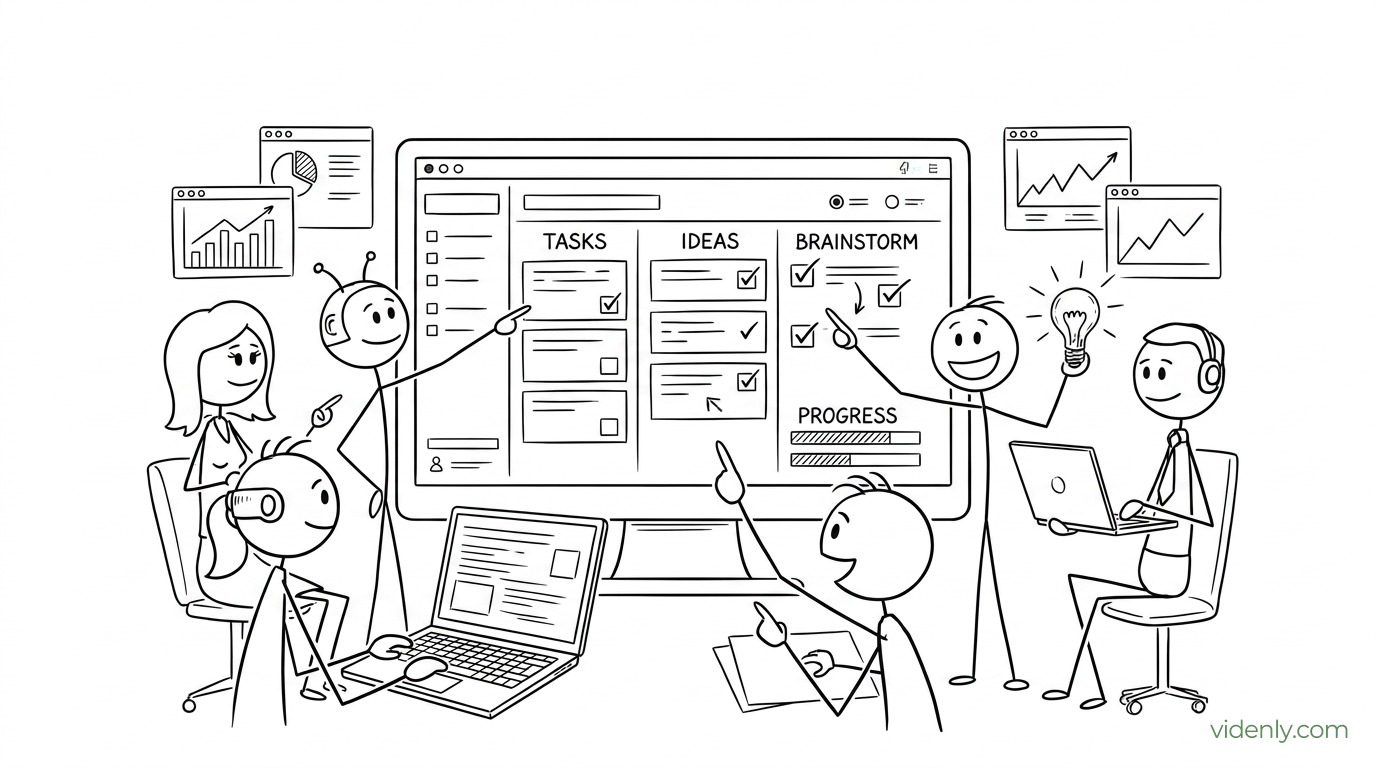
AI avatars are transforming remote team collaboration in exciting and meaningful ways.
With enhanced visual communication, team members can interact more effectively and feel a stronger connection to their colleagues.
Real-time collaboration tools powered by AI avatars ensure that brainstorming sessions and project discussions are smoother than ever.
Personalized interactions through avatars help create a more inclusive environment where everyone feels represented and valued.
Teams benefit from rich cultural representation, enhancing creativity and understanding among diverse members.
The onboarding process becomes more engaging, allowing new hires to integrate seamlessly into the company culture.
AI avatars also support health and well-being monitoring, ensuring that team members maintain a healthy work-life balance.
Plus, the gamification of team activities fosters camaraderie and motivation, making work fun while driving productivity.
In the end, streamlined project management facilitated by AI avatars helps teams stay organized and focused on their goals, making remote work a joyful and efficient experience.
Create stunning AI-generated videos that captivate your audience and elevate your brand.