
Published on May 14, 2026 by
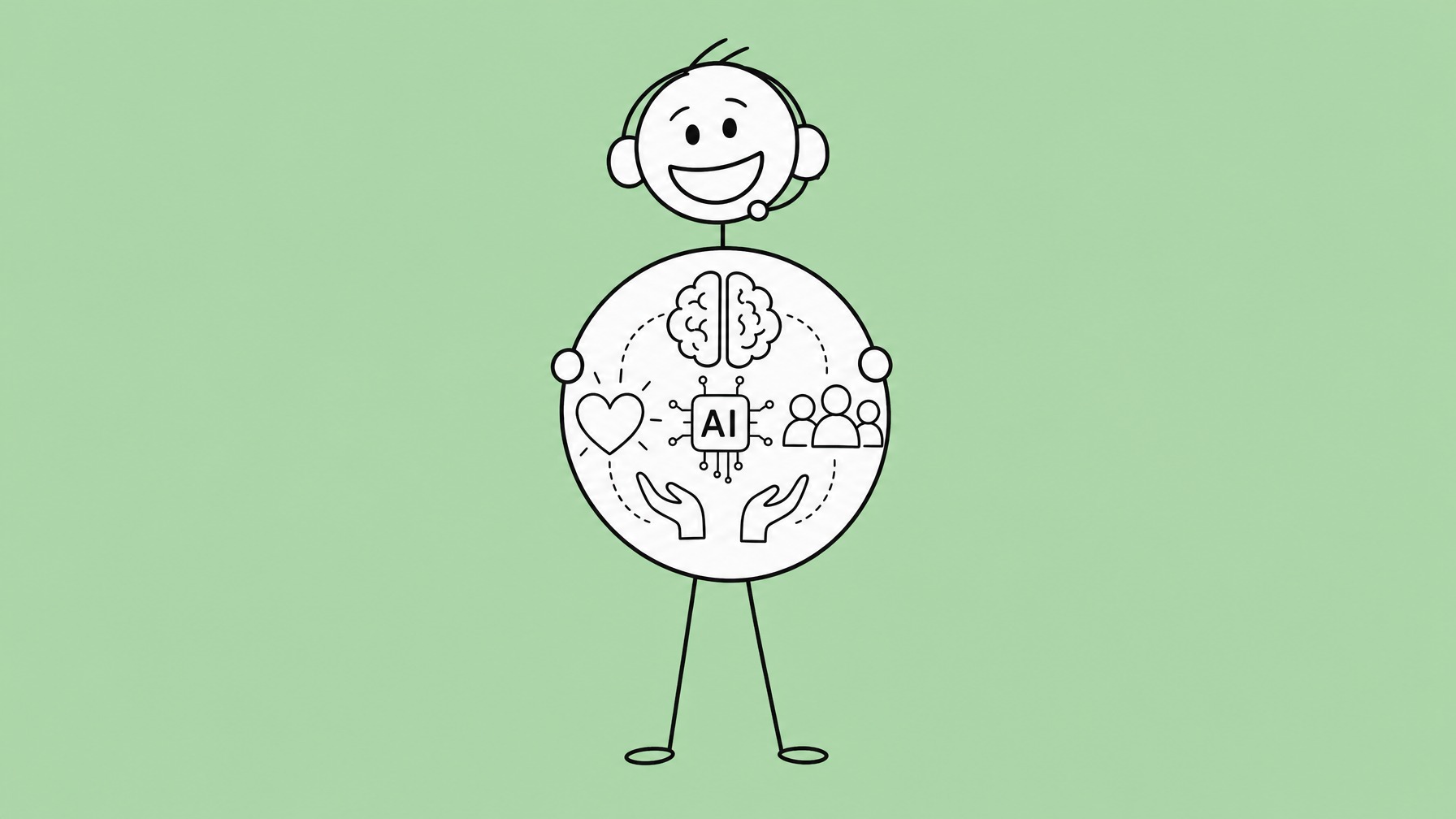
AI avatars can significantly improve mental health support services by providing 24/7 accessibility for individuals who may need immediate assistance.
These digital companions can offer personalized interactions, adapting their responses based on the user’s emotional state and preferences.
Avatars can help reduce the stigma associated with seeking help by allowing users to engage anonymously and comfortably.
Furthermore, they can assist professionals by gathering data on user interactions, which can enhance treatment strategies and outcomes.
With their ability to simulate empathetic responses, AI avatars can offer a sense of companionship to those feeling isolated.
Overall, the integration of AI avatars in mental health services holds the potential to democratize access and improve the quality of care.
While the key takeaways highlight significant aspects of AI avatars in mental health support, there are additional important considerations to address.
For instance, the ethical implications of using AI in such a sensitive field cannot be overlooked, as they raise questions about privacy and data security.
Moreover, understanding the limitations of these avatars is crucial, as they may not fully replicate the depth of human empathy needed in therapy.
These aspects, along with the technological advancements that are continuously shaping AI capabilities, warrant further discussion to gain a comprehensive view of AI’s role in mental health support.
In today’s fast-paced world, the demand for enhanced mental health support services has never been greater.
The integration of AI technology offers a groundbreaking approach to mental health care through the use of personalized therapy via avatars.
These AI avatars can create tailored experiences that resonate deeply with individuals based on their specific needs and preferences.
One of the significant advantages of AI avatars in therapy is their ability to adapt to each user’s emotional state and behavior, ensuring that no two therapy sessions feel the same.
This customization allows participants to engage in a therapeutic experience that feels intuitively aligned with their emotional journey and ongoing struggles.
AI avatars can utilize data collected from prior interactions to provide relevant content and interventions that are particularly beneficial to the user at that moment.
For instance, if an individual frequently engages in discussions about anxiety, the AI can prioritize strategies to cope with anxiety during future sessions.
This level of personalization enhances the therapeutic process, as users are met with solutions that are not only thoughtful but also grounded in their real-life experiences.
Moreover, AI avatars facilitate consistent tracking of mood and progress, which can lead to meaningful insights over time.
Certainly, being able to see their improvements or patterns in behavior allows individuals to feel the effects of their work through therapy.
This aspect of AI avatars extends beyond mere emotional support; it also empowers individuals by equipping them with the knowledge of their own mental health status.
When considering how AI avatars personalize therapy, it is essential to recognize the implications of combining technology and psychology to create engaging experiences.
These avatars can provide a safe space for individuals to express their thoughts and feelings without the fear of judgment, making the therapeutic process more approachable.
Furthermore, the engaging nature of interactive AI avatars can lead to heightened commitment to the therapy process.
It is worth noting the various features that enhance personalization, which may include:
These features collectively enhance the therapy experience, ensuring ongoing improvement in both user engagement and outcomes.
The human-like interaction offered by AI avatars allows clients to feel more comfortable and open during therapy sessions.
Over time, this rapport can bolster the therapeutic alliance, which is a crucial factor in successful mental health treatment.

Consequently, individuals may find themselves progressing faster and with a greater sense of achievement, ultimately leading to better treatment outcomes.
As mental health continues to be a growing concern worldwide, the use of personalized AI avatars signifies a significant step toward more accessible and effective mental health support services.
By crafting unique therapeutic environments tailored specifically for users, AI avatars help democratize mental health services, allowing more individuals to seek help on their terms.
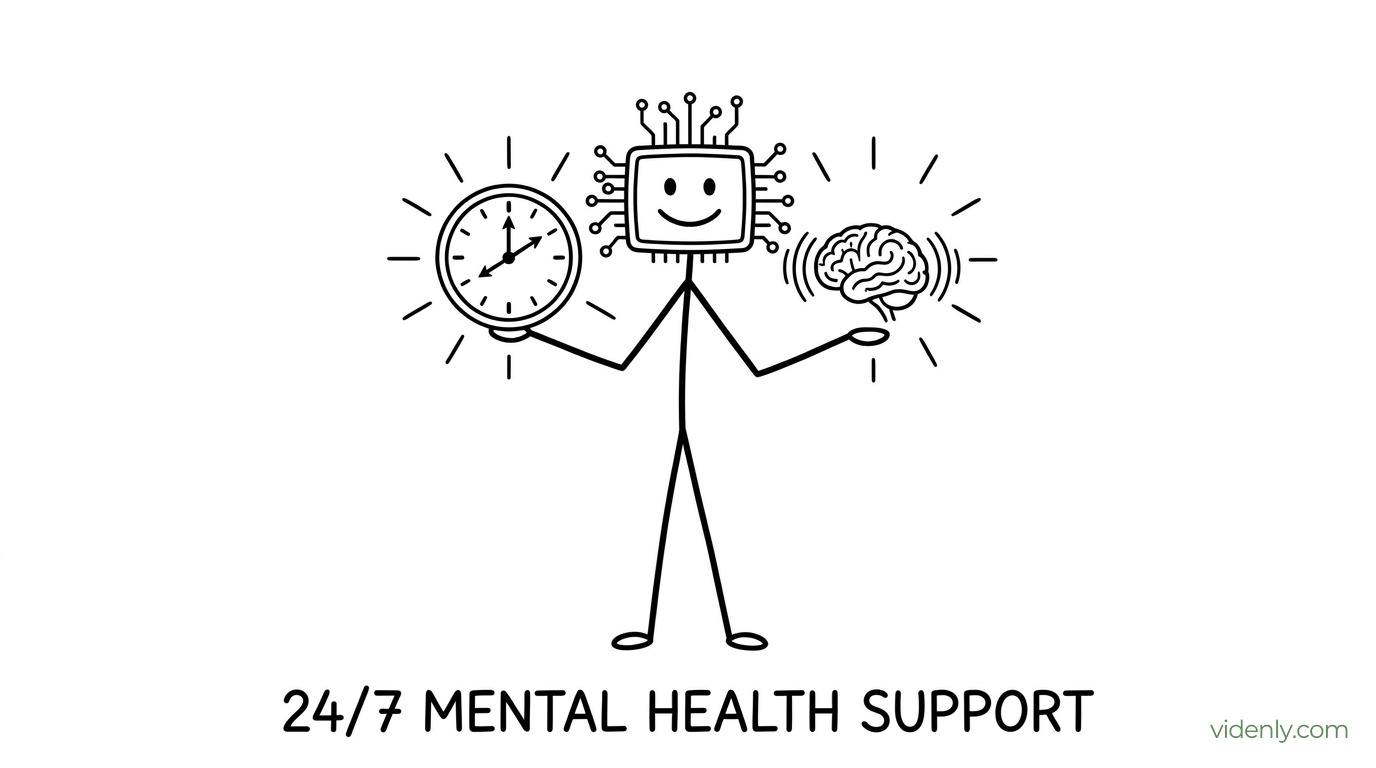
The advent of AI avatars has significantly transformed the landscape of mental health support services by providing uninterrupted access to care around the clock.
This constant availability is crucial, as mental health crises do not adhere to a traditional schedule; they can arise at any time, necessitating immediate assistance.
Furthermore, the anonymity provided by AI avatars alleviates the pressure often felt by individuals seeking support, allowing them to reach out whenever they need help without fear of judgment.
Many people experience mental health struggles during late-night hours when conventional support systems, such as therapy offices and helplines, may not be operational.
AI avatars can fill this gap by offering real-time support, allowing users to engage in therapeutic conversations or receive coping strategies at any hour of the day or night.
Such round-the-clock service is particularly advantageous for those who live in remote areas where professional mental health services are scarce or not accessible.
In crisis situations, having immediate access to an AI avatar can provide timely emotional relief, enabling individuals to manage their feelings until professional help becomes available.
The curated interactions with these avatars can help individuals navigate stressful situations and offer tools or techniques that can ameliorate their mental state.
Moreover, because AI avatars are designed to continually learn from user interactions, they can become increasingly effective in recognizing when a person might need urgent intervention.
This enables them to flag serious issues and suggest that users seek further assistance from a trained professional, thereby integrating technology with traditional care.
The elimination of scheduling conflicts also plays a significant role in fostering engagement with mental health resources, as many individuals function better outside of usual office hours.
With the opportunity to communicate with an AI avatar at their convenience, users can establish a more consistent routine of self-care and emotional check-ins.
The design of these AI avatars often includes interactive features that can make the experience more engaging, keeping users more likely to return for support when needed.
This engagement also helps those who may have previously struggled with accessing therapy or have felt hesitant about seeking help to take that crucial first step.
Furthermore, AI avatars can track users’ emotional states over time, providing valuable insights that can help individuals better understand patterns in their mental health.
The availability of this information at any moment can empower users to take proactive steps towards maintaining their well-being, leading to enhanced self-awareness and personal growth.
The issue of mental health stigma remains a significant barrier to individuals seeking the help they desperately need.
Despite increasing awareness, many people continue to feel ashamed or embarrassed about their mental health struggles, fearing judgment from their peers.
AI avatars offer a unique opportunity to reduce this stigma by providing a more approachable and non-judgmental interface for individuals to seek support.
Through personalized interactions, these avatars can create a space that emphasizes confidentiality and anonymity, making it easier for users to open up about their feelings.
Incorporating AI technology into mental health care can significantly transform perceptions about therapy, shifting the narrative toward one of acceptance and understanding.
Moreover, as people engage with AI avatars, they may come to view mental health care as an essential part of wellness, rather than a source of shame or embarrassment.
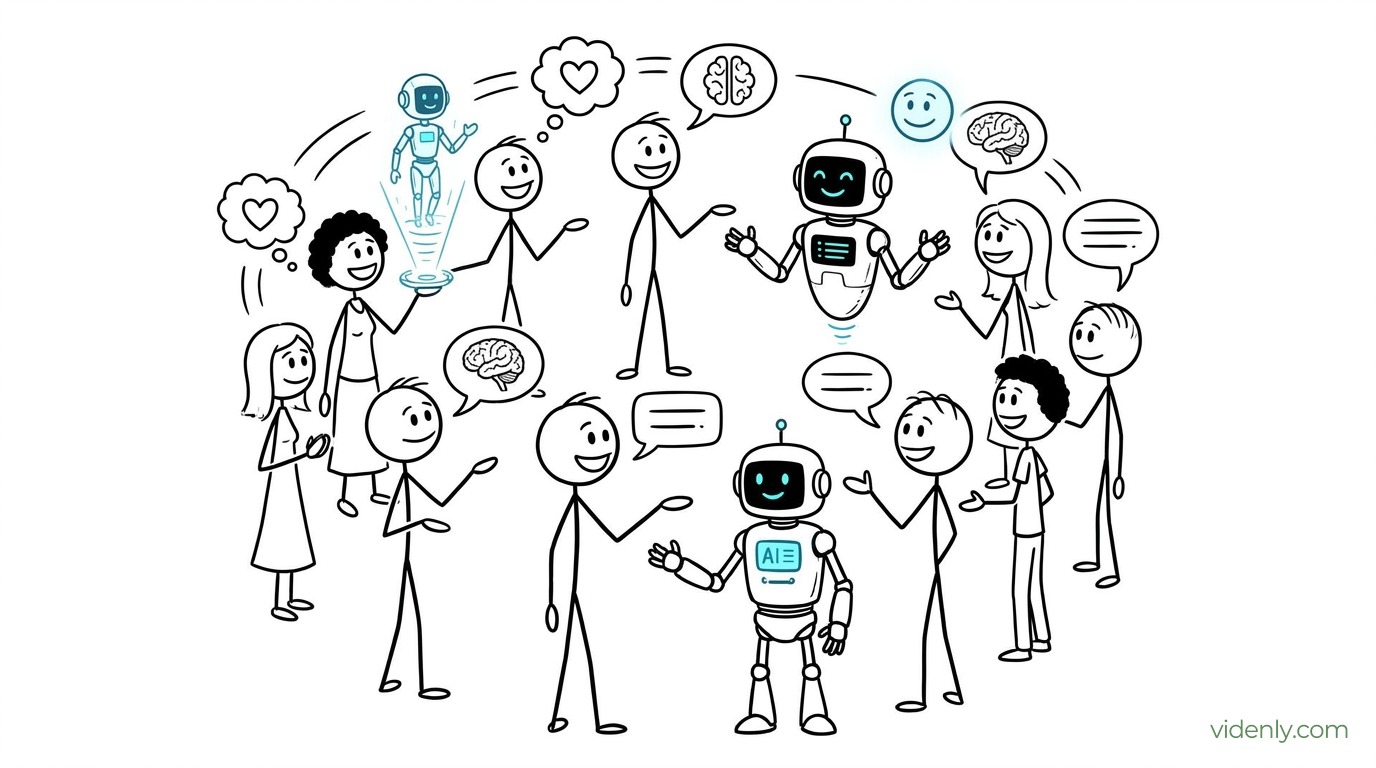
Additionally, AI avatars can help to normalize conversations around mental health, showcasing a wide range of experiences that individuals may face.
By integrating diverse experiences into therapy, avatars can foster empathy and connection among users, which is essential for overall mental wellness.
When users interact with these avatars, they can feel less isolated, recognizing that many of their feelings and challenges are shared by others.
Here are some key benefits of using AI avatars to reduce stigma in mental health care:
By consistently emphasizing the importance of dialogue around mental health, AI avatars can contribute positively to changing societal attitudes.
Many individuals hold the belief that seeking help is a sign of weakness, but avatars can shift this narrative strongly in the opposite direction.
Through compassion and understanding, AI interactions can highlight the strength in seeking help and the journey toward mental wellness.
Furthermore, AI avatars can serve as a bridge between traditional therapy and modern methods, introducing various techniques and coping mechanisms without traditional stigmas.
At the end of the day, as society shifts towards a more holistic view of mental health, AI avatars will play a pivotal role in reshaping how individuals perceive their own struggles and the importance of reaching out for support.
As these intelligent systems become increasingly integrated into the mental health landscape, they will enable a broader acceptance of receiving care and support.
Through innovative technological advancements, the hope is to see a world where mental health is treated with the same urgency and attention as physical health.
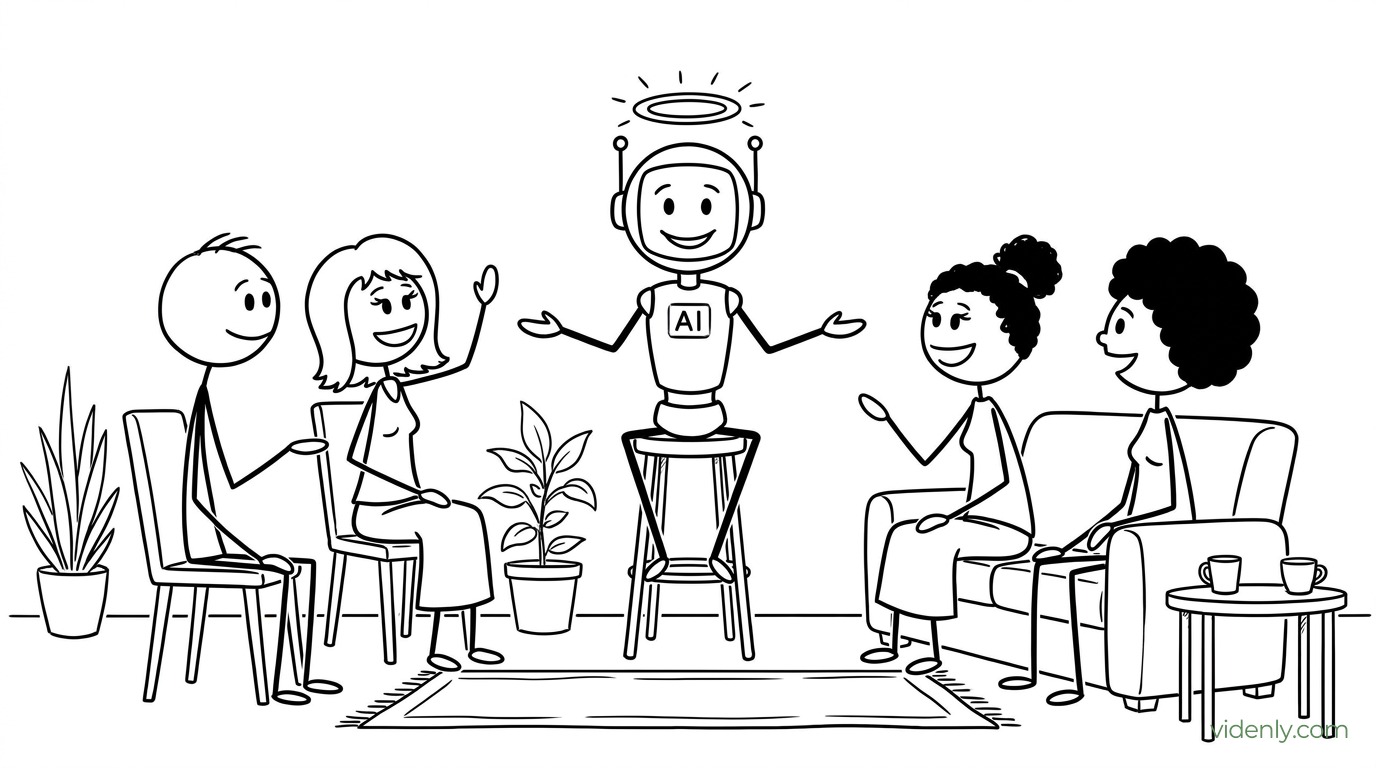
One of the most revolutionary aspects of utilizing AI avatars in mental health support is their inherent ability to facilitate interactive and engaging therapy sessions.
Unlike traditional therapy, where communication is often limited to verbal exchanges, AI avatars can employ a multitude of interactive techniques that enrich the therapeutic experience.
This engagement can significantly improve a client’s motivation and willingness to participate in their therapy sessions, leading to better outcomes.
For instance, AI avatars can integrate gamification elements into therapy, where clients might earn points or rewards for completing exercises and achieving personal goals.
This approach not only makes therapy fun and entertaining, but it also reinforces the importance of active participation in the healing process.
Furthermore, AI avatars can utilize adaptive learning techniques, allowing them to tailor sessions according to an individual’s specific needs, emotions, and responses.
Such personalization makes the therapy feel more relevant and applicable to a client’s real-life challenges, enhancing their emotional connection to the process.
Additionally, the use of AI avatars can simulate real-world scenarios where clients can practice coping mechanisms and social skills in a safe environment.
This method builds confidence and prepares clients for real-life interactions, which can be particularly beneficial for those grappling with social anxiety or other related conditions.
Moreover, the ability to incorporate multimedia resources is another way AI avatars can create a more dynamic therapy experience.
For instance, they can present videos, interactive exercises, or even virtual reality experiences that deepen a client’s understanding of their mental health issues.
Such varied approaches can cater to different learning styles, ensuring that therapy is accessible and effective for a wider range of individuals, who all learn differently.
Clients often find it easier to express their feelings and thoughts to an AI avatar, which can reduce the fear of judgment that sometimes accompanies traditional therapy.
This non-judgmental approach can foster a sense of security and openness, allowing clients to tell you more about their emotional struggles without apprehension.
Furthermore, the entertaining and engaging nature of these sessions can extend to humor and storytelling, which can be effective tools in therapy.
AI avatars can share relatable anecdotes or lighthearted interactions, creating a more approachable atmosphere for serious discussions.
This multifaceted interaction helps maintain a balanced tone, ensuring therapy remains therapeutic while also engaging and refreshing.
Through all these methods, the interactive nature of therapy with AI avatars ultimately seeks to create a space where clients feel empowered and active in their journey toward mental wellness.
One of the most significant advantages of utilizing AI avatars in mental health support is their ability to provide cost-effective therapy that does not sacrifice the quality of care.
Traditional therapy often involves high fees, making it a financial burden for many individuals seeking help.
This financial barrier can discourage people from pursuing the mental health support they need, ultimately perpetuating cycles of distress and dissatisfaction.
In contrast, AI avatars can deliver therapy sessions at a fraction of the cost, offering a more accessible solution for those who might otherwise avoid traditional methods.
These avatars function around the clock, which means that individuals can engage with them when it is most convenient, even late at night or during weekends.
This flexibility further reduces barriers, allowing users to seek support as needed without the constraints of a typical therapist’s schedule.
Moreover, the operational costs associated with AI avatars are significantly lower than those of their human counterparts.
By leveraging these advantages, AI avatars can be an affordable alternative for those who might be turned away by the high prices charged by in-person therapists.
Another important consideration is that many individuals may not have access to mental health services in their local areas, especially in rural communities.
AI therapy makes it possible for those in remote locations to receive assistance without needing to travel long distances or incur significant costs associated with transportation.
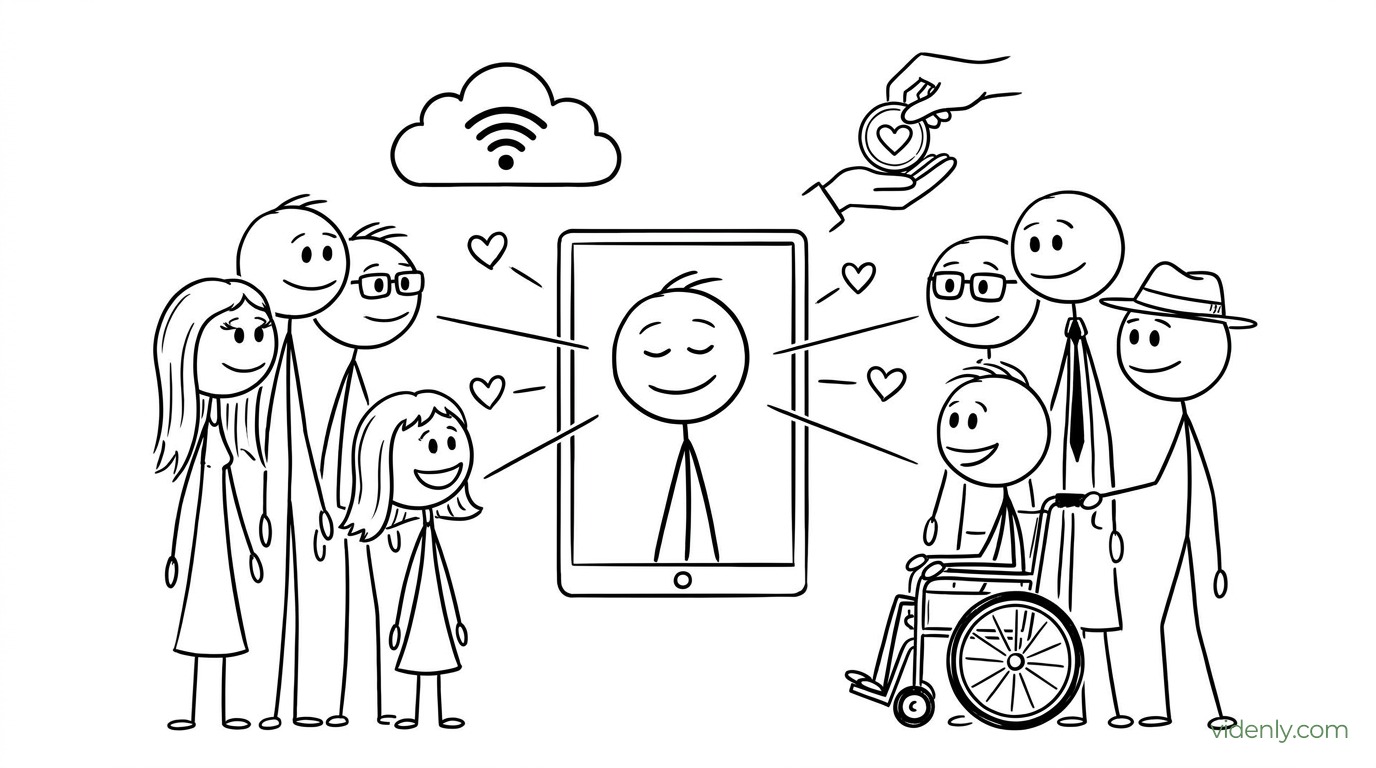
This can be especially critical for individuals who live in regions where stigma around mental health services prevails, leading them to seek help in less conventional ways.
Furthermore, AI avatars can provide a range of support options, including self-guided therapy programs, which can greatly reduce costs for both providers and individuals.
With these programs, users can access therapeutic content and exercises at their own pace without incurring per-session fees.
In addition, AI-driven applications can often identify trends in user behavior and adjust their offerings accordingly, creating a personalized experience without the need for continual face-to-face sessions.
The increasing reliance on digital platforms for various services has shifted the landscape of therapeutic support, paving the way for more affordable options.
In light of these developments, it is crucial to continue adapting to technological advancements, integrating cost-effective solutions into our mental health frameworks.
Within the scope of mental health support services, data-driven insights hold unprecedented potential for enhancing therapeutic outcomes.
As mental health professionals begin to adopt AI avatars, these systems can collect and analyze vast amounts of patient data in real-time.
This capability translates to a greater understanding of individual mental health trends and patterns, offering tailored interventions that can be precisely aligned with each patient’s unique needs.
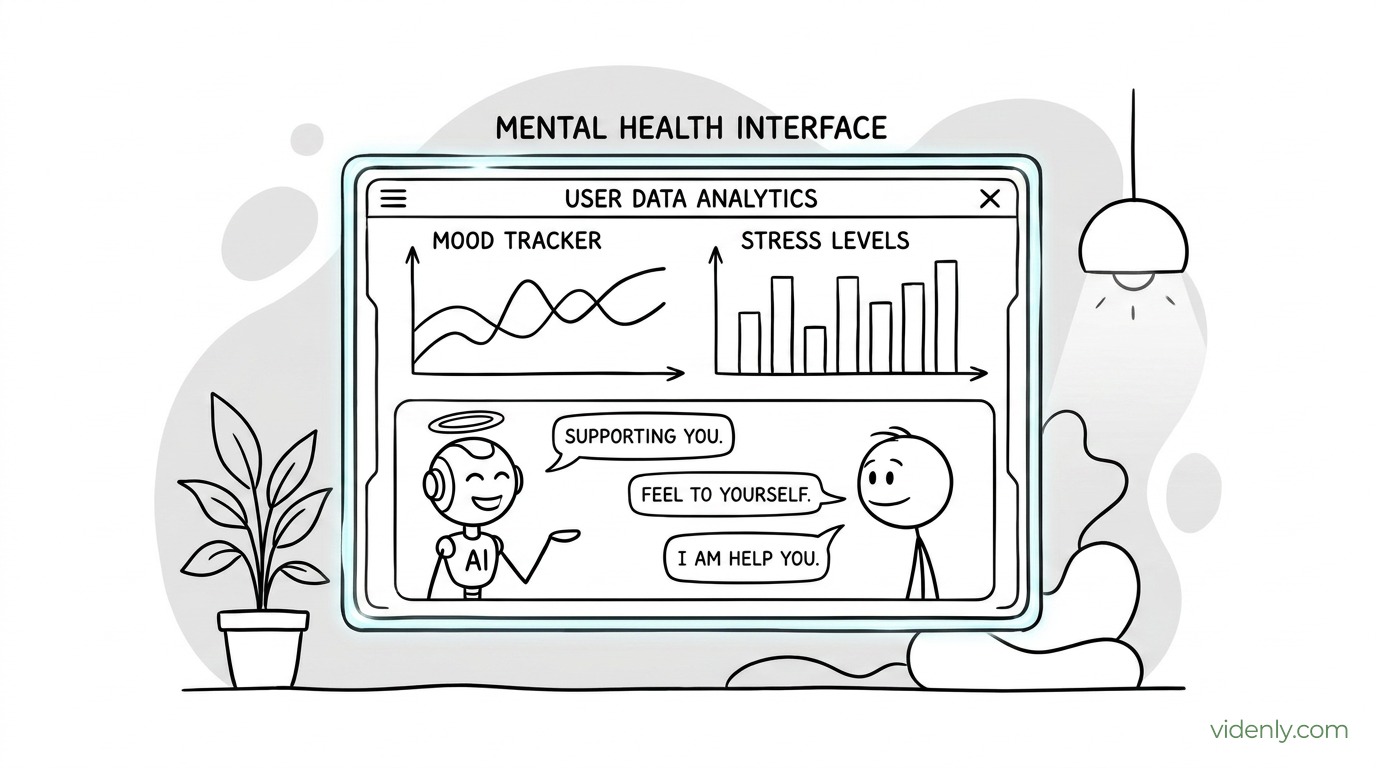
The use of AI avatars in therapy sessions enables the gathering of quantifiable metrics such as mood fluctuations, engagement levels, and response to various therapeutic techniques.
By leveraging these insights, clinicians can make informed decisions regarding treatment modifications in a timely manner, ultimately leading to improved patient care.
Furthermore, AI avatars can identify subtle changes in a patient’s behavior that might go unnoticed during traditional therapy sessions.
This capacity allows practitioners to intervene proactively, addressing potential issues before they escalate, and significantly enhancing a patient’s overall mental health trajectory.
Using sophisticated algorithms, AI systems can analyze data over time, creating a comprehensive profile of a patient’s psychological state.
This profile not only aids in diagnosing conditions more accurately but also helps in tracking the effectiveness of prescribed therapies.
In addition to individual care, these insights can contribute to broader research efforts by aggregating anonymized data across numerous patients.
This analysis can unveil trends and efficacy rates in different demographics, enhancing our understanding of how various populations respond to specific types of therapy.
A further advantage of utilizing AI avatars in healthcare is their capacity to incorporate feedback loops, where patient input helps refine therapy models continuously.
This means that as a patient engages with the AI, their feedback can be utilized to adapt the therapeutic approach, ensuring that the methods employed are as effective as possible.
Moreover, when AI avatars are utilized to guide therapy, they can introduce timely reminders and coping strategies based on data insights, fostering consistent self-care practices in patients.
In addition, the amalgamation of data insights into therapy can lead to the development of more nuanced and personalized treatment plans that consider the intricacies of each patient’s mental health journey.
As a result, the practice of mental health care is evolving into a more scientific and evidence-based field, where decisions are backed by data rather than solely reliant on professional intuition.
In the end, the shift towards data-driven insights represents a significant evolution in mental health support services, highlighting a future where individualized care is grounded in quantifiable evidence.
Pro Tip: Leverage data-driven insights to tailor your therapeutic interventions, ensuring they align with the unique mental health needs and trends of each patient.
AI avatars are revolutionizing mental health support by providing personalized therapy that adapts to individual needs.
Their round-the-clock availability ensures that help is always just a click away, removing barriers to access for those in need.
By utilizing these avatars, the stigma around seeking mental health care can be significantly reduced, encouraging more people to reach out for support.
The interactive and engaging nature of avatar-led sessions fosters a comfortable environment, making therapy more relatable and effective.
Additionally, these AI-driven solutions offer cost-effective alternatives, making mental health care more accessible to a broader audience.
Finally, the data-driven insights provided by AI can enhance care, allowing for tailored approaches that optimize therapeutic outcomes.
Create stunning AI-generated videos that captivate your audience and elevate your brand.