
Published on May 1, 2026 by
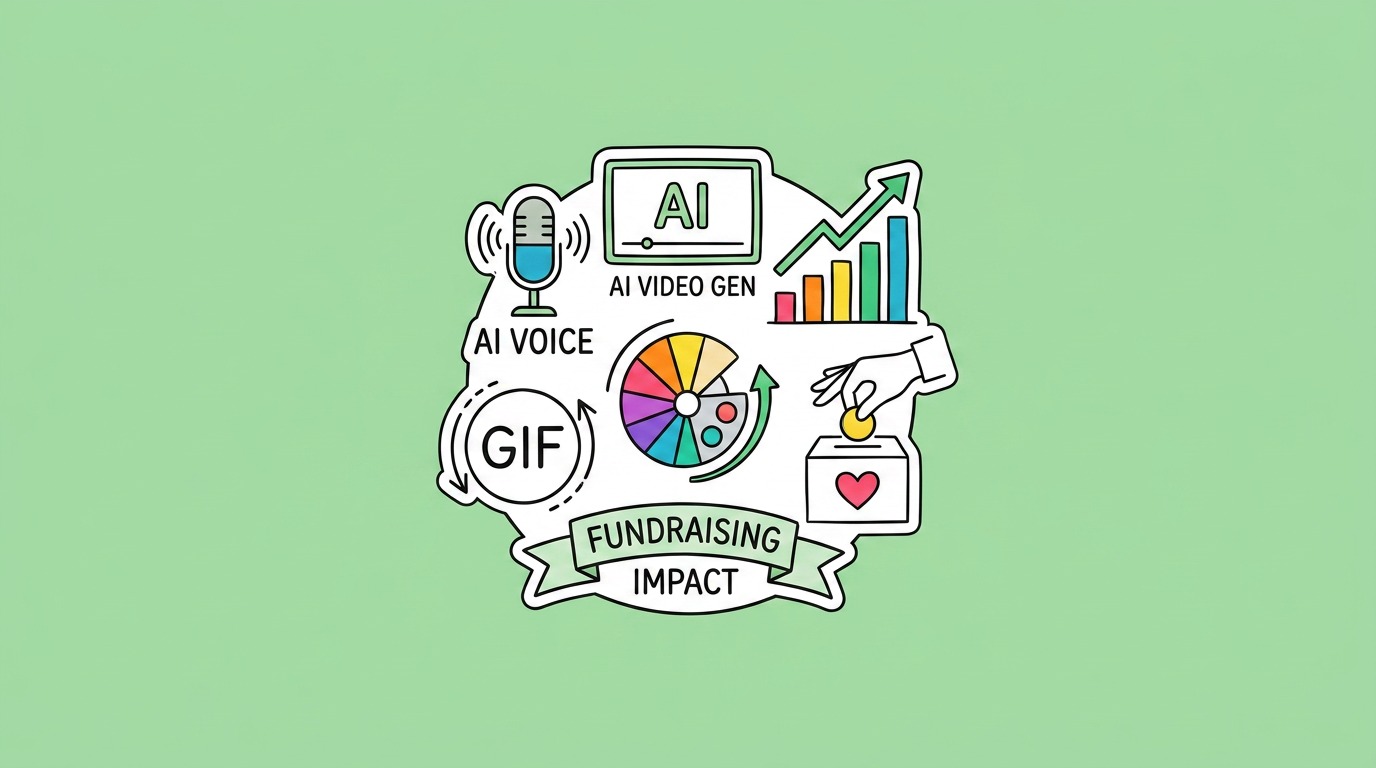
Faceless AI videos provide an innovative approach to visual storytelling that can enhance nonprofit fundraising efforts.
By utilizing AI-generated narratives, organizations can create emotionally engaging content that resonates with potential donors.
Additionally, these videos can be produced at a lower cost compared to traditional filming methods, allowing nonprofits with limited budgets to still access high-quality promotional materials.
With the ability to quickly generate personalized messages, nonprofits can tailor their communications to specific donor segments, increasing engagement rates.
Furthermore, faceless AI videos are highly shareable across social media platforms, broadening the reach of fundraising campaigns.
Overall, incorporating faceless AI videos can significantly boost a nonprofit’s ability to connect with supporters and maximize fundraising potential.
There are additional insights that can further enrich your understanding of how faceless AI videos can support nonprofit fundraising efforts.
As the discussion progresses, I will highlight innovative use cases and explore practical tips for implementing these strategies successfully.
Moreover, I will address common challenges nonprofits face when using video content and how to overcome them effectively.
By staying with this conversation, you will gain a comprehensive perspective on maximizing the impact of video in your fundraising initiatives.
Nonprofits often face the challenge of effectively conveying their mission and emotional stories without substantial budgets for talent and production.
The rise of faceless AI videos has opened new avenues for organizations to engage their audiences through compelling narratives, even when they lack visible on-screen talent.
By utilizing animations, stock footage, and voiceovers, nonprofits can craft emotionally resonant stories that captivate viewers’ attention.
One of the core benefits of this approach is the ability to maintain a consistent narrative style that aligns with the organization’s brand and mission.
Without the need for hired actors or on-site video shoots, nonprofits can allocate resources more efficiently towards the actual message rather than talent costs.
Furthermore, incorporating dynamic visuals through animations allows organizations to depict complex ideas and evoke emotional responses, enhancing engagement without the reliance on live talent.
Through faceless video formats, messages can be designed to be relatable and impactful, addressing viewers at their level without the distraction of celebrity presence.
A good example would be, animation can illustrate scenarios that would otherwise require extensive production resources, bringing important narratives to life with relatively low investment.
To highlight the effectiveness of faceless storytelling, consider the following key advantages:
This method of storytelling enables organizations to create personalized messages tailored to their audience, effectively fostering a deeper connection without the necessity for a visual performer.
As the viewer focuses on the narratives presented, rather than the talent delivering them, this can lead to a more profound engagement with the content itself.
Moreover, data-driven insights provide nonprofits with the ability to adapt and transform their storytelling in response to audience feedback, enhancing their campaign effectiveness.

At the end of the day, engaging storytelling through faceless AI videos empowers nonprofits to craft and share their unique journeys, sparking more meaningful connections with supporters.
By focusing on the strength of their narratives and creating visually stunning representations, nonprofits can ensure their messages resonate without relying on traditional on-screen talent.
This transformation in how stories are told marks a significant shift in nonprofit fundraising strategies, making it possible to engage audiences more effectively than ever before.
In today’s fast-paced digital landscape, traditional video production can become prohibitively expensive, especially for nonprofits operating on tight budgets.
Faceless AI videos represent a groundbreaking shift in how content can be created without incurring the costs typically associated with hiring on-screen talent.
This innovative approach allows organizations to focus on their core mission while effectively producing engaging materials without breaking the bank.
By eliminating the need for actors, directors, and extensive crew, nonprofits can channel their resources toward other essential areas, such as program development and community outreach.
Moreover, faceless videos often require significantly less time to produce when compared to traditional filming techniques, drastically reducing labor costs.
Even the process of scouting locations and obtaining permits is simplified, allowing nonprofits to create dynamic content in-house with minimal hassle.
This smooth operational flow not only conserves financial resources but also enhances productivity, meaning that organizations can produce more videos in a shorter timeframe.
Another cost-saving aspect of using faceless AI videos lies in their ability to utilize stock footage and pre-existing assets, which can be modified to fit an organization’s branding and messaging.
This approach not only reduces the budget but also ensures that the audio-visual elements align with the organization’s mission and appeal to its target audience.
In terms of quality, faceless AI videos leverage advanced tools to create professional-grade content without the need for expensive camera equipment or studio time.
The ability to produce high-quality videos independent of physical constraints means that nonprofits can maintain a strong online presence without overwhelming financial burden.
As organizations strive to engage with supporters across various platforms, investing in affordable video solutions can lead to enhanced visibility and greater donor participation.
The scalability and versatility of faceless AI videos further amplify their cost-effective nature, enabling organizations to create a diverse array of content in just a fraction of the time.
Whether it’s for campaign promotion, impact stories, or educational resources, nonprofits can quickly adapt their messaging to meet current needs while keeping expenses low.
This adaptability enhances an organization’s ability to connect with various stakeholders, proving that effective communication need not come with exorbitant costs.
Faceless AI videos can also offer long-term savings, as content can be easily revised and updated without the need for entire reshoots, giving nonprofits more flexibility and longevity in their messaging.
In essence, by embracing these innovative video production solutions, nonprofits can stretch their budgets while still producing impactful visual content that resonates with their audience and supports their mission.
Pro Tip: Faceless AI videos allow nonprofits to produce high-quality content efficiently and cost-effectively, enabling them to allocate resources to essential areas while maintaining a strong online presence.

Within the scope of nonprofit fundraising, scalability is a crucial factor that defines the potential for expanding a charitable organization’s impact.
Faceless AI videos provide an incredible opportunity to create scalable content that can reach audiences far beyond traditional methods.
These videos can be produced rapidly, enabling organizations to disseminate their messages across various platforms without the constraints of conventional video production timelines.
This not only allows nonprofits to increase their outreach but also empowers them to adapt quickly to changing circumstances and audience needs.
Moreover, the cost-effectiveness of these solutions means that even organizations with limited budgets can produce high-quality videos that engage large audiences.
Faceless AI videos also allow for the creation of a library of diverse content, which can be easily updated and revised without significant additional costs.
When discussing the scalability of content, it’s essential to recognize how personalized storytelling can resonate with a broader audience.
By utilizing faceless AI technology, nonprofits can efficiently generate large amounts of video content without the need for on-screen talent, allowing them to maintain a steady flow of messaging to their supporters.
This method enables organizations to harness the power of visual storytelling while keeping the focus on their cause, enhancing the effectiveness of their communication strategies.
With an ever-increasing emphasis on visual content in social media and online platforms, nonprofits stand to gain substantially from adopting scalable video solutions that resonate with potential donors.

The ability to provide numerous versions of a campaign allows for maximum exposure, ensuring that messages are seen by the right people at the right time.
As organizations refine their messaging based on audience feedback and analytics, the scalability of faceless AI videos ensures that these improvements can be enacted swiftly.
This adaptability not only attracts new donors but also cultivates a stronger relationship with existing supporters, fostering a sense of community and ongoing commitment to the cause.
Budget considerations also remain a significant aspect of nonprofit operations, where achieving success often involves navigating financial constraints.
Faceless AI videos offer a cost-effective way to leverage modern technology without incurring hefty costs associated with traditional video production.
In the end, the power of scalability in content creation liberates nonprofits from many of the logistical hurdles they typically face, enabling them to focus more on their mission and the communities they serve.
Establishing a strong connection with potential donors is crucial for any nonprofit organization striving to achieve its mission.
By utilizing faceless AI videos, nonprofits can craft personalized messages that resonate deeply with each donor’s unique values and interests.
These personalized messages are essential, as they showcase the impact of donations in a way that feels tailored and meaningful.
Faceless AI technology allows for detailed customization based on various donor demographics, such as age, location, and previous giving history.
For instance, a nonprofit focused on environmental conservation can tweak its messaging to highlight specific projects that align with individual donor interests, such as wildlife preservation or climate change mitigation.
This level of personalization not only enhances engagement but also cultivates a sense of trust and loyalty among the donor base.
Studies have shown that donors are more likely to contribute when they feel personally addressed and connected to the cause.
Furthermore, AI-generated content can deliver messages that reflect the donor’s previous interactions with the organization, making them feel seen and appreciated.
By pulling data from donor profiles, organizations can create tailored narratives that celebrate past contributions while inviting new engagement.
This approach can be particularly effective in follow-up communications, where acknowledging a previous gift can pave the way for future giving.
Another powerful aspect of personalized messaging is the ability to share impactful stories that resonate emotionally, fostering a deeper connection.
By featuring stories that might mimic the donor’s life experiences or passions, nonprofits can create an emotional bridge that encourages continued support.
This storytelling aspect is enhanced through visual elements, even without on-screen talent, by utilizing graphics, animations, or images that illustrate the mission compellingly.
Moreover, personalized videos can be produced rapidly and efficiently, allowing organizations to send tailored communications without the lengthy production times.
This means that nonprofits can respond to donor inquiries or special occasions such as birthdays or anniversaries with immediate, relevant video content.
Being proactive in this regard demonstrates to donors that their interactions with the organization are valued and significant.
In the end, the goal of personalized messages is to foster a community of support where donors feel included in the story of their chosen cause.
As a result, they may become champions of the organization’s mission, encouraging others to contribute through word-of-mouth promotion or social media sharing.
In the end, the use of faceless AI videos for crafting personalized donor messages not only strengthens relationships but also enhances the overall impact of fundraising efforts.
Pro Tip: Utilizing faceless AI videos to create personalized messages allows nonprofits to deeply resonate with donors by aligning communications with individual values and interests, ultimately fostering trust, loyalty, and enhanced donor engagement.

Within the scope of nonprofit fundraising, dynamic visuals play a crucial role in making messages resonate with potential donors.
These visuals are not merely decorative; they are powerful instruments that can stir emotions and inspire action.
By employing compelling animations, vibrant graphics, and appealing imagery, organizations can create a narrative that is visually engaging.
As viewers are bombarded with content daily, the ability to capture attention quickly becomes invaluable for any campaign.
Faceless AI videos excel at utilizing a variety of eye-catching visual elements that can convey complex information succinctly.
In essence, these videos can depict stories through artistic representations, eliminating the need for live actors.
When focusing on how to enhance viewer engagement, it is important to recognize the various elements that contribute to powerful visuals, such as:
By integrating these elements effectively, dynamic visuals can transform an ordinary message into an extraordinary one.
Moreover, when audiences are able to relate emotionally to the visuals presented, they are more likely to take action and support the cause.
This emotional connection is often the key to enhancing a nonprofit’s fundraising efforts, particularly in an era where donor fatigue is prevalent.

Additionally, dynamic visuals help maintain viewer interest, which is critical in ensuring that the message is not just seen, but also retained.
The vibrancy of these visuals can also foster discussion among viewers, followingly amplifying the reach of the campaign.
At the end of the day, as technology continues to evolve, the integration of dynamic visuals into nonprofit campaigns will become increasingly imperative for creating impactful narratives.
As organizations invest in faceless AI video production, they should prioritize developing visuals that are not only captivating but also aligned with their mission.
This approach ensures that every element remains purposeful, reinforcing the overall message without diverting attention.
In today’s fast-paced digital landscape, maintaining current and relevant messaging is more essential than ever for nonprofit organizations.
With the continual evolution of social issues and community needs, being able to quickly adapt your messaging ensures that your campaigns resonate with potential donors.
One significant advantage of using faceless AI videos is that they allow for rapid updates without necessitating time-consuming reshoots or additional filming days.
This capability is paramount for organizations aiming to stay aligned with current events, as they can keep their storytelling relevant while minimizing operational costs and disruptions.
For instance, if a particular fundraising effort needs to pivot in response to recent developments or urgent needs, nonprofit organizations can easily edit their videos to reflect these changes.
Through dynamic templates and easy-to-use interfaces, organizations can revise text, graphics, and audio, ensuring that their message is as effective and timely as possible.
This level of flexibility allows nonprofits to leverage current trends effectively, maximizing engagement with their audience.
Instead of casting a new talent or organizing a whole cast for retakes, an organization can rapidly regenerate content while preserving the original’s quality and essence.
Moreover, the utilization of AI-driven voiceovers and captivating visuals can provide a fresh outlook or tone to previously used materials, transforming older footage into something contemporarily appealing without the need for additional shooting.
The ability to refresh campaign materials on demand ensures that your organization communicates its mission with the urgency it deserves, particularly during critical fundraising campaigns.
Your audience is more likely to respond positively to messages that reflect their current interests and motivations, making timely updates crucial for maximizing donor connection.
With data analysis, nonprofits can assess which elements of their previous videos were most impactful, enabling them to refine and adapt their content accurately.
This efficiency in updating videos without needing to go through the entire production cycle again ultimately makes it far easier for organizations to maintain visibility and relevance in the crowded online marketplace.
AI-generated video tools can liberate teams by providing quick solutions for recurring themes or timely topics, ensuring they don’t miss out on opportunities of engaging with potential supporters.
Furthermore, this adaptability not only enhances the quality of communication but also elevates the credibility and trust of the organization in the eyes of the donor community.
By equipping teams to make swift changes, nonprofits can authentically communicate their evolving narratives and initiatives, demonstrating a commitment to transparency and responsiveness valued by supporters.
Therefore, the capacity to perform constant message updates without the logistical burden of reshoots allows nonprofits to remain agile and effectively engage with their audience in substantial ways.
Pro Tip: The capacity to perform constant message updates without the logistical burden of reshoots allows nonprofits to remain agile and effectively engage with their audience in substantial ways.

Leveraging data-driven insights can significantly enhance the effectiveness of nonprofit fundraising campaigns.
By analyzing the data collected from previous campaigns, nonprofits can identify patterns and trends that are important for optimizing future initiatives.
Understanding donor behavior is crucial; this knowledge enables organizations to tailor their messaging and outreach strategies more precisely.
For instance, studying metrics such as engagement rates, click-through rates, and conversion rates can reveal what types of content resonate best with specific audiences.
Faceless AI videos can play a pivotal role in gathering and analyzing these data points, thereby allowing nonprofits to make informed decisions.
These videos generate valuable viewer metrics that can indicate viewer drop-off rates, which is essential for understanding where people lose interest.
Additionally, nonprofits can segment their audiences based on the data, allowing for highly targeted messaging, which has been shown to improve engagement significantly.
For effective campaigns, it is important for organizations to understand the various data metrics available to them.
When donors feel that their contributions are making a tangible impact, they’re more likely to continue supporting your organization.
Analytics from faceless AI videos can help identify which emotional triggers effectively prompt donations, enabling nonprofits to refine their messaging further.
By continually adjusting campaign strategies based on data analysis, organizations can remain agile and responsive to changing donor expectations.
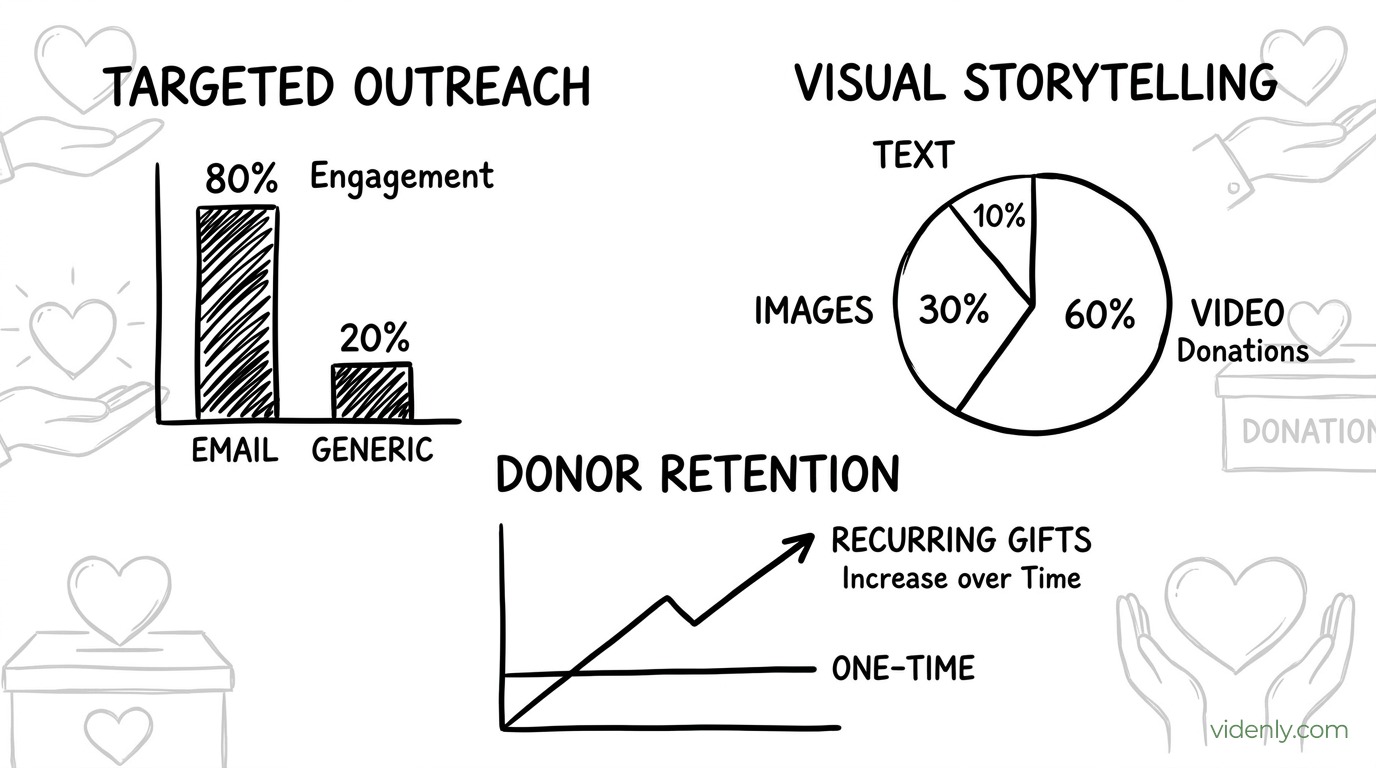
Moreover, with automated systems in place, nonprofits can receive real-time insights, which allows for quick adjustments to ongoing campaigns.
Pro Tip: Leveraging data-driven insights allows nonprofits to identify patterns and trends from previous campaigns, optimizing future initiatives and enhancing fundraising effectiveness.
This level of adaptability can be a game-changer in a fundraising landscape that is increasingly influenced by emergent trends and crises.
At the end of the day, harnessing data-driven insights leads to more strategic decision-making, fostering stronger donor relationships and enhancing overall campaign effectiveness.
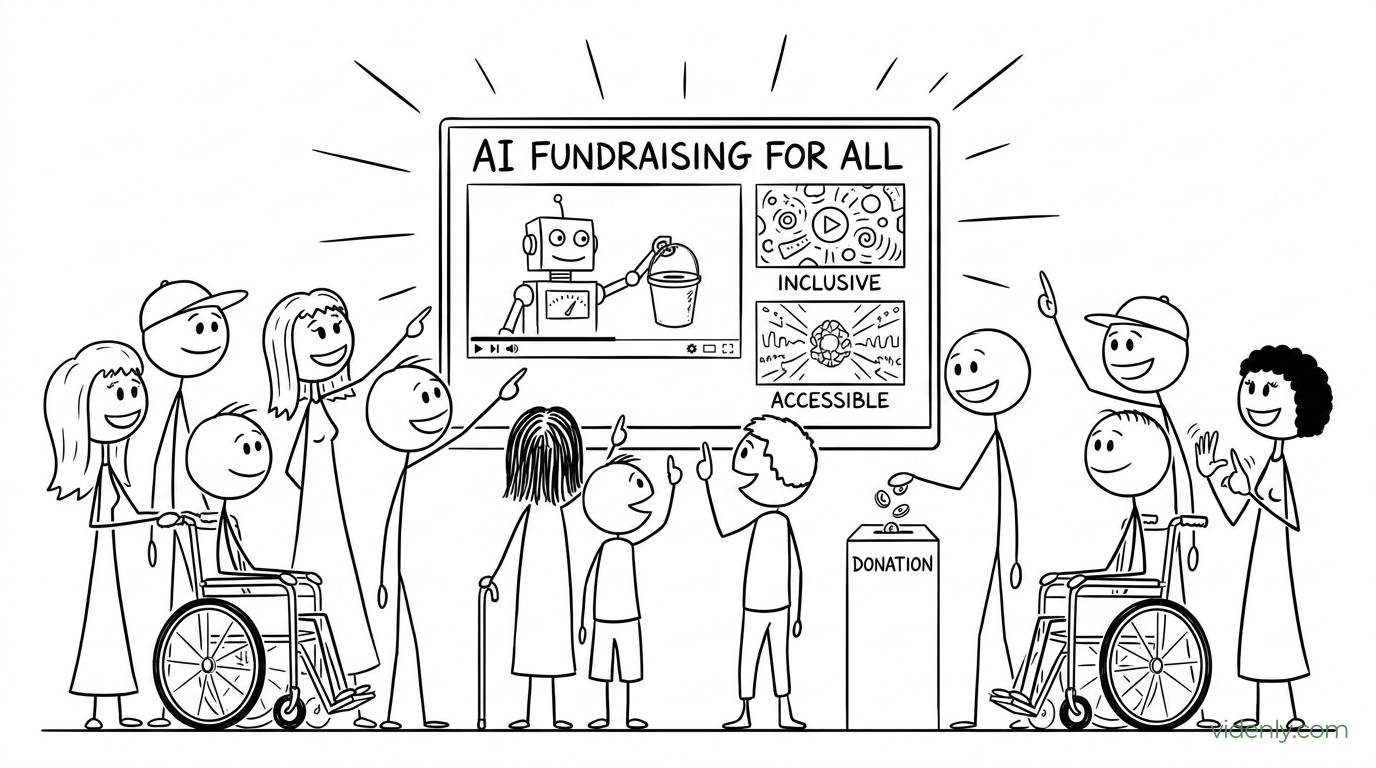
One of the most significant advantages of using faceless AI videos in nonprofit fundraising efforts is the enhanced accessibility these videos provide to diverse audiences.
Nonprofits often serve a wide range of demographics, including individuals from various cultural backgrounds, different age groups, and those with disabilities, each requiring tailored approaches to communication.
Faceless AI videos allow organizations to create content that can be easily adapted for inclusivity, ensuring messages reach and resonate with all intended audiences.
For instance, the use of multiple languages in video subtitles or voiceovers helps eliminate language barriers, making information available to non-native speakers and promoting inclusivity.
Moreover, the integration of sign language interpreters or visual cues can significantly enhance comprehension for individuals who are deaf or hard of hearing, ensuring that they are part of the conversation.
Additionally, various visual elements, including graphics and animations, can be crafted to engage visual learners and support those with cognitive challenges by breaking down complex ideas into easily digestible formats.
One of the key features of platforms like Videnly is their ability to automate the creation of such personalized videos, allowing nonprofits to focus on their mission while ensuring accessibility.
This means that instead of spending countless hours on production, organizations can produce content that caters to specific audience needs quickly and effectively.
Aiding accessibility goes beyond just physical attributes; it also encompasses various learning styles and preferences that differ from person to person.
For instance, some individuals may struggle with traditional text-heavy formats, while others may thrive with engaging visuals or auditory information, and faceless AI videos can cater to these different styles.
Moreover, the potential for interactive content further enhances engagement, allowing viewers to choose how they consume information, which can be invaluable for maintaining interest and promoting understanding.
Another important consideration for increased accessibility involves ensuring that videos are optimized for different devices, as many users may access content through smartphones or tablets rather than desktop computers.
This optimization can play a crucial role in expanding the reach of nonprofit messages and maximizing impact by ensuring that every individual has the opportunity to engage with the content, regardless of the platform they use.
Incorporating captions is important, not only for accessibility purposes but also for accommodating environments where audio cannot be used, allowing the content to be consumed in various situations without compromising understanding.
At the end of the day, in creating content that is comprehensive and accessible, nonprofits not only enhance their outreach but also foster a sense of community and connection, encouraging participation from individuals who may have otherwise felt excluded.
The integration of faceless AI video technology means that addressing these diverse needs becomes less burdensome and more scalable, ultimately leading to a more inclusive approach to nonprofit messaging.
Create stunning AI-generated videos that captivate your audience and elevate your brand.