
Published on April 3, 2026 by
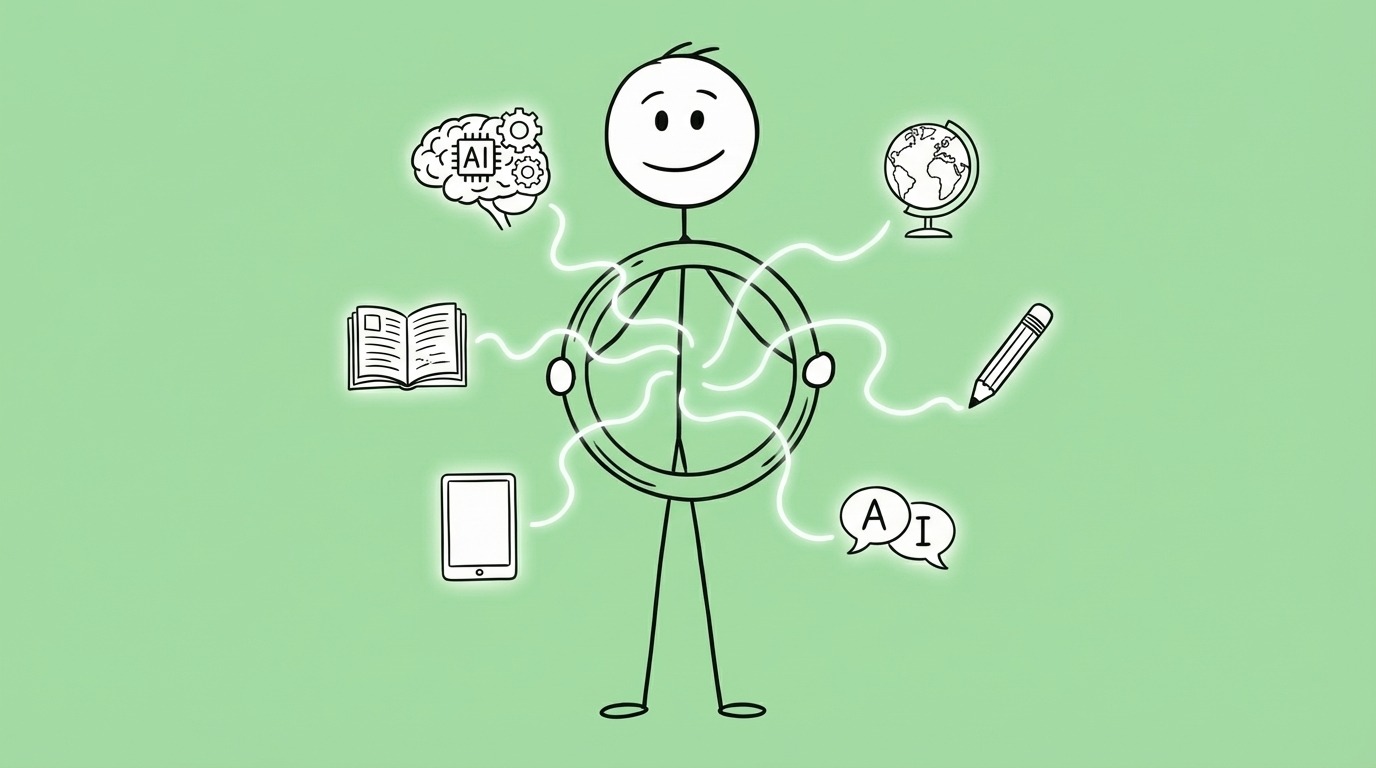
Faceless AI videos offer a unique approach to enhance learning experiences by focusing on content delivery without personal bias.
They can create a neutral, inclusive environment that allows learners to engage with material in a way that feels less intimidating.
Furthermore, these videos can be customized to cater to various learning styles, ensuring that every learner has access to suitable resources.
The use of AI also allows for real-time analytics, providing educators with valuable insights into students’ comprehension and engagement.
Additionally, faceless AI videos can be easily scaled, making advanced educational content accessible to a broader audience.
By implementing these technologies, institutions can foster a more effective and versatile learning landscape.
There is more to explore about how faceless AI videos can transform learning experiences beyond the key points listed.
In the following sections, I will discuss innovative applications of these videos, their impact on different learning environments, and how they can be integrated into existing educational frameworks.
Additionally, I will examine the technology behind faceless AI videos and address potential challenges associated with their use in various educational settings.
Understanding these aspects will provide a comprehensive view of the benefits and limitations of this approach.
The use of visual content in education has transformed how learners interact with information.
By incorporating faceless AI videos, educators can create engaging materials that resonate deeply with students.
These types of videos utilize compelling visuals to convey complex ideas in a more digestible format.
While traditional teaching methods often rely on text-heavy materials, visual storytelling can capture the attention of diverse learners more effectively.
Moreover, the continuous flow of dynamic visuals in AI-generated videos keeps students engaged throughout the learning process.
Faceless AI videos offer a unique blend of imagery, animation, and sound that can illustrate concepts that might be challenging to communicate through words alone.
For instance, complex scientific processes or historical events can be broken down through easily digestible visuals.
This leads to increased retention rates, as learners are more likely to remember information that is paired with engaging imagery.
In fact, studies suggest that the human brain processes visuals 60,000 times faster than text, highlighting the effectiveness of visual learning.
Equally important is the fact that these videos can appeal to various learning styles.
Visual learners might thrive from the graphics, while auditory learners benefit from the narrative aspects.
To better understand the benefits of engaging visual content in education, consider the following points:
Furthermore, the adaptability of faceless AI videos allows for the integration of various multimedia elements.
For instance, sound effects and background music can enhance the narrative, making the learning experience richer.
This combination of stimulating visuals and auditory cues can lead to deeper cognitive engagement, ultimately enhancing students’ overall learning outcomes.
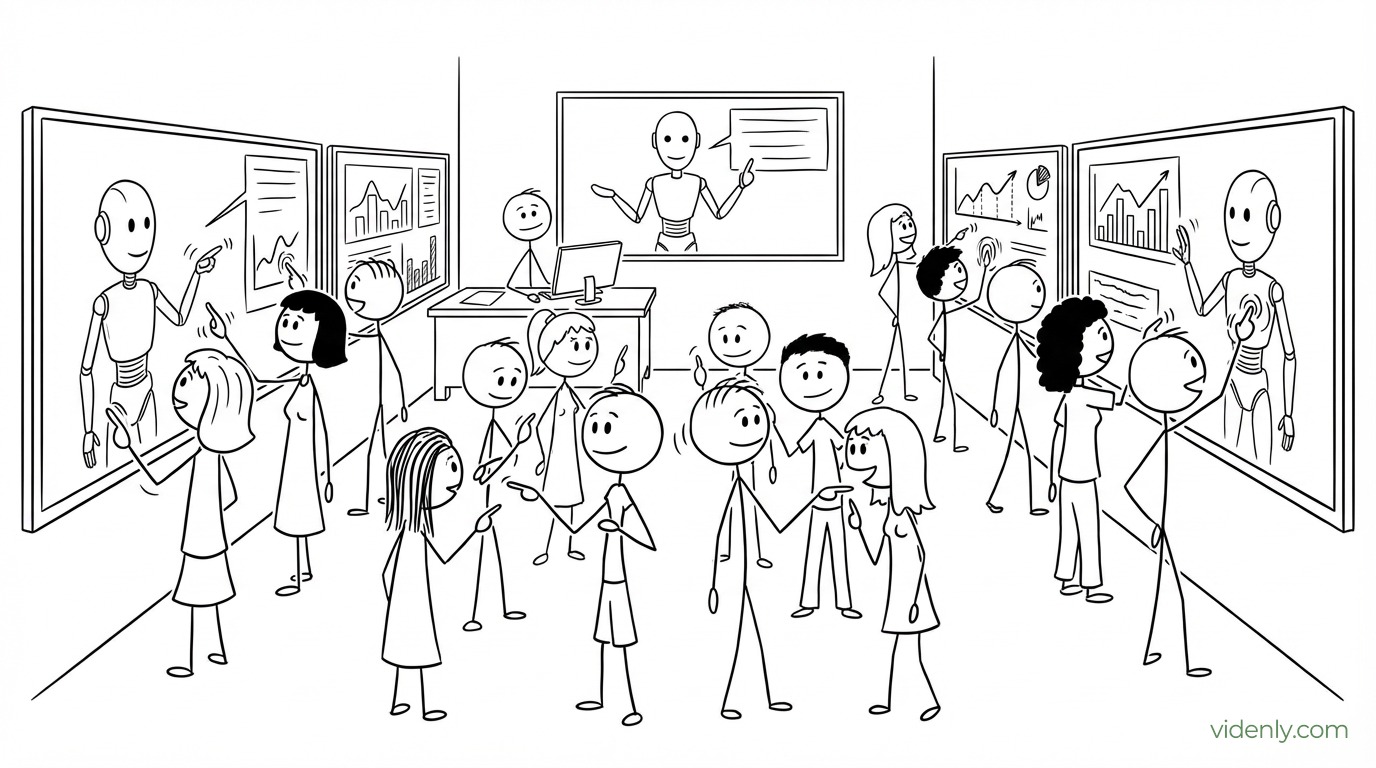
Importantly, educators can harness the power of these videos to present information in a non-linear fashion, allowing learners to explore topics at their own pace.
Pro Tip: Incorporating engaging visual content through faceless AI videos can significantly transform and elevate the learning experience for students by enhancing understanding, increasing motivation, and improving information retention.
Such flexibility is critical in today’s education landscape, where students come from varied educational backgrounds and learning environments.
Therefore, it’s evident that incorporating engaging visual content through faceless AI videos can significantly transform and elevate the learning experience for students.
The concept of accessible learning has transformed dramatically in recent years, particularly through the advent of technology.
With the rise of faceless AI videos, educators and students can engage with rich educational resources at their convenience.
This flexibility allows learners to access quality educational content from virtually any location, provided they have an internet connection.
Regardless of whether one is at home, in a library, or even commuting, the ability to engage with instructional videos makes learning far more convenient.
Moreover, the asynchronous nature of these videos means that learners can pause, rewind, or repeat sections as needed, catering to varied paced learning styles.
For instance, if a student is struggling with a specific concept, they can easily revisit relevant portions of a video without the pressure of a live classroom setting.
This not only enhances understanding but also instills a sense of ownership over one’s learning journey.
Additionally, the availability of AI-generated content can democratize learning since it often includes a wealth of resources covering a wide array of subjects.
The diversity of topics offered through faceless AI videos allows learners to explore new interests or look more deeply into subjects they are already invested in.
With structured video formats that promote clarity, complex topics can be broken down effectively, allowing access to information that may have previously seemed daunting.
Furthermore, accessibility extends beyond just geographical locations; it also pertains to different learning capabilities and preferences.
Videos can be equipped with features that support learners who may have visual or auditory impairments, thus ensuring inclusivity.
A good example would be, subtitles or transcripts enrich the learning experience for those who are hard of hearing, while also providing a different avenue for those who prefer reading.
When it comes down to it, the transformative potential of these learning resources lies in their ability to reach diverse audiences.
This democratization of education empowers learners from various backgrounds and experiences, enabling them to pursue knowledge without traditional barriers.
In terms of schedule flexibility, students who may have jobs or familial responsibilities can fit their educational pursuits into their own time frames, enhancing their commitment and motivation.
In the end, the idea of learning being confined to specific hours or locations is becoming increasingly obsolete in the face of such technological advancements.
Pro Tip: Utilize faceless AI videos for accessible learning, allowing you to engage with educational content at your own pace and from any location, enhancing your understanding and making learning more convenient.

In today’s educational landscape, the desire for personalized learning experiences has never been more pronounced.
Faceless AI videos serve as a transformative tool, catering to individual learning styles and preferences effectively.
This tailored approach allows learners to engage with materials at their own pace, facilitating a deeper understanding of complex topics.
By adjusting content delivery based on users’ unique needs, these videos make learning a highly customized experience.
For instance, students can choose to revisit certain segments as often as needed, ensuring mastery of the material before progressing.
Moreover, AI algorithms can analyze user interactions, helping to identify strengths and areas needing improvement.
This feedback assists educators in refining their methods, creating a dynamic learning environment which promotes both growth and achievement.
Faceless AI videos also facilitate differentiated instruction, allowing for varied content presentation tailored to different learning capabilities.
To highlight this further, here are several key features that enable personalized learning experiences:
These features together underscore the importance of addressing each learner’s unique requirements.
Furthermore, the engaging nature of faceless AI videos often leads to improved retention rates among students.
When learners see content that resonates with them personally, they are more likely to engage actively, which is crucial for effective learning.

With the ability to cater to various learning styles, faceless AI videos can present information in ways that align with individual preferences.
This guarantees that visual learners, auditory learners, and kinesthetic learners all find value in the same materials.
In addition, the option to alter the video playback speed empowers students to digest information at their convenience.
Whether a learner needs to slow down to absorb intricate details or speed through familiar content, this flexibility is invaluable.
The ability to return to previously viewed segments after initial exposure allows learners to deepen their understanding over time.
In sum, personalized learning experiences through faceless AI videos not only enhance individual engagement but also promote a more effective educational experience overall.
Understanding intricate subjects can often be challenging, which is where faceless AI videos come into play to offer significant advantages.
These videos utilize engaging visuals to break down complicated ideas into digestible segments, making them more approachable for learners of all levels.
The visual elements assist learners in grasping challenging concepts, as they can see the correlations and interconnections between different pieces of information.
For instance, when attempting to understand a complicated scientific theory, a faceless AI video can illustrate key points using animations and diagrams that enhance retention.
The use of visuals paired with succinct narration allows for a multi-sensory learning experience, encouraging better understanding of challenging materials.
Furthermore, this approach significantly reduces cognitive overload by eliminating irrelevant details and honing in on crucial aspects of a topic.
Faceless AI videos can present a variety of complex subjects, from advanced mathematics to intricate historical events, each simplified for ease of comprehension.
In mathematics, for example, a faceless AI video can gradually introduce concepts like calculus by using step-by-step animations that visualize how functions behave.
This gradual approach can bridge the gap between theoretical understanding and real-world application, making it much simpler for learners to grasp.
In fields like history, AI-generated videos can utilize timelines and interactive maps, allowing viewers to visualize historical events and their impacts over time.
The video can sequence events logically, showcasing cause and effect relationships that help learners understand how history unfolds.
Moreover, the incorporation of storytelling techniques within these videos can captivate the audience’s attention, making complex narratives easier to follow.
This method not only promotes better recall but also fosters a genuine interest in the subject matter, which is essential for deeper learning.
Faceless AI videos can also utilize quizzes and interactive elements effectively to reinforce the learning of challenging concepts.
By incorporating mini-assessments after certain sections, learners can gauge their understanding and fill in knowledge gaps promptly.
This interactivity further enhances the learning experience, making the entire process feel less like a chore and more like an engaging quest for knowledge.
In the end, the emphasis on synthesizing knowledge into easily digestible formats allows even the most intricate topics to be presented in a way that encourages understanding and retention.

In our increasingly globalized society, the need for multilingual support within educational contexts has become more imperative than ever.
Utilizing faceless AI videos can significantly enhance the learning experiences of students from various linguistic backgrounds.
Such videos can be created in multiple languages, enabling learners to access content that resonates with their native tongue.
When students understand the material in their first language, their ability to grasp complex concepts dramatically improves.
This not only fosters better understanding but also increases student engagement and motivation to learn.
The AI can efficiently translate and localize content, ensuring that cultural nuances are respected and accurately presented.
Moreover, students might find it less intimidating to learn new languages when they encounter multilingual resources that they can relate to.
Faceless AI videos can utilize captioning options in various languages, giving students the chance to follow along in their preferred language while also being exposed to new vocabulary.
To better illustrate the advantages of multilingual support in learning, consider the following aspects:
This approach is particularly beneficial for English language learners, who may struggle with content delivered solely in English.
This occasional barrier can prevent these students from fully engaging with the educational material.
By integrating multilingual options into video content, educators promote an inclusive learning environment where every student can thrive.
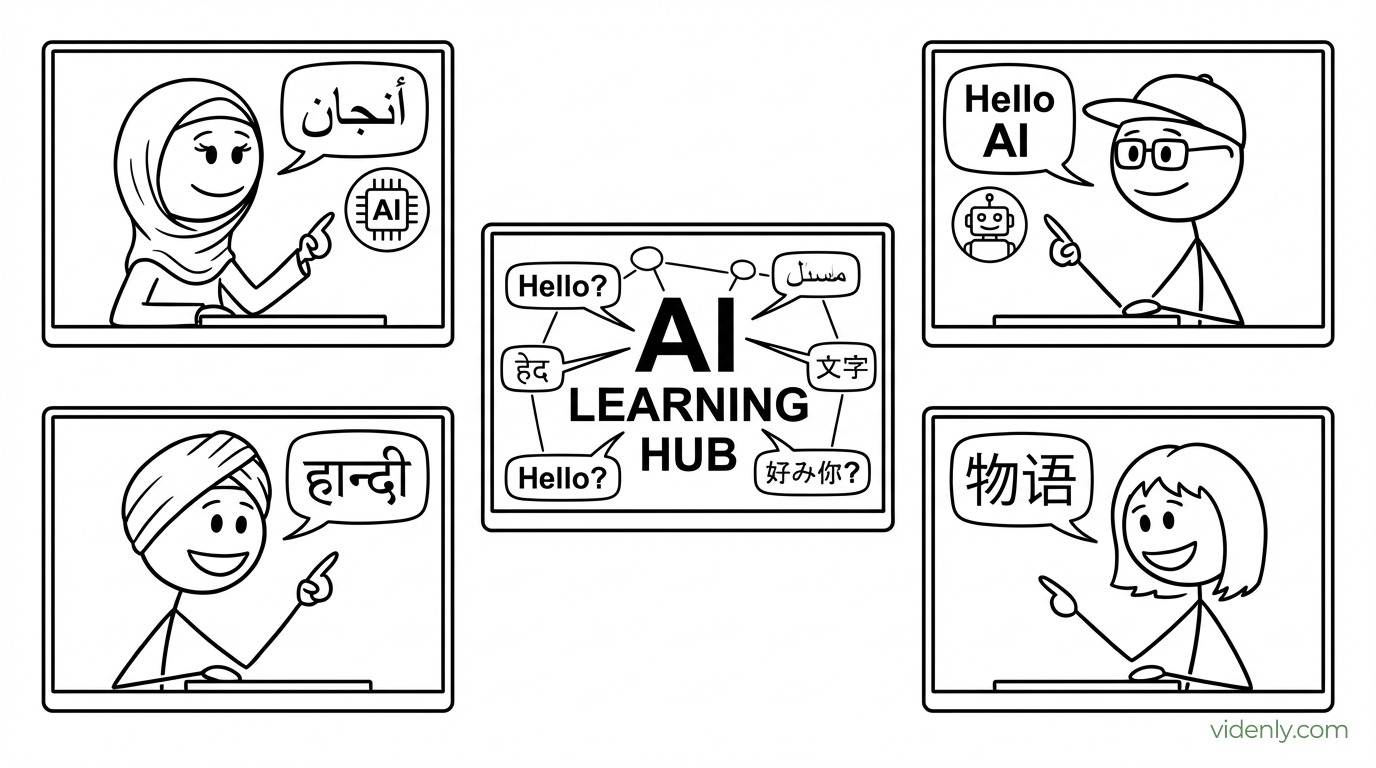
In practice, this can involve not just translations but also adaptations of examples and idioms that resonate with the local culture.
Furthermore, the use of visual elements in faceless AI videos can transcend language barriers, making it easier for students to understand concepts without relying solely on text.
For instance, using universally recognized symbols or imagery can convey messages effectively across different linguistic groups.
In addition, the provision of multilingual support contributes significantly to the development of critical thinking skills, as students learn to analyze and compare information presented in various languages.
Important: Integrating multilingual support into faceless AI videos not only enhances comprehension and promotes inclusivity but also ensures that education is accessible and equitable for all learners from diverse linguistic backgrounds.
This strategy promotes cognitive flexibility and challenges learners to operate in different linguistic contexts.
In the end, integrating multilingual support into faceless AI videos not only enriches the learning experience but also ensures that education is accessible and equitable for all.
In today’s education landscape, the demand for affordable learning solutions has never been more crucial.
Traditional educational models often require significant investments in physical materials, which can create barriers for many learners.
Faceless AI videos present a remarkable opportunity to provide high-quality educational content without the exorbitant costs typically associated with traditional learning resources.
By utilizing these videos, educators can save on costs related to production and distribution, as digital content can be easily produced and shared online.
This technology circumvents the need for expensive filming equipment, studios, and extensive editing software, thereby lowering the overall barrier to entry for educators and institutions.
Moreover, the simple integration of these videos into a variety of platforms allows for broad accessibility, ensuring that learners from different backgrounds can easily access high-quality instruction.
The scalability of faceless AI videos ensures that a single piece of content can be distributed to thousands of learners simultaneously, which is a massive advantage over traditional classroom settings.
Further, the ability to create and update content quickly allows educators to remain relevant and informed, thereby keeping learning materials fresh and engaging.
With automated tools available, teachers can produce their own learning materials at a fraction of the cost of hiring outside professionals, enabling a more sustainable model of content creation.
Faceless AI technology also empowers creators to offer customized learning experiences for different learners, which can be tailored without incurring high costs.
This creates an environment where learners can receive instruction suited to their individual needs and preferences while maintaining an affordable approach.
In many cases, the utilization of AI-generated videos can lead to significant savings when compared to traditional educational tools, especially in subjects that require frequent updates or revisions.
One of the key benefits of these educational videos is their potential for global reach, allowing content to be shared across different regions without the need for additional localization costs.
This means that one investment can yield returns across various demographics and geographies, ultimately enhancing the educational experience.
Additionally, many platforms that utilize AI technology provide resources that can be accessed on demand, minimizing the costs associated with scheduling and venue logistics that are prevalent in conventional educational setups.
With features that allow for automated voiceovers and customizable elements, educators can generate multimedia lessons that involve rich formats that appeal to various learning styles without requiring large financial commitments.
Consequently, the evolution of faceless AI videos can usher in a new era of affordable education, making quality learning experiences accessible to a broader audience than ever before.
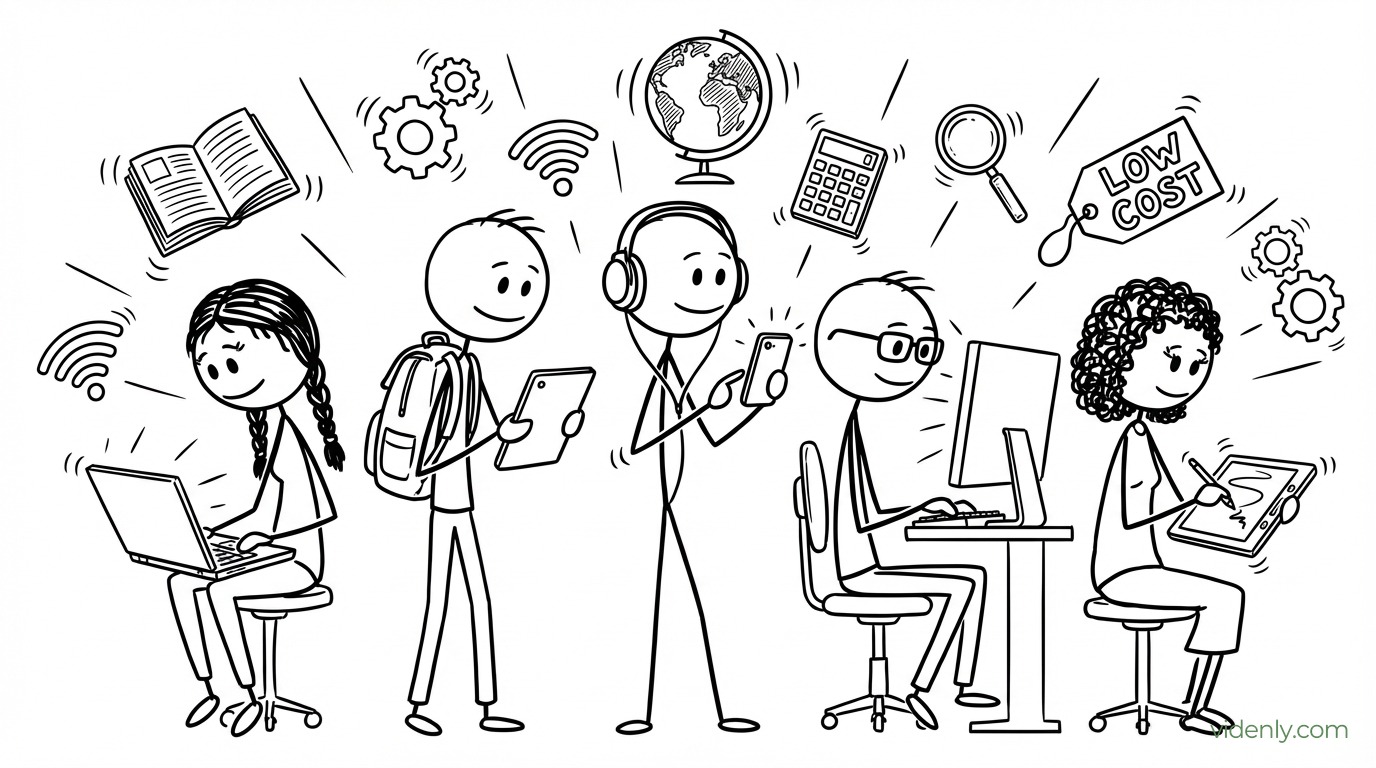
The concept of self-paced learning is increasingly relevant in today’s fast-paced educational landscape.
With the advent of faceless AI videos, learners have the unique opportunity to engage with educational content at their own convenience.
This flexibility allows students to control their learning journey, choosing when and how to absorb new material.
By facilitating a self-directed approach, faceless AI videos cater to individual learning styles and preferences.
As learners interact with content on their own terms, they can develop a deeper understanding of the subject matter.
One significant advantage of self-paced learning is that it directly addresses the varying speed at which different individuals process information.
While some students may grasp concepts quickly, others might require more time to fully comprehend the material being presented.
Faceless AI videos recognize these differences by allowing learners to rewatch segments, pause for reflection, or explore additional resources if needed.
Furthermore, learners can create a schedule that fits their unique lifestyle, making education more accessible and less intimidating.
For instance, a student balancing school, work, and personal life can dedicate time to learning when their schedule permits.
This aspect of self-paced learning fosters a sense of ownership and accountability among students.
When learners take charge of their educational experiences, they are more likely to stay engaged and motivated.
Many students thrive in an environment where they can tailor their learning journey, selecting subjects or topics they want to focus on at any given moment.
The appeal of self-paced learning also extends to diverse groups of learners, including those with special educational needs or unique backgrounds.
In the end, this empowerment leads to increased retention of knowledge, as students engage actively with the material.
Moreover, the availability of multimedia content, such as visuals and interactive elements in faceless AI videos, can enhance the learning experience.
Students are more likely to retain information when they can see, hear, and interact with concepts rather than merely reading them.
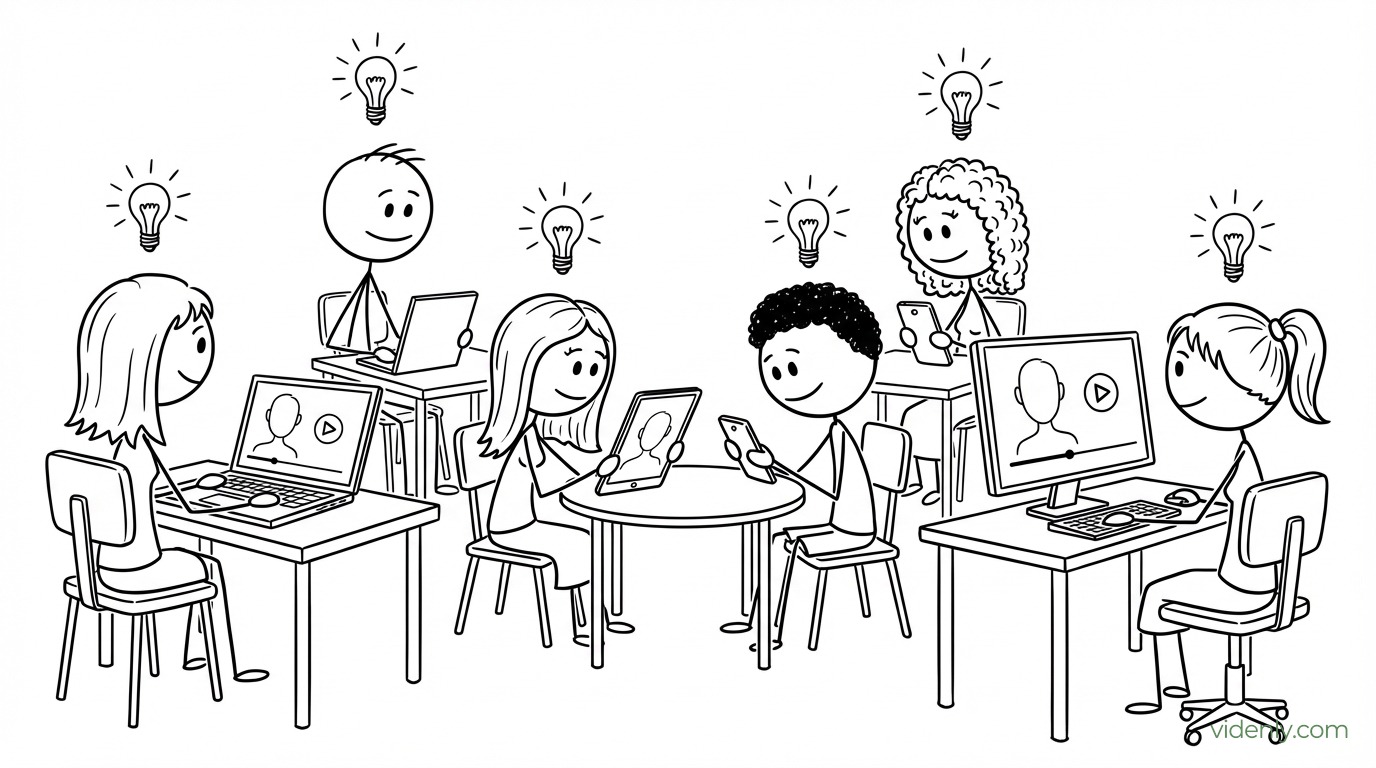
This multisensory approach caters to different learning preferences and can lead to a more holistic educational experience.
In the end, the emphasis on self-paced learning through faceless AI videos aligns well with the growing trend of personalized education tailored to the individual.**
One of the most enriching aspects of using faceless AI videos in educational settings is their ability to encourage creative expression among learners.
This approach allows students the freedom to express their thoughts and ideas in unique ways, thereby enhancing their engagement with the material.
With faceless AI videos, learners can produce content without the anxiety that often accompanies traditional presentation methods, making creative expression more accessible.
Students can utilize various multimedia elements such as images, graphics, and sound effects, thereby amplifying their storytelling abilities and capturing the audience’s attention.
For instance, students can create animations or visual stories that showcase their understanding of a subject, which can be both informative and entertaining.
Additionally, the absence of a presenting face can eliminate the pressure some students feel during performances, leading to more authentic and original content.
This fosters a sense of ownership over their work, as students are likely to feel a personal connection when they create and refine their videos.
By encouraging learners to utilize their unique perspectives, faceless AI videos inspire individuality in thought and approach, which is important in any educational context.
Moreover, feedback remains a crucial aspect of the learning process, and with faceless AI videos, the avenues for receiving feedback are significantly broadened.
Students can share their videos in a collaborative online environment, allowing peers and educators to provide insightful observations that can spark further ideas.
This feedback loop not only promotes improvement but also fosters a sense of community as learners exchange assessments of each other’s work, cultivating an atmosphere of support and growth.
Additionally, teachers can leverage these AI-generated videos to illustrate key points of critique, showing students common areas of success as well as opportunities for improvement.
By highlighting specific elements in the videos, educators can deliver tailored feedback, which is often far more productive than generic comments.
Students may also be more receptive to feedback presented through video, as it offers a different, less intimidating medium compared to traditional written comments.
This approach implies that learning becomes not just a solitary endeavor, but rather a shared experience between students, promoting collaboration and communication.
Moreover, when students witness peers expressing themselves creatively, it can inspire them to push their own boundaries and explore new methods of articulation.
In the end, the use of faceless AI videos can significantly impact both the creative process and the feedback dynamic, fostering an environment where learners thrive through expression, support, and shared knowledge.
Pro Tip: Utilize faceless AI videos to foster creative expression among learners and enhance engagement, as this approach allows for unique content creation without the pressure of traditional presentations.
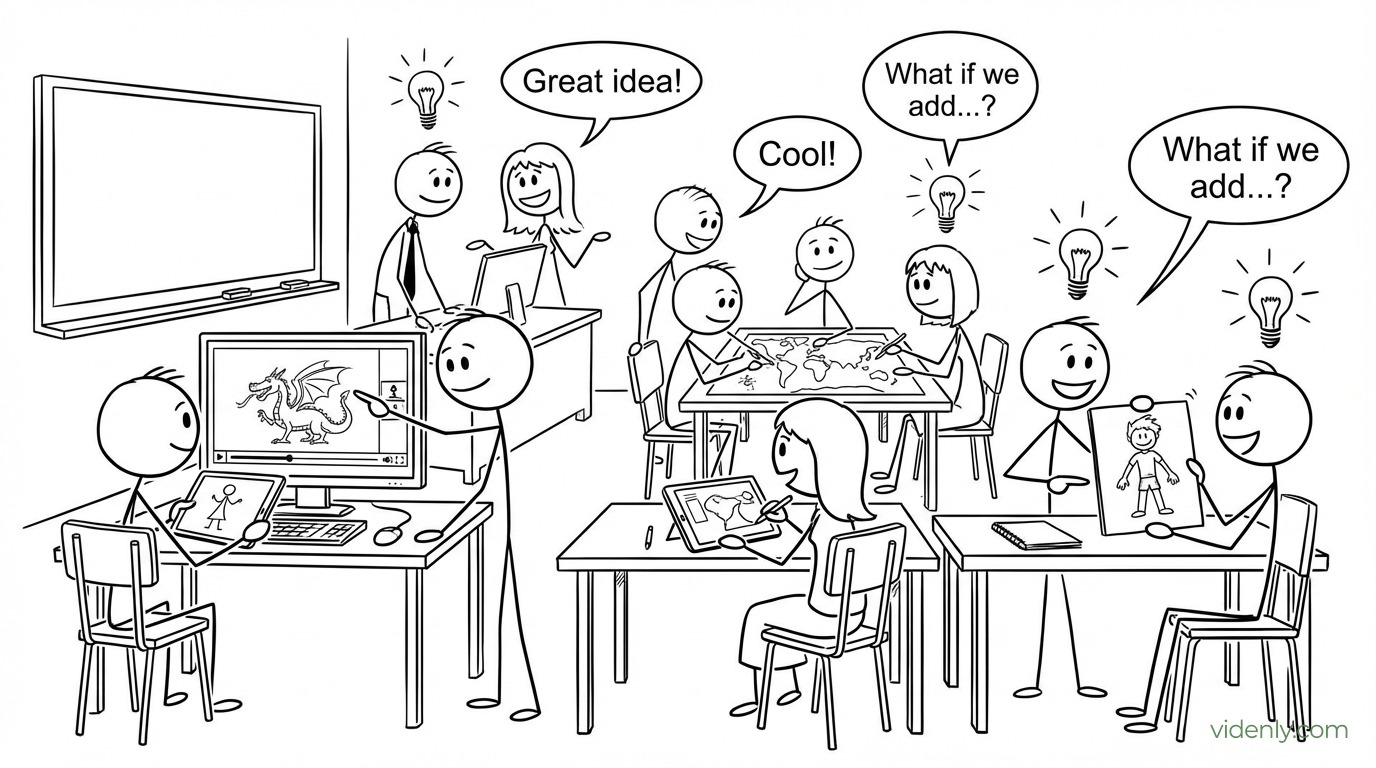
Faceless AI videos revolutionize the way we approach learning by integrating engaging visual content that captivates learners.
They break down barriers to education, providing accessible learning opportunities that can be enjoyed anytime and anywhere.
With personalized learning experiences, students gain the ability to tailor their journey according to their unique needs and learning styles.
Complex topics become manageable and understandable, thanks to simplified visuals that distill information into digestible formats.
For learners from diverse backgrounds, multilingual support ensures that language is not a barrier to accessing quality educational material.
Moreover, these resources are often cost-effective, making quality education more attainable for everyone.
The self-paced learning approach fosters independence, allowing students to progress at a speed comfortable for them.
Finally, by encouraging creative expression and providing opportunities for feedback, faceless AI videos create a more interactive and engaging learning environment.
Create stunning AI-generated videos that captivate your audience and elevate your brand.