
Published on June 12, 2026 by

Analyzing trends is crucial for the success of a faceless YouTube channel.
Utilizing tools like Google Trends can provide insights into what topics are gaining popularity over time.
Monitoring social media platforms can reveal audience preferences and emerging interests.
Engaging with analytics features on YouTube helps identify which videos perform well and why.
Observing competitor channels allows for benchmarking against successful content strategies.
Lastly, leveraging forums and discussion boards can uncover niche trends that may not be widely recognized yet.
There are several other important factors to consider when analyzing trends for a faceless YouTube channel that go beyond just the basics outlined earlier.
I will explore additional strategies that can help refine content creation and marketing approaches, ensuring that you remain competitive in a fast-paced digital landscape.
These strategies will include tips on how to leverage certain tools and resources that provide deeper insights into audience engagement and platform algorithms.
By understanding these additional elements, you can enhance your ability to connect with your target audience while maximizing your channel’s growth potential.
One of the most powerful tools at your disposal for analyzing trends on your faceless YouTube channel is Google Trends.
This platform allows you to explore the search behavior of millions of users, offering insight into what topics are currently gaining traction.
By analyzing trending topics, you can tailor your content strategy to align with what viewers are actively searching for.
Using Google Trends effectively involves understanding not just the trends themselves but also the timing and context behind them.
For instance, there are seasonal trends that can influence the popularity of certain topics at different times of the year.
To maximize your usage of this tool, you should first familiarize yourself with its features such as regional interest, which provides insights about where certain topics are popular.
Additionally, utilizing the related queries section can help you identify emerging topics that are catching on within your target audience.
It’s also worth noting that tracking these trends over time can help you recognize patterns in viewer interests, guiding your content creation efforts.
In the process of exploring these insights, it can be beneficial to categorize the topics you discover by relevance to your niche.
Consider the following aspects when utilizing Google Trends:
With these aspects in mind, you will be better equipped to create content that resonates with current viewer interests.
It is equally important to remember that trends can shift quickly; therefore, consistent monitoring of Google Trends should be part of your regular content management practices.
This way, you’ll be adept at shifting your strategy according to the latest spikes in interest and ensuring your channel stays relevant.

Moreover, utilizing Google Trends can enhance your SEO efforts, as you can optimize your video titles and descriptions with trending keywords, thus increasing visibility.
Pro Tip: To successfully leverage Google Trends for your faceless YouTube channel, you should continuously monitor trending keywords, seasonal shifts, and regional interests to create targeted content that aligns with current viewer demands.
At the end of the day, the fusion of effective trend analysis with your content creation process is important for success in the competitive landscape of YouTube.
By integrating these insights from Google Trends into your strategy, your channel can maintain a dynamic presence that attracts attention and keeps viewers engaged.
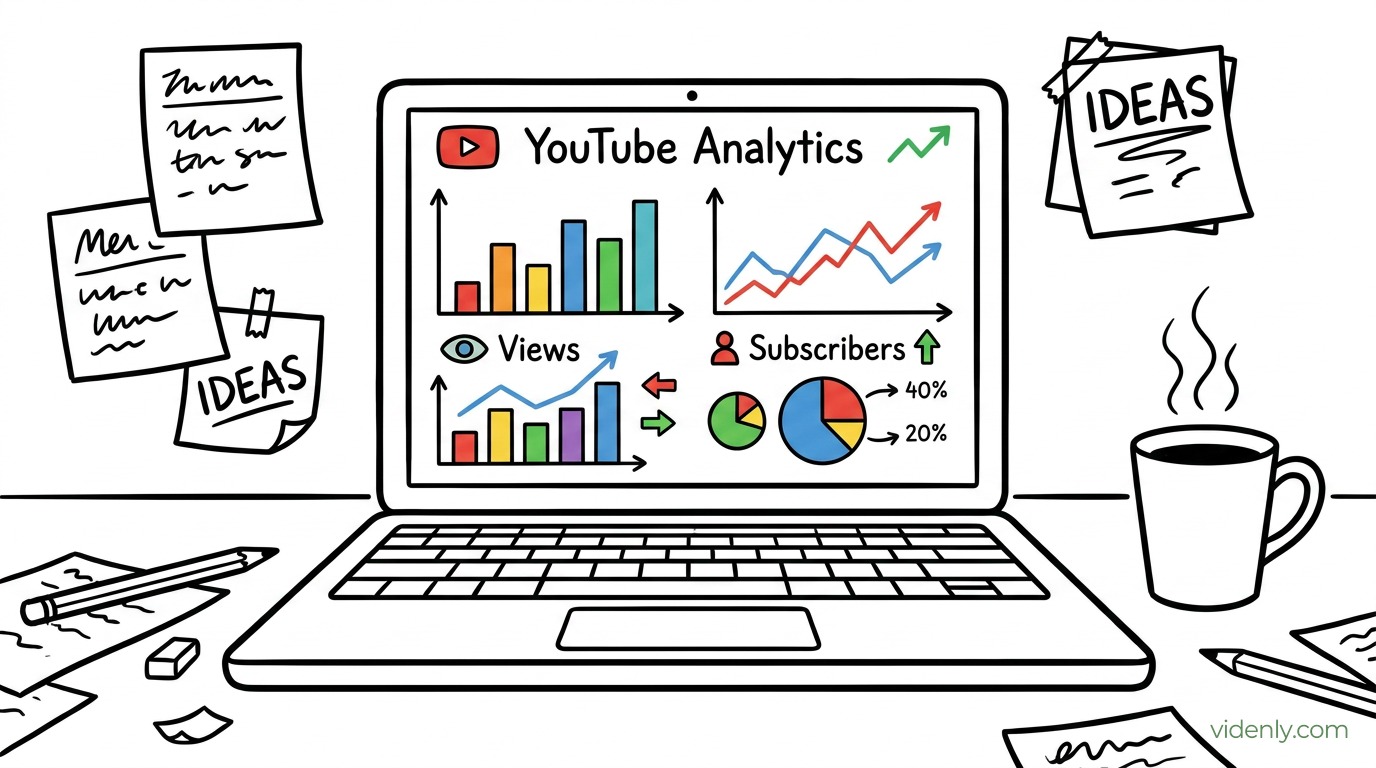
To effectively analyze trends for your faceless YouTube channel, it is essential to regularly monitor your YouTube Analytics.
YouTube Analytics provides invaluable insights into the performance of your videos, revealing how your audience interacts with your content.
This platform tracks various metrics such as views, watch time, and click-through rates, helping you identify which videos resonate most with viewers.
Notably, the Audience Retention metric allows you to see how long viewers are watching your videos, giving you clues on segments that may need improvement.
By observing spikes in viewer retention, you can pinpoint the content that keeps your audience engaged, whether it’s intriguing storytelling or impactful visuals.
Furthermore, understanding the Traffic Sources section is crucial, as it reveals where your viewers are finding your videos, whether from search results, suggested videos, or external links.
This data can help you tailor your promotional strategies to enhance visibility and drive more traffic to your channel.
Your Demographics data is equally important, offering insights into the age, gender, and geographical location of your viewers, which can influence the type of content you create.
Recognizing your audience’s demographics allows you to tailor your videos to better suit their preferences and interests, ultimately increasing viewer satisfaction.
The Engagement metrics, including likes, comments, and shares, are another critical aspect to monitor, as they reflect how well your audience is connecting with your content.
A high number of likes and meaningful comments may indicate a strong approval from your audience, suggesting that you should continue exploring those themes or formats.
A good example would be, if a particular video garners a surplus of positive feedback, it is prudent to consider creating related content that dives deeper into that topic.
YouTube Analytics also offers a comparison tool, which allows you to compare the performance of different videos over specific time periods.
This comparative analysis can offer insights into trends and shifts in audience preferences, helping you adjust your content strategy accordingly.
Additionally, keeping an eye on subscriber changes can help you gauge the overall health and growth of your channel, as a steady increase in subscribers typically signals that your content is hitting the right notes.
By maintaining a consistent review of your analytics, you ensure that your content evolves in line with your audience’s expectations and preferences.
At the end of the day, regularly monitoring YouTube Analytics is not just about collecting data; it is about translating that data into actionable insights that guide your creative process and content strategy moving forward.
Understanding competitor content strategies can provide invaluable insights that might elevate your faceless YouTube channel significantly.
First and foremost, it is crucial to analyze the types of content that resonate with the audience within your niche.
This involves examining various elements such as video style, thumbnails, and titles to understand what attracts viewers in your segment.
Moreover, taking note of the posting frequency of competitor videos can illuminate how often they engage with their audience, fostering anticipation for new content.
Many successful channels often establish a consistent brand voice and image that appeals to viewers, so it’s important to recognize how they achieve this.
By observing your competitors, you can ascertain which topics garner the most engagement and which ones may be underrepresented, presenting potential opportunities for your content.
It’s also beneficial to look at their viewer interaction, particularly the comments sections, where feedback can highlight viewers’ preferences and areas for improvement.
To streamline these analyses, it’s effective to compile a list of key factors to look for when researching competitor strategies:
Evaluating these components will offer a clearer picture of what works effectively, helping you make informed decisions about your own content strategy.
Additionally, it is wise to leverage tools and platforms designed for competitive analysis, allowing you to quantify the success of competitor strategies based on numerical data.
These tools can provide an understanding of keyword rankings and how well competitor videos perform in terms of views over time.

In the end, by pinpointing successful content elements from competitors, you can adapt these insights into creative strategies that are unique to your channel.
It’s essential to blend these findings with your individual style, ensuring that your content remains authentic while still gaining insights from successful practices.
In the end, the key lies in continuously refining your approach based on ongoing trend analysis, using competitor insights as a guide to elevate your own content effectively.
By taking the time to deeply understand and analyze the strategies at play in your niche, you are better positioned to resonate with your audience and meet their viewing expectations.
Researching competitor content strategies can truly act as a stepping stone for growth, embedding analytical practices into your creative process.
As you proceed, keep fostering an adaptive mindset that embraces change and innovation while being informed by your observations of the competition.
Engaging in niche community discussions presents a significant opportunity for creators looking to understand their audience and refine their content strategy.
Niche communities often consist of groups of individuals who share specific interests, and these forums can provide valuable insights into what topics are currently resonating with audiences.
Participation in discussions within these communities allows for the exchange of ideas, which can spark inspiration for new content that aligns with viewer interests.
Platforms such as Reddit, Discord, and various online forums can serve as excellent starting points for connecting with like-minded individuals and examining trending topics.
By observing conversations in these spaces, creators can identify frequently discussed themes, questions, and desires, leading to a more nuanced understanding of audience preferences.
Moreover, engaging in dialogues enables creators to present themselves as authentic members of the community, building trust and credibility that can translate into a loyal viewership.
As creators interact with community members, they can glean insights into potential challenges or issues facing the audience, which may inform future video content.
Participating in community discussions can also reveal opportunities for collaboration and partnership, facilitating expanded reach and engagement beyond the creator’s existing audience.
To further enhance the effectiveness of this engagement, creators should actively ask for feedback and opinions on their content, encouraging direct interaction with their audience.
It is essential to approach these communities with a mindset geared towards listening and learning, rather than merely broadcasting one’s own content.
By doing so, creators can become valuable contributors to the dialogue, offering insights and resources that resonate with fellow members.
This mutual benefit fosters a sense of community solidarity that can have lasting impacts on channel growth and audience retention over time.
Moreover, when creators consistently engage with content discussed within these communities, they can better position themselves as thought leaders or influencers on topics of interest.
In the end, this engagement helps ensure that channels remain relevant and adjust to evolving trends dictated by the community’s interests.
Over time, creators who are dedicated to engaging in these discussions may notice trends before they hit mainstream platforms, allowing them to capitalize on emerging ideas and concepts early on.
In the end, a strategic approach to participating in niche community discussions can be an essential tool for maintaining a dynamic and appealing YouTube channel.

To maintain a relevant and engaging faceless YouTube channel, it is crucial to follow social media trends closely.
Social media platforms are a breeding ground for new ideas, topics, and trends that can significantly impact content creation.
By staying updated on what is currently trending, creators can align their video topics with the interests of their target audience.
This alignment helps not only in reaching a wider audience but also in enhancing viewer engagement due to the timeliness of the content.
Moreover, platforms like Twitter, Instagram, and TikTok are often the first to showcase emerging trends that can inspire fresh content ideas.
As trends emerge, it becomes essential to analyze the type of content that resonates the most with audiences on those platforms.
In addition to observing trends, actively engaging with users on social media platforms can provide valuable feedback and insights.
This engagement may involve joining conversations in comments, replying to direct messages, or even posting your own thoughts on trending topics.
Such interactions not only humanize your channel but also foster a sense of community among your viewers, which is essential for a faceless persona.

Moreover, companies and creators often share their own insights on social media trends, making it easier to gather information and ideas.
Analyzing these insights can reveal deeper patterns and preferences of your audience, ultimately informing your content strategy.
Pay attention to the diversity of platforms as well; what works on Instagram might differ significantly from TikTok or Facebook.
This understanding of platform-specific aesthetics and user behavior enables creators to tailor their approaches accordingly.
Furthermore, examining the comments and reactions to viral content can also inform what types of narratives or styles resonate with viewers.
Lastly, following social media trends closely provides an opportunity to catch the wave of innovation and creativity, ensuring that your faceless YouTube channel remains fresh and appealing.
In the ever-evolving landscape of YouTube, search engine optimization remains a critical factor that can greatly influence the visibility and success of your faceless channel.
Utilizing SEO tools for keywords analysis allows content creators to identify the trending topics that audiences are currently interested in.
One of the primary functions of these tools is to offer insights into the search volume associated with specific keywords, letting you discern which terms are more likely to attract viewers.
By identifying high-volume keywords, you can formulate your content strategy to align closely with what potential viewers are actively searching for.
In addition to search volume, most SEO tools provide data on the competition level for each keyword, giving you an idea of how challenging it may be to rank for particular terms.
This information is especially valuable when selecting niche topics to explore, as lower competition might allow your videos to stand out more readily.
Moreover, SEO tools often have features that help track keyword performance, allowing you to monitor how well your content is performing for selected terms over time.
This ongoing analysis helps refine your keyword strategy and enables a more tailored approach, ensuring that future content continues to resonate with your target audience.
Incorporating a variety of related long-tail keywords can also broaden your reach and bring in traffic from more specific searches, which is invaluable for a faceless channel seeking to attract a dedicated audience.
Some SEO tools can even suggest related keywords and phrases that you might not have initially considered, opening new avenues for content development.
When selecting keywords, it’s crucial to consider not just their popularity, but also their relevance to your channel’s overall theme and the aesthetic of your videos.
Aligning keyword choices with your brand helps create a cohesive identity, making your channel more memorable in the eyes of your audience.
Additionally, using SEO tools can facilitate content optimization, guiding you in strategically placing keywords within video titles, descriptions, and tags.
This approach increases the likelihood of your videos appearing in search results and enhances the potential for organic traffic.
Furthermore, analyzing trends in keyword searches over time can give you a forecast of audience interests, helping you stay ahead of the curve in content planning.
As the digital landscape shifts, staying informed about which keywords are gaining traction can fine-tune your content strategy to better match evolving viewer preferences.
Pro Tip: Utilize SEO tools to conduct comprehensive keyword analysis, as this will help you identify high-volume and relevant keywords that resonate with your target audience, ultimately enhancing your channel’s visibility and content strategy.

Understanding your audience’s demographics and preferences is crucial when managing a faceless YouTube channel.
This understanding helps tailor your content to suit their interests, ensuring higher engagement rates.
The first step in analyzing audience demographics is to utilize the data provided in YouTube Analytics.
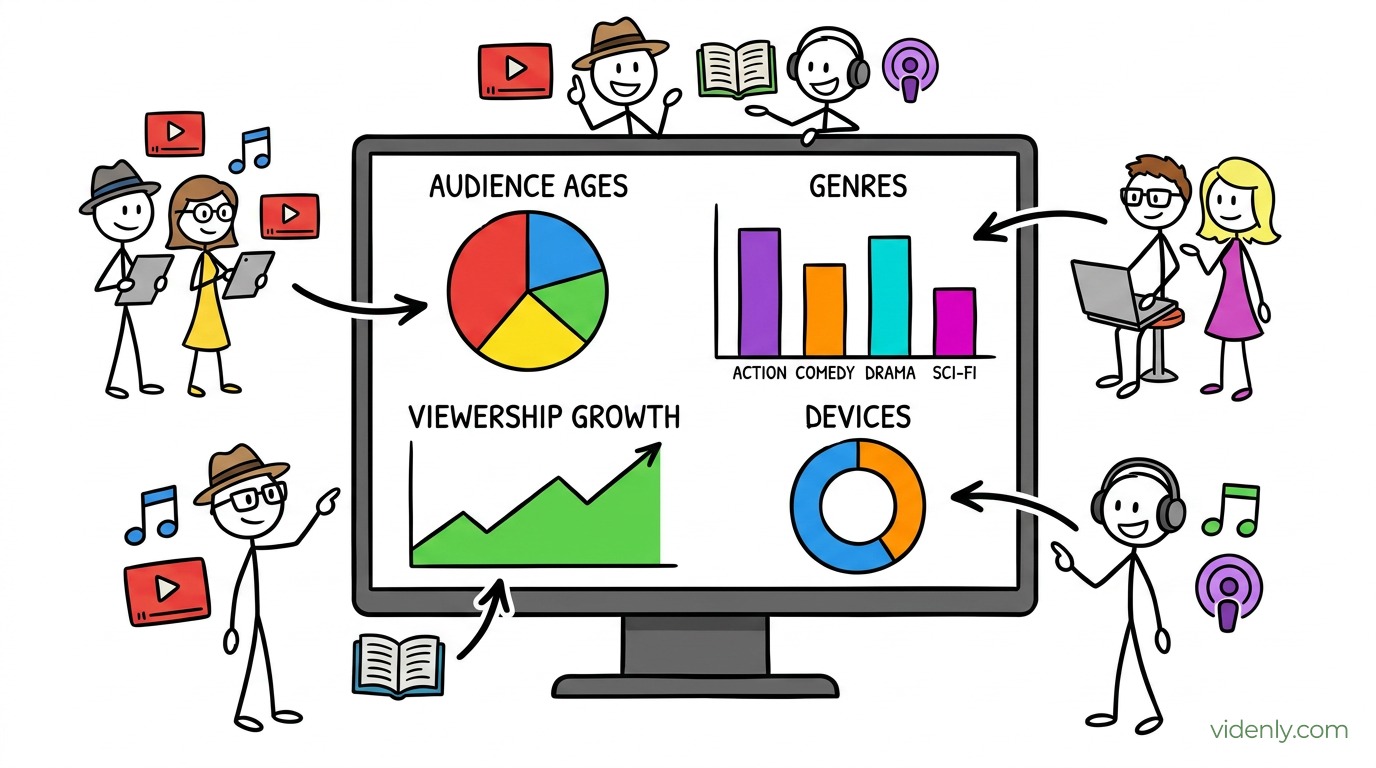
YouTube offers insights into the age, gender, geographic location, and even viewing habits of your audience.
By accessing this valuable information, you can clearly identify which demographic segments are most engaged with your content.
For instance, if your analytics indicate that a significant portion of your viewers is between the ages of 18 to 24, this knowledge allows you to create content that resonates with younger audiences.
In addition to age and gender, it’s also essential to consider the cultural background of your audience.
Different cultures have varied preferences, values, and interests, which can significantly influence how they perceive your videos.
Moreover, keeping an eye on geographic data can help you understand regional interests and trending topics.
A good example would be, content that works well in one country might not perform as effectively in another.
Thus, tailoring your videos to incorporate local trends can enhance relatability and viewer satisfaction.
Another effective way to gauge audience preferences is to conduct surveys or polls.
Engaging directly with your audience, perhaps through community posts or comment sections, can yield valuable feedback.
Utilizing social media platforms to interact with your audience also provides valuable context about their preferences.
By observing follower interactions, you can better understand which types of posts and topics resonate most.
For instance, you may notice that video content featuring specific styles or ideas garners more attention and engagement.
Using this information, you can pivot your focus toward that type of content in your future videos.
Analyzing the watch time and engagement metrics of your videos can provide further insights into audience preferences.
High watch time indicates content that captivates viewers, whereas low engagement may signal a mismatch with audience interests.
By evaluating these metrics regularly, you can continuously refine your content strategy.
Important: Understanding your audience’s demographics and preferences is crucial when managing a faceless YouTube channel, as it enables you to tailor your content to their interests, ensuring higher engagement rates.
Lastly, it’s essential to stay updated on general trends in your niche that might appeal to your audience.
Following social media trends, popular topics, and even emerging influencers can inform your future content while keeping it relevant.
Create stunning AI-generated videos that captivate your audience and elevate your brand.