
Published on April 6, 2026 by

Enhancing user-generated content (UGC) ads with interactive elements can significantly increase audience engagement.
Incorporating polls or quizzes allows users to participate actively, making them feel more connected to the brand.
Furthermore, adding clickable hashtags or tags can encourage users to share their experiences, thus amplifying the ad’s reach.
Integrating videos or GIFs can also capture attention more effectively, providing a dynamic visual experience.
Allowing users to submit their content directly through the ad fosters community involvement and further stimulates engagement.
In the end, these interactive features not only enhance user experience but also drive higher conversion rates.
There is more to explore on the topic of enhancing user-generated content ads with interactive elements.
In the following sections, I will cover additional strategies that can further increase engagement and maximize the effectiveness of your ads.
You will discover how different types of interactive formats can complement traditional advertising methods and attract a more diverse audience.
Additionally, I will discuss the importance of analyzing audience feedback to refine these strategies for better results.
Utilizing polls and quizzes within User Generated Content (UGC) advertisements serves as a powerful method for fostering engagement and interaction.
These interactive elements allow users to express their opinions, which not only enhances their experience but also provides valuable insights for brands.
Furthermore, polls enable brands to gauge customer preferences and opinions on specific topics related to their products or services.
By integrating polls into UGC ads, companies can actively involve their audience in the decision-making process, making customers feel more valued.
Quizzes, on the other hand, serve a dual purpose; they not only engage users but also educate them about the brand and its offerings.
For instance, a quiz can be designed to assess how well customers know a particular product, which can prompt them to explore it further.
Moreover, incorporating fun and engaging quizzes can encourage users to share their results on various social media platforms, fostering organic reach and brand visibility.
To maximize the effectiveness of polls and quizzes, brands should ensure they are relevant to the audience and the products being promoted.
Some ideas for engaging polls and quizzes include:
Additionally, the use of visual aids can significantly enhance the appeal of these polls and quizzes, making them more shareable and engaging.
Images and graphics related to the questions can captivate users’ attention and increase participation rates.
It is also essential to keep polls and quizzes concise and straightforward, ensuring they don’t become overwhelming for users.
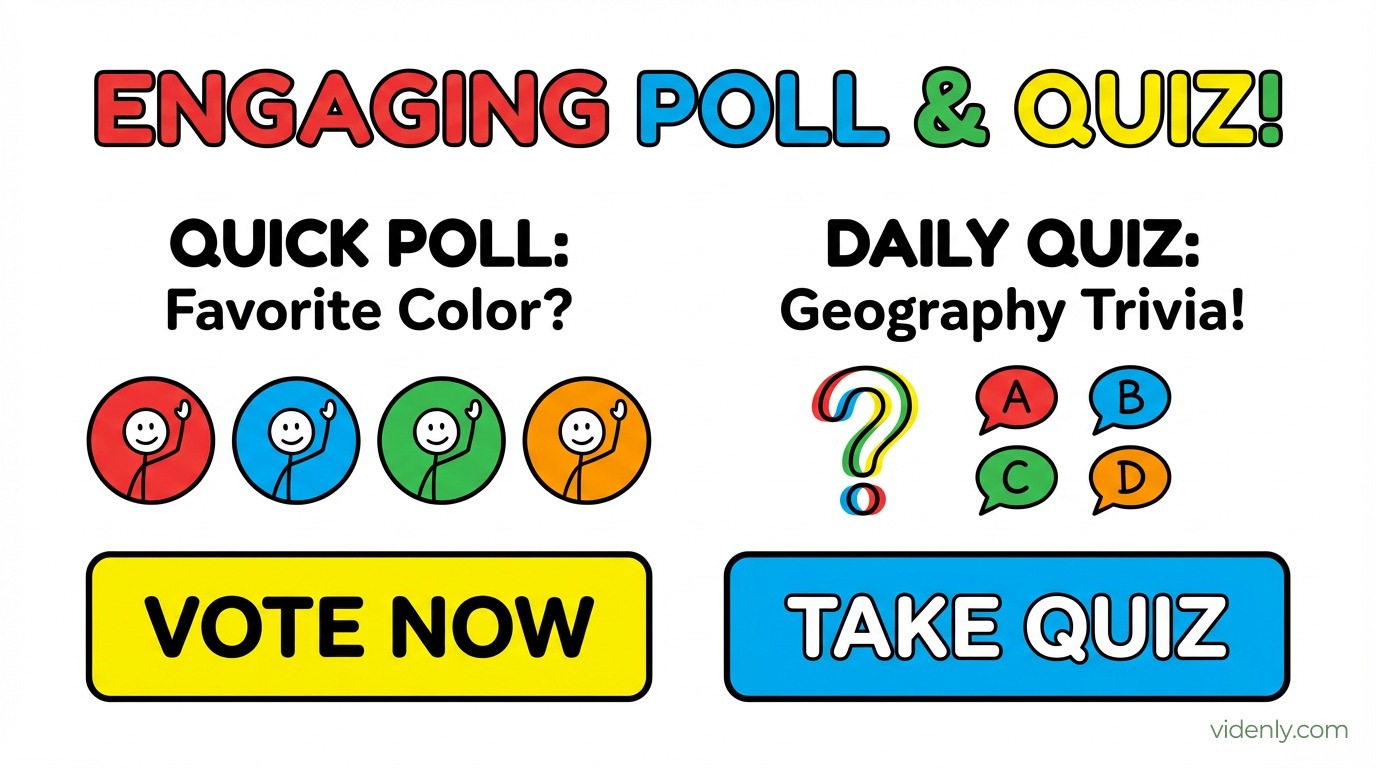
Short and engaging questions tend to result in higher response rates, making data collection more effective.
Moreover, including a reward system or incentives for participants can further boost engagement.
Pro Tip: Incorporate relevant polls and quizzes into your User Generated Content advertisements to boost audience engagement and gain valuable insights into customer preferences.
Incentives could range from discounts to exclusive early access to new products for those who participate.
Lastly, analyzing the data collected from these interactive tools allows companies to understand their audience better and tailor their marketing strategies accordingly.Combining insights from polls and quizzes with existing customer data can lead to more personalized marketing experiences, driving higher engagement.
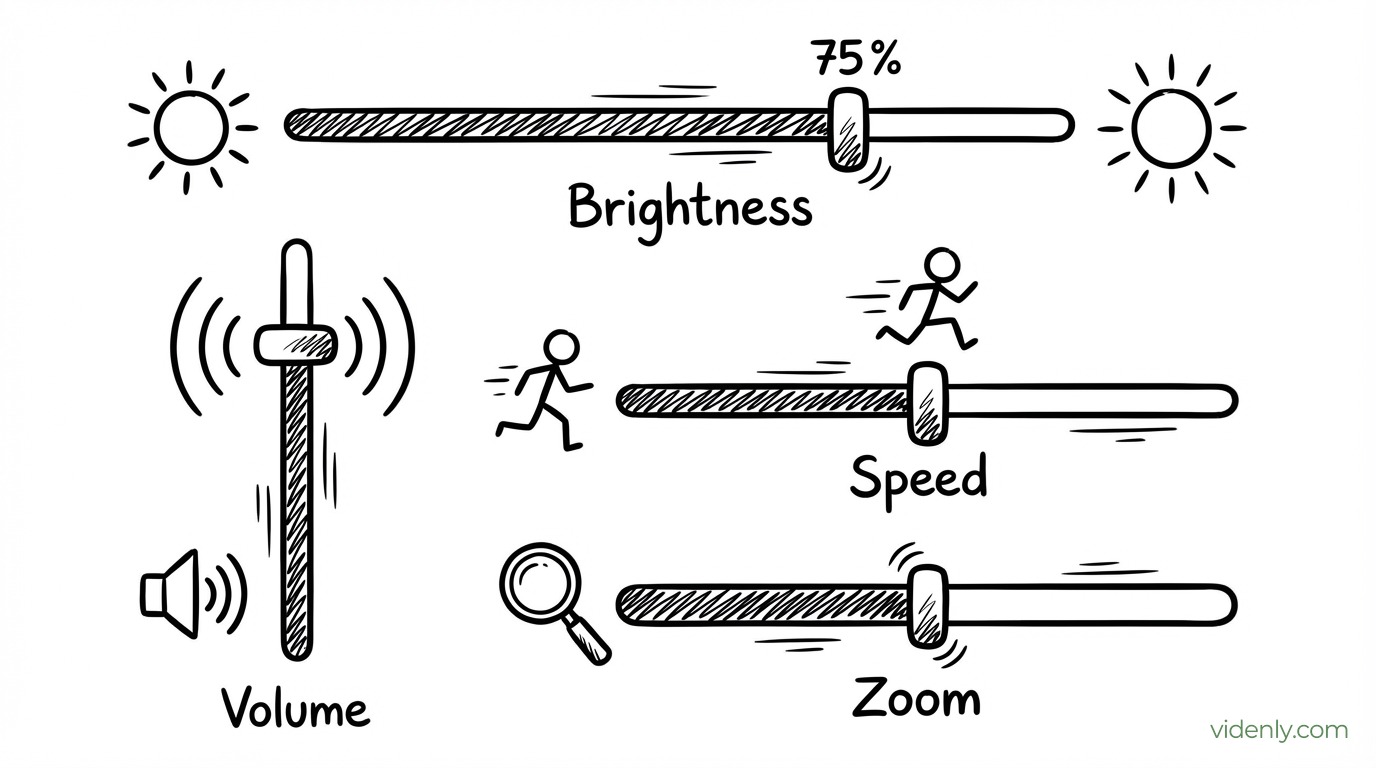
Incorporating interactive sliders within User-Generated Content (UGC) ads serves as an engaging tool that invites users to interact with the content in a more meaningful way.
These sliders can effectively showcase various aspects of a product, such as before-and-after transformations, preferences, or even ratings, providing users an immersive experience.
One significant advantage of sliders is their ability to present a dynamic visual narrative that catches the viewers’ attention and enhances their understanding of the product’s features or benefits.
For instance, a slider can allow users to explore how a particular skincare product visibly changes skin conditions over time, drawing them into a more relatable story.
This interactive element not only fosters a greater connection between the user and the advertisement but also promotes a deeper level of engagement with the content.
Sliders can also be customized with different parameters, enabling brands to present multiple variations of a single item in real-time, thus captivating the viewer’s interest.
Users appreciate the feeling of control that interactive sliders provide, allowing them to manipulate the content according to their preferences and curiosity.
This sense of interactivity can also encourage users to spend more time engaging with the advertisement, which is crucial for deepening their interest.
Furthermore, effective implementation of sliders should include smooth transitions and user-friendly design to ensure that they remain accessible and enjoyable for the audience.
By integrating sliders that allow users to slide through different images or even testimonials, brands can showcase the diverse experiences that real customers have had with their products.
This not only boosts the credibility of the advertisement but also emphasizes the authenticity of the UGC itself.
Moreover, utilizing interactive sliders does not mean compromising on the aesthetic appeal of the ads; you can design sliders to reflect the brand’s identity while enhancing the overall visual experience.
Another important aspect to consider is ensuring the sliders are mobile-friendly, given that a significant portion of users will likely engage with UGC ads via mobile devices.
The seamless functionality of sliders on smartphones and tablets can greatly influence user experience and the overall effectiveness of the advertisement.
As viewers slide through options, brands can implement trackable metrics to evaluate which features or user-generated stories are resonating most with the audience.
This data can then be utilized to refine future ad strategies and better tailor user experiences in future campaigns.
At the end of the day, integrating interactive sliders into UGC ads not only enhances user engagement but also builds an interactive community where users feel involved in the brand narrative.
When it comes to user-generated content (UGC), designing contests can serve as a powerful mechanism to foster engagement and create a vibrant community.
Contests not only encourage user participation but also cultivate a sense of belonging among participants, who feel valued and recognized for their contributions.
When creating a contest, it is essential to set clear, exciting goals that attract users’ attention and compel them to engage with your brand.
One effective approach is to establish a theme that reflects your brand’s identity, making it easier for participants to relate to the content they create.
For instance, a photography contest centered around your products can inspire users to show off their creativity while showcasing how they use your offerings in their daily lives.
Here are a few formats that can enhance the appeal of your contests:
In the end, the success of a contest lies in its incentives.
Offering attractive prizes can significantly boost participation rates and motivate users to put forth their best effort.
Consider prizes that are directly related to your products or services, as this not only incentivizes participation but also encourages future purchases.
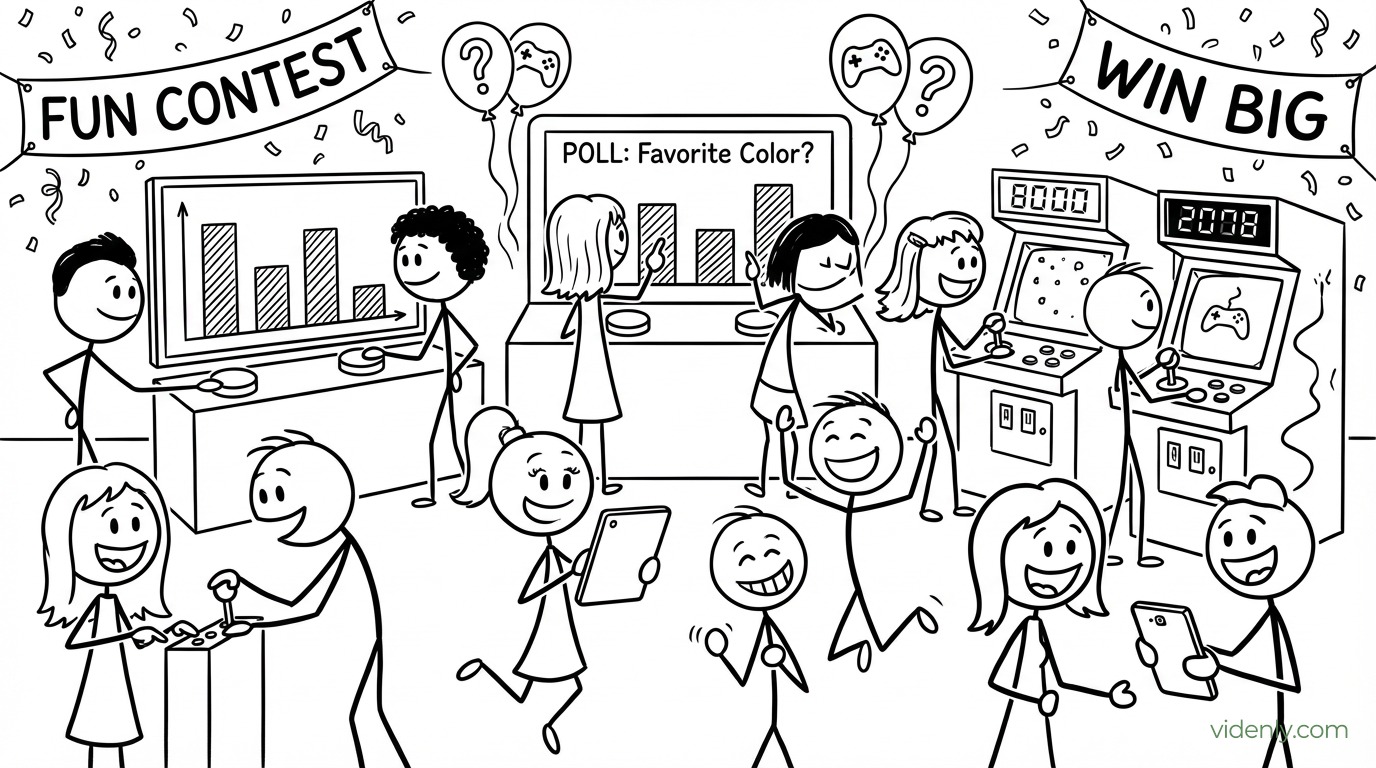
Moreover, promoting user-generated contests across various platforms can drive traffic and increase brand visibility, thereby attracting even more participants.
Engaging contests can also be amplified through social media campaigns, where participants are encouraged to share their submissions with a wider audience.
This encourages users to produce their own content, expanding your brand’s reach and building a community around shared interests.
Another aspect to consider is how you will measure the success of your contest; engagement metrics such as likes, shares, and comments can provide valuable insights.
Moreover, be sure to showcase the entries during and after the contest, as this not only acknowledges the participants’ efforts but also fosters ongoing interaction with your brand.
Incorporating a dynamic platform such as Videnly can further enhance your engagement strategies, as it allows for seamless integration of UGC content in video formats.
Utilizing Videnly’s ability to create faceless content can transform engaging entries into compelling videos, showcasing the creativity involved in participant submissions.
In essence, engaging contests are a multifaceted tool that, when executed thoughtfully, can cultivate a stronger bond between users and your brand.
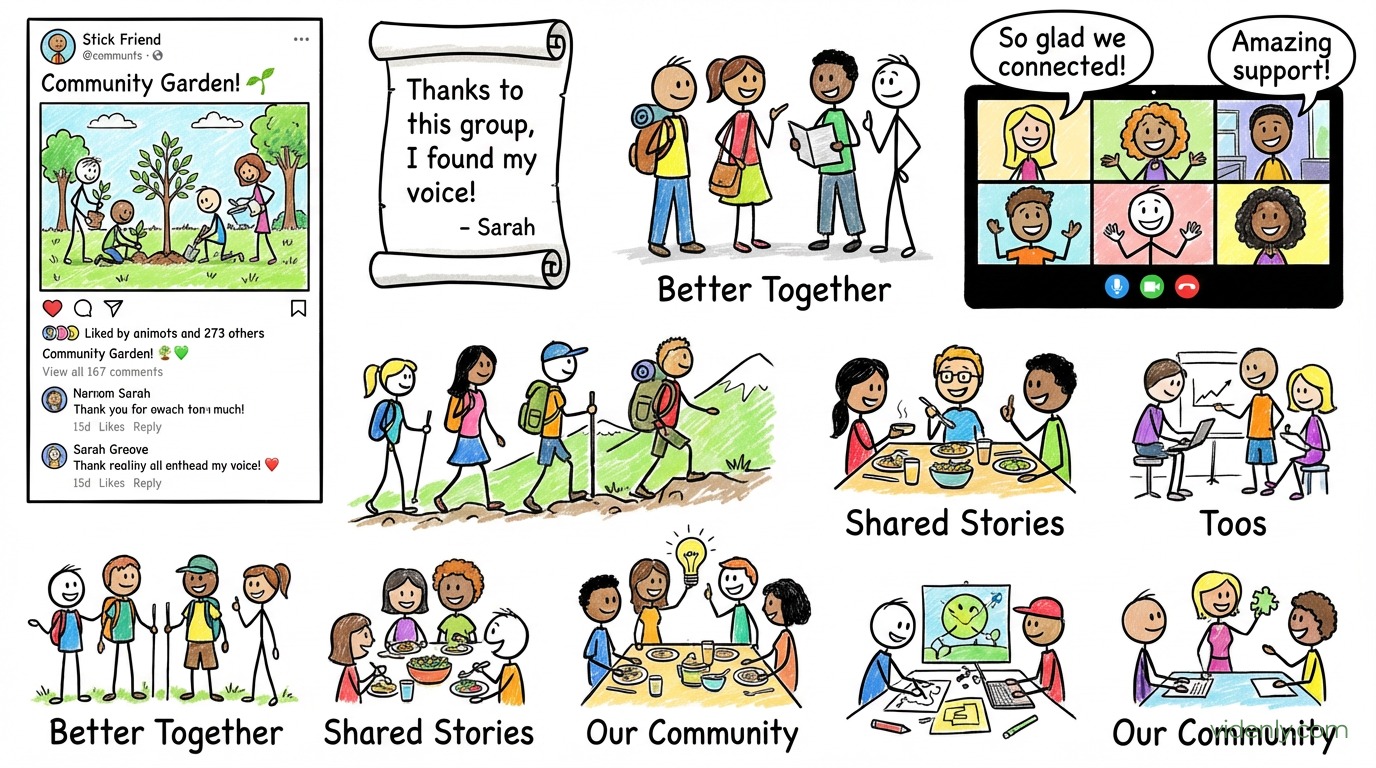
When it comes to digital marketing, user-generated content (UGC) has emerged as a compelling mechanism to foster authenticity and trust among consumers.
One of the most effective ways to integrate UGC into advertising campaigns is by showcasing user-generated stories, which can personalize experiences and encourage engagement.
When brands feature stories shared by their customers, they create a sense of community and inclusiveness that resonates widely with audiences.
These stories often highlight real-life experiences, enhancing credibility by allowing potential customers to see genuine interactions with the brand.
Moreover, the emotional connection formed through these narratives can be a potent driver of brand loyalty and long-term advocacy.
For instance, if a customer shares a touching story about how a product made a significant impact on their life, this could deeply resonate with others in a similar situation.
Additionally, by actively encouraging customers to share their stories, brands can cultivate a wealth of content that can be leveraged across various marketing channels.
This not only provides brands with a continual stream of fresh content but also encourages more users to engage and share their experiences.
To facilitate this, brands can use designated hashtags or specific campaigns encouraging users to share their stories on social media platforms.
Furthermore, it’s essential that brands respond to and acknowledge these stories through likes, shares, and comments, thus reinforcing the connection between the brand and its consumers.
Incorporating these user stories into advertisements can also make the messaging much more relatable, as real customers can demonstrate how products fit seamlessly into their lives.
Additionally, showcasing a diverse range of stories from various demographics can help ensure that a broader audience feels represented, which is increasingly important in today’s marketing landscape.
Visual storytelling, such as videos or imagery paired with these narratives, can further amplify the impact, as visuals often enhance emotional engagement.
Incorporating testimonials and personal anecdotes into promotional materials can seamlessly transition user stories into powerful advertisements that drive consumer action.
At the end of the day, the more brands celebrate and amplify the voices of their customers through these stories, the more trust and credibility they build in the eyes of potential consumers.
By maintaining a consistent focus on user-generated stories, brands can effectively enhance their UGC advertising strategy, leading to higher engagement rates and a more substantial loyal customer base.
Important: Showcasing user-generated stories fosters authenticity, builds trust, and enhances brand loyalty by allowing potential customers to see genuine interactions with the brand.
Within the scope of User-Generated Content (UGC) advertising, incorporating clickable call-to-actions (CTAs) is crucial for enhancing user engagement and directing audience behavior.
These CTAs serve as direct invitations for users to take specific actions, such as visiting a website, participating in a survey, or making a purchase.
When strategically placed within ads, clickable CTAs not only capture the audience’s attention but also motivate them to act, making them more likely to interact with your content.
To ensure maximum effectiveness, it’s essential to design your CTAs clearly with compelling language that encourages users to take that next step.
Using action-oriented verbs like “Join Now”, “Shop Today”, or “Learn More” can significantly increase click-through rates and improve user interaction.
Another effective technique is to incorporate a sense of urgency, which can drive quicker action from users, making them feel they need to act immediately.
This can be achieved by phrases such as “Limited Time Offer” or “Don’t Miss Out”, essentially nudging your audience toward a quicker decision.
To maintain user interest, it is imperative that the CTAs are visually appealing and clearly distinguishable from other elements within the ads.
Incorporating vibrant colors, engaging fonts, and enough whitespace around the CTAs can help them stand out distinctly to the viewer.
Furthermore, utilizing A/B testing for your CTA placements and designs can provide valuable insights to refine your approach continuously.
This testing allows you to determine which versions of your CTAs perform best, thereby aligning them with the preferences of your audience.
Here are several critical aspects to consider when creating clickable CTAs:
At the end of the day, the effectiveness of clickable CTAs lies in their capacity to create a seamless and intuitive pathway for users.
If users feel that their next step is clear and straightforward, they are far more likely to engage with the content you present.
Additionally, it’s essential to provide a strong follow-up after the CTA is clicked, ensuring that users find what they expected or even more.
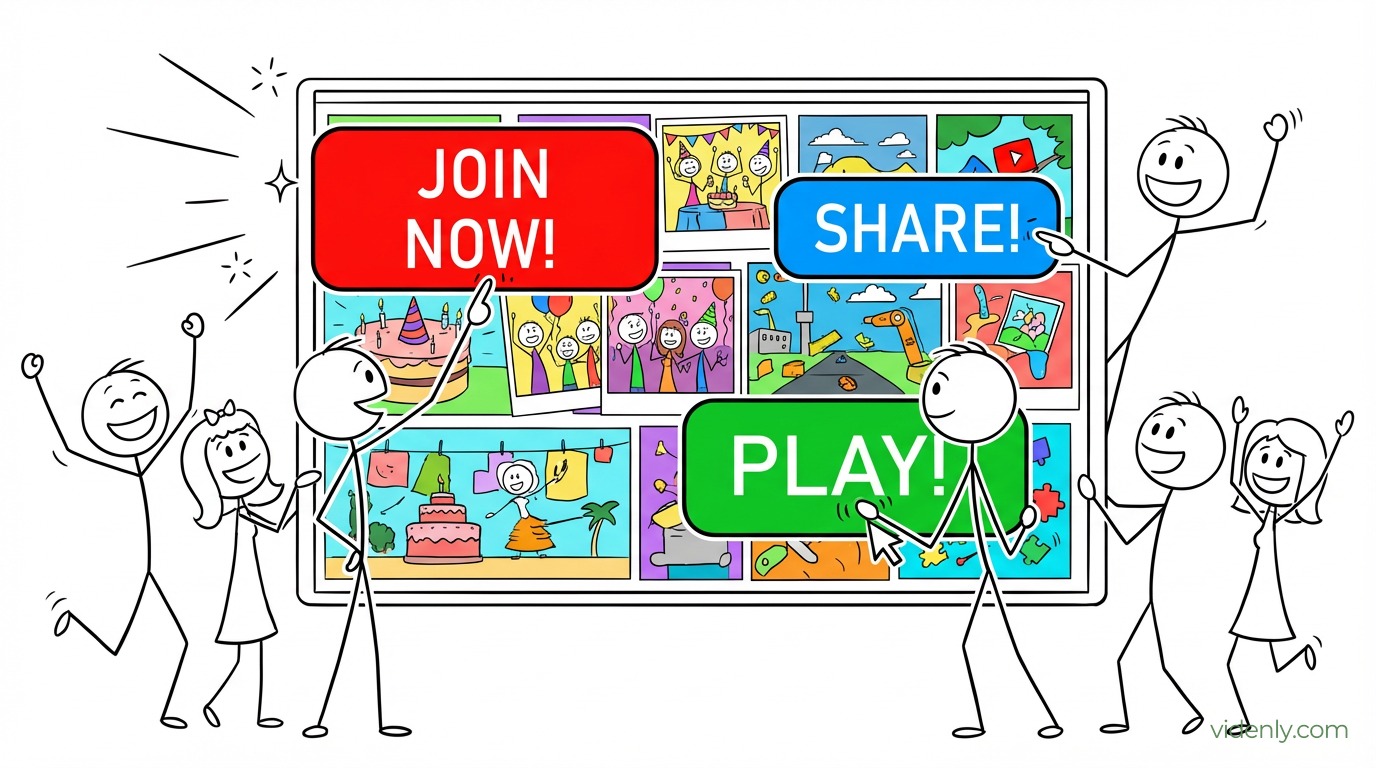
Pro Tip: Incorporate clear and compelling clickable call-to-actions with action-oriented language and a sense of urgency to enhance user engagement and drive quicker decision-making.
This not only enhances user experience but also heightens the credibility of your brand, fostering a reliable relationship.
When it comes down to it, actionable and effective clickable CTAs serve as the bridge between audience interest and tangible outcomes, transforming potential engagement into decisive action.
In today’s dynamically evolving digital landscape, businesses are continuously seeking innovative ways to engage their audiences effectively.
One such powerful tool that is gaining traction is Augmented Reality (AR), which allows brands to superimpose digital content onto the real world.
This technology not only captures attention but also enhances the user experience in a way that traditional advertising simply cannot achieve.
By incorporating AR into user-generated content (UGC) ads, brands can create interactive experiences that immersively blend reality with digital elements, captivating their audience.
For instance, an AR feature may allow users to visualize how a piece of furniture would look in their own living space, which significantly aids in decision-making.
This application not only helps potential customers see products in context, but it also fosters a deeper emotional connection between the user and the product being advertised.
Moreover, encouraging users to create and share their own AR experiences can lead to an influx of appealing UGC that serves as authentic endorsements of the brand.
Brands that successfully implement AR into their marketing strategies often find that they capture the attention of tech-savvy individuals who are drawn to interactive and engaging content.
Creating AR filters or games related to the brand can also encourage users to interact with the content for a more extended period of time, increasing the chances of sharing it.
Essentially, the more fun and engaging the interaction, the more likely users will want to spread the word, ensuring a wider reach for the campaign.
Furthermore, AR’s unique capacity to offer rich storytelling experiences can turn ordinary ads into memorable narratives that resonate with the audience.
This form of storytelling not only entertains but also educates users about the product’s features, thereby facilitating a stronger understanding and appreciation.
Additionally, incorporating AR into UGC ads can inspire creativity among users, as they look for new and exciting ways to present their own augmented reality experiences.
Interactive elements like AR can be especially lucrative when utilized alongside social media platforms, as they can easily go viral and attract widespread attention.
In essence, the seamless integration of AR into UGC ads promises not only to enhance user engagement significantly, but it also establishes a unique brand identity that stands out in an overcrowded market.
In the end, embracing augmented reality in UGC advertising is not just a trend, but a necessary evolution that brands must consider to keep pace with consumer expectations and preferences.

Incorporating video responses into user-generated content (UGC) advertisements significantly enhances audience engagement by providing a dynamic and interactive element.
Unlike static images or text, video content allows for a richer storytelling experience, capturing the viewer’s attention and eliciting emotional responses that written content often cannot achieve.
Utilizing video responses can also foster a sense of community among users, as people engage not only with the brand but also with each other through shared video content that highlights their experiences or opinions.
Furthermore, brands can generate authentic content by encouraging customers to submit their own videos, thereby creating a more relatable and trustworthy advertisement.
Integrating video responses offers an excellent opportunity for brands to showcase real-life testimonials, which can significantly influence potential customers by providing social proof of the product’s effectiveness.
Additionally, the inclusion of video can allow for a more comprehensive presentation of a product’s features and benefits, providing visual demonstrations that might not be fully communicated through text or images.
Here are some methods to effectively incorporate video responses into your UGC advertising strategy:
When brands actively participate in the video response aspect, they demonstrate authenticity and a willingness to connect personally with their audience, enhancing the perceived value of both the product and the brand.
Moreover, responding to user-generated video responses in real-time or featuring them on the brand’s social media channels can create a stimulating sense of validation for the content creators.
This not only motivates more users to participate but also encourages them to share their experiences beyond their own networks, resulting in wider reach and visibility for the brand.
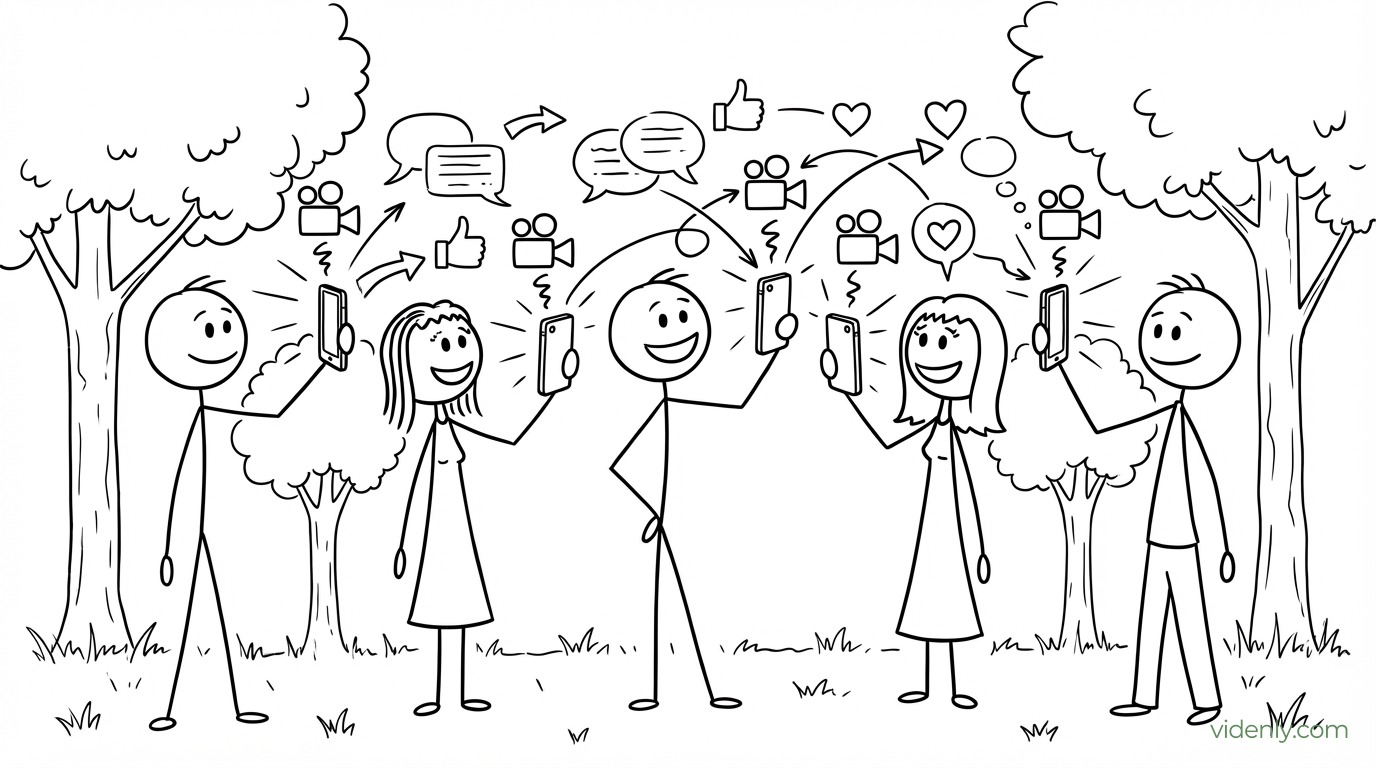
Another significant advantage of video responses lies in their ability to be easily shared across various social media platforms, which can amplify exposure and attract new customers.
The flexibility of video content also means that brands can tailor the length, style, and tone of their video responses to best fit their target audience while maintaining brand consistency.
Therefore, leveraging video responses in UGC advertising not only provides fresh content, but also invites an ongoing dialogue between the brand and its customers, establishing a long-lasting relationship based on interaction and engagement.
In the end, the goal is to create a lasting impression that can drive consumer loyalty as well as brand advocacy, both incredibly important facets of successful marketing strategies.
Create stunning AI-generated videos that captivate your audience and elevate your brand.