
Published on January 16, 2025 by

Generating income from faceless content, that is, content that is not tied to a specific author or entity, can be a challenging yet achievable task without resorting to advertising.
Consider options such as digital downloads and subscriptions, where consumers pay for access to your content.
Profit could also be generated through affiliate marketing, where you get a commission for promoting other brands or products.
Additional means include selling online courses or eBooks, offering exclusive premium content, or hosting paid webinars.
Even generating leads or participating in partnership deals with other businesses could considerably drive revenue.
At the end of the day, the diversity of available options stresses that despite the anonymity of content, there are numerous methods to monetize it effectively without the reliance on ads.
The insights provided so far only scratch the surface of the numerous opportunities that exist for you to monetize your faceless content without relying on ads.
We’ve outlined some primary strategies and there are several more to explore in detail.
This article will delve much deeper, going beyond the basics to examine varied strategies and their application in real-world scenarios.
As we navigate through this topic, we will discuss practical examples and provide tips that can enhance your experience and success in utilizing these diverse income streams.
Stay with us, as we’re about to unveil some of the exciting, lesser-known methods to monetize your content.
There’s many tips awaiting you in the upcoming sections, and these insights have the potential to transform your content into a more lucrative venture.
The first and one of the most effective strategies for monetizing faceless content without incorporating advertisements is affiliate marketing partnerships.
Affiliate marketing is essentially the process where content creators, such as bloggers, social media influencers, or online publishers, promote a product or service on behalf of a company and earn a commission from any resulting sales.
The key benefit to engaging in affiliate marketing is that it offers a scalable and passive source of income as the amount you earn is typically based on the number and value of transactions that were influenced by your promotions.

Moreover, affiliate marketing partnerships enable content creators to diversify their income streams while maintaining artistic and editorial control over their work, making it an ideal monetization strategy for those looking to retain their creative independence.
To successfully implement an affiliate marketing strategy, content creators must first establish a genuine rapport with their audience.
This can often be achieved through creating consistently high-quality, valuable, and relatable content that engenders trust and loyalty among followers.
Affiliate links should also be seamlessly and naturally integrated within the content to avoid disrupting the user experience and raising suspicion among your audience.
Furthermore, always make sure to disclose your relationships with affiliates to maintain transparency and avoid running afoul of regulatory authorities. Honesty, in this case, is certainly the best policy.
Lastly, it’s crucial to choose your affiliate marketing partnerships wisely, selecting brands and products that are relevant to your niche and appealing to your audience.
The selection of appropriate partners is a key concept, that can be further explained in the following points:
By implementing these practices, content creators can leverage affiliate marketing partnerships to monetize their faceless content effectively, all while preserving the integrity of their online platforms and building stronger connections with their audiences.
It’s no surprise then, that this strategy is not only widely used but also highly recommended to content creators seeking sustainable and meaningful sources of revenue without resorting to commonplace and often intrusive advertising methods.
Pro Tip: Affiliate marketing partnerships offer a scalable and passive source of income, enabling content creators to diversify their income streams while maintaining artistic and editorial control, with success dependent on establishing a genuine rapport with their audience, integrating affiliate links naturally within content, maintaining transparency about affiliate relationships, and wisely choosing brands and products relevant to your niche.
Remember that the goal of monetizing content goes beyond simply earning money; it’s about creating long-term value by aligning your commercial interests with your audience’s needs and expectations, and affiliate marketing partnerships offer a compelling way to achieve this balance.
Let me tell you, when considering strategies to monetize your content, take some time to consider affiliate marketing partnerships. It might just be the perfect match for you and your audience.
Among the many ways to monetize faceless content without utilizing traditional advertisement, sponsored content collaborations stand as a highly effective method.
These collaborations can morph into a powerhouse of monetization if exploited meticulously. It refers to the process where businesses cover the costs for the production of your content in exchange for exposure within it.
While sponsored content collaborations might seem similar to traditional advertising, it differs in a significant way. The inclusion of sponsorship is a part of the content itself, rather than being slotted within breaks or as pop-ups.

It’s important to select sponsors that gel seamlessly with your content and audience preferences.
An irrelevant sponsorship can stand out like a sore thumb and might potentially turn off your audience.
At the same time, not overdoing sponsorship is necessary. Overloading the content with sponsorships could appear forceful, losing its innate essence.
Now, let’s explore some key aspects to make the best out of sponsored content collaborations:
Now, initiating a sponsorship collaboration might seem challenging, especially for beginners. However, this struggle can be eased with a strategic approach focused on building value.
To convince potential sponsors, you need to communicate the value proposition your content offers. Thus, clearly outlining your audience demographics and reach to the sponsors plays a crucial role.
Moreover, opening up a dialogue about the sponsor’s goals and expectations can also ensure mutual benefit and a successful long-term partnership.
A successful sponsorship collaboration doesn’t merely end with incorporating the sponsor’s message. It extends to the post-collaboration analysis, measuring engagement and effectiveness of the sponsored content.
This analysis can help ascertain the content’s impact and provide invaluable insights to improve future collaborations.
Pro Tip: Sponsored content collaborations, wherein businesses cover the production costs in exchange for exposure, can be a highly effective method to monetize faceless content, providing it’s done carefully to match audience preferences and not overdone to the point of losing content’s essence.
Overall, sponsored content collaborations provide a viable method of monetizing content that originates from a natural fit between your content and the sponsor.
With the right approach and considerations, this method can serve as a powerful tool in the arsenal of a content creator, aiming to monetize their faceless content without relying on ads.
In an era where the quantity of information is vast and readily available, high-quality, specialized content is often what sets successful online platforms apart.
For faceless content creators, turning to a premium content model can be one of the most effective ways of generating revenue without relying on intrusive advertisements.
It involves the creation of content that is superior in quality or unavailable elsewhere, for which audience members are willing to pay a fee to access.

Offering premium content access goes beyond simply putting a price tag on articles, podcasts or videos – it requires a deep understanding of your audience’s needs and their willingness to invest in your content.
Creating value-added features such as comprehensive articles, in-depth tutorials, analytical reports, and expert opinions can encourage users to opt for premium access.
Here are some ideas on how you could incorporate premium content options into your business model, which would ultimately add more value to your overall content:
Additionally, it’s essential to promote these premium content offers effectively so that users are aware of the value they bring.
Advertising your high-quality content through previews or snippets from your premium content on your public platform can spark interest and push the audience towards making the purchase.
Nevertheless, the key to success in this monetization method lies in the balance between free and premium content .
While it’s necessary to entice your audience with high-quality free content, equally important is not to give away too much that the premium content loses its unique appeal.
Pro Tip: Turning to a premium content model, which involves creating superior quality content that audience members are willing to pay to access, can be an effective way of generating revenue without relying on intrusive advertisements.
Don’t forget, the main idea here is not just to generate revenue but also retain and grow your audience base , and importantly build a community of loyal fans who find real value in the content you produce.
Finding the right premium content formula requires trial and error and adapting to audience feedback, but when done right, it can effectively turn your content into a profitable enterprise.
An underused but potentially rewarding approach to monetizing faceless content is by accepting donations from your audience.
It’s a method that relies heavily on the connection and trust you’ve built with your audience.
They may feel inspired to donate as a way of expressing appreciation for the value your content provides.

This approach, however, requires delicacy it’s crucial to make your requests for donations in a manner that doesn’t come off as pushy or desperate.
There are a few ways to implement this strategy effectively without coming off as imposing.
Presenting before you some tips to gracefully accept audience donations:
Most importantly, provide your audience with real value. It should never feel like they’re paying for nothing.
Delivering premium content regularly can make your audience more likely to want to support your work.
This method of creating income is more sustainable if you have a substantial following that truly values your content.
The larger and more engaged your audience, the more likely you are to receive donations.
It’s always a good idea to express your gratitude to those who do choose to support you financially.
On the topic of platforms, several online platforms allow content creators to accept donations from their audience.
These platforms like Patreon, Buy Me a Coffee, Ko-fi and even YouTube’s Super Chat, provide creators with a convenient way to accept and manage donations.
These platforms do often take a slice of the donations as a fee, so it’s always important to consider the terms before deciding which platform to use.
In some cases, it may be more advantageous to accept donations directly through your website or via PayPal.
Accepting audience donations can be a gracious and effective way to shake hands with your viewers monetarily without the need for advertisements.
Furthermore, it gives your audience the chance to support you directly, adding a personal touch to their engagement with your content.
As a content creator, subscription-based services are an excellent means to monetize your content without resorting to ads.
Simply put, a subscription model offers continued access to your premium content in exchange for a recurring payment.
This method of monetizing content is quite popular because it offers a steady stream of revenue, a crucial factor for the sustainability of your content creation activities.

One of the fundamental benefits of the subscription model is that it fosters loyalty among your audience.
Once a user subscribes to your offering, they’re more likely to engage continuously with your content and stay updated with future posts.
In a world where millions of pieces of content are created daily, it’s critical to offer exceptional and exclusive content to your subscribers.
Thus, I suggest the following strategies to optimize your subscription-based service:
Keep in mind that quality should never be compromised. Notwithstanding the model you use, if your content lacks value, your audience may lose interest over time.
One platform that helps in managing subscriptions is Patreon, which handles all the technical aspects and lets you focus on content creation.
Alternatively, you can set up a subscription system on your website. However, this requires more technical knowledge and effort.
Pro Tip: To optimize your subscription-based service and attract and maintain subscribers, make sure your premium content offers high value, provide exclusive benefits, allow flexibility in subscription plans, and ensure a user-friendly payment and cancellation process.
Subscription-based services, when executed right, can prove to be a lucrative monetization strategy for your content.
Most importantly, it ensures a balanced relationship with your audience – they directly support your work, and in return, they get value from your premium content.
While exploring the concept of monetizing faceless content, licensing content to third parties emerges as a powerful strategy.
This approach involves selling the rights to your content for use by another party.
As an owner of digital content, you may grant a license to third parties who are interested in using your content for their platforms.

It’s essentially renting your content to another entity, allowing them to use it while you retain the ownership.
When the content is licensed, they are provided legal permission to use the content, often with certain agreed-upon restrictions.
This strategy could be relatively lucrative depending upon the demand and uniqueness of the content you created.
The following are some of the key areas to keep in mind when licensing your content to third parties:
It’s worth noting that licensing content to third parties can be a significant responsibility.
It’s crucial to ensure that all legal aspects are properly dealt with, that the content aligns well with the other party’s requirements, and that your interests are safeguarded.
Before deciding to license your content, it’s important to seek professional advice.
Engage with an intellectual property lawyer to guide you through the process and ensure your agreement is legally sound and beneficial.
Furthermore, you should be prepared to engage in regular auditing and tracking to verify that your content is being used according to the agreed terms.
In doing so, you can effectively manage and control the use of your content, thus ensuring a steady flow of revenue.
Licensing content to third parties could open up new avenues for monetizing your faceless content and gives you the possibility of reaching wider audiences.
In essence, this monetization strategy amplifies the value of your content by allowing others to benefit from it, while you, as the content creator, reap the financial rewards.
From the vast array and scope of diverse content monetization strategies, one particularly compelling and profitable method is to produce e-books or digital guides.
By leveraging your expertise in a specific area, e-books and digital guides present a unique opportunity for faceless content creators to connect more deeply with their audience while generating supplementary revenue.
Digital formats of content are favored by modern audiences due to their convenience, accessibility, and compactness.

Writing a digital book or guide requires a thoughtful understanding of your audience’s interests, as well as your domain of expertise.
Determining an area that your followers show an interest in and meshing it with your knowledge base can lead to the creation of a resourceful e-book.
An important aspect of designing an e-book is to ensure that it contains informative and reliable content that reinforces the trust of your audience.
One significant advantage of e-books is that they can be priced and sold independently, creating a direct source of income.
Moreover, digital guides, much like e-books, allow you to deep-dive into specific topics that are relevant to your audience.
Part of monetizing your content is about sharing valuable, rich, and in-depth information that can benefit your audience in multiple ways.
Here are some additional benefits of creating and selling e-books or digital guides:
Developing e-books and guides as a part of your digital strategy can have a lasting impact on your brand and follower base.
It not only provides value to your audience, but it creates a platform for you to express your expertise in a detailed, nuanced manner.
When planning an e-book or digital guide, it’s crucial to remember the quality of content supersedes quantity.
A well-curated, engaging, and informative e-book or digital guide can truly solidify your place in the content ecosystem and provide a substantial source of income.
Patience is essential as creating, marketing, and selling these materials can take time and effort – but the returns they bring can make the work well worth it.
One of the most effective ways to monetize faceless content without ads is through the creation and selling of online classes or workshops.
Online courses and workshops can provide valuable opportunities to share your knowledge and skills with an audience that is eager to learn.
Regardless of your field or expertise, there is likely a vast market of people searching for the specific knowledge you possess.

With the various e-learning platforms available today, you have plentiful options to host your content.
You can charge access fees for these online courses, providing a steady stream of revenue for your business or brand.
In addition to providing a direct form of income, online classes or workshops can also serve as a formidable tool for boosting your brand’s reputation and credibility.
Selling a course or workshop implies authority and expertise within your niche, which can greatly enhance trust and loyalty among your audience and potential customers.
The money potential in online classes and workshops does not solely reside in the initial purchase.
Course or workshop participants may also opt for additional resources or materials, providing an additional revenue stream.
Indeed, the process of creating a viable and profitable online class may require significant effort and resources.
However, the potential return on investment can be substantial, given the long-tail nature of online classes.
Once developed, online classes and workshops can continue to generate revenue with little requirement for updates or maintenance.
Before running headlong into the creation of an online course or workshop, let’s take a look at few critical aspects:
Engaging in these steps can greatly optimize your chances of success in selling online classes or workshops.
Important: Creating and selling online classes or workshops can provide an effective and profitable way to monetize faceless content without the reliance on ads.
There is no denying that online learning is a growing industry.
And tapping into this market through the creation and selling of online classes or workshops can provide an effective and profitable way to monetize faceless content without the reliance on ads.
Now let’s turn our attention to another exciting method to monetize faceless content: consulting or coaching services.
These services can be incredibly rewarding, both personally and financially, as it allows one to leverage their unique skills and knowledge in a way that brings value to their audience.
This approach typically involves offering your expertise on a personal, one-on-one basis or in a group setting, thus elevating your brand’s stature and income.

Though this method might seem daunting at first, remember that your audience actively engages with your content because they value your insights and perspective.
Furthermore, consulting or coaching services can command a hefty price tag in the marketplace, primarily if one is specialized in a high-demand field.
You might be wondering, what types of consulting or coaching services could one offer?
Well, there are numerous depending on your expertise and your audience’s needs.
Let me tell you, let’s delve into some potential consulting or coaching services you could offer:
It’s essential to remember that consulting does not only mean giving advice but also providing actionable solutions to your client’s problems and goals.
The key lies in identifying your niche market and tailoring your coaching services to meet their specific needs.
Also, it’s paramount to remember to price your services appropriately, considering factors like your time, effort, and the potentially transformative results for your clients.
Promote your consulting services directly through your content platform, assuring your audience about the quality and relevance of the services you’re selling.
Pro Tip: As a pro, leverage your individual skills and knowledge to offer consulting or coaching services tailored to your niche audience’s specific needs, remembering to price them appropriately while ensuring quality, relevance, and value for your clients.
It’s crucial to remain authentically committed to delivering value and seeing your clients succeed – this sincerity can differentiate you from competitors and build stronger relationships with your clients.
Your ability to monetize through consulting will ultimately depend on your commitment to excellence, consistency, and genuine passion for helping others succeed.
Merchandising and branded product sales present an excellent opportunity to create a steady stream of revenue for faceless content creators.
Engaging in this monetization strategy involves the development and sales of products that are associated with your brand.
Consider creating unique merchandise that reflects your brand identity and appeals to your audience.
This could range from t-shirts, coffee mugs, posters, or anything that your audience might find interesting and valuable.
Branded product sales do not only serve as a profit stream, but also as promotional tools to help increase your brand visibility.
Each time someone dons your branded t-shirt or sip from your coffee mug, they are promoting your brand, raising awareness, and potentially attracting new fans to your content.

A notable point is while this method requires some investment at the outset, the payoff can be considerable.
But to successfully venture into merchandise and branded product sales, there are important points to consider:
For faceless content creators, merchandise and branded product sales can work significantly well as the merchandise let the audiences physically connect with the creator, adding a hint of personal touch.
This tangible connection could boost audience loyalty, increasing support for the creator’s work.
In addition, using an eCommerce platform makes it easier to integrate e-commerce options into your page and provide a smooth, secure checkout process.
This decision can greatly enhance your potential for sales, making the monetization strategy even more effective.
Moreover, when unveiling a new merchandise line or a new product, you could host a launch event or a livestream.
This move can drive interest and sales while creating additional content for your platform.
Furthermore, offering limited-time offers, discounts, or unique items for your most loyal subscribers could be an effective strategy.
Consequently, this may lead to an increase in merchandise sales, as these offers project exclusivity, making them more appealing to your audience.
Important: Merchandising and branded product sales present an excellent opportunity for steady revenue for content creators, serving not only as a profit stream, but also as promotional tools helping to increase brand visibility and audience loyalty.
It’s worth noting that this monetization technique can be employed in conjunction with other strategies.
A good example would be, you could promote your merchandise in your premium content or give exclusive discounts to your subscribers.
This form of cross-promotion can maximize your revenues from different streams.
Merchandise and branded product sales success hinge upon meticulous planning, creativity, and understanding of your audience.
With a well-thought-out approach, this method can definitely serve as a substantial revenue source supplementing ad revenues for faceless content creators.
With the rise of technology and the digital age, businesses and content creators have been presented with a slew of options to earn income from their content.
One such avenue is through hosting paid webinars or live streams.
Essentially, a webinar is a live, virtual event that is executed online.
It is an educational or instructive session that includes audio and visual communication between a speaker and attendees.
Live streams, on the other hand, offer real-time video and audio transmission.
They have surged in popularity thanks to their real-time engagement factor, and are extensively used in everything from social media influencer interactions to online gaming sessions.

For a faceless content creator, hosting paid webinars or live streams can become a powerful tool to monetize their content.
It allows creators to engage directly with their audience, gaining instant feedback and making their followers feel more involved with the content.
These sessions can range from tutorials, Q&A sessions, informative talks, live performances, among many others.
Here are some steps and considerations to successfully host paid webinars or live streams:
Once you’ve achieved these, it is also worth considering if you want to record these sessions.
Recorded webinars can be an additional source of income, as these can be made accessible for a fee for those who might have missed the live event.
Nevertheless, it’s crucial to provide value to your audience.
When audiences find real value in these webinars or live streams, they are likely to return and spread word about your content, contributing to the growth of your following.
It’s important to remember, it’s not just about monetizing your content; it’s also about building and maintaining a relationship with your audience.
Let me tell you, make sure your content is engaging, relevant, and valuable for them.
Pro Tip: To monetize your content effectively, consider hosting paid webinars or live streams, carefully planning your content, understanding your audience, selecting the right platform, promoting well in advance, and providing valuable, engaging content.
Paid webinars or live streams can be an effective revenue stream for faceless content creators. It opens up opportunities to engage with your audience on a more personal level, and build a community surrounding your content.
Above all, content creation should be something you enjoy. If webinars and live streams allow you to better communicate your passion, then by all means, embrace them.
One effective and increasingly popular means of generating revenue from faceless content is through the use of membership platforms, like Patreon.
These platforms allow creators to offer exclusive content or benefits to their patrons in exchange for a regular monthly payment.
The beauty of Patreon and similar platforms is that they allow creators to monetize their fan base directly, without the need for ads or sponsors.

Absolutely, it is a way for your audience to support your work monetarily, but it also lets you develop a more personal relationship with your most dedicated followers.
Assuming you have been diligent in communicating your values and letting your personality shine through your content, your fans might be more than willing to support your work and growth.
I’d like to outline some strategies for effectively setting up and managing a Patreon account.
Essentially, Patreon and similar platforms provide a way for you to get paid directly for the value you’re providing to your audience.
It’s a unique model that doesn’t rely on ad revenue, so it can be a great option for faceless content.
Approximately, when you’re just getting started, you might not have a lot of patrons, and that’s okay.
It’s important to remember, it’s not just about the money; it’s about creating a community and deepening your relationship with your audience.
Typically, you have to consistently give genuine value to your audience, and the money can follow.
With platforms like Patreon, monetization becomes about fostering community rather than trying to accumulate as many views or clicks as possible.
Regardless of the size of your audience, creating a Patreon account can be a step in shaping your brand and building a sustainable business from your faceless content.
One innovative approach to monetizing faceless content without resorting to conventional ad programs is to utilize crowdfunding campaigns for specific projects.
This strategy can be highly effective when you have a loyal fan base that is more than willing to support your initiatives.
As the creator, you need to come up with a project or an idea that bears tangible value for your audience.
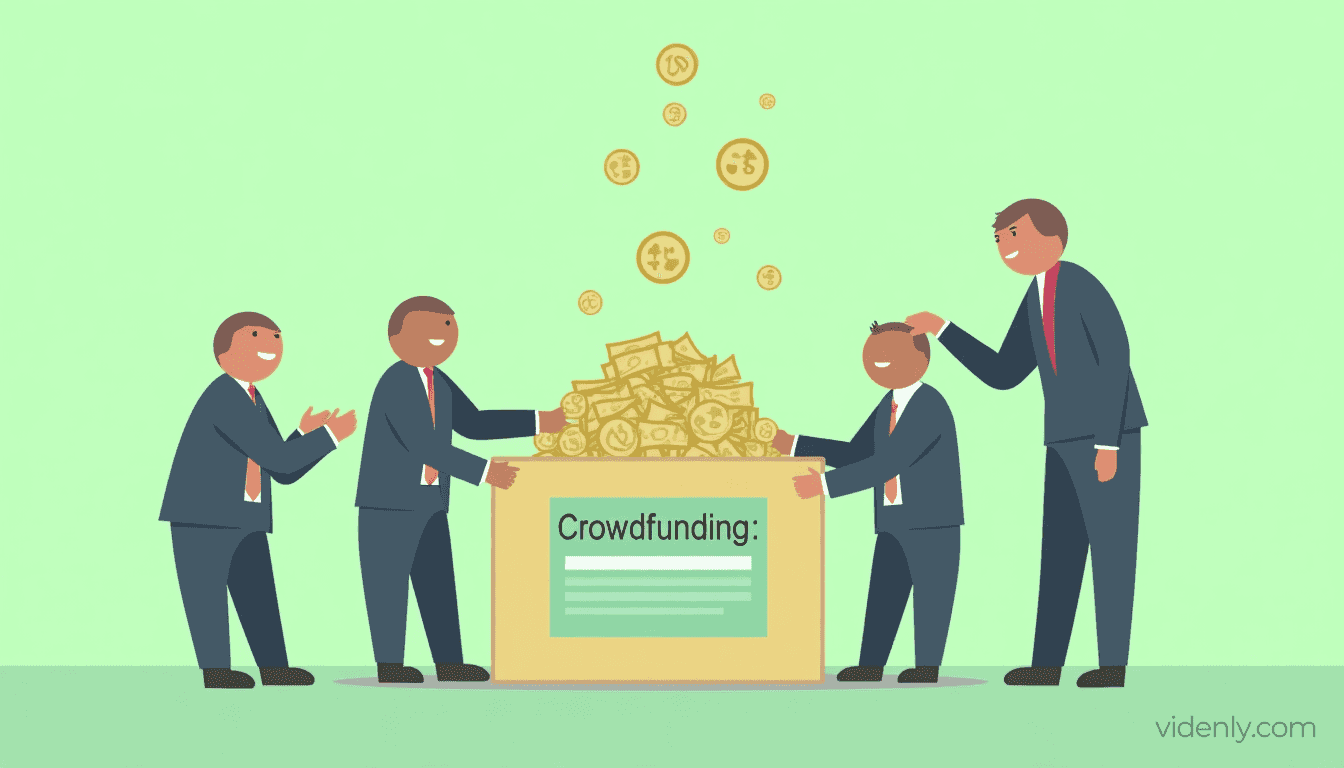
It could be a highly comprehensive resource material, a long-form video content series, or perhaps even a full-blown software application that is associated with the nature of your content.
The bulk of the fundraising process would take place in a platform that is designed for crowdfunding operations such as Kickstarter, Indiegogo, or GoFundMe.
The platform you choose to use will serve as the digital venue where you introduce your project, set your funding goal, and provide an avenue for your followers to financially back your project.
Remember that the success of your crowdfunding campaign is heavily reliant on your ability to convince your audience about the potential value of the project.
Therefore, the preliminary phase of your campaign, which is the project concept development, is a crucial determinant of the potential success rate.
In running a crowdfunding campaign, you have to keep in mind key factors that make campaigns successful.
Here’s a compilation of the most common attributes of successful crowdfunding campaigns:
If your crowdfunding campaign is successful, this strategy can provide a significant source of revenue while also allowing you to create a project that directly serves your audience’s needs and interests.
Moreover, since you’re no longer reliant on ads, your content can remain as it is – faceless but still meaningful and impactful.
This strategy, however, is not a guaranteed success and there are risks involved.
Important: Crowdfunding campaigns for specific projects are a promising avenue for monetizing your content, relying on the support of a loyal fan base and the development of a project that provides tangible value to your audience, with success depending heavily on factors like transparency, unique offerings, realistic goals, and donor engagement.
You need to spend time crafting a compelling campaign and promote it to your audience.
The success ultimately lies in your hands and your ability to tell a convincing story about the project you’re raising funds for.
In the context of faceless content, podcasts have grown as one of the most popular mediums.
The appeal of podcasts lies largely in their convenience, as listeners can indulge while carrying out other activities.
One of the most effective ways to monetize podcasts is through sponsor messages.
These are typically short advertisements that are read by the podcast host, allowing them to utilize their trusted authority and personal appeal to promote a brand, product, or service.
The power of sponsor messages on podcasts cannot be denied.
According to research, podcast ads increase purchase intent by a whopping 63%. This makes them a highly desirable avenue for sponsors looking for effective ways to reach their target audience.

How to efficiently utilize podcast sponsorship is a question of strategy.
It’s important to realize that podcast advertising works because it’s integrated into the content, and not separate from it.
This gives it a personal touch that traditional ads often lack, and as a result, listeners are more likely to respond positively to products or brands advertised in this manner.
Guidelines on podcast advertising emphasize relevance and listener experience.
This means ensuring that ads are relevant to the podcast’s content and delivered in a way that respects and enhances the listener experience.
Having a deep understanding of your audience’s interests, needs, and habits can help strike the perfect balance.
Moreover, it’s worth noting that ensuring variety in sponsor messages can be beneficial.
Different sponsors mean different sponsor messages, thus reducing the risk of your audiences getting bored with repetitive ads.
Podcasters can also optimize monetization efforts by offering exclusive ad-free versions of their podcasts for premium subscribers.
This not only provides an additional revenue stream, but also offers value to your listeners who prefer an ad-free experience.
Pro Tip: To effectively monetize your podcasts, secure relevant sponsors, transparently disclose sponsor messages, and keep them engaging while also offering a varied range of messages and considering an ad-free version for premium subscribers.
Podcasts with sponsor messages are a winning approach in the digital media industry and are likely to enjoy even greater prominence in the future.
As podcasts continue to surge in popularity, the opportunities they present for content creators and advertisers are expanding rapidly.
Overall, integrating sponsor messages in your podcasts provides an excellent way to monetize your faceless content without the need to rely on traditional ads a strategy that is both profitable and respectful of your audience’s experience.
When we talk about monetizing content, one possibility that often gets overlooked is the direct selling of digital products.
Content creators, even those operating behind a faceless brand, have the potential to generate a significant stream of income by selling digital goods associated with their brand or content.
This approach becomes remarkably beneficial considering it avoids the dependency on ads.

Direct selling of digital products is a straightforward way of engaging with your audience in a transactional way, making it mutually beneficial.
Now, let’s explore some potential digital products that content creators might sell:
Importantly, presenting these offerings should come with a strategic approach.
Keep a distinct understanding of your audience’s needs and preferences, then curate your digital products to bridge those gaps.
It’s important to remember, if your offerings echo your audience’s demands, the chances of successful sales multiply significantly.
Accessibility also plays a important role; the purchasing process of your digital products should be simple and straightforward to ensure a smooth user experience.
Moreover, do not ignore the importance of a robust customer support system.
Having someone to address queries or issues related to the product fosters trust and results in higher customer satisfaction.
Another crucial point to bear in mind is that while direct selling can be profitable, it is by no means a ‘quick fix’ for earning money.
You need to put in adequate effort and time to develop a quality product that aligns with your brand image and content.
Be consistent and patient as you navigate through this avenue of monetization, the rewards can often be worthwhile.
Understandably, direct selling of digital products might require more investment upfront than other methods of monetization, both in terms of time and money.
However, it provides a remarkable opportunity to generate a stable income stream and build a stronger connection with your audience.
Content creators these days need not rely solely on ads to monetize their hard work.
There’s real revenue to be unearthed in affiliate marketing partnerships, leveraging influence and audience trust to drive sales and earn commissions.
Sponsored content collaborations can give your content a monetary boost, opening up a mutually beneficial avenue with businesses related to your niche.
Locking premium content behind a paywall is another viable strategy, delivering exclusivity that fans might be willing to pay for.
Embrace the power of your community by accepting donations; it’s a straightforward, honest way of crowdfunding your content.
Subscription models ensure a steady stream of income while providing regular value to your subscribers.
Licensing your content to third parties turns your creativity into an asset other businesses are willing to pay for.
eBooks and digital guides not only boost your authority but can also become another passive income source.
Online classes or workshops monetize your proficiency in your field, turning knowledge and skills into a business.
Your expertise also warrants consulting or coaching services, allowing for a more personalized, high-value offering.
Selling merchandise or branded products make your fans part of your journey, and it’s a fun monetization avenue!
Paid webinars and live streams are perfect for more in-depth, immersive, and interactive content that’s worth the ticket.
Platforms like Patreon hone in on the crowdfunding model, opening up ways for your supporters to fund your work regularly.
Specific projects can be crowdfunded too, paving the way for bigger, crowdfunded content projects.
Sponsor messages in podcasts not only monetize your podcasts, but they also connect your audience with products and services they might find useful.
And lastly, the direct selling of digital products – music, templates or designs – makes for a flexible, exciting revenue stream in the digital age.
All these methods suggest the vast amount of opportunities you can explore to monetize your faceless content – without ever needing to rely on ads.
Create stunning AI-generated videos that captivate your audience and elevate your brand.