
Published on April 8, 2026 by

User-generated content (UGC) ads can significantly enhance brand loyalty by fostering a sense of community among consumers.
By encouraging customers to share their experiences and creations, brands can create a more personal connection with their audience.
This authentic engagement often leads to increased trust and emotional investment, as consumers feel their voices are valued and acknowledged.
Moreover, showcasing UGC in marketing campaigns amplifies peer influence, making potential customers more likely to engage with the brand based on relatable content.
As consumers continue to contribute to a brand’s narrative, they become part of a larger community, reinforcing their loyalty and advocacy.
At the end of the day, brands that prioritize UGC ads not only strengthen their relationship with existing customers but also attract new ones through authentic, community-driven marketing efforts.
While the key takeaways provide a solid overview of how user-generated content (UGC) can foster brand loyalty, there are additional important aspects to consider that enhance these concepts further.
For instance, understanding the tools and platforms that facilitate effective community engagement can significantly improve the effectiveness of UGC campaigns.
Additionally, strategies for measuring the impact of these campaigns and the role of brand ambassadors cannot be overlooked, as they contribute to a broader understanding of community dynamics.
Exploring these related topics will provide deeper insights into how UGC ads can be leveraged to create lasting brand loyalty.
Creating a sense of trust between a brand and its audience is crucial in today’s digital landscape.
One of the most effective approaches for achieving this goal is through the development of authentic content.
When brands share content that genuinely reflects their values, mission, and the experiences of their customers, they lay a strong foundation for lasting relationships.
Authenticity resonates deeply with consumers, as it fosters a sense of connection that goes beyond basic transactional interactions.
For instance, showcasing behind-the-scenes glimpses of operations or sharing stories of how products are made can reveal the heart of a brand.
This type of transparency encourages consumers to align their beliefs and values with those of the brand, making them more likely to engage.
Furthermore, the use of user-generated content (UGC) enhances the authenticity of the brand’s messaging.
When customers share their own experiences or perspectives, potential buyers feel more inclined to trust these genuine endorsements.
Therefore, brands should actively encourage their audiences to submit content, which not only involves them but also amplifies the brand’s reach.
To effectively build trust through authentic content, brands can utilize several strategies that emphasize community engagement and participation.
Among these strategies, the following are particularly effective:
Each of these strategies not only enhances the perception of authenticity but also increases the likelihood of customer loyalty.
Additionally, consumers tend to gravitate toward brands that portray a relatable and human touch in their communication.
Therefore, it is essential for companies to communicate with honesty, allowing their personalities to shine through in social media and online platforms.
This overall approach promotes a sense of community, as both the brand and its audience can engage in a two-way conversation.
Moreover, when brands respond to user comments and actively participate in discussions, they are nurturing that community dynamic.
In the end, content that is both honest and relatable serves to solidify the bond between a brand and its consumers, emphasizing shared experiences.
The result is more than just increased loyalty; it evolves into a community of advocates who feel genuinely connected to the brand.
To effectively foster user interaction and feedback, a brand must first create an environment where customers feel comfortable sharing their thoughts and experiences.
This can be accomplished through a variety of channels, such as social media platforms, community forums, or dedicated feedback sections on a website.
By encouraging users to provide feedback, a brand demonstrates that it values the opinions and feelings of its customers.
Integrating features like comment sections and interactive polls can facilitate this process, allowing users to engage directly with the brand.
Moreover, it is essential for brands to actively respond to user feedback to create a dialogue that fosters a sense of community.
This means not only acknowledging positive feedback but also addressing concerns or criticisms with diligence and a willingness to improve.
By doing so, the brand can build trust and rapport with its audience, which is crucial for long-term loyalty.
Additionally, showcasing customer responses in marketing campaigns can make users feel valued and recognized, further motivating others to engage.
Acknowledging user contributions can take the form of highlighting their posts or featuring their stories in advertisements, creating a mutually beneficial relationship.
Brands can also create incentive programs that reward users for providing feedback, such as discounts or exclusive content, encouraging more participants in the interaction.
Furthermore, using surveys and feedback forms can provide invaluable insights into user preferences and experiences, which can be utilized to tailor products to better meet consumer needs.
Offering open-ended questions in surveys can allow users to express their thoughts in detail, providing richer data for the brand to analyze.
By analyzing user feedback systematically, brands can identify trends and patterns that may not be apparent through casual observation.
This analytical approach to feedback ensures that brands are not just reacting to the loudest voices but are attuned to the sentiments of their broader audience.
Developing a truly interactive experience also requires regular updates and improvements based on user input, demonstrating that the brand is responsive and dedicated to enhancing the user experience.
At the end of the day, fostering an environment of user interaction and feedback is not just about collecting data; it’s about creating a cohesive community that feels a sense of belonging with the brand.
By valuing and implementing user insights, brands can cultivate brand loyalty among their customers, creating advocates who will promote the brand through word-of-mouth and organic sharing.
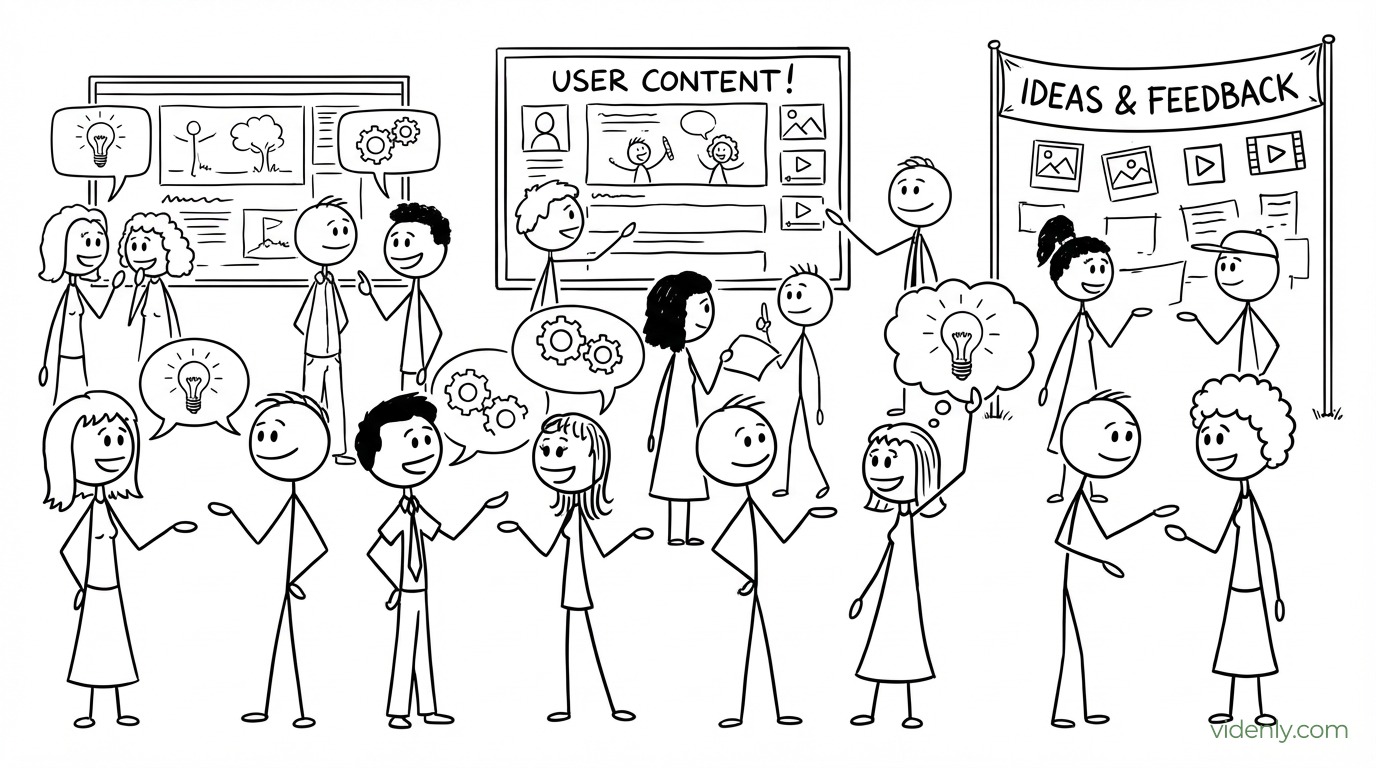
One of the most impactful strategies in the realm of community engagement is to showcase customer stories and experiences.
By highlighting real-life testimonials from users, brands can create a meaningful connection with their audience.
When potential customers see authentic stories from their peers, they are much more likely to trust the brand’s offerings.
Additionally, these stories serve as a powerful form of social proof, which can greatly influence purchasing decisions.
For instance, when individuals relate to stories that echo their own experiences, they develop a sense of belonging within the brand community.
Moreover, showcasing customer stories allows brands to humanize their image, moving away from a purely transactional relationship.
When consumers feel informed about others’ experiences, they are more likely to engage with the brand, fostering loyalty in the long run.
Here are some of the key advantages of leveraging customer stories:
Each of these benefits contributes to a more robust connection between the brand and its community.
Furthermore, tapping into your customer’s voices can also lead to insightful feedback that helps improve products or services.
When consumers feel heard and represented, they are more likely to become advocates for the brand, sharing their experiences with others.

By showcasing real stories, brands not only enhance their visibility but also create a lasting impact on their consumers.
Involving customers in the narrative speaks volumes about a brand’s commitment to its community.
In the end, when customers witness their experiences being celebrated, it fosters a deeper emotional investment in the brand.
This investment encourages ongoing relationships, which can significantly elevate brand loyalty.
Using customer stories effectively can transform the marketing narrative from a simple transaction to a shared experience.
Brands can benefit immensely by embracing these stories as they allow for a multifaceted approach to community engagement.
Through this strategy, companies position themselves not just as sellers but as integral components of their customers’ journeys.
In the end, showcasing customer stories and experiences not only enriches a brand’s image but solidifies its role within the broader context of the customer community.
Building a strong community around your brand is important for fostering lasting loyalty and enthusiastic engagement.
When you implement community-centric campaigns, you give your audience a sense of belonging that is crucial for long-term connection.
Such campaigns focus on the interests and values of your customers, making them feel valued and appreciated in their interactions with your brand.
By engaging directly with your audience, you create an environment where they feel their opinions and lives matter, which strengthens their emotional link to your brand.
This type of focused interaction allows you to gather essential insights into what resonates with your community, leading to more effective strategies and campaigns in the future.
A good example would be, utilizing user-generated content in your campaigns can enhance authenticity, allowing real customers to showcase their experiences and feedback regarding your products.
Involving them in highlighting key messages provides an inherent value that cannot be replicated by traditional marketing alone.
The campaigns could revolve around a specific theme or cause that aligns with your brand and your community’s shared passions and goals.
Such themes can promote social responsibility, environmental consciousness, or charity initiatives, which resonate strongly with today’s generation.
Notably, fostering these kinds of campaigns can also galvanize community members to contribute their own ideas and efforts, creating a sense of ownership over the brand’s initiatives.
For instance, hosting events that feature customer contributions or showcasing their stories within your marketing materials can create rich and memorable content.
This will not only attract more customers to participate but also motivate existing fans to advocate for your brand actively, a phenomenon known as brand advocacy.
Leveraging platforms like Videnly can significantly amplify the impact of these community-centric campaigns, allowing for the seamless integration of user-generated videos that showcase real customer experiences.
You can transform straightforward testimonials into compelling video narratives, elevating the overall engagement factor of your campaigns.
Moreover, campaigns that are centered on community expressions foster interaction on various social media platforms, encouraging participation and discussion among members.
When community members see each other actively engaging with the brand, it cultivates a culture of inclusivity and collaboration that is both inviting and encouraging for newcomers.
In this way, community-centric campaigns do more than merely promote products; they create a narrative that positions the audience at the core of the brand’s story, ultimately reinforcing loyalty and trust.
Pro Tip: To foster deeper loyalty and engagement, create community-centric campaigns that resonate with your audience’s interests and values, allowing them to feel valued and involved in your brand’s narrative.
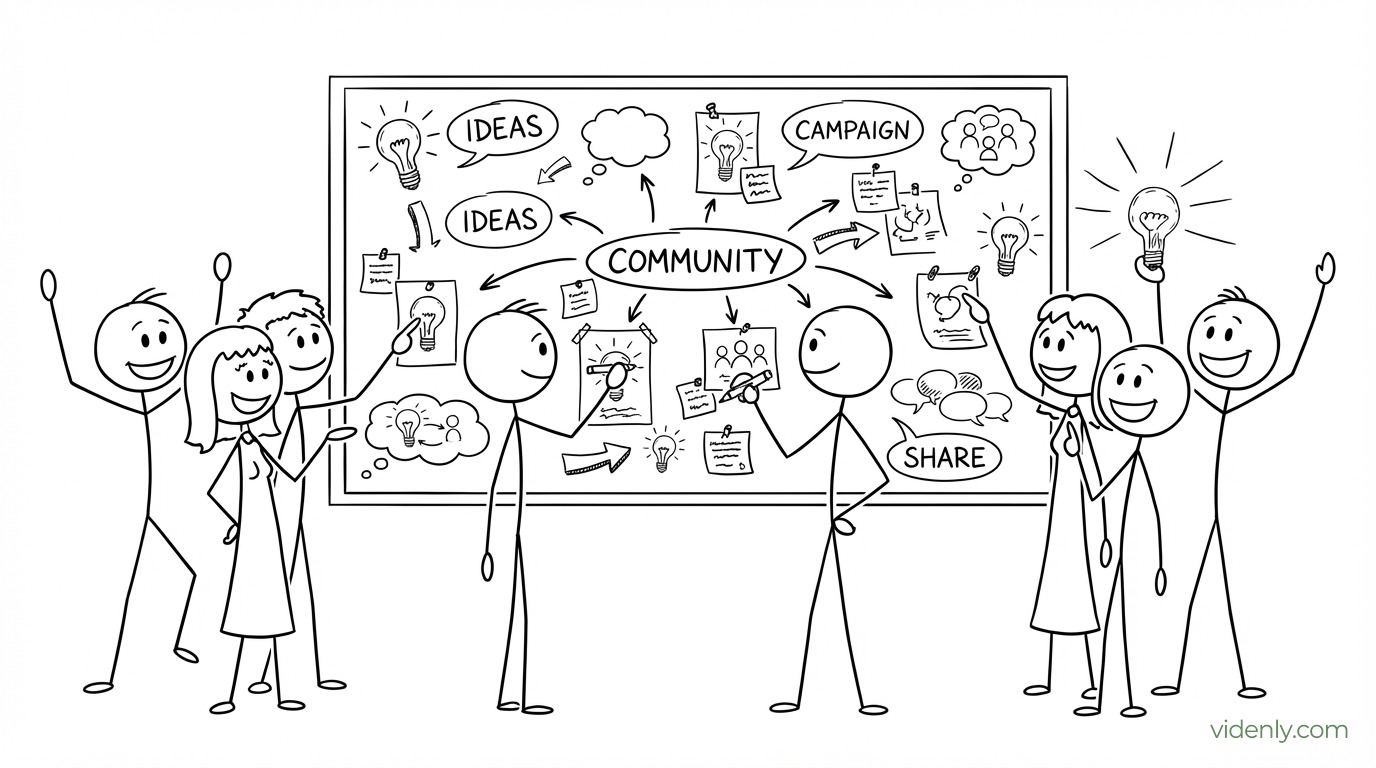
Co-creation and collaboration are important aspects of fostering a strong sense of community among brands and their audiences.
When companies actively involve their customers in the creation of products or services, they tap into the creativity and passion of their community.
This approach not only enhances the brand’s offerings but also cultivates a feeling of connection and loyalty among consumers.
By welcoming user-generated content (UGC) initiatives, brands can invite their audiences to share personal experiences and engage in meaningful ways.
One effective method of encouraging co-creation is by hosting contests that call for unique ideas, designs, or stories from the consumer base.
These contests create an opportunity for brands to select and showcase the work of talented individuals within the community.
Moreover, it allows customers to see their contributions valued, reinforcing their connection to the brand.
To efficiently implement co-creation strategies, brands can take the following steps:
When it comes down to it, the success of any co-creation initiative heavily relies on a brand’s ability to cultivate an environment where all voices are welcomed and appreciated.
This collaborative mindset can foster a sense of ownership among community members, significantly strengthening their commitment to the brand.
By enabling customers to play an active role, brands not only benefit from fresh perspectives but also create a thriving ecosystem of ideas that can propel innovation.

Furthermore, co-creation shifts the narrative from a one-sided brand message to a dynamic exchange of ideas and feedback.
This two-way interaction enhances brand transparency and builds trust, essential elements in developing lasting brand loyalty.
Thus, when customers feel they have a stake in the brand, their emotional investment grows, leading to increased loyalty and participation in future initiatives.
In this respect, fostering co-creation and collaboration becomes not just a marketing tactic, but rather a strategic approach to community building.
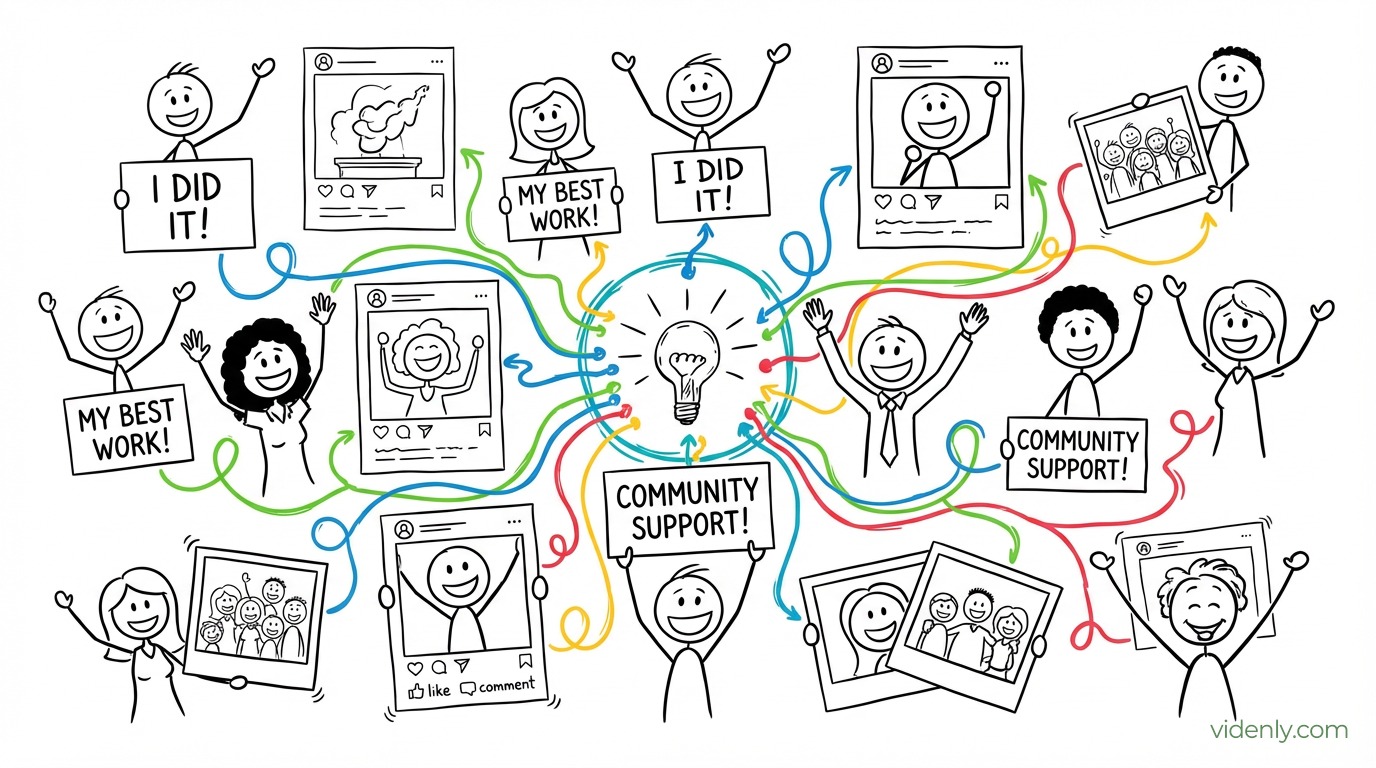
One of the most powerful ways to build brand loyalty is to highlight user achievements and contributions within your community.
By showcasing the incredible work, creativity, and dedication of your users, you foster a sense of belonging that is essential for community engagement.
When individuals see their own efforts and accomplishments recognized, it creates an emotional connection to the brand that is difficult to replicate through traditional advertising.
This method not only celebrates the user’s contribution but also demonstrates the brand’s commitment to valuing its customers as important stakeholders in the community.
A good example would be, a brand might feature user-generated content that includes stunning artwork, innovative projects, or impactful narratives which highlight the positive influence of its products.
When you showcase these achievements, you send a clear message that success is a collective journey and that the brand is eager to support its users in their endeavors.
Furthermore, sharing customer stories of achievement often inspires others in the community to strive for their own success, thereby fostering an aspirational atmosphere among users.
This can lead to increased engagement as users feel motivated not just to consume content but to create their own and share it with the community.
Moreover, highlighting user achievements can have a ripple effect, encouraging collaboration and interaction among users who may have similar goals or interests.
When users realize that the brand actively promotes their success, they are likely to engage more and develop a sense of ownership over the community.
This intrinsic motivation to become involved can transform passive consumers into actively engaged advocates who proudly share their association with the brand.
Additionally, recognizing user contributions can foster a competitive yet friendly environment where individuals strive to achieve their best while being supported by their peers.
For brands, this provides a wealth of organic marketing opportunities as satisfied users become champions of the brand, encouraging others to engage and explore as well.
It is important to develop effective platforms for showcasing the contributions of users, such as social media channels, blogs, or brand newsletters.
Employing these platforms allows brands to extend the reach of individual stories and achievements, creating a rich tapestry of brand loyalty among diverse user experiences.
The more users feel that their contributions matter and are appreciated, the more deeply they will identify with the brand in their everyday lives.
In the end, recognizing user achievements not only enriches the community but also builds a sustainable model for brand loyalty that thrives on shared experiences and collective growth.
Create stunning AI-generated videos that captivate your audience and elevate your brand.