
Published on January 14, 2026 by
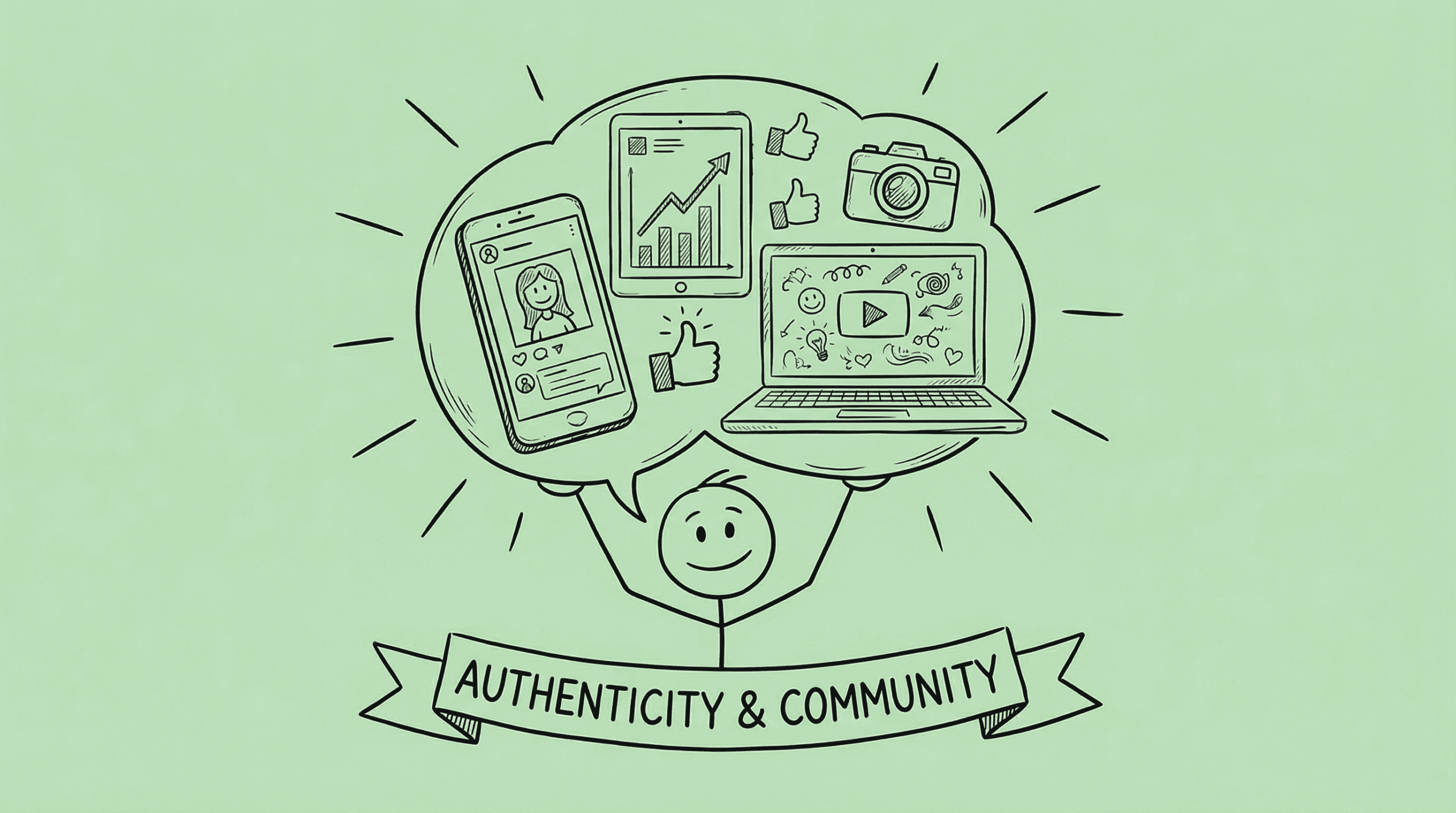
User-generated content (UGC) advertising is increasingly influenced by the rise of authenticity in consumer engagement, as brands seek to connect with audiences through genuine experiences rather than polished marketing messages.
Furthermore, the proliferation of social media platforms continues to provide a diverse range of channels for consumers to share their content, ultimately enhancing brand visibility and reach.
Additionally, the integration of UGC into advertising campaigns is becoming more sophisticated, with data analytics enabling brands to strategically select content that resonates with target demographics.
Moreover, the legalization of copyright and privacy laws around UGC usage is gaining attention, necessitating clearer guidelines for both brands and content creators.
As technology evolves, the use of augmented reality (AR) and virtual reality (VR) is likely to become more prominent, allowing users to engage with brands in immersive ways that leverage their content.
Lastly, brands must also be mindful of the importance of community building, as fostering a loyal consumer base leads to more organic content creation and sharing.
There are additional insights that further illuminate the landscape of UGC advertising.
In the following sections, I will explore how trends like influencer partnerships enhance UGC’s reach and impact.
Additionally, I will discuss the role of mobile technology in facilitating the creation and sharing of user-generated content.
These topics will provide a more comprehensive view of how UGC is evolving and influencing advertising strategies.
User-Generated Content, often abbreviated as UGC, plays a central role in the modern digital landscape.
It refers to any form of content, such as videos, photos, reviews, or social media posts, that is created by users rather than brands.
To put it simply, it’s like finding a treasure trove of genuine expresions from everyday people, full of their experiences and emotions.
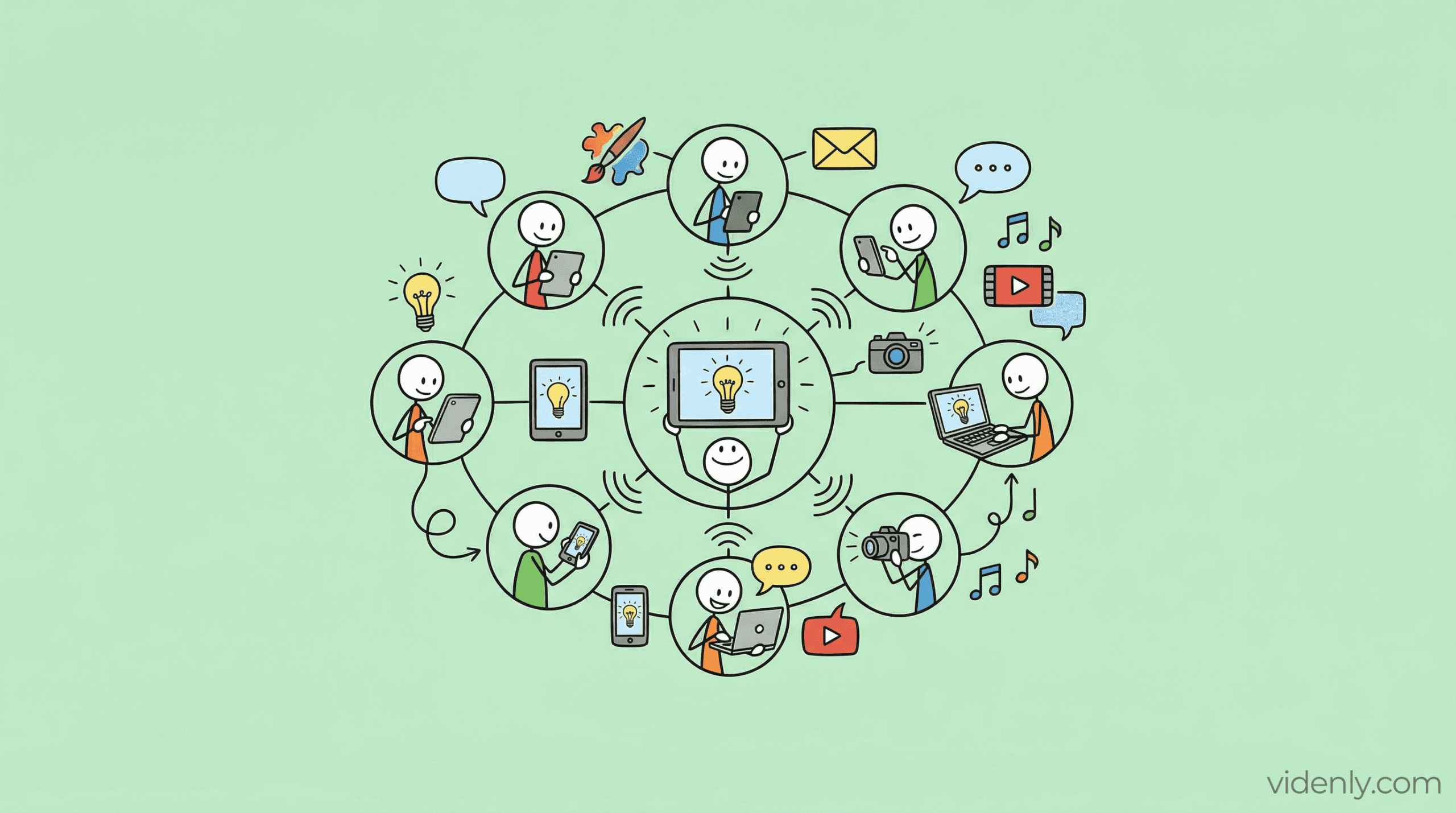
This content allows brands to tap into real-life stories, connecting with their audience on a more profound level.
UGC has evolved with the rise of social media platforms, such as Instagram, TikTok, and YouTube.
This evolution has transformed how brands engage with their customers, moving from traditional advertising to a more interactive and personal approach.
The beauty of UGC lies in its authenticity.
People trust the opinions and experiences of their peers far more than polished advertising campaigns.
When users share their thoughts, they create a sense of community anchored in shared experiences. This community aspect is one of the most captivating elements of UGC advertising.
Why is UGC so effective?
It resonates with audiences because it’s often perceived as real and relatable.
When someone sees a friend or a random person enjoying a product, there’s a stronger inclination to engage with the brand.
Different types of UGC include:
With this variety, brands can choose the types of UGC that align best with their marketing goals.
I would say, using UGC not only enhances brand authenticity but also encourages more engagement from the audience. While brands traditionally controlled their messaging, UGC shifts that power.
This shift creates a fascinating dynamic where consumers have a voice; they can drive narratives, share experiences, and influence others.
Consider how people frequently look for social proof before making a purchase.
A glowing review from a fellow consumer can outweigh a flashy advertisement. Conversely, UGC can backfire if brands don’t manage it properly.
Just like crafting a delicate dish, the right ingredients must be combined thoughtfully. Brands must monitor and curate the content to maintain a positive image.
Another aspect to consider is the role of technology in UGC. Advanced tools enable users to create and share high-quality content easily.
For instance, Videnly helps creators effortlessly generate engaging videos, allowing them to share their message without being on camera themselves.
This capability encourages more users to participate in content creation, further enriching the UGC landscape.
The balance of creativity, technology, and community engagement defines this space. Moreover, UGC plays a significant role in influencer marketing.
Collaborating with users who share authentic content enables brands to create more effective marketing strategies, enhancing consumer trust.
It’s almost akin to a symbiotic relationship where both the consumer and the brand mutually benefit from the shared experiences.
Brand reputation is fortified with community support, while users gain recognition.
Pro Tip: User-Generated Content (UGC) fosters genuine connections and transforms the advertising landscape by allowing brands to engage their audiences in more meaningful ways through authentic, relatable content created by users.
In summary, User-Generated Content profoundly transforms the advertising landscape.
It fosters genuine connections, enabling brands to engage their audiences in more meaningful ways.
As we dive into the world of User Generated Content (UGC), it’s clear that its impact on advertising is nothing short of profound.
The landscape is evolving in ways that many marketers are still trying to fully grasp.
UGC has changed advertising because it turns traditional brand messages upside down.
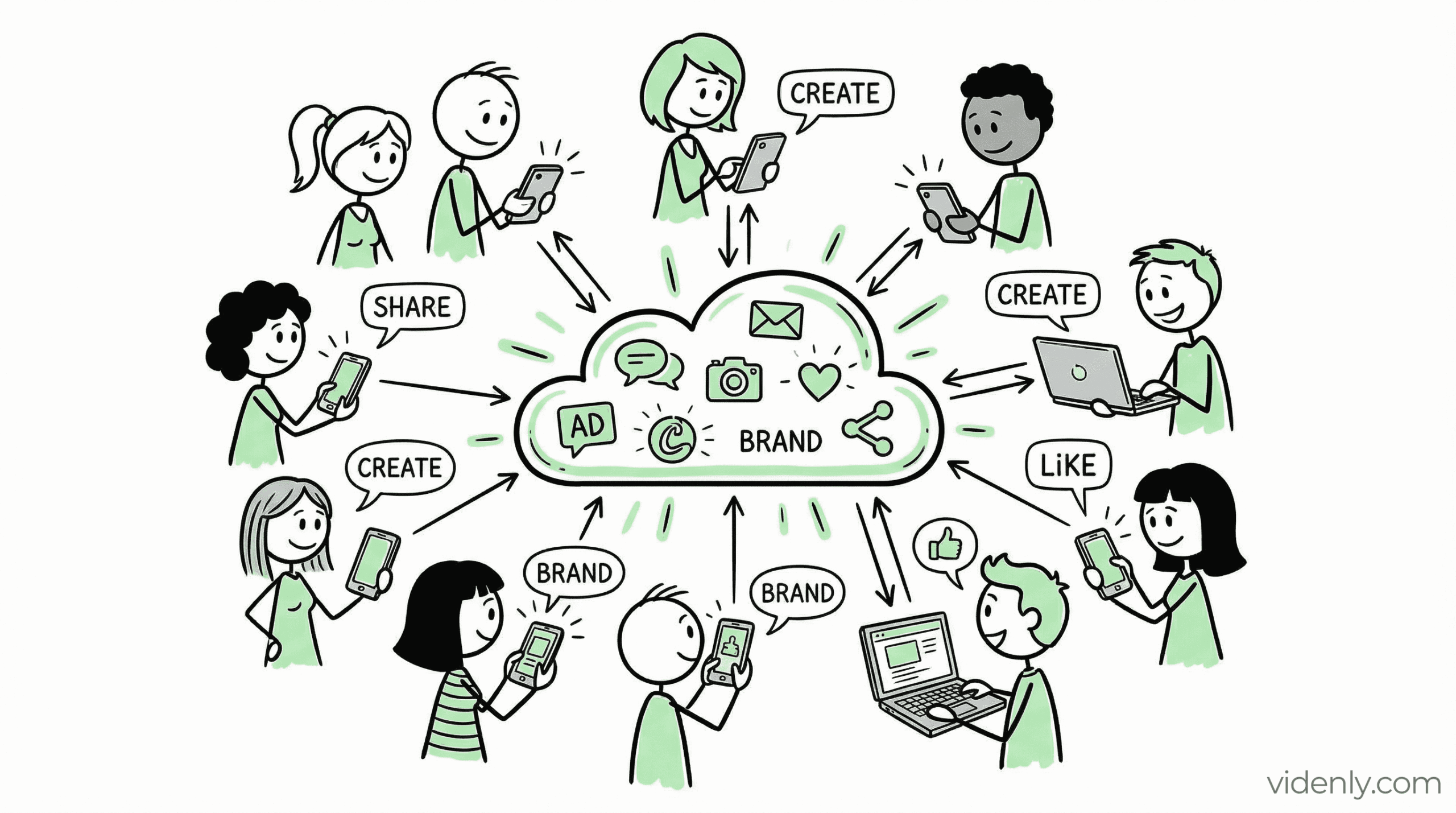
In the past, brands dictated their narratives, promising quality and value, but now, consumers speak back, often more powerfully.
When individuals share their experiences with a product or service, it adds an element of authenticity that polished ads often lack.
The simple act of seeing a friend’s recommendation, for instance, can carry more weight than a flashy commercial.
This shift makes advertising feel more like a conversation than a lecture. It’s like tapping into a reliable friend’s suggestions rather than hearing a one-way message from a brand.
From social media posts to reviews, UGC presents genuine stories that resonate with audiences.
These stories humanize brands, allowing them to connect on a personal level.
In many ways, UGC acts as a mirror reflecting real-life experiences and feelings.
When potential customers see others enjoying a product, it sparks a desire to be part of that experience. Brands are now embracing this shift by incorporating UGC into their campaigns.
This not only boosts engagement but also creates a community around their products.
For instance, hosting contests that invite users to share their content can lead to a treasure trove of creative materials.
What better way to showcase a product than through the eyes of those who love it? This strategy not only drives engagement but also fosters loyalty.
Consumers feel valued when brands showcase their contributions, deepening their emotional investment.
The rise of platforms like Instagram and TikTok has contributed to the popularity of UGC.
These platforms encourage users to share their lives, creating a treasure chest of inspiration for brands to pull from.
It’s fascinating how brands are blending these platforms into their marketing strategies. This indicates a recognition that consumers want to see, hear, and feel real-life stories related to a product.
Moreover, UGC often comes at a significantly lower cost than traditional advertising.
Instead of spending vast sums on professional shoots, brands can rely on their fans to do the heavy lifting.
However, there’s a fine line between using UGC ethically and crossing into exploitation. It’s essential for brands to acknowledge creators and give credit where it’s due.
Imagine a world where your favorite brands highlight their real customers and their stories. It feels less like advertisements and more like community recommendations.
This dynamic has also led to the rise of influencer partnerships, where creators use their platforms to share brand experiences.
This collaboration can amplify the reach of a campaign, bringing genuine stories to broader audiences.
Additionally, metrics surrounding UGC provide valuable insights into consumer sentiment. Brands can analyze which content resonates most and adjust their strategies accordingly.
In this sense, UGC becomes a tool for learning, evolving, and improving advertising strategies.
It helps brands understand not only what people want but also how they feel.
As we look at the future, it’s evident that UGC will play an even greater role in shaping advertising campaigns. The power dynamics in marketing have shifted, favoring the voice of the consumer.
Brands that adapt to this new reality will likely thrive, while those that cling to outdated strategies may struggle.
Authenticity, relatability, and community engagement will define successful campaigns moving forward.
Therefore, it’s not just about creating content anymore; it’s about creating a connection.
And that connection is what makes UGC a transformative force in the advertising industry.
Pro Tip: User Generated Content (UGC) transforms advertising by shifting the power from brands to consumers, allowing authentic experiences to override traditional marketing messages, thereby creating deeper emotional connections and fostering community engagement.
As the boundaries between brands and consumers blur, we can expect to see even more innovative ways for UGC to influence advertising.
This evolution is just the beginning in a journey where the consumer truly takes center stage.
When it comes to User-Generated Content, or UGC, the question of authenticity plays a pivotal role.
It’s what gives brands the kind of trustworthiness consumers yearn for today.
Picture this landscape where brands are trying to connect with their audience.

The heart of that connection lies in being truly genuine, something that stands out in a world filled with polished advertisements.
In recent years, people have grown increasingly skeptical about traditional advertising.
They’ve seen the perfect images, the flawless models, and the carefully scripted commercials.
But what do these polished visuals mean?
Are they real reflections of the people and products we encounter every day?
This unease has led consumers to crave authenticity, and that’s where User-Generated Content steps in.
When a customer shares a genuine moment with a product, it transforms that item into something more relatable.
Imagine scrolling through social media and seeing a friend excitedly showcasing their newest purchase.
Wouldn’t that feel more impactful than a flashy ad with rehearsed lines?
In the end, authenticity breeds trust.
It’s the cornerstone of any successful relationship, not just among friends, but also between consumers and brands.
Here are some key reasons why authenticity matters:
This kind of relatable content showcases real people using real products.
It’s like watching a friend recommend a movie instead of scrolling through a marketing pitch.
Social media influencers, especially, have recognized this shift and often emphasize being real with their followers.
They share unedited moments and experiences that resonate on a personal level. By sharing authentic content, these influencers create a space where brands can engage in genuine conversations.
When brands interact with these real-life stories, their audience feels seen and valued.
It’s like a warm conversation over coffee, where everyone can share their thoughts freely without fear of judgment.
This kind of vibe cultivates loyalty, which is incredibly valuable in today’s competitive market.
Moreover, brands leveraging UGC can showcase their community effectively.
Imagine a brand sharing how customers from various backgrounds enjoy their product.
Such representation sparks a sense of belonging and fosters stronger connections.
It shifts the focus from a one-sided marketing approach to a community-centric narrative.
Loading marketing channels with professionally crafted visuals may look enticing, but they often lack that personal touch.
In contrast, UGC adds volume and depth to a brand’s message. Brands that embrace authenticity can also harness the emotional power of stories.
When a consumer posts about their experience, it often touches others on a level that mere advertising can seldom reach.
This emotional connection can drive engagement significantly. The audience tends to remember and resonate with stories that feel relatable and genuine.
There’s a saying that goes, “People don’t remember what you said, they remember how you made them feel.” Hence, the emotional weight of authentic UGC carries with it the promise of long-lasting engagement.
Emphasizing authenticity also acts as a shield against negativity.
When brands are transparent, they earn respect, even when facing criticism.
Instead of hiding behind barriers, honesty serves as their armor, leading to a loyal community.
As you sift through the evolving landscape of advertising, think about the importance of storytelling infused with authenticity.
It not only shapes brand identity but also creates a narrative that consumers want to be a part of. This evolving interaction between brands and consumers is changing the way advertising exists.
By trusting each other, both parties grow, sparking a fruitful relationship that can evolve endlessly.
In the vast expanse of marketing, embracing the need for authenticity could very well be the key to unlocking deeper connections and ensuring that advertising resonates with the heart and soul of the community.
Data analytics play an incredibly important role in the world of User-Generated Content (UGC) advertising.
By digging into the vast ocean of data generated from consumer interactions, brands can find out what really resonates with their audiences.
The magic of data analytics lies in its ability to transform seemingly random inputs into clear insights.
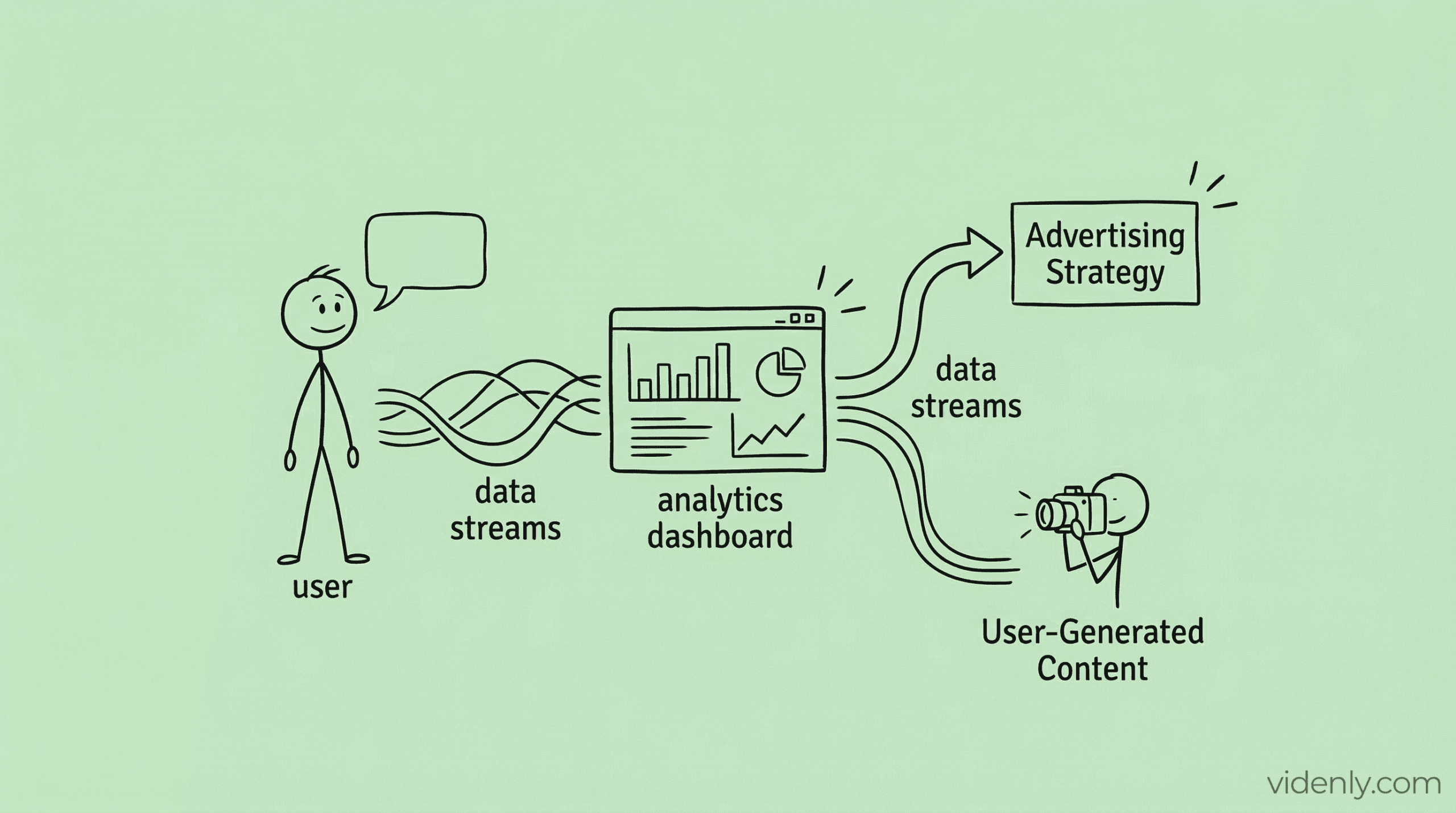
For many companies, it’s like having a compass in the dense forest of consumer preferences, guiding their advertising strategies.
When brands analyze data from UGC, they can identify trending themes and patterns that may not have been obvious at first glance.
By understanding these elements, companies can craft messages that speak directly to the hearts of their customers.
This is where sentiment analysis comes into play.
It helps brands gauge the emotional response to their content and adjust their messaging accordingly.
The process of analyzing data also involves tracking engagement metrics, such as likes, shares, and comments.
These metrics tell a brand not only how much attention their content is garnering but also how meaningful that attention is.
For instance, if a brand discovers that a specific piece of UGC is sharing traction, it can lead to more targeted campaigns. Think of it as planting seeds in a garden; knowing which ones bloom can inform future planting decisions.
Moreover, data analytics can reveal who your most engaged audience is.
Understanding your target demographic allows for more personalized advertising, enhancing the connection brands have with consumers.
Also, it uncovers valuable insights into the timing of content distribution. Analyzing when your audience is most active can significantly boost engagement rates.
Another facet to consider is the correlation between UGC and sales.
Through rigorous data analysis, brands can track if UGC directly contributes to purchase decisions.
Imagine a popular UGC campaign increasing awareness for a new product.
Using data analytics, you can pinpoint just how much of an impact that visibility had on actual sales.
Additionally, A/B testing plays a critical role.
By analyzing how different variations of UGC perform, brands can fine-tune their marketing approach.
This method gives them the confidence to invest their resources where they’ll make the most difference.
Collecting data over time builds a strong foundation for future campaigns.
One cannot overlook the importance of tracking conversion rates.
These numbers tell a story of how effective your UGC advertising strategy is in transforming casual viewers into loyal customers.
This type of analysis often leads brands to reconsider their strategies.
This part of data analytics is like keeping a finger on the pulse of the marketing landscape.
With every click, share, or comment, there’s a wealth of data waiting to be mined.
This gift of insight provides companies with a roadmap to better understand consumer behavior.
As UGC continues to evolve, brands must embrace data analytics as an integral component of their strategy.
It’s no longer just about creating content but understanding how that content weaves into the larger narrative of consumer experience.
In this ongoing journey, brands can leverage data insights to tell more compelling stories.
Each data point serves not only as information but as a chapter in the narrative they’re building with their audience.
Lastly, the beauty of data analytics is its adaptability.
As consumer preferences shift, so too can the analytics.
Brands are provided with the tools to stay relevant by constantly fine-tuning their strategies based on real-time data.
It’s a dynamic process that moves as fast as the market demands.
Pro Tip: Data analytics plays a crucial role in User-Generated Content advertising by enabling brands to identify trending themes and patterns that resonate with their audiences, ultimately guiding their advertising strategies and enhancing consumer engagement.
With this approach, companies can maintain a fresh presence that resonates deeply with their audiences.
In today’s fast-paced advertising landscape, this ability to pivot thanks to data analytics is what sets successful brands apart from the rest.
When it comes to user-generated content, or UGC, copyright laws play a significant role in shaping the landscape.
As people increasingly create content online, understanding these laws has never been more critical.
In essence, copyright laws protect the rights of creators.

This means that if you create something original, you automatically have the right to control its use.
However, with UGC, things can get a bit tricky.
Many content creators might not fully grasp that while they own their work, they often share it on platforms that impose their own rules.
Platforms like social media sites often have terms and conditions that users accept without thoroughly reading.
These terms can include clauses that allow the platform to use submitted content freely, which can conflict with the original creator’s rights.
It’s a real tightrope walk, trying to balance creativity with copyright adherence.
As we dive deeper, it becomes clear that some of the implications of these laws can affect user choices and behaviors.
Many individuals simply post without considering their rights.
One might wonder, what happens when a user’s content goes viral?
This is where disputes often arise.
Popular UGC can easily attract the attention of brands looking to leverage that content, leading to potential copyright issues.
Let’s consider a few ways copyright laws impact user-generated content:
Content creators may feel like they’re navigating through a foggy forest, unsure of the pathways.
Each step taken can lead to either exposure or a potential pitfall.
When users upload their content, they often miss the importance of consent.
If your post contains someone else’s work, knowingly or not, copyright claims can swiftly complicate matters.
Understanding copyright laws helps in proactive protection.
Many creators could benefit from learning how to properly attribute or seek permission before using someone else’s material.
It’s essential to remember that every piece of UGC still falls under copyright regulation.
Whether it’s a simple meme or a sophisticated video, the potential for legal entanglement lurks behind the curtain.
Creators often mistakenly believe that sharing is easy and free of consequences.
This misperception can lead to unpleasant surprises, especially when a budget-driven brand seeks to monetize a popular post.
As users become more aware of copyright issues, the need to stand up for their rights becomes essential.
Moreover, brands should promote clear guidelines about how UGC can be used.
Striking a balance is crucial for a healthy UGC landscape.
Understanding how copyright influences these interactions can empower creators to protect their work better while still engaging with their audience.
Pro Tip: Always carefully review the terms and conditions of any platform before posting your work, as they may undermine your copyright rights and control over your own content.
The landscape is evolving rapidly, and copyright laws will either facilitate or hinder growth.
Adapting to these changes will be important for creators and brands alike.
Social media has transformed the landscape of advertising dramatically over the last decade.
It’s not just a platform for connecting friends anymore; it has become a vibrant marketplace where brands and consumers engage in new ways.
When I think about social media’s role in user-generated content (UGC) advertising, I see a powerful shift.
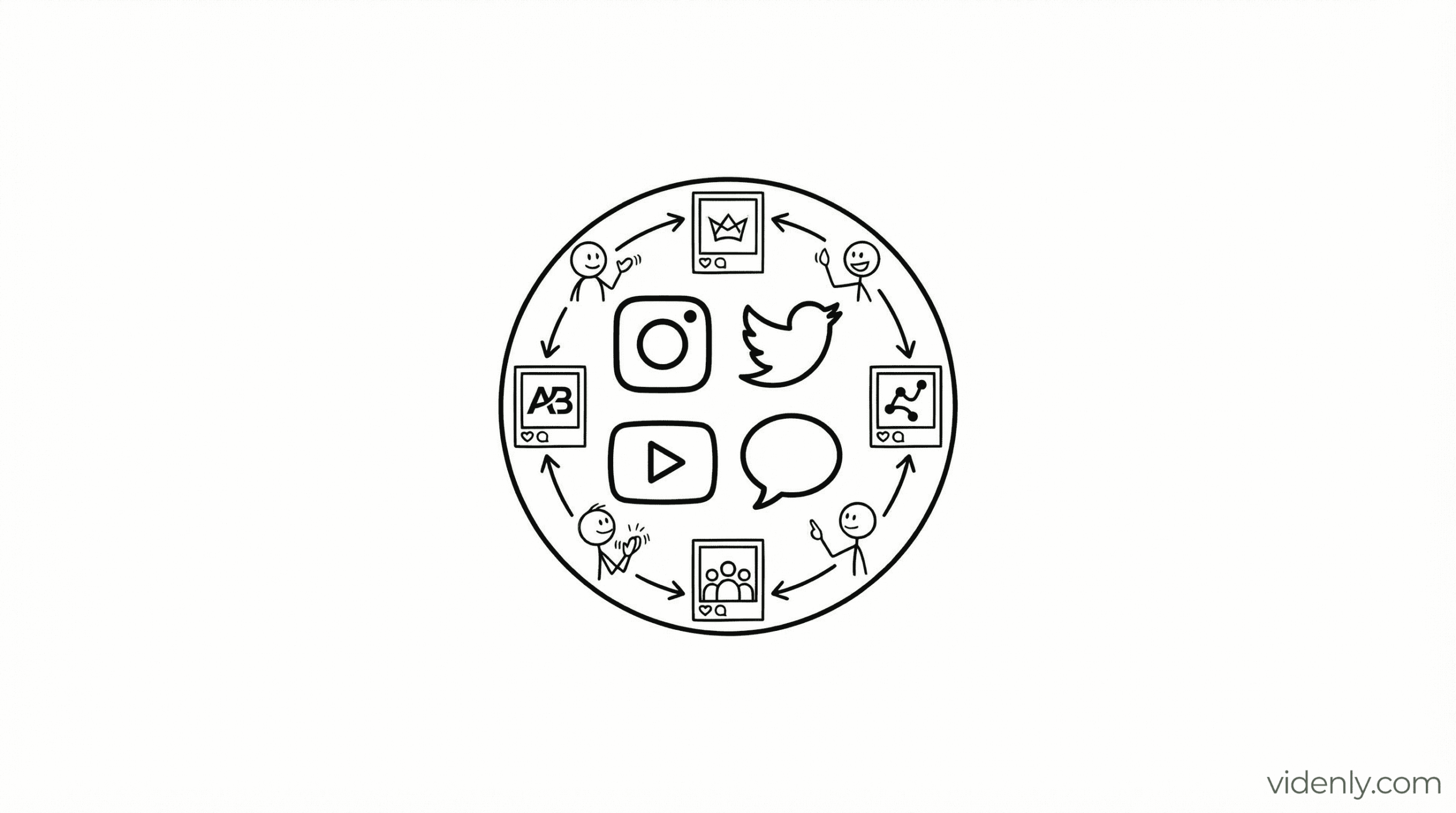
Brands leverage authentic voices from real users, making their messages feel more genuine and relatable.
The spread of social media has given rise to a culture where everyone feels empowered to share their opinions.
This is significant because in the past, advertising was largely a one-way street where brands spoke and audiences listened.
Now, audiences have a say, and they are not afraid to express it.
Social media serves as a megaphone, amplifying user voices and providing a platform for their stories and perspectives.
With platforms like Instagram and TikTok, users are not just passive consumers.
They are content creators, producing videos, images, and posts that resonate with others and reflect their authentic experiences.
As this user content circulates, it often resonates on a deeper emotional level.
I would say that this connection between user experiences and brand messaging creates trust, which is golden in the world of advertising.
Many consumers now prefer content from fellow users over traditional ads.
This shift means brands are increasingly collaborating with their customers, treating them as partners rather than just audiences.
These partnerships yield content that feels more trustworthy.
When a user shares their experience with a product on social media, it’s like a friend recommendation, which can be more impactful than conventional advertising.
Moreover, the ability to engage with followers allows brands to build a community.
They can respond to comments, share user-generated content, and create conversations that deepen relationships with their audiences.
This engagement is crucial for loyalty and retention.
When brands acknowledge their customers publicly, it sends a clear message: they value your opinion and are listening.
As I reflect on this phenomenon, it reminds me of planting seeds in a garden.
If you nurture those seeds with care, they will grow into strong, blossoming relationships.
Social media acts like the sunlight that allows these connections to flourish.
The pressure of social media can’t be ignored either.
Brands often face challenges about how to manage online interactions effectively.
A single negative review or viral post can significantly impact public perception, leading brands to be more transparent and responsive.
This immediacy of feedback can be daunting.
However, it also offers an opportunity for brands to learn and adapt quickly based on what their audience truly wants.
Notably, the influence of algorithms shapes what content gets visibility.
Social media platforms like Facebook and Instagram use complex algorithms to predict which posts audiences may engage with most, significantly affecting how user-generated content reaches broader audiences.
This means that brands must strategize their UGC efforts to align with these algorithms.
Creating high-quality, shareable content and engaging actively can increase their visibility and strengthen community bonds.
Collaboration with influencers has also become a important strategy for many brands.
When influencers share UGC, they can help bridge the gap between traditional advertising and the genuine content created by users.
This offers authenticity, as their followers see these influencers as believable.
The partnership allows brands to tap into ready-made audiences while fostering trust through the influencer’s endorsement.
The interaction on social media goes beyond mere likes and shares.
Each engagement represents a connection and an opportunity for brands to deepen their understanding of their customers’ desires.
In a world where attention spans are waning, capturing that attention through UGC becomes pivotal for brands.
It’s essential to craft content that stands out amidst the noise while still remaining authentic.
It’s important to note that trends in social media change rapidly.
What works today might not necessarily capture attention tomorrow, compelling brands to stay on their toes and adapt to ever-shifting landscapes.
Through these evolutions, the significance of social media in UGC advertising remains clear.
Brands that embrace this dynamic aspect not only foster community but also cultivate lasting relationships with their consumers.
The world of advertising is evolving at a breathtaking pace, and the introduction of Augmented Reality (AR) and Virtual Reality (VR) is sparking a new fire in the realm of User Generated Content (UGC).
I would say that these technologies are more than just trends; they represent a fundamental shift in how we engage with content.
Imagine walking into a room and finding yourself surrounded by a digitally enhanced environment tailored just for you.

This immersive experience isn’t just fantasy; it’s what UGC advertising offers through AR and VR.
With AR, ordinary images or videos can suddenly leap off the screen, inviting users into a world where they can interact directly with content.
Think of it as opening a door to a new dimension, where the products are not just displayed but offer real-time interaction.
VR takes this a step further.
Users can step into fully immersive worlds, giving them the feeling of being part of the narrative.
You could explore a brand’s universe, touch virtual items, and experience the product in entirely new ways.
As technology develops, UGC in the realm of AR and VR can create more engaging experiences.
Users can become participants, not just passive viewers.
This level of engagement is what marketers have long dreamed of achieving.
To illustrate the impact of AR and VR, consider how a fashion brand might allow users to virtually try on clothes.
In this way, individuals can generate content demonstrating how the outfits fit them in their own space.
Moreover, this technology opens up the opportunity for richer storytelling.
Brands can encourage users to share their unique experiences within the immersive environments created by AR and VR, leading to authentic content that resonates with audiences.
Here are a few ways AR and VR can enhance UGC:
When thinking about UGC with AR and VR, I mean it’s like giving users the artist’s brush to paint their own experience with a brand.
This level of personalization speaks volumes to consumers who crave authenticity.
The combination of these technologies also cultivates a community vibe.
Users sharing their AR or VR experiences can foster a sense of belonging among like-minded individuals.
This community aspect amplifies brand reach through shared moments.
However, diving into AR and VR is not without challenges.
There’s a steep learning curve, both for brands and users.
Brands must invest in these technologies and educate their audiences on how to engage with them fully.
But just imagine the potential.
Brands can curate unique experiences that evolve based on user interactions.
This makes UGC a living, breathing organism that grows and changes.
In the end, AR and VR transform how consumers see themselves in relation to brands.
Rather than being viewers, they become co-creators, shaping content that feels personal and relevant to their lives.
As advertisers tap into this new realm, the bar for compelling content continues to rise.
The expectation for immersive and interactive experiences will not only encourage widespread participation but also elevate the standard of UGC.
Important: AR and VR transform how consumers see themselves in relation to brands, enabling them to become co-creators of content that feels personal and relevant to their lives.
In sum, AR and VR are paving the way for a future where users don’t just consume content but shape it.
Through creating richer, interactive experiences, these technologies will redefine how brands connect with their consumers.
Building a strong community around a brand isn’t just about marketing, it’s about cultivating a relationship.
When you look at successful brands today, you’ll notice they create connections that go beyond selling products.
Effective community building fosters a sense of belonging.

In our increasingly digital world, finding a tribe can feel refreshing, almost like discovering a new family.
People are naturally social creatures.
They crave connections and want to feel a part of something bigger than themselves.
When a brand actively engages and listens to its community, it transforms customers into loyal advocates.
This dynamic isn’t just transactional; it’s highly relational.
Consider the digital nature of today’s marketplace.
It resembles a bustling marketplace, filled with chatter, exchanges, and vibrant conversations.
In UGC advertising, community engagement shifts the narrative from the brand speaking to consumers to consumers speaking to each other.
This approach can create a powerful ripple effect throughout social networks.
When individuals share their personal experiences with a product, it amplifies trust.
These authentic stories resonate on a different level, one that traditional advertising often struggles to achieve.
Companies that invest in community building often see impressive results.
This commitment leads to greater customer loyalty and a sense of ownership from the community.
A vibrant community can also inspire content creation.
When your audience feels proud and connected, they’re more likely to contribute their stories and images.
UGC becomes a treasure trove of rich content.
It’s not just marketing; it’s about weaving shared experiences into the fabric of the brand.
Consider the way people exchange recommendations among friends.
Imagine a casual conversation over coffee, where someone shares their excitement about a new product.
This kind of communication carries genuine weight.
Recommendations from peers often outweigh ads crafted by professional marketers.
Effective community building also allows brands to gather valuable feedback.
Open discussions create spaces for dialogue where customers share insights that can shape future products.
Listening actively within your community can produce real change.
Being receptive to both compliments and criticisms is essential for growth.
More than just feedback, a strong community serves as a support system.
Customers feel encouraged and empowered to express their opinions and experiences.
Imagine the satisfaction that arises when community members inspire each other.
This camaraderie creates a lasting bond that is hard to break.
Furthermore, community-driven initiatives can enhance brand advocacy.
These moments of connection inspire customers to spread the word, often without being prompted.
It’s a reflection of how people naturally engage with brands they love.
Their passion becomes contagious, enriching the brand’s image.
Brands that emphasize community building demonstrate authenticity.
In a world where consumers are savvy and discerning, authenticity can be a game-changer.
When communities feel valued, their loyalty skyrockets.
They are more likely to stick around even during tough times, reinforcing the brand’s stability.
Additionally, community engagement can lead brands to new markets.
By understanding their audience better, brands can tailor their strategies to meet diverse needs.
Realizing these benefits isn’t overly complicated, though it does require commitment.
It’s about nurturing relationships over time, much like tending to a delicate garden.
Each interaction, whether positive or negative, can enrich that community.
Over time, these connections bloom into trust and loyalty.
In today’s fast-paced digital landscape, community building is no longer optional.
It’s a strategic necessity that can propel brands to significant heights in advertising and consumer engagement.
When brands invest in authentic connections, they create resonance in their messaging.
The stories shared by community members become a powerful tool, enabling brands to craft narratives that resonate.
Pro Tip: Invest in community building to cultivate strong relationships that foster loyalty and transform customers into authentic brand advocates.
This evolution from mere advertising to community narrative is a shift deeply rooted in understanding human connection.
As we navigate the crowded digital landscape, fostering community can illuminate the path ahead.
There’s a palpable shift happening in the digital landscape, especially when it comes to User-Generated Content or UGC.
As consumers become more empowered, their voices shape brand narratives in ways we never imagined.
One of the foremost trends is the rise of micro-influencers.

Brands are beginning to realize that authenticity trumps the sheer size of an audience.
Instead of seeking out those with millions of followers, marketers are focusing on individuals who connect deeply with their smaller audiences.
These micro-influencers often enjoy higher engagement rates, making their recommendations feel more genuine.
Moreover, we’re seeing a surge in short-form video content.
The popularity of platforms like TikTok has transformed how brands approach marketing.
Quick, catchy videos can often communicate a brand’s message far more effectively than traditional ads.
This format allows creativity and spontaneity to shine, making it easier for everyday users to participate in content creation.
Speaking of creativity, there’s also an emerging trend of interactive UGC.
This not only engages viewers but also invites them to become part of the storytelling process.
Think of polls, quizzes, or challenges that encourage participation.
It’s fascinating how these interactive elements foster a community feeling among users, creating bonds over shared experiences.
Here are some significant trends shaping UGC today:
Another noteworthy trend is the focus on inclusivity in UGC campaigns.
This emphasis assists in building strong connections with diverse audiences.
Successful brands increasingly highlight representation in the content they share, showcasing different backgrounds, abilities, and identities.
This creates a more relatable presence, fostering deeper consumer trust.
As UGC evolves, we also notice a stronger inclination towards sustainability and social responsibility.
Consumers now care about the environmental impact of their choices and want to support brands that align with their values.
Brands that encourage sustainable and ethical practices in their UGC campaigns often find themselves connecting with like-minded audiences.
This trend goes hand-in-hand with the larger conversation about corporate social responsibility.
Notably, technology is changing the UGC game too.
Artificial intelligence and machine learning are being applied to enhance content creation and curation, making it easier for users to connect with brands.
Imagine a scenario where a simple app can suggest trending themes based on user preferences or popular hashtags.
Users can dive right in, feel inspired, and contribute to the conversation more effectively.
Furthermore, the omnichannel approach is at the forefront of UGC advertising trends.
Brands are ensuring consistent messaging across various platforms, whether it’s Instagram, Facebook, or TikTok.
This means that UGC can flow seamlessly between platforms, reaching wider audiences while maintaining a clear identity.
It emphasizes how crucial consumer interaction is across different mediums.
As brands adapt to these trends, we can’t overlook the sheer power of stories being told through UGC.
Each post or video represents a snapshot of personal experience, showcasing what brands mean to the everyday person.
It’s almost like a patchwork quilt, where every piece tells its story but together forms a larger picture.
This visual narrative enriches the brand identity and creates a communal connection with consumers.
The last trend worth mentioning is the shift towards data-driven insights in UGC campaigns.
Brands now lean heavily on analytics to understand what type of content resonates with their audience.
Important: The rise of micro-influencers is a key trend in UGC, as brands increasingly prioritize authenticity and deep connections over audience size.
This focus on metrics not only helps brands to refine their content strategies but also boosts their overall effectiveness.
With analytics, brands can better engage their users and stay current with ever-changing trends.
The world of User-Generated Content (UGC) has shifted dramatically in recent years.
To harness its potential, brands must actively encourage their audience to create meaningful contributions.
One effective way brands can do this is through engaging campaigns.

These campaigns can invite users to share stories or experiences that relate to the brand, creating a community feel that motivates participation.
Consider incorporating a catchy hashtag as part of these campaigns.
This tactic not only helps in tracking the content but also makes participants feel like they are part of a larger social movement. Another strategy is to showcase user content prominently on brand platforms.
When users see their work celebrated, it acts as a powerful incentive for others to contribute, knowing their creations could also be spotlighted.
A great way to stir excitement is by hosting contests or challenges.
These events can reward creativity and provide users with a fun platform that sparks their imagination.
Determining the right incentives is key to successful UGC campaigns.
Whether through discounts, exclusive access, or the thrill of seeing oneself featured, brands should find something that resonates with their audience.
Engaging with the audience through personalized communication can also strengthen their desire to share content.
When brands take the time to respond or acknowledge user contributions, it fosters a deeper connection.
Social media is an essential avenue for promoting UGC.
Utilizing platforms like Instagram or TikTok allows users to easily share their experiences and connect with the brand on a personal level. Storytelling can be a compelling approach in these situations.
By sharing heartwarming or inspiring narratives, brands can create a backdrop that invites users to contribute their own stories.
Brands should consider using live sessions or Q&A formats to interact with their audience.
Such direct interaction not only builds a sense of community but also inspires users to share their thoughts and experiences.
Collaboration with influencers can also amplify the reach of a UGC campaign. When influencers encourage their followers to share content, it adds an element of trust and can lead to a surge in participation.
Expired promotions can turn into motivation for content creation, giving urgency to the situation.
Limited-time offers can provoke users to act quickly, which may lead to a wave of user submissions. Another avenue worth exploring is to create a theme.
A thematic approach enables consistency and makes it easier for users to align their content with what the brand is promoting.
Brand values should always align with the UGC you wish to promote.
This alignment ensures that the content represents the essence of the brand while allowing users to express themselves authentically. Having a clear brand voice also offers guidance to those creating content.
Users can draw inspiration from this voice, understanding how to present their stories in a way that resonates with the brand’s identity.
Sharing tutorials and tips on how to create engaging UGC can lower barriers to participation.
When brands provide guidance, it can serve as a catalyst, leaving users feeling confident and ready to express their creativity.
Creating a gallery or online showcase for UGC can serve as a motivational tool.
Having a dedicated space for user contributions not only recognizes their efforts but also inspires others to join in.
Using a community-driven approach can instill a sense of ownership among users.
Encouraging collaboration among users can lead to a *beautiful tapestry* of varied content that reflects diverse perspectives.
Pro Tip: Incorporate engaging campaigns with catchy hashtags and showcase user content prominently to foster community participation and motivate others to contribute.
Lastly, always be open to feedback regarding UGC initiatives.
Brands that listen and adapt will develop a more trusted and enduring relationship with their audience.
Create stunning AI-generated videos in minutes that captivate your audience and elevate your brand.