
Published on June 7, 2026 by

To effectively analyze faceless YouTube metrics, start by utilizing YouTube Analytics to gather data on viewer demographics, watch time, and engagement rates.
Focus on key performance indicators such as click-through rates (CTR) and average view duration to assess video performance objectively.
Incorporate third-party tools like TubeBuddy or VidIQ for deeper insights into SEO optimization and competitor analysis.
Regularly monitor audience retention graphs to identify sections of videos that engage or disengage viewers.
Utilize A/B testing on thumbnails and titles to empirically determine what resonates best with your audience.
Lastly, correlate your findings with broader trends in your niche or industry to ensure your content remains relevant and competitive.
There is more to this discussion as we explore additional insights that can greatly enhance your understanding of YouTube metrics.
In the following sections, I will cover various strategies that can help you improve your content performance and audience engagement.
Additionally, understanding the impact of trends and audience demographics will provide a more rounded view of your channel’s success.
By examining these related topics, you can develop a more effective approach to analyzing and growing your YouTube presence.
When it comes to analyzing youtube metrics, using YouTube Analytics is nothing short of a goldmine. Understanding how viewers interact with your content provides insights that can shape your strategy and ultimately improve your channel’s performance.
First, let’s consider the interface of YouTube Analytics. The metric dashboard lived on a cluttered surface with multiple tabs, often seeming overwhelming at first glance, but it’s actually well-organized and functional.
Once you gain familiarity, navigating through the different sections becomes fluid. Key metrics like watch time, views, and traffic sources begin to reveal meaningful patterns about your audience’s behavior.
Within the Overview section, you can begin to peel back layers and see your video’s performance in a compact format. This snapshot helps you recognize which videos truly resonate with your audience and which ones might need reevaluation in terms of content or promotion.
Diving deeper into the Engagement section allows you to understand what keeps viewers tuned in. By analyzing average view duration alongside audience retention metrics, you’ll find the sweet spots where your content shines.
If you prefer to track your audience’s preferences, traffic sources is your go-to area. Here, you can see whether your views come primarily from search, suggested videos, or external sources, making it easy to tailor your promotional strategies accordingly.
As you explore these metrics, consider measuring audience engagement through likes, dislikes, and comments. High engagement rates often indicate that your audience feels connected to your content, fostering a loyal viewer base.
It’s essential to utilize the demographics tool as well, which shows age, gender, and location. You might be surprised to learn about the diversity in your audience, and understanding this pattern can guide your content creation towards inclusivity.
To organize your thoughts on these features, here’s a brief outline to keep in mind:
By breaking down these features, it’s easier to digest and implement changes based on real data.
Rather than relying on intuition alone, data-driven decisions become more viable, empowering your content strategy significantly.
While metrics provide important information, the context of your content is equally important.

Often, understanding how your videos fit into the larger narrative of your channel allows for more nuanced insights.
For instance, comparing similar videos can illuminate why some topics outperform others based on current trends or viewer interests.
It’s almost like piecing together a puzzle, where each metric offers a important piece that helps create a full picture of your channel’s health.
The customization of the dashboard can enhance your analysis further.
Setting specific date ranges for analysis makes it easier to identify trends over time, especially notable patterns that correspond to specific campaigns or promotions.
Additionally, taking advantage of the export feature allows you to save metrics for deeper analysis outside the platform.
Whether you prefer spreadsheets or other software, having access to this data enables a more extensive look at performance that spans various time periods.
It’s crucial to remember that sometimes, less is more when analyzing data.
Zeroing in on specific metrics that genuinely impact your goals will often yield better insights than trying to track everything without context.
At the end of the day, each metric is a thread in a larger tapestry that weaves together the story of your channel.
When viewed holistically, these insights can guide you toward crafting better content that speaks directly to your audience’s desires and needs while enhancing viewer satisfaction.
Focusing on what the data tells you rather than what you wish it would tell you helps cultivate a healthier relationship with your channel’s growth.
By being open to the lessons each number provides, you position yourself not just as a content creator but as a strategic analyst, crafting a channel that thrives on data and creativity.
When analyzing faceless YouTube metrics, understanding Key Performance Indicators (KPIs) is essential. These metrics serve as the backbone of any content strategy, allowing creators to measure success effectively.
The first KPI to consider is the watch time. This metric reflects how long viewers are watching your videos and indicates whether your content resonates or captures attention effectively.
Alongside watch time, average view duration is another critical metric to track. It reveals the average length of time viewers spend watching, which can help identify where engagement falters.
Furthermore, subscriber growth is an invaluable indicator of your channel’s overall performance. A consistent increase in subscribers demonstrates that your content effectively attracts and retains viewers.
Another important KPI is the click-through rate (CTR), which reflects how well your thumbnails and titles are performing. High CTR suggests your titles and thumbnails enticed viewers to click, while low CTR may indicate a need for improvement.
Also, pay attention to the engagement rate of your videos, encompassing likes, comments, and shares. A higher engagement rate indicates that viewers connect with your content on a deeper level.
Equally important is the retention rate, which shows the percentage of viewers who continue watching until the end. This metric highlights the ability of your videos to maintain interest, acting as a litmus test for your content’s overall quality.
Analyzing traffic sources can also yield insightful data, telling you how viewers found your videos. Whether they discovered you through search results or networking can inform future content strategy.
Additionally, audience demographics provide crucial insights into viewer preferences. Understanding the age, gender, and location of your audience can help tailor future content to better meet their interests.
Social shares are another important metric to track. More shares generally mean the content resonates well with viewers and has the potential to reach a wider audience.
When assessing bounce rates, look for the percentage of viewers who leave after watching only a few seconds. A high bounce rate indicates that your opening is not captivating enough to hold attention.
Moreover, tracking comments and feedback can provide qualitative insights into how your audience perceives your content. Engaging with this feedback not only fosters community but also aids in crafting future videos.
The importantity of conversion rates cannot be overlooked, particularly if you’re aiming to promote products or services. This metric tracks how many viewers take action after watching, linking content success to tangible outcomes.
By analyzing completion rates, you can see how many viewers watched a video all the way through. A high completion rate signals that your content is compelling and engaging throughout its entirety.
One should also monitor external links leading viewers away from the video. This metric helps gauge how effectively your video content drives traffic to other platforms or your website.
Importantly, one must evaluate audience retention graphs to understand viewer behavior throughout the video’s duration. These graphs help pinpoint specific moments where viewer interest dips, enabling informed adjustments for future creations.
Lastly, using AI-driven analytics tools like those offered by platforms such as Videnly can tremendously ease the process. These tools analyze various metrics and present actionable insights, streamlining the entire data collection process.
In the end, as you navigate through these KPIs, think of them as a compass guiding your creative journey. By understanding and leveraging these performance indicators, you pave the way for growth and success in the competitive realm of faceless YouTube content.
Pro Tip: Regularly analyze your Key Performance Indicators (KPIs) such as watch time, engagement rate, and subscriber growth to refine your content strategy and enhance viewer retention on YouTube.
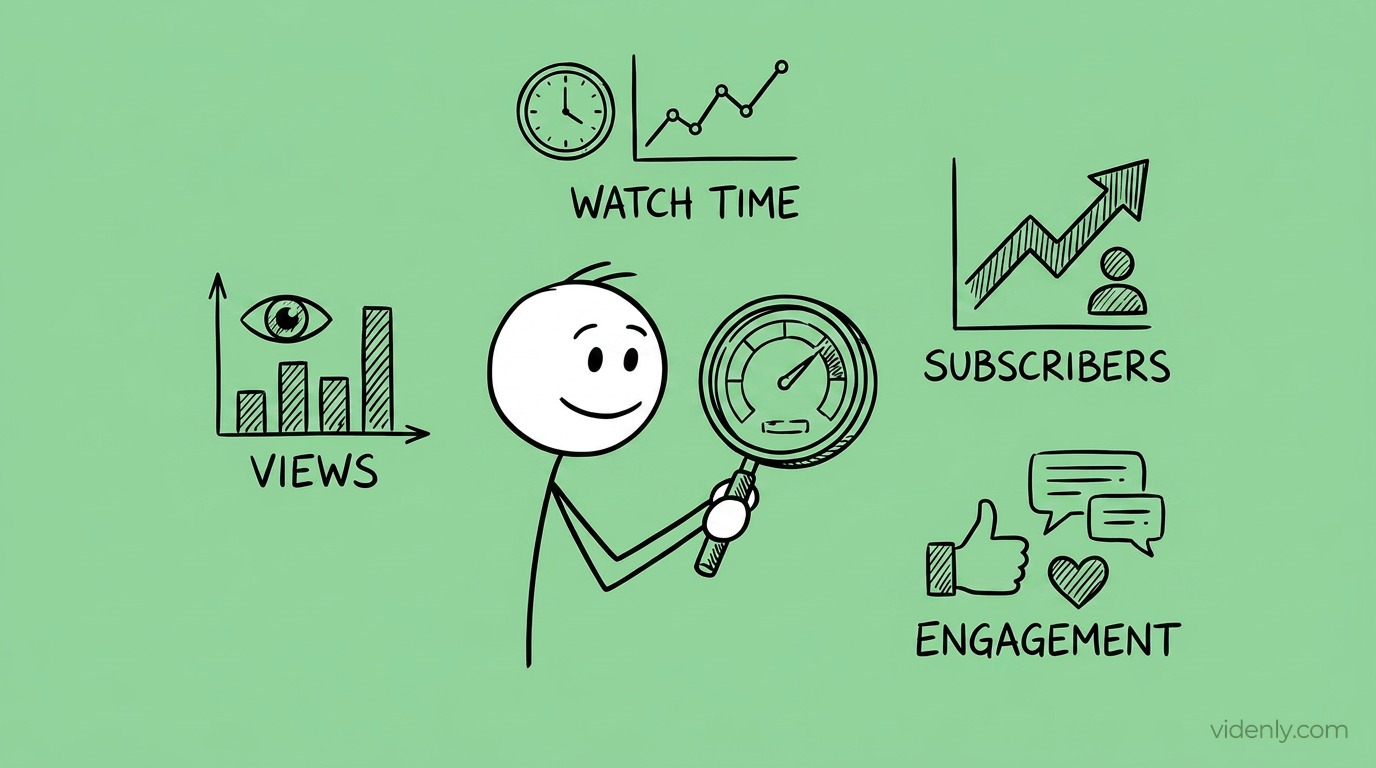
In the landscape of YouTube content creation, using third-party tools for insightful analysis can be a game changer for any channel, especially those without a face. I would say these tools serve as magnifying glasses, allowing creators to see beyond basic metrics.
With the wealth of data available, creators often find themselves asking how to navigate through it all effectively. This is where the right analytics tools come into play, shining a spotlight on essential details that can guide your strategy.
While YouTube provides its own analytics, it’s no secret that sometimes these insights can feel limited, particularly when you’re trying to understand your audience deeply. By integrating external tools, you explore metrics that YouTube might overlook, ultimately giving you a more comprehensive perspective on your content’s performance.
Besides, many of these tools gather data from various platforms, combining aspects that YouTube’s native analytics can’t. They can unveil trends and statistics that might just be the key to unlocking a new marketing strategy.
Now, let me share a list of the key metrics that can be uncovered using external tools:
For someone like me, using these tools feels akin to exploring a hidden treasure map.
Each metric you uncover adds more value and relevance to your channel, sculpting a clearer path toward success.
Specific tools can analyze video metadata, audience engagement, SEO factors, and much more when equipped with the right features.
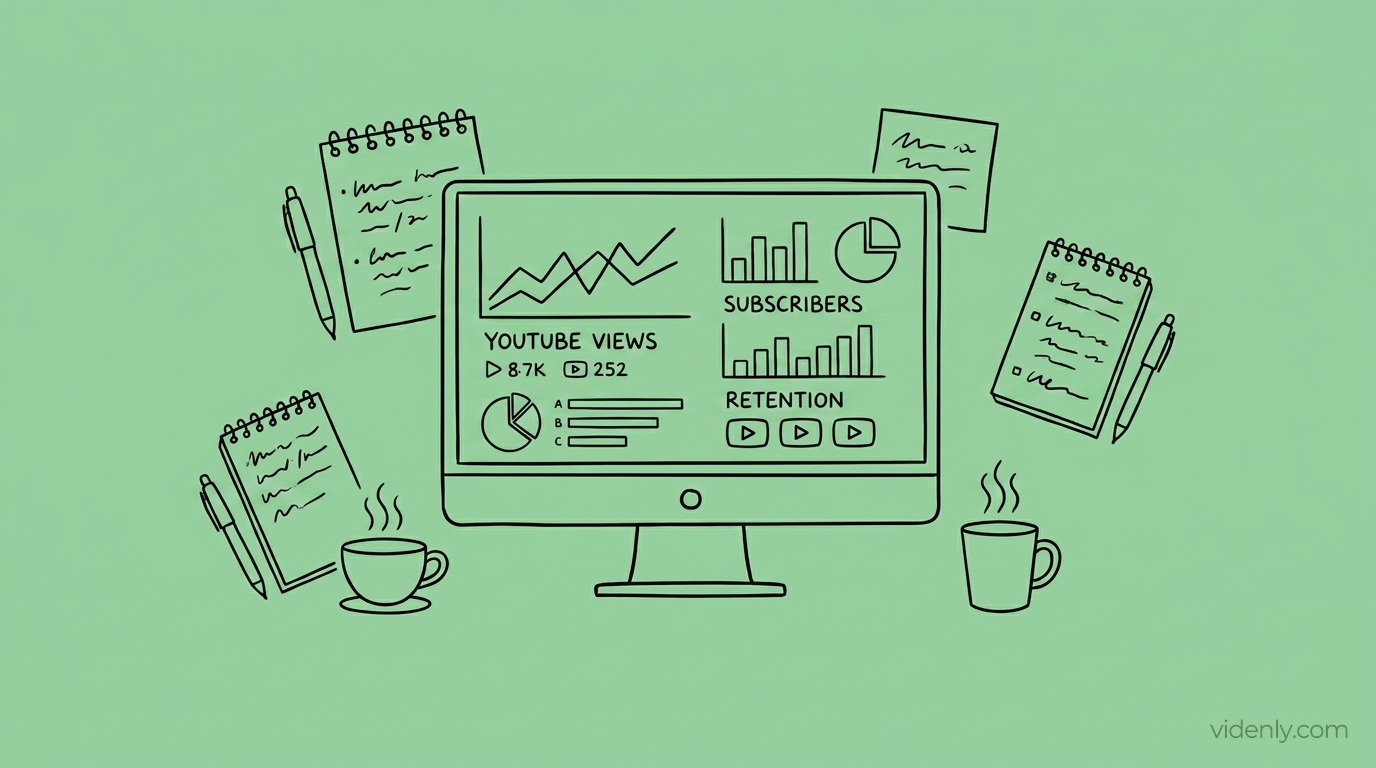
You might find that these resources seamlessly assist in crafting better future content or marketing plans.
Another essential factor is the user interface of these analytics platforms.
A well-designed dashboard can make data interpretation much more intuitive, preventing analysis from becoming a mind-numbing chore.
When analyzing metrics, it’s also wise to set clear goals.
Defined goals allow for targeted evaluations and help track progress over time.
Having these benchmarks can feel like having a compass guiding you through an unfamiliar territory.
Moreover, the best insights often arise from continuous care and monitoring.
Regularly revisiting these analytics strengthens your knowledge base, which directly impacts your future decisions and adjustments.
At the end of the day, staying abreast of the latest updates and features in these third-party tools leads to further enrichment of your insights.
Changes to algorithms or features can provide new opportunities, making it critical to actively engage with these tools.
In addition to recognizing metrics, applying them to real-world content strategies is crucial.
This might involve adjusting your titles, thumbnails, and even how you engage with your audience.
By focusing on the data trends, you’re not just a creator, but rather a strategic planner using insights to rewind and replay the canvas of your channel.
And don’t forget about the community insights; engaging with your viewers provides invaluable perspectives on what resonates with them.
Important: Using third-party analytics tools enhances your ability to uncover critical audience insights and performance metrics that YouTube’s native analytics might overlook, ultimately guiding your content strategy more effectively.
To wrap it up, as you delve into the world of analytics with third-party tools, consider these insights a tapestry that threads your understanding of your audience’s preferences and behaviors.
Each piece of data adds to the broader picture of your channel’s growth and evolution.
The audience retention graph is one of the most telling metrics for understanding how well your content resonates with viewers. It provides a visual representation of viewership trends, indicating how many people stay engaged throughout the entire video.
When you first look at the graph, what stands out is often the initial drop in viewership. It’s like watching a roller coaster; the excitement peaks and then, gradually, the thrill starts to fade.
Identifying the specific moments where viewers drop off en masse can provide invaluable insights into audience preferences. If there’s a consistent pattern of viewers tuning out at the same point, that’s a clear signal that changes may be needed in your content delivery.
Each dip in the line graph signifies a moment of disconnect, and understanding these dips can be quite enlightening. For instance, if you notice a significant drop at a 30-second mark, it may be worth reflecting on what happened just before that moment.
The structure of your content is crucial; was there a lengthy introduction that didn’t grab attention? Or perhaps a section that was overly technical or boring, causing viewers to lose interest?
Audience retention can also be affected by the pacing of your video. Short bursts of engaging content tend to keep viewers more interested compared to longer, drawn-out explanations.
It’s also helpful to compare retention rates between different videos on your channel. By analyzing which videos keep viewers engaged, you can start to see patterns that emerge, revealing what type of content works best for your audience.
A closer examination of retention graphs can show variations based on factors like video length. A good example would be, shorter videos may generally see a higher retention rate as viewers often prefer quick, digestible content.
As you analyze viewer engagement, think about what keeps your own attention. Is it a good story, humor, breathtaking visuals, or maybe the way a subject is presented?
One effective strategy is to look at the retention graph in conjunction with viewer comments and feedback. By listening to your audience and correlating their feedback with retention drop-offs, you can better understand their needs.
Additionally, consider the first few seconds of your videos as they are incredibly important. Viewers decide within the first moments if they will continue watching or move on to something else.
In many ways, the audience retention graph acts as a pulse, indicating how alive your content feels to viewers. This pulse can help guide your creative choices moving forward and inform how you present future content.
On the other hand, pay close attention to the segments with surprising retention spikes. These moments are like hidden gems; they signify content that resonates strongly with your audience.
Such spikes could result from either particularly engaging anecdotes or perhaps a unique approach to presenting information. This is where creativity and audience understanding merge beautifully.
Sometimes, a twist or unexpected element can captivate viewers, resulting in a surge of renewed interest. As a creator, harnessing the power of these moments can turn an average video into something extraordinarily engaging.
Moreover, try to dissect the reasons behind these retention boosts. Was there something in the presentation that was addressed uniquely or an emotional hook that appealed to viewers?
By understanding these nuances, you can begin to craft your videos around what truly resonates with your audience. This thoughtful approach will inevitably lead to a deeper connection and greater viewership.
Don’t overlook the importance of harmony between visuals and narration. A cohesive presentation will keep viewers locked in much like a great song, where each note complements the last.
At the end of the day, analyzing audience retention graphs is more than just identifying where viewers drop off; it’s about seeking deeper understanding. You are piecing together a puzzle of what captivates and maintains viewer interest.
Taking the time to evaluate these graphs thoroughly can provide you with a roadmap for improvement. As with any creative endeavor, reflection is key, and this practice can illuminate a path toward developing engaging, high-quality content.
As you continue refining your craft, remember that every video is a new chance to engage and connect. Your audience is out there, waiting for content that speaks to them so keep analyzing and striving for improvement.

Using A/B testing strategies for titles can become a game changer when striving to optimize your YouTube video performance. It’s like planting two seeds in the same soil, each with its own potential to grow and flourish.
First, let’s get into the nitty-gritty of what A/B testing actually involves in the context of creating compelling YouTube titles. Essentially, you’re comparing two versions of a title to see which one resonates better with your audience, allowing you to make informed choices about changes.
The first step is to identify the key elements of your title that you want to test. It might be the tone, length, or even the use of specific keywords that can drastically affect how your audience reacts to your content.
Once you have your elements, create two distinct versions for a title. It can be as simple as switching out one word or restructuring the entire title to convey a different feeling. Each variant needs to have a unique focus that could potentially attract more viewers.
When planning your A/B tests, it’s crucial to ensure you have a solid sample size for the test. With a small number of views, your results might be skewed, just like a drop of paint in a bucket of water it won’t show anything substantial.
In terms of implementing the test, you can use familiarity in your data analysis approach. A good example would be, running each title on similar release days or under comparable promotion strategies will help level the playing field and provide accurate insights.
A good practice is to run your tests for a set period of days, which gives each version enough time to gather sufficient data. Being patient with your A/B testing allows for more reliable outcomes; otherwise, you might end up making changes based on fleeting responses.
Now, when analyzing the results, you should look into various metrics that could influence how well each title performed. Here’s a concise list of metrics to consider when assessing your test results:
It’s essential not just to focus on one metric but to consider multiple factors when determining the winner of your A/B test.
The effectiveness of a title often lies in its ability to captivate potential viewers from the very onset of their interaction.
Additionally, while it’s easy to become overly obsessed with metrics, keep in mind that creativity remains a crucial cornerstone to your YouTube strategy.
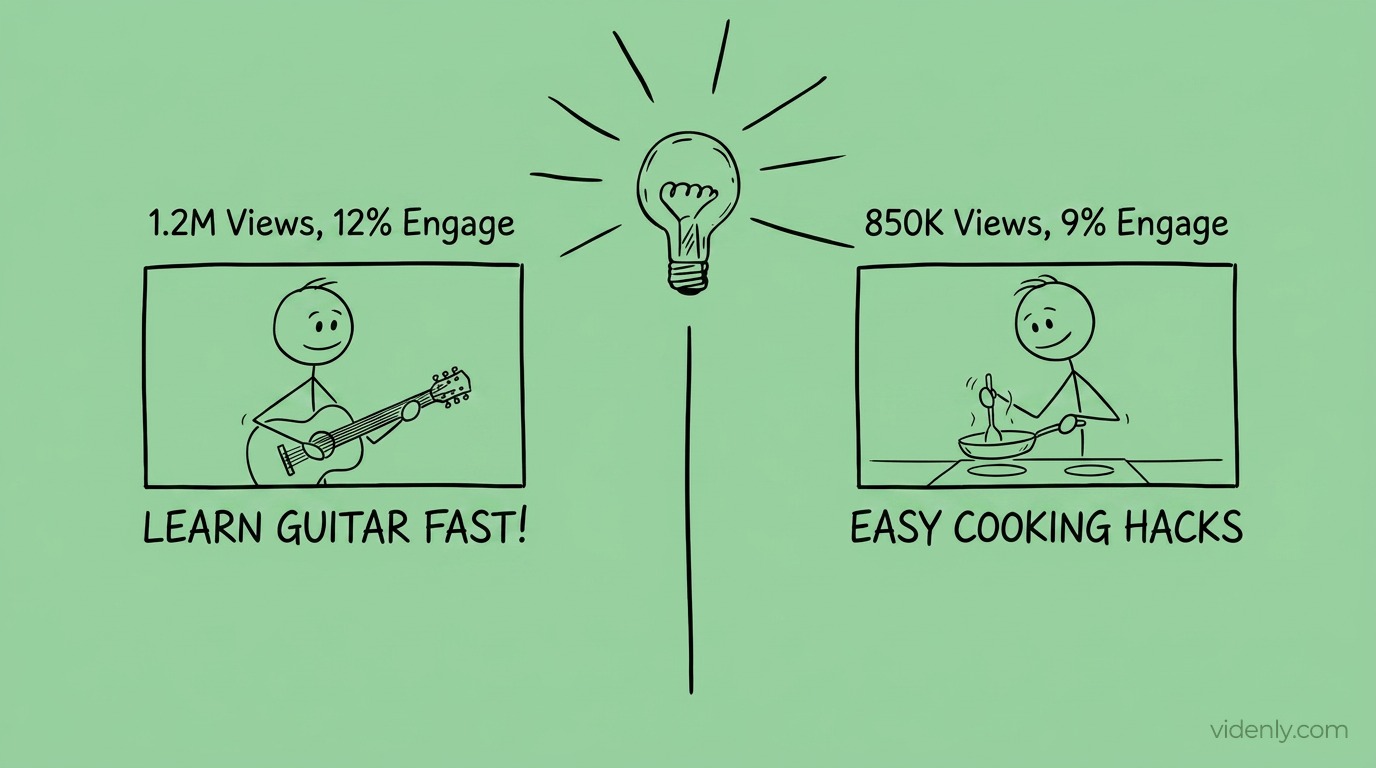
A balance between analytical insights and inventive expression can enrich your channel, leading to sustainable growth.
As you carry on with your A/B testing process, don’t shy away from sharing your findings with your audience.
Sometimes, they love to see behind the curtain, and sharing the results can foster a deeper connection with them.
Transparency can also help viewers feel more engaged in your content journey.
At the end of the day, you may discover that your evolving understanding of audience preferences will refine how you approach future titles.
A/B testing is not merely an exercise but an ongoing adventure into the heart of what your viewership craves.
This reflexive process will equip you with insights that can guide the crafting of your future video titles and, in turn, enhance your overall content strategy.
The answers you gather from this experience are like treasure found on a journey, enriching both your channel and your audience’s experience with every iteration.
As a content creator working with faceless YouTube channels, navigating the ever-evolving landscape of digital media can seem daunting. Yet, staying updated on industry trends is crucial for engaging audiences and ensuring your content resonates in a crowded marketplace.
One of the most effective methods of keeping up with trends is immersing yourself in the latest content. By regularly watching videos across various genres, you get a sense of the styles, themes, and formats that are currently captivating viewers.
Engaging with social media platforms like Twitter, TikTok, and Instagram also provides invaluable insight. These platforms often serve as breeding grounds for new trends before they make their way to the main stage of YouTube.
Another proactive approach is to participate in online forums or communities focused on video content creation. Websites like Reddit and specialized Facebook groups can showcase grassroots trends and grassroots innovations that may not yet be on mainstream radar.
Trends often emerge from specific niche communities, so it’s beneficial to dive into these subcultures. By understanding the unique interests and preferences of these groups, you can tailor your content to fulfill unmet needs or desires.
Having a finger on the pulse of industry forecasts and reports can also be a game changer. Subscribing to newsletters or following influential thought leaders helps you remain informed about what to expect in the future of digital media.
Networking is another key element in staying ahead of the curve. Connecting with fellow creators or marketers opens the door to collaboration and exchanges that might introduce you to trends before they get mainstream attention.
Participation in industry conferences and workshops can serve as an educational platform and a celebration of creative innovation. These events often spotlight thought-provoking talks from key players who discuss the direction content creation is headed.
Speaking of innovation, keeping an eye on technological advancements is essential as tools and platforms continuously evolve. Whether it’s the rise of new editing software or changing algorithms, adapting to these developments enables you to stay relevant.
Engaging with analytics and metrics from your content can reveal valuable insights. This data not only shows how your videos perform but also indicates trends in audience preferences and viewing habits.
As you accumulate data, analyzing viewer engagement becomes fundamental. Identifying which types of content elicit emotional responses or higher retention rates can spark fresh ideas for upcoming videos.
Consider leveraging tools designed to track real-time trends. These tools can help you discover rising topics and popular content quickly, akin to a radar detecting incoming signals.
Taking time to reflect on past videos also provides a wealth of information. What worked and what didn’t? Analyzing previous successes and failures can guide your content strategy moving forward.
Utilizing Google Trends allows you to see what people are searching for, aiding in content ideation. This tool lets you tap into popular topics that can spark viewer interest and involvement.
Moreover, subscribing to industry podcasts offers a different vantage point. These discussions often delve into the nuances of current trends while providing expert advice that may refine your approach.
If you don’t incorporate elements of current events into your content, you may risk becoming irrelevant. Viewers often gravitate towards creators who engage with the world around them in a meaningful way.
Even though it might be challenging, fostering your unique voice amid existing trends is critical. Authenticity resonates, and when you blend personal insights with trending topics, you create a powerful connection with viewers.
As trends often shift rapidly, a flexible content strategy is important. Being willing to make adjustments based on new information keeps your work fresh and appealing to your audience.
Finally, it’s important to remember that trends often morph over time. What is popular today may not hold the same weight tomorrow, making continuous observation and adaptation essential to stay relevant.
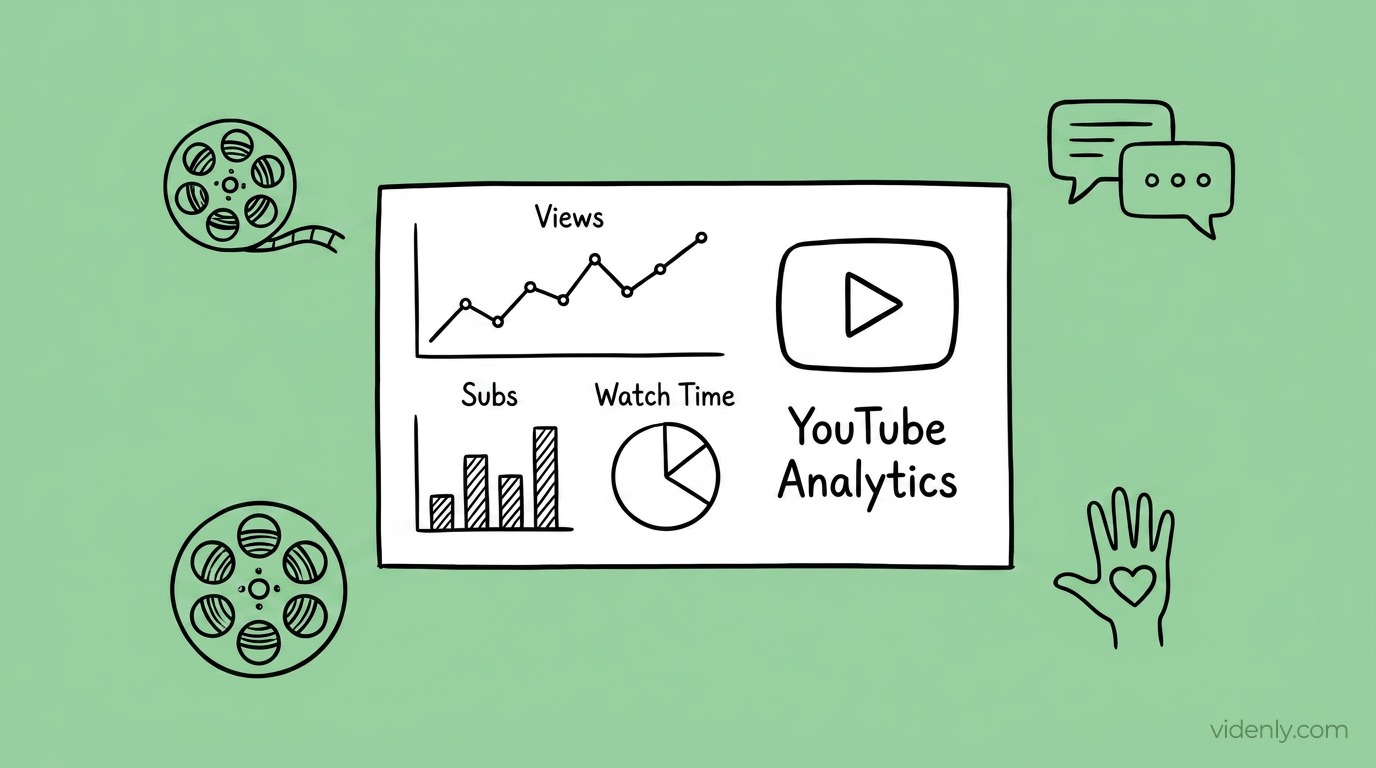
Analyzing faceless YouTube metrics is essential for achieving success on the platform.
Utilizing YouTube Analytics to track key performance indicators allows creators to understand their channel’s growth and audience engagement better.
Incorporating third-party tools can provide deeper insights beyond what YouTube offers, helping you refine your strategies.
Monitoring audience retention graphs can reveal valuable information about which parts of your videos keep viewers engaged or lead them to drop off.
Implementing A/B testing for titles can directly impact your video’s click-through rates and overall success.
Staying updated with industry trends ensures you remain relevant and can adapt your content strategy to meet audience preferences.
By leveraging all these strategies, you can create a more optimized channel that resonates with viewers and drives consistent growth.
Create stunning AI-generated videos that captivate your audience and elevate your brand.