
Published on March 7, 2026 by
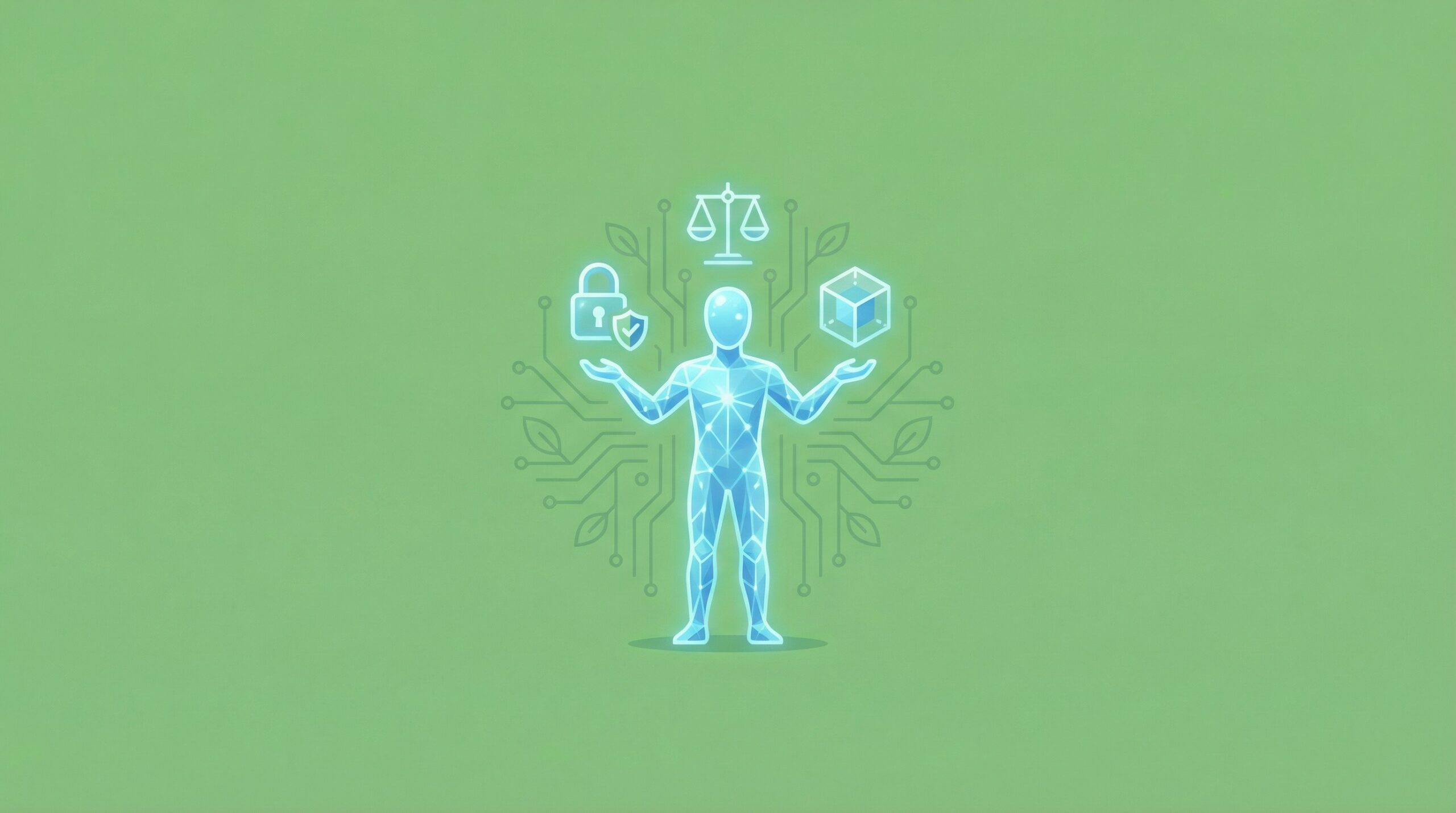
The integration of AI avatars into various sectors raises significant ethical considerations that must be addressed.
One primary concern is the potential for misuse, where avatars could be manipulated to spread misinformation or engage in deceptive practices.
Additionally, the issue of consent becomes paramount, as users must be informed about how their data is used and the implications of interacting with AI representations.
Privacy is also a crucial factor; the ability of AI avatars to collect personal information necessitates stringent safeguards to protect user data.
Moreover, the representation and bias in AI algorithms can lead to discrimination and ethical dilemmas, requiring a commitment to fairness and inclusivity in design.
At the end of the day, as we embrace AI avatars, it is essential to ensure that they operate within a framework that prioritizes accountability and ethical responsibility.
The discussion on ethical considerations for AI avatars is far-reaching, touching on various important aspects that deserve attention.
In the following sections, I will explore how advancements in technology influence the ethical landscape, as well as the implications of AI on privacy and identity.
Additionally, I will address the potential for AI avatars in different sectors, examining both their benefits and challenges in practical applications.
Understanding these topics can provide deeper insights into the complexities surrounding AI avatars and their role in our society.
The development and integration of AI avatars into our daily lives raises significant ethical considerations that intertwine technology with human rights. As we create these digital personas, we need to examine the crucial aspects that dictate their responsibility, impact, and overall meaning in society.
One of the first issues that come to mind is the importance of user consent. It’s essential for users to fully understand how their data will be used in the creation and operation of these avatars.
Consent must not only be informed but also voluntary. I would say, without proper consent, the user becomes a mere subject to be analyzed rather than a key contributor in the development of these AI systems.
Alongside consent, the impact on privacy and data security is a growing concern. With AI avatars capable of generating intelligent responses based on user data, the stakes are higher than ever regarding how such information gets collected and stored.
Imagine a personal diary being read not just by a friend, but by random strangers across the globe, with your thoughts floating into the digital ether. This metaphor illustrates the potential risks inherent in the usage of AI avatars.
Additionally, bias in AI representation emerges as a significant ethical issue within this development narrative. If AI systems are unconsciously trained on biased data, the avatars they generate may perpetuate stereotypes and prejudices, thus propagating harmful narratives.
To better understand the implications of this bias, consider the scenario in which a user interacts with an avatar that reflects only specific demographics or fails to include diverse perspectives. This not only limits representation but also influences societal perceptions in a potentially harmful manner.
Furthermore, the principles of ethical design play a pivotal role in shaping these technology-driven avatars. Designers must be mindful of the choices they make, ensuring that their creations prioritize user safety and promote inclusiveness.
There are several critical factors to consider regarding ethical design. It’s important that developers maintain transparency in how avatars operate and are built. Consideration of ethical design can include:
When it comes to AI systems, accountability emerges as another cornerstone of ethical practice. When an avatar behaves inappropriately or spreads misinformation, the question arises regarding who is responsible for these actions developers, users, or the AI itself?
Without a clear framework of accountability, it becomes challenging to hold any party responsible for damaging consequences. I mean, just as one wouldn’t allow an unruly child to roam free without supervision, similarly, rigorous standards must be established for AI systems.
Transparency in data usage must not be overlooked, as users have a right to know how their information is utilized. In the ever-complex landscape of AI, there’s a fine line between innovation and exploiting user data without their knowledge.
With the potential for misinformation spread, AI avatars can easily mislead users, especially if they deliver content without proper context or source verification. This area particularly warrants caution as we explore more sophisticated ways to engage with information digitally.
As the technologies develop, establishing robust regulatory frameworks for AI avatars becomes essential. Such frameworks would guide the ethical implementation of avatars, ensuring they serve the best interests of users while safeguarding fundamental rights.
In the end, the future of ethical AI practices rests on the collective responsibility of designers, developers, and users alike. It’s not just about technological advancement; it’s about nurturing a respectful relationship between humans and their digital counterparts.
Reflecting on these ethical considerations allows us to understand that creating AI avatars is as much a social experiment as it is a technological one. By prioritizing ethics and humanity, we can pave the way for accountable innovation that truly enriches our digital interactions.
Create stunning AI-generated videos in minutes that captivate your audience and elevate your brand.