
Published on January 16, 2026 by

To enhance the authenticity of user-generated content (UGC) advertising, brands must prioritize transparency in their partnerships with influencers and customers.
Brands should encourage genuine storytelling by allowing users to express their personal experiences with the products or services.
Incorporating real feedback from users not only builds credibility, but also fosters a community of trust among potential consumers.
It is crucial to maintain a consistent tone and style that aligns with the brand’s identity while also showcasing the diverse voices of the users.
Engaging with the audience through comments and shares can further amplify the perceived authenticity of the content.
Finally, leveraging high-quality visuals created by users can create a relatable and genuine representation of the brand.
There is more to explore on how to effectively implement user-generated content in advertising strategies, as understanding the nuances can greatly impact your campaign’s success.
In the following sections, I will discuss additional best practices that can elevate your UGC initiatives and help you harness its full potential for brand engagement.
Moreover, I will highlight examples of successful UGC campaigns that not only resonated with customers but also significantly boosted brand loyalty.
As we move forward, we will also touch on the importance of measuring the effectiveness of UGC efforts and how to use insights gained to refine future advertising strategies.
User-Generated Content, often referred to as UGC, represents a powerful form of marketing that draws on the creativity and unique experiences of a brand’s audience.
Essentially, UGC encompasses any content that individuals create and share publicly, often through social media platforms, in relation to a particular brand or product.
This content usually includes images, videos, reviews, and blog posts that resonate deeply with potential customers.

Unlike traditional advertisements, which are typically polished and curated by brands, UGC highlights the raw and genuine emotions of users.
I remember the first time I stumbled across a viral video featuring a popular snack brand.
The clip wasn’t produced by the company, but by an enthusiastic fan showing how they enjoyed the product at a picnic.
That spontaneous moment felt more authentic than any commercial could convey, inviting me to engage with the brand in a more personal way.
The rise of UGC can be attributed to the increasing prominence of social media.
Platforms like Instagram, TikTok, and Facebook empower users to share their thoughts and experiences widely, allowing them to become informal brand ambassadors.
With UGC, consumers feel they can relate to a community rather than being targeted by businesses alone.
When people witness their peers enjoying a product, it can create a sense of trust that conventional advertisements often struggle to establish.
UGC has several compelling aspects which set it apart.
The varying nature of the content, for instance, appeals to diverse audiences, encompassing everything from humorous memes to heartfelt testimonials.
Here are some of the key types of UGC that brands commonly leverage:
Each of these forms showcases individual creativity while simultaneously promoting the product, creating a symbiotic relationship between the creator and the brand.
It’s interesting how UGC can evoke feelings of nostalgia or desire, serving as a reminder of shared moments and collective experiences.
As a part of the dialogue that UGC fosters, audiences also see brands responding in real-time.
Interactive platforms encourage brands to engage with their audience by showcasing UGC, which often leads to a larger community feeling and enhances brand loyalty.
The impact of UGC extends beyond mere advertising; it influences purchasing behavior too.
According to several studies, potential customers are significantly more likely to purchase a product after seeing genuine content shared by ordinary users rather than polished advertising.
Brands benefit from incorporating UGC into their marketing strategies because it fosters a level of engagement and showcases the product in real-life scenarios.
With the authenticity of UGC, what users share can serve as trust signals, illustrating how the product fits into everyday life.
Another captivating aspect of UGC is its dynamic and ever-evolving nature.
It’s akin to a living organism, adapting and changing with every user interaction and new piece of content contributed.
This constant flux carries the potential for brands to harness fresh ideas and stay relevant in a constantly shifting digital landscape.
At the end of the day, UGC functions as a bridge between brands and consumers, connecting them through shared narratives and experiences.
This method serves to level the playing field, placing the power back into the hands of everyday users who play a important role in shaping brand perception.
Pro Tip: To enhance authenticity in UGC advertising, encourage your audience to share their real-life experiences with your product, as this fosters trust and resonates more powerfully than traditional marketing.
What’s clear is that User-Generated Content transcends conventional advertising by bringing forth a genuine connection that resonates with audiences on a personal level.
In a sea of marketing messages, UGC can shine like a beacon, guiding potential customers toward products and experiences that feel genuine and trustworthy.
When it comes to user-generated content, or UGC, transparency plays a pivotal role in establishing credibility.
The sheer volume of content being produced online today makes it essential for brands to maintain a relationship of trust with their audience.
In an era dominated by social media, where consumers act as both creators and critics of content, their perceptions of authenticity are more acute than ever.
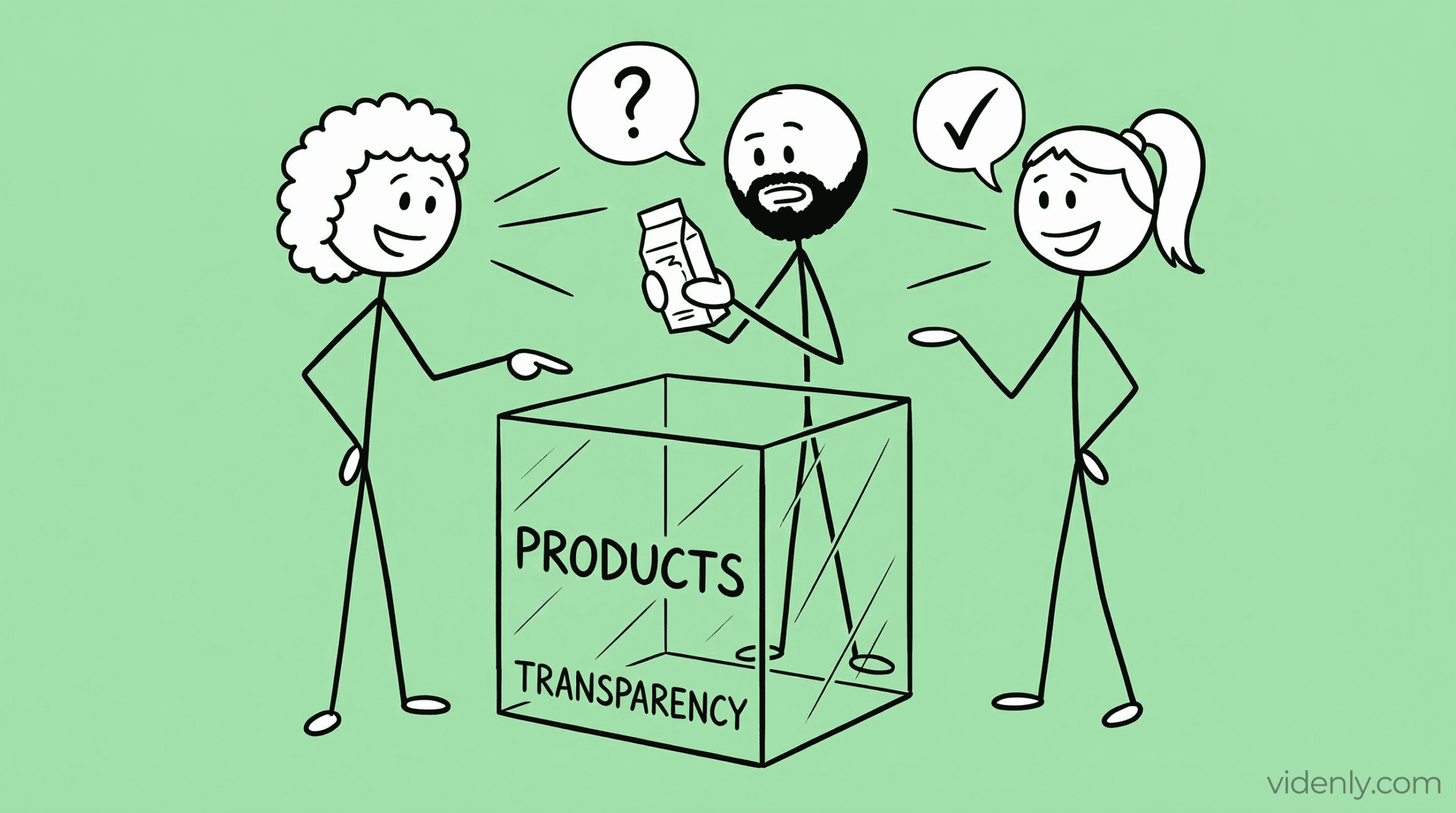
They can easily tell when something feels staged or overly polished, and this recognition can directly influence their buying decisions.
Being transparent isn’t just about honesty; it’s about cultivating genuine connections with the audience.
When consumers see a brand openly sharing UGC, they often associate that openness with authenticity.
Many people feel that when brands showcase content created by users, they are, in effect, giving those users a voice.
This practice enhances the overall feeling of community, where consumers feel recognized and appreciated by the very brands they support.
Transparency also brings about a sense of accountability.
When brands openly acknowledge the contributions of their consumers, it encourages greater participation and engagement from the audience.
They are more likely to share their experiences if they believe their voices matter.
Imagine walking into a cozy café that proudly displays pictures of its customers enjoying their coffee.
It creates an inviting atmosphere where people feel included in the narrative of the brand, drawing them in and encouraging them to return.
UGC works the same way; it builds a cultural bridge between the brand and its audience.
Additionally, the element of transparency can serve as a safeguard against backlash.
When brands are clear about who is behind the content they share, it helps to prevent misinterpretations or misrepresentations that could lead to mistrust.
For instance, if a user posts a photo with a product, the brand should ideally link back to that user to show the original source.
This acknowledgment reinforces the notion that the brand values genuine feedback and real experiences over generic, overly curated marketing content.
It’s essential to recognize that transparency in UGC is not merely an ethical obligation, but a strategic advantage as well.
Being clear about motivations and processes could foster loyalty among consumers who value authenticity in relationships.
Moreover, transparency makes it easier for brands to manage customer expectations.
When a company openly shares the submissions from users, it sets a clear standard that what audiences see represents real testimonials rather than fabricated endorsements.
This goes hand in hand with the concept of authentic storytelling, where real experiences resonate better with audiences than polished brand narratives.
Consumers increasingly favor brands that resonate with their real-life experiences rather than those that present an unattainable ideal.
Furthermore, the context in which UGC is shared matters significantly.
For brands that provide insight into their selection process of user-generated content, the audience feels included in the brand’s journey, reinforcing brand loyalty and fostering a deeper emotional connection.
With many users posting content solely for the love of a brand, acknowledging this willingness fosters a culture of appreciation.
When a brand highlights user-generated content authentically, it not only rewards participation but also reinforces users’ long-term loyalty.
Furthermore, incorporating elements of transparency can transform brand-customer dynamics from transactional to relational.
When consumers believe they understand the motivations and stories behind the content, they are more likely to forge emotional bonds with the brand, solidifying their commitment as loyal advocates.
The modern consumer is savvy and discerning, equipped with a wealth of information at their fingertips.
So when brands are transparent about their UGC practices, it builds trust, which is important in today’s competitive landscape.
At the end of the day, transparency in user-generated content cultivates a culture of openness and trust.
This transparency can turn casual consumers into brand advocates, who not only support the brand but also contribute to a more vibrant community.
Sharing stories has a unique power; it connects people in a way that mere facts often can’t.
When it comes to user-generated content (UGC) advertising, encouraging authentic and relatable storytelling is critical for building trust and connection with audiences.
One effective way to foster genuine storytelling is to create an environment where individuals feel safe and empowered to express themselves.

It’s essential to understand that the stories people share are often personal; they can reflect deeply held values, experiences, and emotions.
A clear prompt can guide users to share their stories while still allowing their voice to shine through.
This means rather than giving a strict script, provide an open-ended question inviting them to share their experiences and insights regarding your brand.
For instance, asking them how a product impacted their life or how it solved a problem can lead to genuine storytelling that resonates.
The intent here is to encourage organic narratives that don’t feel rehearsed or forced, as if they’ve been plucked straight from a novel.
Moreover, recognizing and celebrating diverse experiences adds depth to the storytelling process.
Each individual’s perspective is like a unique thread woven into a larger tapestry, creating a richer narrative landscape.
Encouraging storytelling through visuals can be just as impactful as written narratives.
When users share photos or videos that capture their experiences with your product, it transforms their narrative into a visual journey that others can jump into and relate to.
Additionally, listening to user stories actively and engaging with them is crucial.
When users see that their narratives are valued,perhaps through sharing or commenting,they’re likely to feel more connected and motivated to share deeper experiences.
I would say that authenticity shines through vulnerability.
It takes courage to reveal personal stories, especially in a society where people often hide behind curated images and highlights.
Encouraging users to share both successes and failures related to your brand promotes a sense of camaraderie among consumers.
After all, nobody’s journey is a straight line; it’s a winding path filled with bumps and detours.
A compelling way to spark genuine storytelling is to showcase examples of previous user stories.
Sharing past narratives not only inspires others but also illustrates the kind of stories that resonate with your audience.
Moreover, consider integrating storytelling challenges or contests into your marketing strategy.
Incentivizing participation through recognition or rewards encourages users to put more thought and creativity into their submissions.
Such initiatives should feel exciting rather than mandatory, igniting enthusiasm among participants.
Like a playful game, it’s about inviting users to get creative while expressing themselves authentically, and that creativity can lead to genuine connections.
Furthermore, storytelling can become even more immersive when you invite users to share experiences about special moments tied to your brand.
These could include celebrations, holidays, or life milestones where your product played a role.
Turning these instances into campaigns can evoke emotions like nostalgia or joy, prompting others to join in and share their stories.
Each narrative, woven together, becomes part of the collective experience that builds brand affinity.
Regularly featuring user stories in your marketing materials can create a sense of community.
When potential customers see others like themselves represented, it fosters comfort and encourages participation.
Incorporating storytelling into your brand strategy creates an avenue for users to connect deeply with the narrative.
This relationship between brands and users becomes more meaningful, as it facilitates a dialogue rather than a one-sided advertisement.
Important: Encouraging authentic storytelling is critical for building trust and connection with audiences, as it invites individuals to share personal experiences that reflect their deeply held values, ultimately transforming the brand narrative into a more relatable and human-centered dialogue.
In the end, storytelling in advertising isn’t merely about sharing snippets of experience.
It’s about connecting on a human level, creating warmth in a space dominated by transactional exchanges where each story serves as an invitation to understand and connect with others.
When we think about user-generated content (UGC) in advertising, it’s essential to understand the impact of real feedback on both the audience and the creators.
Feedback serves as a bridge connecting brands to their consumers, bringing authenticity to the table in a way nothing else can.
The concept of real feedback might seem simple, but its implications are profound and wide-reaching.

It provides genuine insights into how products or services resonate with users, painting a vivid picture of their experiences.
Consider the way customer reviews illuminate the user journey.
Each review becomes a story that reflects a specific moment in time, showcasing how a product fits into someone’s life, and ultimately influencing potential buyers.
Today’s consumers are savvy; they often seek out the perspectives of fellow customers rather than relying solely on brand marketing messages.
This shift in behavior emphasizes the importance of capturing authentic feedback from real users.
When brands actively encourage and feature this feedback, they tap into an essential layer of trust that resonates deeply with an audience.
It’s much like how we turn to a friend’s recommendation before trying a new restaurant; their words carry weight based on personal experience, building confidence in our choices.
Collating feedback allows brands to engage more intimately with their audience, creating a sense of community.
When customers see their opinions valued, it fosters loyalty and encourages them to contribute more actively, which in turn generates even more content.
Real feedback also acts as a guide for brands, steering them closer to what their audience truly needs.
Adjustments made from consumer insights can lead to enhancements that strengthen product offerings and improve overall user experience.
It’s fascinating to see how social proof, in the form of user reviews and testimonials, can drive decisions.
When a potential customer witnesses a wave of positive feedback from others, it acts as a beacon, luring them toward making a purchase they might have hesitated about initially.
Imagine being in a room filled with voices sharing their experiences about a new product.
That collective echo amplifies credibility in a way that polished advertisements simply cannot replicate, creating an environment of trust and authenticity.
Incorporating real feedback into UGC advertising is more than just showcasing reviews; it’s about weaving those insights into the overall narrative.
Real feedback serves as a foundation upon which brands can build a more relatable and trustworthy persona.
Sometimes, brands take this opportunity a step further by inviting users to share their experiences through various platforms, including social media channels.
Platforms like Videnly have started enabling creators to easily produce content that showcases genuine user experiences, transforming personal stories into dynamic visuals.
By using tools that offer features like automated video generation and text-to-speech voices, brands can effortlessly highlight user feedback in engaging formats.
Consequently, this approach not only captures the essence of real experiences but also enhances brand storytelling.
Moreover, engaging with real feedback also provides an opportunity to address negative experiences transparently.
A proactive approach to feedback, including responding to criticism, demonstrates a brand’s commitment to quality and customer satisfaction.
This open dialogue can turn potential issues into opportunities for improvement, showcasing resilience and a willingness to grow alongside the consumers.
A thoughtful response can often transform a dissatisfied customer into a loyal advocate.
It’s important to listen carefully to what customers say about your brand.
A few key touchpoints from real feedback can shape the strategy for future marketing campaigns, allowing advertisements to reflect actual consumer sentiments.
In the end, real feedback contributes to a feedback loop that continuously informs and refines brand messaging.
When users see that their contributions matter, they are more likely to share their experiences, feeding the cycle of authenticity further.
In essence, real feedback fosters an organic growth path for brands engaged in UGC advertising.
This cycle of communication not only enhances authenticity but also drives loyal engagement, creating lasting relationships that benefit both parties.
Pro Tip: Incorporate real feedback from users into your marketing strategy to build authenticity and trust, as it not only enhances your narrative but also fosters a loyal community around your brand.
As brands embrace the power of real feedback, they position themselves to connect on deeper levels with their audience.
The interplay of user experiences and brand narrative becomes a dynamic dance, creating vibrant and authentic advertising that resonates far and wide.
In the world of user-generated content, maintaining brand consistency is absolutely essential for ensuring that every piece of content reflects your brand’s identity.
This is important because a cohesive brand image builds trust and recognition among your audience, allowing them to feel connected to your business.
When you think about brand consistency, it’s like weaving a tapestry; each thread contributes to the overall picture.
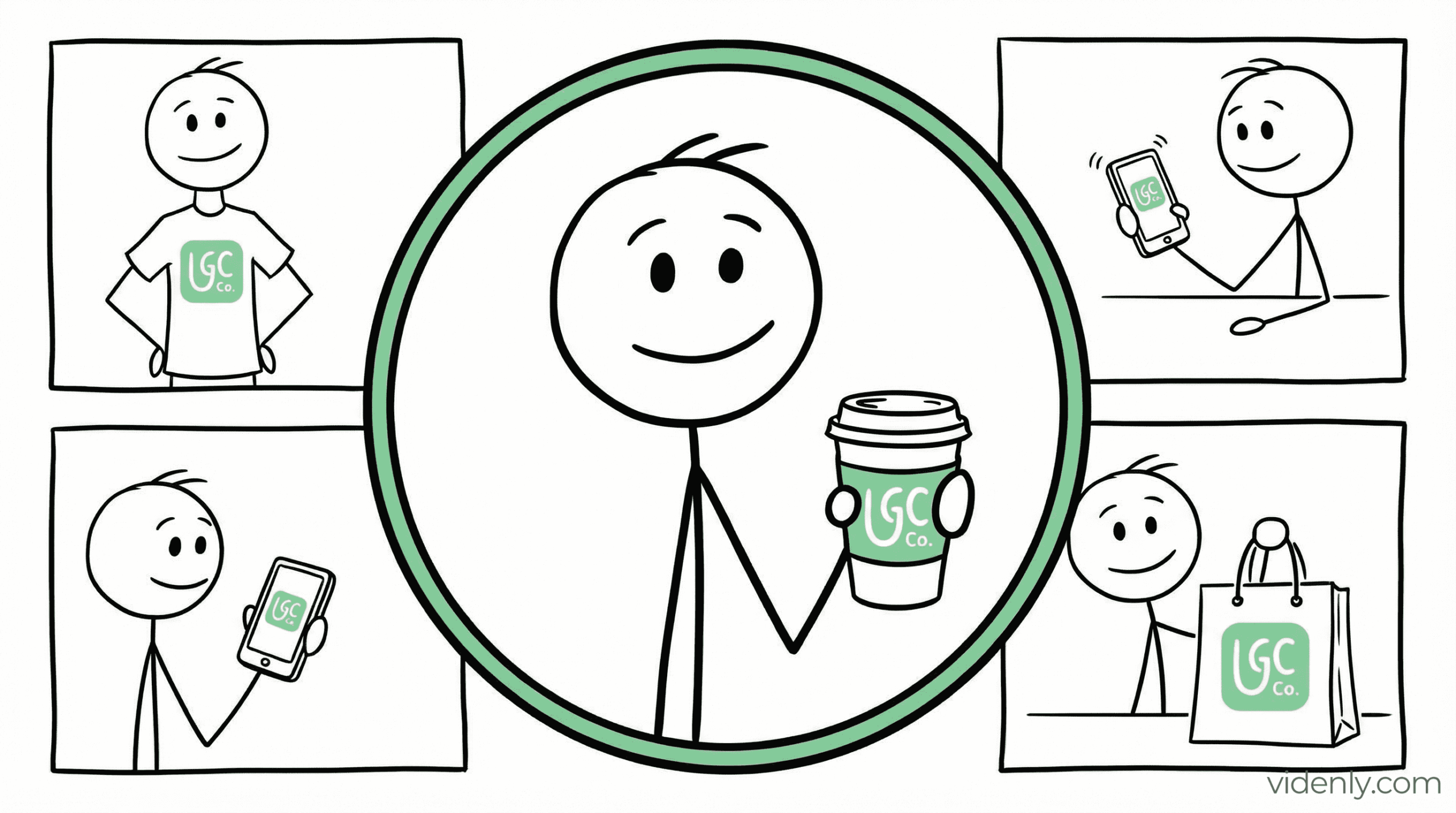
Every user-generated piece you share must align with your brand’s core values, voice, and overall aesthetic to create a seamless narrative.
One practical approach to enhance brand consistency is to create clear guidelines for your audience.
By providing solid guidelines, you can easily communicate your brand’s expectations regarding tone, style, and visual elements.
These guidelines act as a map to steer creators on the right course while they develop content that resonates with your brand.
When everyone involved understands the essence of your brand, the output tends to reflect that essence automatically, like finding the right notes that harmonize beautifully in a song.
Another significant aspect to consider is collaborating closely with your users.
Engaging with your audience can lead to a better quality of content that genuinely represents your brand’s spirit.
You could encourage them to share their experiences, but make sure you regularly highlight those shared moments that mirror your brand image.
It’s equally essential to showcase user-generated content through a consistent visual style.
You might want to incorporate a specific filter or editing style to the images shared by your users.
This keeps visuals looking cohesive, just like how familiar colors in a painting form a unified masterpiece.
Moreover, curating content plays a critical role in emphasizing brand consistency.
By selectively choosing which pieces of user-generated content to promote, you have more control over how your brand is perceived.
When you highlight content that aligns well with your identity, the overall message stays strong and clear.
Keeping an eye on customer feedback can also enhance your awareness of how your brand is perceived over time.
Instead of being reactive, attempt to be proactive, exploring avenues before they become questionable.
As you manage user-generated content, aim to regularly review and revamp your guidelines to suit any evolving styles or trends within your community.
Another effective strategy revolves around employing a central hub for your brand’s content.
This could be a dedicated platform where you host content that aligns with your branding.
By doing this, it’ll be easier for consumers to discover your visual story and understand your brand’s personality in a unified space.
Even when you encourage authentic user submissions, some level of moderation is important for keeping everything on-brand.
Moderation is not merely about removing inappropriate content; it’s about ensuring that the representation meets your brand’s standards.
Context is everything, and you want to project the best version of your brand.
Finally, storytelling is another profound tool for maintaining brand consistency.
When you share user-generated content as part of a larger narrative, you invite your audience into a larger conversation.
This approach fosters a sense of belonging while reinforcing your brand identity through the diverse stories and experiences of your users.
Using these tactics in a deliberate manner can help craft a solid foundation for your UGC campaigns.
These elements together create a symphony, where each note plays its role in crafting a consistent message that resonates with consumers, driving engagement and loyalty throughout all interactions.
Connecting with an audience is like fishing in a vast sea; one must know the right bait to attract the fish.
To truly engage with your audience, you need to understand their desires and preferences, creating something that resonates with them on a personal level.
Content that is authentic and relatable tends to draw people in.

When you capture authentic stories through User-Generated Content (UGC), you showcase the genuine experiences of real individuals, making your message more impactful and trustworthy.
Engagement begins when your content invites conversation and interaction.
You might consider creating opportunities for your audience to share their thoughts, experiences, or feedback, forming an essential bond.
Encouraging audience participation can be as simple as asking for their opinions on a recent event or inviting them to share their personal stories related to your brand.
Viewers often appreciate knowing that their input holds value, which allows them to feel like a part of a shared community.
A successful strategy might involve crafting engaging posts that spark discussions.
Questions like “How has this product changed your life?” not only stimulate conversation but also create a sense of community among users, as they share and reflect on their experiences.
People appreciate personalized interactions.
The effort to respond to comments and messages shows your audience that their voices matter, fostering stronger connections between them and your brand.
Utilizing a storytelling approach can enhance engagement by framing your brand within a narrative that resonates with the audience’s experiences.
It’s important to create stories that not only showcase your brand but also reflect the real-life twists and turns that potential customers might relate to.
A relatable story can evoke emotions that transcend the typical advertising pitch.
By integrating real reviews or anecdotes into the narrative, you are effectively turning strangers into friends through shared experiences.
Building a dialogue instead of just broadcasting messages is crucial for engagement.
Users are more likely to contribute their thoughts if they perceive your platform as a place for authoritative discussion rather than a mere promotional stage.
Another engaging method involves creating campaigns or challenges that encourage users to share their content.
This not only brings fresh perspectives but also keeps your brand dynamic and interesting in the eyes of your audience.
For instance, arranging a photo contest where customers can share images using your product allows them to become brand advocates.
Such moments transform casual consumers into passionate supporters who feel a genuine connection with what you offer.
Incorporating visual elements in your content can significantly increase engagement.
Bright, captivating images or videos tend to attract more attention and encourage sharing among users who might feel drawn by visually striking narratives.
Moreover, people crave authenticity, so sharing behind-the-scenes looks or snippets of everyday life can further enhance your connection.
By showcasing the people behind the brand, you make it easier for your audience to see the human side of your business.
Personal stories are incredibly powerful.
When a brand shares real-life accounts of challenges and triumphs faced by both the company and its customers, it draws your audience right into the heart of the narrative, fostering a sense of belonging.
To maintain engagement, regular interaction on social media is essential.
Keeping conversations active through consistent and meaningful posts helps keep your brand at the forefront of your audience’s minds, creating familiarity and encouraging participation.
Don’t underestimate the significance of feedback loops in your engagement strategy.
When the audience sees their suggestions or comments taken seriously, it builds trust and may inspire them to share more of their thoughts in the future.
Hosting live Q&A sessions not only showcases your availability but also helps foster a sense of transparency.
This interaction can humanize your brand further, as customers appreciate an opportunity to interact on a more personal level.
An effective way to encourage user-generated content is by sharing and celebrating audience contributions.
Highlighting testimonials or customer stories reinforces the feeling of community and can motivate others to share their experiences, making everyone feel included.
The importance of utilizing hashtags in your content cannot be overstated.
By encouraging your audience to use specific tags, you can easily track discussions, gather content, and even observe trends among your followers, maintaining a pulse on what really matters to them.
Lastly, let’s not forget the power of incentives.
Offering rewards for participation or content creation can significantly boost engagement levels.
This approach doesn’t just garner attention but also fosters a sense of motivation and excitement among users.
When it comes to advertising, particularly in the realm of user-generated content (UGC), the quality of visuals plays a critical role in capturing attention.
I find it fascinating how a simple image or video can evoke emotions and influence consumer behavior.
The brain processes visuals 60,000 times faster than text, making it essential to leverage high-quality visuals that resonate with the target audience.

In this fast-paced digital age, consumers prefer engaging content that speaks to them visually, creating a sense of connection.
Imagine wandering through a bookstore where the covers of each book either draw you in or push you away.
This analogy is similar to how visuals in advertising can either attract potential customers or lead them to scroll past.
High-quality images don’t just exist for aesthetic purposes; they establish credibility and inspire trust.
In user-generated content, it’s particularly important to maintain this quality to ensure that the brand’s message is not diluted.
Additionally, sharing visually appealing content encourages consumers to engage with it, whether through likes, shares, or comments.
This engagement doesn’t merely translate to numbers but fosters community connections that brands strive for in advertising.
Additionally, it’s worthwhile to consider the impact of storytelling in UGC.
High-quality visuals serve as a foundation for storytelling, taking viewers on a journey that mere words cannot achieve alone.
As an illustration, brands can use stunning shots showcasing real customers enjoying products in their daily lives, effectively creating relatable narratives.
The human brain thrives on stories, and when accompanied by beautiful visuals, these stories become unforgettable.
Moreover, there’s a growing trend towards more authentic representations of brands through UGC.
Users are increasingly drawn to content that appears genuine and relatable, instead of polished marketing campaigns.
That said, even authentic content benefits from high-quality visuals to create a lasting impact.
To better understand the reasons behind using high-quality visuals in UGC advertising, here is a concise list of key points:
High-quality visuals can also influence a consumer’s purchasing decision more than many realize.
When consumers see authentic, high-quality images that resonate with their needs and desires, the likelihood of conversion skyrockets.
In this light, companies must prioritize investing in high-quality visuals that reflect their brand identity and the message they want to convey.
Creating a visual language that speaks to the audience’s hopes and dreams ensures a more effective and memorable advertising strategy.
Even as brands adopt user-generated content, understanding that the quality of visuals matters is paramount.
Users are more likely to contribute their content when they see their work shared alongside high-quality visuals that represent the essence of the brand.
At the end of the day, the question is not merely about aesthetics; it delves into creating a deeper relationship with the audience.
When brands uphold high standards for visuals, they embody a commitment to quality that resonates.
Important: The brain processes visuals 60,000 times faster than text, making it essential to leverage high-quality visuals that resonate with the target audience to foster engagement and build trust.
Focusing on high-quality visuals is more than just a surface-level decision; it fundamentally shapes how consumers perceive a brand and its values.
Therefore, it is important to ensure that the visuals used in UGC advertising reflect not just quality, but also authenticity and relatability.
When considering the effectiveness of influencer marketing, it’s crucial to establish clear guidelines for partnerships.
These guidelines can help ensure that the collaboration aligns with brand values while also resonating with the influencer’s audience.
First and foremost, brands should articulate their core values and mission clearly to the influencers they collaborate with.

This is essential, as it establishes a common ground that fosters authenticity and credibility in the partnership.
Another important aspect involves the selection criteria for choosing the right influencers.
Brands ought to evaluate the influencer’s engagement rates, audience demographics, and overall aesthetic to guarantee alignment with their target market.
Transparency plays a significant role in influencer partnerships.
Guidelines should emphasize the need for clear disclosure of sponsored content, as this nurtures trust between the influencer and their audience, which ultimately benefits both parties.
It’s equally important for brands to allow influencers the creative freedom to express their unique voice.
This approach not only respects the influencer’s personal style but also fosters genuine and relatable content that resonates well with their followers.
Brands should also define the specific expectations for deliverables, including the number of posts, types of content, and timelines.
Setting these parameters can help streamline the collaboration process and ensures that both parties are on the same page from the outset.
Regarding content creation, providing a brief or theme for the influencer can be beneficial.
While it’s important to give guidance, allowing room for creativity helps maintain the influencer’s personal touch, which can lead to more authentic engagements.
Monitoring the performance of influencer campaigns is also a critical element of partnership guidelines.
Metrics like post engagement and conversion rates should be outlined in the strategy, facilitating better understanding and adjustment where necessary.
Furthermore, brands must be prepared to offer support and resources to influencers during the collaboration.
This support could include product samples, information on brand history, and insight into customer feedback to enrich the influencer’s storytelling.
One key area that brands sometimes overlook is the importance of building long-term relationships with influencers.
Rather than viewing influencers as a one-time marketing tool, brands should aim for deeper connections that can evolve over time, leading to more consistent and impactful collaborations.
Establishing a clear communication channel and protocol is essential for maintaining a healthy partnership.
Maintaining regular communication can help prevent misunderstandings, enabling both sides to address concerns promptly and enhance the collaboration.
Feedback mechanisms should also be incorporated into the guidelines.
Encouraging open dialogue about what worked, what didn’t, and how the partnership can be improved can lead to more fruitful collaborations in the future.
In creating these guidelines, brands need to keep the influencer’s audience in mind.
Understanding the audience’s expectations and behaviors is crucial for tailoring content that not only meets brand goals but also engages the followers effectively.
When integrating influencers into marketing strategies, it’s important to understand that each influencer has unique connections with their followers.
Brands should respect and recognize these relationships, and strive to enhance them rather than disrupt them with overly promotional messaging.
It’s about finding that perfect balance where the brand message stands out without overpowering the influencer’s authentic voice.
In this sense, influencer partnerships can feel like a well-choreographed dance, where both parties contribute their strengths to create a compelling narrative.
In the end, transparency, communication, and mutual respect form the core of any successful influencer partnership.
By focusing on these principles, brands can cultivate authentic relationships that resonate powerfully with their audiences, transforming collaborations into genuine endorsements.
Building trust in User Generated Content advertising is crucial, especially in today’s digital landscape where authenticity reigns supreme.
Consumers increasingly gravitate towards brands that seem relatable and genuine, and this is where UGC shines.
In my experience, it becomes essential for brands to first embrace transparency.

Transparency involves sharing not only what the brand stands for but also the stories behind the content being shared.
Customers appreciate knowing that their experiences are valued and recognized, particularly if they feel their voice contributes meaningfully to the brand’s narrative.
Brands should actively encourage their customers to share their personal stories.
By fostering an environment where people feel comfortable expressing themselves, brands can tap into powerful emotions that guide purchasing decisions.
With the rise of social media, one powerful tool for enhancing trust is through consistent engagement.
It’s not enough for brands to just repost content from their users; they should be proactive in responding to comments, engaging in conversations, and showcasing appreciation for customer contributions.
Consider creating a solidarity pact with your audience by recognizing their efforts.
A simple act of acknowledging a user’s post can transform a casual interaction into a bond built on trust and loyalty.
Another effective way to build trust is informing potential customers about how to identify authentic UGC from fake content.
Share guidelines or examples that highlight what true engagement looks like, so customers feel equipped and informed when navigating various types of online content.
Now, to elaborate on building trust, here’s a list of effective strategies that promote authenticity in UGC advertising:
These strategies help cultivate an environment of respect between the brand and its customers.
Each method contributes to strengthening the consumer’s confidence in the quality and integrity of the content.
Moreover, storytelling plays a key role in UGC’s appeal.
When customers narrate their experiences with a product, that narrative becomes a tapestry woven with emotional threads and lived experiences.
It’s as if each story adds weight to the overall perception of the brand, making it more relatable.
Another aspect to consider is incorporating user content into marketing campaigns genuinely and creatively.
Instead of merely showcasing a product, brands can highlight the user’s journey which emphasizes the emotional and practical value of the product through their lens.
This strategy not only enhances authenticity but also demonstrates a brand’s commitment to its customers.
It’s important for brands to keep in mind that authenticity cannot be fabricated; it’s a sentiment that must be nurtured and cultivated.
Consumers have become skilled detectives, easily discerning between organic and contrived marketing tactics.
To avoid losing their trust, brands must commit to honest and straightforward interactions.
In many ways, the relationship between brands and consumers reflects a dance, requiring balance and rhythm.
The more trust a brand builds, the more likely consumers will stay loyal, sharing their experiences freely and positively influencing others.
Lastly, the importance of monitoring user-generated content cannot be understated.
Brands should actively track feedback and engage with negative reviews in a constructive manner.
Addressing concerns openly shows potential customers that a brand is not afraid to tackle shortcomings.
At the end of the day, developing trust in UGC marketing relies heavily on the integrity of those involved.
Pro Tip: Prioritize transparency and actively engage with your audience to build trust in User Generated Content advertising.
It requires commitment from brands to treat customers as valued partners in a shared journey rather than just transaction sources.
It is through this lens of partnership that brands can truly unlock the power of UGC advertising.
Create stunning AI-generated videos that captivate your audience and elevate your brand.