
Published on April 30, 2026 by

User-generated content (UGC) advertisements can enhance brand authenticity and consumer trust; however, brands must navigate several ethical considerations.
It is crucial to obtain explicit consent from content creators to avoid violating their intellectual property rights and to respect their privacy.
Brands should also be transparent about how the UGC will be used and ensure that it aligns with the creators’ values and intentions.
Additionally, there is a responsibility to represent the content in a truthful manner, avoiding any misleading implications about the product or service.
Brands must also consider the potential impact of featuring diverse voices, ensuring inclusivity and avoiding stereotypes.
Lastly, monitoring and managing the feedback or comments on UGC ads is essential to maintain a positive brand reputation and address any ethical concerns that may arise.
When discussing ethical considerations in UGC advertising, it’s important to recognize that these points are just the beginning of a larger conversation.
There are additional elements to consider, such as the implications of brand partnerships and the potential impact on consumer trust.
Moreover, exploring how to effectively engage with audiences while maintaining ethical standards is another critical area that warrants attention.
Other related topics, including best practices for handling criticism and the importance of ongoing dialogue with creators, will also be covered.
When thinking about using user-generated content in ads, the concept of consent becomes incredibly important. Without the appropriate permissions, brands risk not only legal issues but also a loss of trust and reputation within their communities.
It’s essential to understand that content creators might invest a lot of time, emotions, and even their personal image into what they produce. For them, consent is not just a formality but a significant respect for their creative efforts and ownership.
Consider a passionate photographer sharing breathtaking images online. Each photograph tells a story and carries a part of their identity. If a brand uses these images without permission, they undermine not only the creator’s intentions but also the emotions stitched into those snapshots.
Consent ensures that the creative relationship between the brand and the creator is respectful and mutually beneficial. This type of transparency builds a stronger bond, leading to loyal advocates among creators who oftentimes feel appreciated and respected.
It is important to recognize that consent comes in different forms. There are instances where open collaboration allows creators to give expansive permissions for various types of uses, while other situations require explicit agreements detailing how the content will be utilized.
Here are some key aspects of consent that brands should always consider when engaging with creators:
Failure to obtain proper consent can lead to negative consequences that go beyond legal matters.
When creators feel exploited, it may lead to public outcry against brands, damaging their reputation and affecting their bottom line.
For instance, consider a situation where a popular Instagram influencer’s content is shared without their permission.

This can provoke a backlash, causing followers to question the brand’s ethical practices and prompting them to take their business elsewhere.
Building trust through honest and open communication ensures that both parties feel valued in the relationship.
When brands take the time to ask for consent, it paves the way for deeper partnerships and richer content.
Moreover, intellectual property rights are at stake when consent is ignored.
Creators might seek legal recourse, turning a potentially beneficial collaboration into a costly legal battle that neither party wanted.
Additionally, it’s important to recognize that not all creators have the same level of influence or reach.
A small creator may seem less significant, but they still deserve the same respect and consideration as larger influencers.
Their audience can be just as engaged, and their loyal followers care deeply about the relationship between the creator and the brand.
In the grand scheme of marketing, treating creator consent as a nuanced process can lead to positive experiences for both creators and brands alike.
This isn’t just about avoiding backlash but also about fostering an environment where creativity can thrive freely.
Even the act of seeking consent speaks volumes about a brand’s values and integrity.
It creates an image of respect and loyalty that can distinguish a brand in a crowded market.
Recognizing the importance of consent fosters a culture where creators feel empowered to share their work confidently.
This empowerment can yield a wealth of authentic content that resonates with audiences on a deeper level.
Pro Tip: The importance of consent from creators not only protects brands from legal issues but also fosters trust and respect, essential for building positive relationships and engaging authentically with audiences.
In essence, the importance of obtaining consent highlights the need for a strong ethical foundation in marketing practices.
By committing to consent, brands not only avoid risks but also build a community of passionate advocates who elevate the brand through their authentic engagement.
Brand leaders continually face the dynamic shift of social media and technology, which radically alters how businesses interact with their audience. With this evolution comes the use of User-Generated Content (UGC), a powerful tool for engagement and authenticity.
The moment a brand decides to use UGC, it opens the door to a plethora of ethical responsibilities related to content ownership and attribution. Each photo, video, or comment shared by a customer essentially tells a story, representing not just their experience but also potentially reflecting on the brand’s reputation.
When utilizing UGC, brands must be crystal clear about how they are using this content while ensuring that the original creator feels acknowledged. This transparency encourages a sense of trust and further strengthens the relationship between the brand and its consumers.
For instance, imagine scrolling through your feed and stumbling upon a beautifully crafted ad featuring your own content. That moment can be incredibly exhilarating, but it quickly shifts to feelings of disappointment if you discover that the brand hasn’t given you proper credit.
Giving credit isn’t just a polite gesture, it reflects integrity and respect towards those who contribute their voices and talents. Transparency involves informing users about the ways their content will be used, whether it’s for advertising campaigns, social media promotions, or other marketing strategies.
Brands should also provide clear guidelines and seek explicit consent from creators before their work is leveraged for promotional purposes. Establishing a standardized process for obtaining permissions can help to mitigate misunderstandings and potential disputes.
Furthermore, it’s important for brands to appreciate that UGC often holds emotional significance for the creator. These moments captured in images or videos can represent personal experiences tied to the brand, making it essential for brands to handle them with care.
The balance lies in respecting the creator’s rights and intentions while using their material for marketing. By embracing open communication, brands encourage users to feel comfortable engaging with the brand while showcasing their unique narratives.
In practice, this means brands can develop official channels or campaigns dedicated to collecting user content. For instance, featuring a specific hashtag can help streamline submissions, allowing users to share their experiences while ensuring their contributions are easily identifiable.
Moreover, being transparent means placing importance on user privacy and personal data. Brands should never use individuals’ content in a way that compromises their autonomy, and they should clearly communicate how any related data might be handled.
When clarifying usage policies, consider also the potential emotional ramifications for users who see their content featured prominently. Without proper communication, individuals might feel exploited or undervalued, which can detract from their overall positive perception of the brand.
It’s also worth noting that users are more likely to engage with brands that showcase authenticity in their marketing strategies. Studies show that consumers often gravitate toward companies that prioritize honest engagement, and transparency can play a significant role in cultivating that perception.
The relationship between brands and consumers is not just transactional; it’s more akin to a mutual partnership rooted in shared experiences. By valuing and respecting user-generated content, brands can foster deeper connections that benefit everyone involved.
In the end, brands should always honor the creators behind the content, ensuring they receive recognition and are informed of how their work contributes to the brand narrative. Establishing clear communication channels can put users at ease, showing them that their contributions are valued and respected.
By keeping transparency at the forefront of UGC strategies, brands can safeguard their reputation while simultaneously building an authentic community around their products or services. This approach not only elevates the brand but also empowers the creators, highlighting the value they bring to the table.
Pro Tip: Always prioritize transparency and proper attribution when using User-Generated Content to build trust and foster stronger relationships with your audience.
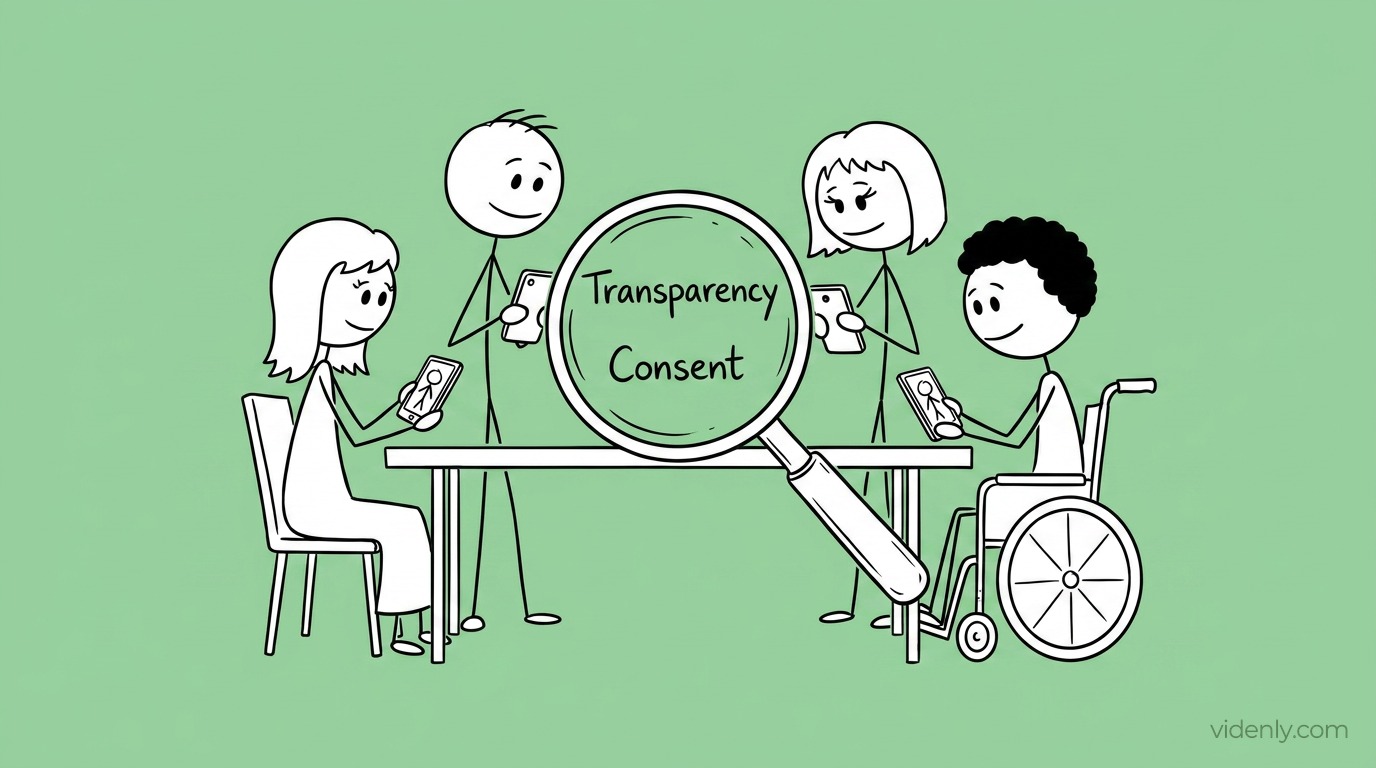
When brands decide to work with user-generated content, or UGC, they embark on a journey that is as much about collaboration as it is about marketing. It’s essential to remember that each creator brings their unique perspective and values into the mix, which can significantly influence how their content is received by audiences.
Balancing brand messages with creator values can sometimes feel like navigating a minefield. A mismatch here not only risks alienating the audience but can also lead to damaging the brand’s reputation in the eyes of consumers.
Imagine for a moment that you’re in a beautiful garden filled with various flowers. Each flower reflects a unique color and scent, representing the diverse voices of creators whose content will resonate with different audiences. This diversity creates richness, but it also demands understanding and respect.
One primary consideration for brands is ensuring that the values expressed in UGC align with their own. When a creator shares their content, they inherently convey their beliefs and experiences, and straying from their values could appear disingenuous to their audience.
Maintaining authenticity is no small task, especially because audiences today are incredibly savvy. They can quickly spot when a brand is trying to manipulate a creator’s voice for commercial gain, which could lead to backlash against both the brand and the creator.
It helps to take a nuanced approach when determining whether a creator’s values are in sync with the brand’s mission. Brands should thoroughly vet creators, understanding their previous content as well as their interactions with fellow creators.
To effectively align UGC with both the brand and creator’s values, I suggest brands consider several essential factors. Among these factors are:
Each of these factors contributes to a much larger picture of what a successful collaboration looks like.
When both brands and creators are aligned on these aspects, they can create engaging content that resonates deeply with the audience.
Moreover, the relationship should feel like a partnership rather than a transactional exchange.

Engaging creators in discussions about how their values can be represented in brand campaigns instills a sense of ownership, and this, in turn, leads to more compelling content creation.
It is crucial to respect the voice and style of the creator while still conveying brand messages effectively.
Sometimes brands may want to suggest changes to content, but these suggestions should never compromise the creator’s original vision.
Instead of forcing a narrative, brands should encourage creativity by allowing the creators the freedom to express themselves within an established framework.
This balance fosters a more authentic representation of the brand, which can engage audiences on a deeper level.
What’s more, transparency needs to be part of the discussion when aligning brand messaging with creator values.
Fostering open dialogue about how creators feel regarding brand collaborations can bring to light any concerns, creating a healthier and more resilient partnership.
Additionally, leveraging feedback from initial collaborations can bolster future partnerships.
Brands should maintain an open line of communication even after campaigns conclude to understand what worked and what didn’t.
In the end, aligning UGC with creator values is not just about fitting a puzzle piece into a larger marketing strategy.
It’s about cultivating relationships grounded in mutual respect, understanding, and shared goals, which can be profoundly rewarding for both sides.
When brands step into the realm of User-Generated Content (UGC), it’s almost like walking a tightrope. On one side lies the allure of authenticity offered by real users, while on the other, the potential for misleading representations could lead to disastrous consequences.
It’s striking how a single misleading advertisement can fracture the trust between a brand and its consumers. When brands showcase UGC, they must ensure that the content truly reflects the genuine experience of the user, as any exaggeration can create a disconnect between expectation and reality.
Consider how important it is for users to feel represented accurately in the content they create. If someone’s experience is depicted in a way that twists their message or exaggerates their sentiments, the brand risks losing their credibility not only with the individual who contributed but also with the wider consumer base.
The personal stories that UGC can tell are incredibly powerful, often resonating more than polished advertising campaigns. Still, when brands curate these stories, they should be careful not to manipulate or edit them beyond recognition, as this can jeopardize the foundational trust in their brand.
A good example of misrepresentation occurred when a popular brand used an image from a customer but altered it to fit a narrative that was simply untrue. Consumers quickly caught on, spreading the word far and wide, leading to backlash against the brand for failing to represent its fans accurately.
In instances like these, authenticity becomes the bedrock upon which brands must build their marketing efforts. Users engage with content that feels real and relatable; therefore, the truthful representation of UGC can be the brand’s strongest asset.
However, achieving this balance isn’t merely a matter of avoiding deception. Transparency plays a key role in how brands leverage UGC, as consumers appreciate knowing where content comes from and who it represents. Without sufficient context or credit, even the most genuine images can come across as staged or insincere.
For instance, when brands showcase a post from a happy customer, they should ideally include the original context of that post. This might include the honest feedback provided by the user, which adds layers to the story that can resonate more deeply with audiences.
It’s important to remember that trust is something that can take years to build but can be shattered in seconds. If a brand abuses UGC or misrepresents a customer’s sentiment, they risk alienating loyal customers who have supported them from the beginning.
Furthermore, the role of disclosure cannot be overlooked when discussing UGC. Brands should be open about how they are using content created by users, offering the necessary disclosures in their advertisements. This fosters an environment where every participant feels valued and encourages more people to share their honest experiences with the brand.
One might argue that the emotional connections formed through UGC ads are pivotal, almost like the comfortable embrace of an old friend. When people see others like themselves being authentically represented, it can lead to a powerful sense of belonging, ultimately making the brand more relatable.
Yet, this also implies a significant ethical responsibility weighs heavily on the shoulders of those managing brand campaigns. They must tread carefully, as even the smallest misstep can create ripples in the perception of their brand within the community.
Standards and guidelines should be established within companies to ensure that the content shared truly encapsulates the user’s intent. This could mean setting up processes for reviewing UGC before it’s published, ensuring that users are comfortable with how their contributions are represented in the public sphere.
Additionally, brands may find it beneficial to engage directly with the users whose content they wish to utilize. A simple gesture such as reaching out and asking for consent to use their posts goes a long way in establishing mutual respect and appreciation.
It’s not just about avoiding pitfalls; it’s equally about celebrating the community built around the brand. By investing time and effort into authentic engagements, brands can foster deeper connections that not only enhance their image but also empower their consumers.
In the end, the essence of using UGC lies in upholding values of honesty and integrity. By representing user experiences truthfully, brands can elevate their messaging and forge enduring relationships with their audience that define the landscape of modern marketing.
Important: When showcasing User-Generated Content, ensure that the content truly reflects the genuine experience of the user to maintain authenticity and avoid damaging trust with consumers.

When creating user-generated content ads, brands must recognize the significance of inclusivity and diversity. It’s not merely about representation but about fostering genuine connections with audiences.
Think about it; a powerful UGC ad showcases real people using real products. This authenticity is crucial because consumers want to see themselves reflected in a brand’s narrative.
Brands should strive for an approach that celebrates differences and unites various communities. Such efforts help challenge stereotypes and build a stronger emotional appeal to a diverse audience.
I would say that diversity in advertising should reflect our society accurately. When consumers see individuals from various backgrounds, they relate better, and this connection can enhance brand loyalty.
By including diverse voices, brands can break free from the traditional molds that dominate advertising. This gives the impression that a brand values its customers, which can foster a sense of belonging and community.
Specific considerations can help brands create inclusive and diverse UGC ads. Below is a list of key elements to keep in mind when focusing on inclusivity and diversity:
At the end of the day, representing a rainbow of identities goes beyond mere tokenism.
It involves a concerted effort to highlight real experiences and struggles.
It’s crucial that the stories told in UGC ads are not only engaging but also resonate with a broad audience.
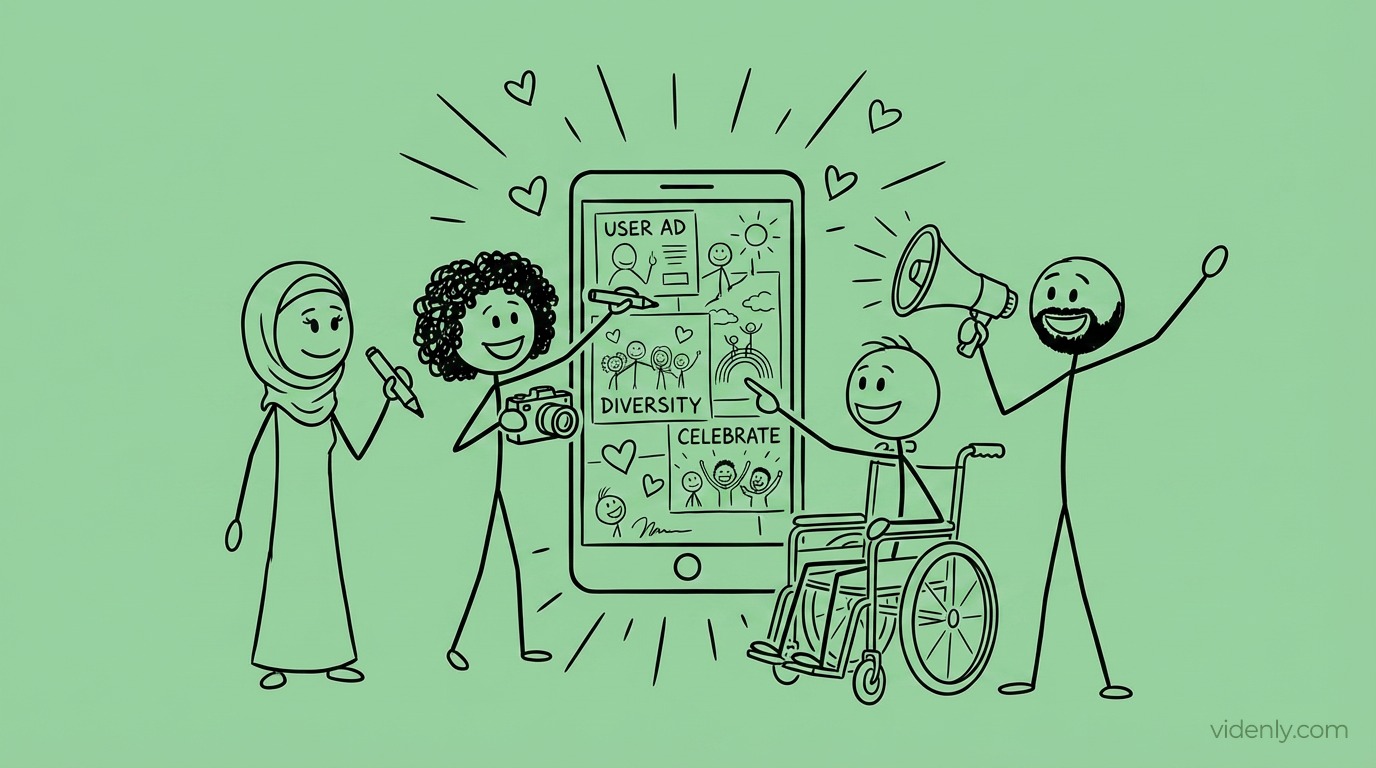
A powerful narrative can transcend cultural differences and create a shared sense of experience.
Diversity also enriches the way products are positioned.
Think about how various interpretations can impact advertising; this variety can breathe new life into tired messaging and elevate the overall quality.
Moreover, brands should remain open to feedback from different communities.
Listening to critics can lead to better understanding and meaningful engagement, bridging gaps in representation.
Just like a beautifully woven tapestry, each thread represents different cultures contributing to a magnificent outlook.
This metaphor highlights the importance of weaving diverse experiences together for a richer advertising experience.
Content that reflects the diversity of its audience can better connect with consumers.
It’s really about creating dialogue with potential customers, allowing them to see a piece of themselves in the brand’s story.
In the end, integrating inclusivity within UGC ads requires consistent effort and commitment.
Brands should not treat this as a one-off campaign but rather a continuous journey toward making advertising spaces more welcoming for everyone.
Using diverse models, incorporating multiple languages, and representing various lifestyles can all contribute to a more inclusive advertising environment.
However, it requires vigilance to keep evolving and avoid falling back into old habits.
I mean, being proactive about diversity can elevate a brand’s image and contribute to its long-term success.
By avoiding the pitfalls of stereotypical portrayals, brands can build authentic connections with users.
Pro Tip: Strive to integrate inclusivity and diversity into your UGC ads by showcasing varied perspectives and authentic stories that resonate with a broad audience, as this fosters deeper connections and enhances brand loyalty.
In the end, inclusive UGC ads are not just a box to check; they are valuable tools for engagement and brand loyalty.
In these ads, diversity creates richness, turning marketing efforts into powerful instruments of change and connection.
Within the scope of advertising, brands must tread carefully when it comes to the portrayal of individuals and groups. Stereotypes, while sometimes rooted in cultural nuances, can be incredibly simplistic and damaging to the perception of those groups.
When brands rely on familiar stereotypes, they risk creating content that feels unoriginal and, worse, offensive. It’s essential to recognize that such representations often fail to capture the true diversity and complexity within communities.
Consider the impact of depicting individuals based solely on their appearance or background without depth. By doing so, advertisers can unintentionally reinforce negative ideas, which might alienate potential customers who feel misrepresented.
In our increasingly interconnected world, the audience is more aware of the nuances of representation. Consumers often rally behind brands that embrace authentic and progressive portrayals rather than those stuck in dated paradigms.
Take, for instance, a campaign that showcases a group of friends enjoying a product. If that depiction reflects real-life diversity in appearance, culture, and lifestyle, it resonates deeply with viewers and fosters connection.
However, if brands choose to portray a monolithic image, it can feel like a missed opportunity. Within a richly multifaceted society, every campaign deserves to celebrate the unique stories of its audience.
In many ways, brands serve as storytellers, with the potential to create narratives that uplift rather than confine. This dynamic emphasizes the importance of crafting marketing content that looks beyond skin deep and seeks to embrace the rich tapestry of human experience.
For instance, a skincare brand could highlight users of different ages, skin tones, and backgrounds, showing how the product enhances each individual’s unique beauty. This approach not only engages customers but also acknowledges the validity of each personal experience and story.
Pushing boundaries means examining closely how copy and visuals interact to convey messages. Subtlety in depicting diverse communities can create a meaningful dialogue that respects the identities represented.
Moreover, brands might consider how they hire their influencers and models. Engaging individuals who genuinely resonate with the targeted community reflects a significant step towards dismantling stereotypes in advertising.
When a campaign features a wide range of voices, it enriches the brand message by providing customers with relatable figures. When it comes down to it, authenticity can be a driving force that reinforces loyalty and trust among consumers.
This authenticity needs to be supported by a genuine understanding of the cultures represented. Brands can achieve a deeper narrative by employing specialists or consulting members of the communities they wish to depict.
Although innovative storytelling captures attention, accuracy ensures respect. Brands that understand the histories, nuances, and traditions of a community can create content that honors their subjects instead of marginalizing them.
Still, it’s worth acknowledging that brands may face criticism even after taking steps towards inclusive representation. Nevertheless, public dialogue surrounding these efforts can spark change and drive improvement toward sensitive marketing content.
Another critical element involves monitoring the feedback arising from user-generated content. It is important to create environments where audiences feel free to express their thoughts, fostering a community that challenges stereotypes instead of adhering to them.
In this sense, brands that actively listen to their audience not only build a stronger connection with their customers but also shape a culture of inclusivity that can strengthen the marketplace. When companies invest in community engagement, they can better address stereotypes through informed content.
However, the task doesn’t end with maintaining an inclusive image. Brands must continuously evaluate their messaging, ensuring it reflects and evolves with societal changes.
This ongoing process involves recognizing that what may have been acceptable some time ago might no longer align with current societal values. Adapting is not just about brand survival; it’s about being an integral part of cultural progression.
In the end, avoiding stereotypes in marketing content hinges on the commitment to represent people thoughtfully and accurately. It’s about cherishing the beautiful diversity that exists within the communities a brand serves, fostering connections that are meaningful and respectful.
As brands navigate the complex waters of user-generated content, the responsibility of representation gains momentum. Their role entails amplifying voices that reflect the rich spectrum of human identity while simultaneously rejecting harmful clichés.
This dynamic can be compared to a well-crafted tapestry, where each piece contributes to a stunning and cohesive whole. In efforts to weave a narrative of authenticity, brands undoubtedly must choose their threads wisely, embracing diversity and creating engaging, fair, and inclusive portrayals in their marketing campaigns.
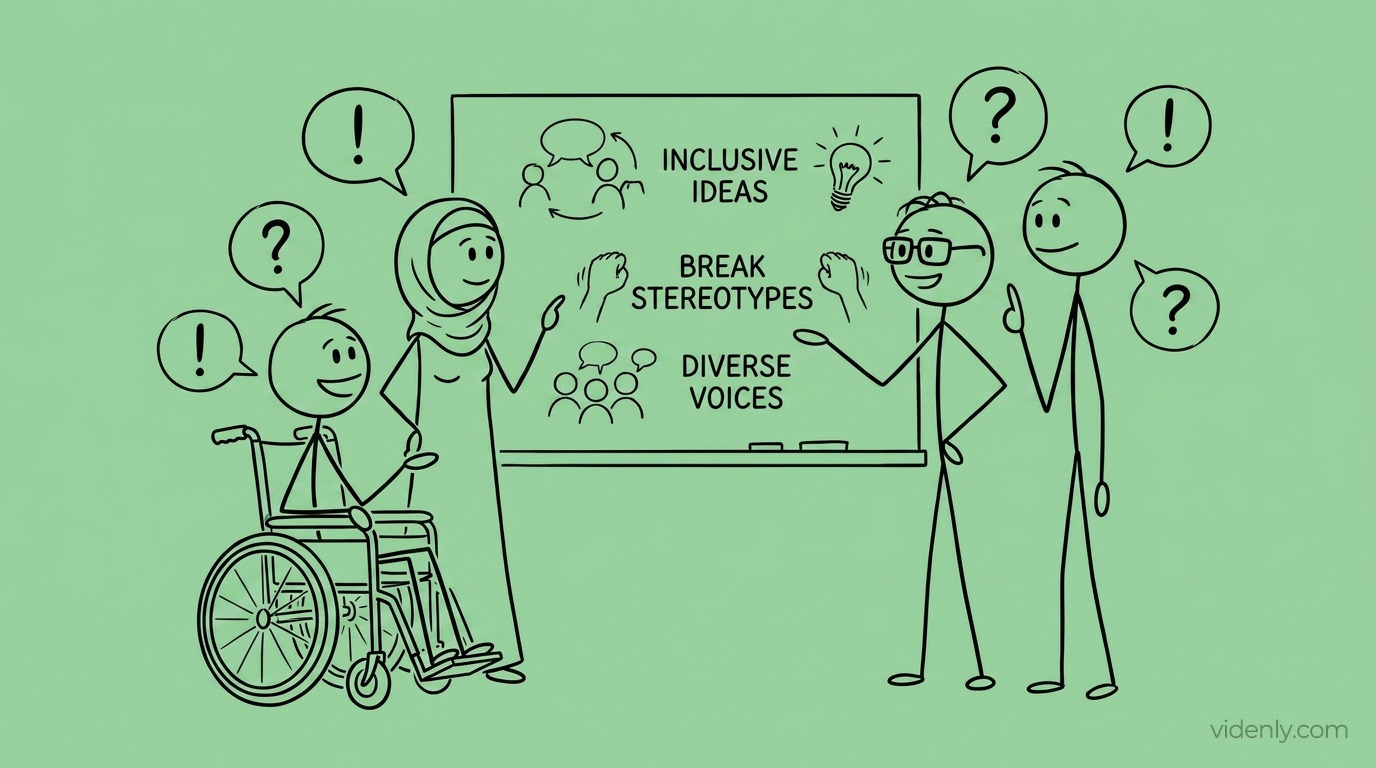
When brands utilize user-generated content (UGC) in their ads, they inevitably open the door to a wide array of feedback from their audience. This feedback, whether positive or negative, serves as a critical barometer of the content’s effectiveness and the brand’s overall public image.
What I find intriguing is the sheer volume of interaction that UGC often generates. The comments section can quickly turn into a lively conversation, reflecting genuine engagement and sometimes even public sentiment about a product or service.
Brands have a responsibility to monitor this feedback closely, and it goes beyond merely checking what people say about their campaigns. Active monitoring allows businesses to identify trends in customer sentiment and adjust their marketing strategies accordingly.
Failures in addressing user feedback can lead to public relations snafus that can jeopardize a brand’s reputation. No one wants their beloved brand to turn into a punchline due to a poorly received ad.
Listening to customers is akin to navigating a ship through stormy waters: one miscalculation can lead to serious consequences, while staying attuned to the winds of feedback can keep a brand steady. It’s this active engagement that can transform a simple marketing message into a powerful conversation.
Brands should categorize the feedback they receive in various ways to help them understand it better. Here’s what I would suggest considering when monitoring feedback:
Once feedback is gathered, brands need to assess it thoughtfully.
The objective is not just to tally up likes or dislikes, but to derive actionable insights that can guide future campaigns.
I would say that treating both positive and negative feedback with equal importance is crucial; it’s all about the nuanced understanding that can emerge from varied perspectives.

Neglecting negative feedback can be detrimental to a brand’s journey.
It’s much like ignoring the warning lights on your dashboard; doing so will only accelerate the likelihood of a breakdown later.
Furthermore, I find that engaging with the feedback, whether responding to comments or acknowledging criticism, fosters a sense of community between the brand and its customers.
This engagement can lead to loyal customers who feel valued and heard.
Utilizing tools like Videnly can make monitoring this feedback more efficient.
By leveraging AI capabilities, brands can automate some aspects of feedback tracking and focus on creative content development.
This efficiency allows for quicker responses to user concerns or compliments, helping brands keep their finger on the pulse of audience sentiment.
They can also analyze patterns in UGC efficiently, leading to insights that would be hard to capture manually.
Moreover, brands must remember that every piece of feedback is a chance to learn and grow.
Ignoring this crucial information can mean passing up on opportunities for connection and improvement.
To cultivate a proactive approach to feedback, brands should develop a clear strategy for responding.
This strategy should include guidelines on how to handle various types of feedback, whether it’s from a vocal critic or a passionate supporter.
In the end, open lines of communication and transparent responses can empower users, encouraging more individuals to share their thoughts.
In effect, it enhances the brand’s image while solidifying customer loyalty.
Monitoring user content feedback requires a thoughtful strategy as well as a commitment to engagement.
It can help brands navigate the ever-changing landscape of consumer preferences while elevating the overall experience for both the consumers and the brand itself.
Effective brands understand that trust and responsibility form the bedrock of their relationship with consumers, especially when it comes to user-generated content, or UGC. When brands use content created by their customers, they navigate not just a marketing landscape, but also a complex web of ethical considerations.
One of the first steps in addressing ethical concerns proactively is ensuring transparency in how UGC is utilized. Consumers want to know how their content will be used and what that might imply for their own reputation.
Receiving explicit consent from the original creator of the UGC is paramount. It is not simply a legal formality, but a principled approach that fosters a sense of respect and autonomy among users.
Trust is a fragile thing. Once it is broken, even the greatest campaigns can crumble into dust.
Yet, this issue goes beyond mere consent; brands must also consider the context in which they are placing this content. A beautiful photo taken at a birthday party, when paired with a product advertisement, may lead consumers to misinterpret the creator’s endorsement.
Moreover, brands should be aware of how a piece of UGC reflects the values and identity of their brand. When a user shares content that embodies a moment or opinion, using it in a manner contrary to their intended message can be damaging.
In situations where UGC becomes part of a broader campaign, context can shift rapidly and unpredictably. Careful consideration is needed to avoid veering into areas that could be deemed offensive or inappropriate.
Another important ethical concern is regarding the audience’s age and sensitivity levels. When featuring UGC that may include younger individuals, companies have a responsibility to ensure the content is appropriate and safeguarded.
Additionally, brands ought to think critically about the potential consequences of sharing user content. A seemingly innocent post might have unintended cultural implications that can backfire and lead to public relations nightmares.
On the same note, it’s incredibly essential for brands to maintain an authentic voice while utilizing UGC. This means staying true to the spirit of the original creator while integrating their work cleverly into the campaign.
Consideration of the demographics represented in UGC is also important for brands striving for inclusivity. Highlighting a diverse range of voices not only enriches the narrative but also sends a clear message of acceptance and recognition.
Brands must ensure they do not amplify biases or portray stereotypes that could further marginalize underrepresented groups. If their usage of UGC perpetuates a specific narrative, it risks alienating audiences and polarizing potential customers.
Moreover, it is essential for brands to be prepared for the scrutiny that comes when they highlight user-generated content. Just as a pebble creates ripples in water, a single piece of content can set off a chain reaction regarding public response.
Companies must establish guidelines and a framework that delineates when and how they will respond to criticism or backlash related to UGC. This kind of foresight shows a commitment to ethical practices and enhances their credibility.
When it comes down to it, creating a community where users feel valued and protected is key to long-term success. Proactive engagement with users can help brands identify potential issues before they surface.
Encouraging discussions around the creative process and the story behind the content can foster a deeper, more meaningful connection. This enables brands to cultivate a sense of shared ownership and pride among creators.
In an age where audiences are increasingly savvy, brands also need to consider how they can incorporate feedback loops into their UGC campaigns. When customers see their voice and opinions reflected in marketing, it reinforces a sense of agency.
Your ethical approach can only bolster the authenticity of the campaign. This authenticity can resonate far beyond the initial impact of the UGC, creating lasting bonds that influence consumer loyalty.
Keep in mind, while the potential for UGC is vast, it’s equally important for brands to tread carefully. Each piece of content is more than just a marketing tool; it tells a story, conveys emotions, and has the potential to create connections.
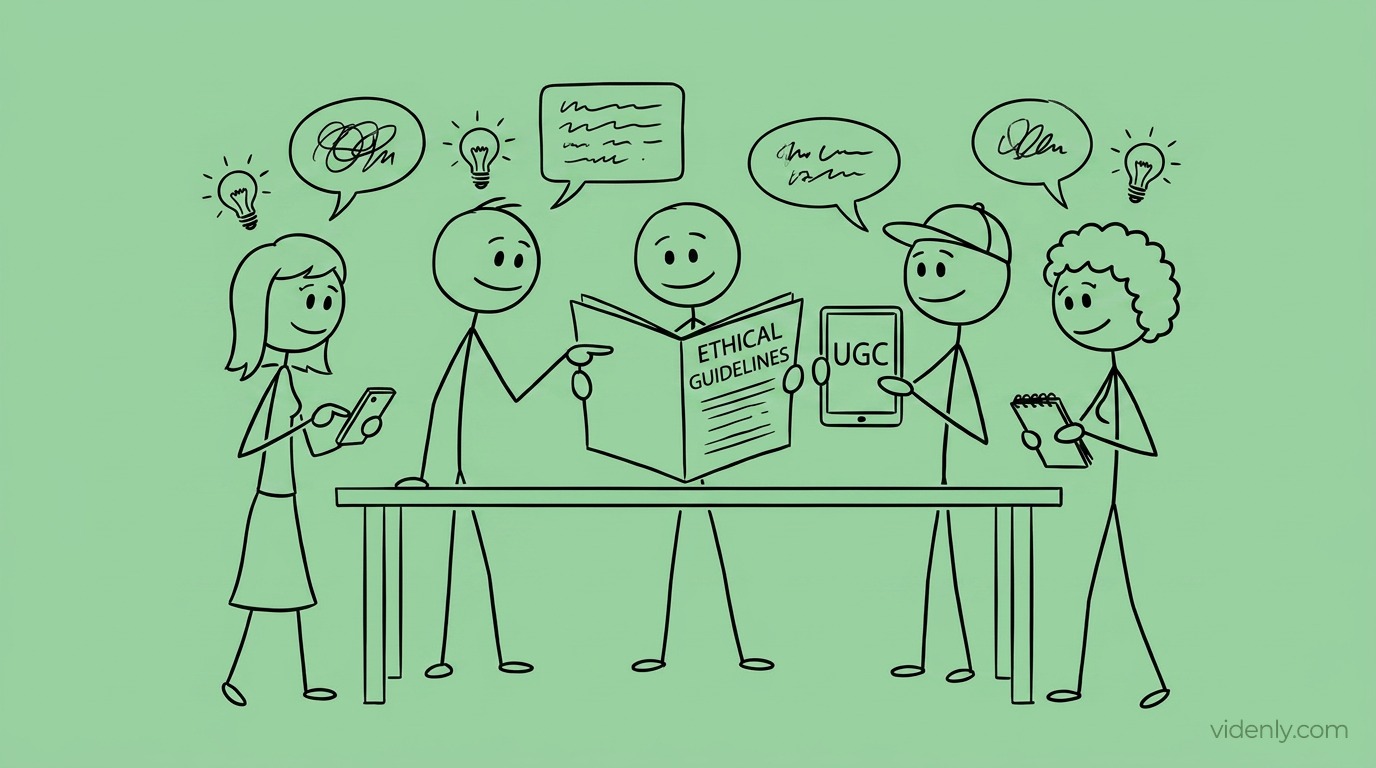
Creating user-generated content (UGC) ads is a powerful way for brands to connect with their audiences.
However, it is crucial for brands to prioritize consent from creators to foster trust and respect.
Being transparent about how UGC will be used helps maintain this trust and strengthens brand credibility.
Aligning UGC with the values of creators ensures authenticity, which resonates more deeply with audiences.
Truthful representation of UGC not only protects a brand’s reputation but also respects the contributions of creators.
Promoting inclusivity and diversity in UGC ads reflects broader societal values and appeals to a wider audience.
Brands should actively avoid stereotypes, as these can alienate consumers and damage brand loyalty.
Monitoring feedback on user content allows brands to adjust their strategies while remaining responsive to consumer needs.
By addressing ethical concerns proactively, brands can cultivate a positive image and foster strong relationships with both creators and consumers.
At the end of the day, ethical considerations should be at the forefront of crafting UGC ads to ensure that all parties feel valued and represented.
Create stunning AI-generated videos that captivate your audience and elevate your brand.