
Published on February 26, 2026 by

Tracking the success of faceless AI videos requires a clear understanding of specific metrics.
Key metrics include viewer engagement rates, which can help assess how well the content retains the audience’s attention.
Another important metric is watch time, as it indicates how long viewers remain engaged with the video.
Conversion rates are also critical; they measure how effectively the video drives the desired action, such as clicks or purchases.
Additionally, monitoring audience demographics can provide insights into which segments are most responsive to the video content.
Finally, social sharing metrics can reveal the organic reach and potential virality of the video.
There is more to this topic than just the initial metrics, as understanding the full picture can greatly enhance your strategy and outcomes in the realm of AI video content.
In the following sections, I will cover additional important topics that impact video success, such as optimizing content for different platforms, the role of storytelling in engagement, and strategies for leveraging analytics to refine future video production.
It’s essential to consider these aspects to effectively navigate the evolving landscape of digital media and ensure your AI-generated videos resonate with audiences.
When you’re aiming to measure the success of a faceless AI video, there are key metrics that can provide insight into how well your content is performing.
An effective strategy involves focusing on specific indicators that reveal audience engagement, reach, and overall video effectiveness.
One of the most important metrics to consider is view count.

This number reflects how many people have taken the time to watch your video, and high view counts can indicate strong interest in the content you’re producing.
Equally significant is the watch time, which details how long viewers stay engaged with your video.
A longer watch time is often a sign that your content is resonating with your audience and effectively retaining their attention.
Another crucial metric is the engagement rate, which is calculated based on likes, shares, and comments relative to total views.
High engagement rates can demonstrate that your audience is not only watching but also interacting with your content.
To gain a deeper understanding of your audience’s viewing habits, tracking retention rates is essential.
This metric shows at what point viewers stop watching, allowing you to identify overly lengthy segments or areas that may require better engagement strategies.
Incorporating metrics like conversion rate also plays a crucial role as it tells you how many viewers took a specific action, like signing up for a newsletter or making a purchase.
Your goals will determine what actions are considered successful, and finding the right metrics to track these can propel future content planning.
While considering these metrics, it can be helpful to organize them into categories based on their functions.
Watching trends for audience behavior can influence future videos, and this is how I like to think of metrics as a roadmap guiding your content strategy.
Here are some categories I find useful:
Additionally, social sharing can serve as an invaluable metric, as this indicates how often your videos are shared across various platforms.
High sharing numbers can amplify your reach and introduce your content to new audiences.
Don’t underestimate the importance of feedback through comments.
They provide qualitative insights into how your audience perceives your content and can inform changes or improvements for future videos.
Another interesting metric worth tracking is the traffic source, which tells you where your viewers are coming from.
If you notice that a significant portion of your views comes from social media versus search engines, you can adjust your promotional efforts accordingly.
By keeping an eye on demographics as well, you can tailor your content for the audience that is engaging most with your videos.
Knowing their age, location, and interests helps in crafting messages that resonate effectively.
Furthermore, it’s important to track video completion rates.
This metric reveals how many viewers finish your video as opposed to dropping out prematurely.
It serves as a good measure of how compelling your content is right from the start.
When tracking these metrics, it’s important to remember that the data you gather is only as valuable as the actions you take based on it.
Adjusting your strategy in response to what you learn can help in steering your video content toward greater success.
Pro Tip: Monitor key metrics like view count, watch time, and engagement rate closely, as they are essential indicators of how well your faceless AI video resonates with your audience and informs future content strategies.
In the end, the ability to analyze and respond to these metrics creates a feedback loop.
Each set of data informs the next video, providing continuous improvement in content creation that can help you maintain your audience’s attention and foster long-term engagement.
In the world of faceless AI video content, engagement is a crucial metric for assessing success.
It provides insights into how well your audience is connecting, or even resonating, with the material presented.
When we think about measuring viewer engagement, several key metrics come to mind, each of which can paint a clearer picture.
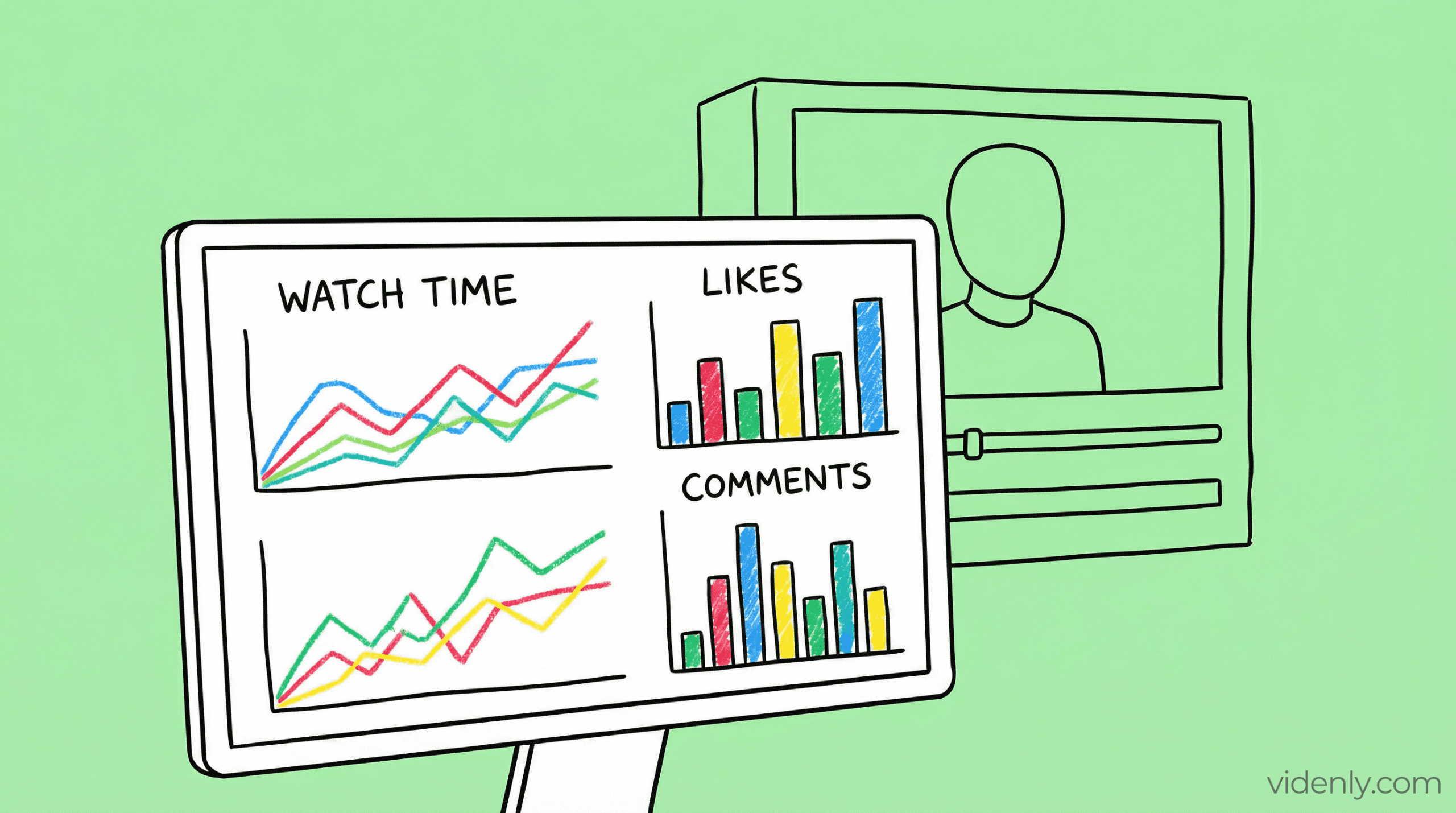
For instance, watch time is one of the primary metrics to monitor, as it reflects the total duration viewers spend watching your videos.
On platforms like YouTube, focusing on average watch time can reveal how captivating your video’s content is.
If viewers tend to drop off early, it might signal that your hook needs to be stronger or the content more engaging.
Another important aspect is video completion rates; this tells you the percentage of viewers who watch the video all the way to the end.
High completion rates often indicate that your content successfully holds attention throughout its entirety, setting a strong foundation for viewer loyalty.
It’s also fascinating to delve into engagement ratios to understand how many viewers are actively liking, sharing, or commenting on your videos.
These ratios help to gauge interaction levels and provide insight into how effectively your content encourages discussion.
Engagement metrics, much like the pulse of an individual, give a unique insight into audience sentiment.
If your videos are generating comments and shares, it signals higher levels of viewer satisfaction and interest.
In addition to these direct metrics, click-through rates (CTR) offer valuable information on how well your video thumbnails and titles attract viewers.
A strong CTR indicates that your content is compelling enough to capture attention, encouraging viewers to take that initial step to watch.
Equally important is examining retention rates, as they provide a deeper understanding of viewer behavior post-click.
Analyzing which parts of your video see the highest drop-off allows for pinpointing areas in need of improvement and makes it easier to refine future projects.
Don’t overlook the potential of audience demographics as well, since understanding who engages with your content can inform future development strategies.
By gaining insights into the age, location, and even interests of your viewers, you can tailor videos to better suit their preferences.
Another fascinating metric to consider is social media engagement related to your videos.
Observing how often your videos spark discussions, shares, or interactions on various social platforms offers clues about their broader impact.
<pWhen pondering the impact of viewer comments, remember that constructive feedback adds layers to your understanding of audience needs.
Engaging directly with viewers through responses can foster a sense of community, enhancing retention and loyalty.
Also, think about user-generated content as a way to measure engagement.
When your viewers feel inspired to create their own content in response to yours, it showcases a deeper level of connection and enthusiasm.
Utilizing heat maps can also be quite illuminating when it comes to viewer interactions.
They highlight which sections of your video viewers are replaying or rewatching, signaling content that truly resonates.
Measuring viewer engagement with faceless AI videos often requires looking at the data through multiple lenses.
Combining qualitative feedback, like comments, with quantitative metrics impacts your overall understanding of viewer behavior.
To truly harness the data collected from audience interactions, careful analysis of viewer patterns is paramount.
By examining both high engagement and low engagement areas, creators can iteratively improve their content based on tangible viewer preferences.
Important: Measuring viewer engagement with faceless AI videos requires a comprehensive approach that combines both qualitative feedback and quantitative metrics to effectively understand and improve audience connection.
At the end of the day, the goal is to create content that not only attracts clicks but also inspires viewers to return for more.
Understanding and measuring viewer engagement in a comprehensive manner is key to building a loyal audience.
Understanding watch time can feel like peeling an onion, where each layer reveals something important about how your audience perceives and interacts with your faceless AI videos.
Since watch time highlights how long viewers stay glued to your content, it serves as an essential barometer for success in the digital landscape.
When we look at watch time, we are not just interested in the numbers; we are getting into the quality of engagement and connection your videos create with the audience.
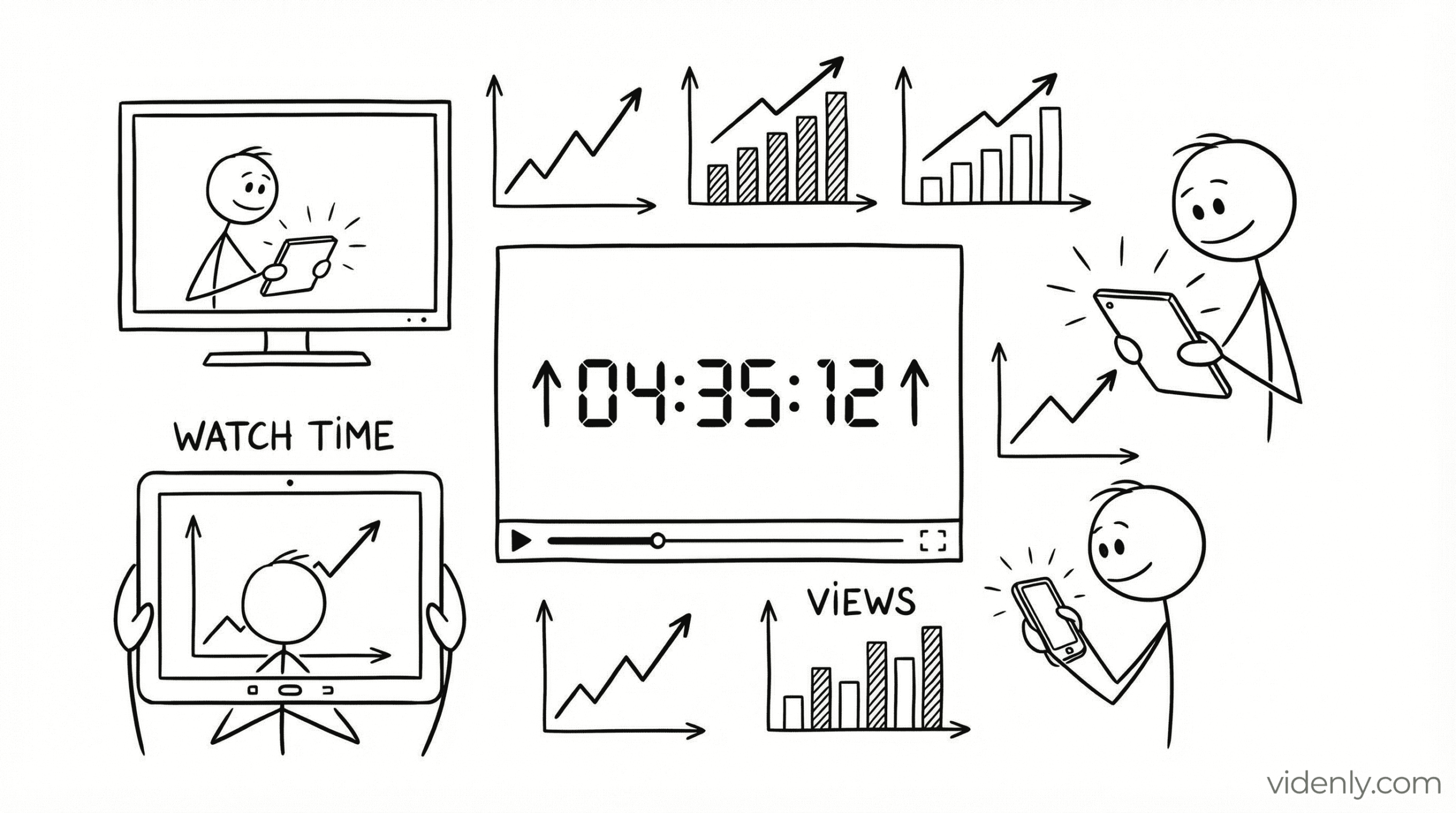
The longer someone watches, the more likely they are to be impacted by your message, which is one of the ultimate goals of creating video content.
It’s interesting to note how different factors contribute to this metric.
Variations in video length, content quality, and even the type of story being told can significantly influence watch time, and understanding these factors can offer insights into audience preferences.
Imagine creating a recipe that calls for the perfect mix of ingredients to satisfy hungry diners.
Similarly, watch time is like a simmering pot, where the combination of various elements must come together just right to cook up a tasty viewing experience.
That’s what every content creator strives for,making videos that not only attract but also hold viewers’ attention.
Additionally, tracking watch time is important because it aligns with monetization strategies.
Platforms often reward content that keeps users engaged for longer periods, which means consistent watch time can lead to more opportunities for revenue generation.
By monitoring watch time metrics, you are essentially gaining insight into viewer behavior.
Knowing at which point viewers drop off can provide crucial information about where your content may need refining or where your storytelling could be more compelling.
I would say that engaging content often creates a sort of vortex, pulling viewers in and making it hard for them to hit that pause button.
On the flip side, if watch time starts to dwindle, it could be a signal that the content may not resonate with the target audience.
It’s beneficial to categorize the types of videos and their watch times to better assess what works.
Here are some key factors that can help you evaluate the impact of your strategies:
When creators observe these metrics over time, they start to see patterns emerge that guide their future content creation.
For instance, if a particular style of storytelling consistently retains viewers, the creator might decide to invest more time and resources in that direction.
Not to mention, presented watch time helps you gauge the overall health of your channel.
Continuous engagement can indicate a loyal audience base, which often translates into positive word-of-mouth and referrals.
As you cultivate your videos, keeping a close eye on watch time can lead to strategic adjustments and improvements over time.
In doing so, you develop a deeper relationship with your audience, which can ultimately shape the way your brand is perceived.
Pro Tip: To enhance viewer engagement, consistently analyze your watch time metrics to understand which video elements and storytelling techniques keep your audience attentive.
Finally, I believe that watch time tracking serves as a canvas of sorts, illustrating how each piece of content connects back to the overarching strategy of your brand.
This constant assessment not only highlights what’s working but also encourages a creative evolution that can keep your audience coming back for more.
When discussing effective conversion rates in the context of faceless AI video content, it helps to first grasp the fundamental principles of conversion.
Each viewer interaction is not merely a fleeting moment but a stepping stone towards achieving specific goals, such as sales, registrations, or downloads.
Understanding how many viewers actually take action after watching your video content is crucial.

You want to know not just how many people saw it, but how many were persuaded to engage further.
Metrics like the click-through rate (CTR) and the conversion rate provide a clearer picture of video performance.
The CTR tells you how many people clicked on the link within the video versus how many viewed the video itself, which is often a strong indicator of interest.
The conversion rate is calculated by taking the number of actions taken (like a purchase) divided by the total number of visitors, then multiplying that by 100 to get a percentage.
An effective conversion rate can vary widely based on the industry, but generally, anywhere from 1% to 5% is considered healthy for most online endeavors.
Now consider the various types of call-to-action (CTA) elements integrated into your videos.
Effective CTAs can encourage viewers to sign up for newsletters or visit a website, driving them into the sales funnel, akin to how a magnet pulls metal objects toward itself.
I would say that engagement metrics, such as watch time and interaction rates, should not be overlooked.
The more time viewers spend watching, the greater the likelihood they will convert, indicating that the video is delivering valuable content.
Next, look at the demographics of your audience, because knowing who is watching can tailor your approach.
For instance, if a significant portion of your audience belongs to a younger demographic, your CTA and messaging should match their preferences and communication styles.
The time to conversion is another interesting metric to monitor.
Some videos may prompt immediate actions, while others might lead to a much slower, deliberative process before a viewer decides to act.
This time to conversion can also signify how well the messaging resonated with the audience.
Effective storytelling within your videos often encourages quick decisions; a compelling narrative tends to deepen emotional connections and nudges viewers closer to a desired action.
Faceless AI videos offer unique advantages when it comes to scalability and production efficiency.
With the right metrics, you can quickly identify what’s working and adjust your strategies without the lengthy turnaround times typical of traditional video production.
Moreover, leveraging data can enhance your video optimization efforts significantly.
By understanding which videos have higher conversion rates, future content can be shaped to match similar themes or styles that prompted viewer engagement.
Engagement combined with conversion data tells a more intricate story about audience behavior.
It’s a relationship that reflects not just interest but also intent, revealing how well your message is resonating.
Remember also to incorporate A/B testing, which allows you to compare different video versions.
This helps in identifying which elements lead to better conversion rates, such as varying the length of the video or the time and placement of the CTAs.
Access to analytic tools can’t be underestimated when measuring conversion rates.
They provide valuable insights and track performance metrics that could be the difference between a great campaign and an average one.
Some platforms offer real-time data that allows for quick adjustments in video strategy, keeping you agile and responsive to audience preferences.
This adaptability is essential in an ever-changing digital landscape where viewer trends can shift rapidly, much like the unpredictable nature of the weather.
To add complexity, the context in which the video appears matters immensely; a video posted in a promotional context may yield specific conversion rates compared to one shared organically.
This consideration is crucial when analyzing the effectiveness of your faceless AI video.
Moreover, think about the user journey,understanding where viewers are in their purchasing funnel greatly enhances the targeting of your video content.
A well-placed video at the right time can serve as an impetus to convert, acting almost like an invisible hand guiding the viewer toward the next logical step.
Also, keep in mind that measuring the return on investment (ROI) from your videos involves looking at conversion data along with the costs incurred in their production and distribution.
The insights gathered here can help in budgeting for future projects or reallocating resources to more effective strategies.
Important: Effective conversion rates are influenced by numerous factors, including video content quality, audience engagement, and strategic positioning.
Effective conversion rates don’t exist in a vacuum; they are influenced by numerous factors, including video content quality, audience engagement, and strategic positioning.
Tracking these metrics not only provides clarity but can shape the future trajectory of your video marketing efforts.
Getting into the audience demographics of your faceless AI video content can bring about a deeper understanding of who is genuinely engaging with your work.
It’s a little like peering behind the curtain to see not just how many people are watching, but who they are and what makes them tick.
With tools available today, analyzing demographics has become less complicated.

I would say that data analytics can help you uncover valuable insights into viewer characteristics such as age, gender, location, and interests.
The first step in this journey involves utilizing the right analytics tools, which can illuminate the demographics of your viewers.
You want to ensure that you have set up accurate tracking mechanisms on your platform so you can gather credible data.
Many platforms offer built-in analytics that provide demographic breakdowns.
These can act as your compass, guiding you through the complexities of viewer habits and preferences.
Once you have gathered the data, the next step is to dive deeper.
Consider segmenting your audience by categories, such as age groups or interests, to identify patterns that may not be evident at first glance.
For instance, you might notice that your content is particularly popular among a certain age bracket.
That can indicate that you should tailor your future video themes or styles to better resonate with this demographic to drive engagement further.
Another crucial element is to look at geographical locations.
Analyzing where your audience is tuning in from can provide insight into cultural nuances.
This knowledge can serve as a rich vein to mine for tailoring content that speaks directly to the local culture and interests.
You might be surprised at how varied your audience can be.
Sometimes, videos designed for one demographic reach an entirely different group, much like a well-placed advertisement transcending its intended audience.
Here are some key demographic factors to focus on when analyzing your audience:
Analyzing interests and behaviors goes hand-in-hand with demographics.
When you understand the topics that resonate with your audience, it’s easier to craft content that aligns with their passions and preferences.
Comparing your audience to industry benchmarks can also provide essential context.
Not only does this analysis help in measuring your performance, but it can also reveal areas where you are excelling or need improvement.
It’s crucial to constantly update your demographic insights, much like refreshing your wardrobe each season.
Audience preferences can shift rapidly, so staying attuned to these changes keeps your content relevant.
Moreover, engaging with your audience directly can yield immeasurable benefits.
Take time to read comments, conduct surveys, or even engage in social media discussions to gain qualitative insights alongside your quantitative data.
This combination of quantitative analytics and qualitative insights can significantly enrich your approach to video production.
In the end, knowing your audience on a personal level makes your content creation efforts feel more connected and impactful.
In the end, the more you invest in understanding your audience demographics, the more opportunity you have to create content that resonates deeply.
There’s something profoundly rewarding about knowing that your work is aligning with the needs and wants of those who consume it.
When it comes to understanding the impact of your faceless AI video content, monitoring social shares can provide invaluable insights.
This metric serves as a powerful indicator of how engaging and relatable your content is to your audience.
Each share represents a moment of connection between viewers and your content, and it often reflects an emotional response or a sense of value.
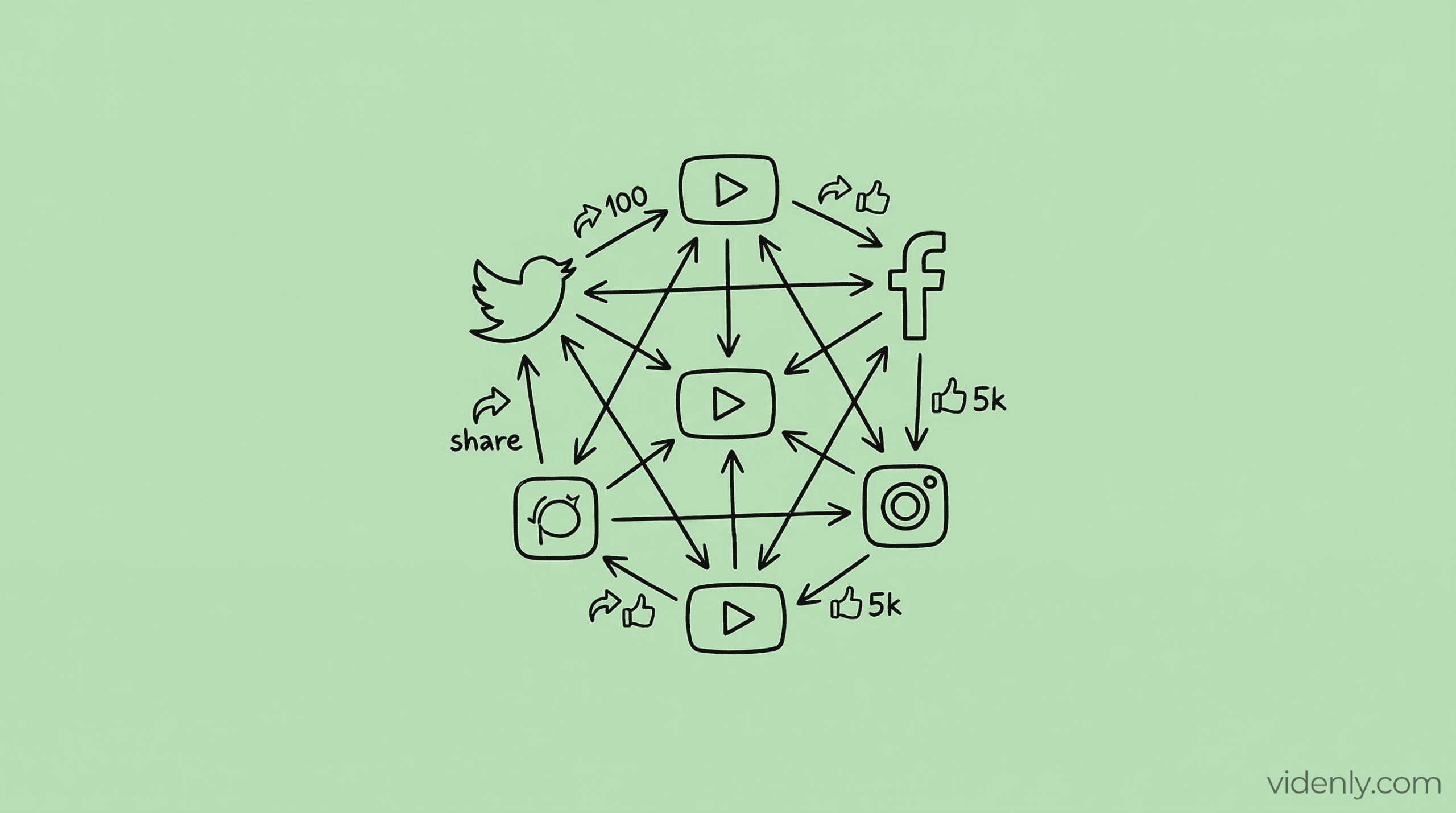
It’s striking how a simple click to share can translate into a myriad of new connections, leading to expanded reach.
By observing social shares, you start to notice trends that can guide your future content creation efforts.
You might find that specific topics or formats resonate more profoundly with viewers, which is crucial information.
Every time someone decides to share your video, they’re effectively endorsing it to their own network.
This action not only brings visibility to your work but also enhances your brand’s reputation through the influence of personal recommendations.
Consider the way a word-of-mouth recommendation can sway your decision to try a restaurant or a new product.
In much the same way, social shares create a ripple effect, where one viewer’s endorsement can lead to many others discovering your content.
Social shares also help you identify which platforms yield the best results.
Some videos might flourish on Facebook, while others attract attention on Twitter or Instagram, and knowing where your strengths lie allows for more strategic planning.
This kind of metric encourages you to experiment with different styles and formats.
Are your audience’s reactions more favorable towards short clips, or do they prefer longer narratives?
Tracking shares provides the clues to these critical questions.
Moreover, the timing of the shares can reveal patterns that might not be immediately visible.
If a video sees a spike in shares during a specific period, it may indicate that your audience is particularly receptive around that time.
Also, monitoring social shares gives you a sense of community engagement.
Higher share counts often indicate not just individual interest but also a collective involvement that signifies your content’s relevance in the current social climate.
Furthermore, these metrics help in benchmarking success against previous campaigns or content.
Are your shares trending upwards?
This could mean you’re hitting the mark, or perhaps it’s time to reassess your content strategy.
Tracking social shares also enhances the feedback loop you have with your audience.
It encourages an ongoing conversation rather than a one-off interaction, allowing you to build stronger connections over time.
Interestingly enough, shares can reflect diversity in viewership.
When a video garners attention from varied demographics across different platforms, it’s clear that you’re reaching a broader audience, which is key for any content strategy.
In addition, social shares provide quantifiable data that can be leveraged in reports or to secure buy-in from stakeholders.
Being able to present solid numbers gives authority to your strategies and can often aid in securing further resources for future projects.
This feedback can often feel like a compass guiding your future steps.
It tells you where to explore deeper, especially on topics or formats that have triggered a strong audience reaction.
You might also consider how social shares fit into the broader content ecosystem.
They encourage collaboration with influencers or community members who can amplify your message further, creating a network effect that is hard to overlook.
In the grand scheme of things, social shares not only foster growth but they can also lead to valuable insights into your audience’s preferences.
By taking them seriously, you pave the way for deeper engagements and a more adaptive content creation process.
All in all, maintaining a close eye on these metrics offers a wealth of information that can bolster your strategy.
When it comes down to it, social shares serve as both a reflection of your current success and a guide for future endeavors.
Understanding the landscape of metrics tracking tools is essential for anyone serious about measuring the success of faceless AI video content.
The right tools not only offer valuable insights but also help streamline the analysis process, making it easier to identify what truly resonates with the audience.
One of the most popular ways to measure video performance is through analytics platforms.

These platforms provide in-depth insights into various metrics like view counts, engagement rates, and audience demographics, helping creators understand their audience better.
I would say that YouTube Analytics is a great example to consider.
As a foundational tool for creators, it allows users to see how their videos are performing, offering metrics such as watch time, traffic sources, and audience retention.
Another effective platform is Google Analytics, which can be integrated with video platforms to provide a comprehensive view of how the videos are performing in relation to overall website traffic.
By coupling these insights with site behavior, creators can glean valuable context on how well their videos are driving engagement on their sites.
Social media platforms, such as Facebook, Instagram, and Twitter, also provide their own sets of analytics tools.
These tools help creators analyze metrics such as reach, likes, shares, and comments, giving a well-rounded perspective on how the content performs across various channels.
For those utilizing Videnly, the built-in analytics features play a crucial role in understanding the effectiveness of your AI-generated content.
With its user-friendly interface, it allows creators to track key metrics without diving into complicated setups.
If you want to effectively measure your video’s performance, consider these types of tools and metrics:
As metrics evolve and new tools emerge, it’s also important to keep up with the changing analytics landscape.
Different metrics can provide varying degrees of insight, and selecting the right tools for the task at hand makes a significant difference.
Some creators also benefit greatly from specialized video marketing tools like Vidyard or Wistia.
These platforms not only provide detailed analytics but also come with features that enhance video engagement, allowing for a more interactive experience for viewers.
To take it a step further, many AI-driven solutions incorporate machine learning algorithms to analyze video performance.
By leveraging big data, these platforms can sometimes predict viewer behavior and suggest strategies for improvement.
In the world of faceless AI videos, whether using analytics from traditional platforms or more innovative video marketing tools, the key lies in consistently reviewing and acting on data insights.
Being informed about performance trends and audience preferences can help creators hone their content for better results.
In the end, the tools you choose can be the guiding compass in your content strategy.
They help bring clarity to the nebulous world of video performance metrics, steering creators toward achieving their video marketing objectives.
Improving video performance hinges on a blend of creativity and analytics, akin to a chef experimenting in the kitchen to create the perfect dish.
You need to mix ingredients like audience engagement, video content quality, and distribution methods to ensure a memorable result.
First, never underestimate the power of high-quality content.
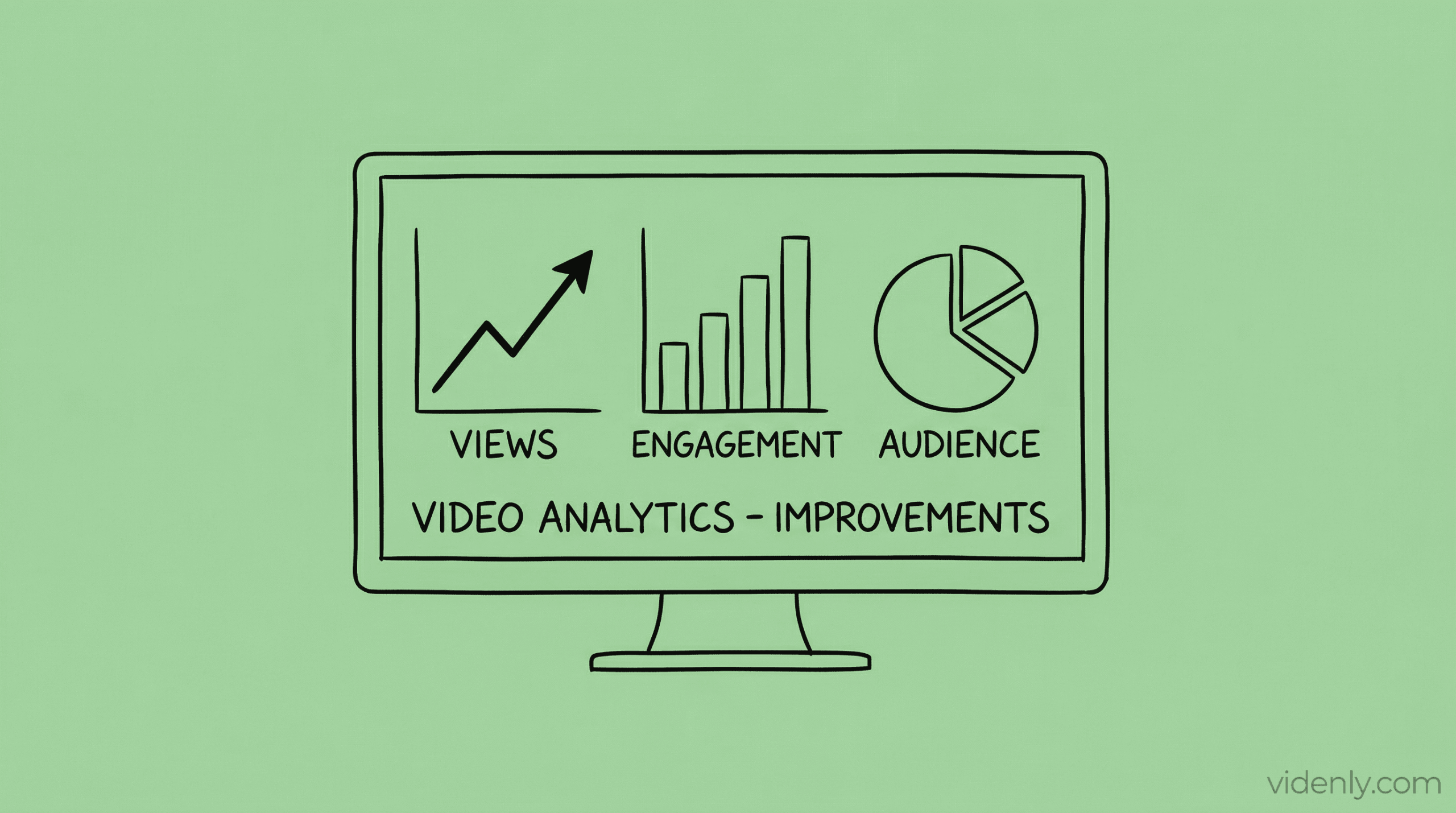
When videos are well-produced and provide value to the audience,whether it be through entertainment, education, or insight,viewers are more likely to engage.
One significant aspect of content quality involves the clarity of the message being conveyed.
A clear, focused narrative engages viewers and encourages them to stay and watch.
Utilizing storytelling techniques can elevate your videos significantly.
Stories resonate with people on an emotional level, and incorporating narrative elements makes your videos more engaging and memorable.
Another critical factor is the length of your videos.
Audience retention tends to drop off for longer content, so keeping videos succinct and focused is key, ideally falling within the recommended duration, which varies depending on the platform.
Understanding your target audience is imperative.
Knowing the audience allows you to tailor content that captures their attention and enhances their viewing experience, ultimately leading to higher engagement rates.
Incorporating visual elements can also help captivate your audience.
Creative graphics, animations, and overlays can make the video more appealing and help keep viewers engaged throughout the presentation.
Don’t forget about the importance of the thumbnail and title when it comes to attracting viewers.
A compelling thumbnail acts like a storefront window, enticing potential viewers to click and explore what your content offers.
Optimization cannot be overlooked in improving video performance.
Consider leveraging SEO techniques to make your videos more searchable on platforms.
Using proper keywords can enhance visibility and lead to increased views.
Creating and maintaining an effective distribution strategy is crucial.
Sharing videos across multiple social media platforms and engaging with audiences directly can drive up views, as these efforts help create a community around your content.
Engaging with viewers through comments and social media can build a loyal following.
When you respond to feedback or inquiries, it fosters a sense of connection and community.
Analyzing performance metrics allows for informed adjustments.
Regularly assess things like watch time, engagement, and retention rates to understand what works and what doesn’t, helping you optimize your strategy continuously.
Incorporating audience feedback is another fantastic way to improve your videos.
By actively listening to viewer suggestions, you can tailor content that aligns with their interests and preferences, ultimately leading to increased satisfaction.
On a practical note, maintaining a consistent upload schedule can help establish audience expectations.
Regularly scheduled uploads can encourage viewers to stick around and anticipate your next video.
Using call-to-action prompts helps guide viewers on what to do next.
Whether it’s subscribing, liking, or sharing, directing viewers enhances their involvement with your content and expands your reach.
Experimenting with different formats can also lead to greater performance.
This could mean trying out live streams, Q&A sessions, or how-to guides, as these formats can engage audiences in unique ways.
Lastly, consider investing in advertising for distribution.
Although this requires a budget, targeted ads can significantly boost your video performance, reaching potential new viewers who may be interested in your content.
Pro Tip: Prioritize high-quality content with a clear message and engaging storytelling techniques to boost audience retention and interaction.
In the end, improving video performance is a multifaceted endeavor.
Mixing creativity with analytical insights lets you continually refine your content and reach new heights.
Create stunning AI-generated videos that captivate your audience and elevate your brand.