
Published on March 12, 2026 by
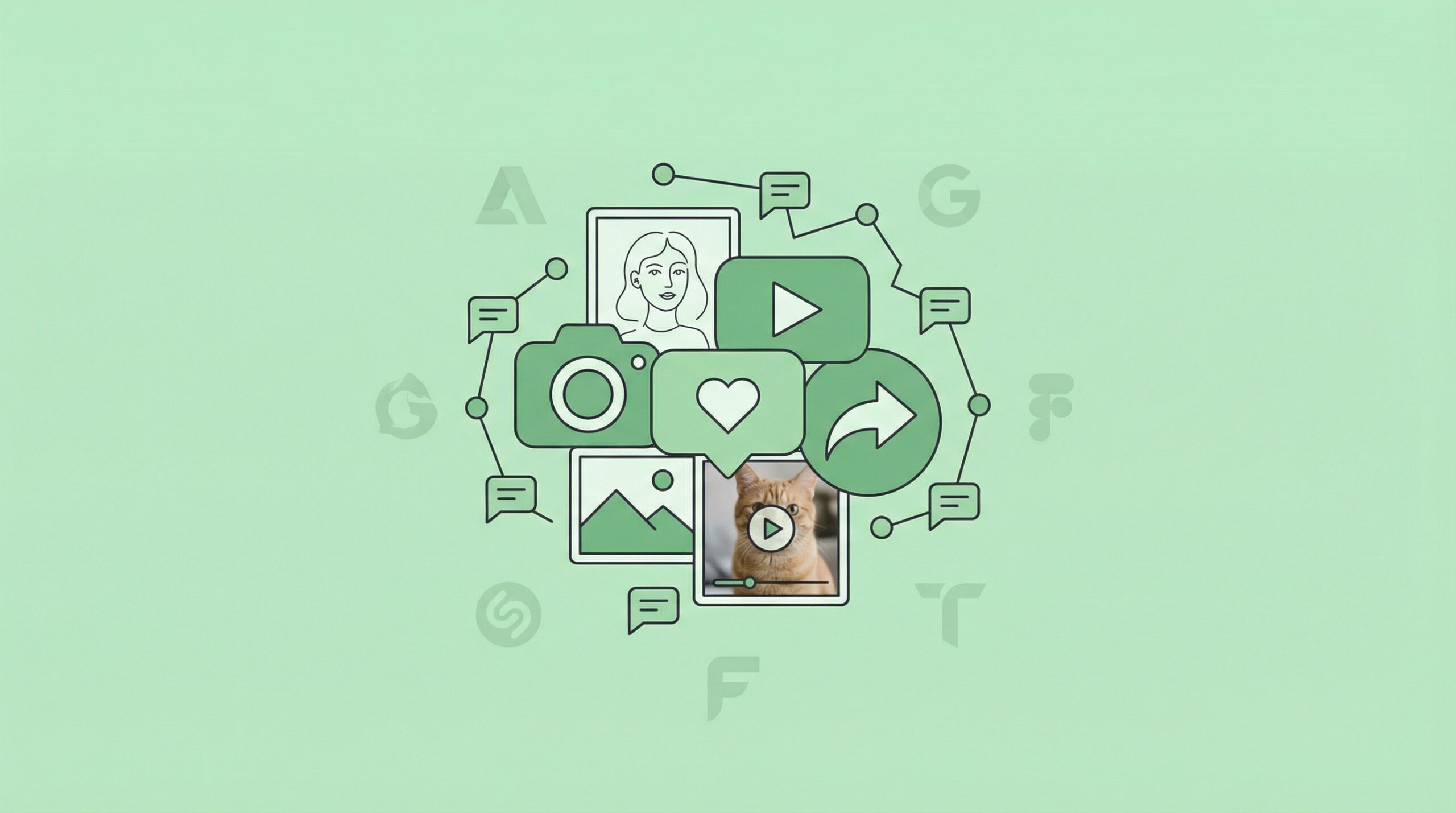
Consumers are motivated to share user-generated content primarily due to a desire for social validation.
They seek recognition from their peers, which incentivizes them to showcase their experiences with products or brands.
Additionally, the act of sharing allows consumers to express their creativity and individuality.
Many individuals also enjoy being part of a community, which shared content can facilitate.
In some cases, incentives such as contests or promotions further encourage sharing behavior.
In the end, the combination of personal expression and community engagement drives consumers to participate in user-generated content creation.
Understanding the motivations behind consumer sharing behavior goes beyond just a few key takeaways.
It’s crucial to explore how factors like brand loyalty, social media trends, and emotional connections further influence this dynamic.
Additionally, examining the role of user-generated content in marketing strategies can provide valuable insights into how businesses can leverage this trend effectively.
As we move forward, I will cover these important aspects in detail, helping to give a more comprehensive view of the subject.
When you think about the world of user-generated content, social validation often rises to the forefront. This validation acts as a powerful motivator, prompting individuals to share their creations with a wider audience.
It’s like standing on a stage, showing your art to the world, hoping for applause. Every like, comment, and share can feel like an affirmation of one’s creativity and expression.
In terms of creativity, a person’s unique voice can emerge in their content, influencing how others perceive their work. The more creative the content, the more likely it is to catch someone’s eye and encourage sharing.
Creativity often sparks conversations, igniting interest among peers and communities. The stories we tell through our content become the threads that weave us together.
Speaking of community, it plays a crucial role in the sharing process. When individuals see others within their community sharing their experiences, they often feel compelled to join the conversation.
This sense of belonging can be a powerful force, driving individuals to create and share. When people see others like them sharing their stories, it nurtures a cooperative spirit.
Incentives play their part, too, acting as a robust motivator in encouraging content sharing. Brands and platforms often adopt strategies that reward users, creating a cycle of engagement.
Consider the various ways users can be incentivized, such as through recognition, giveaways, or even contests. These incentives can transform casual viewers into enthusiastic contributors.
The sense of peer recognition also cannot be understated, as it validates the efforts of content creators. When peers acknowledge someone’s work, it not only uplifts the individual but also encourages them to continue sharing.
This peer recognition acts as a catalyst, pushing individuals to refine their craft. As they see others engaging with their content, they grow more confident and inspired.
On the flip side, sharing user-generated content can significantly enhance brand awareness. When people share their experiences with a product or service, they inadvertently broaden the audience’s exposure.
As their friends and followers engage with that content, it creates a ripple effect, bringing in new potential customers. In this digital age, every shared post has the potential to amplify a brand’s reach immensely.
There’s a strong connection between identity and sharing, as many users express themselves through their content. What they choose to share often reflects their values, beliefs, and personality.
This self-expression sends messages to the audience about who they are and what they stand for. In the end, each piece of shared content acts like a mirror, reflecting the creator’s identity and perspective.
Identifying trends in user-generated content can also provide valuable insights. Users are often attracted to styles and formats that seem current and relevant to their experiences.
The role of social media platforms is undeniable, as they provide the infrastructure for sharing to occur. These platforms shape how and what content is shared, creating a seamless experience for users.
Networks like Instagram and TikTok have altered the landscape, where visual storytelling becomes a primary focus. This transformation encourages more users to participate and share their unique stories.
As for brands, leveraging user-generated content involves integrating it into their marketing strategies effectively. By showcasing authentic consumer experiences, brands can foster trust and connection.
This approach creates a more engaged community, as customers begin to feel acknowledged and valued. When brands showcase real stories and experiences, the connection with their audience deepens significantly.
Create stunning AI-generated videos in minutes that captivate your audience and elevate your brand.