
Published on January 31, 2026 by
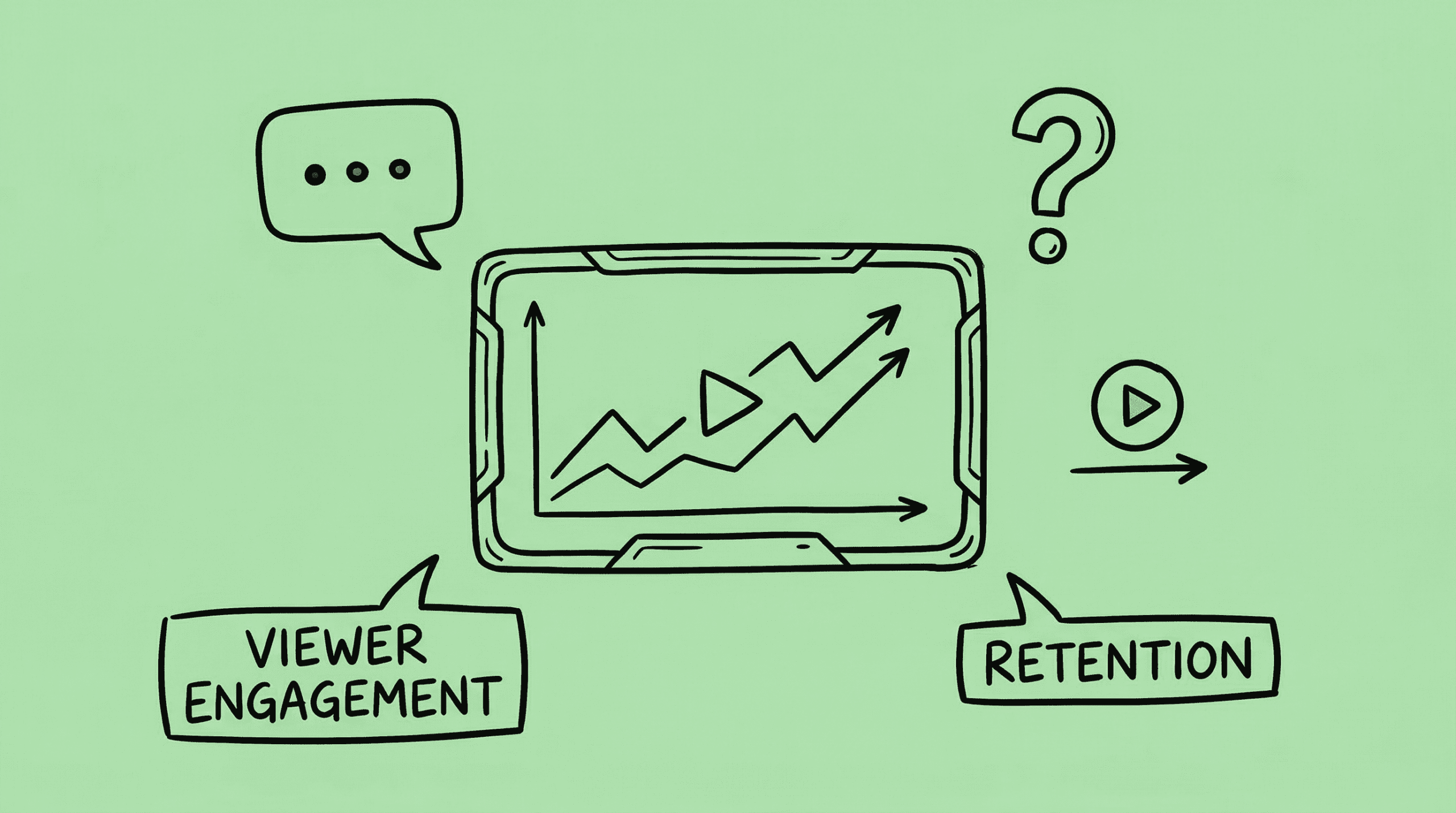
Utilizing narratives and stories in faceless AI videos can significantly enhance viewer engagement.
Incorporating dynamic visuals and animations helps to maintain interest and prevent monotony.
Effective pacing and concise information delivery ensure that the content remains captivating throughout.
Engaging the audience through questions or prompts encourages interaction and retention.
Adding subtitles or text overlays caters to diverse viewing preferences and improves accessibility.
Finally, analyzing viewer analytics can guide content adjustments, enhancing future engagement strategies.
There is much more to explore regarding techniques for enhancing viewer retention in faceless AI videos beyond the key takeaways provided.
I will discuss additional strategies that can further engage your audience and improve their viewing experience, such as the importance of sound design and its role in maintaining interest.
Moreover, we will look at the impact of viewer feedback and analytics on content improvement, which can lead to better retention rates in future videos.
These insights will help you understand how to create compelling content that resonates with your audience and keeps them watching.
Viewer retention is a crucial element in determining a video’s success and overall impact.
It signifies how many people stick around to watch the entirety of a video, which speaks volumes about the content’s engagement levels.
The concept of viewer retention can be understood as measuring the audience’s interest through their viewing habits and behaviors.
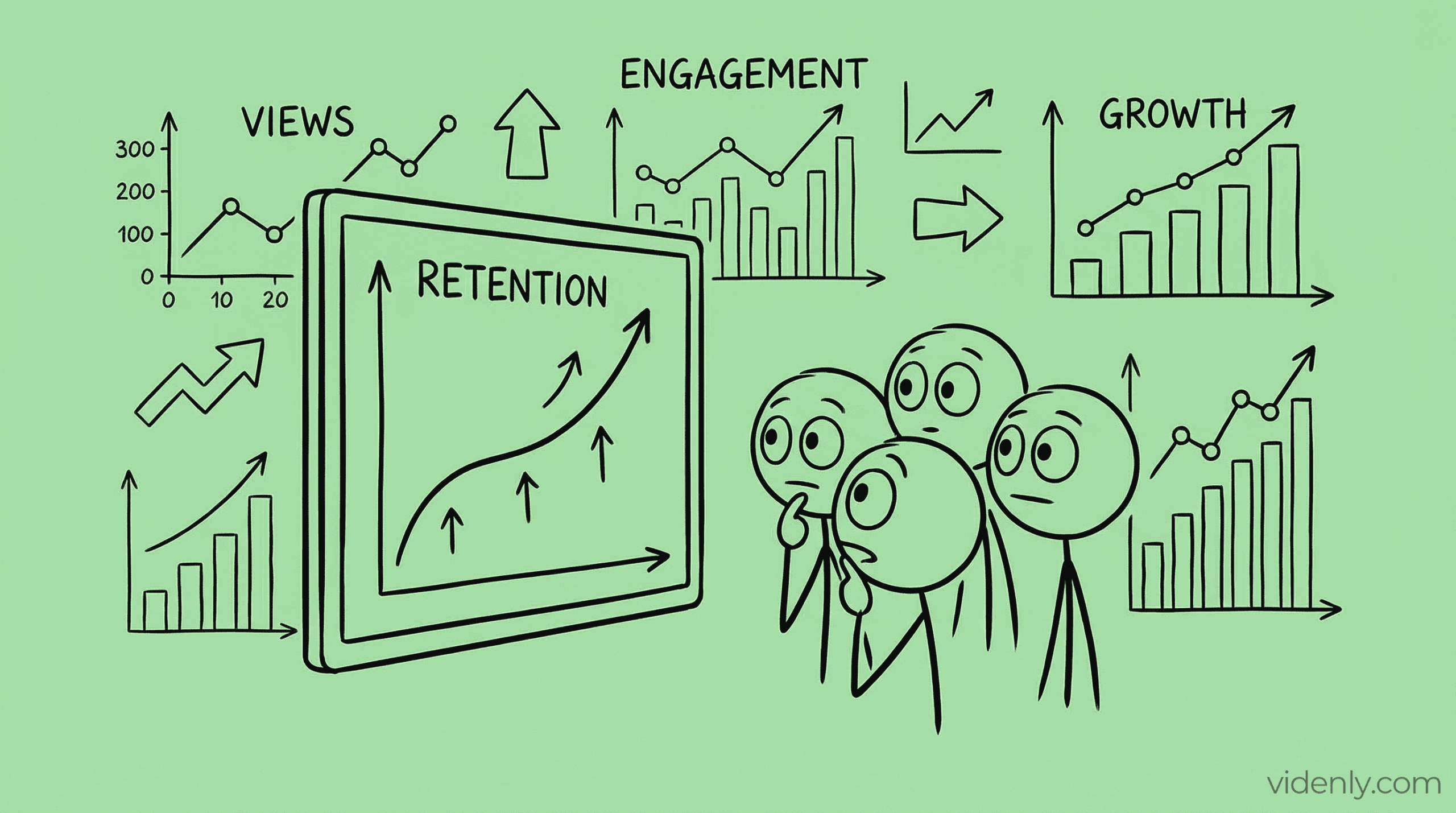
Essentially, it reflects how effectively a video keeps its audience from clicking away before reaching the end.
This metric is important for various platforms, especially those driven by algorithms.
These algorithms often reward videos with higher retention rates, leading to better placement and visibility.
When you consider viewer retention, think of it as a measure of engagement, akin to a captivating book that keeps readers glued to each page.
The longer someone watches, the more likely they are to appreciate your content and even seek out following videos.
In today’s fast-paced digital environment, the attention span of viewers can be quite fleeting.
The challenge many creators face is crafting videos that not only attract clicks but also hold the audience’s attention throughout.
Several factors contribute to maintaining high viewer retention rates, and understanding these elements is essential.
Here are some key factors to consider:
Content quality is a foundation that cannot be overlooked.
High-quality visuals, well-researched topics, and clear narratives captivate viewers, making them less likely to abandon the video.
Pacing and structure are equally as important, as they dictate the flow of information.
If a video drags on or feels disjointed, it may prompt viewers to check out, losing valuable audience members.
Another essential aspect of viewer retention is incorporating relatable themes and messages.
When viewers feel connected to the content, whether through humor or shared experiences, they are much more likely to stick around.
Visual engagement plays a significant role, especially in a world flooded with media.
Eye-catching graphics and smooth transitions can keep viewers intrigued, acting almost like colorful threads weaving together your narrative.
Sound also plays a critical role in building viewer retention.
Background music, sound effects, and even voice modulation can enhance the overall experience, creating an atmosphere that draws viewers in.
Engaging openings or “hooks” are important for luring viewers into the content.
Crafting an alluring introduction that poses a question or sparks curiosity can compel viewers to remain engaged.
It is fascinating to note that _faceless AI videos_ have gained prominence in the digital landscape, allowing creators to deliver compelling content without personal on-screen presence.
Videnly, for example, offers tools that can enhance the production of such content by automating aspects like text-to-speech and utilizing AI avatars.
Understanding viewer retention also means acknowledging the analytics you gather from your audience.
By examining metrics such as average viewing duration, you gain insights into where you might be losing viewers.
Building narratives that compel viewers to stay is akin to telling a gripping story around a campfire.
Each element,the plot, the characters, and the ambiance,creates an experience that people want to be a part of.
Moreover, identifying specific drop-off points can lead to improvements in future videos.
Keeping track of when viewers typically leave can inform how you structure your content.
Empowering creators to refine their approach can be very fulfilling.
Enhancing viewer retention is a journey, one that requires perseverance and open-mindedness to continually adapt.
In the end, fostering a strong connection with your audience can cultivate loyalty.
When viewers feel valued, they are more likely to return for future content, building a successful lifecycle around your videos.
Stories offer a unique way to capture and hold an audience’s attention, acting as a bridge that connects the viewer to the content on a deeper level.
The power of storytelling lies in its ability to evoke emotions and create a sense of empathy, engaging the viewer’s mind and encouraging them to stay invested in the narrative being presented.
When we immerse ourselves in a well-crafted story, we often find ourselves relating to the characters, envisioning our own experiences within their journey.

This connection encourages viewers to not only watch but to also engage with the content, as they see reflections of their own lives in the stories being told.
In faceless AI videos, storytelling transforms data into a narrative rich with meaning.
By weaving facts and figures into a coherent story, these videos can turn what might otherwise seem like dry information into an engaging journey that holds the viewer’s attention.
The journey often begins with a relatable scenario or a character facing a challenge, inviting the audience to invest emotionally right from the start.
A well-defined conflict serves as the heartbeat of the story, driving curiosity and encouraging viewers to stick around to see how it unfolds.
Once a viewer is invested in the narrative, their brain becomes wired to seek out resolution.
This intrinsic desire to understand how the story concludes creates a natural inclination to watch until the end, which ultimately boosts viewer retention.
Moreover, storytelling in videos allows for the integration of visuals and audio that complement the narrative.
The images provided in combination with engaging narratives enhance the message, creating a multi-sensory experience that resonates even deeper with the audience.
Imagine watching a video that utilizes dramatic visuals alongside a compelling story.
The combination not only entertains but also informs, and when executed effectively, it can leave a lasting impression on the viewer’s mind.
Faceless AI videos excel in this area by using engaging graphics and relatable scenarios to illustrate points.
Such dynamics work together to create a vivid story that captivates viewers and encourages retention through intrigue and curiosity.
Another fascinating aspect is how stories tap into the age-old tradition of sharing experiences.
From ancient days, storytelling has been a way to convey knowledge, entertain, and foster community, and in a digital age, this concept remains unaffected.
Even in the absence of a physical face, the voice of the storyteller can emerge through the tone and pacing of the narration, giving life to characters and scenarios.
This auditory approach allows viewers to visualize events in their minds, fostering a connection that feels both intimate and authentic.
Additionally, stories often incorporate elements of suspense or tension, which can be an effective way to maintain engagement.
When the plot thickens, audiences are likely to remain glued to the screen, eager to see how the narrative resolves itself.
It’s not just about holding attention; a well-told story can compel viewers to take action, whether that means sharing the video or revisiting it later.
The call to action embedded within a compelling narrative feels natural, rather than forced, creating opportunities for deeper interaction.
In the grand scheme of things, each story serves as a unique container for information, transforming complex ideas into digestible narratives that resonate with viewers.
When challenging concepts are simplified within the context of a relatable story, they often become easier to understand and remember.
Importantly, stories encourage community building among viewers who share similar interests, values, or experiences.
Discussions about the narrative, whether on social media or directly in comments, lead to vibrant exchanges that can deepen viewer relationships with the content.
As emotional beings, we naturally crave connection, and a good story can act as a catalyst for that need.
The shared experience of engaging with a story can foster a sense of belonging, aligning viewers more closely with the themes of the video.
Additionally, it’s worth mentioning that strong storytelling can differentiate content in a saturated digital landscape.
In a world overflowing with options, stories offer a memorable touch that can help a faceless AI video stand out from the crowd, making the viewer more likely to return.
Pro Tip: Utilize storytelling in your videos to create emotional connections with your audience, as this involvement not only enhances viewer engagement but also encourages retention and action.
Through the lens of engagement, storytelling does not merely enhance entertainment; it makes information impactful and relatable.
At the end of the day, the art of storytelling will continue to be a cornerstone for captivating audiences, keeping them glued to the screen while gathering meaningful insights that linger even after the last frame ends.
In the world of faceless AI videos, the question arises of how to truly capture audience attention.
Dynamic visuals play a pivotal role in engaging viewers and keeping them invested throughout the video.
Imagine a colorful, animated scene compared to a static image; the difference is like night and day.
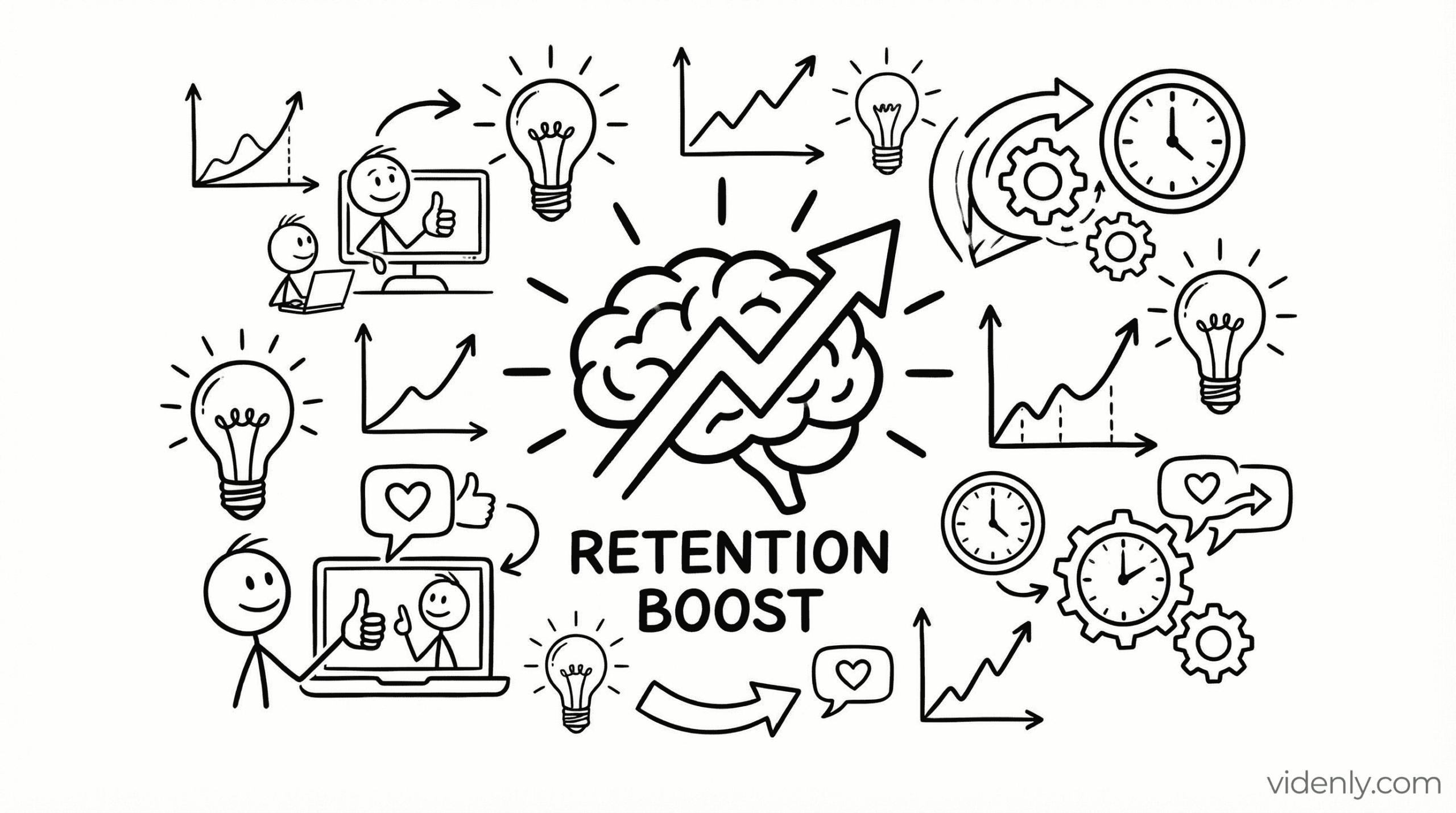
Movement, colors, and creativity all breathe life into content that might otherwise feel flat.
When viewers find themselves immersed in a well-crafted visual experience, they tend to stay longer.
Dynamic visuals help maintain interest and curiosity, enticing viewers to remain on the edge of their seats.
Incorporating varied animations, transitions, and high-quality graphics can significantly enhance the viewing experience.
What could be more compelling than vibrant visuals that resonate with your audience’s emotions?
Furthermore, visuals that are not only beautiful but also relevant to the content can reinforce the key messages being conveyed.
They serve as a visual language, communicating ideas that sometimes words cannot fully express.
Utilizing dynamic elements allows for seamless storytelling.
Just as a good book draws you in with rich imagery, a video should create its own world through compelling visuals.
To better understand the impact of dynamic visuals, let’s consider some essential benefits:
Working with dynamic visuals is akin to painting a picture; each brushstroke contributes to the overall masterpiece.
These elements do not merely fill the screen; they serve a purpose, convey meaning, and deepen the viewer’s experience.
Moreover, dynamic visuals often include graphics and charts that present data visually.
This not only makes the information appealing but also easy to grasp, turning dry facts into lively stories.
Another layer of engagement arises when visuals are tied directly to narratives.
Whether illustrating an idea or enhancing the tone, dynamic animations can pull viewers deeper into the experience.
Utilizing movement strategically can also heighten excitement.
A sudden shift in visual style may evoke surprise, re-igniting a viewer’s interest when it starts to wane.
Making use of a variety of styles and presentations keeps the content fresh and captivating.
The right combination can create a rhythm that feels almost musical, drawing the viewer into a compelling flow.
In the dance between visuals and narrative, each element should harmonize, amplifying the story you wish to tell.
Ensuring that these components work in concert naturally fosters viewer retention.
In the end, the goal of dynamic visuals is to craft an experience that resonates.
When visuals are innovative and purposeful, they can transform ordinary content into an extraordinary journey.
Important: Dynamic visuals are essential for engaging viewers, enhancing understanding, and fostering emotional connections, ultimately transforming ordinary content into memorable experiences.
By keeping things dynamic and vibrant, creators can elevate their videos into experiences that viewers are unlikely to forget.
The journey through a faceless AI video should feel alive, fluid, and captivating.
Understanding effective pacing is crucial when creating faceless AI videos that capture and maintain viewer attention over time.
Pacing refers to the speed and rhythm at which content unfolds and is a fundamental aspect of storytelling, as it dictates how quickly information is delivered and absorbed.
One key element of pacing is establishing a balance between information delivery and engagement.

If your content progresses too slowly, viewers might lose interest; conversely, if it moves too quickly, they might struggle to grasp what you are trying to convey.
To maintain the right tempo, think of pacing as driving a car.
You wouldn’t speed up recklessly around corners, nor would you crawl along without a purpose; instead, you find a comfortable speed that allows you to navigate effectively while enjoying the journey.
In essence, varying the pacing within your videos can create a dynamic viewing experience.
For instance, rapid-fire delivery during exciting sequences can build anticipation and thrill, while slower moments offer viewers a chance to reflect and absorb important points.
Effective pacing often includes the strategic use of pauses and breaks that can enhance storytelling.
These intervals allow viewers to digest information better, creating space for thought or providing a moment of suspense that makes the story more engaging.
Consider incorporating changes in pacing to highlight specific segments of your video.
By slowing down during key explanations or emotional points, you create emphasis and clarity, inviting viewers to engage more deeply with the content.
On the flip side, quickening the pace during exciting announcements can invigorate the audience.
This deliberate variation in tempo can evoke emotional responses, keeping viewers on the edge of their seats and eager for what’s next.
When it comes to AI-generated faceless videos, the technology might deliver content seamlessly, but it relies heavily on human creativity to determine the pacing.
The art of pacing resides in striking the perfect balance between the information presented and the engagement created, allowing viewers to feel invested in the narrative.
One effective technique for managing pacing is to utilize visual storytelling.
Combining visuals with narration can effectively guide viewers’ attention and support the tempo of the story, creating a richer viewing experience.
Moreover, consider the rhythm of your narrative.
Integrating sound design and music can significantly affect pacing, where soundtracks with varying tempos can invoke feelings of excitement or calmness at just the right moments.
Creating anticipation is another critical aspect of effective pacing.
By introducing a problem early and delaying resolution, you can keep viewers engaged, making them eager to see how the video unfolds.
To be successful in pacing, it helps to know your audience and what they respond to best.
Some viewers might appreciate a slower, more reflective pace, while others might prefer briskly moving content that keeps them on their toes.
Feedback from your audience can serve as a valuable resource for understanding the nuances of pacing.
Observing viewer engagement statistics can inform you whether your pacing methods are effective or if adjustments are necessary.
Another technique to consider is the use of transitions.
Smooth transitions can help maintain a natural flow of ideas and prevent the viewer from being jarred by abrupt changes in pacing.
This fluidity helps keep the narrative cohesive.
Furthermore, embedding questions throughout your video can increase engagement while allowing for natural breaks in pacing.
These pauses stimulate viewer interaction and encourage them to think critically about the content presented.
The structure of your video may also impact pacing significantly.
An outline can help you determine how to arrange ideas so that each section naturally leads into the next, fostering a steady rhythm that invites viewers to follow along without feeling rushed.
In the end, mastering effective pacing requires a blend of intuition and practice.
Experimenting with different rhythms can reveal what resonates best with your audience and contributes to their retention.
Pro Tip: To enhance viewer engagement in your videos, vary the pacing strategically by using rapid delivery for exciting moments and slower tempos for critical explanations, thereby maximizing the impact of your storytelling.
In the end, sources of inspiration can come from various media forms, so don’t hesitate to analyze your favorite shows or films for pacing cues.
By understanding and applying these techniques to your faceless AI videos, you can create captivating content that keeps viewers coming back for more.
When thinking about how questions can boost viewer retention, it’s important to realize that they act as a bridge between the creator and the audience.
They invite viewers to reflect on the content, engaging them in a unique way that fosters connection.
In a digital landscape filled with noise, a well-placed question can interrupt the viewer’s passive consumption of information.
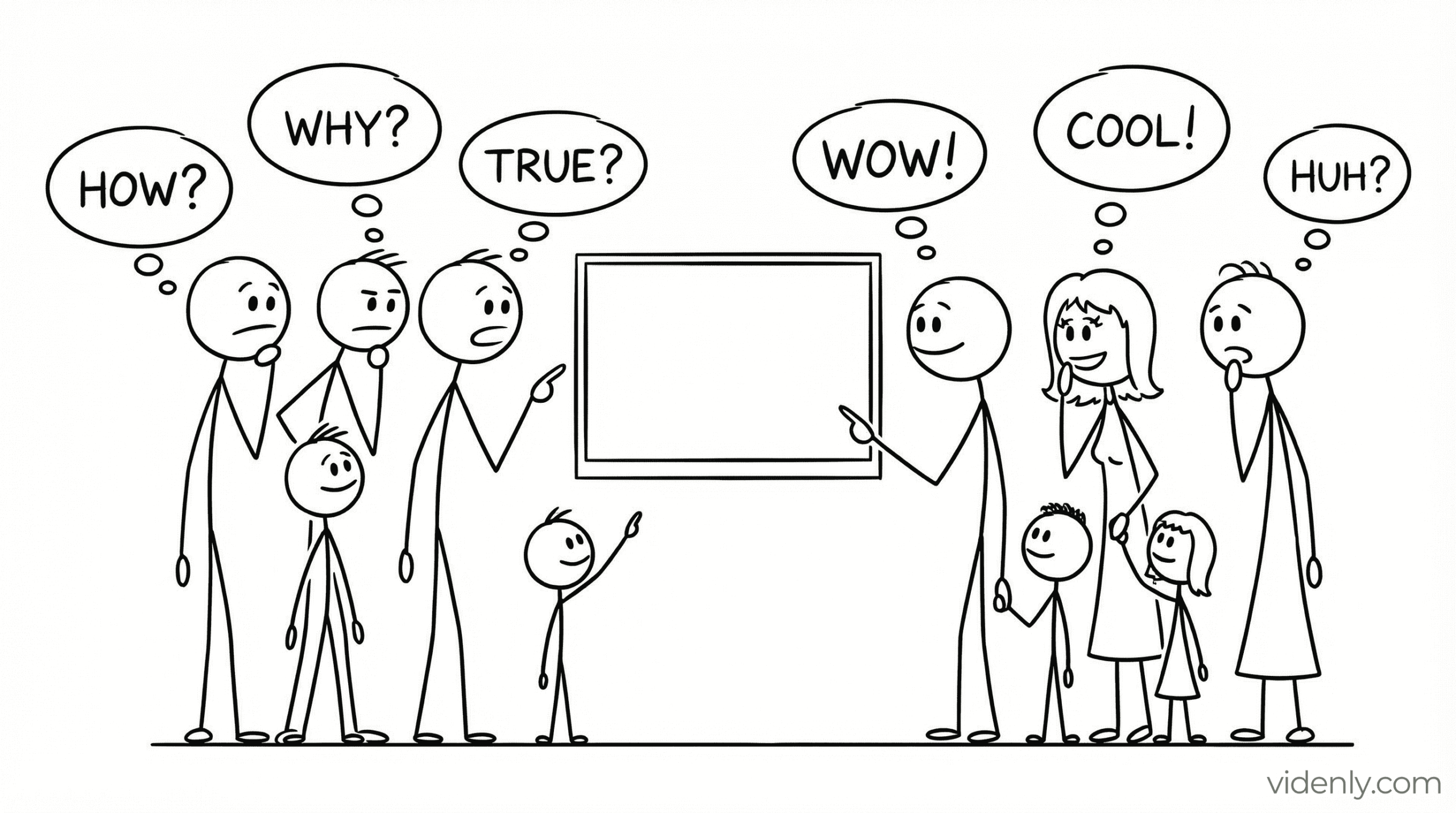
It serves as a mental signal to activate their thoughts rather than merely absorbing content like a sponge.
When a creator poses a question, it opens the floor for viewers to consider their own insights and experiences.
This can lead to a feeling of involvement and belonging which often encourages longer viewing times.
I would say that questions function almost like breadcrumbs.
They guide viewers through the video’s narrative, allowing them to follow along actively rather than strolling through passively.
A good example would be, rather than simply stating information, consider asking something provocative, like “Have you ever experienced this situation?” Such a question resonates on a personal level, making the viewer more likely to engage with the content.
Moreover, using questions not only spark interest, but they also shift the viewer’s mindset from passive to active.
This shift is significant, as an actively engaged viewer is less likely to click away in the midst of the video.
When we incorporate questions naturally throughout the video, we can create a dynamic interaction that feels effortless yet intentional.
Here are some aspects to consider when crafting questions for maximum engagement:
At the end of the day, it’s the context of the questions that matters most.
Asking a question in the midst of a story can build dramatic tension, making the viewer eager to hear a resolution.
To illustrate this, think of a suspenseful movie scene.
Just as a director might leave viewers hanging for answers, a creator can ask questions that prompt the same urge to stay engaged.
This approach can lead to a sense of community as viewers connect over shared inquiries.
It’s a powerful way to gather insights and spark discussions in comment sections, fostering a vibrant community.
Furthermore, questions can also be used effectively for audience feedback.
For instance, asking viewers to comment their answers or thoughts can transform passive viewers into active participants in a dialogue.
By inviting responses, you not only encourage engagement but also learn more about your audience.
This knowledge can be tremendously helpful for tailoring future content to resonate even more with the viewers.
In addition, questions can help summarize or reinforce key points made during the video.
This serves as a helpful reminder that keeps information fresh in the viewer’s mind, potentially leading to higher retention overall.
As I reflect on this, I can’t help but appreciate how well-crafted questions can create a rich tapestry of interaction throughout a faceless AI video.
They bind the content together, turning a simple presentation into an engaging experience filled with possibilities.
Including questions throughout the video can transform it into an interactive journey rather than a one-sided lecture.
It means anticipating the viewer’s curiosity and providing a platform for those inquiries to flourish.
This approach differentiates ordinary videos from those that truly resonate with viewers, making them feel valued and heard.
After all, who doesn’t appreciate being invited to share their thoughts and perspectives?
Encouraging viewers to respond and share their views also helps foster a sense of belonging within your community.
They may feel more inclined to return for future content when they know their contributions matter.
When you take the time to engage your audience through questions, you’re building more than just viewer retention,you’re crafting a loyal community that cares about your content.
When it comes to creating faceless AI videos, the inclusion of subtitles and overlays can significantly impact the overall viewer experience.
In today’s fast-paced digital environment, keeping viewers engaged can often feel like trying to catch smoke with your bare hands.
Adding subtitles is not just about representing spoken dialogue; it serves as a visual anchor that can help ground what viewers are observing.
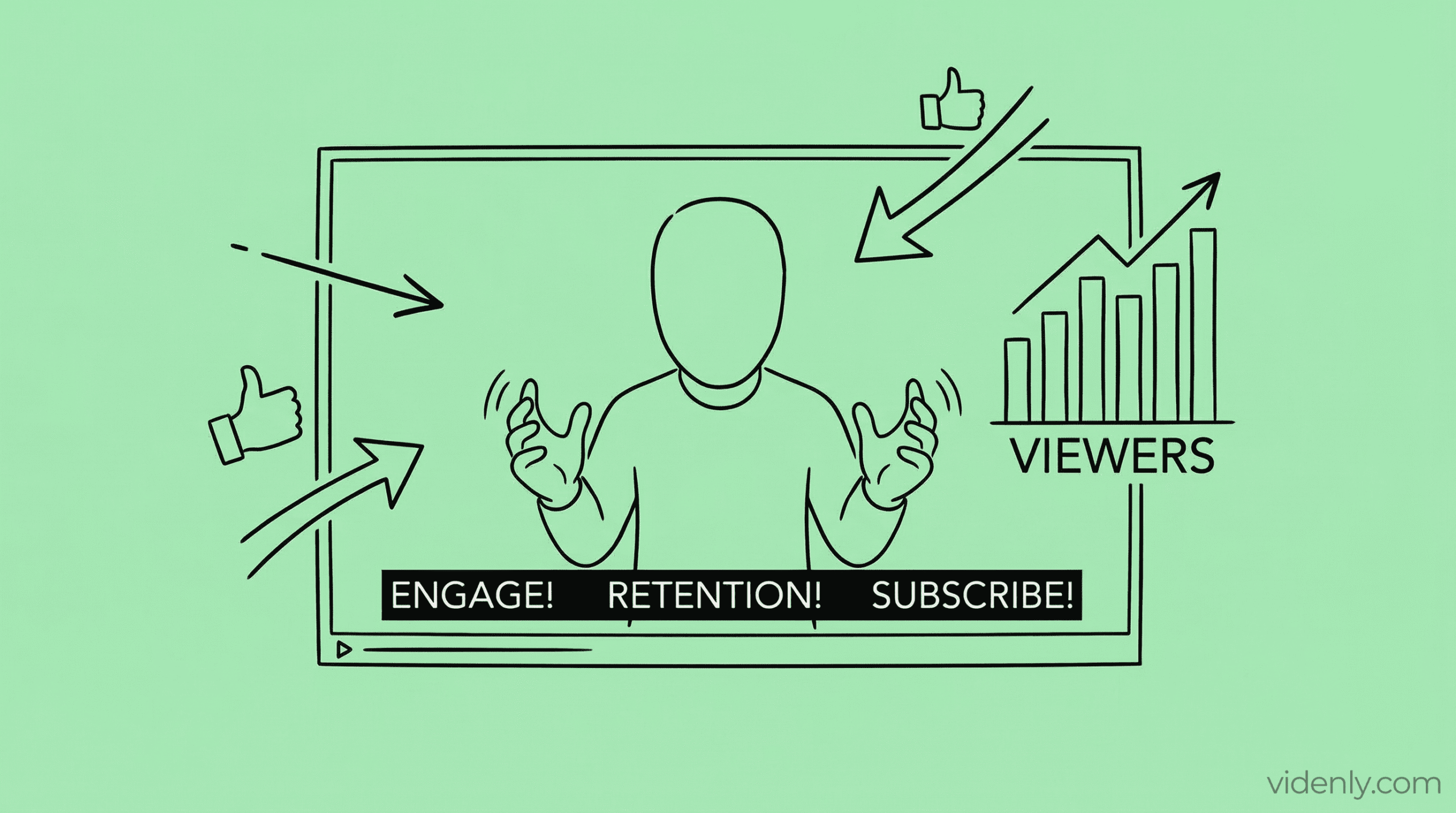
By providing on-screen text, you give your audience a way to connect with the content on a deeper level.
One of the primary benefits of using subtitles is that they cater to a wider range of audiences.
Not only are they helpful for those who may be hard of hearing, but they also assist non-native speakers who could struggle with understanding the spoken language.
Think of it like this: if someone has a thick fog in their head because they cannot catch every word, subtitles become the lighthouse guiding them safely to shore.
They enhance comprehension and allow viewers to fully absorb the message being conveyed.
Additionally, subtitles can help maintain a strong connection between the viewer and the content, ensuring that crucial points are not missed or misinterpreted.
In a world where distractions lurk around every corner, having text on the screen can boost focus.
Moreover, consider the value of overlays that complement the visuals and text.
They can be tailored to feature important statistics, quotes, or even questions that prompt thought and discussion among viewers.
Including overlays can act as a dynamic storytelling tool that provides context and enriches the narrative.
This, in turn, creates a more immersive experience where viewers feel they are a part of the journey.
With well-placed overlays, you can also guide viewer attention to specific elements of the screen, thereby enhancing understanding of complex concepts.
This can be compared to how a well-crafted soundtrack helps elevate the emotional intensity of a film scene.
Another important aspect is that subtitles and overlays can act as visual cues or reminders of the primary message.
When specific phrases or ideas are highlighted, it helps reinforce the core content and increases retention rates.
In many ways, the combination of subtitles and overlays serves as a safety net for viewers, capturing their attention even during moments when their minds may wander.
Just like a safety net that catches a performer after an acrobatic stunt, these enhancements ensure that essential information does not fall through the cracks.
Psychologically, many people find that reading along while they listen enhances their engagement and retention of information.
This dual-channel approach feeds into how our brains process content, making it a win-win situation.
Furthermore, in an era of global content consumption, the addition of subtitles allows for greater accessibility to a worldwide audience.
When viewers can read along in their native languages, it opens up a realm of possibilities for international reach.
Another fascinating point is how subtitles can positively impact video rankings as well.
Many platforms leverage closed captioning and subtitles to boost SEO, making your content more discoverable to potential viewers.
For creators of faceless AI videos, the importance of keeping the content accessible and engaging cannot be overstated.
Adding these features makes the video overall more appealing and encourages longer viewing times.
Additionally, overlays can be utilized strategically to emphasize important points as they unfold on the screen.
By visually representing essential information alongside the audio, you guide viewers seamlessly through the narrative.
It’s also worth noting the aesthetic aspect; well-designed subtitles and overlays can elevate the visual appeal of your content.
Much like a beautifully designed book cover captures attention from afar, effective visuals in videos can lure in viewers and keep them glued to the screen.
At the end of the day, when considering how to enhance viewer retention in your faceless AI videos, think of subtitles and overlays as essential components in your creative toolbox.
They help create a cohesive, engaging, and informative experience that resonates with diverse audiences.
Important: The inclusion of subtitles and overlays in faceless AI videos enhances viewer engagement, aids comprehension, and caters to a wider audience, making your content more accessible and appealing.
By focusing on how to implement these elements effectively, you’ll likely find that your audience not only watches but also appreciates the narrative you have crafted.
It reflects your dedication to ensuring a thoughtful and captivating experience for every viewer.
When it comes to the world of video content, accessibility can be the invisible hand that guides viewer retention.
By ensuring that your videos are accessible to a wide range of audiences, you significantly enhance the likelihood that more people will stay engaged throughout the entire duration.
Accessibility, in this context, means catering to various needs and preferences, from those who are hearing impaired to individuals with limited visual abilities.

Having a more diverse audience engaging with your content often translates into higher viewer retention rates.
Imagine for a moment that accessibility is akin to opening the front doors of a grand theater, inviting in all who wish to partake in the experience.
Without these doors being wide open, you risk alienating potential viewers who otherwise might have thoroughly enjoyed the content.
One effective technique for enhancing accessibility is the use of captions and subtitles.
By providing these tools, you help those who are hearing impaired to feel included in the conversation, making it possible for them to follow along.
Moreover, captions can also assist individuals who are learning a new language.
They can read along and hear the pronunciations simultaneously, assisting both comprehension and retention.
Another significant aspect revolves around visual elements.
Videos should incorporate easy-to-read fonts and color contrasts that cater to individuals with visual impairments or color blindness.
Complicated backgrounds can be distracting and may draw attention away from the core content, which is why a clean design is often advisable.
In the case of faceless AI videos, visual representation becomes even more crucial, as the lack of personal interaction through a human face may lead to emotional detachment from the content.
Therefore, utilizing simple graphics or appealing visuals becomes a powerful way to keep viewers focused.
Technological advancements have also contributed to boosting accessibility.
A good example would be, using text-to-speech technology can benefit visually impaired viewers, providing narration that brings the content to life when visuals alone may be insufficient.
Let’s look at some key elements that can enhance accessibility in your faceless AI videos:
Integrating these elements can greatly affect viewer retention, keeping individuals captivated without barriers.
When diverse groups feel included, they are more likely to engage emotionally with the content.
Furthermore, accessibility does not just help you retain viewers; it can also widen your audience base.
By making your content available to those who typically might be marginalized or unable to access standard videos, you create a community around your content.
The implications of accessibility on retention also extend to platform choice.
Some viewers may prefer platforms that prioritize accessibility features, resulting in higher engagement rates.
When your video content can be viewed seamlessly across different devices and platforms, it naturally leads to increased viewer satisfaction and prolonged interaction.
On the technical side, it has become essential to keep accessibility guidelines in mind during the production phase.
Early integration of these guidelines often saves time and effort in the long run, so it becomes a smoother process to produce content that can be enjoyed by everyone.
Pro Tip: Incorporate accessible features like captions, audio descriptions, and high-contrast visuals in your videos to enhance viewer retention and engagement across diverse audiences.
In light of this discussion, it is clear that accessibility plays a crucial role in influencing viewer retention for faceless AI videos.
By thoughtfully incorporating accessible elements, you not only enhance viewer satisfaction, but you also build a more inclusive environment for everyone.
Analytics serves as a important compass in the vast sea of content creation, especially when it comes to faceless AI videos.
As creators, we find ourselves navigating through preferences, behaviors, and trends that an array of data can provide.
Harnessing the power of analytics enables content creators to pinpoint viewer interests and understand why some videos resonate while others fall flat.
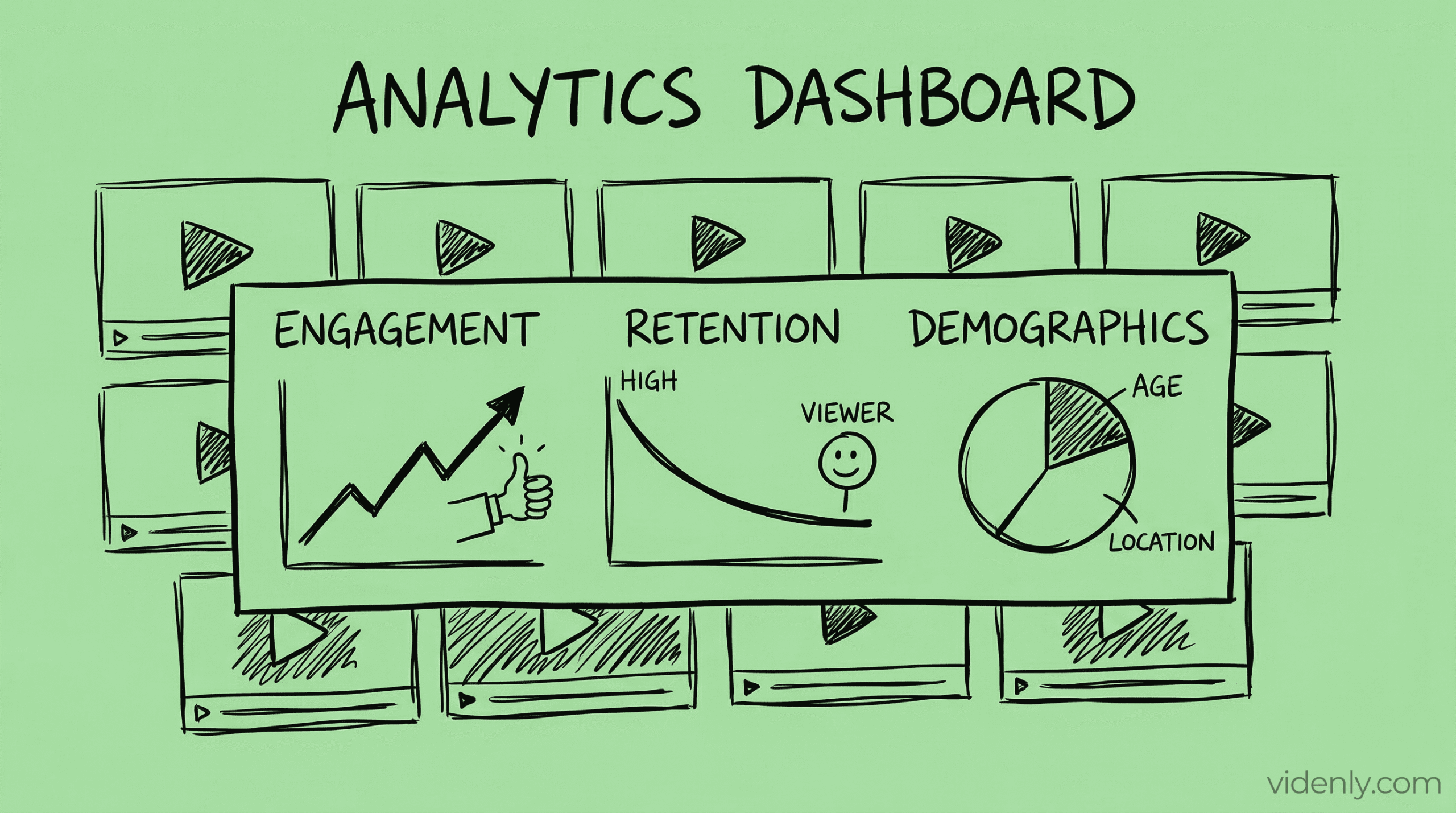
By getting into metrics, we start to unravel the threads of viewer engagement, retention, and overall performance.
One of the most compelling aspects of analytics is its ability to give clarity on viewer retention rates.
This metric is crucial, as it tells how long people are sticking around before deciding to move on.
We often think of retention as a storytelling tool, where the goal is not just to draw viewers in, but to keep them engaged until the very last second of the video.
Understanding at which point viewers tend to drop off can reveal gaps in our storytelling or pacing.
Additionally, looking at the average view duration provides insight into how effectively the content is holding audience attention.
A longer view duration often indicates that the narrative is not only captivating but also resonates with the viewer’s interests.
Another important component in the analytics toolkit is the analysis of traffic sources and demographic information.
Knowing where your viewers come from and their age, gender, and geographical location can influence how you craft your videos.
For instance, if analytics reveal a strong interest from a particular age group, it might prompt a tailor-made approach in addressing topics that align with that demographic’s preferences.
Understanding your audience on a deeper level fosters a more personalized connection.
Furthermore, engagement metrics, which include likes, comments, and shares, provide another layer of understanding.
These interactions serve as an indication of how well your content is resonating with viewers and can point towards areas of improvement.
It’s fascinating to observe how some videos can go viral, resulting in soaring engagement levels, while others may struggle despite being well-produced.
This contrast demonstrates the importance of adapting content strategy based on analytics insights.
Tracking viewer comments can prove to be a goldmine of information as well.
Feedback from the audience can highlight what is working or, in some cases, what might need to be tweaked for better engagement.
Another interesting angle is noting how different video lengths affect viewer retention.
Some audiences enjoy concise, bite-sized content while others prefer longer, more in-depth explorations.
By experimenting with video duration and closely monitoring analytics, we can find the sweet spot for our content that holds viewers’ attention the longest.
It’s like fishing; the goal is to find that perfect bait that keeps the fish interested.
Moreover, the performance of thumbnails and titles can also be traced through analytics.
This allows creators to test different visual elements and messaging to see what captures viewers’ attention the most.
Creating catchy thumbnails and compelling titles often meshes with viewer expectations established through analytics data.
As it turns out, storytelling doesn’t only happen within the video but starts as soon as the viewer’s gaze falls on the thumbnail.
Analytics ultimately break down the barriers between content creators and their audience in a meaningful way.
By taking the time to analyze data meticulously, creators can not only enhance retention but also build a loyal following.
Another aspect that is important to note is the impact of user experience,how seamlessly viewers can navigate the content.
Implementation of chapters or segments can make complex topics digestible while maintaining viewer interest.
If creators fail to pay attention to the analytics regarding user drop-off during lengthy segments, they risk losing their audience’s interest entirely.
Addressing these challenges requires careful analysis and recalibration of content, ensuring it remains fresh and engaging.
By regularly reviewing analytics, we position ourselves to make data-driven decisions that enhance viewer experience and retention over time.
The relationship between our content and analytics shouldn’t feel adversarial, but rather symbiotic, working together to create compelling narratives.
Important: Analytics enables you to pinpoint viewer interests and engagement, allowing for data-driven decisions that enhance retention and build a loyal following.
In examining the numbers, discovering patterns, and adjusting strategies accordingly, we embrace a proactive approach rather than a reactive one.
At the end of the day, engaging with analytics means continuously evolving and innovating our content, keeping our viewers eagerly coming back for more.
One of the most essential aspects of creating engaging videos is the ability to adjust your content for your viewers.
Understanding your audience is like having a compass that guides your creative journey.
When you cater to the specific interests and preferences of your audience, you’ll find that your viewership grows as you develop a stronger connection with them.

This means not only producing content that resonates but also adapting your style to meet their expectations.
Building a successful online presence can feel like walking a tightrope.
You must balance what you enjoy creating with what your audience craves.
Consider diving into analytics.
By examining viewer statistics, you can determine which aspects of your videos draw more engagement, such as likes, comments, and shares.
These numbers will provide insights into trends that matter, allowing you to refine your content accordingly.
Crafting videos that address popular topics or questions your audience has can increase both views and retention.
Another way to effectively adjust content is through feedback loops.
Engaging with your viewers through comments or social media can yield valuable information about what they like and dislike.
Don’t forget, feedback isn’t just constructive criticism; it’s also about understanding the emotions behind the viewers’ responses.
Developing a responsive mindset creates a welcoming environment and builds a loyal fanbase.
Emotional connections play a critical role in retention.
What feelings do you want your viewers to experience while watching your content?
It’s essential to ponder how you can make viewers feel more engaged and invested.
Your tone, visuals, and choice of music can evoke strong emotions in your audience.
When reminders or motivations are applied in the right context, it can resonate with viewers, making them more likely to stay until the end.
One effective way to tailor your content is through storytelling techniques.
When you weave in personal anecdotes or relatable scenarios, you allow viewers to connect with your narrative profoundly.
When it comes to pacing, it’s like riding a roller coaster.
It should have peaks and valleys that keep the audience’s attention throughout the ride.
Being mindful of the pacing can help you maintain momentum and enhance viewer retention.
You don’t want your viewers to become disinterested halfway through your video, nor do you want to bombard them with information.
Your visuals also play a important role in reinforcing your content.
Selecting imagery that resonates with your audience enhances their overall experience.
This means choosing colors, designs, and animations that speak to your target demographic.
Visuals should be a seamless extension of your message, drawing viewers in at every turn.
In the end, adapting your content isn’t just about tweaking a few elements; it involves a holistic understanding of your audience’s desires.
The more you immerse yourself into what your viewers want, the better equipped you will be to captivate and retain them.
It Also helps to continually assess and adapt your video style as trends and viewer preferences shift over time.
Thinking of your content as evolving keeps it fresh and exciting.
Pro Tip: Continuously analyze viewer engagement metrics and feedback to refine your content and ensure it aligns with your audience’s evolving preferences.
As you become more attuned to your audience’s needs, adjust your approach to content creation.
It’s important to remember, in the world of faceless AI videos, the end viewer always deserves the spotlight.
Create stunning AI-generated videos that captivate your audience and elevate your brand.