
Published on January 23, 2025 by
Faceless channels provide an ideal platform for introverts, who often find it challenging to engage in face-to-face communication.
These channels offer a refuge where introverts can express themselves freely without the anxiety that usually accompanies direct interaction.
This mode of communication allows them to articulate their thoughts and ideas more comprehensively as there is no pressure to respond instantaneously.
Beyond this, the anonymity provided by faceless channels serves as a security blanket, removing the fear of judgment or criticism.
Introverts generally take time to formulate their responses, and these platforms cater perfectly to this preference.
As we all know, faceless channels are proving to be a boon for introverts, balancing their need for social interaction with their desire for personal space.
The exploration doesn’t stop here.
As we unpack this topic, you’ll discover more on how faceless channels not only support growth for introverts, but also cultivate an environment where everyone, regardless of their personality type, can feel comfortable expressing themselves.
An interesting segment that’s coming up discusses how these social platforms can potentially revolutionize the way we interact digitally and encourage us to more authentically portray who we are, without the apprehension that comes with face-to-face interaction.
I strongly encourage you to continue reading as I shed light on how diverse companies are currently implementing these groundbreaking tools and the remarkable results obtained.
Stick around, for there is many tips still to unfold.
If you find yourself wondering, “What exactly are faceless channels?” you’re not alone. The term might sound a bit daunting at first.
But, honestly, it’s not as complex as it sounds. The concept of a faceless channel revolves around anonymity.
When we talk about faceless channels, we are referring to media outlets where the identity of the content creator remains undisclosed.

That’s right, the people producing the content choose to stay anonymous.
Why do they do this, you ask? There’s something liberating about expressing your thoughts, ideas, or providing services without linking them directly to your personal identity.
It’s almost like being a superhero, isn’t it?
Traditionally, you would expect content creators to be in the spotlight, constantly interacting with their audience.
But a faceless channel turns that notion on its head.
I mean, think about it. A podcast, YouTube channel, or even a blog, where nobody knows who’s behind all that content. Fascinating, isn’t it?
It’s crucial to understand the unique framework that faceless channels have to offer. Let’s quickly outline these characteristics:
Despite all this, something that’s intriguing is how a channel can thrive while remaining anonymous. You’d think it would be a deterrent, right? In fact, that’s not necessarily the case.
Take this as a fun fact: Some faceless channels are even more popular than their traditional counterparts. In the online world devoid of face-to-face interaction, being faceless provides an unexpected advantage.
And this is why introverts find solace in faceless channels. It’s an ideal platform for them to take part, contribute, and express as much as extroverts do in traditional media channels.
A faceless channel lets you focus purely on what you want to say, without worrying about public perceptions or sensory-overload that can often plague introverts in social scenarios.
Pro Tip: Consider starting a faceless channel if social anxiety holds you back; it allows you to focus purely on your content without worrying about public perceptions.
But even then, let’s not limit the context of faceless channels to just introverted personalities.
It opens doors for anyone desiring to create, share, and participate in digital media while avoiding the direct spotlight.
Let me tell you, if you’ve been pondering over the idea of starting a blog, YouTube channel, or podcast but social anxiety keeps holding you back, consider creating a faceless channel.
It might just be the perfect solution for you.
The appeal of faceless channels for introverts is multifaceted. Yet by peeling back the layers, some clarity can materialize.
Think about these channels like a book club without the forced socializing.
By this, I mean they offer the benefits of engaging with others without the stresses of in-person interaction.
The first advantage that comes to mind is how I would describe as a cyber sanctuary.
These channels allow introverts to control their level of participation, and they are in charge of deciding their degree of visibility.
Is it not liberating to know that you can participate without the pressure of thinking about your physical appearance or body language?
And, I dare say there’s something magical about this kind of freedom. It allows introverts to stay within their comfort zone while breaking the insidious, often stifling, chains of societal expectations.
Now, something that I think is equally important to stress is the ease of expression. Faceless channels give introverts a stage to express themselves in a condensed way and on their own terms.
Afterall, are we not free to express ourselves without the fear of immediate judgment in these places?
Well, let’s canvas a few benefits of these channels for introverts before we proceed further:
These are not exhaustive, but even then, they reflect the sentiment I am trying to communicate. The point about being nonjudgmental is not a minor one.
Introverts often have time to articulate their thoughts carefully in faceless platforms.
I mean, does it not sound like a dream where one gets to ponder and draft the perfect response without the time constraints that accompany oral conversation?
Lastly, faceless channels offer the beauty of flexibility.
That is, introverts can maintain or withdraw their participation as they please with no explanation needed.
Doesn’t that paint an enticing picture for someone who isn’t all that into small talk or social chitchat?
In short, life in the realm of faceless channels provides a safe haven for introverts. It offers a nature reserve like space for introverts free to roam and interact but with all the right boundaries in place.
Are there any downsides? Of course, but that’s a different conversation altogether.
Like many folks, when I set out to engage in social contact, I get a tiny bit nervous, especially when that contact involves face-to-face interaction.
I mean, think about it, the multiple concurrent tasks you have to do, such as maintaining eye contact, processing verbal cues, and even physically presenting yourself just adds to the anxiety that people like me often feel.
I would say, Faceless channels have come as a blessing for introverts like us.
They allow us to communicate without the traditional social pressures tied to physical appearance or manipulation of facial expressions.
But what exactly makes them such a perfect tool for us? Well, if I were to break it down, it would look something like this:
Consider the first point. The advantage of faceless channels lies primarily in the fact that they do not necessitate a physical presence.
We can communicate without leaving our comfort zone, without worrying about clear personal boundaries being violated.
We don’t have to present ourselves in a particular manner and we can remain, in a sense, invisible.
The second point, revolves around expression. Faceless channels empower introverts by giving them a platform for uninhibited self-expression.
We may find it challenging to express ourselves openly in a typical social setup, but here, we’re provided with an environment where we can freely articulate our thoughts without any fear of judgment. Isn’t it liberating?
Finally, faceless channels offer a unique opportunity to control the intensity of our social interactions.
We can decide when to engage, how long to engage, and even with whom to engage. We’re in the driver’s seat and that control mitigates a substantial amount of our social anxiety, don’t you think?
Important: Faceless channels allow us to communicate without the traditional social pressures tied to physical appearance, providing a safe space for self-expression, control over social interaction, and respect for our physical boundaries while reducing anxiety.
Just like a turtle in its shell, introverts often retreat into their universe to recharge it’s their sanctuary.
Condensing this into a metaphor, faceless channels are like those shells providing a sense of security and serenity while still allowing interaction with the world outside. Makes sense, doesn’t it?
Overall, faceless channels offer introverts a comfortable medium to interact, express, and engage, but even then, they cleverly sidestep the stressors traditionally tied to social communication.
They present a modified version of social interaction, which is more attuned to our inclination for solitude and introspection. And isn’t that something we’ve been looking for for a long time?
Do we ever stop to think about how our identities shape our interactions? It seems that the act of communication is often tightly linked to the idea of self-identification.
When we engage in face-to-face conversations, we may find ourselves continually aware of the other person’s perception of us.
This could be especially overwhelming for introverts.
Even though such awareness can facilitate empathy and understanding, it may also pave the way for uneasiness and self-consciousness.
What if we could communicate without this burden of self-representation?
Hang in there, that’s where anonymous channels step in.
Through anonymity, individuals can freely express their thoughts and feelings without the stress or anxiety that comes with identifying oneself.
This freedom is made possible because in anonymous communication, what matters isn’t who you are, but what you say.
Through this lens, every user is an empty canvas, ready to be filled with his or her ideas and perspectives.
The degree of personal vulnerability is minimized, and this can work wonders for the introverted among us, who may find such vulnerability overwhelming.
It’s like you’re a book whose cover is hidden, and the only clues to your story are the words you decide to share, the essence of your thoughts shines through.
Let’s take a second to walk through some key aspects that make this form of anonymous communication particularly appealing for introverts:
I mean, the thrill of an anonymous interaction is similar to diving into the pages of an engrossing book.
You don’t know the author or the protagonist personally, but even then, you end up deeply connected to the ideas and emotions encapsulated within the texts.
Just as you allow a mystery novel to sweep you up in its plot, the anonymity allows you to immerse yourself in the conversation and the ideas being exchanged, without getting caught up in personal biases.
But, is anonymity a utopian feature of communication?
Of course, like everything in life, it has its pros and cons.
However, for introverts and those who find faceless interactions comforting, the pros certainly tip the scale.
Pro Tip: Using anonymous channels for communication can relieve the burden of self-representation, allowing introverts to focus on the content of their messages rather than on personal vulnerability.
It’s important to remember, though, anonymous or not, every conversation is a two-way street.
Respect for others and for the communication space is paramount, isn’t it?
The answer, I would say, is a resounding yes.
On faceless channels, you have the liberty to express yourself without the fear of judgment.
This is a niubbe’s haven known as the anonymity of the internet.
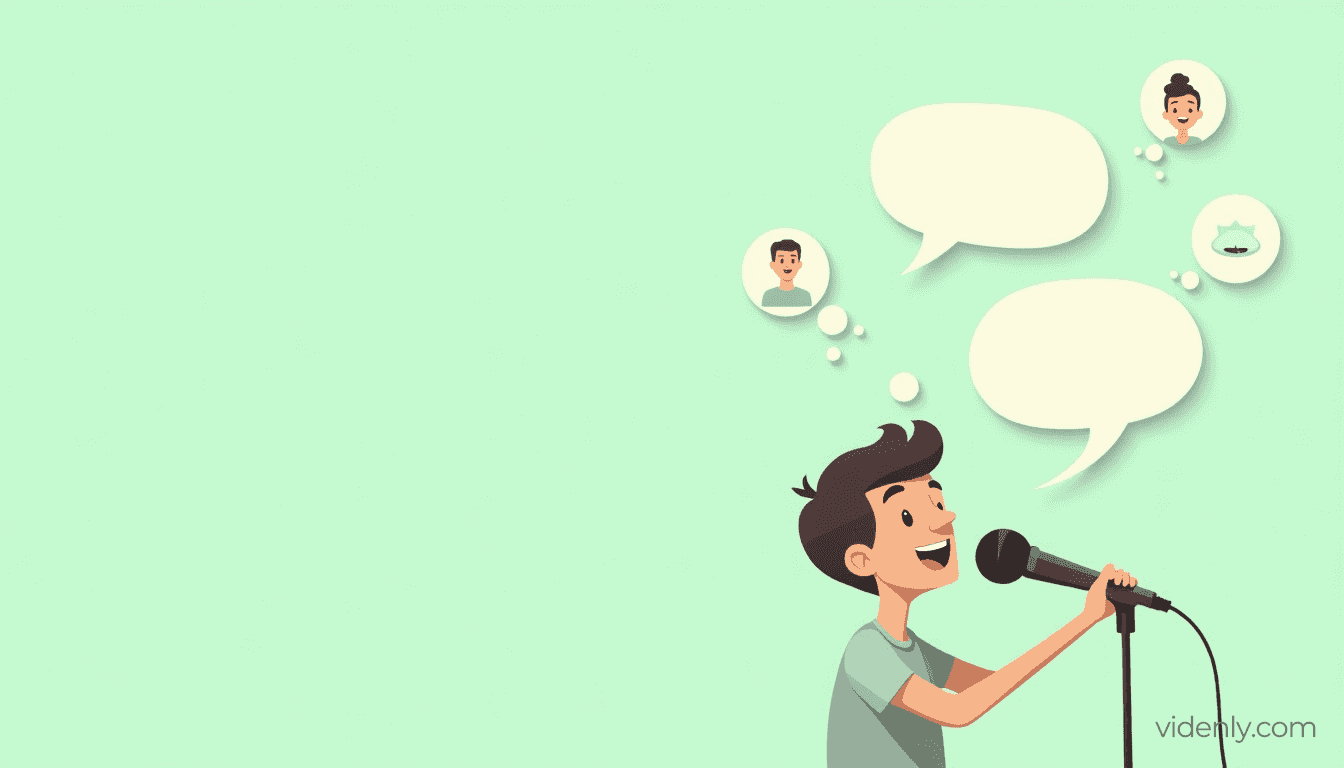
And isn’t that a potent cloak of invisibility of the digital age?
While face-to-face interactions might induce feelings akin to walking a tightrope across an urban canyon for some of us, faceless channels strip away that fear.
The fear being, the analysis, the judgment, the expectations.
Surely, anyone can find comfort in a form of interaction where you’re defined by your words and not the anxiety they were said with.
Wouldn’t you agree?
The best part, in my opinion, about faceless channels is the flexibility they offer.
The ability to choose what you portray, when you want to portray it, and how you want to portray it might be the introvert’s dream.
But even then, there’s something more to it.
Let me tell you, let’s dive a little deeper into the features that make faceless channels the perfect environment for introverts.
These unique attributes include:
Faceless channels welcome a wide array of thoughts, ideas, perspectives, and feelings.
Without the pressure of keeping up with the rapid pace of a conversation, it is much more comfortable for introverts to express themselves fully and clearly.
They can take their time, refine their thoughts, and present them in a manner that truly does justice to their gist.
I mean, there’s no rush here, is there?
Moreover, the reduced social pressure on these platforms is a blessing in disguise.
There are no silent, expectant pauses to fill, no uncomfortable small talks to navigate.
You can just be yourself, minus the unnecessary stress.
Something that, I feel, we’re all looking for.
Furthermore, the absence of an immediate reaction often leads to a more empathetic and thoughtful response.
Isn’t that a breath of fresh air?
Viewing faceless channels as a dimly-lit, cozy room with fewer people could easily paint a metaphorical picture.
A room where everyone is given the space to express themselves freely.
To wrap it up, I would say that faceless channels allow introverts to express themselves freely without any fear or stress.
They provide the perfect platform for meaningful interaction, encouraging deeper connections.
But most importantly, they allow introverts to be themselves.
And for an introvert, is anything more liberating?
It’s intriguing, the impact of response time on communication, isn’t it? As introverts navigate faceless communication channels, the time factor indeed plays a critical role.
Instantaneous responses aren’t always welcome, particularly in conversation with an introvert.
It’s like trying to catch a frail bubble, through a sudden rush of water overwhelming and distorting the beautiful nuance of individual thought.
Through slower, more deliberate response times, introverts can digest and compose their thoughts and feelings, adding depth to the discussion. Isn’t it refreshing to not feel pressured into an immediate response?

Keep in mind, conversation is not a race nor should it be treated as such. The depth and quality of conversation, in my opinion, far outweigh the speed at which it is conducted.
If you wonder why introverts might favor slower, more thoughtful responses, consider how truly authentic communication blossoms when given time.
Let’s look at the following points:
Mathematically, it would seem that more words equate to more details. However, isn’t the quality often lost in haste? Overspeeding may get you to the end faster, but even then, will you capture the details of the journey?
In an increasingly fast-paced world, slowing things down may seem counterintuitive. Yet, for the introverted communicant, the beauty lies in the slower tempo, the thoughtful formulation of responses, the deep exploration of thoughts.
I mean, if communication is a dance, should we not savor every beat, every rhythm?
Faceless communication channels can embrace a conversational pace that invites thoughtfulness.
This digital realm can be a welcoming, even comforting, haven for introverted individuals.
Important: In faceless communication channels, response time isn’t just a consideration—it’s a conscious container for enriched and fulfilling communication, especially for introverted individuals who may favor slower, more thoughtful responses.
And so, response time isn’t just a consideration it’s a conscious container for enriched and fulfilling communication. It’s our way of saying, “Take your time, we’re in no rush, your voice matters.”
It’s our way of honoring the introvert’s paced rhythm.
In the end, the consideration of response time is an example of how we can make a conscious effort to create inclusive communication spaces. And isn’t that something worthwhile?
As I delve into the security aspect of faceless channels, it becomes clear how they can cater to the introverted populace.
Let’s begin with why these channels offer a unique kind of security cushion that traditional social platforms fail to provide.
Personal data exposure or identity theft are some of the terrifying aspects embedded in the use of traditional social platforms. Are we safe in these expansive digital realms?
Faceless channels, on the other hand, provide a distinctive sense of security by keeping user identity undisclosed.
It’s like being in a bustling city, but wearing a cloak of invisibility.

A major security feature with these channels is their capacity to maintain user anonymity. Your private information, say your name or profile picture, aren’t plastered for the world to see.
For introverts, this creates a safe socializing environment. But even then, is this enough to assure users about their security on these channels?
Many would argue, absolutely.
The discreet nature of these channels acts as a security barrier, preventing unwarranted access to personal information. I think that’s an added advantage, wouldn’t you agree?
But let’s talk about how faceless channels simplify security
That’s quite the list, isn’t it? The capability of faceless channels to assure security in these various ways can undoubtedly promote an introvert’s engagement.
Does that mean these channels are completely risk-free? Well, like anything in technology, nothing is absolute.
Malicious activities can still occur under the guise of anonymity. It’s a formidable issue that these platform creators must contend with.
However, the active moderation on many faceless channels can act as a safety net. Most platforms have reporting options and in-built tools to flag and remove inappropriate content, essentially ensuring a safer environment for users.
Within the hustle and bustle of these faceless channels, introverts find comfort.
A comfortable space where one can express without the fear of oversharing their personal information.
I would say it’s akin to finding an oasis in a chaotic desert. Regardless, each faceless channel must strive to improve and maintain user privacy and security.
Pro Tip: As a user, faceless channels can significantly enhance your online security by providing user anonymity that prevents unwarranted access to personal information.
In essence, faceless channels present an appealing alternative for introverts.
The enhanced user security these platforms provide can make socially engaging online a breeze.
As these platforms evolve, we can only hope they strive to maintain this appealing charm that currently works in their favor.
Afterall, security and ease of communication, isn’t that all we seek in our digital interactions?
Imagine walking on a tightrope, that’s ordinarily what balancing social interaction and personal space feels like for many introverts.
It’s as though your every step can lead you to tumble into the chasm of either extreme.
A faceless channel can be compared to a wide bridge replacing the tightrope. It allows introverts to cross between social interactions and personal space without risking to fall off.
Hence, let’s explore why faceless channels are a perfect fit for introverts and how they balance their need for social interaction and personal space.
Introverts, by nature, draw their energy from solitude. They tend to recharge by spending time alone. Which means they value their personal space to a great extent.
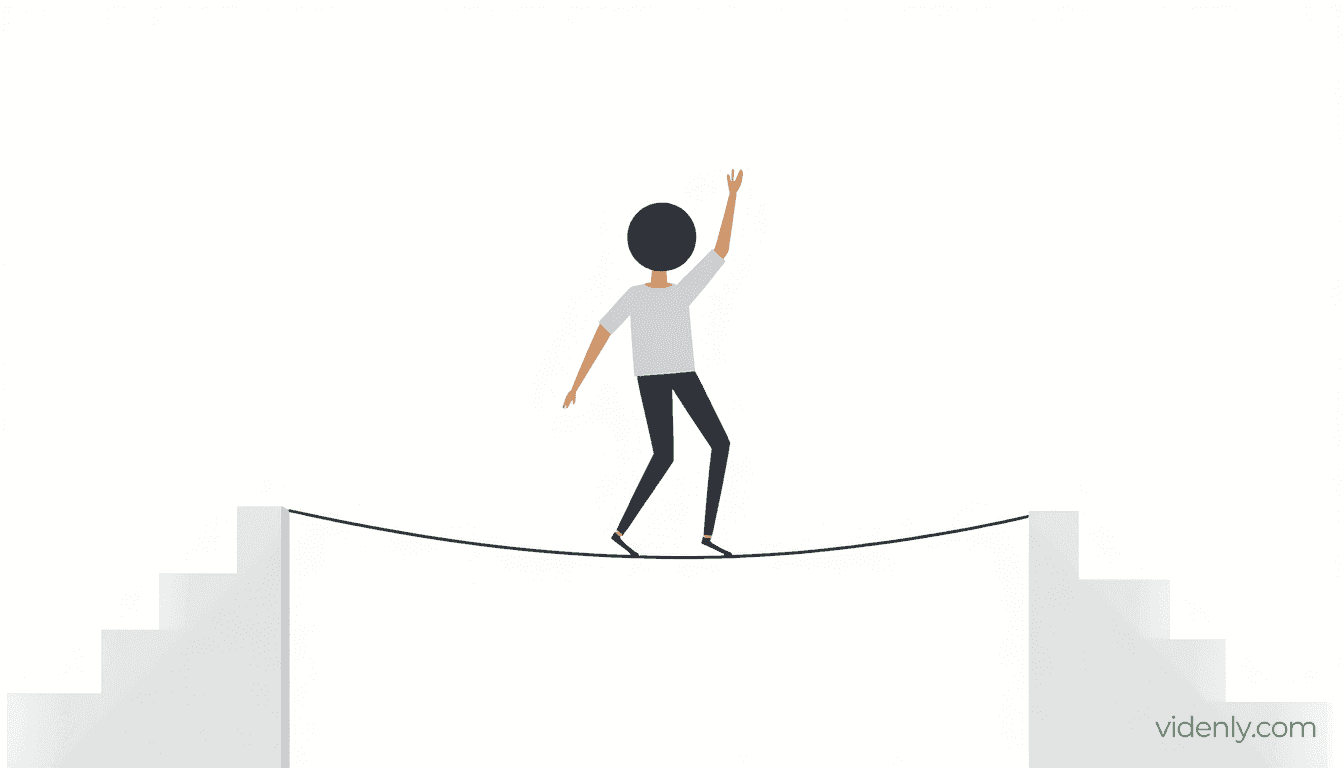
Do faceless channels provide this required space? I would say, indeed. Acting akin to an invisible cloak, they allow introverts to maintain their privacy and individuality while simultaneously interacting with others.
It’s a phenomenal paradox, isn’t it? The social interaction taking place, yet the user being invisible. How does it work?
Faceless channels offer anonymity, meaning there’s no pressure to present oneself in a certain light. No photo editing, no perfect captions required.
No fear of being judged.
Am I implying that this anonymity midwives freedom and comfort? Absolutely.
But even then, it doesn’t fully explain how a faceless channel can balance social interaction and personal space.
Allow me to bring forward three distinct reasons:
These reasons not only maintain a user’s personal space but also encourage introverts to participate in social interactions more freely.
They aren’t put on the spot to respond instantly.
They get time to think, process, and then reply. It brings in ease, doesn’t it? A dream for many introverts, I mean.
The freedom to disconnect anytime ensures an introvert’s personal space remains intact.
They’re not locked into an endless conversation. Think of it as an emergency exit, there whenever needed.
Important: Faceless channels offer anonymity, allowing introverts to balance between social interaction and personal space by fostering topic-driven conversations, providing response buffer time, and the freedom to disconnect anytime without feeling guilt.
This brings a level of comfort and confidence, therefore encouraging introverts to participate in social interactions more often.
They control the frequency and intensity of interactions, titrating a balance between personal space and social needs.
True, faceless channels don’t completely resolve the social anxiety many introverts face.
But by providing a safer, controlled environment, they do make the tightrope less intimidating.
Perusing the landscape of online platforms, one might wonder: how do they cater to introverts? Well, to begin, we have to start by understanding introverts.
As a matter of preference, introverts tend to gravitate towards one-on-one conversations and solo activities.
They have a penchant for solitude and deep contemplation, and aren’t usually comfortable with the idea of being under the public spotlight.
Enter faceless channels.
These platforms are virtual havens that serve to provide perfect conduits for introverts to express themselves freely.
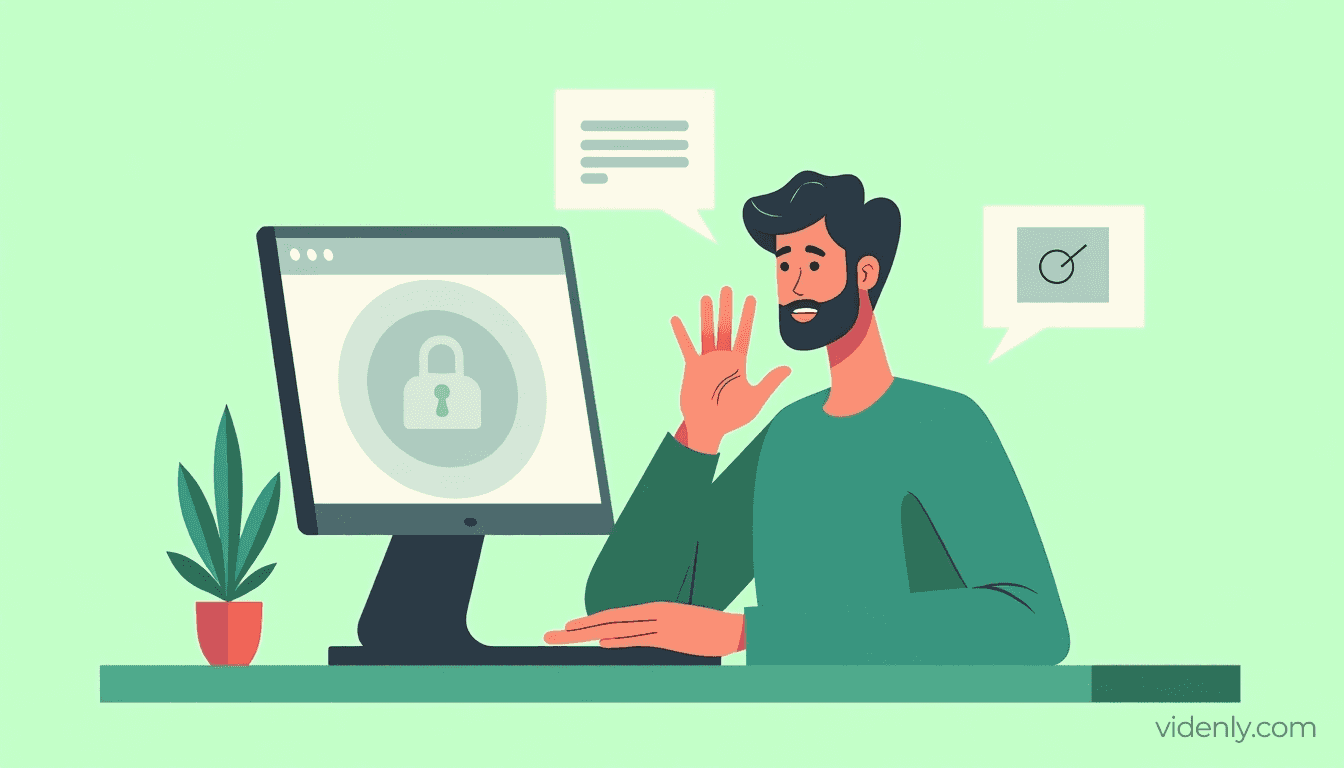
One might ask: How exactly? Here’s how these platforms accommodate their introverted users:
To recap, faceless channels essentially remove the pressure that comes with the fear of being judged.
This is undoubtedly a major attraction for introverts.
They can simply blend in and be their unfiltered selves without worrying about the unescapable societal norms.
That is not all.
Even the pace of interaction on these platforms is slower, being more in tune with the introvert’s preferred rhythm.
The feeling of rushing to respond in live, face-to-face interactions? That’s non-existent here. Introverts can take their sweet time to respond, contemplating over their thoughts and piecing together their inputs. It’s quite comfortable, I would say.
But even then, this doesn’t imply that introverts are antisocial; they’re just differently social.
And it is something that these faceless channels brilliantly understand.
Such platforms, many might say, are much like a warm, inviting, candlelit room after a day spent out in the harsh glare of the midday sun.
They give introverts the space they need and crave a space where they’re neither exposed nor vulnerable but comfortable.
This, my friends, is how these platforms cater to introvert’s needs.
It’s not just about providing a channel for communication; it’s about creating a haven where introverts can be themselves, without feeling drained or overwhelmed.
In a world that’s loud and boisterous, these faceless channels emanate the calm, soothing tones of a tranquil sanctuary, don’t they?
Faceless channels create an ideal haven where introverts can express, connect and flourish without the anxiety associated with direct, face-to-face interactions.
It offers a stress-free platform where they can communicate and interact, at their own pace without feeling overwhelmed.
The ability to remain anonymous reduces the pressure of immediate responses and judgements, encouraging open and honest communication.
Anonymity serves as a comforting cloak, facilitating free expression and creativity along with offering an escape from social expectations.
With no one judging or hurrying them, introverts can express their thoughts and ideas freely and completely on these platforms.
Delay in response time provides a much-needed buffering zone for introverts, allowing them to think, process, and respond without being rushed.
The security and privacy provided by these channels empower them to control their communication and interactions, without feeling vulnerable.
While maintaining the fine balance between personal space and social interaction, these platforms offer networking opportunities that introverts might otherwise avoid in a conventional setting.
In essence, faceless channels are brilliantly designed to cater to the unique needs of introverts by providing an avenue for self-expression, collaboration, and meaningful connection in an ideally paced, non-threatening environment.
Create stunning AI-generated videos that captivate your audience and elevate your brand.